Understanding Lab Vacuum Equipment
Lab Vacuum Equipment refers to a range of laboratory devices and systems designed to generate, control, measure, and utilize vacuum conditions during scientific experiments and industrial research. By reducing the pressure inside a closed system, vacuum equipment enables processes that cannot be efficiently performed under normal atmospheric conditions, such as solvent evaporation, filtration, drying, degassing, distillation, and material processing.
In modern laboratories, vacuum technology plays an important role in improving experimental efficiency, protecting heat-sensitive materials, and achieving higher accuracy in research procedures. From pharmaceutical development and chemical analysis to biotechnology and advanced material research, laboratory vacuum systems have become essential supporting equipment.
Unlike simple suction devices, professional Lab Vacuum Equipment requires precise pressure control, stable operation, chemical resistance, and compatibility with different experimental systems. Depending on application requirements, laboratory vacuum solutions may include vacuum pumps, vacuum controllers, vacuum filtration systems, vacuum drying equipment, vacuum reactors, and complete vacuum processing systems.
The Working Principle of Laboratory Vacuum Systems
The basic function of Lab Vacuum Equipment is to remove gas molecules from a sealed chamber or experimental system, creating a pressure level lower than atmospheric pressure.
A vacuum pump is usually the core component of the system. It extracts air or vapor from the equipment, while additional components such as valves, gauges, regulators, and condensers help maintain stable vacuum conditions.
Different vacuum levels are required for different laboratory processes. Some applications only need a mild vacuum environment, while others require deep vacuum conditions for advanced research.
| Vacuum Level |
Typical Applications |
| Low Vacuum |
Filtration, suction, simple gas removal |
| Medium Vacuum |
Rotary evaporation, vacuum drying, solvent recovery |
| High Vacuum |
Material research, advanced chemical processing, analytical instruments |
| Ultra-High Vacuum |
Specialized scientific research and surface analysis |
The selection of vacuum equipment depends on factors such as required pressure level, gas composition, operating temperature, chemical compatibility, and continuous working time.
Main Components of Lab Vacuum Equipment
A complete laboratory vacuum system usually consists of multiple components working together to provide stable and reliable vacuum performance.
The vacuum pump is the main power source. It determines the achievable vacuum level, pumping speed, and overall system performance. Common laboratory vacuum pumps include diaphragm pumps, rotary vane pumps, scroll pumps, and oil-free vacuum pumps.
Vacuum controllers and gauges are responsible for monitoring and adjusting pressure conditions. Precise pressure control is especially important in experiments where reaction conditions or evaporation rates need to be carefully managed.
Vacuum valves and connecting accessories help regulate airflow, isolate different sections of the system, and improve operational safety. High-quality sealing components are also essential because even small leaks can significantly affect vacuum performance.
| Component |
Main Function |
| Vacuum Pump |
Generates vacuum by removing gases |
| Vacuum Gauge |
Measures internal pressure |
| Vacuum Controller |
Adjusts and maintains vacuum level |
| Valve System |
Controls gas flow and isolation |
| Tubing and Connectors |
Ensures reliable system connection |
Common Types of Lab Vacuum Equipment
Different laboratory applications require different vacuum technologies.
Laboratory Vacuum Pumps
Vacuum pumps are the most widely used type of Lab Vacuum Equipment. They provide vacuum sources for various laboratory instruments and experimental systems.
Diaphragm vacuum pumps are commonly used in chemical and biological laboratories because they are oil-free, clean, and resistant to many corrosive gases. Rotary vane pumps can achieve stronger vacuum levels and are often used in applications requiring higher performance.
Oil-free vacuum pumps are increasingly popular because they reduce contamination risks and require less maintenance, making them suitable for sensitive laboratory environments.
Vacuum Filtration Equipment
Vacuum filtration systems use negative pressure to accelerate the separation of solids and liquids. They are widely used in microbiology, chemistry, environmental testing, and pharmaceutical laboratories.
Compared with traditional filtration methods, vacuum filtration improves efficiency and allows faster processing of laboratory samples.
Vacuum Drying Equipment
Vacuum drying systems remove moisture or solvents under reduced pressure. Because materials can dry at lower temperatures, vacuum drying is particularly suitable for heat-sensitive substances.
Applications include:
- Pharmaceutical materials
- Chemical compounds
- Biological samples
- Advanced materials
Vacuum Evaporation Systems
Vacuum evaporation equipment reduces boiling points by lowering pressure, allowing solvents to evaporate at lower temperatures.
This technology is widely used in solvent concentration, chemical purification, pharmaceutical research, and sample preparation.
Applications of Lab Vacuum Equipment in Different Industries
Lab Vacuum Equipment supports a wide range of scientific and industrial processes.
In chemical laboratories, vacuum systems are commonly used for solvent removal, filtration, distillation, and reaction condition control. Researchers rely on vacuum technology to improve separation efficiency and handle temperature-sensitive compounds.
In pharmaceutical research, vacuum equipment plays an important role in drug development and formulation processes. Vacuum drying, evaporation, and concentration procedures help maintain product stability while improving processing efficiency.
In biotechnology laboratories, vacuum systems are used for sample preparation, filtration, and controlled processing of biological materials.
In material science, vacuum technology supports research involving coatings, polymers, powders, and advanced materials where controlled pressure environments are required.
| Industry |
Applications |
| Chemical Research |
Distillation, evaporation, filtration, reaction control |
| Pharmaceutical |
Drying, concentration, solvent recovery |
| Biotechnology |
Sample preparation and filtration |
| Material Science |
Vacuum processing and material evaluation |
| Environmental Testing |
Sample separation and analysis |
Factors Affecting the Performance of Laboratory Vacuum Equipment
The performance of Lab Vacuum Equipment depends on several important factors.
Vacuum level is one of the most important considerations. Different experiments require different pressure ranges, so equipment selection must match the required vacuum conditions.
Chemical compatibility is also critical. Laboratory processes often involve solvents, corrosive gases, or reactive substances. Vacuum equipment materials must be selected carefully to ensure long-term reliability.
Flow rate and pumping speed determine how quickly the system can achieve the required vacuum level. For applications involving large volumes or continuous operation, higher pumping capacity may be necessary.
Noise level, maintenance requirements, and energy efficiency are also increasingly important factors for modern laboratories.
Manufacturing and Customized Laboratory Vacuum Solutions
Producing reliable Lab Vacuum Equipment requires professional engineering capability, precise manufacturing, and strict quality control.
Vacuum systems involve multiple technical areas, including mechanical design, fluid control, sealing technology, material selection, and electronic control. Every component must work together to ensure stable vacuum performance.
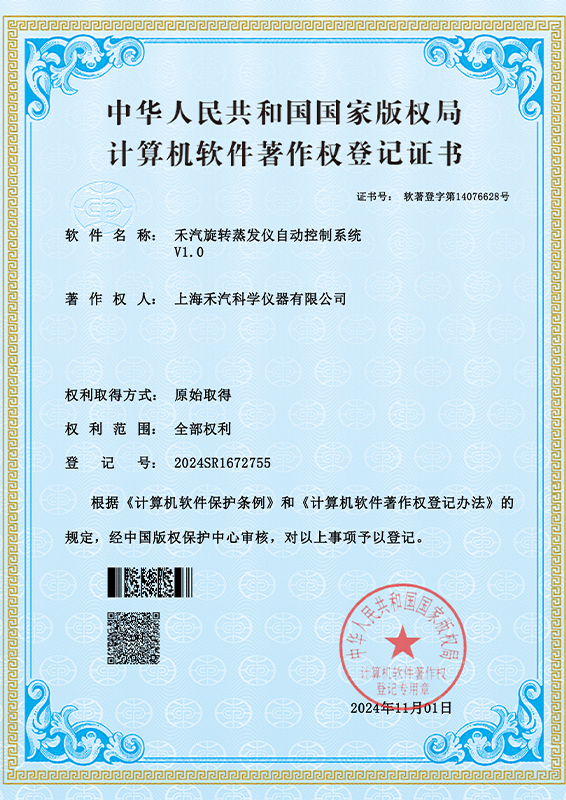
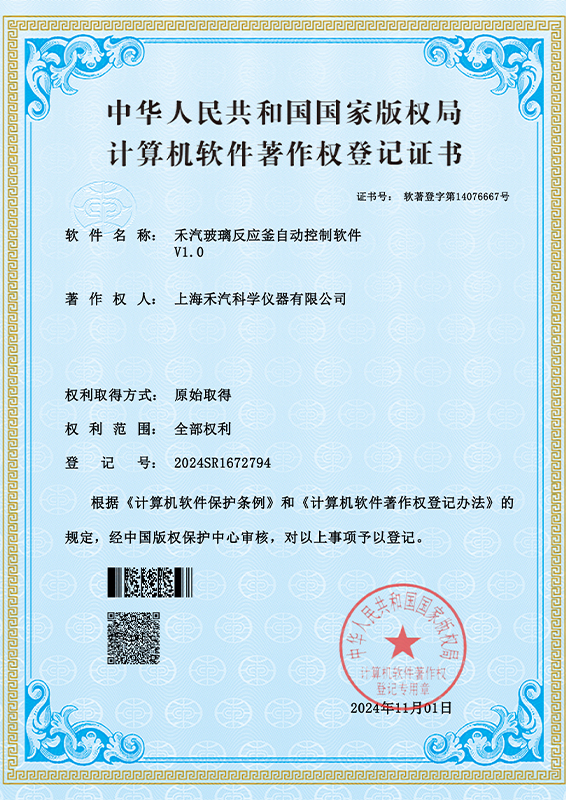
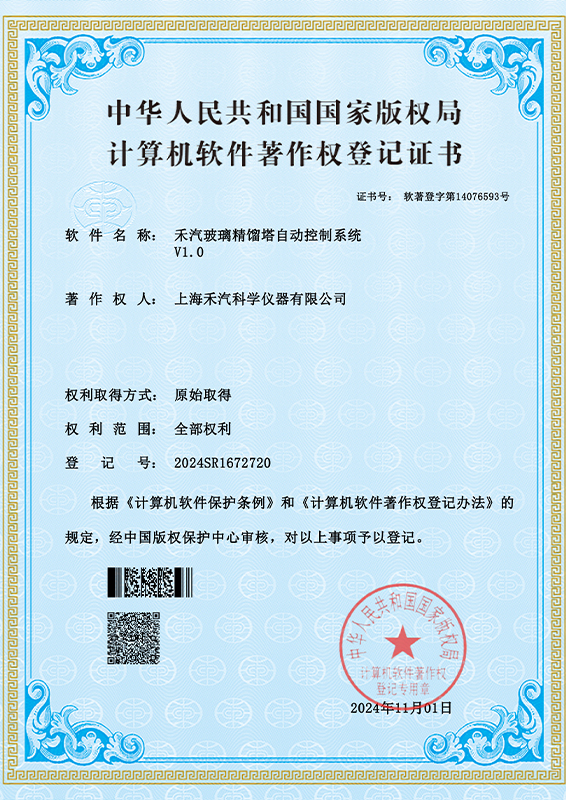
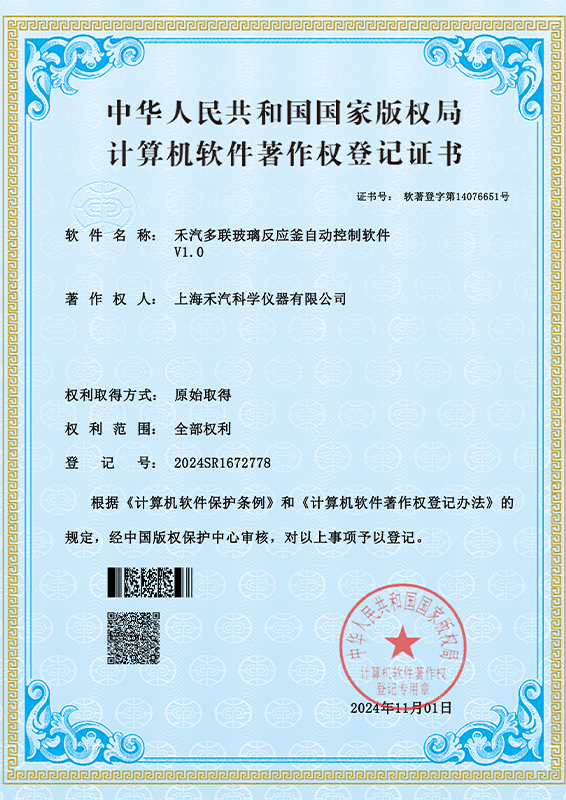
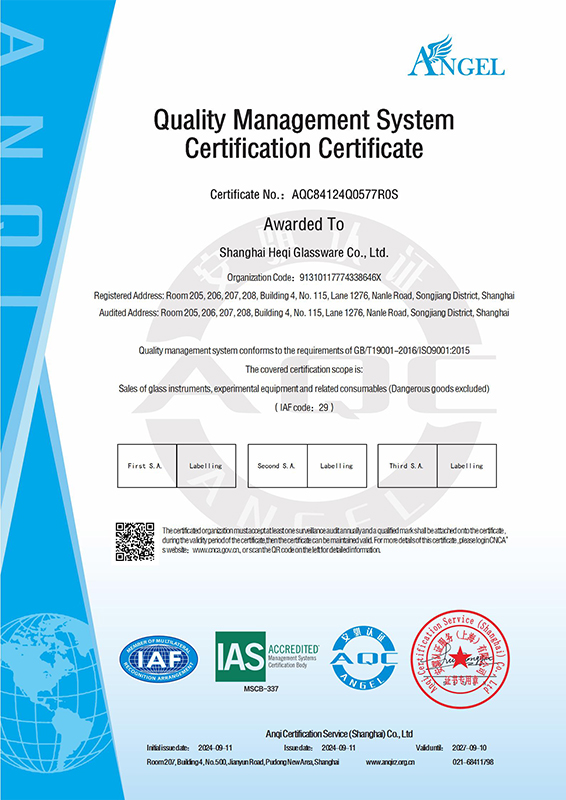
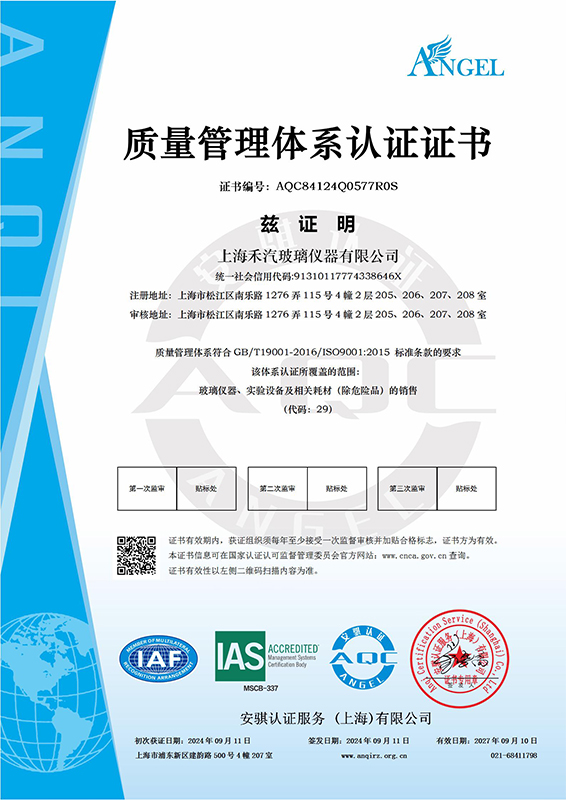
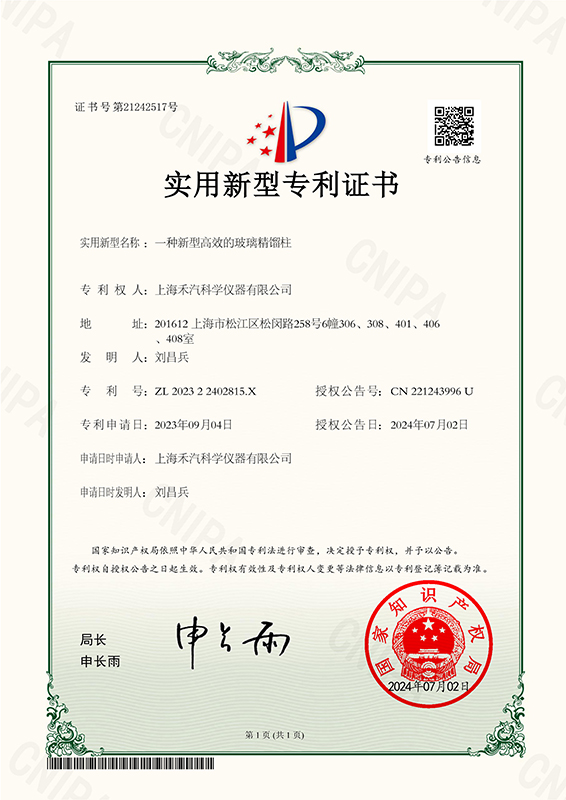
With experience in laboratory equipment development and customized experimental solutions, Shanghai Heqi Glassware Co., Ltd. provides professional support for laboratories requiring reliable glass instruments and experimental systems.
Founded in March 2002, Shanghai Heqi specializes in the R&D and production of standard-mouth glass instruments, laboratory equipment, and customized solutions. The company has established production bases in Songjiang, Chengdu, Jiaxing, and Yancheng, integrating modern manufacturing technology with professional craftsmanship.
By adopting mechanized and semi-mechanized production methods and assembly-line manufacturing processes, Shanghai Heqi improves production efficiency while maintaining consistent product quality. The company has also developed an experienced R&D team covering chemical research, mechanical design and processing, and electronic control technologies.
With specialized workshops for glass manufacturing, metal processing, and equipment assembly, Shanghai Heqi supports the development of various laboratory systems, including glass reactors, rotary evaporators, distillation units, high and low temperature circulation systems, vacuum pumps, laboratory stirrers, and UV analyzers.
Through integrated design, manufacturing, and customization capabilities, Shanghai Heqi provides laboratory solutions for chemical research, pharmaceutical development, scientific experiments, and industrial applications.
How to Select Suitable Lab Vacuum Equipment?
Selecting the right Lab Vacuum Equipment requires understanding the specific requirements of the laboratory process.
| Selection Factor |
Consideration |
| Required Vacuum Level |
Choose equipment according to the pressure range needed |
| Chemical Environment |
Select materials compatible with solvents and gases |
| Working Frequency |
Consider continuous or intermittent operation requirements |
| Sample Characteristics |
Evaluate temperature sensitivity and contamination risks |
| System Compatibility |
Ensure connection with existing laboratory equipment |
For chemical evaporation and distillation applications, systems with stable vacuum control are usually preferred. For biological and pharmaceutical applications, clean and oil-free vacuum solutions may be more suitable.
A properly selected vacuum system can improve experimental efficiency, reduce operating risks, and provide more consistent research results.
Future Development Trends of Lab Vacuum Equipment
With the advancement of laboratory automation and precision research, Lab Vacuum Equipment is developing toward smarter, cleaner, and more energy-efficient solutions.
Future trends include intelligent vacuum monitoring systems, automatic pressure control, environmentally friendly pump technologies, and improved compatibility with automated laboratory platforms.
As industries such as pharmaceuticals, biotechnology, and advanced materials continue to grow, laboratory vacuum technology will remain a critical foundation supporting scientific innovation and industrial development.


 English
 Français
 Español