What Is a Laboratory Bottle and Why Is It Essential for Scientific Applications?
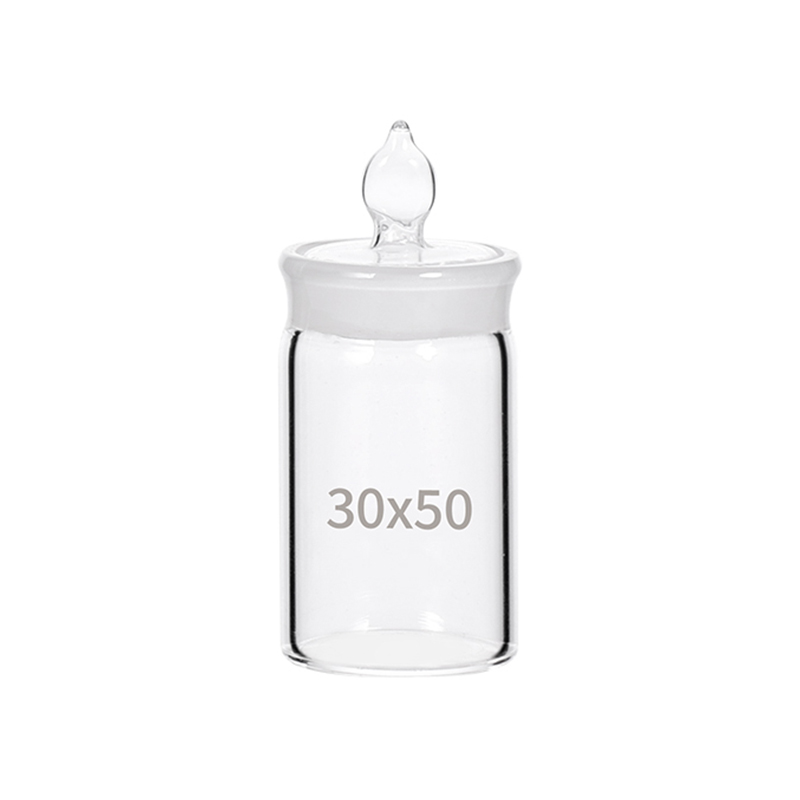
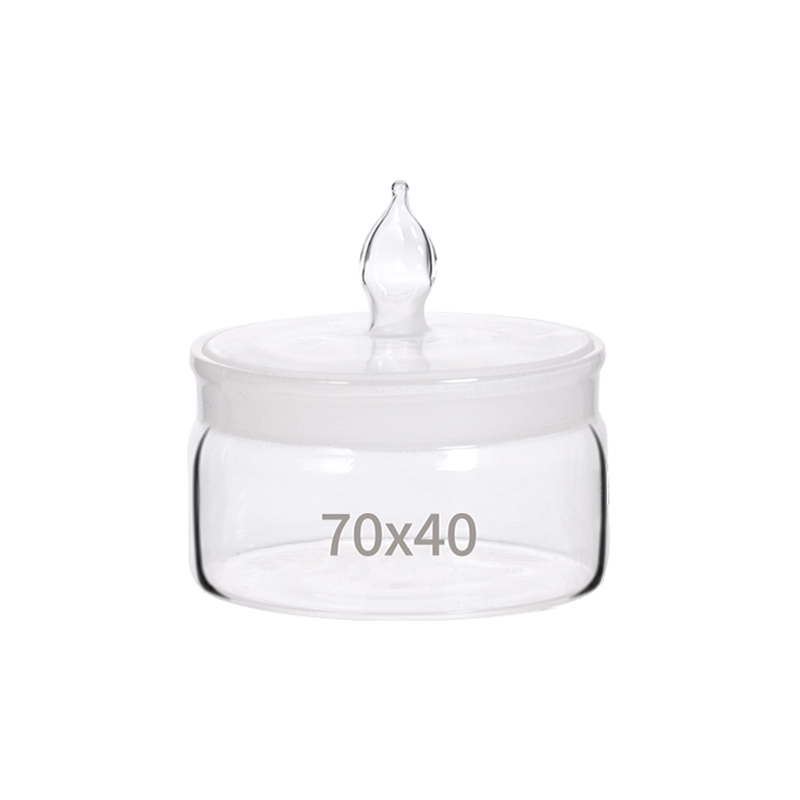
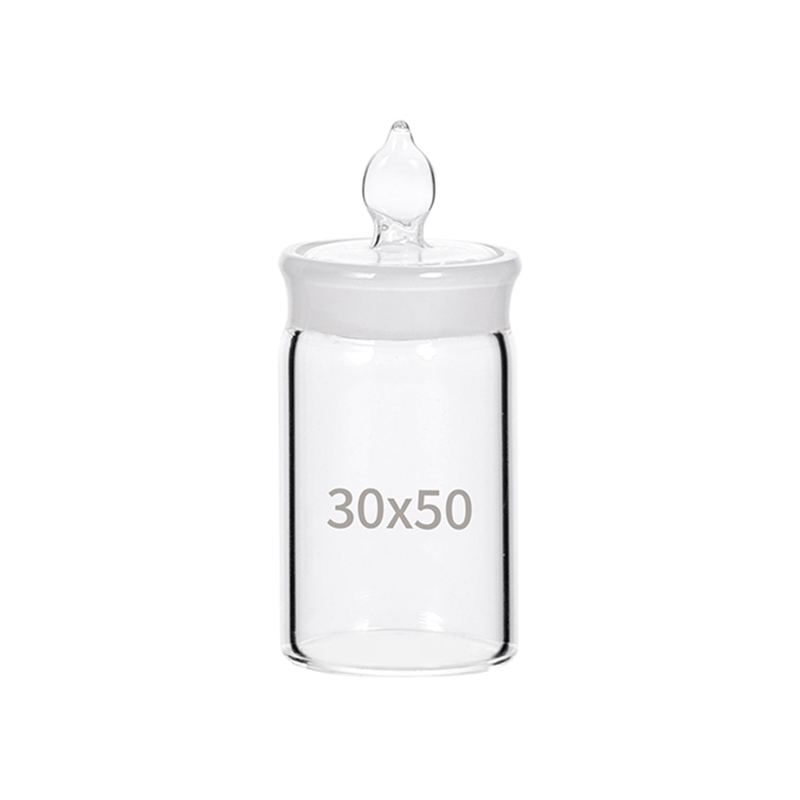
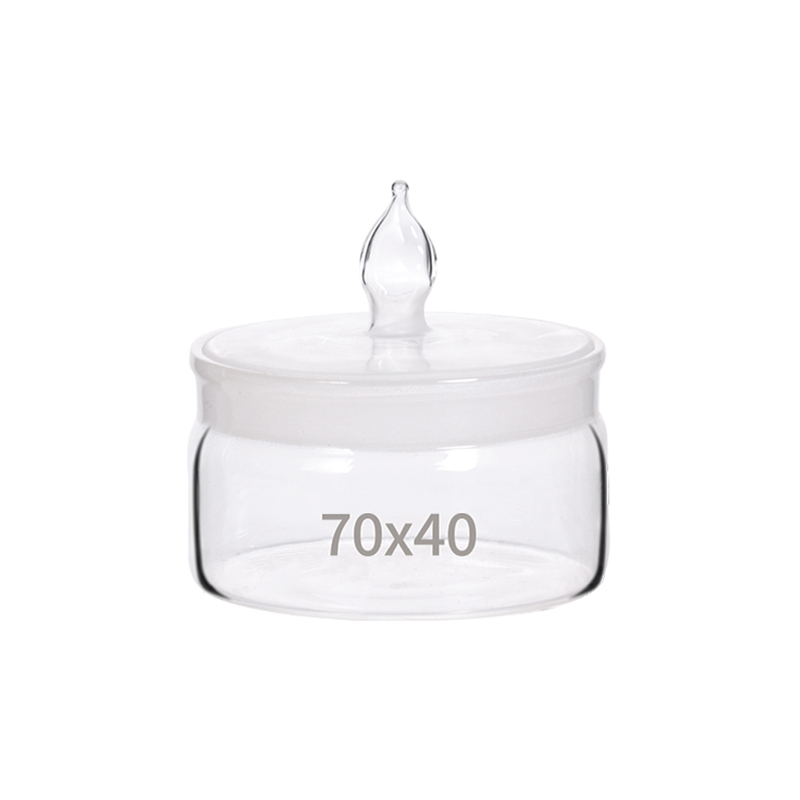
Laboratory bottles are widely used containers designed for storing, mixing, transporting, and preserving various laboratory substances. Unlike ordinary containers, laboratory bottles are manufactured according to strict scientific requirements, offering excellent chemical resistance, durability, and reliability. They are commonly used in research laboratories, pharmaceutical industries, chemical analysis, biotechnology, educational institutions, and industrial testing facilities.
A high-quality laboratory bottle needs to maintain sample integrity while preventing contamination, evaporation, or chemical reactions between the container and the stored material. Depending on different laboratory requirements, these bottles can be made from borosilicate glass, plastic materials such as HDPE or PP, and other specialized materials.
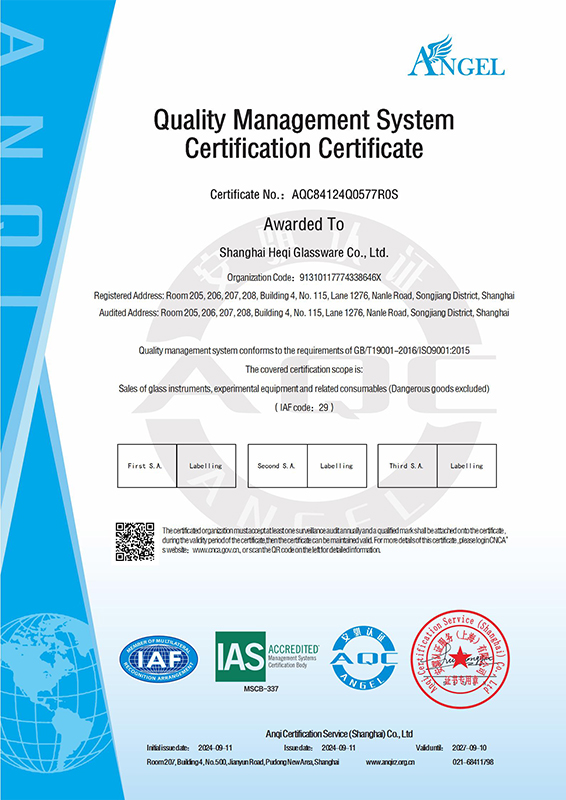
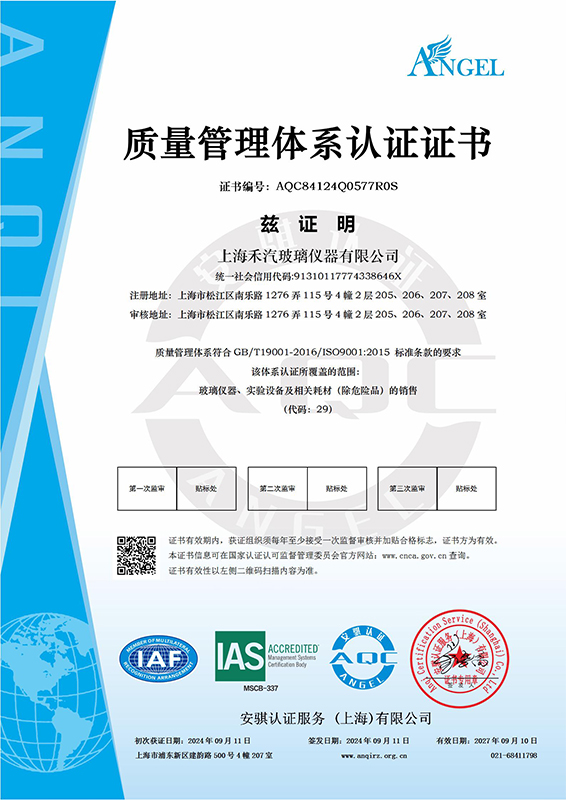
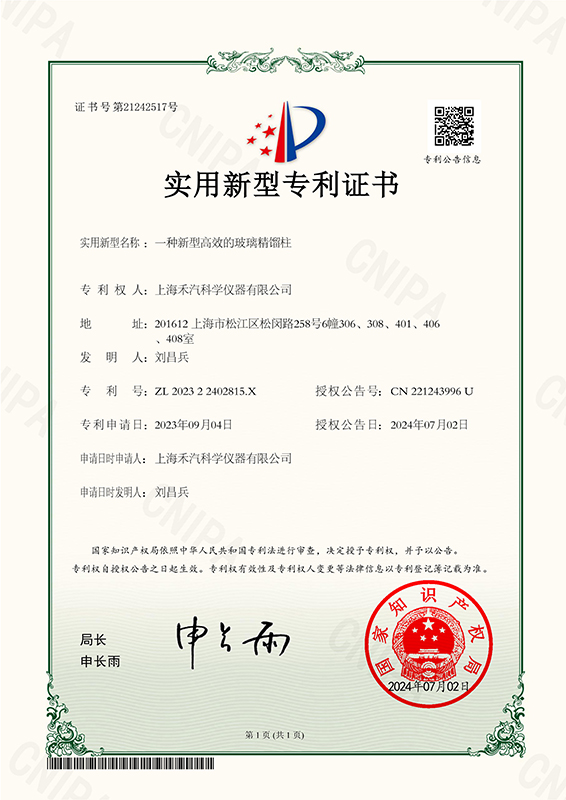
Shanghai Heqi Glassware Co., Ltd. specializes in the production and supply of professional laboratory glassware, providing reliable laboratory solutions for customers worldwide. With advanced manufacturing technology and strict quality control systems, the company focuses on delivering durable and precise glass laboratory products suitable for scientific research and industrial applications.
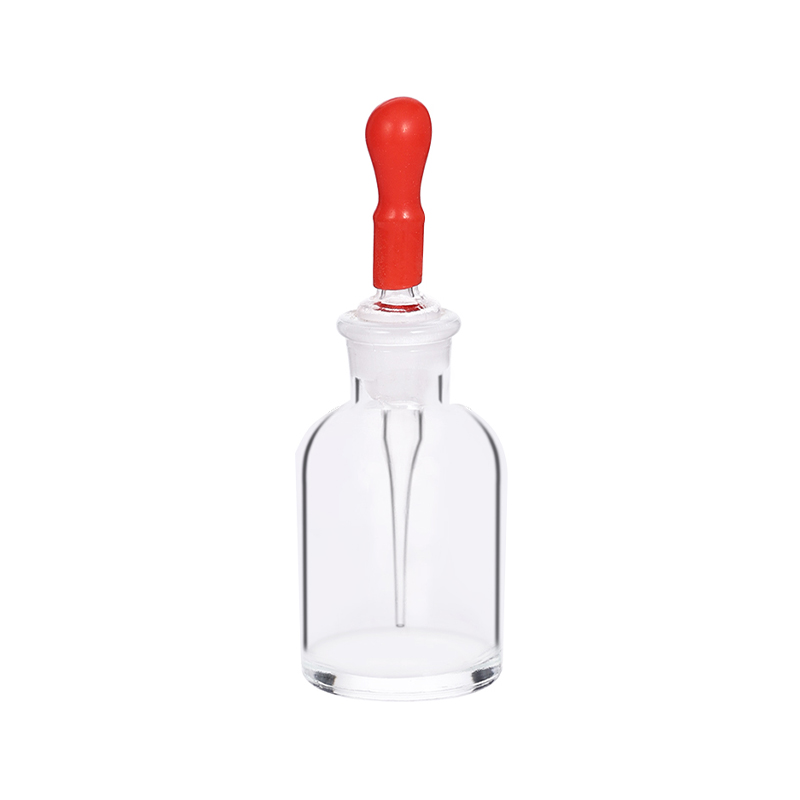
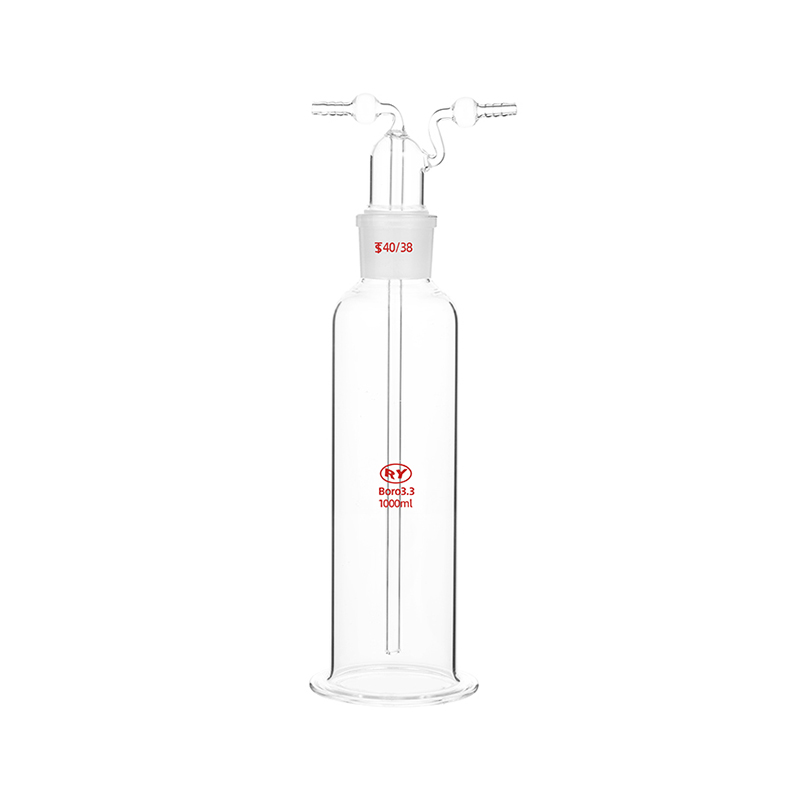
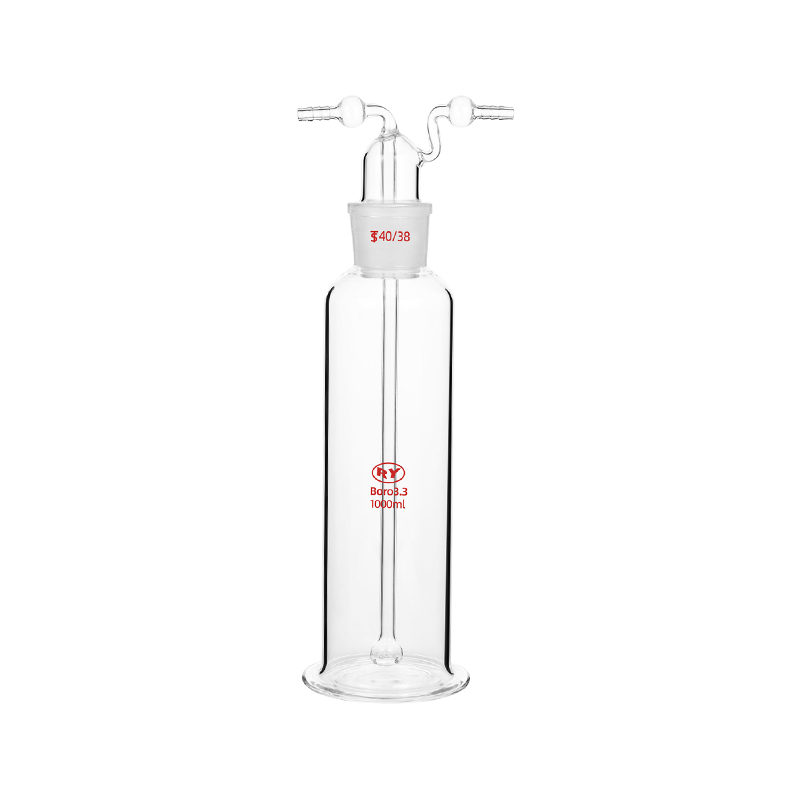
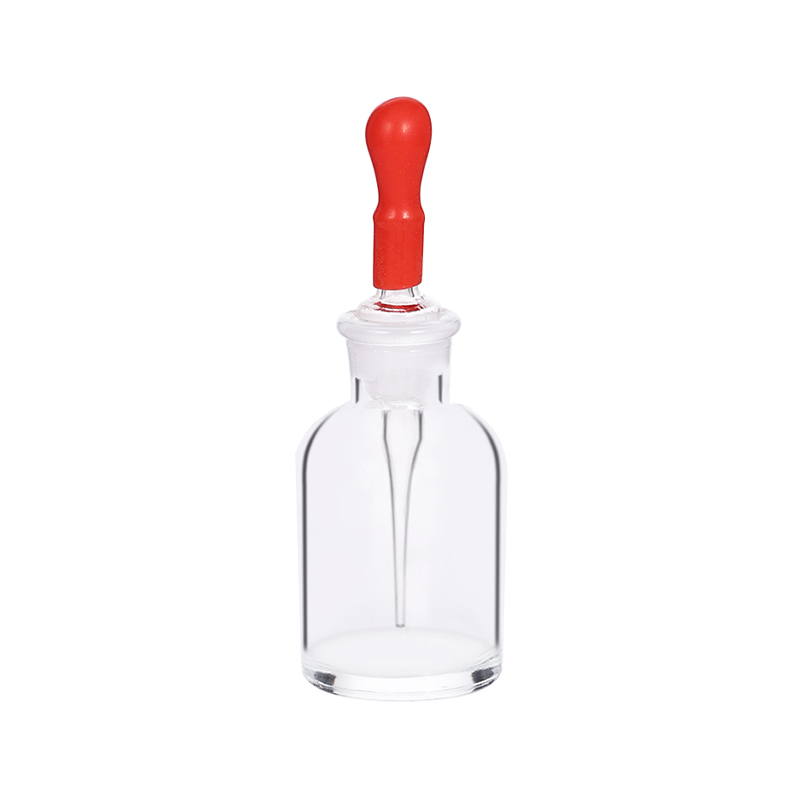
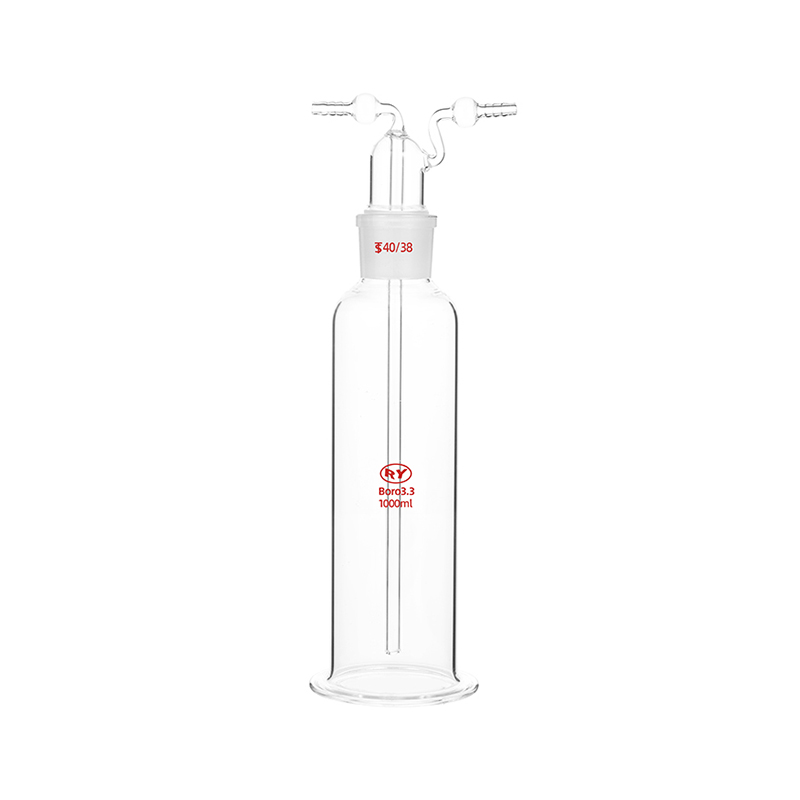
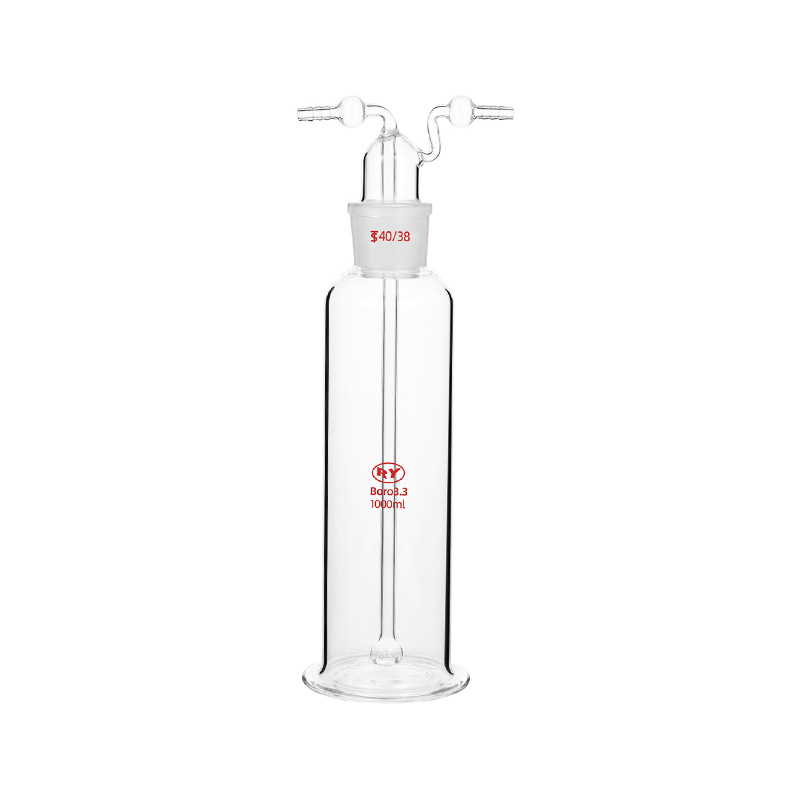
Common laboratory bottles include reagent bottles, media bottles, wash bottles, storage bottles, and sampling bottles. Each type is designed for a specific purpose to ensure safe and efficient laboratory operations.
| Laboratory Bottle Type |
Main Function |
Common Materials |
Typical Applications |
| Reagent Bottle |
Storage of chemical reagents and solutions |
Borosilicate Glass, Amber Glass |
Chemical laboratories, pharmaceutical research |
| Media Bottle |
Preparation and storage of culture media |
Glass, PP Plastic |
Biology, microbiology, cell culture |
| Wash Bottle |
Controlled dispensing of cleaning liquids |
LDPE, PP |
Laboratory cleaning and solvent application |
| Storage Bottle |
Long-term preservation of samples |
Glass, HDPE |
Research facilities and industrial testing |
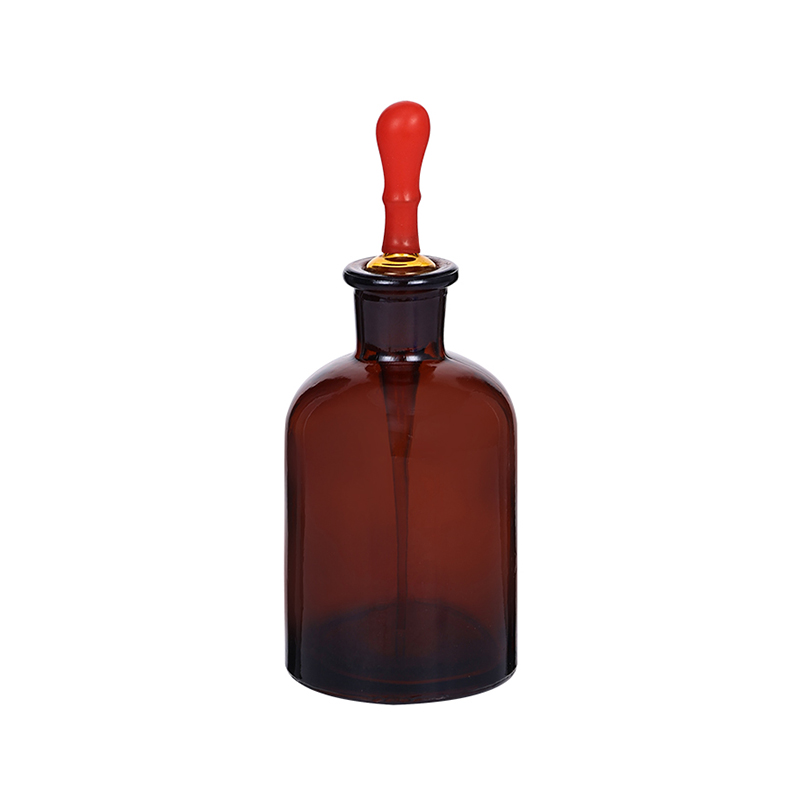
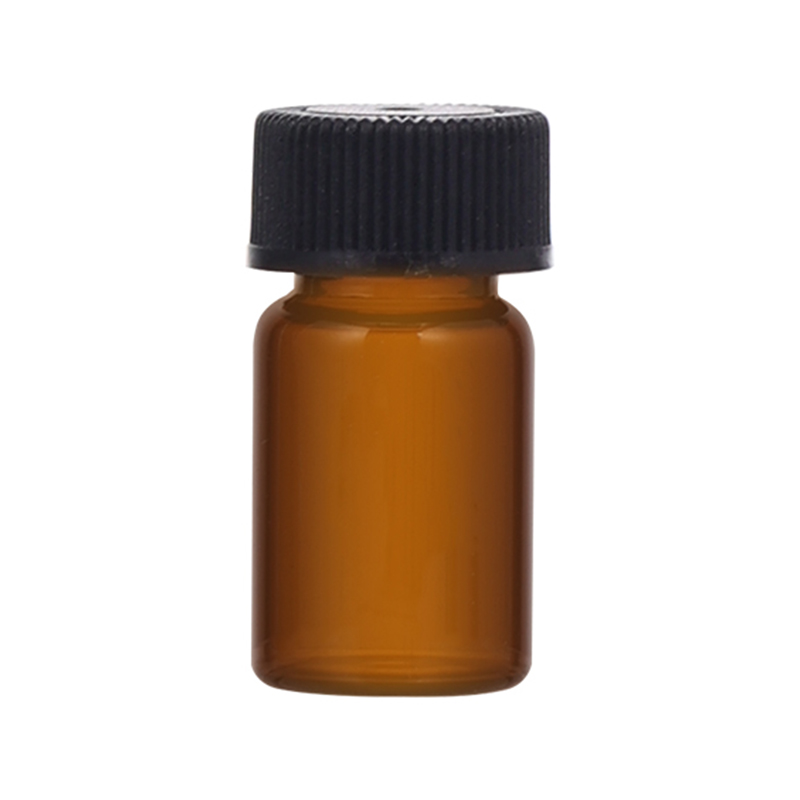
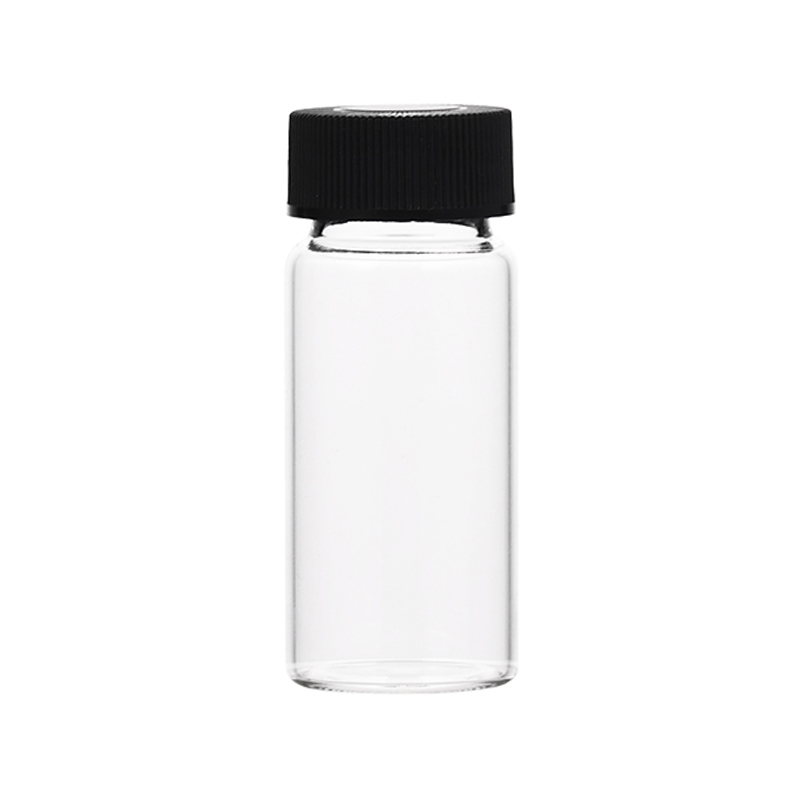
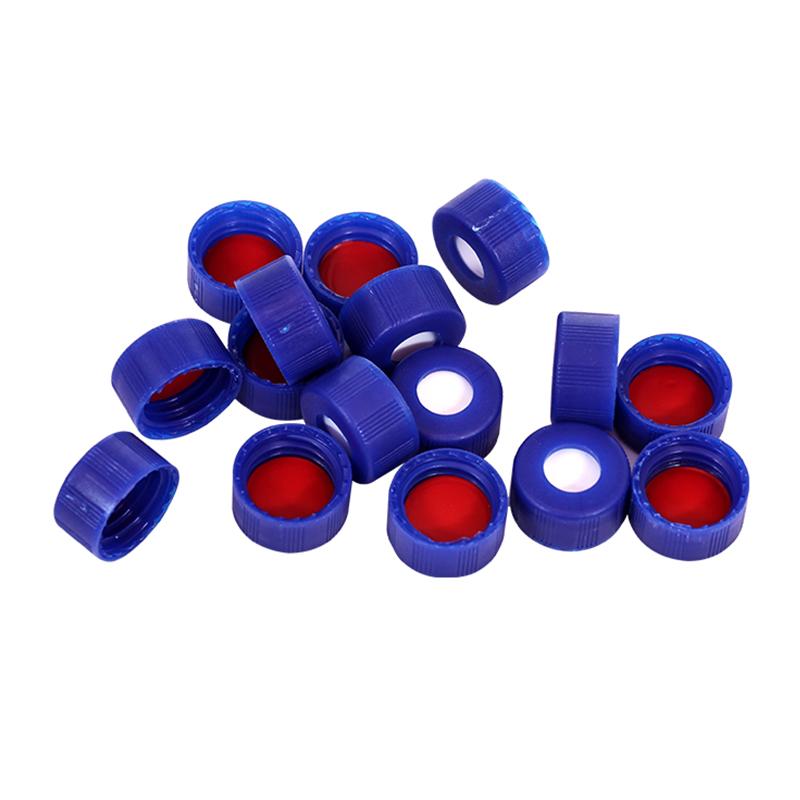
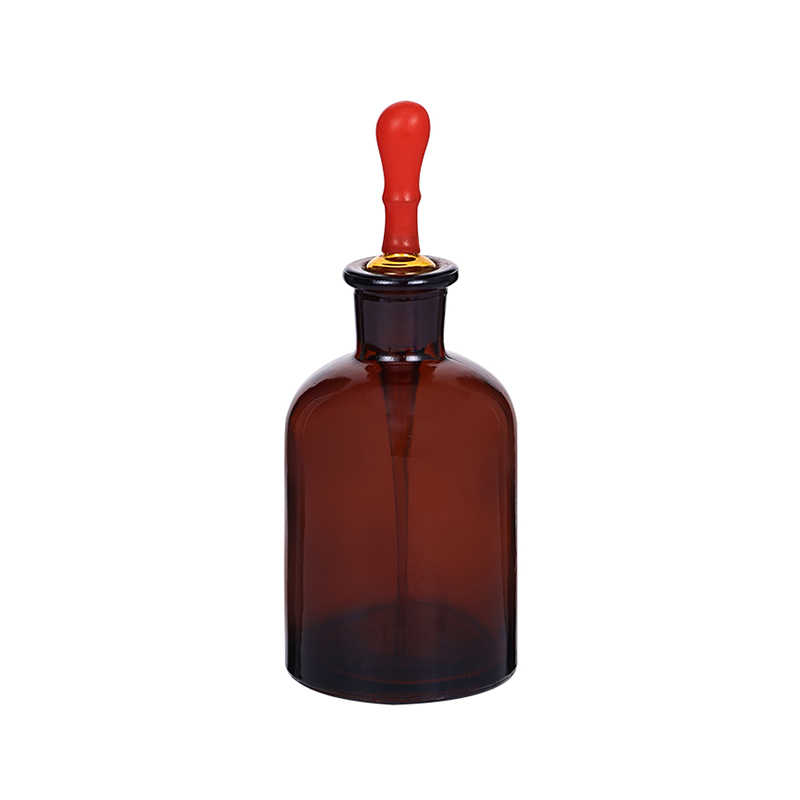
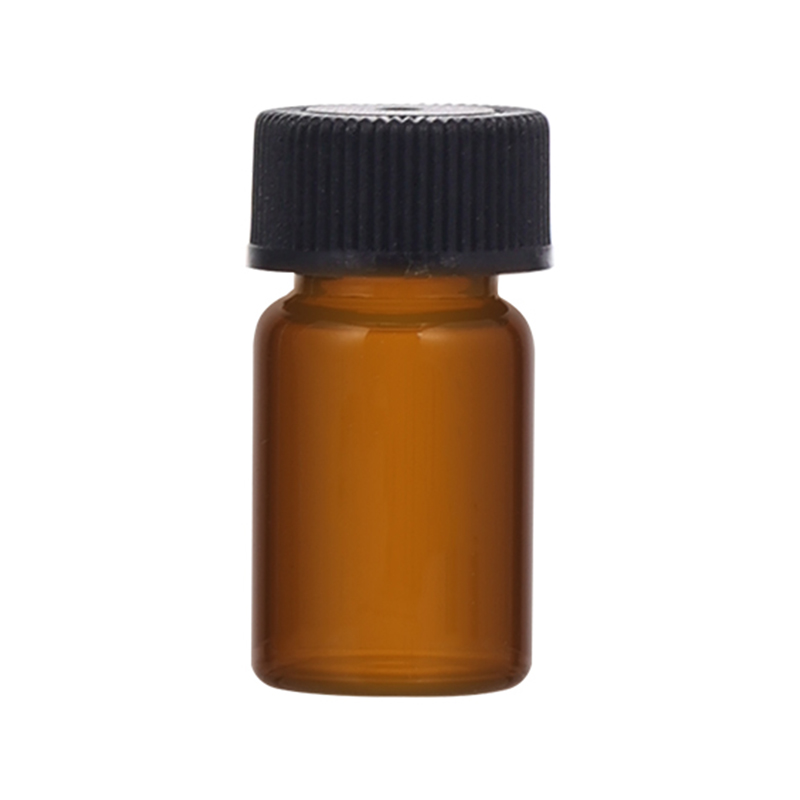
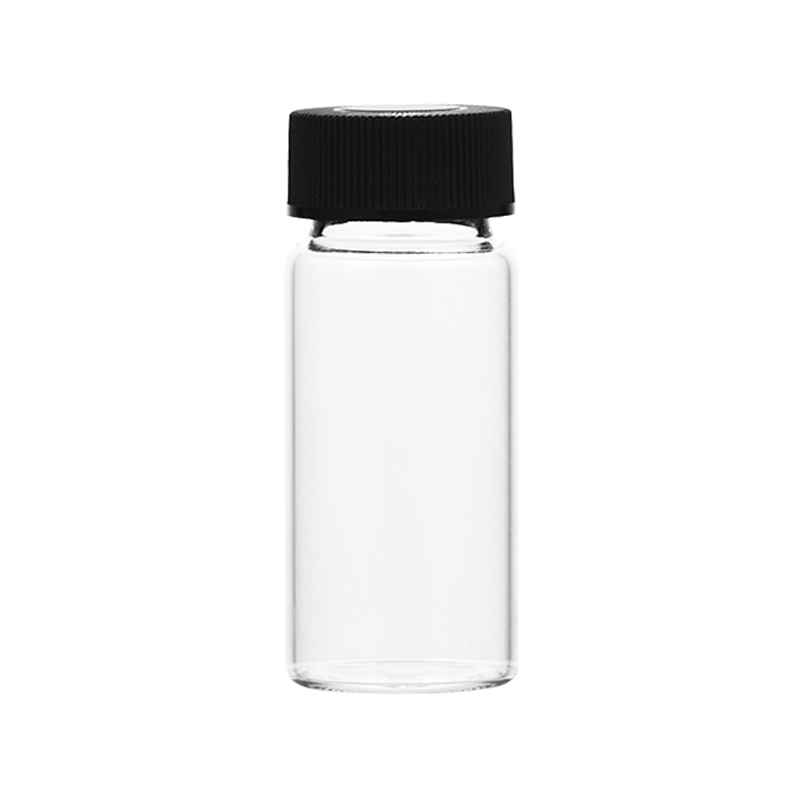
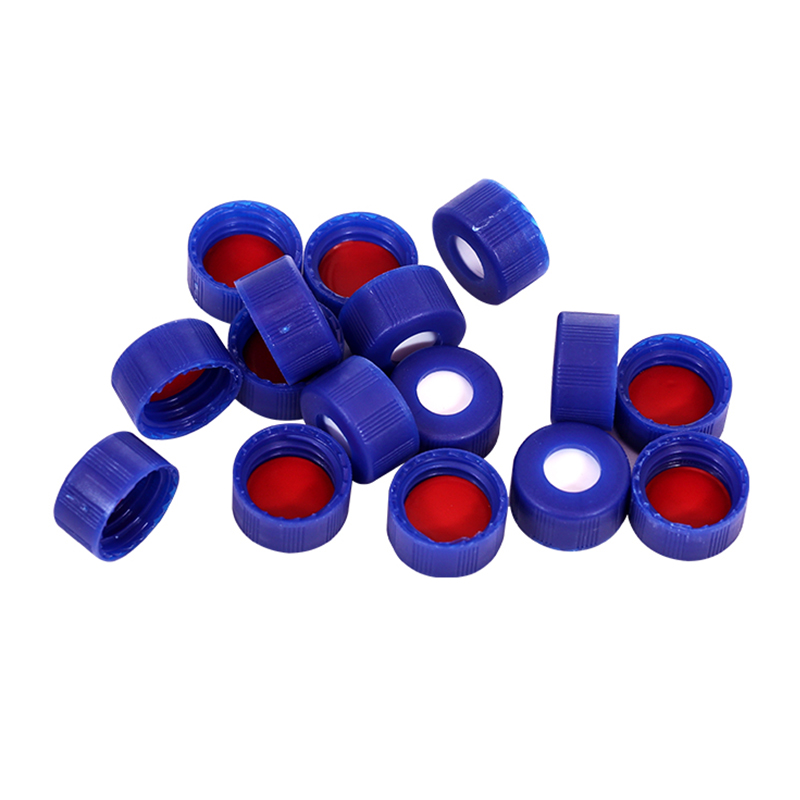
Laboratory bottles are available in different capacities, shapes, and closure designs. Screw caps, GL thread caps, and leak-proof sealing systems help protect stored materials from external contamination. For light-sensitive chemicals, amber laboratory bottles provide additional protection by reducing UV exposure.
The selection of a suitable laboratory bottle depends on factors such as chemical compatibility, temperature resistance, sterilization requirements, and storage conditions. For example, borosilicate glass bottles are preferred for high-temperature applications because they have excellent thermal stability, while plastic bottles are often selected for lightweight handling and impact resistance.
How Do Different Types of Laboratory Bottles Meet Various Laboratory Needs?
Different laboratory environments require different bottle designs to achieve accurate results and safe operations. Laboratory bottles are not only simple storage containers but also important components in experimental workflows. Choosing the correct bottle type can improve efficiency, reduce contamination risks, and extend the service life of laboratory equipment.
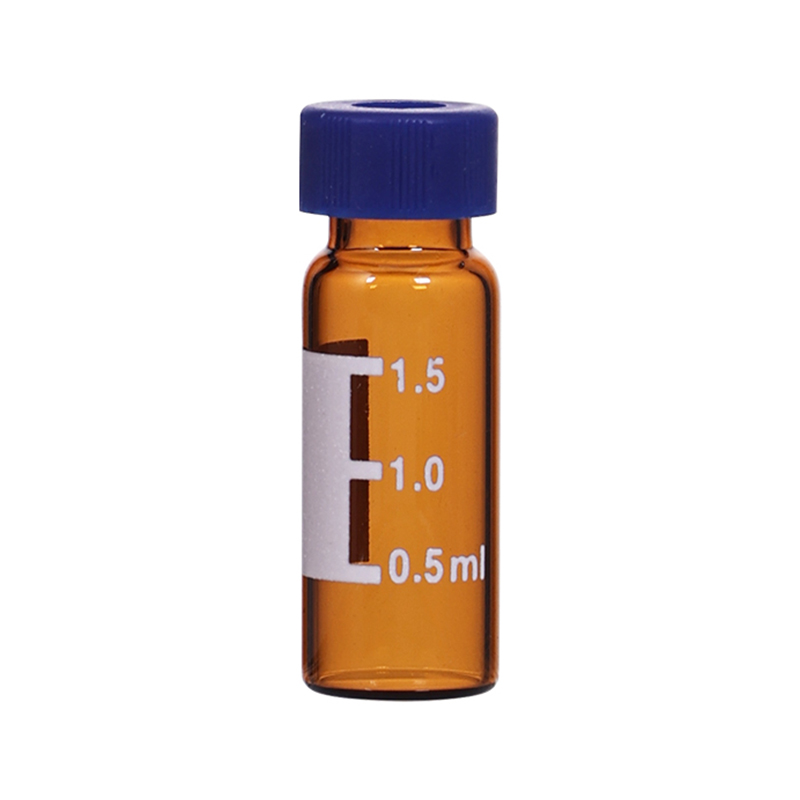
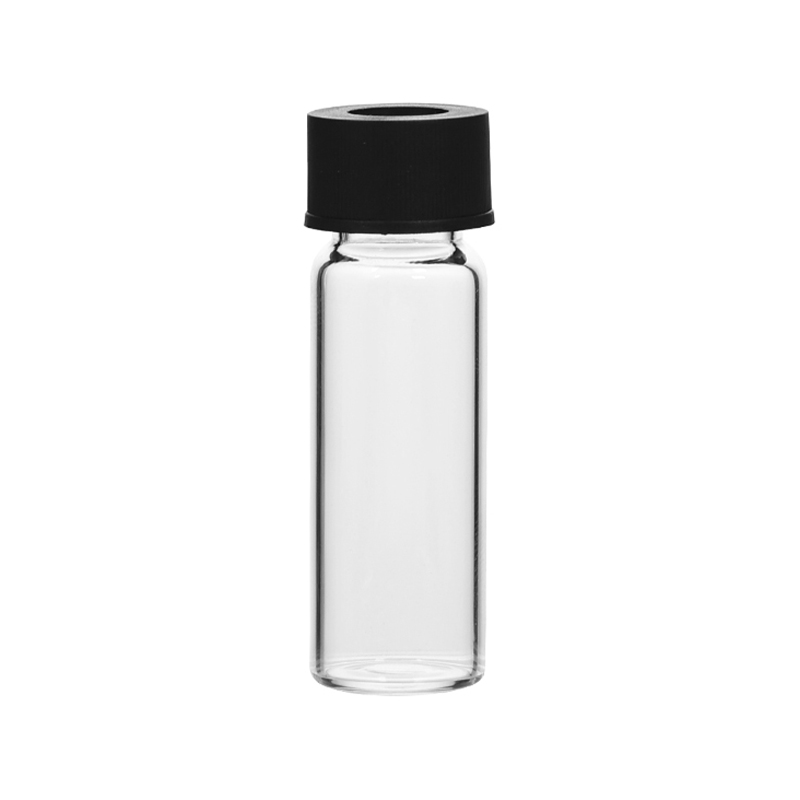
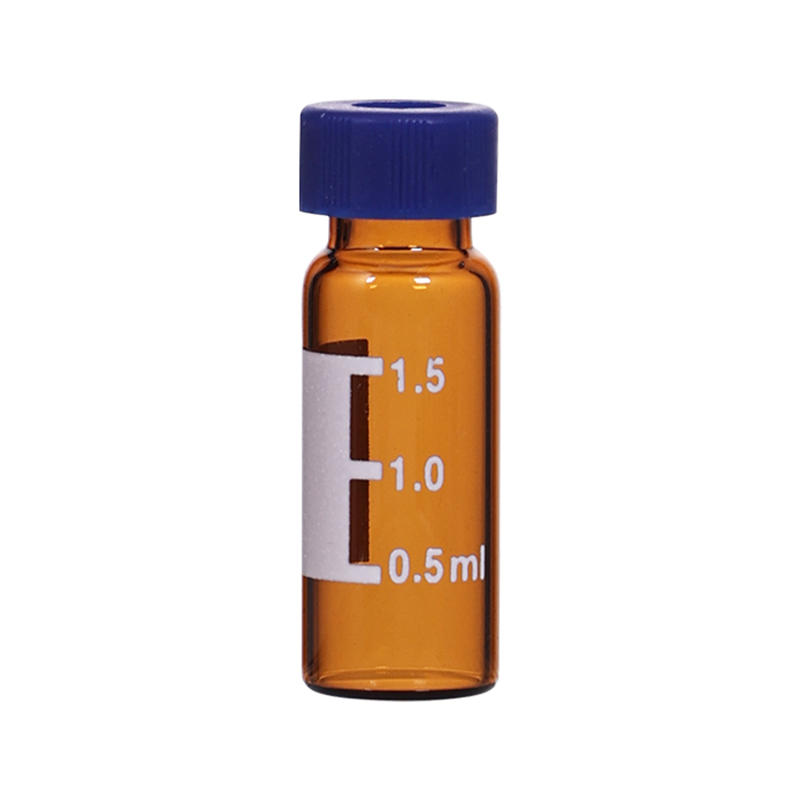
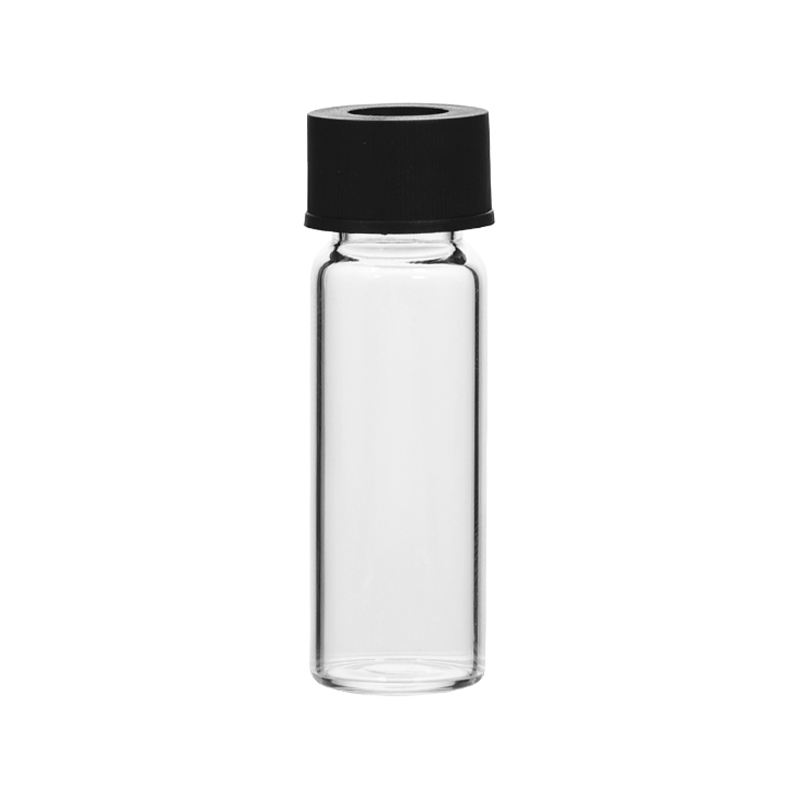
Glass laboratory bottles are especially popular because of their superior chemical resistance and transparency. Borosilicate glass laboratory bottles can withstand temperature changes and exposure to many chemical substances, making them suitable for demanding laboratory conditions. Amber glass bottles are commonly used for protecting photosensitive materials such as certain reagents and pharmaceutical compounds.
Plastic laboratory bottles provide another practical option. Materials such as polypropylene (PP) and high-density polyethylene (HDPE) offer excellent impact resistance and lightweight characteristics. They are widely used in applications where frequent handling or transportation is required.
| Material |
Advantages |
Suitable Applications |
| Borosilicate Glass |
High temperature resistance, excellent chemical stability, reusable |
Heating experiments, chemical storage, analytical laboratories |
| Amber Glass |
UV light protection, chemical durability |
Light-sensitive chemical and pharmaceutical storage |
| Polypropylene (PP) |
Lightweight, impact resistant, autoclavable |
Biological laboratories, sample preparation |
| HDPE Plastic |
Strong chemical resistance and durability |
Solvent storage, industrial testing |
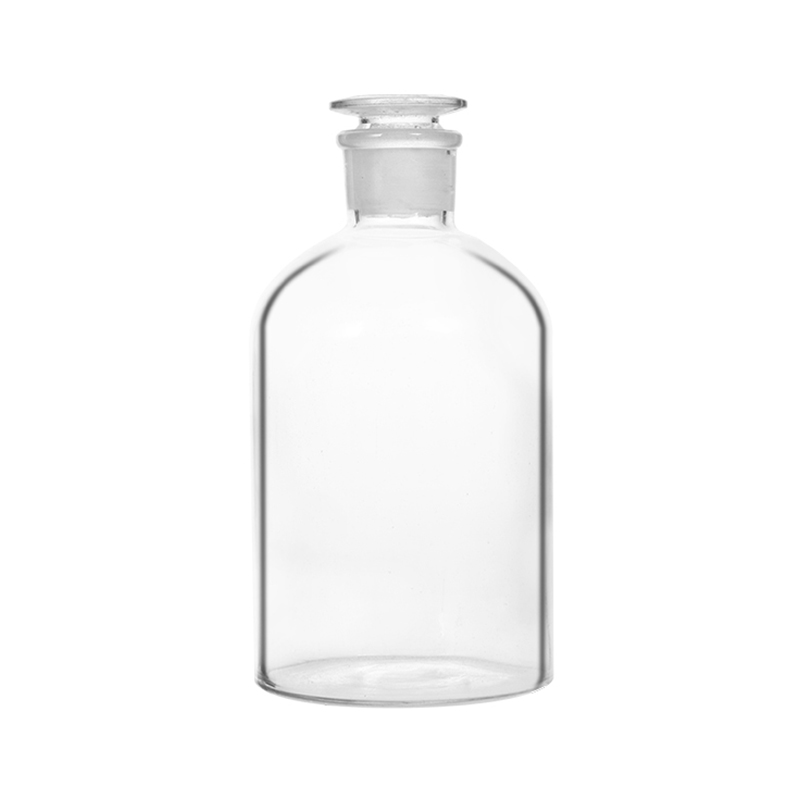
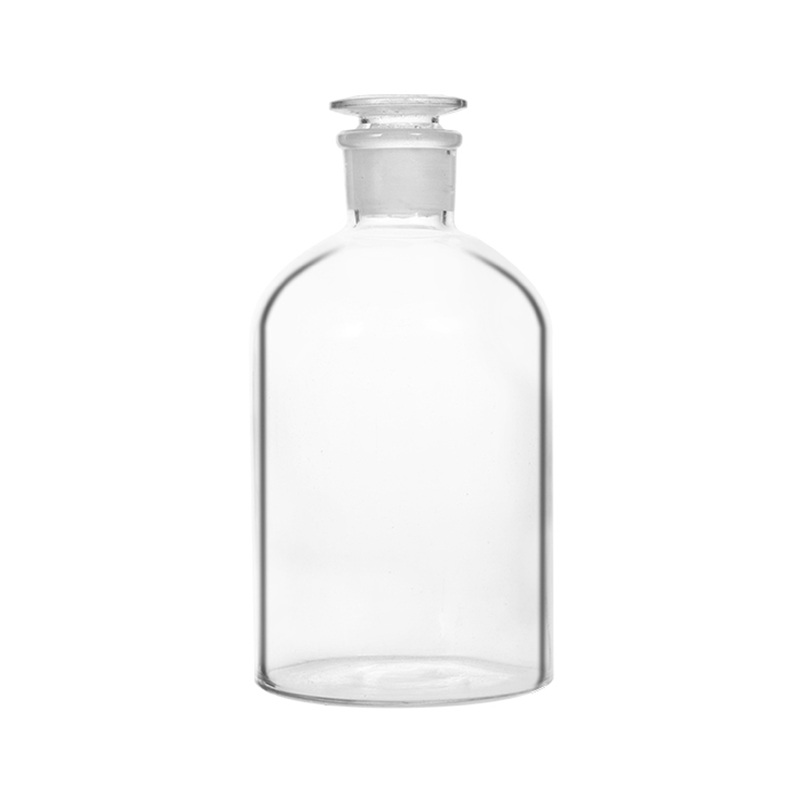
In addition to material selection, the bottle design also influences laboratory performance. Narrow-mouth bottles are suitable for controlled pouring and reducing contamination, while wide-mouth bottles allow easier filling, cleaning, and handling of solid samples.
Laboratory bottles may also include graduated markings, which allow users to estimate liquid volume quickly during experiments. High-precision graduated bottles help laboratories improve workflow efficiency and reduce measurement errors.
Shanghai Heqi Glassware Co., Ltd. provides various laboratory bottle solutions designed for different scientific applications. By combining professional glass manufacturing experience with strict inspection procedures, the company ensures that every product meets the requirements of laboratory users in terms of quality, durability, and safety.
Important features of modern laboratory bottles include:
- Excellent chemical resistance to support safe storage of different solutions and reagents.
- Reliable sealing performance to prevent leakage and contamination.
- High transparency or light protection options according to different chemical properties.
- Easy cleaning and sterilization capability for repeated laboratory use.
- Multiple capacity options to satisfy different experimental requirements.
Whether used in research institutions, universities, pharmaceutical production, or industrial laboratories, properly designed laboratory bottles help maintain accuracy and safety throughout the experimental process.
Why Should You Choose High-Quality Laboratory Bottles for Your Laboratory Operations?
The quality of laboratory containers directly affects experimental reliability and sample preservation. Poor-quality bottles may cause leakage, chemical contamination, or inaccurate experimental results. Therefore, laboratories should choose laboratory bottles from professional manufacturers with strong production capabilities and quality management systems.
High-quality laboratory bottles provide consistent performance under different working conditions. For chemical laboratories, the bottle must resist corrosion from acids, alkalis, and organic solvents. For biological applications, the bottle may need to support sterilization processes such as autoclaving. For pharmaceutical environments, strict cleanliness and material safety standards are often required.
When selecting laboratory bottles, users should consider the following factors:
| Selection Factor |
Importance |
Recommended Consideration |
| Chemical Compatibility |
Prevents reactions between container and stored materials |
Select suitable glass or plastic materials according to chemical properties |
| Capacity Requirement |
Improves storage efficiency |
Choose suitable bottle volume based on experimental needs |
| Closure Design |
Ensures safe storage and prevents leakage |
Select reliable screw caps or sealing systems |
| Sterilization Performance |
Important for biological applications |
Consider autoclavable materials and designs |
Shanghai Heqi Glassware Co., Ltd. is committed to providing dependable laboratory glassware products with professional manufacturing expertise. The company integrates advanced production technology, careful material selection, and strict quality inspection to deliver laboratory bottles that meet the expectations of global customers.
As laboratory requirements continue to develop, laboratory bottles are becoming more specialized. Modern laboratories require products that combine durability, safety, precision, and convenience. Manufacturers must continuously improve production processes to provide solutions suitable for new scientific applications.
Choosing a professional laboratory bottle supplier helps laboratories achieve better operational efficiency and long-term cost savings. Reliable laboratory bottles not only protect valuable samples but also contribute to safer and more accurate scientific research.
FAQ About Laboratory Bottles
Q1: What materials are commonly used for laboratory bottles?
A: Laboratory bottles are commonly made from borosilicate glass, amber glass, polypropylene (PP), and HDPE plastic. The choice depends on chemical compatibility, temperature requirements, and application conditions.
Q2: Can laboratory glass bottles be reused?
A: Yes. Many laboratory glass bottles can be cleaned, sterilized, and reused multiple times when properly maintained. Borosilicate glass bottles are especially suitable for repeated laboratory use.
Q3: How do I choose the right laboratory bottle for chemical storage?
A: The selection should consider the chemical properties of the stored substance, required storage temperature, light sensitivity, and sealing requirements.
Q4: Are laboratory bottles suitable for pharmaceutical and biological applications?
A: Yes. Specific laboratory bottles designed for pharmaceutical and biological applications can provide excellent cleanliness, sterilization performance, and sample protection.
Q5: Why choose Shanghai Heqi Glassware Co., Ltd. as a laboratory bottle supplier?
A: Shanghai Heqi Glassware Co., Ltd. focuses on professional laboratory glassware manufacturing and provides high-quality laboratory bottles with reliable performance, strict quality control, and solutions suitable for global scientific and industrial customers.


 English
 Français
 Español