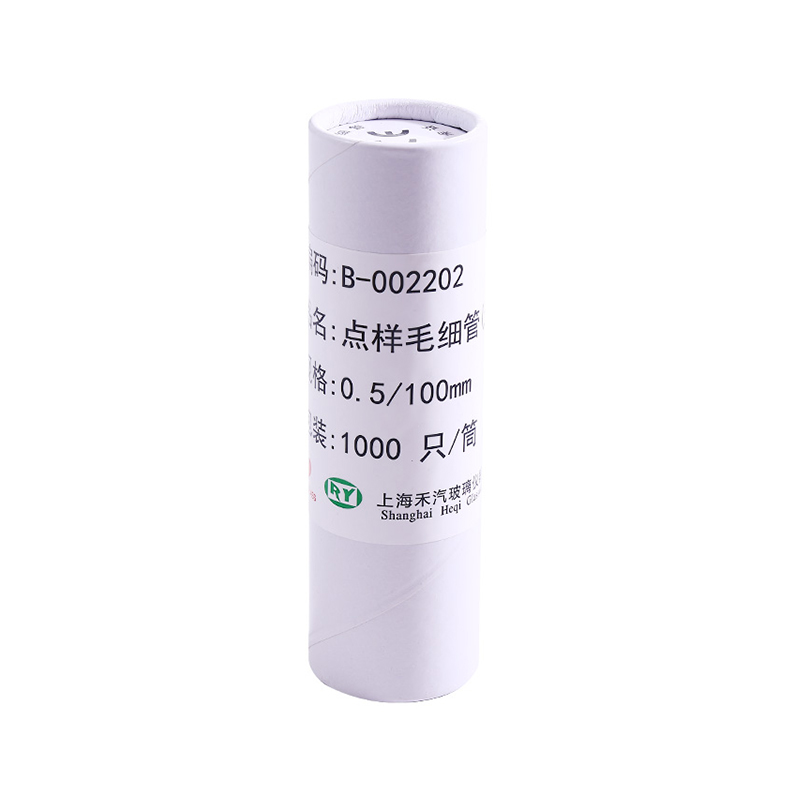
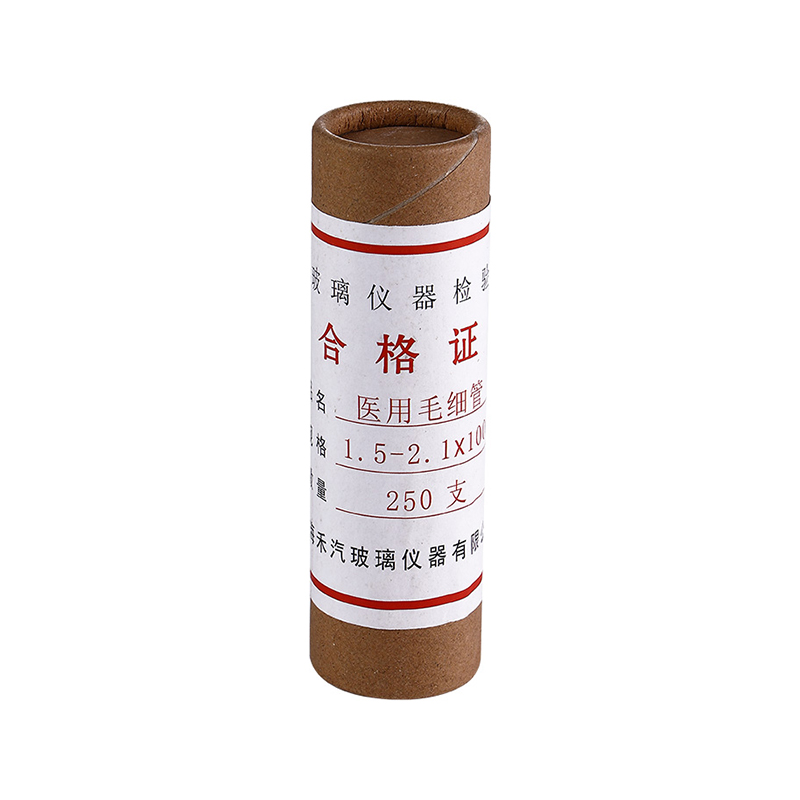
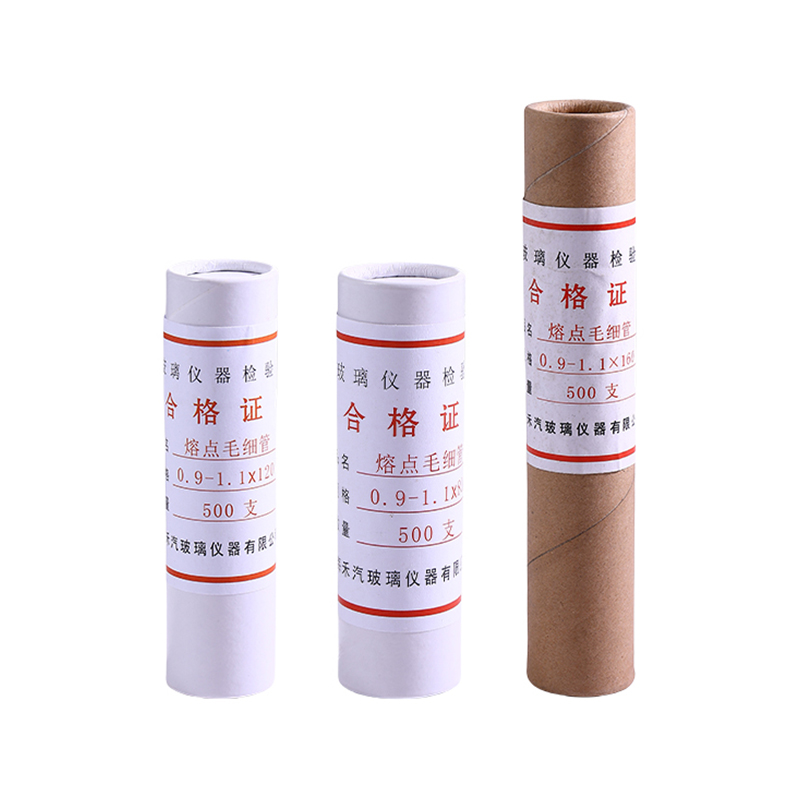
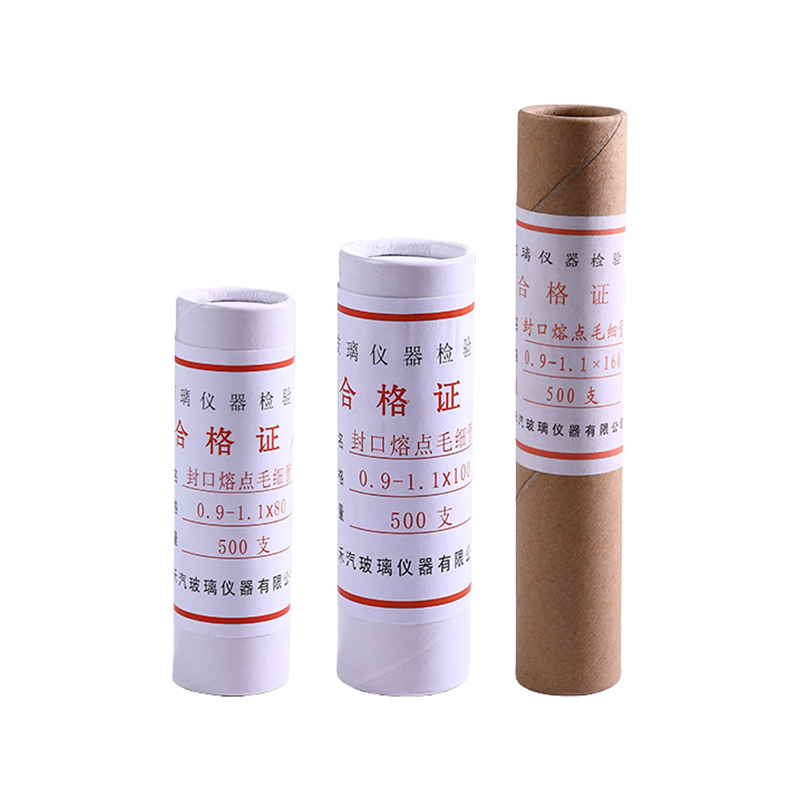
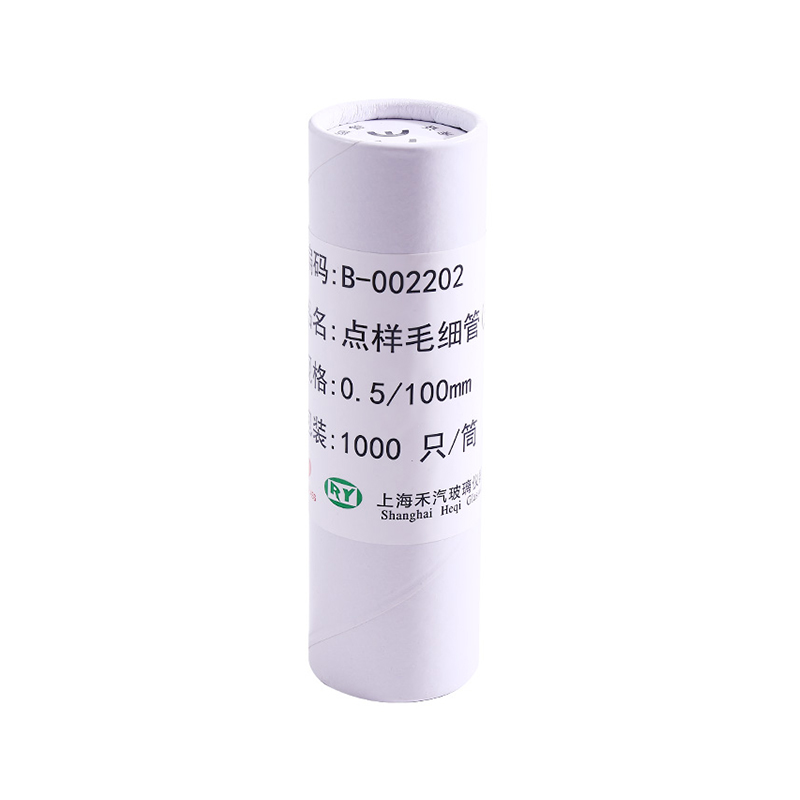
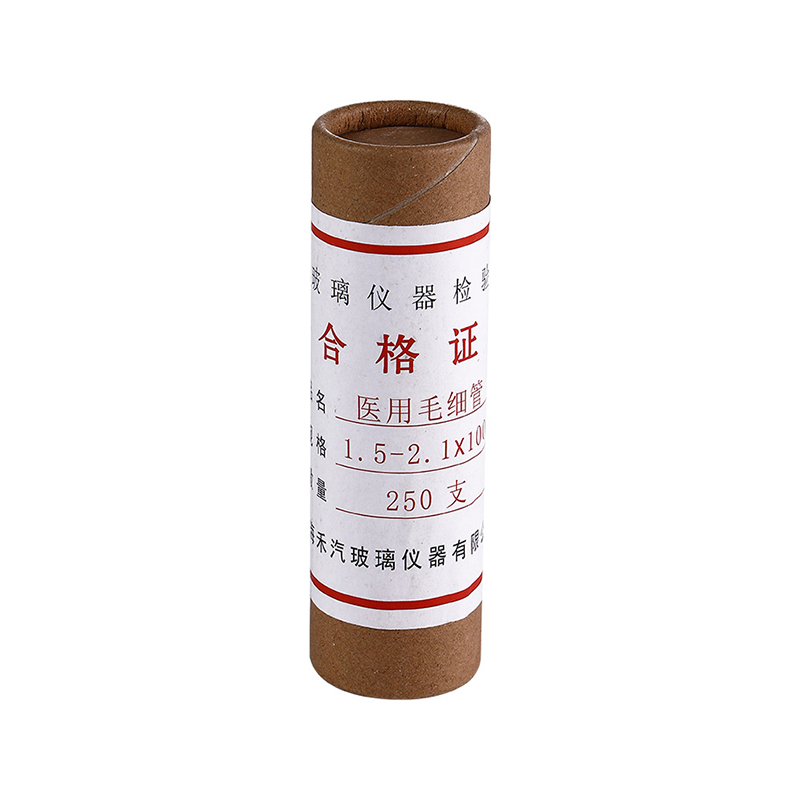
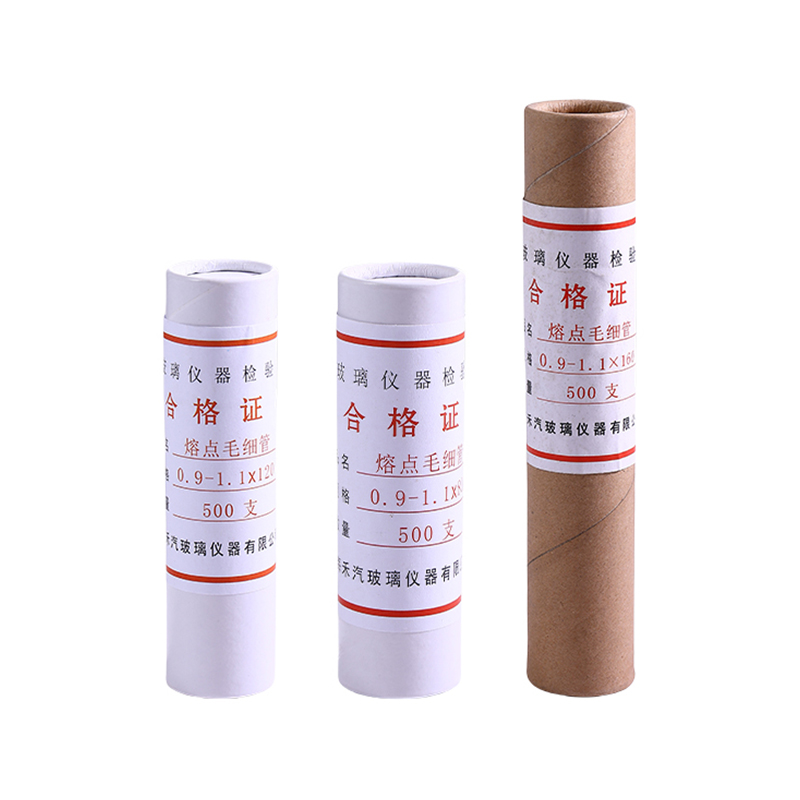
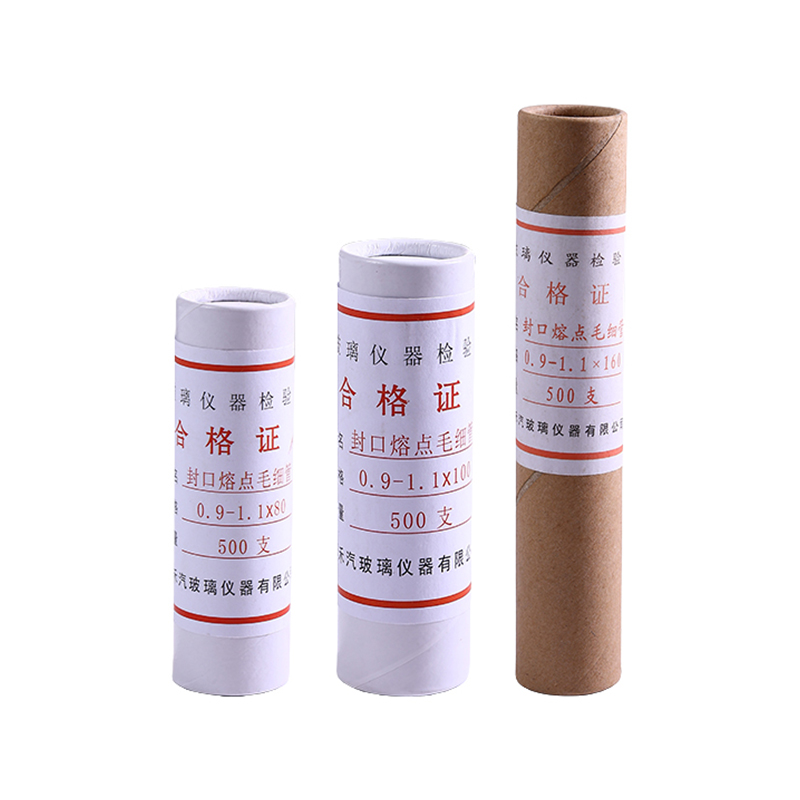
Laboratory Capillary: Precision Glass Tubes for Micro-Scale Laboratory Applications
A Laboratory Capillary is a precision glass tube with an extremely small internal diameter, designed for the accurate handling, transfer, observation, and analysis of tiny amounts of liquids or gases. Due to its narrow structure, laboratory capillaries can utilize capillary action, allowing liquids to move naturally through the tube without external pressure.
Laboratory capillary tubes are widely used in chemical analysis, pharmaceutical research, medical testing, biotechnology, and scientific experiments where precise micro-volume control is required.
Compared with conventional laboratory glass tubes, capillaries require much higher manufacturing accuracy in terms of inner diameter, wall thickness, surface smoothness, and dimensional consistency. These characteristics make them essential components in modern analytical and research laboratories.
Key Features of Laboratory Capillary Tubes
High Precision Micro-Diameter Structure
The most important feature of laboratory capillary tubes is their extremely small and accurately controlled inner diameter. This precision allows researchers to handle very small sample volumes while maintaining reliable experimental results.
Depending on application requirements, laboratory capillaries can be customized in terms of:
- Inner diameter
- Outer diameter
- Wall thickness
- Length
- Volume capacity
- Surface treatment
High-precision processing technology ensures stable performance and consistency during laboratory operations.
Excellent Chemical Resistance
Most laboratory capillaries are manufactured from high-quality borosilicate glass, which provides excellent resistance against acids, alkalis, solvents, and chemical reagents.
This makes them suitable for demanding laboratory environments, including:
- Chemical synthesis
- Pharmaceutical analysis
- Material testing
- Biological experiments
Superior Transparency and Observation Performance
The clear and uniform glass structure allows researchers to directly observe liquid movement, sample changes, and reaction processes.
High optical transparency is especially important in applications such as:
- Microscopic analysis
- Microfluidic research
- Sample observation
- Scientific experiments
Thermal Stability and Durability
Laboratory capillary tubes made from borosilicate glass offer excellent thermal shock resistance and can withstand temperature variations during heating, cooling, sterilization, and laboratory processing.
This property makes them reliable for experiments involving temperature changes or thermal treatment.
Common Types of Laboratory Capillaries
| Type |
Characteristics |
Typical Applications |
| Glass Capillary Tubes |
Transparent, chemically resistant, precision-made |
General laboratory research |
| Borosilicate Glass Capillaries |
Excellent heat resistance and durability |
Chemical and pharmaceutical laboratories |
| Micro Capillary Tubes |
Ultra-small diameter for precise sampling |
Biotechnology and micro-analysis |
| Hematocrit Capillary Tubes |
Designed for blood sample collection |
Medical testing |
| Melting Point Capillary Tubes |
Small sealed tubes for solid sample testing |
Melting point analysis |
| Graduated Capillary Tubes |
Equipped with measurement markings |
Quantitative liquid measurement |
Applications of Laboratory Capillaries
Chemical and Analytical Research
Laboratory capillary tubes are commonly used in chemical experiments requiring accurate sample transfer and micro-scale operation. Their precise structure helps reduce sample consumption while improving testing accuracy.
They are often applied in:
- Chemical reaction analysis
- Chromatography sample preparation
- Liquid transfer experiments
- Micro-scale synthesis
Pharmaceutical and Biotechnology Applications
In pharmaceutical research, laboratory capillaries support precise handling of active ingredients, chemical compounds, and biological samples.
Typical applications include:
- Drug development
- Quality testing
- Biological sample preparation
- Micro-volume analysis
Medical Laboratory Testing
Due to their small capacity and accuracy, capillary tubes are widely used in medical laboratories for collecting and analyzing small biological samples.
Common uses include:
- Blood testing
- Cell analysis
- Diagnostic research
- Clinical laboratory experiments
Materials Used for Laboratory Capillary Manufacturing
Borosilicate Glass
Borosilicate glass is the preferred material for most laboratory capillaries because it combines:
- Low thermal expansion
- High temperature resistance
- Excellent chemical stability
- Good optical clarity
It is widely used in chemical laboratories, pharmaceutical research facilities, and scientific institutions.
Quartz Glass
Quartz glass capillaries are suitable for advanced applications requiring higher temperature resistance and superior optical performance, such as spectroscopy and specialized research.
Customized Glass Materials
For specific experimental requirements, laboratory capillaries can also be manufactured using customized glass compositions to achieve improved mechanical strength, chemical compatibility, or special performance characteristics.
How to Select the Right Laboratory Capillary?
Dimensional Accuracy
The inner diameter directly affects liquid flow speed and sample volume. For analytical experiments, strict dimensional control is necessary to maintain accuracy.
Chemical Compatibility
The glass material should match the chemicals used in the experiment. Borosilicate glass is commonly selected because of its excellent resistance to various chemical substances.
Application Requirements
Different applications require different capillary designs:
- Medical testing requires clean and precise tubes
- Chemical analysis requires chemical-resistant materials
- Research applications may require customized dimensions
Laboratory Capillary vs. Conventional Glass Tube
| Comparison |
Laboratory Capillary |
Ordinary Glass Tube |
| Diameter |
Extremely small and precisely controlled |
Larger and less precise |
| Sample Volume |
Micro-volume handling |
General liquid transfer |
| Manufacturing Requirement |
High precision processing |
Standard production |
| Main Applications |
Analysis, research, medical testing |
Basic laboratory use |
| Accuracy Level |
High |
General |
Manufacturing and Quality Standards of Laboratory Capillaries
Producing high-quality laboratory capillary tubes requires advanced glass processing technology, strict quality control, and professional manufacturing experience.
A professional manufacturer focuses on:
- Selection of high-quality glass materials
- Precision tube forming technology
- Dimensional inspection
- Surface quality control
- Customized production capability
These factors ensure that laboratory capillaries can meet the requirements of laboratories, universities, research institutes, and industrial testing facilities.
Shanghai Heqi Glassware: Professional Laboratory Glassware Manufacturer
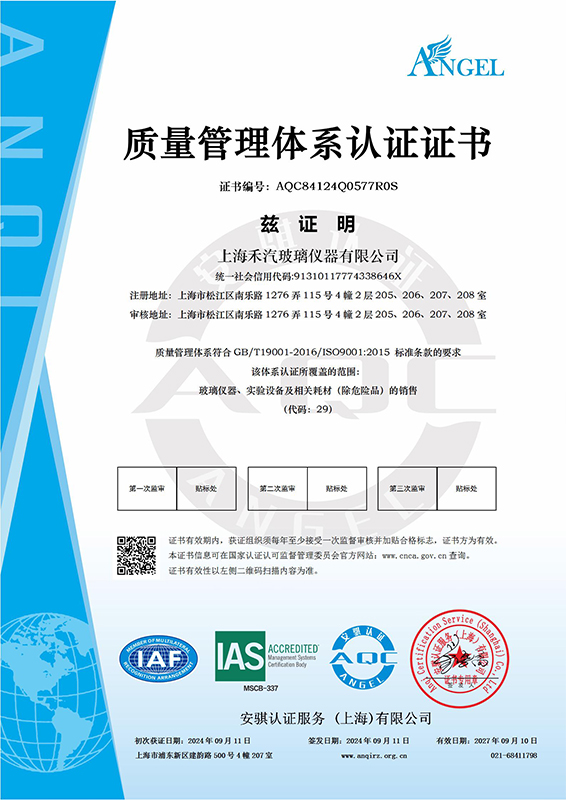
Shanghai Heqi Glassware Co., Ltd. was founded in March 2002 and specializes in the R&D and production of standard-mouth glass instruments, laboratory glassware, and customized experimental equipment.
Over the years, Shanghai Heqi has established production bases in Songjiang, Chengdu, Jiaxing, and Yancheng. By combining advanced technology, manufacturing craftsmanship, and professional management systems, the company has introduced mechanized and semi-mechanized production methods as well as assembly-line manufacturing processes to improve production efficiency, reduce costs, and enhance product consistency.
With the service philosophy of “you make a call, we handle the rest,” Shanghai Heqi provides customers with comprehensive laboratory solutions, including laboratory glass instruments, consumables, and experimental equipment from both domestic and international brands. The company supports customers with reliable inventory, fast delivery, and professional technical services.
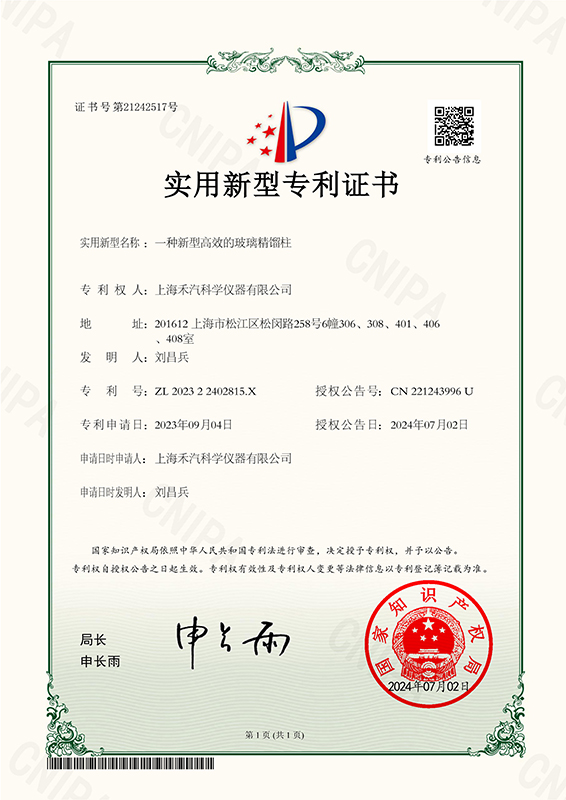
Shanghai Heqi has developed a professional R&D team consisting of specialists in chemical research, mechanical design and processing, and electronic control. With dedicated workshops for glass manufacturing, metal processing, and equipment assembly, the company is capable of producing various laboratory systems, including:
- Glass reactors
- Rotary evaporators
- Distillation equipment
- High and low temperature circulation systems
- Vacuum pumps
- Laboratory stirrers
- UV analyzers
By integrating glass component design, precision manufacturing, and customized fabrication capabilities, Shanghai Heqi continues to improve product quality and provide customized laboratory solutions for chemical, pharmaceutical, research, and industrial applications.
Future Development Trends of Laboratory Capillaries
With the continuous development of micro-analysis technologies, biotechnology, and precision laboratory equipment, laboratory capillaries are becoming increasingly important in modern scientific research.
Future trends include:
- Higher dimensional accuracy
- Smaller micro-scale structures
- More customized designs
- Integration with automated laboratory systems
- Improved material performance
As laboratories continue to move toward miniaturization and precision analysis, laboratory capillaries will remain an important component for scientific innovation and advanced experimental applications.


 English
 Français
 Español