OEM/ODM Lab Chromatography

Home / Products / Chromatography

Laboratory Chromatography Manufacturers

Grid
List

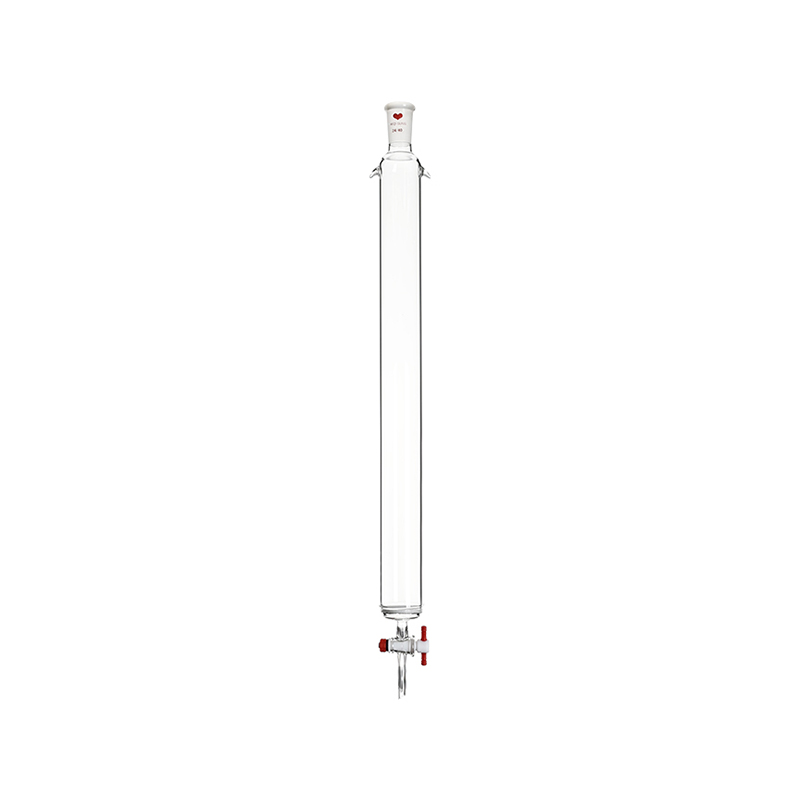
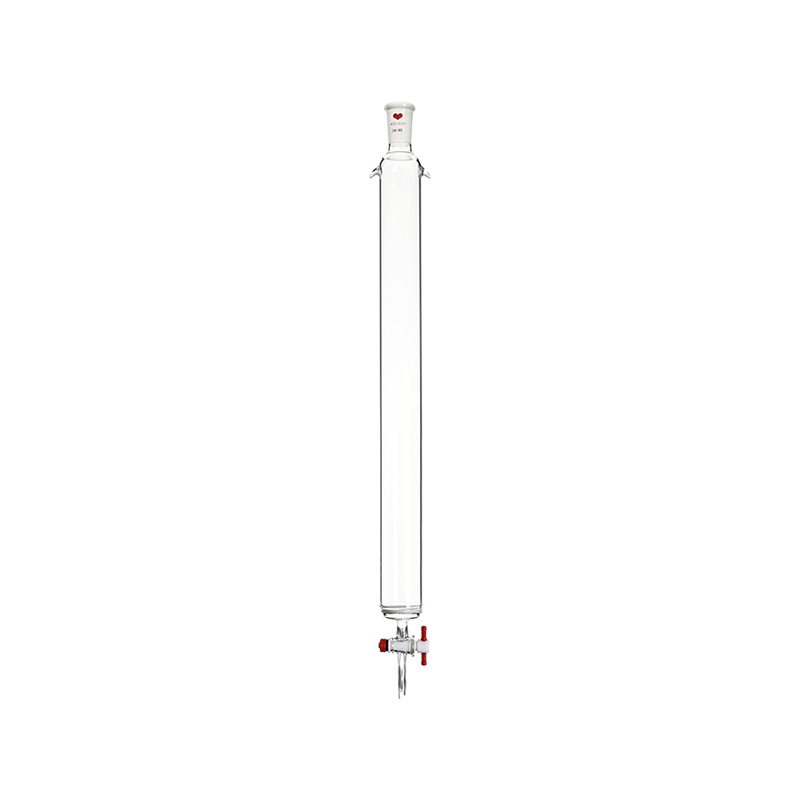
Focus on separation efficiency and operational stability. Constructed from borosilicate glass with corrosion-resistant and high-temperature resistance properties. Transparent design allows real-time monitoring of the separation process. Optional sand core configuration ensures stable flow rates and prevents particle leakage. Widely applied in biomedical research, natural product extraction, and chemical analysis fields.

View More
About
Shanghai Heqi Glassware Co., Ltd.

One point of professionalism, one point of service, one point of companionship—allow me to be your reliable partner on the path forward!

Shanghai Heqi was founded in March 2002, It is China Laboratory Chromatography Manufacturers and Laboratory Chromatography Factory, Specializing in the R&D and production of standard-mouth glass instruments. Over the years, the company has established production bases in locations such as Songjiang, Chengdu, Jiaxing, and Yancheng. By integrating technology, craftsmanship, and management expertise, Heqi has adopted mechanized and semi-mechanized techniques to replace traditional manual methods. It has also introduced assembly-line industrial processes to replace simple workshop-style production, thereby reducing costs and improving quality.

To deliver on its service commitment of “you make a call, we handle the rest,” Heqi also supplies a range of high-quality glass instruments, lab consumables, and experimental equipment from both domestic and international brands. With ample inventory, fast delivery, and premium service, the company ensures full support for its clients.

In recent years, Shanghai Heqi has brought together experts in chemical R&D, mechanical design and processing, and electronic control to form a dedicated R&D team. The company has also set up three specialized workshops for glass, metalworking, and assembly. These facilities produce a variety of small and pilot-scale equipment, including glass reactors, rotary evaporators, distillation units, high- and low-temperature circulation systems, vacuum pumps, stirrers, and UV analyzers.

Leveraging its in-house capabilities in design, production, and custom fabrication of glass components, Shanghai Heqi continuously enhances product quality and service standards. It also supports the chemical and pharmaceutical industries by enabling customized small-scale and pilot-scale equipment solutions.
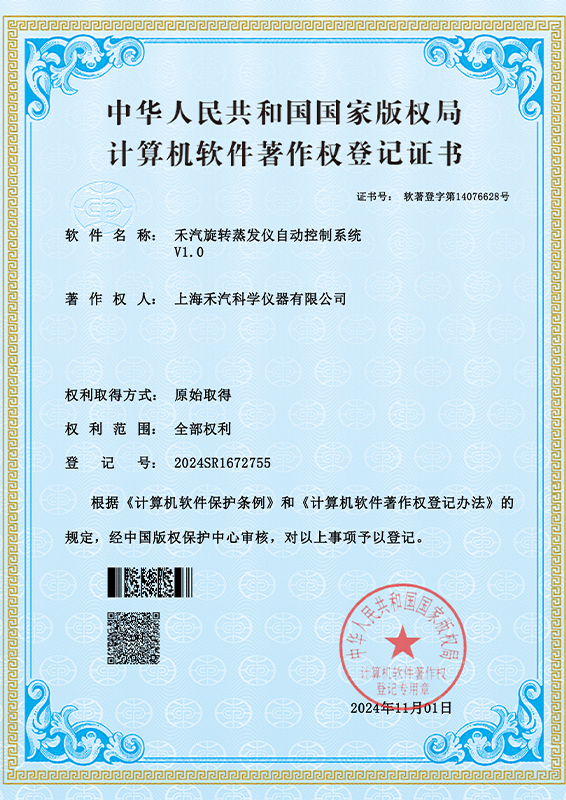
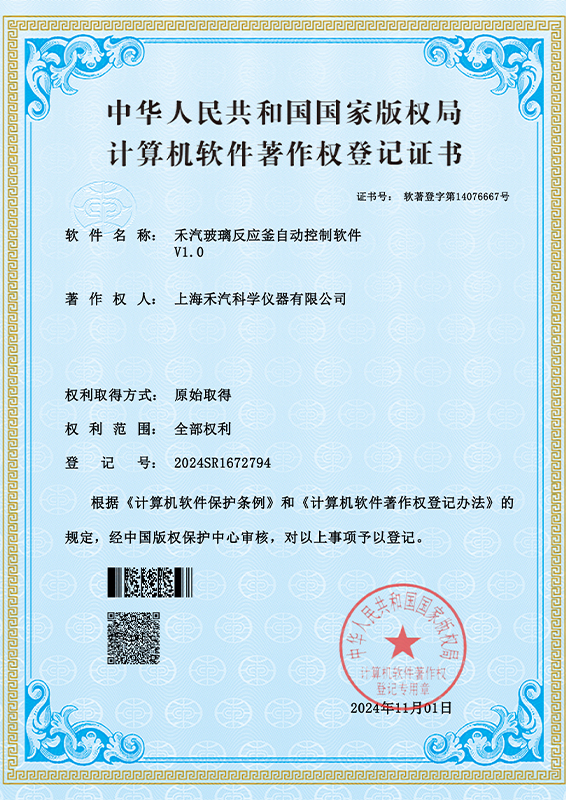
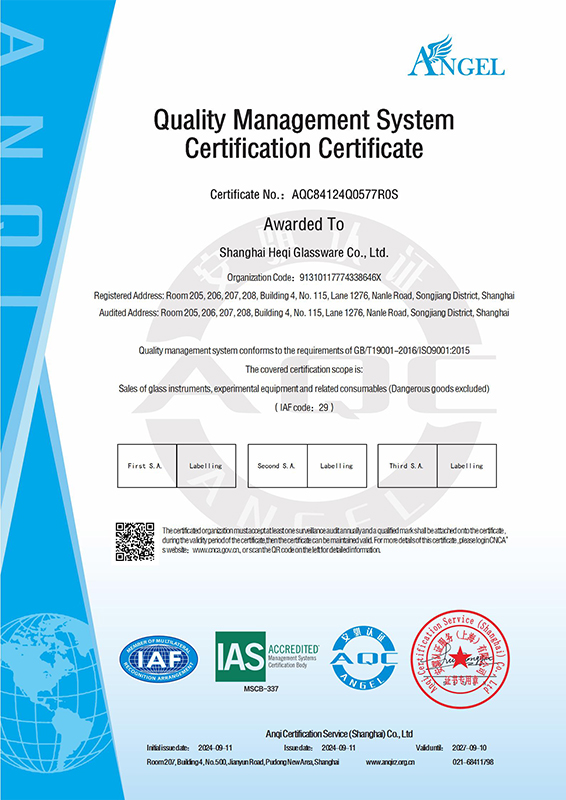
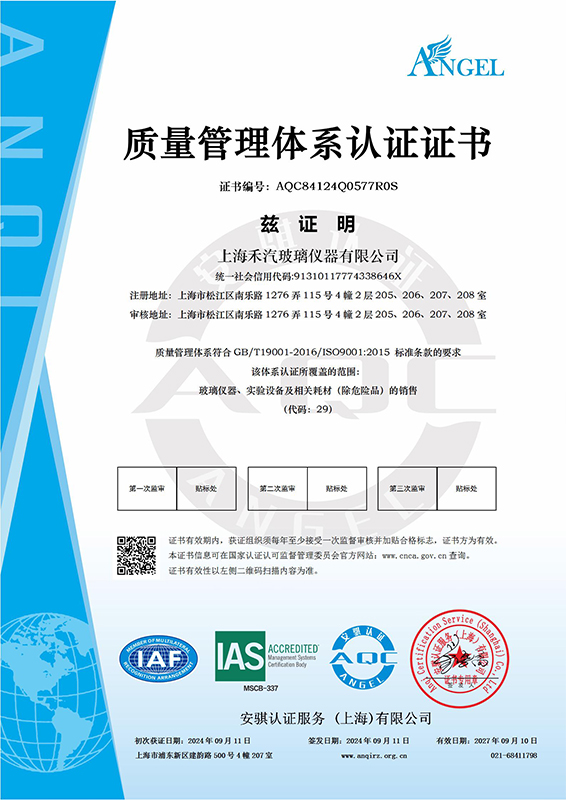
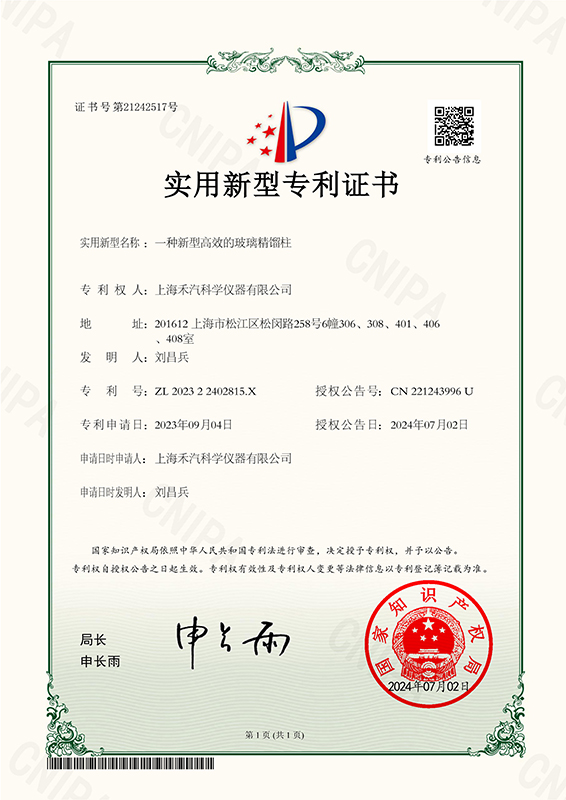
Certification
  • 1
  • 2
  • 3
  • 4
  • 5
  • 6
  • 7
Contact Us
Our custom service team is ready to provide you with expert advice and personalized solutions.
News
Industry Knowledge

Laboratory Chromatography Solutions for Precise Separation and Reliable Analysis

Column Architecture and Chemical Inertness in Analytical Chromatography

Chromatographic separation techniques rely on the differential partitioning of sample components between a stationary phase and a mobile phase. Achieving high resolution during lab chromatography procedures requires liquid contact surfaces that maintain complete structural integrity and chemical neutrality under continuous solvent exposure. Borosilicate 3.3 glass serves as an ideal structural matrix for liquid chromatography columns, flash chromatography reservoirs, and sample preparation vessels due to its low coefficient of thermal expansion and resistance to aggressive organic solvents, acids, and bases. Precision manufacturing processes at Shanghai Heqi Glassware Co., Ltd. ensure uniform column bore dimensions and smooth internal surfaces, preventing turbulent flow profiles and wall-channeling effects that degrade chromatographic peak symmetry.

Chromatographic Column Matrix and Substrate Characteristics

Column Component Metric Borosilicate Glass Columns Stainless Steel Columns Fluoropolymer (PTFE/PFA) Tubing
Chemical Resistance Range Universal except hydrofluoric acid Susceptible to halogens and strong acids High resistance to most reagents
Visual Flow Inspection Full transparent column monitoring Opaque structural enclosure Semi-translucent visual path
Pressure Operating Boundary Low-to-medium pressure (up to 20 bar) High pressure (HPLC up to 400+ bar) Low pressure applications
Thermal Expansion Behavior 3.3 x 10^-6 K^-1 linear stability 16 x 10^-6 K^-1 linear expansion

Solvent Delivery Mechanics and Flow Rate Uniformity

Controlled delivery of mobile phase solvents is essential for maintaining steady retention times across sequential lab chromatography runs. Fluctuations in pressure or volumetric flow rates alter phase equilibrium boundaries, leading to retention time drift and inaccurate compound identification. Integrated solvent reservoirs equipped with standard ground-glass joints allow continuous pressure equalization during gravity-fed or vacuum-assisted column chromatography setups. Specialized assembly workshops at Shanghai Heqi Glassware Co., Ltd. design fluid delivery components to integrate directly with vacuum pumps and pressure regulators, maintaining constant mobile phase velocity through packed beds without introducing gas bubbles or solvent pulsatile disruption.

Mobile Phase Reservoirs and Vacuum System Configurations

System Component Primary Technical Function Analytical Value
Ground-Joint Reservoir Flasks Contains de-gassed mobile phase solvents Prevents solvent evaporation and ambient contamination
PTFE Stopcock Flow Valves Regulates eluent outflow rates into column Enables precise linear velocity adjustments
Vacuum Degassing Assemblies Removes dissolved atmospheric gases Eliminates baseline noise and gas bubble formation
Fritted Glass Column Discs Supports stationary phase packing material Prevents bed bed channel erosion and particle loss

Stationary Phase Packing Density and Resolution Dynamics

The efficiency of a lab chromatography column, expressed through theoretical plate count, correlates directly with the packing uniformity of the stationary silica or polymer beads. Irregular bed packing creates void spaces and flow channeling, broadening peak elution bands and reducing separation resolution between closely eluting analytes. Utilizing precision-bored glass columns with sintered glass frits ensures stable support for silica gel beds without requiring synthetic adhesives or metallic grids that might introduce trace contamination. Facilities operated by Shanghai Heqi Glassware Co., Ltd. produce standard-mouth glass chromatography columns fitted with high-porosity fritted discs, facilitating uniform slurry packing and long-term bed stability under repeated solvent flushing cycles.

Integration with Evaporative Concentration and Pilot Systems

Process Phase Equipment Integration Interface Operational Objective
Eluent Collection Stage Fraction collector vessels / receiving flasks Isolates purified compound fractions
Solvent Recovery Stage Rotary evaporators and vacuum pumps Concentrates target analytes at low temperatures
Thermal Control Stage Circulating heating and cooling baths Maintains constant column temperature during separation

Sample Recovery Protocols and Post-Separation Fractionation

Following separation through the lab chromatography column, collected fractions must undergo solvent removal to isolate pure target molecules for quantitative analysis, NMR characterization, or downstream synthesis. Connecting chromatography fraction outlets directly to vacuum concentration networks or rotary evaporators allows rapid solvent removal under controlled thermal boundaries. The compatibility of standard-mouth ground glass fittings across sample collection tubes, distillation units, and vacuum evaporators streamlines the processing pipeline, protecting temperature-sensitive natural products and synthetic intermediates from degradation while maintaining sample recovery yields.

FAQ

Q: Why is high-purity borosilicate 3.3 glass preferred for column construction in lab chromatography procedures?

A: Borosilicate 3.3 glass offers exceptional chemical inertness and resistance to aggressive organic solvents, acids, and bases used as mobile phases. In precision workshops at Shanghai Heqi Glassware Co., Ltd., glass chromatography columns are manufactured with smooth, uniform inner bores to prevent wall-channeling effects, ensuring stable mobile phase flow and preserving high separation resolution without structural leaching.

Q: How do integrated fritted glass discs improve stationary phase stability in lab chromatography columns?

A: Porous sintered glass frits serve as rigid, chemically neutral support structures for silica gel or resin beds. They eliminate the need for cotton or synthetic plugs that can release contaminants or deform under pressure, maintaining bed packing uniformity and preventing stationary phase loss during high-throughput eluent flushing.

Q: What measures prevent air bubble formation inside lab chromatography solvent reservoirs during vacuum-assisted separations?

A: Air bubbles cause baseline noise and disrupt stationary phase equilibrium. Utilizing ground-joint vacuum degassing assemblies and tight-sealing PTFE stopcocks allows mobile phases to be de-aerated before entering the column. Connecting columns directly to vacuum pumps produced by Shanghai Heqi Glassware Co., Ltd. helps maintain constant pressure differentials and smooth, bubble-free solvent flow.

Q: How does the choice between PTFE and glass stopcocks impact flow regulation in lab chromatography elution?

A: Glass stopcocks require grease lubricants that can dissolve in organic eluents and contaminate collected fractions. PTFE stopcocks offer self-lubricating, grease-free needle-valve precision, enabling fine linear velocity adjustments of aggressive organic eluents while protecting high-purity chromatographic fractions from hydrocarbon contamination.

Q: In what ways can lab chromatography collection fractions be connected directly to downstream solvent evaporation systems?

A: Glassware fitted with standardized ground-glass joints allows receiving vessels from chromatography columns to couple directly to rotary evaporators and distillation units. Facilities at Shanghai Heqi Glassware Co., Ltd. produce standardized glass adapters that enable rapid transfer of eluted fractions into vacuum concentration setups, minimizing manual handling and preventing sample loss.