Custom Lab Tall Form Weighing Bottles

Home / Products / Bottles / Tall Form Weighing Bottles

Lab Tall Form Weighing Bottles Suppliers

Grid
List

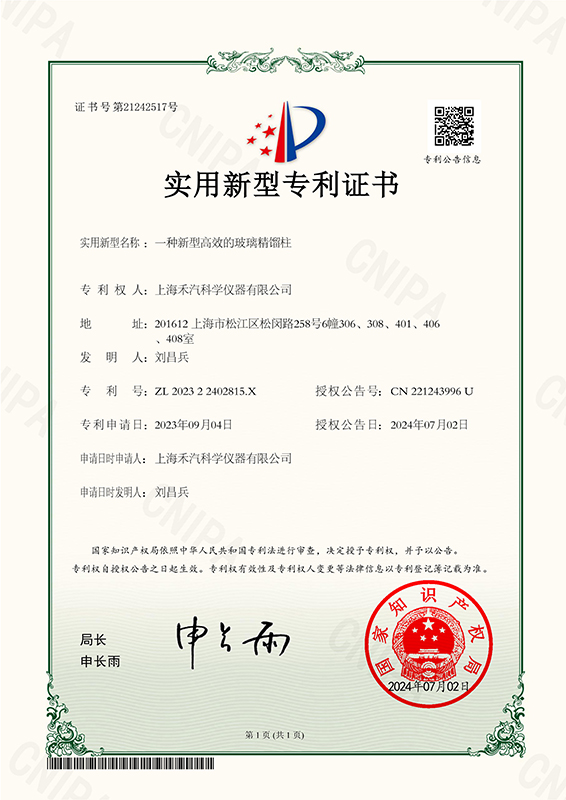
Made of high-quality borosilicate glass. Interchangeable Ground Stopper.Also available in low form with different capacities.

View More
About
Shanghai Heqi Glassware Co., Ltd.

One point of professionalism, one point of service, one point of companionship—allow me to be your reliable partner on the path forward!

Shanghai Heqi was founded in March 2002, It is China Lab Tall Form Weighing Bottles Suppliers and Lab Tall Form Weighing Bottles Manufacturers, Specializing in the R&D and production of standard-mouth glass instruments. Over the years, the company has established production bases in locations such as Songjiang, Chengdu, Jiaxing, and Yancheng. By integrating technology, craftsmanship, and management expertise, Heqi has adopted mechanized and semi-mechanized techniques to replace traditional manual methods. It has also introduced assembly-line industrial processes to replace simple workshop-style production, thereby reducing costs and improving quality.

To deliver on its service commitment of “you make a call, we handle the rest,” Heqi also supplies a range of high-quality glass instruments, lab consumables, and experimental equipment from both domestic and international brands. With ample inventory, fast delivery, and premium service, the company ensures full support for its clients.

In recent years, Shanghai Heqi has brought together experts in chemical R&D, mechanical design and processing, and electronic control to form a dedicated R&D team. The company has also set up three specialized workshops for glass, metalworking, and assembly. These facilities produce a variety of small and pilot-scale equipment, including glass reactors, rotary evaporators, distillation units, high- and low-temperature circulation systems, vacuum pumps, stirrers, and UV analyzers.

Leveraging its in-house capabilities in design, production, and custom fabrication of glass components, Shanghai Heqi continuously enhances product quality and service standards. It also supports the chemical and pharmaceutical industries by enabling customized small-scale and pilot-scale equipment solutions.
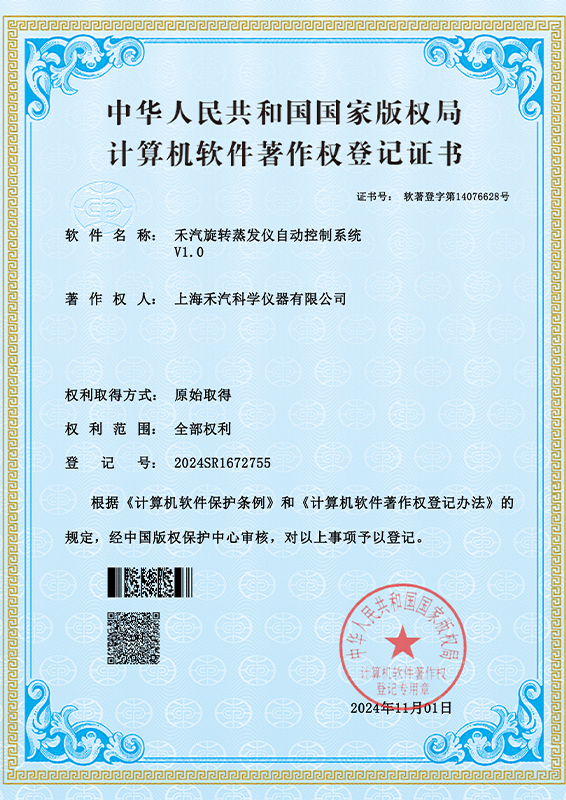
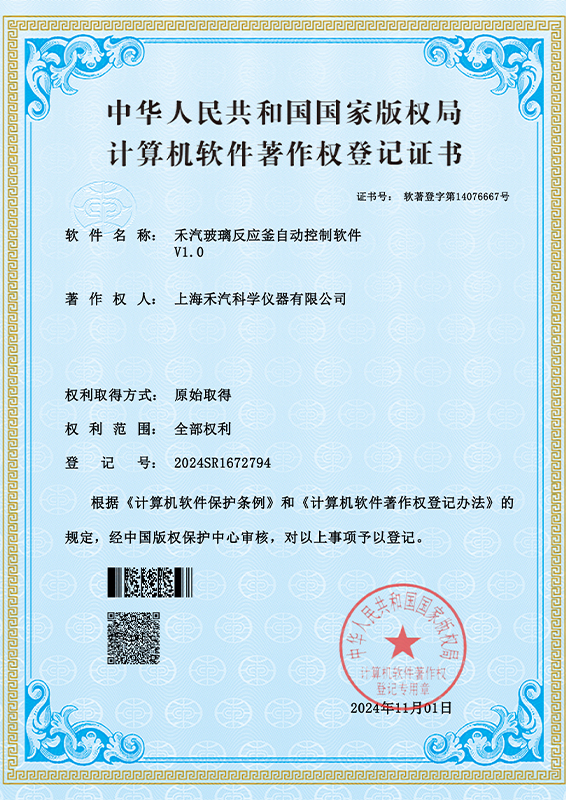
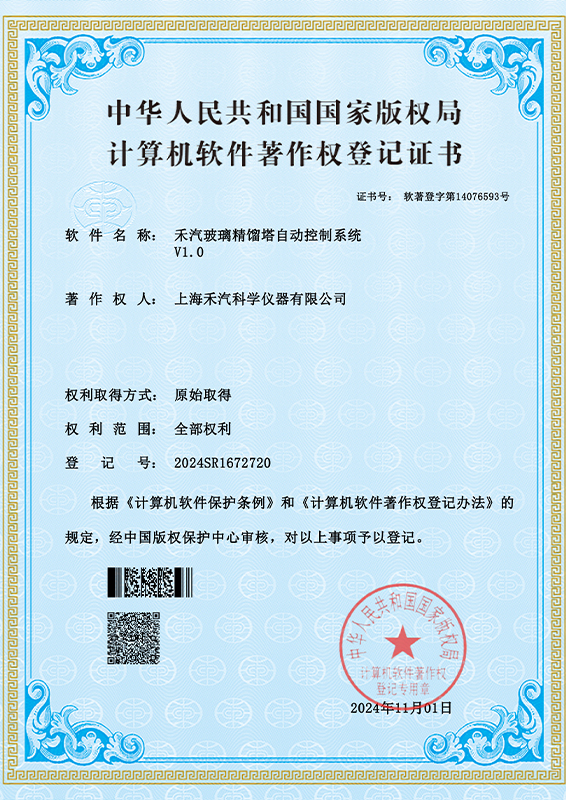
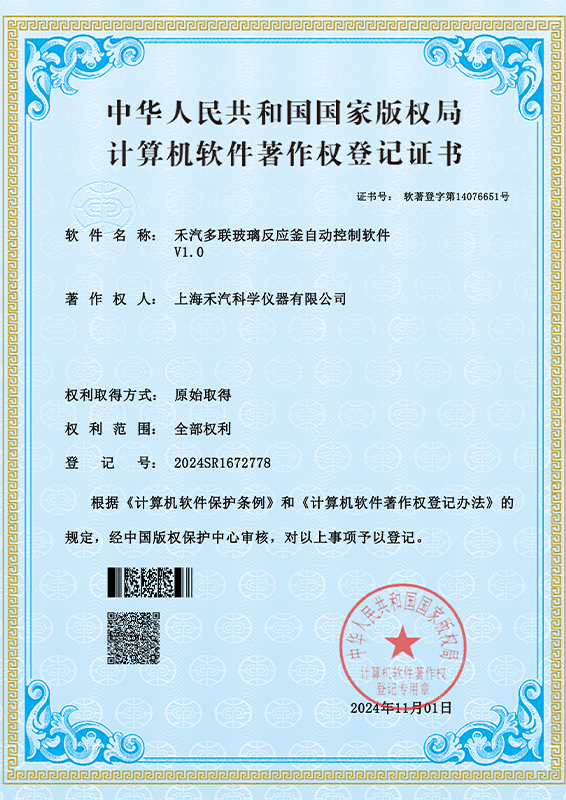
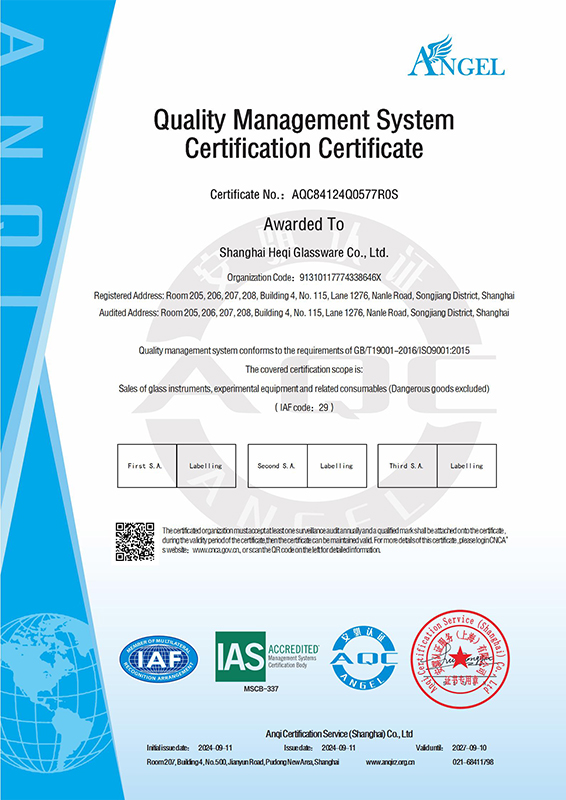
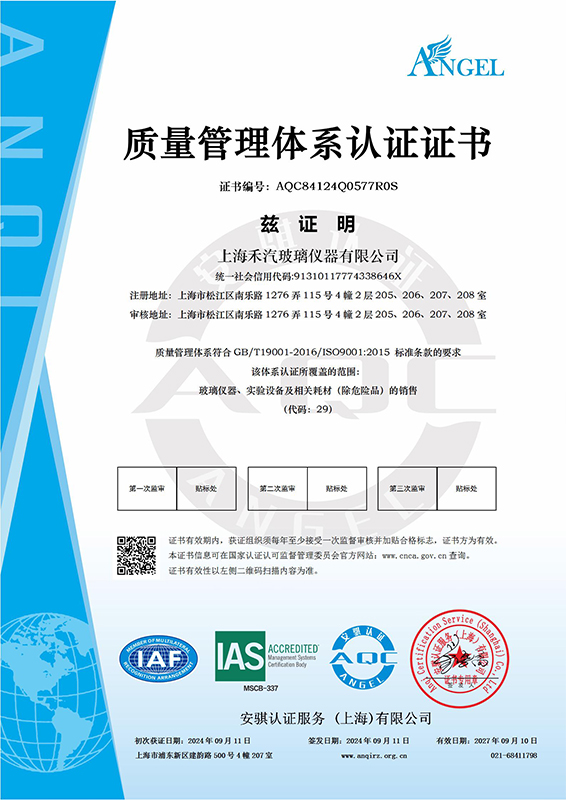
Certification
  • 1
  • 2
  • 3
  • 4
  • 5
  • 6
  • 7
Contact Us
Our custom service team is ready to provide you with expert advice and personalized solutions.
News
Industry Knowledge

How to Clean and Maintain Lab Tall Form Weighing Bottles?

Chemical Residue Neutralization and Rinsing Protocols

Cleaning high-precision volumetric and gravimetric glassware requires systematic removal of chemical contaminants to prevent weight drift during analytical measurement. For a lab tall form weighing bottles configuration, the narrow vertical geometry means residue settles easily near the bottom junction. Rinsing should begin immediately after sample transfer using compatible solvent flushes to dissolve organic or inorganic compounds before they dry on the ground-glass surfaces. Facilities at Shanghai Heqi Glassware Co., Ltd. recommend using deionized water flushes followed by neutral non-foaming detergent soaks, ensuring that active surfactant agents neutralize surface tension without leaving microscopic residues that alter tare weights.

Decontamination Methodologies by Sample Type

Contaminant Classification Primary Cleaning Agent Soak Temperature Range Drying Protocol
Inorganic Salts & Metal Traces 10% Nitric Acid Bath 20°C - 25°C Ambient Air dry in Class 100 hood
Organic Lipids & Oils Acetone / Ethanol Solvent Flush 20°C - 30°C Controlled Forced warm air flush
Insoluble Micro-Powder Residues Neutral Enzymatic Detergent 40°C - 50°C Warm Bath Desiccator vacuum drying
Biological Material Traces Dilute Sodium Hypochlorite Solution 20°C Ambient Rinse with ultrapure water

Ground-Glass Joint Preservation and Sealing Care

The ground-glass stopper assembly of a lab tall form weighing bottles design forms a tight moisture barrier necessary for precise hygroscopic sample measurement. Abrasive cleaning tools or harsh alkaline cleaners must be avoided because they degrade the microscopic ground surface, compromising the airtight seal and causing mass changes from ambient humidity absorption. When handling stoppers in specialized assembly workshops like those at Shanghai Heqi Glassware Co., Ltd., technicians emphasize gentle wiping with lint-free microfiber swabs soaked in high-purity isopropyl alcohol, which removes sticky residues while keeping the precision-ground interface intact.

Ultrasonic Bath Application and Frequency Calibration

When persistent particulate matter adheres to the inner base, ultrasonic bath immersion offers a non-contact cleaning method. The glassware should be suspended in a specialized mesh basket so it does not contact the stainless steel transducer floor directly, preventing micro-fractures. Operating the bath at frequencies between 37 kHz and 80 kHz effectively dislodges trapped particles without stressing the thin walls of a lab tall form weighing bottles unit. Maintaining moderate bath temperatures prevents excessive thermal expansion that could jam ground-glass stopper joints during the cleaning cycle.

Drying Parameters and Thermal Stress Prevention

Drying Process Phase Recommended Temperature Max Thermal Exposure Duration
Initial Solvent Evaporation Ambient (22°C - 25°C) 15 - 30 minutes
Convective Oven Baking 105°C - 110°C 60 - 90 minutes
Desiccator Cooling Phase Cooling to 20°C ambient 30 - 45 minutes
High-Temperature Sterilization 120°C Maximum limit 30 minutes max

Storage Environment Controls and Desiccator Integration

Post-cleaning storage plays a vital role in keeping weighing vessels ready for immediate laboratory use without requiring secondary decontamination steps. A clean lab tall form weighing bottles assembly must be kept in a dust-free desiccator loaded with active silica gel or molecular sieves to prevent moisture accumulation on the glass walls. Leaving the ground-glass stopper slightly offset during storage prevents vacuum locking caused by ambient temperature drops, preserving the ground joint interface for subsequent high-accuracy micro-gravimetric weighing workflows.

Inspection Criteria and Calibration Validation Standards

Inspection Benchmark Acceptable Limit Metric Corrective Action
Mass Consistency Variation Less than ±0.1 mg tare shift Repeat acid wash and drying cycle
Ground Joint Vapor Loss Zero mass gain over 24 hrs Replace or re-grind joint assembly
Surface Hydrophobicity Test Uniform water sheeting without beads Soak in neutral surfactant bath

Handling Ergonomics and Static Charge Elimination

Static charges accumulating on dry borosilicate surfaces cause weighing balance instability and attract airborne dust particles. When moving a lab tall form weighing bottles container between cleaning stations, personnel should wear powder-free cotton or antistatic gloves rather than handling the vessel directly with bare hands. Passing the glass container near an ionizing air blower before taring neutralizes static charges on the exterior surface. Glassware manufacturing protocols established at Shanghai Heqi Glassware Co., Ltd. incorporate static-dissipative annealing treatments to lower surface charge retention, aiding precise analytical measurements across varied ambient laboratory conditions.

FAQ

Q: Why is the narrow, elevated structure of lab tall form weighing bottles advantageous for handling moisture-sensitive powders?

A: The tall form profile minimizes the surface area of the sample exposed to ambient humidity when the stopper is momentarily opened, while providing ample internal vertical clearance for micro-spatula access. Specialized glass manufacturing at Shanghai Heqi Glassware Co., Ltd. ensures precise wall thickness and tight ground-joint tolerances, keeping hygroscopic compounds protected from ambient moisture absorption during delicate taring and analytical procedures.

Q: What specific ground-glass stopper maintenance prevents vacuum lock or jamming in lab tall form weighing bottles?

A: To prevent ground-glass joints from freezing due to temperature variations or fine chemical dust, stoppers should be wiped with high-purity isopropyl alcohol and stored slightly offset or with a thin tissue strip inserted when not in use. Avoid using heavy silicone greases, as these additives introduce extraneous mass that interferes with micro-gram gravimetric measurements.

Q: How do static charges on lab tall form weighing bottles affect micro-analytical balance readings, and how can they be mitigated?

A: Dry glass surfaces easily accumulate static electricity, causing balance displays to drift unpredictably or attracting floating airborne dust particles. Passing the weighing vessel through an ionizing air stream prior to placing it on the pan neutralizes surface charges, while handling the bottle with cotton or static-dissipative gloves ensures consistent balance stability.

Q: What temperature boundaries and heating ramps should be applied when drying lab tall form weighing bottles in a convective oven?

A: Glass weighing bottles can be dried safely between 105°C and 110°C to evaporate residual moisture. To prevent structural stress or optical distortion across the precision-ground stopper joint, avoid rapid thermal shocks by allowing the vessel to cool down gradually inside a sealed desiccator before conducting final balance weighing.

Q: How does borosilicate 3.3 glass composition protect lab tall form weighing bottles during acid decontamination baths?

A: High-purity borosilicate 3.3 glass exhibits near-total chemical inertness to aggressive mineral acid baths, such as dilute nitric or hydrochloric acid washes used for metal trace removal. Produced under strict quality controls by Shanghai Heqi Glassware Co., Ltd., this glass formulation prevents ion leaching and surface etching, maintaining constant baseline tare weight across repeated analytical cycles.