Custom Lab Plastic Centrifuge Tubes

Home / Products / Centrifuge Tubes / Plastic Centrifuge Tubes

Lab Plastic Centrifuge Tubes Suppliers

Grid
List

Made of high quality plastic, available in various types. Designed specifically for centrifugation.

View More
About
Shanghai Heqi Glassware Co., Ltd.

One point of professionalism, one point of service, one point of companionship—allow me to be your reliable partner on the path forward!

Shanghai Heqi was founded in March 2002, It is China Lab Plastic Centrifuge Tubes Suppliers and Lab Plastic Centrifuge Tubes Manufacturers, Specializing in the R&D and production of standard-mouth glass instruments. Over the years, the company has established production bases in locations such as Songjiang, Chengdu, Jiaxing, and Yancheng. By integrating technology, craftsmanship, and management expertise, Heqi has adopted mechanized and semi-mechanized techniques to replace traditional manual methods. It has also introduced assembly-line industrial processes to replace simple workshop-style production, thereby reducing costs and improving quality.

To deliver on its service commitment of “you make a call, we handle the rest,” Heqi also supplies a range of high-quality glass instruments, lab consumables, and experimental equipment from both domestic and international brands. With ample inventory, fast delivery, and premium service, the company ensures full support for its clients.

In recent years, Shanghai Heqi has brought together experts in chemical R&D, mechanical design and processing, and electronic control to form a dedicated R&D team. The company has also set up three specialized workshops for glass, metalworking, and assembly. These facilities produce a variety of small and pilot-scale equipment, including glass reactors, rotary evaporators, distillation units, high- and low-temperature circulation systems, vacuum pumps, stirrers, and UV analyzers.

Leveraging its in-house capabilities in design, production, and custom fabrication of glass components, Shanghai Heqi continuously enhances product quality and service standards. It also supports the chemical and pharmaceutical industries by enabling customized small-scale and pilot-scale equipment solutions.
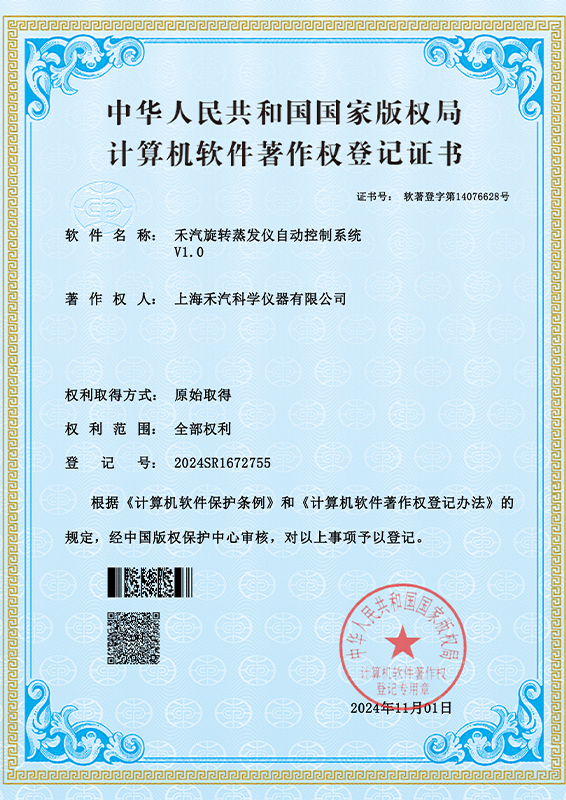
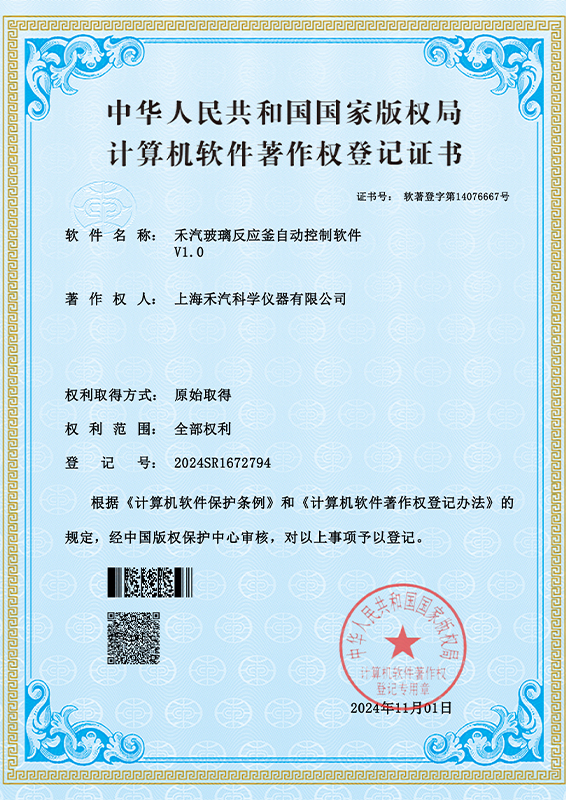
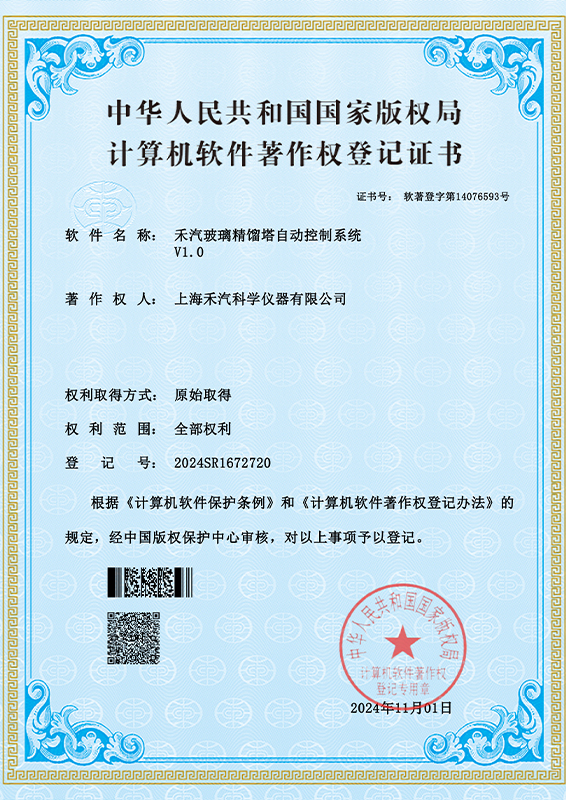
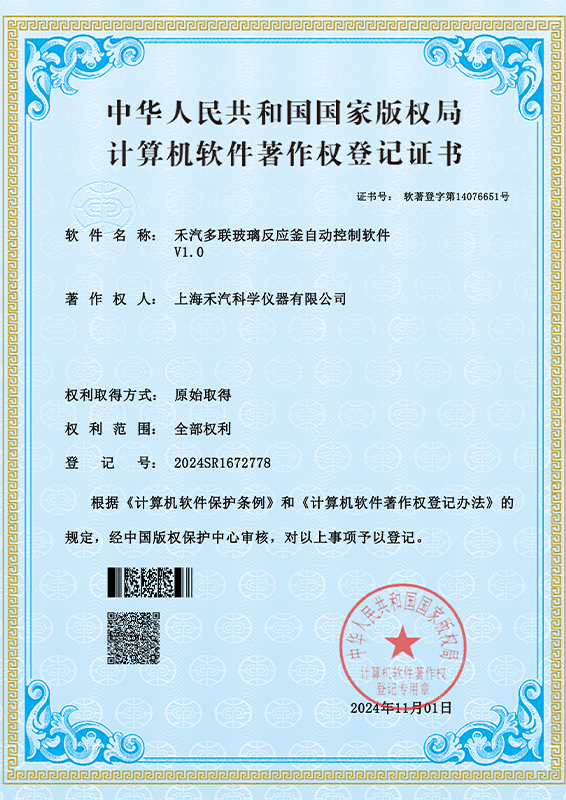
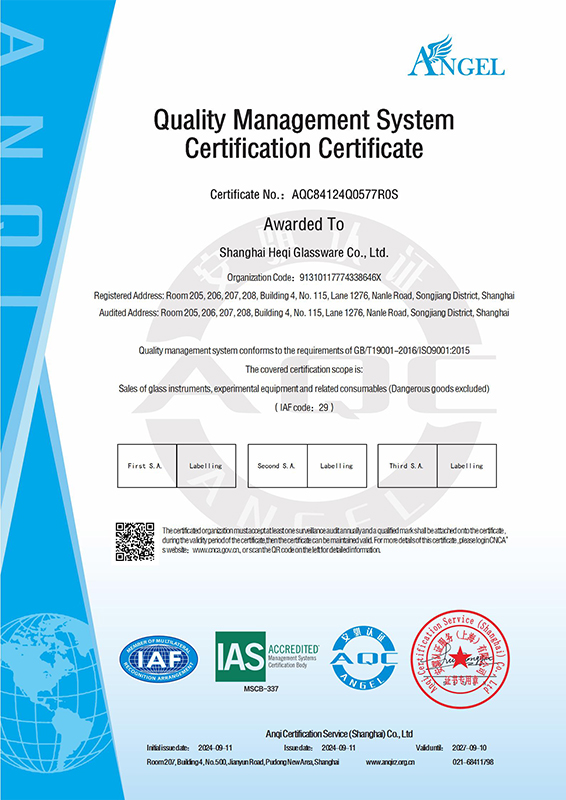
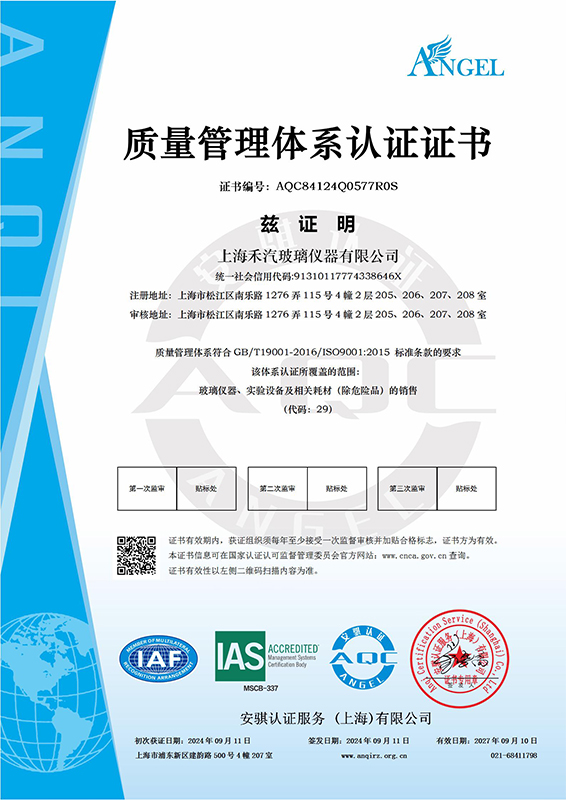
Certification
  • 1
  • 2
  • 3
  • 4
  • 5
  • 6
  • 7
Contact Us
Our custom service team is ready to provide you with expert advice and personalized solutions.
News
Industry Knowledge

Are Sterile Plastic Centrifuge Tubes Available for Biological Research?

Sterilization Standards and Biological Contaminant Limits

Biological research and cell culture workflows require vessel environments that are free from living microorganisms, nucleases, and biological pyrogens. Standard manufacturing processes for lab plastic centrifuge tubes utilize high-energy gamma irradiation or electron beam sterilization to achieve a certified Sterility Assurance Level (SAL) of 10^-6. This treatment level ensures that living bacteria, fungi, and spores are inactivated throughout the interior and exterior surfaces of the tube. Furthermore, biological protocol certification verifies that the resin materials contain non-detectable levels of RNase, DNase, and human genomic DNA. When conducting cellular assays or nucleic acid purification in pilot-scale processing lines, such as those monitored by monitoring equipment from Shanghai Heqi Glassware Co., Ltd., certified sterile plastic tubes prevent biological degradation and cross-contamination of liquid samples.

Sterilization Certifications and Material Safety Boundaries

Sterilization Parameter Gamma Irradiation Treatment Ethylene Oxide (EtO) Processing Steam Autoclaving (121°C)
Sterility Assurance Level (SAL) 10^-6 Verified Boundary 10^-6 Verified Boundary Variable dependent on user cycle
RNase / DNase Free Status Certified through lot testing Certified through lot testing
Endotoxin / Pyrogen Boundary < 0.05 EU/mL threshold < 0.05 EU/mL threshold Requires specialized depyrogenation
Resin Compatibility Impact Slight yellowing in some polymers Requires complete gas aeration phase Potential thermal warping if unsealed

Polymeric Resin Selection and Organic Leachable Boundaries

The structural body of a lab plastic centrifuge tubes container is manufactured using medical-grade polypropylene or high-density polyethylene. Polypropylene resins provide high mechanical tensile strength and chemical resistance against common laboratory alcohols, buffers, and dilute acids while maintaining low binding affinities toward nucleic acids and proteins. Modern virgin polymer formulations avoid the inclusion of plasticizers, slip agents, and biocides, which can otherwise leach into aqueous sample matrices and alter spectroscopic absorbance readings. Specialized assembly workshops at Shanghai Heqi Glassware Co., Ltd. routinely test material compatibility when connecting plastic fluid handling components with auxiliary glass reactors and vacuum manifold systems, ensuring that sample purity remains uncompromised.

Centrifugal Pressure Tolerance and Sealing Cap Geometry

Volume Capacity Closure Geometry Type Max Centrifugal Force (RCF) Temperature Operating Range
1.5 mL Micro-Centrifuge Vessel Snap-Cap with Ergonomic Lock 20,000 x g -80°C to 121°C
15 mL Conical Tube Flat-Top Threaded Cap 12,000 x g -80°C to 100°C
50 mL High-Capacity Conical Tube Plug-Seal Threaded Closure 16,000 x g -80°C to 100°C
250 mL Large Volume Bottle Wide-Mouth Screw Enclosure 8,000 x g -20°C to 80°C

Cryogenic Preservation and Low-Temperature Storage Mechanics

Biological sample preparation frequently involves long-term cold storage or immediate flash-freezing of isolated cellular fractions. Sterile lab plastic centrifuge tubes designed with ultra-low temperature polypropylene retain mechanical elasticity down to -80°C and vapor-phase liquid nitrogen conditions without becoming brittle or developing micro-fractures. Deep-threaded screw caps equipped with linerless seal rings or elastomeric O-rings prevent ice crystal formation within cap threads, ensuring liquid-tight containment during prolonged refrigeration. These cold-resistant plastic vessels work in conjunction with low-temperature circulation systems engineered by manufacturers like Shanghai Heqi Glassware Co., Ltd., preserving sample stability across repeated freeze-thaw operations.

Packaging Configurations and Sterile Integrity Retention

Packaging Format Contamination Protection Level Optimal Handling Environment
Individually Wrapped Sleeves Highest protection per single unit Aseptic cleanrooms and biosafety cabinets
Re-sealable Bulk Poly-Bags Moderate protection; relies on user closure High-throughput teaching and screening labs
Foam / Plastic Rack Assemblies High protection with upright stability Cell culture benches and automated pipetting

Hydrodynamic Flow Profile and Surface Wettability Control

The interior wall morphology of lab plastic centrifuge tubes impacts sample recovery rates during aspirational fluid handling. Ultra-low binding surface treatments minimize hydrophobic interactions between protein molecules or nucleic acids and the container walls, reducing sample retention on internal surfaces. Conical bottom geometries direct low-volume precipitates into a compact pellet at the base tip, allowing complete supernatant removal without disturbing the concentrated biomass. These hydrodynamically optimized plastic vessels support efficient downstream analysis, serving as reliable intermediate containment units throughout complex multi-stage biological research workflows.

FAQ

Q: What sterilization standards ensure lab plastic centrifuge tubes remain free of nucleic acid contamination for sensitive molecular assays?

A: High-grade lab plastic centrifuge tubes undergo gamma irradiation or electron beam processing to achieve a Sterility Assurance Level (SAL) of 10^-6, alongside lot certification verifying they are RNase, DNase, and pyrogen-free. In pilot-scale bio-processing setups monitored by equipment from Shanghai Heqi Glassware Co., Ltd., using certified sterile plastic vessels prevents enzyme degradation and protects genomic samples from background contamination.

Q: How do virgin polypropylene lab plastic centrifuge tubes resist structural cracking under high relative centrifugal force (RCF)?

A: Manufactured from high-tensile virgin polypropylene without recycled fillers, lab plastic centrifuge tubes feature uniform wall thickness and reinforced conical bottoms that distribute hydraulic fluid pressure evenly. This allows the tubes to withstand forces up to 20,000 x g in high-speed centrifuges without stress cracking or body deformation.

Q: What structural features in threaded closures prevent sample aerosol release and leakage during centrifugation?

A: Deep-threaded caps with continuous inner sealing rings or elastomeric O-rings compress tightly against the smooth rim of the tube neck to create a hermetic seal. Specialized assembly workshops at Shanghai Heqi Glassware Co., Ltd. test sealing integrity under pressure differentials to ensure volatile vapors, liquid samples, and biological aerosols remain fully contained within the tube during acceleration and deceleration phases.

Q: Can medical-grade lab plastic centrifuge tubes endure repeated freeze-thaw cycles in ultralow-temperature storage?

A: Premium polypropylene lab plastic centrifuge tubes maintain material flexibility and structural elasticity at temperatures down to -80°C and in vapor-phase liquid nitrogen. Their cold-resistant resin formulation prevents micro-fracturing when transitionally moved between ultralow-temperature freezers and ambient temperature water baths or heating units.

Q: Why are low-retention surface treatments applied to lab plastic centrifuge tubes during biological sample preparation?

A: Ultra-low retention surface treatments alter the interior polymer surface energy, preventing hydrophobic proteins, DNA strands, and viscous biological fluids from binding to the container walls. This ensures maximum sample recovery during aspiration steps, optimizing fluid transfer efficiency into downstream reaction vessels, glass reactors, and analytical equipment.