Lab Threaded Stopcocks Overview
Lab Threaded Stopcocks are precision valve components used in laboratory fluid control systems, primarily for controlling the flow, shut-off, and regulation of media in liquid, gas, and vacuum systems. As a crucial connecting component in laboratory glassware systems, Threaded Stopcocks are widely used in chemical experiments, organic synthesis, pharmaceutical research and development, analytical testing, vacuum operations, and pilot-scale experimental equipment.
Compared to traditional glass ground glass stopcocks, threaded stopcocks utilize a threaded connection structure, achieving a stable connection to experimental apparatus through standardized threaded interfaces. This offers significant advantages in installation reliability, ease of disassembly, and system compatibility. Especially in experimental apparatus requiring long-term operation, frequent use, or modular design, Lab Threaded Stopcocks provide a more stable connection and greater operational flexibility.
As modern laboratories evolve towards automation, precision, and modularity, the performance requirements for valve components in experimental equipment are continuously increasing. High-quality Threaded Stopcocks not only need excellent sealing performance but also must meet the stable operation requirements under different chemical media, high-temperature environments, and vacuum conditions.
Structure and Working Principle of Lab Threaded Stopcocks
Laboratory threaded stopcocks typically consist of a valve body, a plug, a threaded connection, an operating handle, and a sealing assembly.
Their basic working principle is to control the flow of media by rotating the plug to change the position of the internal flow channel. When the internal channel of the plug is aligned with the direction of the connecting pipe, liquid or gas can pass through; rotating the plug closes the flow channel, thus stopping the flow of media.
The threaded connection structure allows the stopcock valve to be more securely installed in experimental setups, while reducing the risk of loosening due to long-term use, vibration, or pressure changes.
Key advantages of Lab Threaded Stopcocks include:
| Features |
Description |
| Stable Connection |
Threaded construction enhances the fixation between the valve and the experimental system |
| Precise Control |
Enables liquid and gas flow regulation and rapid shut-off |
| Reliable Sealing |
Suitable for general experiments and some vacuum environments |
| Easy Installation |
Facilitates equipment assembly, disassembly, and maintenance |
| High System Compatibility |
Applicable to various glass experimental apparatuses |
Common Materials and Performance Characteristics of Lab Threaded Stopcocks
Different experimental environments place different requirements on stopcock valve materials. Material selection directly affects the product's corrosion resistance, service life, and experimental safety.
| Materials |
Performance Characteristics |
Application Areas |
| High Borosilicate Glass |
Excellent chemical stability, thermal shock resistance, low thermal expansion |
Chemical glassware, reaction apparatus |
| PTFE (Polytetrafluoroethylene) |
Resistant to strong acids and alkalis, resistant to organic solvents, low coefficient of friction |
Pharmaceutical, chemical, corrosive experiments |
| Stainless Steel |
High mechanical strength, wear resistance |
Industrial experimental equipment, special systems |
| Composite Materials |
Excellent comprehensive performance |
Customized experimental apparatus |
Among these, PTFE Threaded Stopcocks are currently one of the most widely used products in laboratories. PTFE material has extremely low chemical reactivity and can adapt to various organic solvents, acid and alkali reagents, and complex experimental environments, making it ideal for chemical research and pharmaceutical experiments.
For borosilicate glass experimental systems, the combination of glass and PTFE material can balance transparent observation, corrosion resistance and operational reliability, making it a common solution in modern experimental equipment design.
Main Application Areas of Lab Threaded Stopcocks
Chemical Research and Organic Synthesis Experiments
In organic chemistry experiments, the rate of reactant addition, solvent transfer, and gas control all affect the final experimental results. Lab Threaded Stopcocks are typically installed in reaction flasks, dropping funnels, distillation apparatuses, and gas introduction systems for precise control.
For experiments requiring strict control of reaction conditions, such as low-temperature reactions, slow-drop reactions, and the synthesis of sensitive compounds, stable and reliable stopcocks help researchers improve experimental reproducibility.
Pharmaceutical Research and Fine Chemicals
The pharmaceutical industry has high requirements for the cleanliness, material compatibility, and sealing performance of laboratory equipment. Threaded Stopcocks can be applied to drug synthesis, small-scale process development, solvent handling, and laboratory reaction systems.
Especially when dealing with high-value samples and sensitive chemicals, high-quality stopcocks can reduce the risk of leakage and contamination, and improve the stability of the experimental process.
Vacuum Experimental Systems
In experiments such as vacuum distillation, concentration, and drying, the system's sealing performance is crucial.
Lab threaded stopcocks can be used to control the opening and closing of vacuum lines, achieving isolation between different experimental modules and improving the operating efficiency of vacuum systems.
University and Research Laboratories
In the fields of education and research, threaded stopcocks are widely used in:
- Glass distillation apparatus
- Extraction equipment
- Gas experimental systems
- Small glass reaction apparatus
- Customized experimental apparatus
Lab Threaded Stopcocks vs. Other Laboratory Stopcock Valves
| Type |
Connection Method |
Advantages |
Applicable Scenarios |
| Lab Threaded Stopcocks |
Threaded connection |
Secure installation, suitable for modular equipment |
Laboratory systems, vacuum equipment |
| Glass Stopcocks |
Ground glass connection |
High chemical stability, traditionally reliable |
Conventional glassware |
| PTFE Stopcocks |
PTFE stopcock structure |
Strong corrosion resistance, smooth operation |
Chemical and pharmaceutical R&D |
| Plastic Stopcocks |
Plastic structure |
Economical and lightweight |
General laboratory applications |
Compared to traditional glass stopcock valves, Threaded Stopcocks offer greater flexibility in equipment assembly and maintenance; compared to ordinary plastic stopcock valves, their material properties and long-term stability are more suitable for professional research environments.
Factors to Consider When Choosing Lab Threaded Stopcocks
Chemical Compatibility
Different experimental media require different stopcock materials. For environments with highly corrosive chemicals or organic solvents, corrosion-resistant materials such as PTFE should be prioritized.
Thread Specifications
Different experimental equipment may use different interface standards, therefore, it is necessary to confirm:
- Thread size
- Connection method
- Equipment compatibility
Correct specification selection can avoid installation problems and improve system sealing performance.
Sealing Performance
For vacuum experiments and precision chemical experiments, valve sealing capability directly affects experimental results. High-precision machining can reduce gas leakage and improve equipment operational stability.
Manufacturing Precision
Stopcocks are precision components in experimental systems. The valve body machining precision, stopcock fit, and surface treatment quality all affect user experience and lifespan.
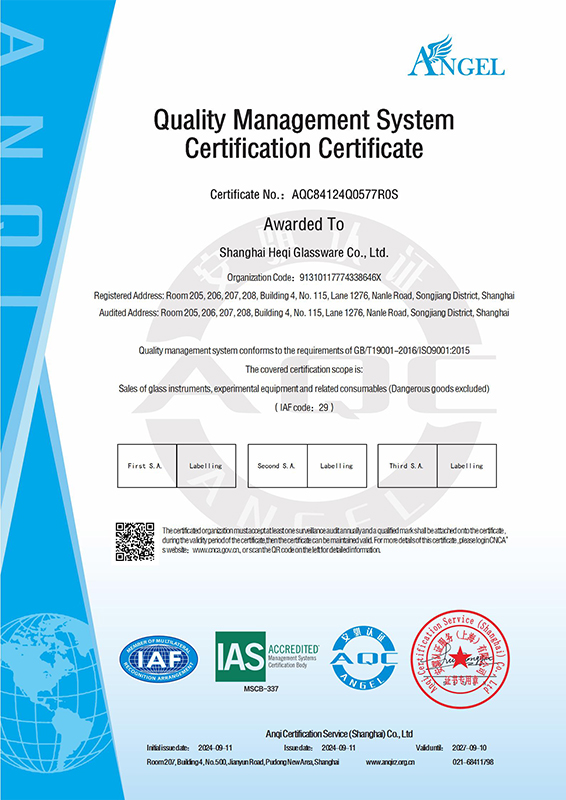
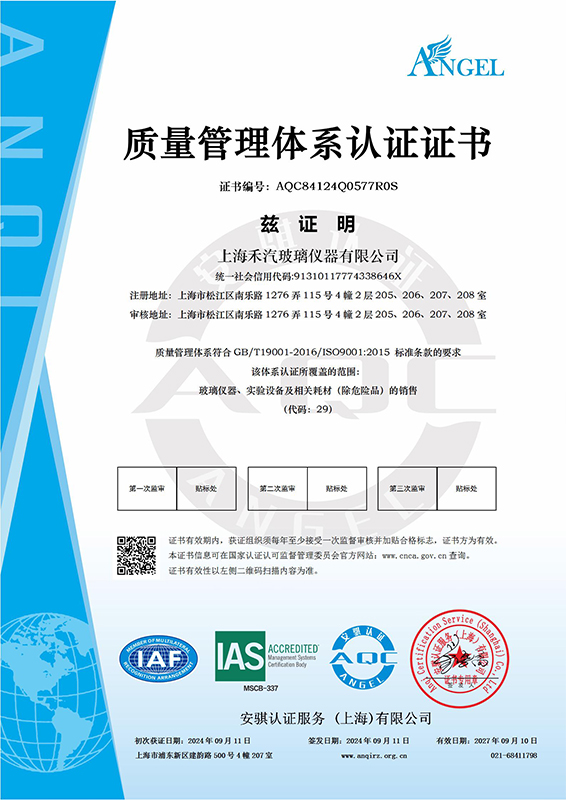
Shanghai Heqi: Professional Supplier of Laboratory Glassware and Custom Equipment
Shanghai Heqi Glassware Co., Ltd. specializes in the R&D, production, and service of borosilicate glassware, laboratory equipment, and customized experimental components, providing professional solutions to global chemical, pharmaceutical, scientific research, and industrial R&D clients.
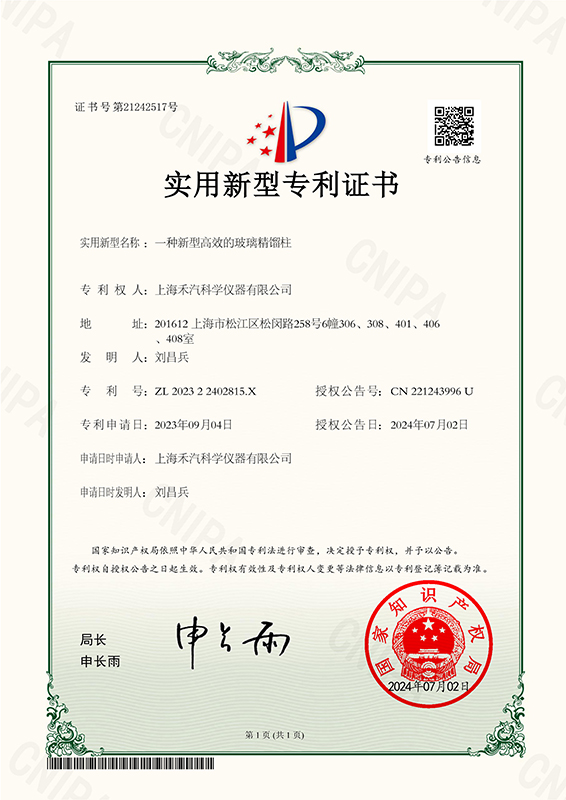
Strong R&D Team, Continuously Driving Product Innovation
Shanghai Heqi boasts a professional R&D team of over ten experienced engineers, focusing on the design optimization of borosilicate glassware and experimental equipment.
The R&D team continuously integrates advanced international technologies and innovates products based on actual customer needs, providing highly efficient and reliable solutions for the laboratory equipment industry. The company invests over 10% of its annual revenue in technological R&D to ensure its products maintain a competitive edge in the industry.
For laboratory glass components such as Lab Threaded Stopcocks, the R&D team can provide more suitable design solutions based on the customer's equipment structure, experimental environment, and usage requirements.
Professional Production Team, Ensuring Stable Product Quality
Shanghai Heqi's production team undergoes rigorous skills training to ensure that every production step meets international quality standards.
The company employs automated production equipment and an advanced quality control system to achieve a highly efficient and stable production model. From glass forming and precision machining to product testing, every process is strictly controlled.
Adhering to the philosophy that "details determine quality," the production team focuses on every detail of the product, including:
- Dimensional accuracy control
- Surface quality inspection
- Sealing performance testing
- Finished product quality inspection
Through a comprehensive production management system, we provide customers with stable performance and reliable quality laboratory glass products.
Comprehensive Customer Service System, Providing Full-Process Support
The Shanghai Heqi customer service team is committed to providing customers with one-stop services, from product consultation, solution design, customized development to after-sales technical support.
Through a scientific inventory management and logistics system, the company can achieve rapid delivery to meet diverse customer procurement needs. Meanwhile, a professional technical support team can provide:
- Product selection advice
- Remote technical guidance
- Equipment installation support
- After-sales maintenance service
Whether it's standardized Lab Threaded Stopcocks products or customized needs for special experimental equipment, Shanghai Heqi can provide reliable and efficient service support. ---
Future Development Trends
As the global laboratory equipment industry continues to upgrade, Lab Threaded Stopcocks will develop in the following directions:
- Higher corrosion resistance to meet the needs of complex chemical environments;
- Higher sealing precision to adapt to vacuum and demanding experiments;
- Enhanced customization capabilities to match specialized experimental systems;
- Better automation compatibility for intelligent experimental control.
As an important component of laboratory glassware, Threaded Stopcocks will continue to play a vital role in chemical research and development, pharmaceutical innovation, new materials research, and industrial experimental platforms.


 English
 Français
 Español