Why Are Centrifuge Tubes Important for Laboratory Sample Preparation?
Hydrodynamic Stress and Structural Integrity in High-Speed Phase Separation
Sample preparation procedures across analytical chemistry, biochemistry, and clinical diagnostics depend on centrifugal separation to isolate cellular components, precipitate proteins, and clarify heterogeneous liquid mixtures. During high-speed rotation, centrifuge tubes experience intense gravitational acceleration vectors and fluid dynamic pressure gradients that push liquid contents against container walls. A failure in structural integrity during centrifuging can lead to vessel fracture, sample loss, equipment damage, and hazardous aerosol dispersion throughout the rotor chamber. Using properly rated centrifuge tubes engineered to withstand specific relative centrifugal force boundaries ensures that sample separation occurs safely without mechanical deformation or fluid leakage.
Material Performance Metrics in Centrifugation Workflows
| Material Substrate |
Maximum RCF Limit (x g) |
Chemical Inertness Range |
Thermal Tolerance Boundary |
| Polypropylene (PP) |
12,000 - 20,000 |
Resistant to alcohols, dilute acids, and bases |
-80°C to 121°C |
| High-Purity Borosilicate Glass |
3,000 - 6,000 |
Universal chemical resistance across organic solvents |
-196°C to 500°C |
| Polycarbonate (PC) |
8,000 - 12,000 |
Moderate resistance; sensitive to organic solvents |
-135°C to 135°C |
| Fluorinated Ethylene Propylene (FEP) |
20,000 - 50,000 |
Resistant to aggressive acids and chlorinated hydrocarbons |
-200°C to 205°C |
Phase Separation Precision and Sediment Pellet Formation Mechanics
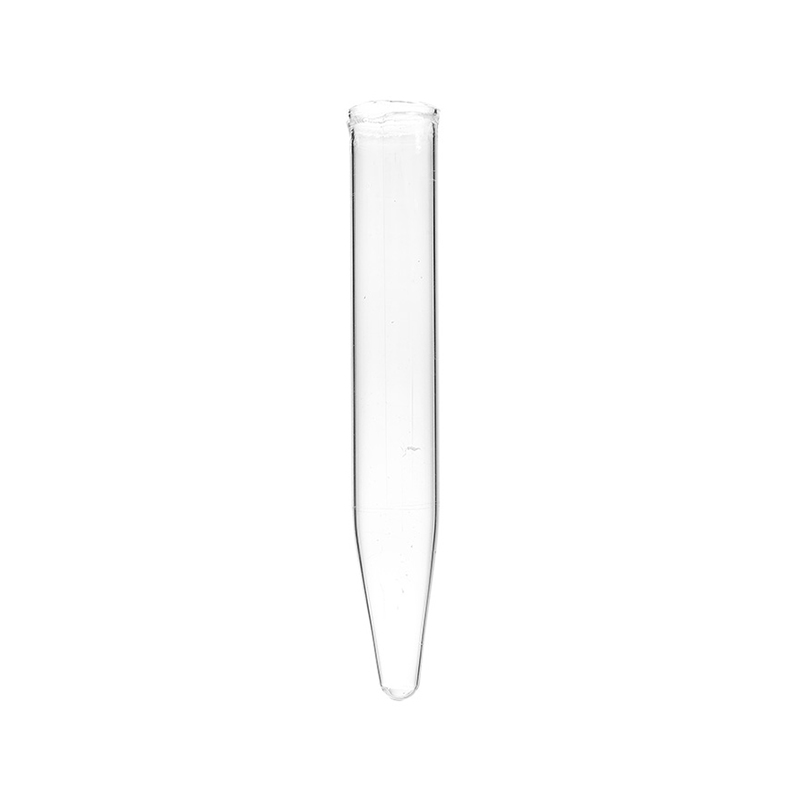
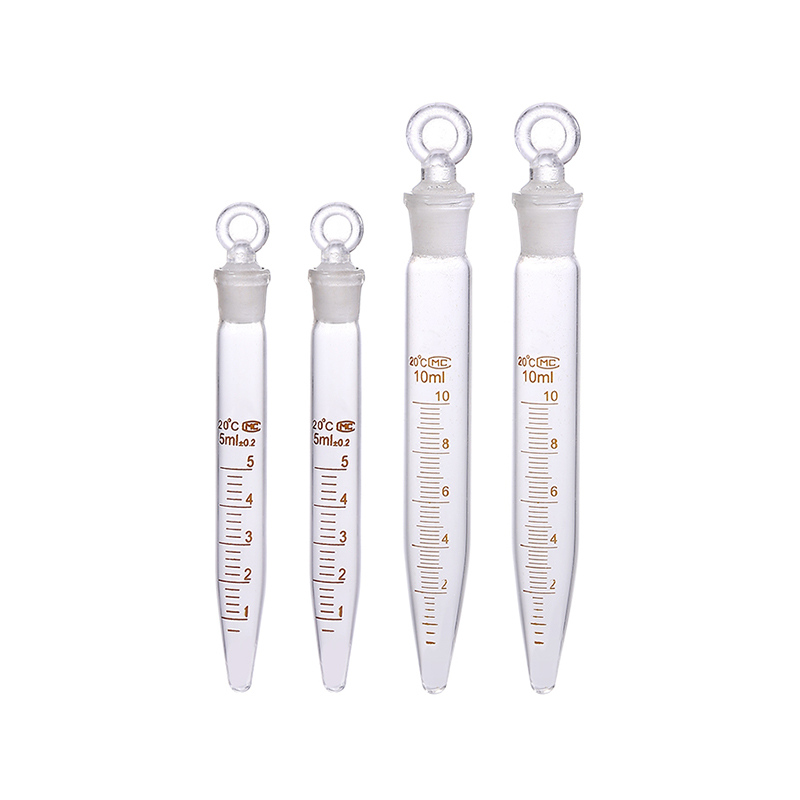
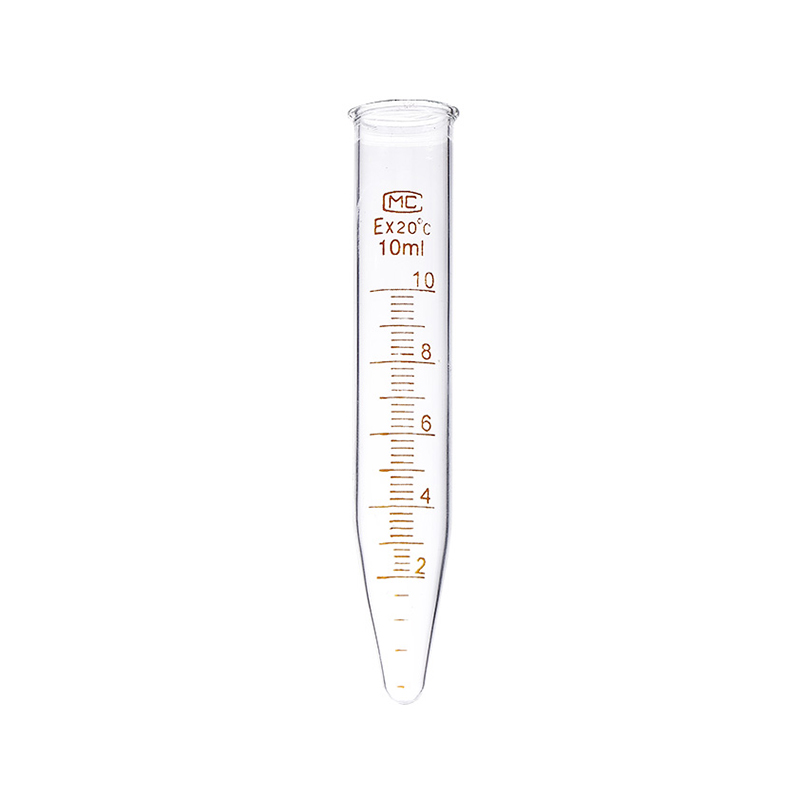
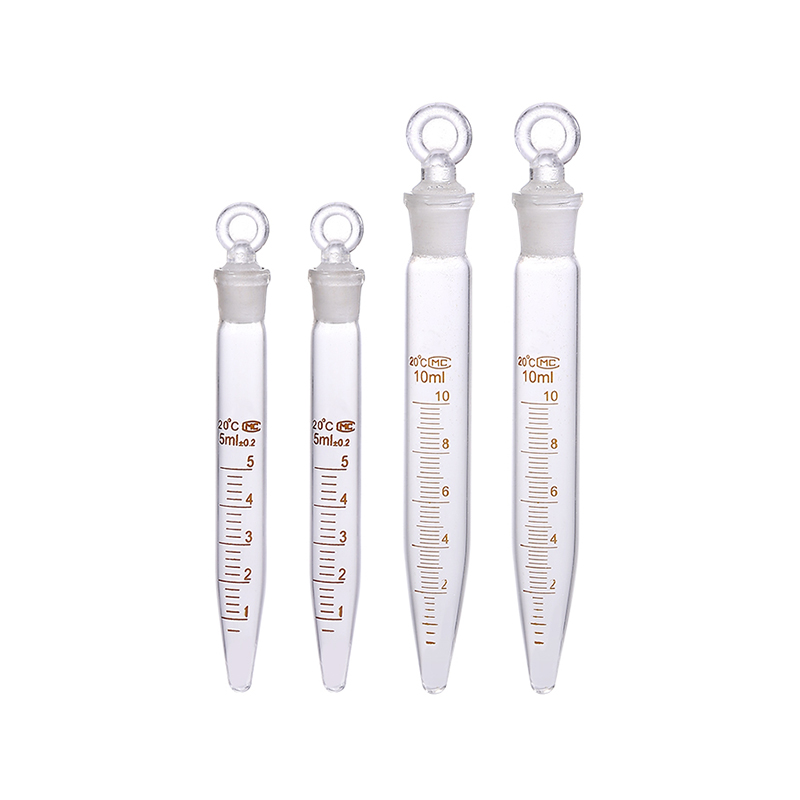
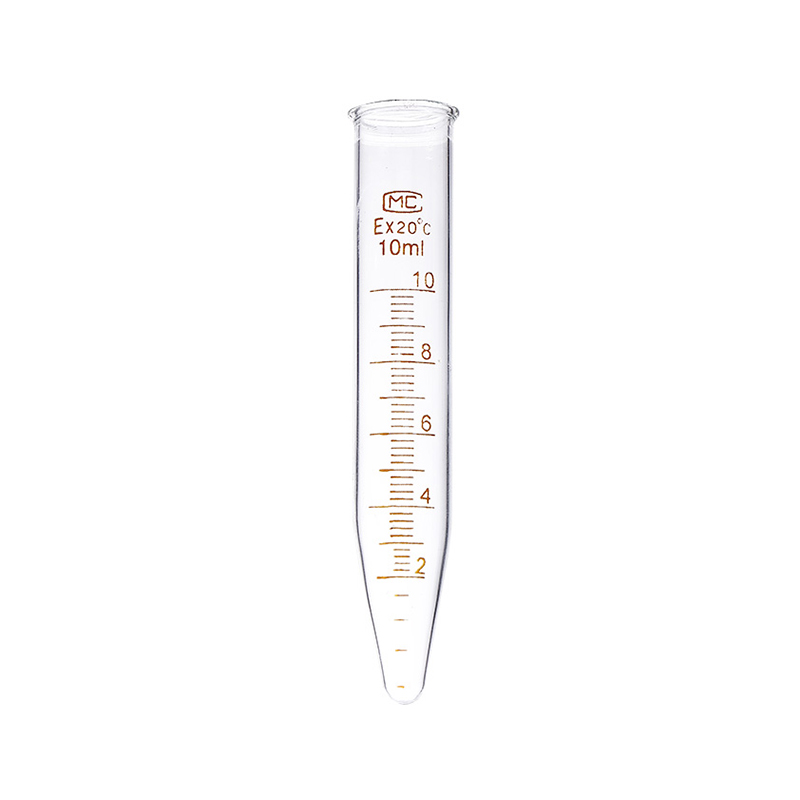
The geometric profile of a sample container alters the sedimentation rate and pellet compacting characteristics during phase separation routines. Conical bottom centrifuge tubes concentrate microscopic solid precipitates, cellular debris, and insoluble salts into a localized pellet at the narrow base tip, facilitating complete supernatant decanting or fluid aspiration without disturbing the concentrated sediment. Conversely, round-bottom configurations distribute centrifugal pressure uniformly across liquid layers, making them suitable for density gradient separation protocols where distinct liquid bands must remain separated. In pilot-scale synthesis and analytical extraction workflows, technical teams at Shanghai Heqi Glassware Co., Ltd. utilize heavy-walled glass centrifuge tubes within specialized distillation and extraction steps where clear visual monitoring of interface boundaries is required.
Centrifuge Tube Geometry and Application Compatibility
| Vessel Geometry |
Bottom Design Profile |
Primary Laboratory Application |
Pellet Retrieval Characteristics |
| Micro-Centrifuge Vessels |
Conical Base (1.5 mL - 2.0 mL) |
DNA/RNA extraction, protein precipitation |
High concentration in micro-volume tips |
| Standard Conical Units |
Steep Conical Base (15 mL - 50 mL) |
Cellular harvesting, environmental water testing |
Localized pellet formation for easy decanting |
| Heavy-Duty Glass Cylinders |
Round / Flat Base (10 mL - 100 mL) |
High-temperature solvent extraction, organic synthesis |
Broad surface area for uniform gradient layers |
| Ultra-Speed Centrifuge Bottles |
Thick-Wall Round Base (250 mL - 500 mL) |
Large-scale bacterial harvesting, pilot prep |
High-volume phase separation under extreme gravity |
Sample Contamination Prevention and Sealing Integrity
Analytical sample preparation requires strict isolation of reagents to prevent sample cross-contamination, ambient moisture uptake, and aerosol release. Threaded closure systems on centrifuge tubes must form a continuous hermetic seal that resists physical displacement caused by internal liquid displacement during acceleration and deceleration phases. Screw caps fitted with elastomeric O-rings or integrated sealing rims prevent volatile solvent vapors from escaping into the centrifuge chamber environment. Preserving hermetic sealing keeps volatile compound concentrations stable throughout prolonged centrifugation cycles, protecting both sample fidelity and laboratory air quality.
Thermal and Cryogenic Stability During Freeze-Thaw Cycles
Sample preparation procedures often require immediate freezing of biological fractions or chemical extracts following centrifugal separation. Centrifuge tubes must maintain structural elasticity and dimensional stability across broad temperature ranges, extending from cryogenic storage at -80°C or liquid nitrogen vapor phases up to heated water bath incubation and steam autoclaving at 121°C. Controlled glass annealing processes developed at Shanghai Heqi Glassware Co., Ltd. eliminate internal material stress in glass vessels, preventing stress cracking when samples transition rapidly between refrigerated centrifugation rotors and elevated heating environments.
Chemical Inertness Against Organic Solvents and Extractants
Handling aggressive organic solvents such as chloroform, phenol, hexane, and dichloromethane requires chemical containers that resist solvent degradation, softening, and plasticizer leaching. When volatile extractants interact with incompatible polymer container walls, organic leachables dissolve into the sample matrix, generating spurious chromatographic peaks during downstream gas chromatography or liquid chromatography analysis. High-purity glass centrifuge tubes provide complete chemical inertness, ensuring zero organic compounds leach into purified chemical fractions during aggressive liquid-liquid extraction routines.
Operational Boundaries and Quality Verification Standards
| Testing Parameter |
Standard Polymer Specification |
High-Purity Glass Specification |
| Extractable Leachable Threshold |
Low trace organic leachables |
Zero chemical leaching across organic solvents |
| Autoclave Cycle Endurance |
Up to 10 standard cycles at 121°C |
Unlimited autoclave cycles within thermal limits |
| Optical Transparency Index |
Translucent to transparent polymer |
Permanent optical transparency |
| RCF Safety Margin Factor |
1.2x rated maximum centrifugal limit |
1.5x rated maximum centrifugal limit |
Integration into Multi-Step Pilot Processing and Analytical Pipelines
Modern analytical laboratory workflows connect sample preparation steps directly with pilot-scale processing equipment, rotary evaporators, and vacuum concentration units. Centrifuge tubes serve as modular transport vessels that allow prepared samples to move between centrifugation, thermal incubation, and evaporation stages without intermediate fluid transfer steps that risk sample loss or cross-contamination. Auxiliary vacuum systems and circulation equipment manufactured by Shanghai Heqi Glassware Co., Ltd. operate in tandem with centrifuge sample preparation units, enabling efficient solvent stripping, phase recovery, and concentration under controlled temperature and pressure conditions.
FAQ
Q: Why are high-purity borosilicate glass centrifuge tubes preferred over polymer vessels when handling aggressive organic extractants?
A: Strong organic solvents, such as chloroform, phenol, and dichloromethane, can soften, swell, or leach plasticizers out of polymer containers, leading to sample contamination and false analytical chromatographic peaks. High-purity borosilicate glass centrifuge tubes offer total chemical inertness against harsh solvents. Engineered with thick wall profiles at Shanghai Heqi Glassware Co., Ltd., these glass vessels prevent chemical leaching and maintain structural integrity during aggressive solvent extraction routines.
Q: How does the bottom geometry of centrifuge tubes influence sample pellet recovery after high-speed phase separation?
A: Conical bottom designs concentrate microscopic solid precipitates, cellular fragments, and insoluble salts into a compact, localized pellet at the narrow base tip, facilitating complete supernatant decanting without disturbing the precipitate. Round-bottom profiles, by contrast, distribute centrifugal force evenly across liquid layers, making them better suited for density gradient separations where distinct fluid bands must remain isolated.
Q: What measures ensure thread-sealed centrifuge tubes maintain leak-proof performance under high relative centrifugal force (RCF)?
A: Threaded closure systems rely on continuous rim compression against internal elastomeric seals or integrated sealing rings to resist fluid dynamic pressure during rapid rotation. In specialized assembly workshops like those at Shanghai Heqi Glassware Co., Ltd., closure caps and bottle necks are checked for tight thread tolerance to prevent volatile vapor escape, sample loss, and aerosol contamination in the rotor chamber.
Q: How do heavy-walled glass centrifuge tubes withstand thermal stress during rapid transitions from centrifugation to high-temperature heating?
A: Heavy-walled borosilicate glass possesses a low coefficient of thermal expansion, allowing it to endure rapid temperature swings from refrigerated centrifugation rotors to hot water bath incubations or steam autoclaving at 121°C. Controlled annealing processes during glass fabrication eliminate internal material strain, preventing thermal shock fracturing during multi-step sample processing.
Q: In what ways can glass centrifuge tubes be integrated into pilot-scale distillation or rotary evaporation workflows?
A: Glass centrifuge tubes with standard-mouth ground joints can be connected directly to rotary evaporators, vacuum manifold lines, and pilot-scale distillation units. Facilities at Shanghai Heqi Glassware Co., Ltd. manufacture standard adapters that allow centrifuged fractions to be concentrated or evaporated directly within the same vessel, eliminating liquid transfer steps and minimizing sample loss.


 English
 Français
 Español