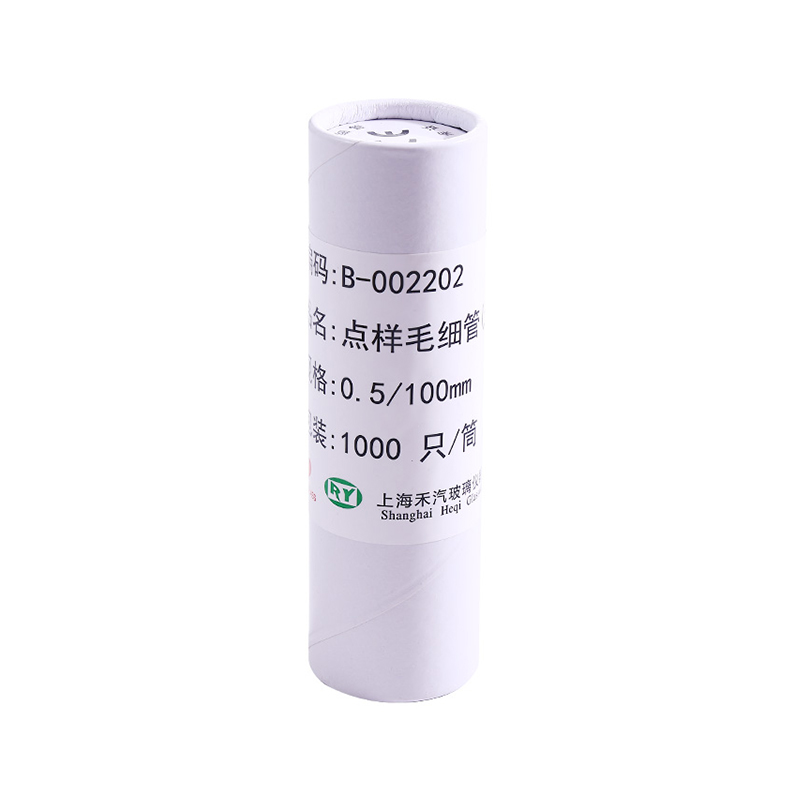
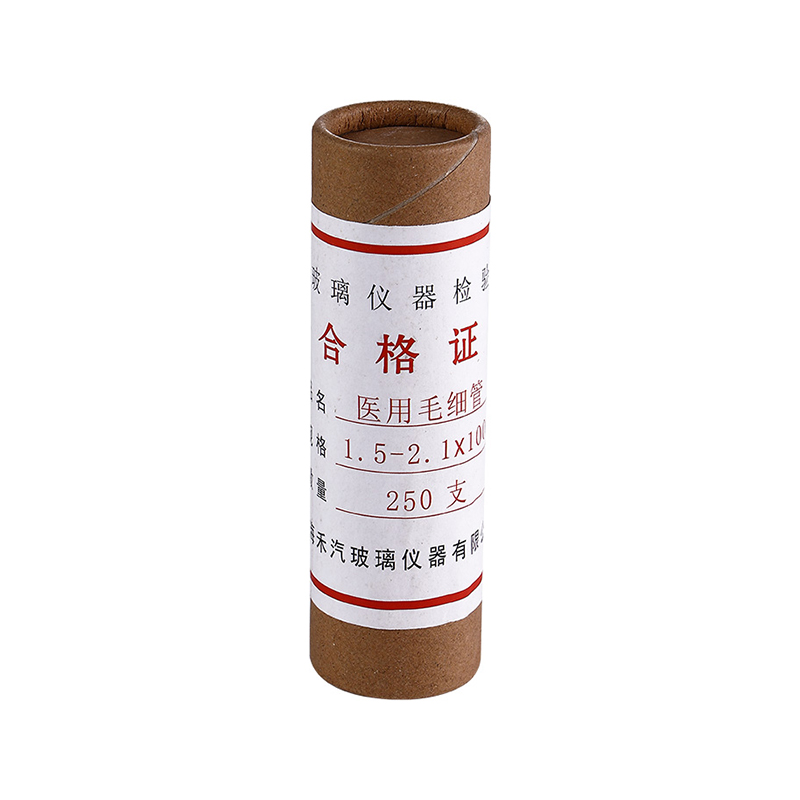
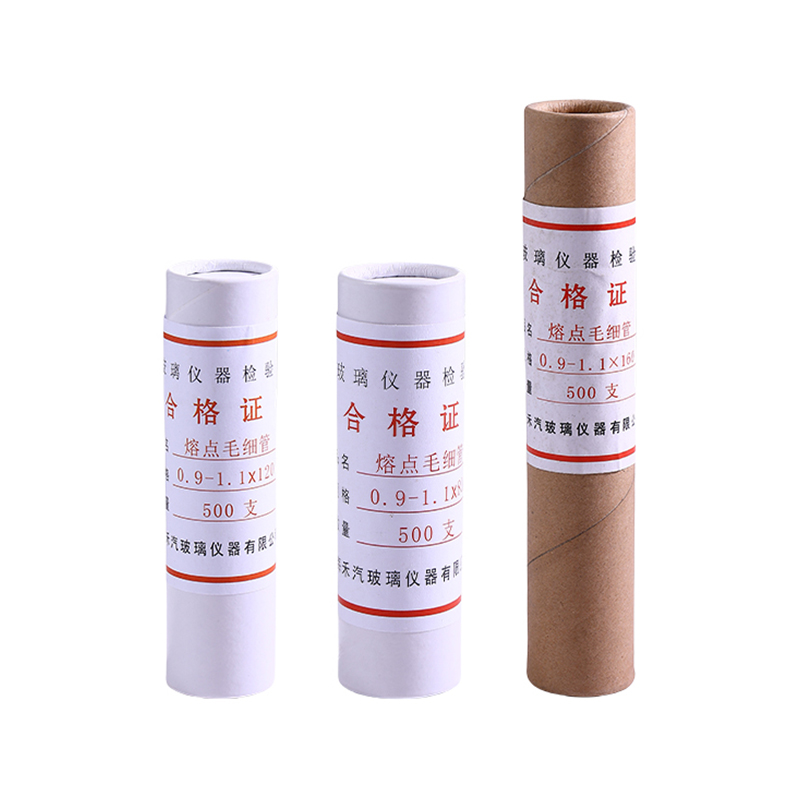
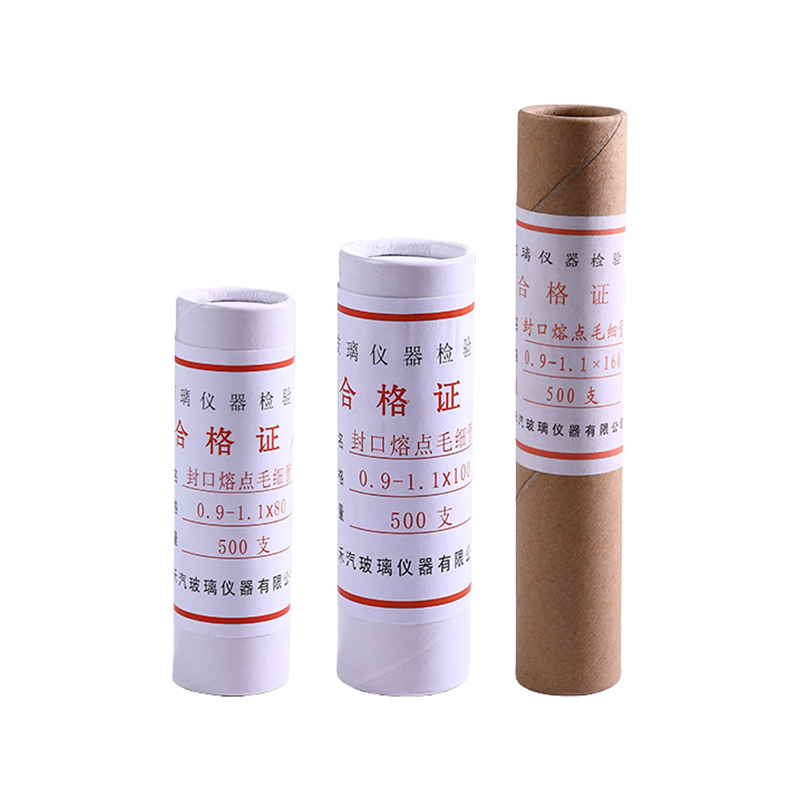
What Are Laboratory Glass Tubes?
Laboratory glass tubes are one of the most essential components in modern laboratories and scientific research environments. They are widely used for sample storage, chemical reactions, heating experiments, biological testing, and industrial analysis. Due to their excellent transparency, chemical resistance, thermal stability, and durability, high-quality laboratory glass tubes have become an indispensable tool in chemical, pharmaceutical, medical, educational, and research laboratories.
With the continuous development of laboratory technology, the requirements for glass tube precision, safety, and reliability are becoming increasingly strict. Professional laboratory glassware manufacturers must not only provide different types of glass tubes but also ensure strict control over materials, production processes, and quality inspection.
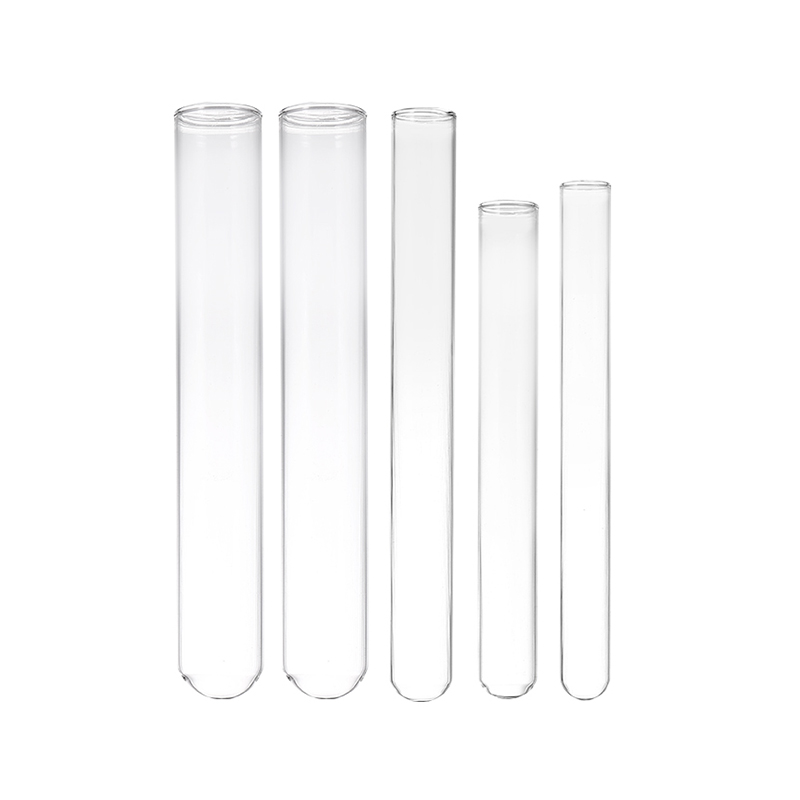
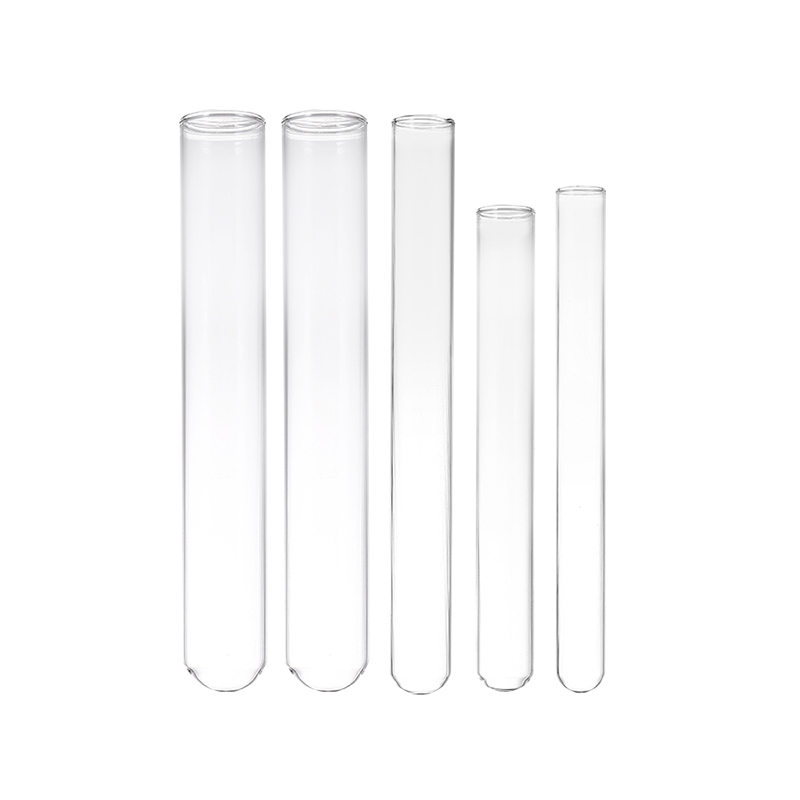
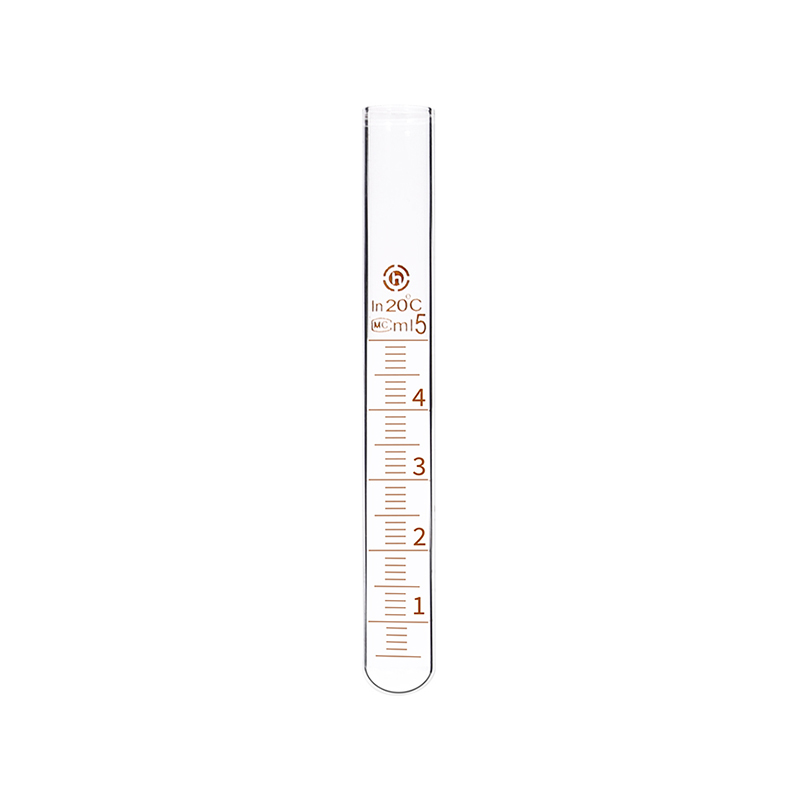
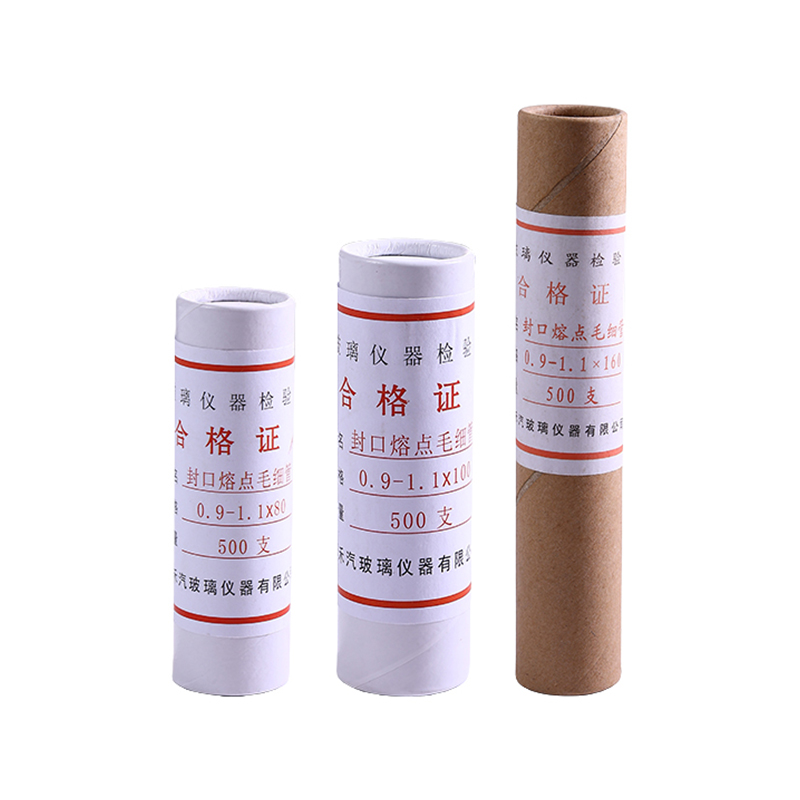
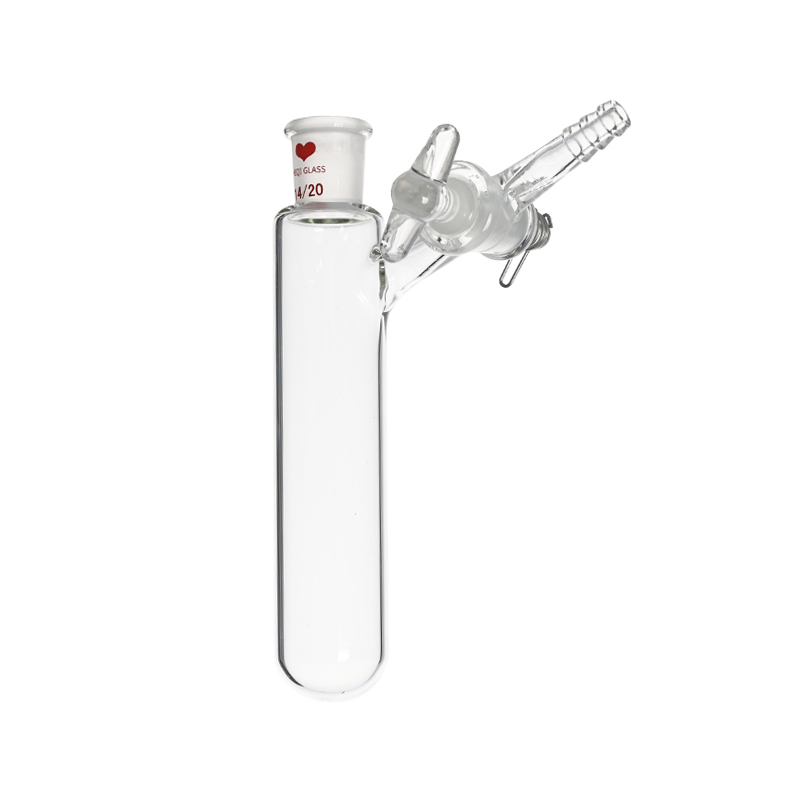
Laboratory glass tubes are hollow cylindrical glass instruments designed for scientific experiments and laboratory operations. They are mainly used for containing, transferring, mixing, heating, or observing samples and chemical substances.
Unlike ordinary glass tubes, laboratory glass tubes are manufactured according to strict scientific standards. They require excellent mechanical strength, high temperature resistance, chemical stability, and precise dimensions to ensure reliable performance during laboratory procedures.
Common Types of Laboratory Glass Tubes
Laboratory glass tubes are available in different designs according to specific experimental requirements. Common types include:
| Type |
Features |
Applications |
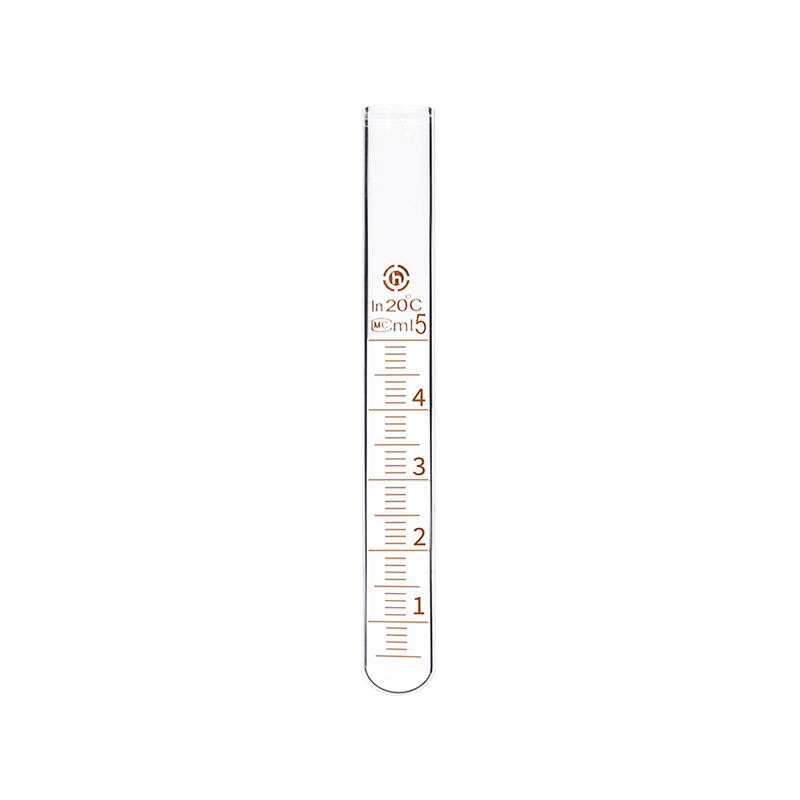
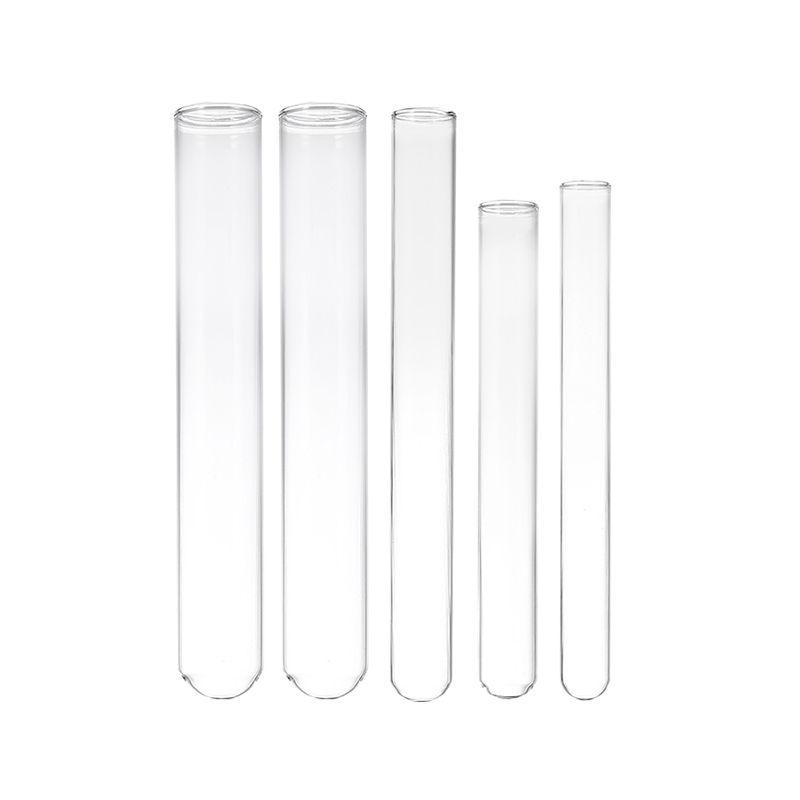
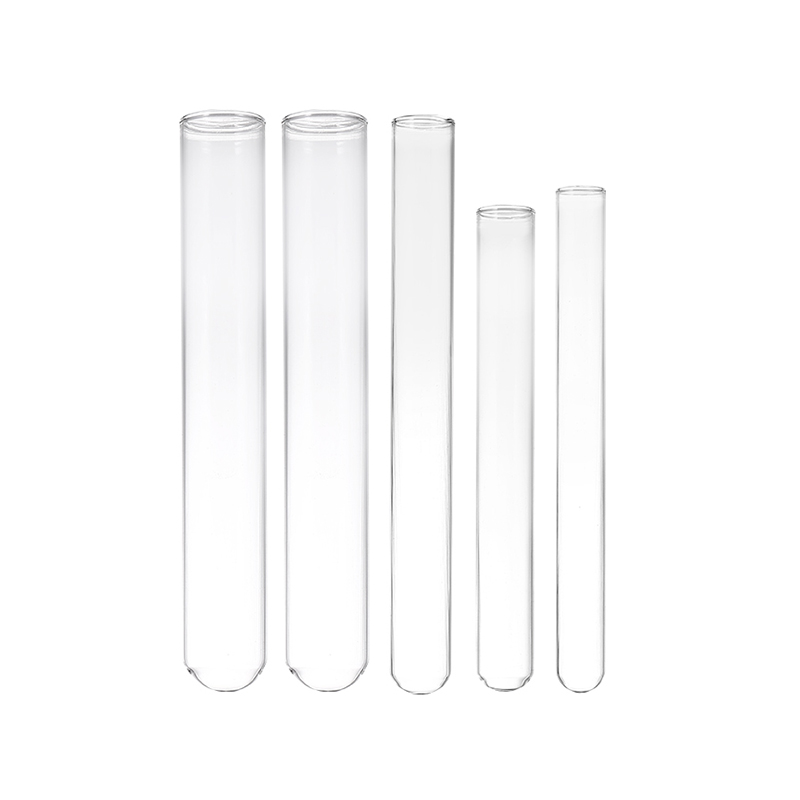
| Test Tubes |
Simple cylindrical structure with different bottom designs and sizes |
General chemical experiments, sample handling, and educational laboratories |
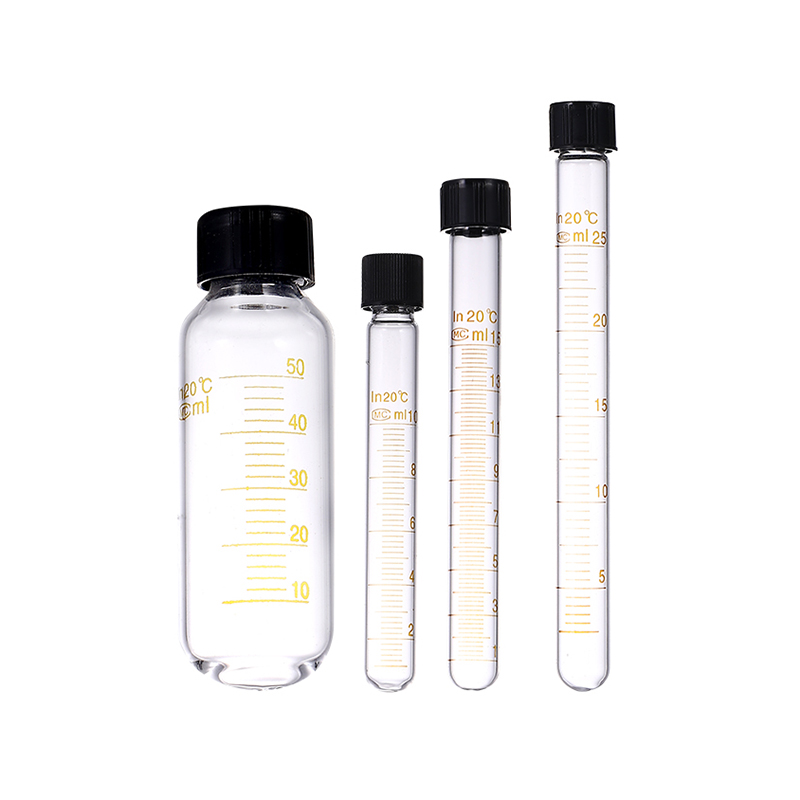
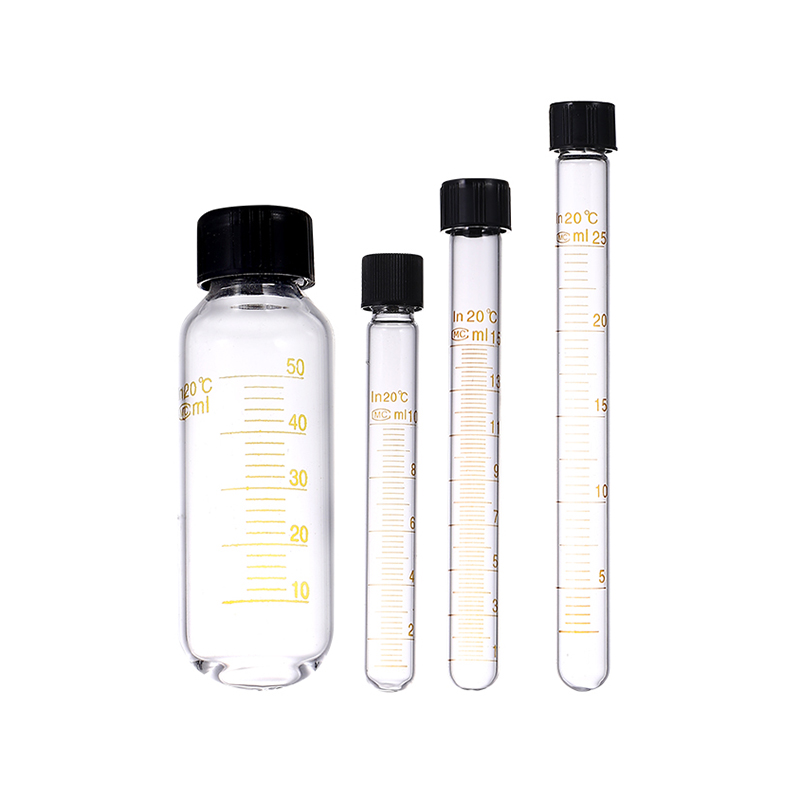
| Culture Tubes |
Designed for biological experiments and often equipped with caps |
Microbial culture, cell research, and biotechnology applications |
| Boiling Tubes |
Thicker glass wall and larger capacity for heating operations |
High-temperature reactions and chemical testing |
| Centrifuge Tubes |
Designed to withstand centrifugal forces during separation |
Sample separation and laboratory analysis |
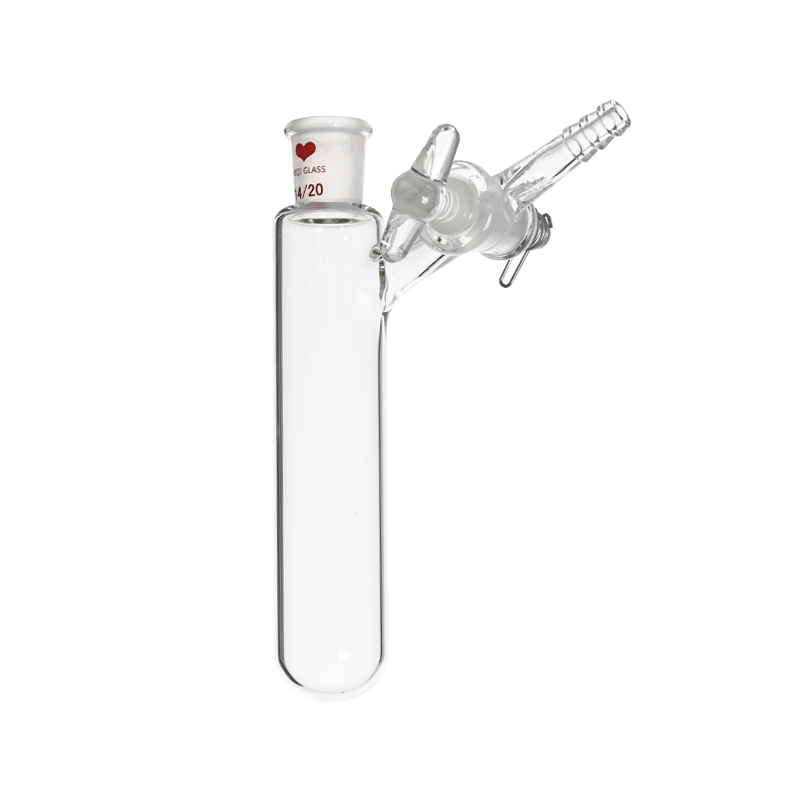
| Customized Glass Tubes |
Manufactured according to specific drawings and requirements |
Special laboratory equipment and industrial applications |
Materials Used for Laboratory Glass Tubes
The performance of laboratory glass tubes largely depends on the quality of the glass material. Different applications require different material characteristics.
Borosilicate Glass Tubes
Borosilicate glass is the most widely used material for professional laboratory glassware. It features a low thermal expansion coefficient, excellent heat resistance, and strong chemical durability.
Main advantages include:
- Excellent thermal shock resistance
- High resistance to acids, alkalis, and chemical reagents
- Suitable for repeated heating and sterilization
- Excellent transparency for experimental observation
- Long service life under laboratory conditions
Quartz Glass Tubes
Quartz glass tubes are designed for applications requiring extremely high temperature resistance and superior optical performance. They are commonly used in advanced research fields, semiconductor manufacturing, UV experiments, and high-temperature laboratory equipment.
Soda Lime Glass Tubes
Soda lime glass tubes are a cost-effective option for general laboratory applications where extreme temperature resistance is not required.
Important Characteristics of High-Quality Laboratory Glass Tubes
Excellent Chemical Resistance
Laboratory glass tubes frequently come into contact with acids, solvents, and chemical reagents. High-quality glass materials help prevent corrosion, contamination, and unwanted reactions during experiments.
High Thermal Stability
Many laboratory procedures involve heating and rapid temperature changes. Glass tubes with excellent thermal stability can maintain structural integrity and reduce the risk of cracking.
Precise Dimensions
Accurate diameter, length, and wall thickness are important for ensuring compatibility with laboratory instruments, glass joints, stoppers, and other accessories.
Clear Surface Quality
High transparency and smooth surfaces allow researchers to clearly observe samples and experimental reactions while improving cleaning efficiency.
Manufacturing Process of Laboratory Glass Tubes
The production of laboratory glass tubes requires advanced manufacturing technology and strict quality management. Every stage, from raw material preparation to finished product inspection, directly affects product performance.
Raw Material Selection
Shanghai Heqi Glassware Co., Ltd. selects premium glass materials with excellent heat resistance, corrosion resistance, and impact resistance. All raw material sources are traceable to ensure compliance with environmental and safety requirements.
Glass Forming and Processing
Through advanced production techniques and automated or semi-automated equipment, glass tubes are precisely formed according to different specifications. Automation reduces human errors and improves product consistency during cutting, blowing, shaping, and processing.
Production Process Control
During manufacturing, each production stage includes dedicated quality checkpoints. From glass cutting and forming to final inspection, Shanghai Heqi Glassware strictly controls every process to ensure stable product quality.
Finished Product Inspection
Before delivery, laboratory glass tubes undergo comprehensive inspection, including dimensional accuracy testing, transparency inspection, surface cleanliness testing, and performance verification.
For sealed laboratory glass equipment, strict leak tests are performed to guarantee safe and efficient operation. Products also undergo high-pressure and high-temperature testing to verify reliability under demanding laboratory conditions.
Applications of Laboratory Glass Tubes
Chemical Research
Laboratory glass tubes are widely used in chemical reactions, sample preparation, heating experiments, and analytical testing due to their excellent chemical resistance.
Pharmaceutical and Medical Laboratories
In pharmaceutical research and medical testing, glass tubes provide reliable solutions for sample storage, drug analysis, and laboratory procedures requiring high cleanliness standards.
Biotechnology and Life Science
Biological laboratories use glass tubes for microbial culture, cell research, and sample analysis because glass can withstand sterilization processes and maintain chemical stability.
Education and Scientific Training
Laboratory glass tubes are widely used in schools and universities for chemistry and biology experiments, helping students understand scientific principles through practical operations.
Laboratory Glass Tubes Quality Assurance at Shanghai Heqi
Shanghai Heqi Glassware Co., Ltd. is committed to providing reliable laboratory glassware solutions based on strict quality management and professional manufacturing experience.
The company strictly follows the ISO9001 quality management system and implements comprehensive quality control throughout the entire production process. From raw material selection and precision manufacturing to finished product inspection, every step is carefully monitored to ensure products meet international quality standards.
By applying advanced production equipment, rigorous inspection procedures, and environmentally responsible manufacturing methods, Shanghai Heqi continuously improves product reliability while reducing waste and promoting sustainable development in the laboratory instrument industry.
Choosing the Right Laboratory Glass Tube Manufacturer
When selecting laboratory glass tubes, customers should consider material quality, manufacturing precision, customization capability, and quality management systems.
A professional manufacturer should provide stable product performance, strict inspection procedures, and customized solutions according to different laboratory requirements.
With strong expertise in laboratory glassware production, Shanghai Heqi Glassware Co., Ltd. provides high-quality laboratory glass tubes and customized glass instrument solutions for research institutions, laboratories, and industrial customers worldwide.


 English
 Français
 Español