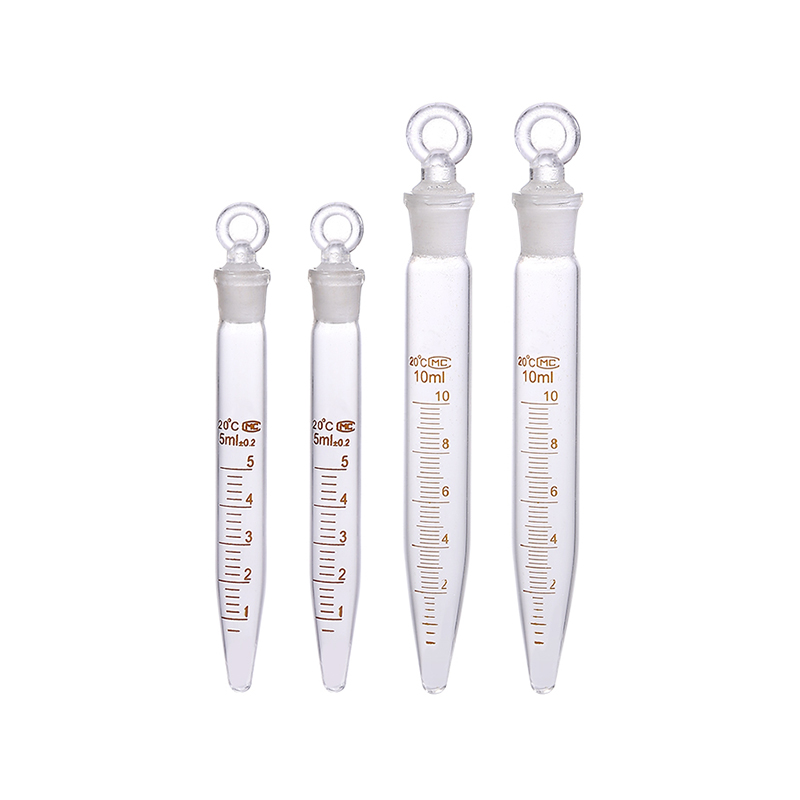
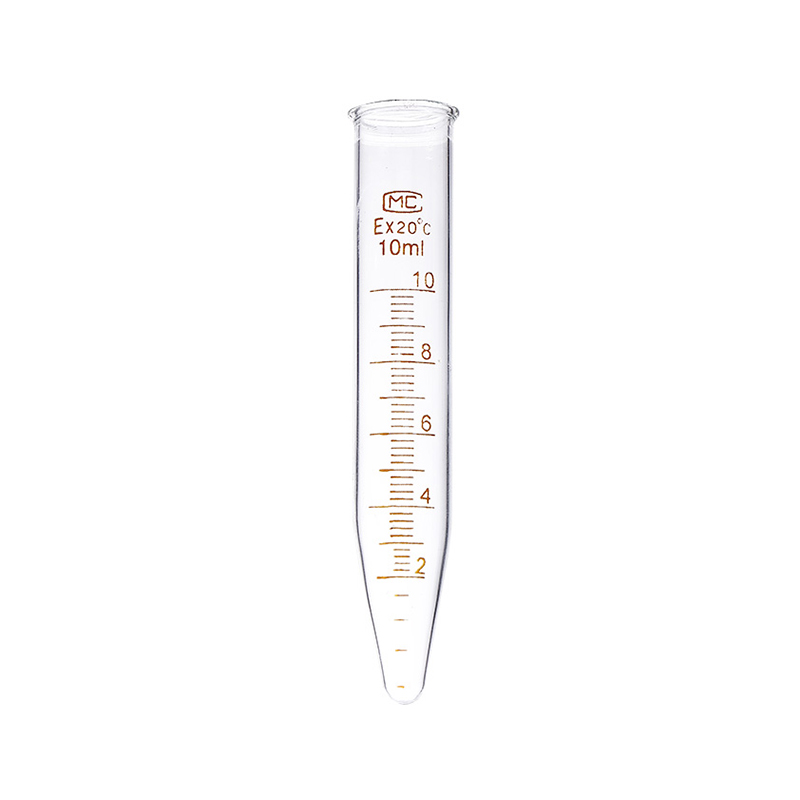
What Applications Require Glass Centrifuge Tubes?
Aggressive Organic Solvent Extraction and Chemical Isolation
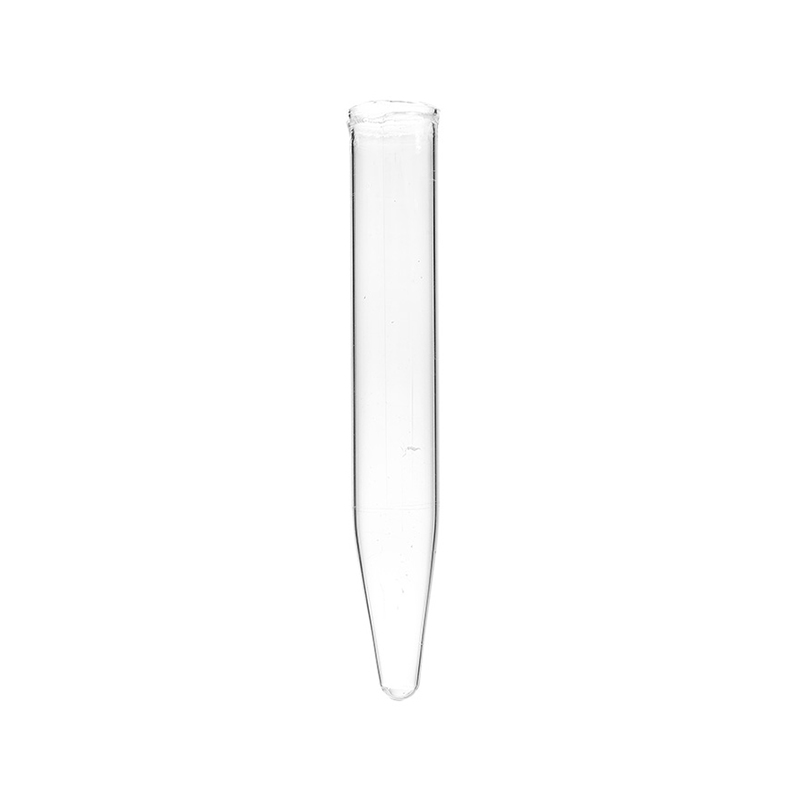
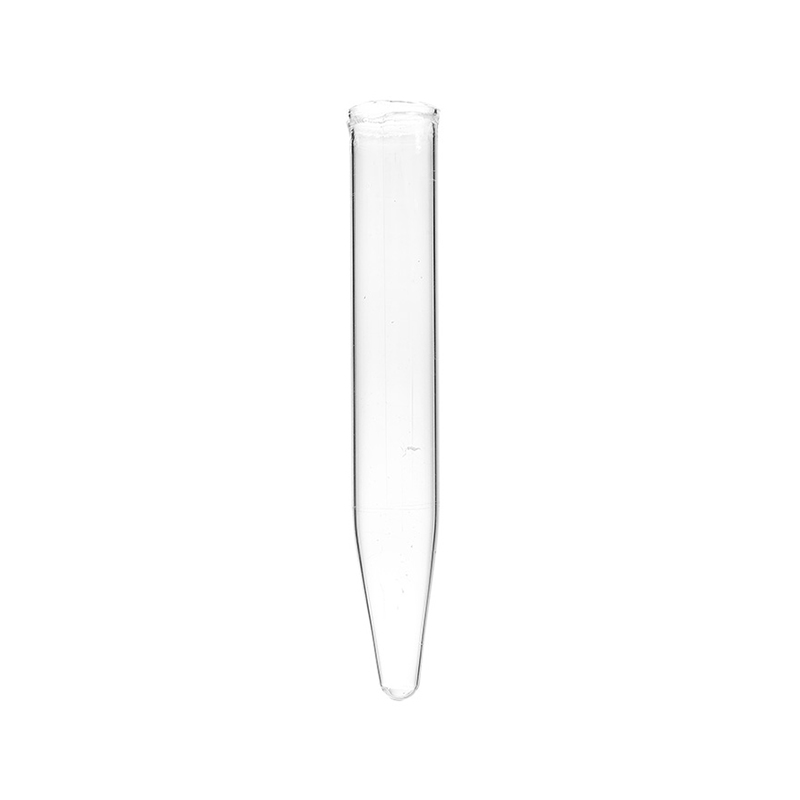
Analytical procedures involving organic synthesis, environmental testing, and pharmaceutical analysis frequently utilize strong solvents such as chloroform, diethyl ether, toluene, and halogenated hydrocarbons. Polymer-based containers often react with these organic liquids, leading to material swelling, wall softening, or the leaching of plasticizers and phthalates directly into the analytical matrix. A lab glass centrifuge tubes construction provides complete chemical inertness across organic phases, preventing sample contamination during liquid-liquid extraction sequences. In specialized glass processing workshops at Shanghai Heqi Glassware Co., Ltd., thick-walled borosilicate glass columns are formed to withstand both chemical exposure and centrifugal pressure during phase separation procedures.
Comparative Material Behavior in High-Stress Chemical Centrifugation
| Operational Factor |
Borosilicate Glass Vessels |
Polypropylene (PP) Vessels |
Polycarbonate (PC) Vessels |
| Organic Solvent Permeation |
Zero gas or liquid permeation |
Slight absorption of aromatic hydrocarbons |
High susceptibility to solvent stress cracking |
| Leachable Plasticizer Profile |
Zero organic plasticizers |
Trace leachable risk in high-purity LC-MS |
Trace bisphenol and additive leaching |
| Thermal Resistance Limit |
Up to 500°C continuous limit |
Up to 121°C autoclave limit |
Up to 135°C limit |
| Optical Clarity Preservation |
Permanent optical transparency |
Translucent; subject to hazing over time |
Clear; yellows with UV exposure |
High-Temperature Centrifugation and Thermal Reaction Protocols
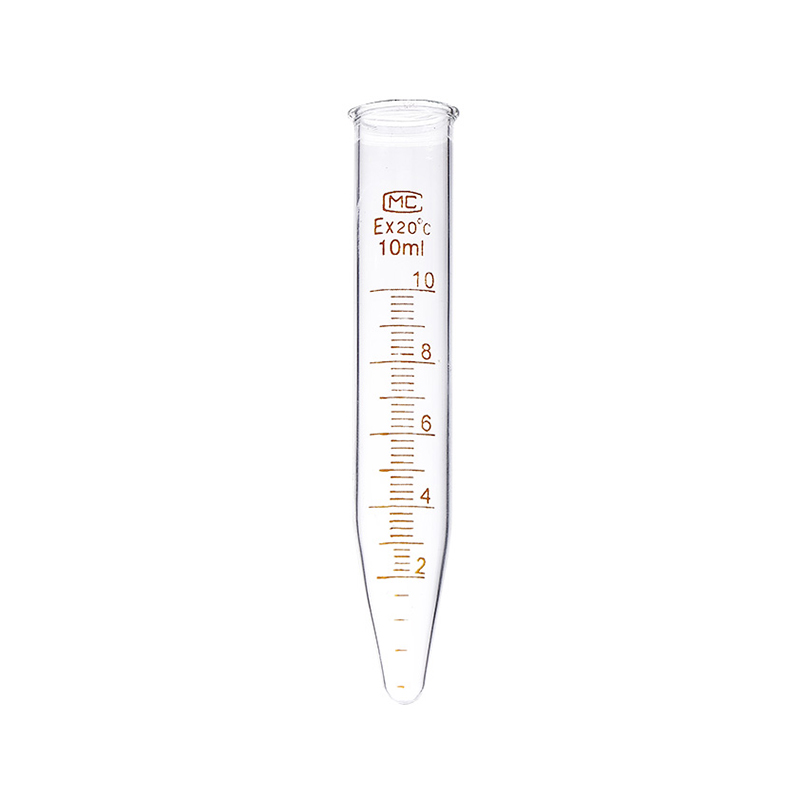
Certain biochemical separations and oil analysis protocols, such as determining sediment and water in petroleum fractions, require centrifugation at elevated temperatures ranging from 60°C to above 100°C. Standard plastic tubes experience structural softening under combined heat and centrifugal forces, leading to vessel collapse within rotor buckets. Utilizing a lab glass centrifuge tubes assembly allows laboratories to maintain dimensional stability across extreme thermal boundaries. Glassware manufacturing processes conducted at Shanghai Heqi Glassware Co., Ltd. incorporate controlled annealing cycles to eliminate internal thermal stresses, enabling glass centrifuge vessels to transition safely between heated water baths and high-speed centrifuge rotors.
Analytical Requirements Across Specialized Centrifugation Methods
| Separation Application |
Required Vessel Feature |
Primary Technical Reason |
| Petroleum Water & Sediment Testing |
Cone-shaped graduated base |
Accurate volumetric reading of settled heavy fractions |
| High-Purity Chromatographic Trace Analysis |
Heavy-wall unlined glass barrier |
Eliminates background organic noise in GC-MS spectra |
| High-Temperature Polymer Fractionation |
Thermal shock resistant borosilicate |
Prevents container deformation above 100°C |
| Biological Gradient Centrifugation |
Smooth, non-porous inner walls |
Ensures uniform layer formation without wall adhesion |
High-Purity Chromatographic Analysis and Trace Contamination Control
Sensitive analytical techniques such as gas chromatography-mass spectrometry (GC-MS) and high-performance liquid chromatography (HPLC) detect trace organic compounds down to parts-per-billion levels. When sample preparation steps use plastic tubes, synthetic compounds from the polymer matrix can dissolve into the sample, generating spurious background peaks on chromatograms. The non-porous, smooth surface of a lab glass centrifuge tubes design prevents analyte adsorption and eliminates organic leachables. This makes glass vessels essential for environmental monitoring, forensic toxicology, and high-purity compound testing where accurate baseline measurements are required.
Direct Integration into Distillation and Pilot-Scale Processing Equipment
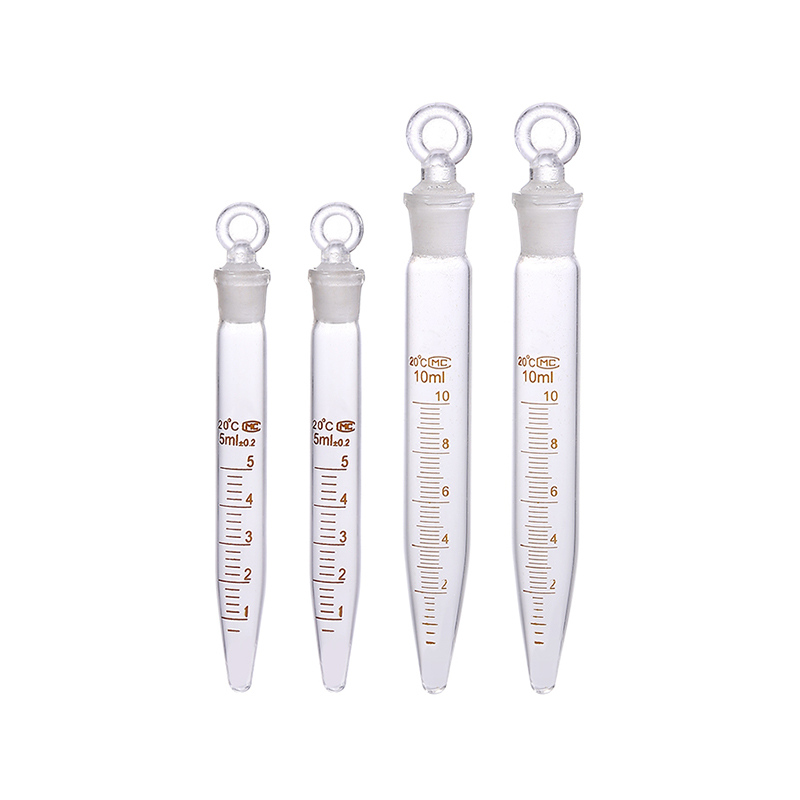
In multi-step chemical synthesis, isolating a centrifuged precipitate is often followed immediately by solvent evaporation, refluxing, or vacuum drying. Glass centrifuge tubes equipped with standardized ground-glass joints can be connected directly to rotary evaporators, reaction heads, and vacuum manifolds without transferring the sample to another container. Technical teams in the assembly facilities at Shanghai Heqi Glassware Co., Ltd. integrate standard-mouth glass joints onto specialized centrifuge tubes, allowing seamless connection with pilot-scale glass reactors and circulation systems, which reduces sample loss and minimizes handling steps in complex laboratory workflows.
Volumetric Calibration Stability and Precise Sediment Determination
| Calibration Metric |
Glass Calibration Standard |
Polymer Calibration Standard |
| Volumetric Graduation Accuracy |
Permanently fired enamel markings |
Molded or printed ink markings |
| Dimensional Drift Over Time |
Zero dimensional drift under heating |
Possible creep or warping after repeated autoclaving |
| Sediment Line Visibility |
High optical clarity for fine line contrast |
Reduced contrast due to polymer opacity |
Sterilization Rigor and Unlimited Reusability Standards
Clinical, microbiological, and pharmaceutical laboratories demand stringent sterilization procedures to prevent biological cross-contamination between testing batches. While plastic tubes are frequently treated as single-use disposables, high-grade borosilicate glass centrifuge vessels withstand repeated dry-heat sterilization above 180°C, chemical washing in strong acid baths, and steam autoclaving at 121°C without physical degradation or surface etching. The durability of a lab glass centrifuge tubes structure lowers long-term operational costs and minimizes solid laboratory waste while maintaining strict sterile processing standards across analytical operations.
FAQ
Q: Why are lab glass centrifuge tubes preferred over plastic vessels in high-purity chromatographic sample preparation?
A: Polymer containers can leach plasticizers, phthalates, and synthetic additives when exposed to organic solvents, creating spurious background peaks in sensitive GC-MS and HPLC analyses. Fabricated from high-purity borosilicate 3.3 glass, lab glass centrifuge tubes provide complete chemical inertness and zero organic leaching. Production processes at Shanghai Heqi Glassware Co., Ltd. ensure smooth, non-porous inner surfaces that prevent trace analyte adsorption and preserve sample purity.
Q: How do lab glass centrifuge tubes maintain structural integrity during high-temperature centrifugation protocols?
A: Unlike polymer tubes that soften and deform under heat and centrifugal pressure above 60°C, heavy-walled borosilicate lab glass centrifuge tubes retain rigid structural geometry at elevated temperatures exceeding 100°C. Controlled annealing procedures in specialized glass workshops at Shanghai Heqi Glassware Co., Ltd. remove internal material stress, enabling these glass vessels to endure high-temperature centrifuging in petroleum water-and-sediment testing without collapsing.
Q: What design features on lab glass centrifuge tubes enable direct connection to rotary evaporators and distillation units?
A: Many lab glass centrifuge tubes are engineered with standardized ground-glass joints at the upper neck. This enables direct connection to rotary evaporators, vacuum manifolds, and pilot-scale distillation systems without transferring the centrifuged fraction into a secondary vessel, significantly reducing sample loss, handling steps, and exposure to airborne contaminants.
Q: What cleaning and dry-heat sterilization methods can be applied to re-use lab glass centrifuge tubes safely?
A: Borosilicate lab glass centrifuge tubes withstand harsh cleaning protocols, including concentrated acid washing baths, steam autoclaving at 121°C, and dry-heat depyrogenation above 180°C. Their superior chemical and thermal resistance prevents surface clouding or etching across repeated cycles, providing long-term volumetric accuracy and sterile operational reliability.
Q: How does the heavy-wall geometry of lab glass centrifuge tubes protect against mechanical stress under high relative centrifugal force (RCF)?
A: Heavy-wall glass geometry distributes hydraulic fluid pressure uniformly along the tube walls and bottom contour during high-speed rotation. Precision wall uniformity engineered by Shanghai Heqi Glassware Co., Ltd. prevents localized stress concentrations, allowing the glass centrifuge vessels to withstand required RCF operational thresholds safely when balanced correctly in cushioned rotor adapters.


 English
 Français
 Español