1. Understanding Lab Pear-Shaped Flasks (Recovery Flasks) in Industrial and Bulk Procurement
1.1 Definition and Core Functionality
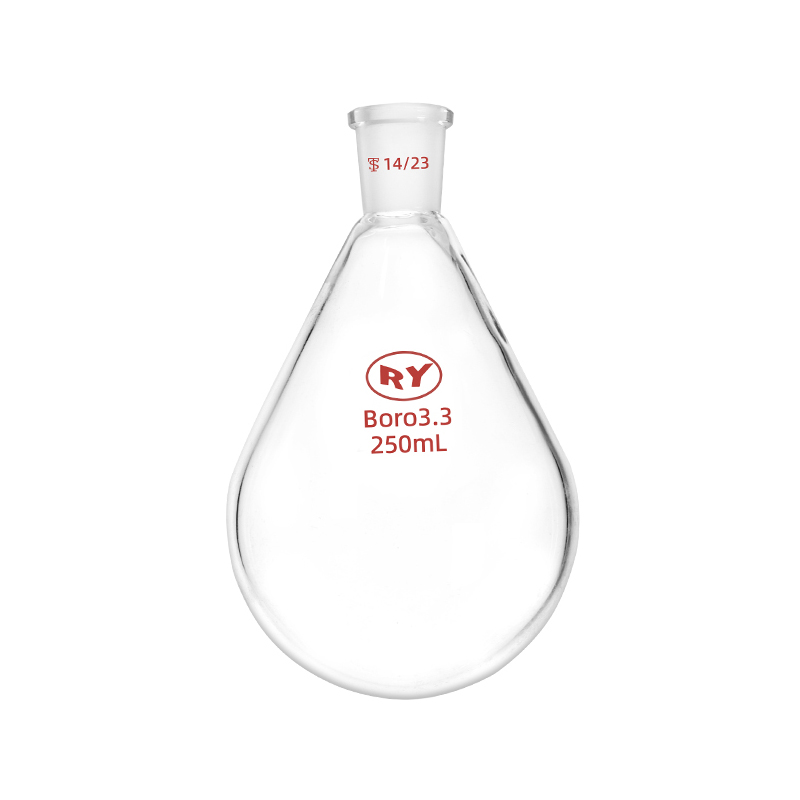
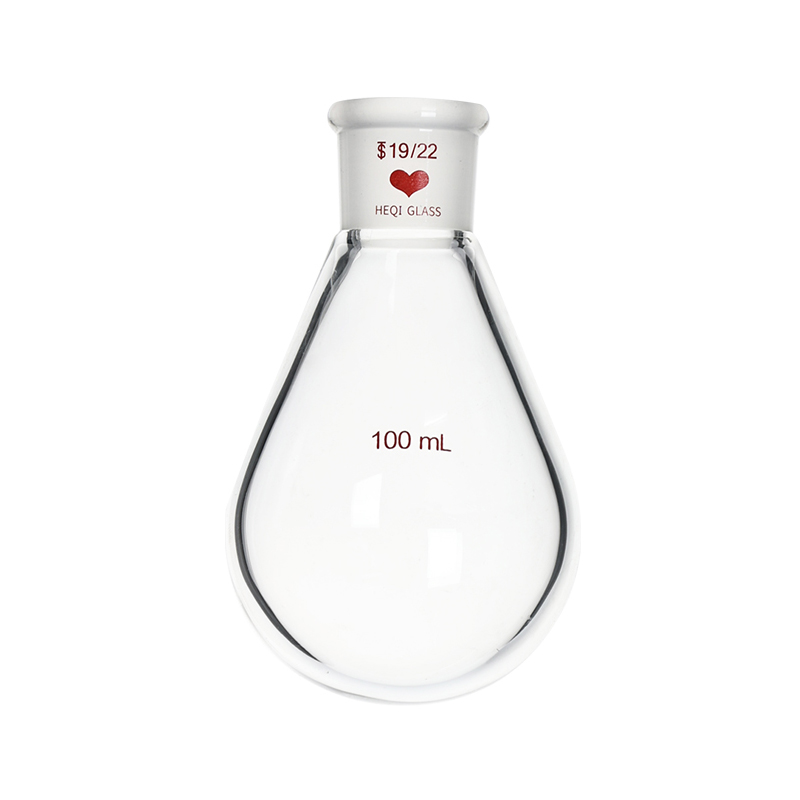
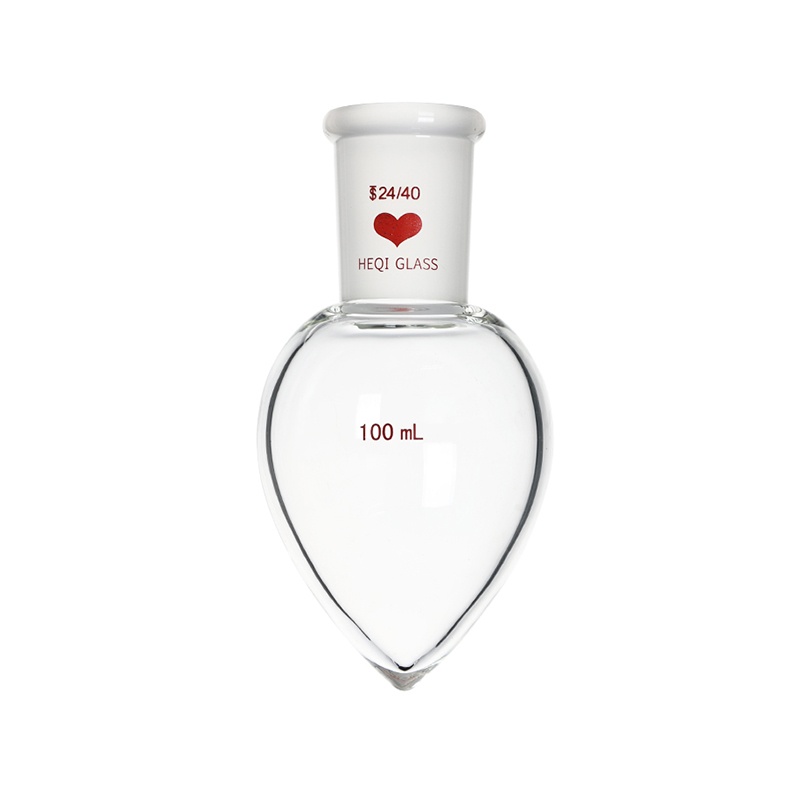
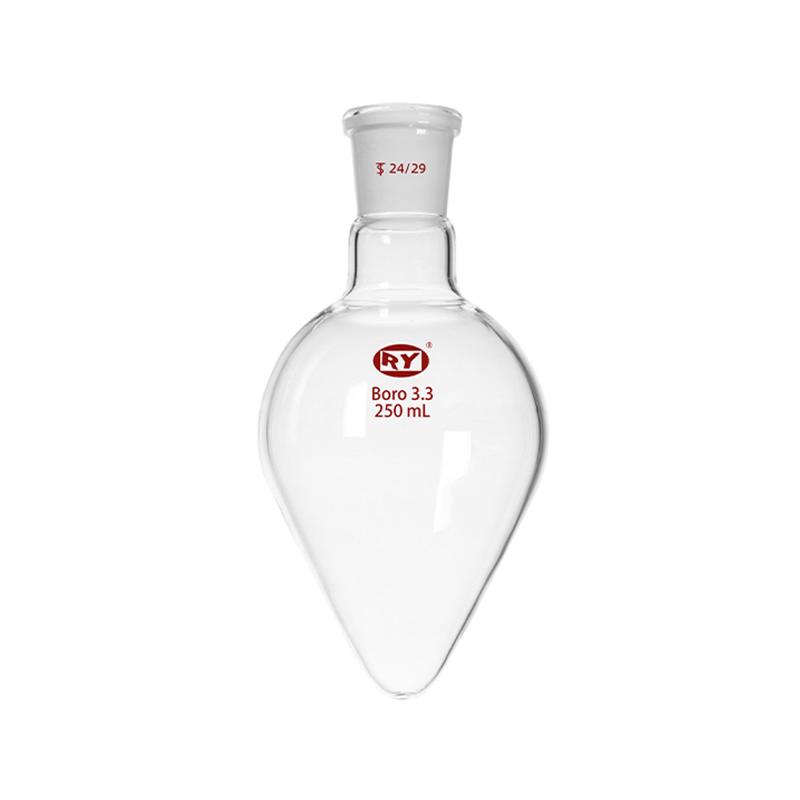
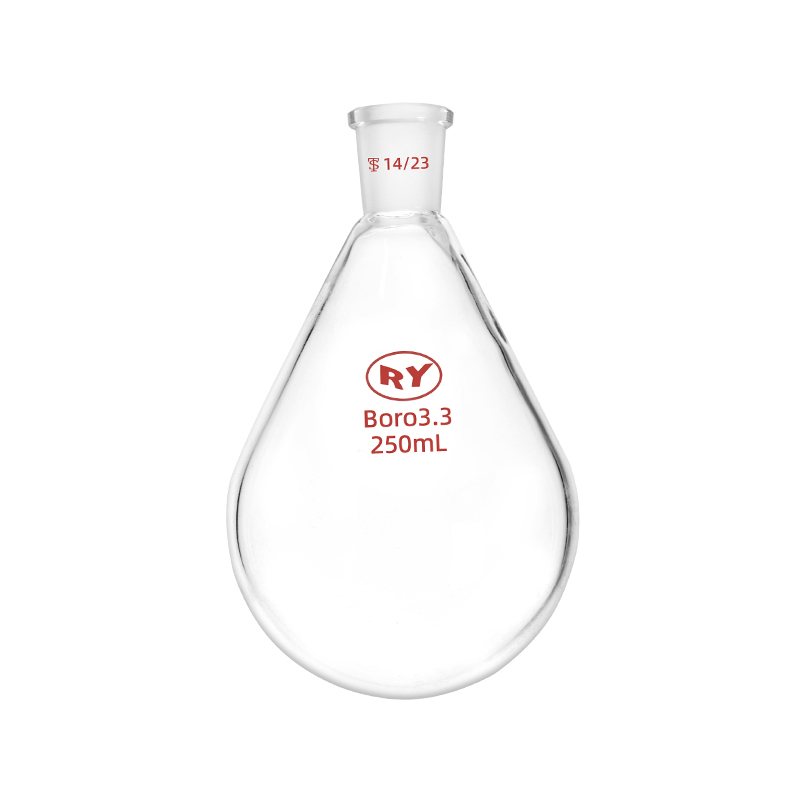
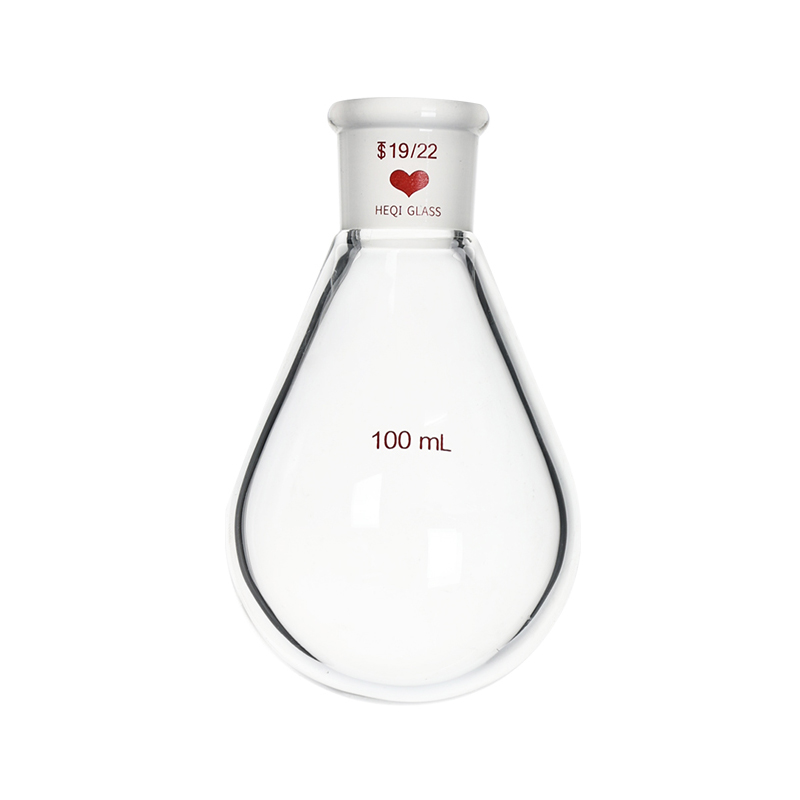
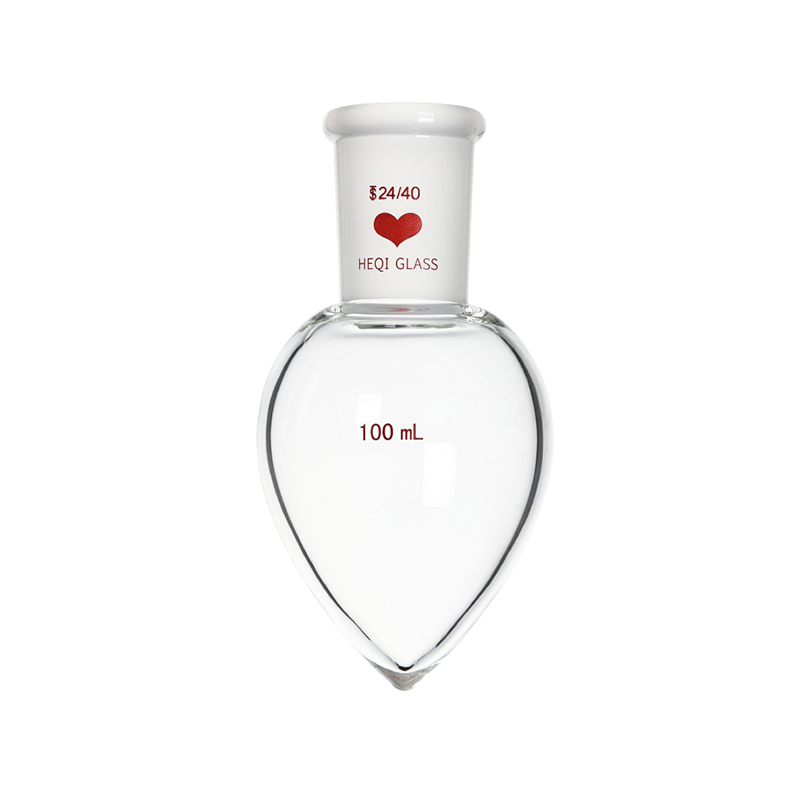
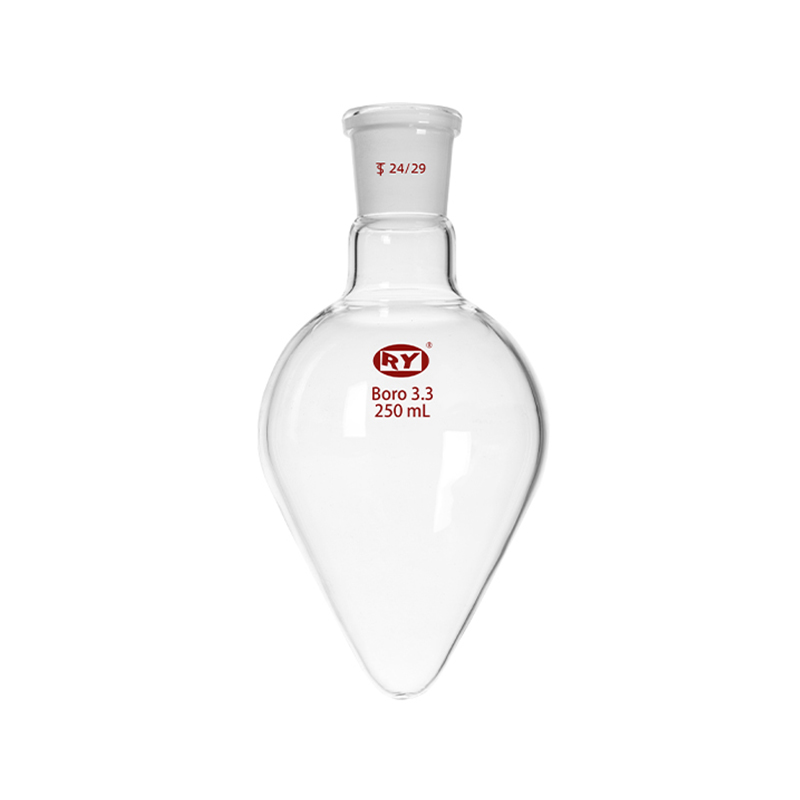
Laboratory glassware forms the fundamental backbone of industrial synthesis, chemical processing, and pharmaceutical R&D. Among the specialized vessels utilized in daily laboratory workflows, the lab pear-shaped flask (recovery flask) holds a critical position. Unlike standard spherical vessels, this glassware features a distinctive tapering profile designed specifically to optimize the recovery of liquid and solid residues during complex chemical procedures.
In industrial settings, these flasks serve as the primary containment vessels in rotary evaporation systems, vacuum distillation setups, and solvent concentration assemblies. When operating heavy-duty chemical systems, technicians rely on the precise geometry of a lab pear-shaped flask (recovery flask) to streamline the transition from bulk liquid phase to concentrated product. The unique inner contours eliminate dead zones where residues might otherwise become trapped, ensuring that high-value compounds are harvested efficiently without extensive manual scraping or solvent rinsing.
Since its establishment in March 2002, Shanghai Heqi has recognized the vital importance of precision glass instruments in scientific advancement. Specializing heavily in the research, development, and production of standard-mouth glass instruments, Shanghai Heqi integrates decades of technical craftsmanship with modern industrial management. By shifting away from traditional manual methods toward advanced mechanized and semi-mechanized production, the company ensures that every lab pear-shaped flask (recovery flask) achieves uniform wall thickness, exceptional clarity, and strict dimensional accuracy for high-throughput laboratory environments.
1.2 Why Industrial Buyers Focus on Quality Standards
For large-scale operations, laboratory glassware is subject to extreme operational stress, including rapid thermal shifts, aggressive chemical exposure, and continuous mechanical rotation under vacuum pressure. Consequently, institutional buyers and project managers must maintain rigorous quality benchmarks when sourcing equipment. Substandard glassware can lead to catastrophic failures, implosions, sample contamination, and costly downtime on production lines.
The structural reliability of a lab pear-shaped flask (recovery flask) depends heavily on the chemical composition of the raw material. Industry standards dictate the exclusive use of high-purity borosilicate glass 3.3, a material renowned for its extremely low coefficient of thermal expansion and high resistance to chemical attack. Whether handling concentrated acids, reactive organic solvents, or high-temperature reaction mixtures, borosilicate glass 3.3 ensures structural stability.
To maintain these strict international specifications (such as ASTM and ISO standards for thermal shock resistance and hydrolytic class), manufacturing requires rigorous oversight. Shanghai Heqi has established multiple production bases across locations such as Songjiang, Chengdu, Jiaxing, and Yancheng, transitioning facilities from simple workshop-style operations to streamlined assembly-line industrial processes. This structural evolution allows for strict quality control over every production batch.
Furthermore, supporting the philosophy of "One point of professionalism, one point of service, one point of companionship—allow me to be your reliable partner on the path forward!", Shanghai Heqi pairs its proprietary manufacturing output with ample inventory and rapid delivery protocols. Alongside these custom-manufactured glass components, the organization fulfills comprehensive laboratory demands by supplying curated laboratory consumables and specialized experimental equipment, guaranteeing seamless operational continuity for enterprise facilities worldwide.
2. Key Design Features and Engineering Specifications
2.1 Geometric Advantages of the Pear Shape
The geometry of laboratory glassware directly dictates its performance efficiency during high-stakes chemical processing. When evaluating a lab pear-shaped flask (recovery flask), the distinct tapering body offers distinct fluid-dynamic benefits that traditional spherical vessels cannot replicate. During rotary evaporation or solvent stripping, the narrow bottom profile concentrates small volumes of liquid into a tight, accessible pool. This design prevents droplets from scattering across a wide surface area, significantly minimizing sample loss and making it far easier to harvest high-value active pharmaceutical ingredients or viscous reaction residues.
Furthermore, the sloping shoulders of the lab pear-shaped flask (recovery flask) promote smooth, rolling fluid motion when rotated under vacuum. This optimized agitation enhances thermal energy transfer from heating baths, preventing localized overheating and bumping. To ensure these precise geometric contours meet rigorous laboratory demands, Shanghai Heqi relies on dedicated in-house glassworking workshops staffed by seasoned master artisans and technical experts. By blending traditional craftsmanship with mechanized precision annealing, every vessel maintains uniform curvature and balanced weight distribution, eliminating structural weak points that could compromise performance under heavy industrial workloads.
2.2 Joint Types and Compatibility
Seamless integration within complex modular apparatus is a primary requirement for modern laboratory setups. A lab pear-shaped flask (recovery flask) must connect flawlessly with condensers, adapters, and rotary evaporator vapor tubes without risking vacuum leaks or mechanical misalignment. Standard taper ground glass joints—such as common international sizes like 14/23, 19/26, and 24/40—form the standard connection interfaces used across global facilities.
Beyond standard configurations, large-scale chemical synthesis often demands specialized multi-neck adaptations or customized joint angles to accommodate thermometers, gas inlets, or dropping funnels simultaneously. Leveraging its specialized metalworking and glass assembly workshops, Shanghai Heqi offers comprehensive custom fabrication capabilities. Whether an operation requires non-standard ground joints, specialized side-arms, or reinforced heavy-wall necks, the company's dedicated R&D team—comprising specialists in chemical engineering and mechanical design—transforms custom specifications into precision-engineered hardware. This capability ensures that every lab pear-shaped flask (recovery flask) integrates effortlessly into existing pilot-scale equipment systems, glass reactors, or distillation units.
2.3 Wall Thickness and Mechanical Strength
Industrial glassware operates under severe physical stresses, balancing the conflicting requirements of rapid thermal conductivity and robust vacuum durability. A superior lab pear-shaped flask (recovery flask) must feature meticulously controlled wall thickness. Excessively thick walls impede heat transfer from the heating bath, while overly thin walls risk catastrophic implosion under deep vacuum conditions.
Achieving this delicate balance requires strict control over raw materials and thermal processing. Shanghai Heqi manufactures its entire line of standard-mouth glass instruments using premium borosilicate glass 3.3, subjecting each batch to precise annealing processes to eliminate internal mechanical stresses.
To help technical teams evaluate physical tolerances, the standard performance parameters of industrial-grade recovery flasks are outlined below:
| Technical Parameter |
Standard Specification Range |
Operational Significance |
| Material Composition |
Borosilicate Glass 3.3 (ASTM E438 Type I, Class A) |
Provides maximum resistance to thermal shock, water, neutral/acidic solutions, and concentrated chlorine solutions. |
| Coefficient of Thermal Expansion |
3.3 x 10^-6 K^-1 (20 degrees C to 300 degrees C) |
Minimizes expansion and cracking under rapid temperature fluctuations during heating and cooling cycles. |
| Wall Thickness Uniformity |
Optimized variance (less than or equal to 0.5 mm tolerance) |
Balances efficient thermal transfer with high mechanical strength required for rotary evaporation under vacuum. |
| Joint Precision |
Standard Taper Ground Glass (e.g., 14/23, 19/26, 24/40) |
Ensures airtight, leak-free seals with standard laboratory apparatus and rotary evaporator vapor ducts. |
| Max Recommended Operating Temperature |
Up to 500 degrees C (short-term) / 230 degrees C (working limit) |
Allows safe handling of high-boiling solvent stripping and dry heat sterilization procedures. |
By maintaining these stringent manufacturing standards across production bases in Songjiang, Chengdu, Jiaxing, and Yancheng, Shanghai Heqi ensures that every lab pear-shaped flask (recovery flask) delivers long-term durability. True to the service philosophy of "One point of professionalism, one point of service, one point of companionship—allow me to be your reliable partner on the path forward!", the organization guarantees that experimental facilities and industrial laboratories are equipped with dependable, high-performance glassware backed by robust inventory and responsive technical support.
3. Applications Across Major Industries
3.1 Pharmaceutical Research and Production
In the pharmaceutical sector, the synthesis and purification of active pharmaceutical ingredients (APIs) demand uncompromising precision and cleanliness. Laboratories and pilot plants rely heavily on rotary evaporation systems to concentrate delicate organic extracts and strip away high-boiling solvents like dimethylformamide or methanol without degrading heat-sensitive compounds. Within these rigorous workflows, the lab pear-shaped flask (recovery flask) serves as the indispensable vessel where final solvent separation takes place.
Because pharmaceutical manufacturing processes are subject to strict regulatory oversight, the integrity of every component is paramount. Shanghai Heqi leverages its extensive background in R&D and production of standard-mouth glass instruments to supply vessels that meet the exacting purity demands of drug discovery and commercial synthesis. Operating advanced production bases across Songjiang, Chengdu, Jiaxing, and Yancheng, the company ensures that each lab pear-shaped flask (recovery flask) exhibits exceptional chemical inertness. This prevents leaching or sample contamination during multi-stage extractions, allowing pharmaceutical researchers to safely handle aggressive reagents and yield high-purity crystalline compounds.
3.2 Chemical Synthesis and Petrochemical Testing
Industrial chemical synthesis and petrochemical analysis involve punishing operational environments. Technicians frequently work with highly reactive organic mixtures, concentrated acids, and volatile hydrocarbons under elevated temperatures and deep vacuum pressures. Standard glassware often degrades rapidly under such harsh conditions, leading to hazardous leaks or unexpected vessel rupture.
To withstand these aggressive conditions, chemical laboratories require robust, heavy-duty apparatus. Shanghai Heqi integrates specialized glassworking workshops with advanced metalworking and electronic control assembly lines, enabling the creation of complete pilot-scale setups—including glass reactors, high- and low-temperature circulation systems, distillation units, and vacuum pumps. Within these complex assemblies, the lab pear-shaped flask (recovery flask) acts as the critical collection and reaction interface. Fabricated from low-expansion borosilicate glass 3.3, these flasks offer superior resistance to thermal shock and chemical corrosion, ensuring maximum safety and operational stability during intense petrochemical stress tests.
3.3 Academic, Institutional, and Contract Research Laboratories
High-volume research facilities, university laboratories, and contract research organizations (CROs) manage diverse workflows ranging from routine organic chemistry teaching labs to advanced nanomaterial synthesis. These facilities require a steady, reliable supply of versatile glassware that can be interchanged seamlessly across various research setups without sacrificing experimental accuracy.
To support these dynamic institutional demands, Shanghai Heqi maintains ample inventory and flexible supply capabilities, fulfilling its service promise of "One point of professionalism, one point of service, one point of companionship—allow me to be your reliable partner on the path forward!". Beyond manufacturing high-grade glass instruments, the company curates a comprehensive portfolio of lab consumables and experimental equipment from trusted sources. By combining reliable product availability with expert technical support, Shanghai Heqi ensures that educational and contract research facilities maintain uninterrupted operational workflows, empowering scientists to focus entirely on discovery and innovation.
4. Key Considerations for Enterprise Procurement and Factory Sourcing
4.1 Evaluating Manufacturing Capabilities and Quality Control
When equipping an industrial laboratory or supplying a large-scale research facility, verifying the manufacturing credentials of your glassware provider is essential. Substandard production methods often leave microscopic structural flaws, uneven wall thickness, or residual mechanical stress within the glass matrix, which can cause sudden implosions under rotary evaporation vacuum conditions.
A premier lab pear-shaped flask (recovery flask) begins with strictly verified raw materials. Industrial-grade manufacturing requires genuine borosilicate glass 3.3, which must undergo precise thermal annealing in specialized lehrs to relieve internal mechanical tension. Shanghai Heqi has spent decades refining these exact industrial processes. Moving away from traditional manual glassblowing toward modernized, semi-mechanized production and assembly-line techniques across its manufacturing bases in Songjiang, Chengdu, Jiaxing, and Yancheng, the company ensures strict dimensional uniformity and flawless structural integrity across every production batch.
4.2 Bulk Purchasing Strategies and Cost Optimization
Managing large-scale laboratory operations requires a careful balance between high material standards and budget efficiency. Sourcing equipment through multi-layered distribution channels often inflates costs and introduces unnecessary supply chain delays. Direct factory procurement eliminates these intermediary markups, providing enterprise operations with greater cost control and transparent pricing models.
To accommodate varying institutional needs, efficient supply chains rely on flexible logistics frameworks. The economic advantages and operational parameters of direct factory sourcing compared to traditional multi-tier distribution are outlined below:
| Procurement Strategy Dimension |
Direct Factory Sourcing |
Traditional Multi-Tier Distribution |
| Supply Chain Transparency |
Direct traceability to the manufacturing base, raw material certificates, and quality control logs. |
Opaque supply origin with multiple intermediaries handling documentation. |
| Cost Efficiency |
Eliminated middleman markups, competitive tier-based volume pricing, and optimized bulk shipping rates. |
Higher unit costs due to distributor margins and localized warehousing markups. |
| Inventory Availability and Lead Times |
Backed by large-scale production capacities and extensive on-hand warehouse stock for immediate dispatch. |
Dependent on regional distributor inventory levels, often prone to stockouts and backorders. |
| Communication and Technical Support |
Direct engagement with internal R&D, mechanical design, and glassworking specialists. |
Relayed communication through general sales reps with limited technical customization depth. |
By maintaining robust inventory levels and streamlined fulfillment systems, Shanghai Heqi ensures that large-scale operations experience zero workflow interruption. Living out the commitment of "One point of professionalism, one point of service, one point of companionship—allow me to be your reliable partner on the path forward!", the company pairs direct-source economic value with dedicated project execution.
4.3 Customization and OEM/ODM Services
Standard off-the-shelf glassware does not always fit specialized industrial setups or unique pilot-scale configurations. Whether an operation requires a custom capacity ranging from small 10ml micro-vessels to heavy-duty 2000ml+ reactors, non-standard taper ground joint sizes, or specialized multi-neck side-arms, custom fabrication capabilities are a vital asset for advanced research.
Achieving true customization requires an interdisciplinary team capable of bridging chemical engineering, glassworking, and mechanical design. Shanghai Heqi has assembled a specialized R&D unit combining experts in chemical processing, electronic control, and precision metalworking. Operating dedicated workshops for glass fabrication, metalworking, and assembly, the company translates custom design blueprints into highly reliable hardware. From modifying a standard lab pear-shaped flask (recovery flask) with unique port angles to developing complete pilot-scale chemical systems—such as specialized glass reactors, rotary evaporators, distillation units, and temperature circulation systems—Shanghai Heqi delivers tailored solutions designed to match precise operational requirements.
5. Packaging, Logistics, and Supply Chain Reliability
5.1 Fragile Cargo Packaging Protocols
Laboratory glassware requires specialized packaging to withstand the rigors of long-distance international freight. A high-quality lab pear-shaped flask (recovery flask) can easily suffer micro-fractures or catastrophic breakage during transit if mishandled or improperly cushioned. Industrial facilities cannot afford project delays caused by transit damages or replacement claims.
To eliminate these risks, export-grade packaging requires a multi-layered, shock-absorbent design. Manufacturers implement drop-test certified packaging protocols, utilizing custom-molded high-density foam inserts, heavy-duty corrugated master cartons, and double-walled inner packaging that isolates each piece of glassware. This rigorous approach absorbs high-impact shocks and vibrational stress during sea or air freight transit, ensuring that delicate glass components arrive at the destination laboratory in pristine, ready-to-use condition.
5.2 Global Shipping and Regulatory Compliance
Executing seamless international logistics involves more than just secure packaging; it requires meticulous documentation, accurate customs declarations, and reliable supply chain execution. When enterprises order large volumes of laboratory equipment, timely clearance through international customs checkpoints is critical to maintaining operational schedules.
Shanghai Heqi streamlines this entire process through established global shipping networks and comprehensive regulatory compliance support. From providing precise material safety data sheets and Certificate of Analysis documentation to securing transit insurance, the company ensures smooth international delivery. Supporting the core commitment of “One point of professionalism, one point of service, one point of companionship—allow me to be your reliable partner on the path forward!”, Shanghai Heqi pairs manufacturing excellence with dependable supply chain execution, guaranteeing that global enterprise clients receive their equipment safely, on time, and fully compliant with international trade standards.
6. Frequently Asked Questions (FAQ) for Enterprise Buyers
6.1 What is the primary difference between round-bottom flasks and lab pear-shaped flasks (recovery flasks) in rotary evaporation?
Answer: Pear-shaped flasks are specifically engineered with a tapered bottom profile that funnels small volumes of liquid or viscous residues into a tight, concentrated pool. This design minimizes sample loss during solvent stripping and makes solid or semi-solid harvesting significantly easier compared to standard spherical vessels, which tend to scatter residues across a wider surface area.
6.2 Can your factory supply custom joint sizes or multi-neck variations for bulk orders?
Answer: Yes. Leveraging dedicated workshops for glass fabrication, metalworking, and mechanical assembly, Shanghai Heqi provides comprehensive OEM/ODM customization services. Whether you require specialized taper ground joint angles, custom capacities, or multi-neck adaptations for complex pilot plants, the in-house R&D team can design and build glassware tailored precisely to your operational requirements.
6.3 What quality certifications guarantee the thermal and chemical resistance of these flasks?
Answer: All standard-mouth glass instruments produced by Shanghai Heqi are manufactured from genuine, low-expansion Borosilicate Glass 3.3 (compliant with international standards such as ASTM E438 Type I, Class A). This material provides exceptional resistance to thermal shock, high working temperatures, and aggressive chemical reagents, ensuring safety and durability under rigorous laboratory conditions.
6.4 What are the typical lead times and MOQ requirements for wholesale procurement?
Answer: As a direct manufacturer with advanced production bases located across Songjiang, Chengdu, Jiaxing, and Yancheng, Shanghai Heqi maintains ample inventory and flexible batch production capabilities. Minimum Order Quantities and lead times vary depending on whether the order involves standard off-the-shelf items or custom-engineered apparatus, and our team provides prompt, transparent scheduling to support enterprise project timelines.
6.5 How do you ensure safe international delivery for fragile glass shipments?
Answer: Fragile shipments are protected using drop-test certified, shock-absorbent industrial packaging. Each lab pear-shaped flask (recovery flask) is individually cushioned with high-density materials and packed into reinforced multi-walled master cartons designed to withstand long-haul international freight, minimizing transit damage rates and ensuring reliable doorstep delivery.


 English
 Français
 Español