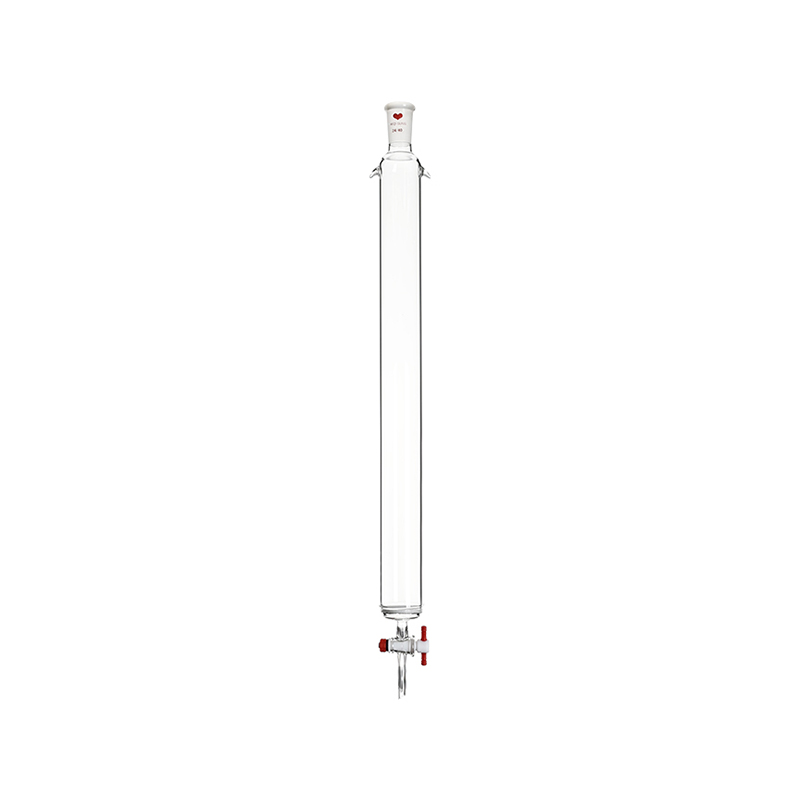
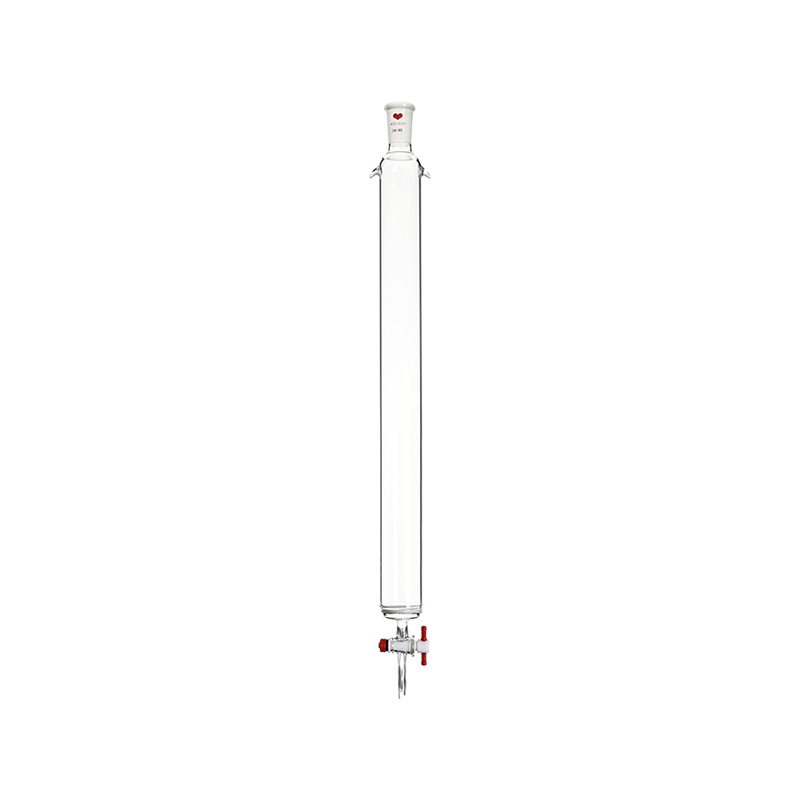
Custom Lab Chromatography-Column,Taper Joint,PTFE Stopcock

Home / Products / Chromatography / Chromatography-Column,Taper Joint,PTFE Stopcock

Lab Chromatography-Column,Taper Joint,PTFE Stopcock Suppliers

Grid
List

Made of high quality, Borosilicate 3.3 glass with a PTFE stopcock design for smooth, leak-free operation and excellent corrosion resistance to acidic and alkaline reagents. It has a standard taper joint on the top.

View More
About
Shanghai Heqi Glassware Co., Ltd.

One point of professionalism, one point of service, one point of companionship—allow me to be your reliable partner on the path forward!

Shanghai Heqi was founded in March 2002, It is China Lab Chromatography-Column,Taper Joint,PTFE Stopcock Suppliers and Lab Chromatography-Column,Taper Joint,PTFE Stopcock Manufacturers, Specializing in the R&D and production of standard-mouth glass instruments. Over the years, the company has established production bases in locations such as Songjiang, Chengdu, Jiaxing, and Yancheng. By integrating technology, craftsmanship, and management expertise, Heqi has adopted mechanized and semi-mechanized techniques to replace traditional manual methods. It has also introduced assembly-line industrial processes to replace simple workshop-style production, thereby reducing costs and improving quality.

To deliver on its service commitment of “you make a call, we handle the rest,” Heqi also supplies a range of high-quality glass instruments, lab consumables, and experimental equipment from both domestic and international brands. With ample inventory, fast delivery, and premium service, the company ensures full support for its clients.

In recent years, Shanghai Heqi has brought together experts in chemical R&D, mechanical design and processing, and electronic control to form a dedicated R&D team. The company has also set up three specialized workshops for glass, metalworking, and assembly. These facilities produce a variety of small and pilot-scale equipment, including glass reactors, rotary evaporators, distillation units, high- and low-temperature circulation systems, vacuum pumps, stirrers, and UV analyzers.

Leveraging its in-house capabilities in design, production, and custom fabrication of glass components, Shanghai Heqi continuously enhances product quality and service standards. It also supports the chemical and pharmaceutical industries by enabling customized small-scale and pilot-scale equipment solutions.
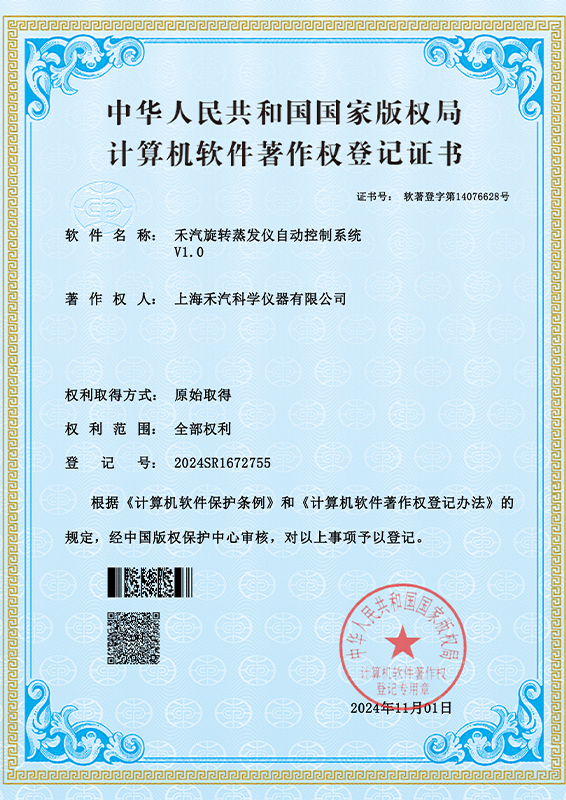
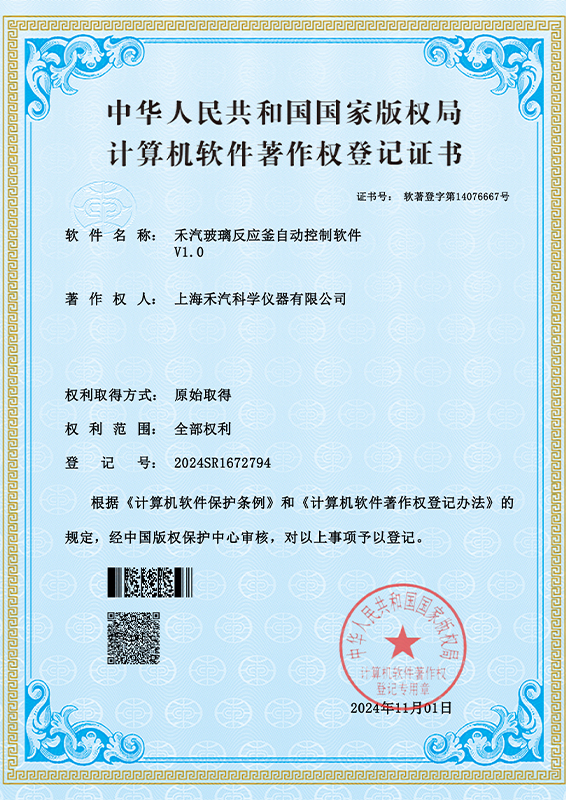
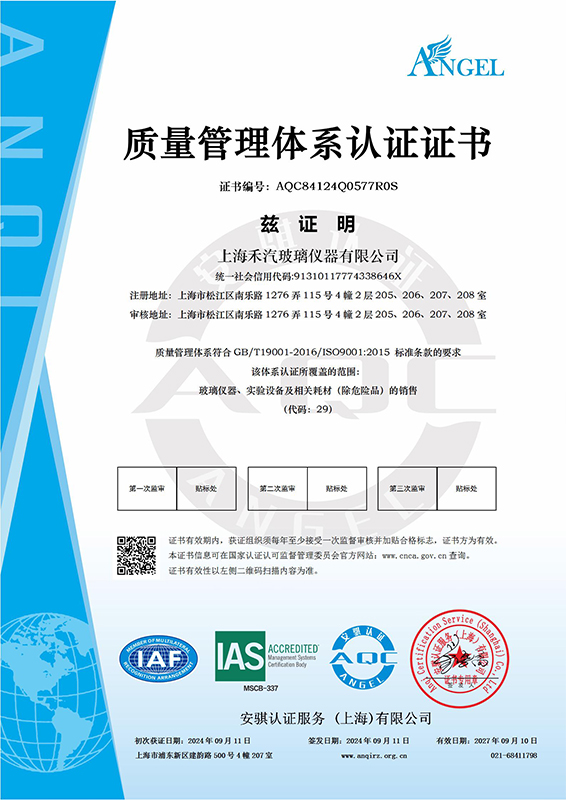
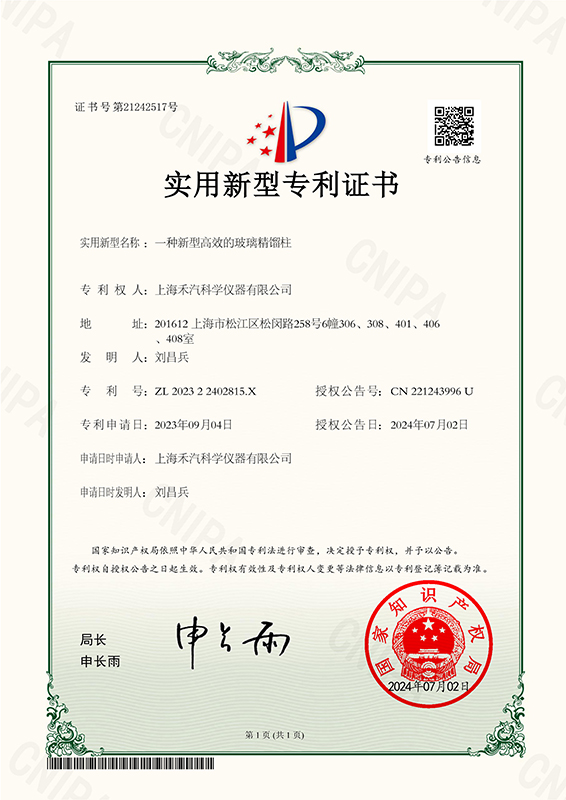
Certification
  • 1
  • 2
  • 3
  • 4
  • 5
  • 6
  • 7
Contact Us
Our custom service team is ready to provide you with expert advice and personalized solutions.
News
Industry Knowledge

How to Choose the Right Size of Taper Joint Lab Chromatography Column?

Sample Loading Capacity and Stationary Phase Ratio Calculations

Selecting the correct dimensions for a taper joint lab chromatography-column with PTFE stopcock begins with evaluating the total mass of the crude mixture to be separated. The ratio of sample mass to stationary phase silica gel dictates both the column diameter and the bed length required to achieve adequate resolution. Standard flash chromatography protocols typically utilize a sample-to-silica mass ratio between 1:30 and 1:100 for straightforward separations, whereas challenging separations with close retardation factors demand ratios extending up to 1:200. Overloading a column with excessive sample leads to band broadening and overlapping elution peaks, while underloading results in unnecessary solvent consumption and extended run times. Glass manufacturing operations at Shanghai Heqi Glassware Co., Ltd. produce standard-mouth chromatography columns across a spectrum of inner diameters, allowing analysts to select column dimensions precisely matched to their specific preparative scale.

Chromatographic Column Scale and Sample Load Parameters

Column Inner Diameter (mm) Standard Bed Length (mm) Silica Gel Mass Range (g) Typical Sample Load (mg)
10 200 - 300 5 - 15 50 - 150
20 300 - 450 30 - 80 300 - 800
30 400 - 500 100 - 250 1,000 - 2,500
50 500 - 600 300 - 700 3,000 - 7,000

Aspect Ratio Dynamics and Linear Flow Velocity Control

The proportion between column length and internal diameter, known as the aspect ratio, plays a fundamental role in efficiency and separation dynamics. Long, narrow columns increase the number of theoretical plates, providing higher resolution for complex mixtures containing structurally similar compounds. However, excessive column length increases backpressure and mobile phase elution time, which can broaden bands through longitudinal diffusion. Conversely, wide columns accommodate larger sample masses but require careful slurry packing to prevent channeling along the walls. Incorporating a grease-free PTFE stopcock at the column outlet allows precise micro-metered flow regulation, maintaining stable linear velocity through the packing bed regardless of the column diameter selected.

Taper Joint Standard Dimensions and Interface Compatibility

Standard Taper Joint Designation Outer Diameter at Large End (mm) Ground Surface Length (mm) Matching Equipment Application
14/23 14.5 23.0 Micro-scale fraction collection and small reservoirs
19/26 18.8 26.0 Analytical scale columns and standard drop funnels
24/29 24.0 29.0 Preparative columns, solvent reservoirs, and rotary adaptors
29/32 29.2 32.0 Pilot-scale purification columns and glass reactor ports

Standard-Mouth Joint Selection for Modular System Integration

Selecting the appropriate ground joint size at the top and bottom of a taper joint lab chromatography-column with PTFE stopcock ensures secure connection with solvent reservoirs, pressure adapters, and receiving flasks. Standardized taper joint designations, such as 19/26, 24/29, or 29/32, define the upper diameter and ground length of the joint interface in millimeters. Matching joint sizes prevents fluid leakage and air infiltration during pressure-assisted flash chromatography or vacuum-assisted elution. Specialized assembly facilities at Shanghai Heqi Glassware Co., Ltd. grind precision tapers directly into borosilicate glass column necks, enabling leak-free coupling with auxiliary solvent delivery systems and vacuum manifold lines without requiring sealing greases that could contaminate pure fractions.

Volumetric Mobile Phase Requirements and Column Dead Volume

Column Dimensions (ID x Length) Total Column Volume (mL) Estimated Void Volume (mL) Recommended Solvent Reservoir Capacity (mL)
15 mm x 300 mm 53 32 250
25 mm x 400 mm 196 118 500
40 mm x 500 mm 628 377 1,000
60 mm x 600 mm 1,696 1,018 2,000

Pressure Rating Boundaries and Mechanical Safety Margins

Operative pressure limits dictate the structural wall thickness required when choosing a glass chromatography column, particularly during air- or nitrogen-driven flash chromatography. Standard gravity columns possess thinner walls suitable for atmospheric pressure, whereas flash chromatography columns feature heavy-wall borosilicate construction designed to withstand positive internal pressures up to 2 bar. Combining a heavy-walled taper joint lab chromatography-column with PTFE stopcock valve ensures mechanical stability under pressure while allowing rapid eluent delivery. Glassware engineers at Shanghai Heqi Glassware Co., Ltd. perform stress-relief annealing on all glass column assemblies, guaranteeing uniform structural integrity when units are coupled to pilot-scale reactors, circulation pumps, or vacuum systems.

FAQ

Q: How do standard-mouth taper joints on a taper joint lab chromatography-column prevent organic solvent leaks without using joint grease?

A: Ground-glass taper joints engineered with precise taper angles create a tight, uniform physical seal when mated with matching solvent reservoirs or adaptors. Fabrication techniques at Shanghai Heqi Glassware Co., Ltd. ensure exact ground surface tolerances, allowing operators to use PTFE sleeve gaskets or dry ground joints that eliminate fluid leakage and prevent hydrocarbon grease contamination in eluted fractions.

Q: Why is selecting the correct aspect ratio for a taper joint lab chromatography-column crucial for high-resolution separations?

A: The ratio between column length and inner diameter determines the theoretical plate count and linear velocity of the mobile phase. Narrow, longer columns provide higher separation efficiency for closely eluting compounds, while wider columns accommodate larger sample loading capacities without overloading the stationary phase silica bed.

Q: What measures ensure a taper joint lab chromatography-column maintains structural integrity during pressure-assisted flash chromatography?

A: Flash chromatography applies positive air or nitrogen pressure to accelerate eluent flow, generating mechanical stress along the glass wall. Heavy-wall borosilicate 3.3 glass columns undergo controlled annealing in specialized glass workshops at Shanghai Heqi Glassware Co., Ltd. to relieve thermal and mechanical stress, enabling safe operation under positive pressure up to specified safety thresholds.

Q: How can a taper joint lab chromatography-column be integrated directly into pilot-scale distillation or evaporation setups?

A: Featuring standard ground-glass joints at the upper inlet and lower outlet, the column connects seamlessly to receiving adapters, rotary evaporators, and vacuum manifold systems. This modular compatibility allows eluted fractions to transfer directly into concentration units without intermediate pouring, minimizing sample exposure and solvent loss.

Q: What cleaning protocols prevent cross-contamination between runs when using a taper joint lab chromatography-column with sensitive organic compounds?

A: Borosilicate glass taper joint columns can be flushed with strong organic solvents, washed in acid baths, or autoclaved without degrading the glass surface or affecting joint tolerances. Thorough solvent flushing through both the ground-joint neck and internal sintered frit removes bound impurities, ensuring baseline stability for subsequent chromatographic purifications.