Custom Lab Plastic Washing Bottles

Home / Products / Bottles / Plastic Washing Bottles

Lab Plastic Washing Bottles Suppliers

Grid
List

Made of high-quality plastic, This material is also resistant to cracking, wear, and impacts, ensuring a safe and long-lasting product. 

View More
About
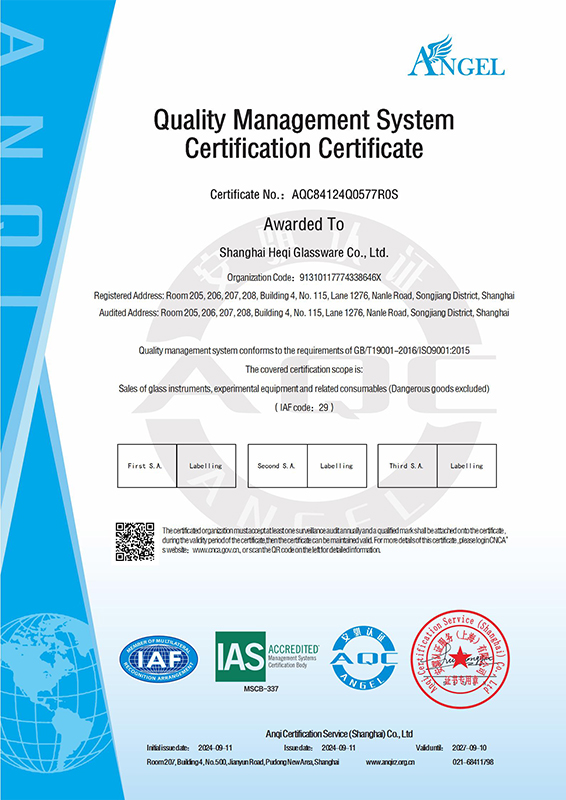
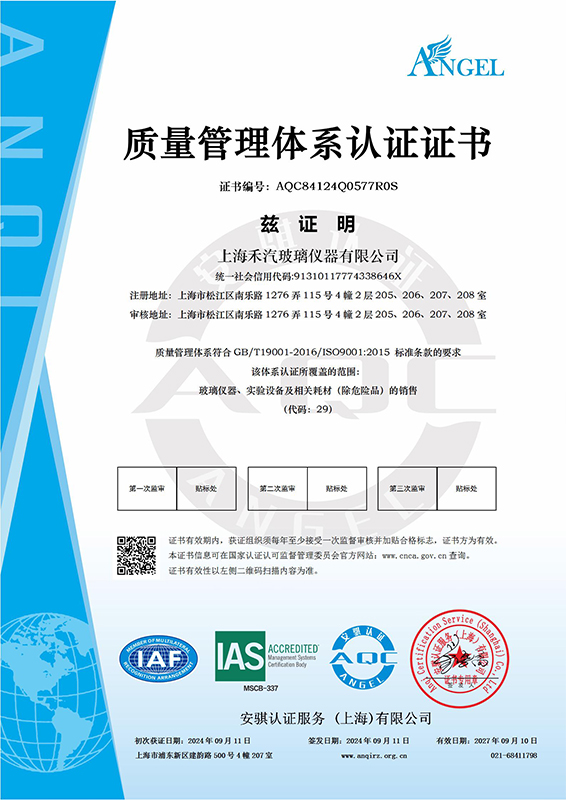
Shanghai Heqi Glassware Co., Ltd.

One point of professionalism, one point of service, one point of companionship—allow me to be your reliable partner on the path forward!

Shanghai Heqi was founded in March 2002, It is China Lab Plastic Washing Bottles Suppliers and Lab Plastic Washing Bottles Manufacturers, Specializing in the R&D and production of standard-mouth glass instruments. Over the years, the company has established production bases in locations such as Songjiang, Chengdu, Jiaxing, and Yancheng. By integrating technology, craftsmanship, and management expertise, Heqi has adopted mechanized and semi-mechanized techniques to replace traditional manual methods. It has also introduced assembly-line industrial processes to replace simple workshop-style production, thereby reducing costs and improving quality.

To deliver on its service commitment of “you make a call, we handle the rest,” Heqi also supplies a range of high-quality glass instruments, lab consumables, and experimental equipment from both domestic and international brands. With ample inventory, fast delivery, and premium service, the company ensures full support for its clients.

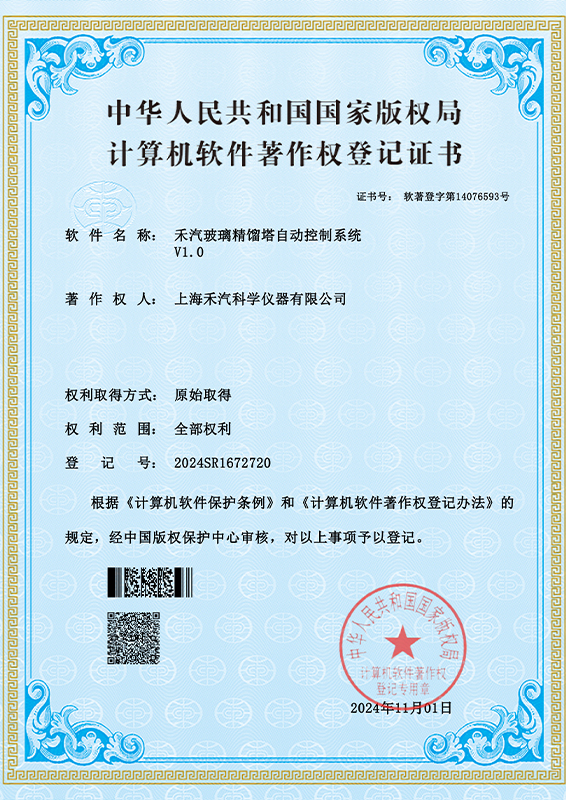
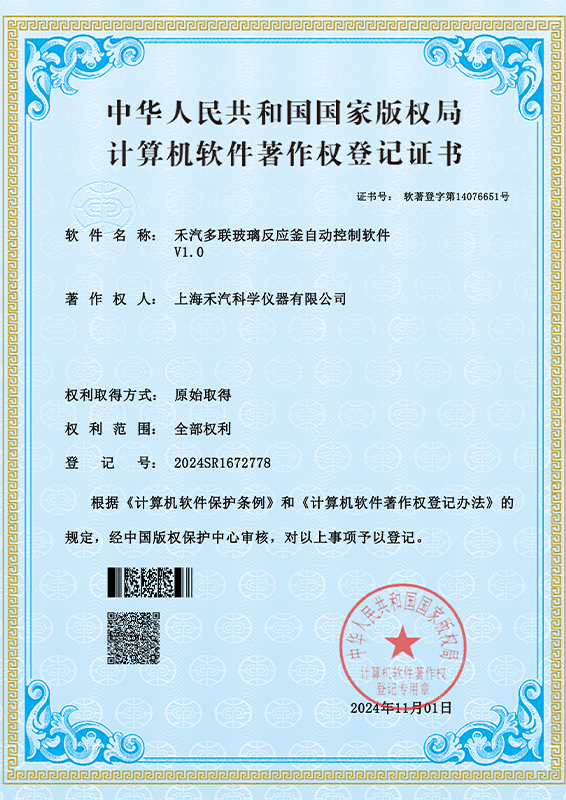
In recent years, Shanghai Heqi has brought together experts in chemical R&D, mechanical design and processing, and electronic control to form a dedicated R&D team. The company has also set up three specialized workshops for glass, metalworking, and assembly. These facilities produce a variety of small and pilot-scale equipment, including glass reactors, rotary evaporators, distillation units, high- and low-temperature circulation systems, vacuum pumps, stirrers, and UV analyzers.

Leveraging its in-house capabilities in design, production, and custom fabrication of glass components, Shanghai Heqi continuously enhances product quality and service standards. It also supports the chemical and pharmaceutical industries by enabling customized small-scale and pilot-scale equipment solutions.
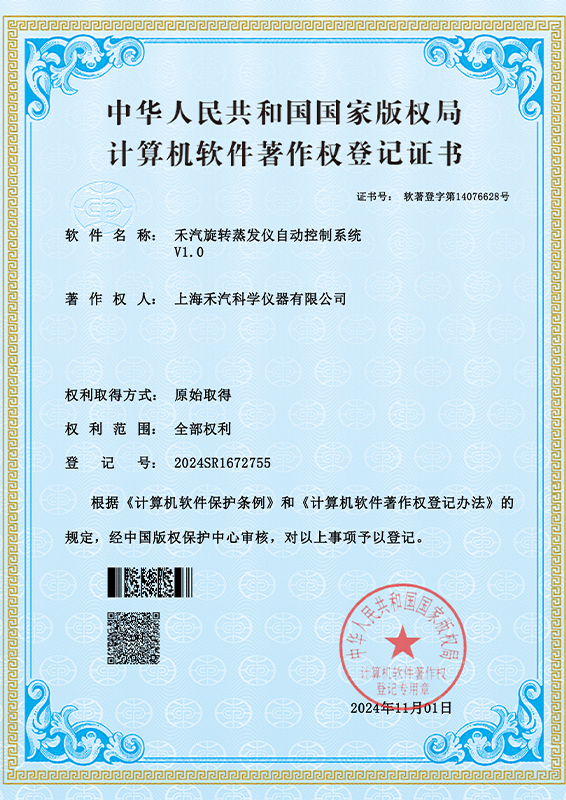
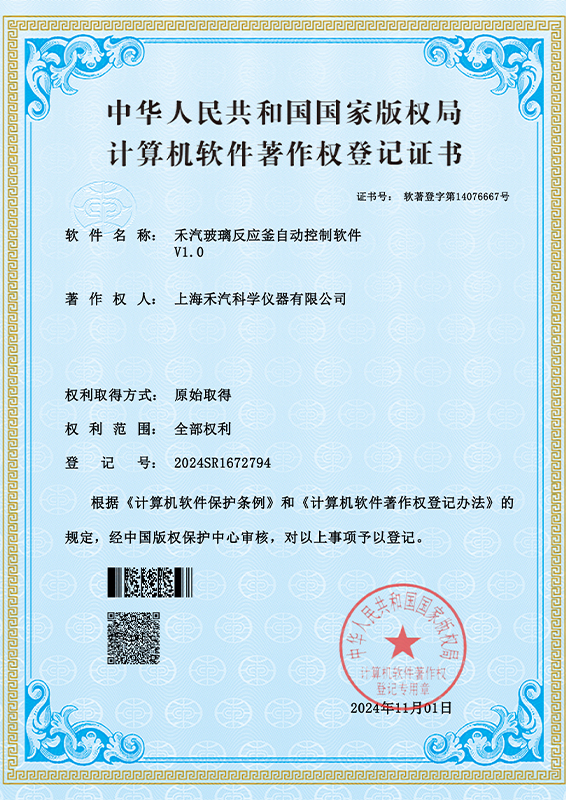
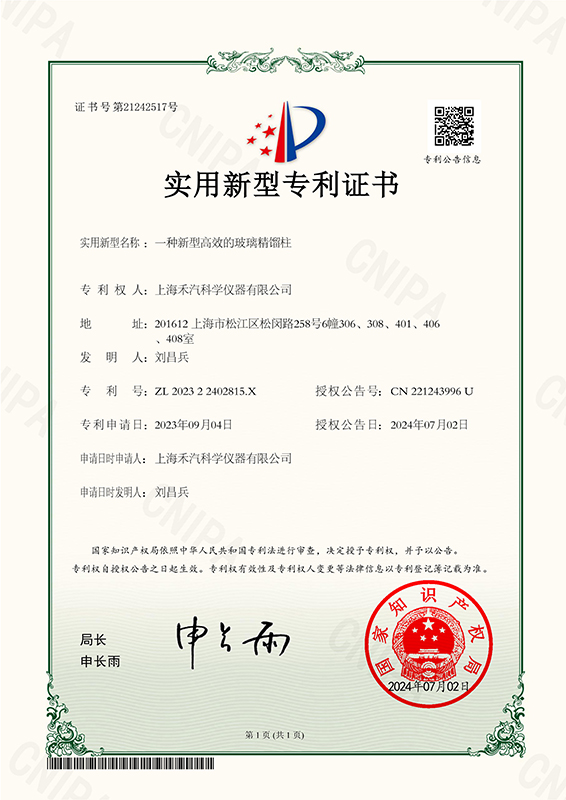
Certification
  • 1
  • 2
  • 3
  • 4
  • 5
  • 6
  • 7
Contact Us
Our custom service team is ready to provide you with expert advice and personalized solutions.
News
Industry Knowledge

Engineering Strategies and Maintenance Practices for Preventing Leakage in Lab Plastic Wash Bottles

Fluid Dynamics and Internal Vapor Pressure Regulation

Preventing fluid leakage from lab plastic wash bottles requires managing internal vapor pressure changes caused by volatile solvents. Solvents such as acetone, ethanol, or isopropanol evaporate rapidly inside closed flexible containers, building internal pressure that forces liquid up the dispensing tube and out through the nozzle tip. Modern wash bottle designs address this fluid dynamic issue by incorporating specialized gas venting channels into the screw closure assembly. These gas venting mechanisms allow accumulated solvent vapors to escape into the atmosphere without leaking liquid, maintaining equalized pressure between the interior chamber and ambient surroundings. Integrating pressure-equalizing closures prevents unintentional solvent dripping onto laboratory work surfaces, analytical balances, or sensitive samples during routine chemical handling.

Leakage Root Cause Fluid Mechanics Mechanism Engineering Prevention Method
Solvent Vapor Buildup Volatile Solvent Evaporation Expands Air Space Dual-Way Pressure Venting Cap Assembly
Thread Misalignment Unbalanced Torque Distorts Polymer Sealing Lip Precision Molded Buttress Thread Geometry
Tube Delivery Separation Frictional Wear at Dispensing Tube Interface Single-Piece Integrated Molded Delivery Tube
Thermal Expansion Leaks Temperature Shifts Alter Internal Gas Volume Gas-Permeable Membrane Venting Liners

Thread Geometry and Polymer Material Selection Criteria

The mechanical seal between the wash bottle neck and the closure cap depends heavily on thread design and polymer elasticity. Wash bottles manufactured from Low-Density Polyethylene (LDPE), High-Density Polyethylene (HDPE), or Fluorinated Ethylene Propylene (FEP) provide the necessary flexibility for manual squeeze dispensing while maintaining structural recovery. Leakage often occurs when continuous over-tightening deforms the plastic threads, causing micro-gaps along the sealing ridge. Selecting closures designed with buttress threads or inner sealing rings ensures even pressure distribution across the bottle neck perimeter. Manufacturing standards maintained by Shanghai Heqi Glassware Co., Ltd. emphasize precise dimensional matching between polymer dispensing caps and glass or plastic fluid containers to preserve leak-tight sealing integrity under daily laboratory usage.

Dispensing Tube Integration and Mechanical Strain Prevention

Structural leaks frequently develop at the junction where the vertical delivery tube passes through the cap assembly. Two-piece wash bottle designs rely on a friction fit between the tube and cap opening, which can loosen over time due to repeated mechanical flexure and solvent exposure. Single-piece molded wash bottles resolve this weakness by molding the delivery tube directly into the cap structure, eliminating separate connection joints. When configuring washing setups alongside glass instruments, technicians at Shanghai Heqi Glassware Co., Ltd. recommend using single-piece molded wash bottle caps to prevent liquid weeping along the tube exterior when dispensing solvents into reactors, distillation units, or rotary evaporator receivers.

Polymer Material Grade Chemical Compatibility Range Flexibility Index Thermal Deformation Limit
LDPE (Low-Density Polyethylene) Aqueous Solutions, Weak Acids, Alcohols High Squeeze Recovery 80°C Continuous Service
HDPE (High-Density Polyethylene) Dilute Solvents, Alkaline Reagents Moderate Rigidity 120°C Continuous Service
FEP / PTFE Composites Aggressive Organic Solvents, Concentrated Acids Firm Mechanical Response 205°C Continuous Service

Routine Inspection Procedures and Component Replacement Schedules

Sustaining leak-free operation over extended service periods requires systematic physical inspection and maintenance. Flexible plastic polymers undergo natural aging, stress cracking, and chemical degradation when exposed to organic solvents or ultraviolet radiation. Technicians should inspect wash bottle bodies regularly for hair-line cracks, localized discoloration, or loss of elastic memory. Additionally, inspecting the inner sealing lip inside the cap ensures that no salt crystals or particulate residues interfere with the contact surface. Replacing worn caps or degraded wash bottle bodies before structural failure occurs prevents hazardous chemical drips during reagent transfers across laboratory environments.

Alignment with Glassware Cleaning Workflows and Pilot Systems

In analytical laboratories and pilot-scale processing facilities, plastic wash bottles serve as the primary tool for rinsing chemical residues from glass instruments. When cleaning specialized pilot equipment, such as glass reactors, evaporators, and circulation receivers, controlled solvent dispensing is required to clear joint surfaces without spilling wash liquid onto surrounding benchtop metalwork. Assembly guidelines established by Shanghai Heqi Glassware Co., Ltd. stress the importance of maintaining leak-free wash bottles to prevent cross-contamination during cleaning cycles, ensuring that rinsing solvents enter target glass vessels cleanly without dripping onto external fittings or vacuum pump connections.

FAQ

Q: What causes lab plastic wash bottles to drip automatically from the nozzle tip when containing volatile solvents?

A: Volatile solvents like acetone or ethanol evaporate quickly inside closed wash bottles, building internal vapor pressure that pushes liquid up the delivery tube and out through the nozzle. Using wash bottles equipped with dual-way pressure-equalizing venting valves allows these vapors to escape, preventing automatic dripping during storage.

Q: How do single-piece molded wash bottle caps prevent liquid weeping compared to two-piece designs?

A: Two-piece designs rely on a friction fit between the delivery tube and cap, which can loosen and leak over time due to solvent exposure and mechanical flex. Single-piece caps integrate the delivery tube directly into the molded cap assembly, eliminating joint seams and preventing solvent weeping along the outer tube wall during dispensing.

Q: Which polymer materials are recommended for wash bottles when dispensing aggressive organic solvents versus aqueous solutions?

A: Low-Density Polyethylene (LDPE) provides flexibility and easy squeeze recovery for aqueous solutions, weak acids, and alcohols. For aggressive organic solvents like dichloromethane or toluene, Fluorinated Ethylene Propylene (FEP) or PTFE wash bottles are specified to prevent chemical degradation, swelling, or structural failure.

Q: How does proper thread alignment and torque selection prevent cap leakage during squeeze dispensing?

A: Over-tightening plastic caps deforms the internal polymer sealing lip and distorts cap threads, creating micro-gaps that allow liquid to escape under squeeze pressure. Ensuring moderate hand torque along with precision buttress threads guarantees an even seal against the bottle neck without damaging the sealing ridge.

Q: How do leak-free wash bottles support precise rinsing procedures for pilot-scale glassware setups?

A: Rinsing pilot-scale glassware requires targeted solvent stream delivery to clean ground joints without spilling chemicals onto metal supports or electrical controls. Aligning leak-free wash bottles with processing equipment from providers like Shanghai Heqi Glassware Co., Ltd. ensures that rinsing solvents are delivered directly into reactors or distillation units without dripping onto surrounding assembly hardware.