Custom Lab TLC Developing Tank,Chromatography Chamber

Home / Products / Chromatography / TLC Developing Tank,Chromatography Chamber

Lab TLC Developing Tank,Chromatography Chamber Suppliers

Grid
List

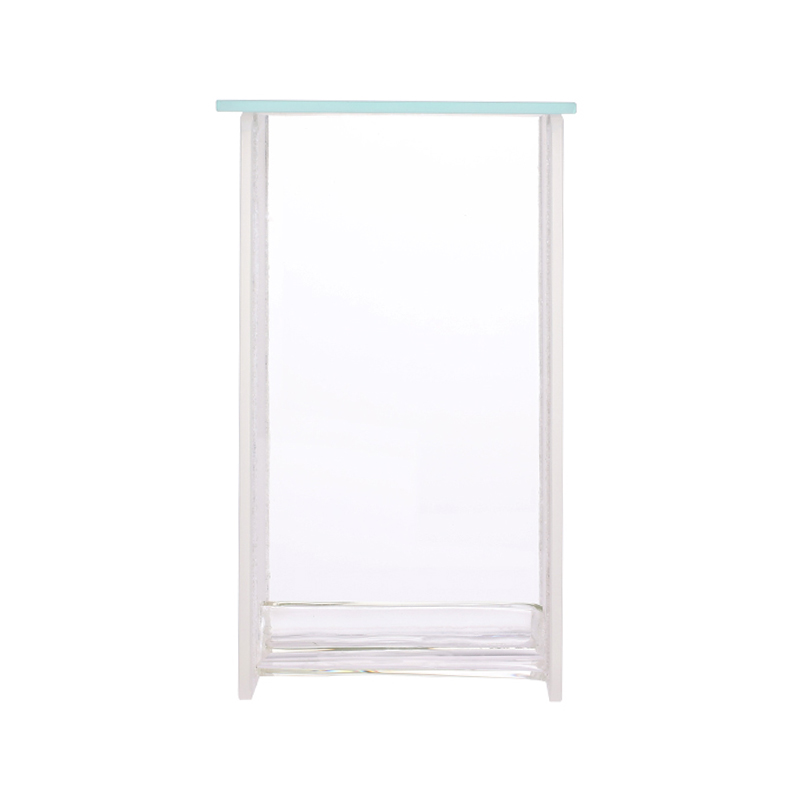
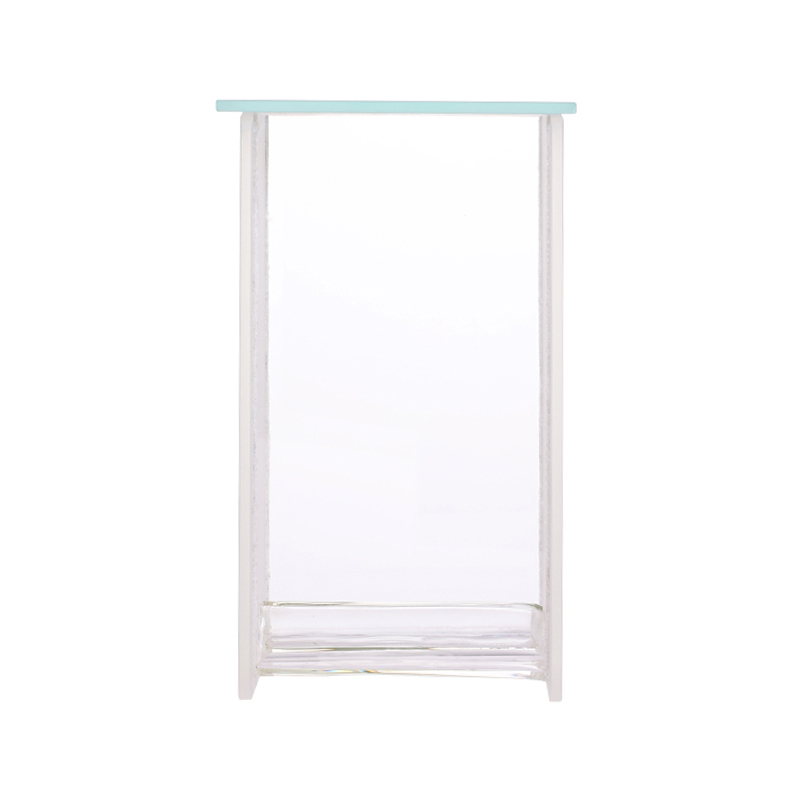
Square TLC developing tank is professionally designed (with inside raised ridge on the bottom) for one or two solvents to develop multiple TLC plates of suitable sizes simultaneously. Made of high-quality, borosilicate glass, available in various types.

View More
About
Shanghai Heqi Glassware Co., Ltd.

One point of professionalism, one point of service, one point of companionship—allow me to be your reliable partner on the path forward!

Shanghai Heqi was founded in March 2002, It is China Lab TLC Developing Tank,Chromatography Chamber Suppliers and Lab TLC Developing Tank,Chromatography Chamber Manufacturers, Specializing in the R&D and production of standard-mouth glass instruments. Over the years, the company has established production bases in locations such as Songjiang, Chengdu, Jiaxing, and Yancheng. By integrating technology, craftsmanship, and management expertise, Heqi has adopted mechanized and semi-mechanized techniques to replace traditional manual methods. It has also introduced assembly-line industrial processes to replace simple workshop-style production, thereby reducing costs and improving quality.

To deliver on its service commitment of “you make a call, we handle the rest,” Heqi also supplies a range of high-quality glass instruments, lab consumables, and experimental equipment from both domestic and international brands. With ample inventory, fast delivery, and premium service, the company ensures full support for its clients.

In recent years, Shanghai Heqi has brought together experts in chemical R&D, mechanical design and processing, and electronic control to form a dedicated R&D team. The company has also set up three specialized workshops for glass, metalworking, and assembly. These facilities produce a variety of small and pilot-scale equipment, including glass reactors, rotary evaporators, distillation units, high- and low-temperature circulation systems, vacuum pumps, stirrers, and UV analyzers.

Leveraging its in-house capabilities in design, production, and custom fabrication of glass components, Shanghai Heqi continuously enhances product quality and service standards. It also supports the chemical and pharmaceutical industries by enabling customized small-scale and pilot-scale equipment solutions.
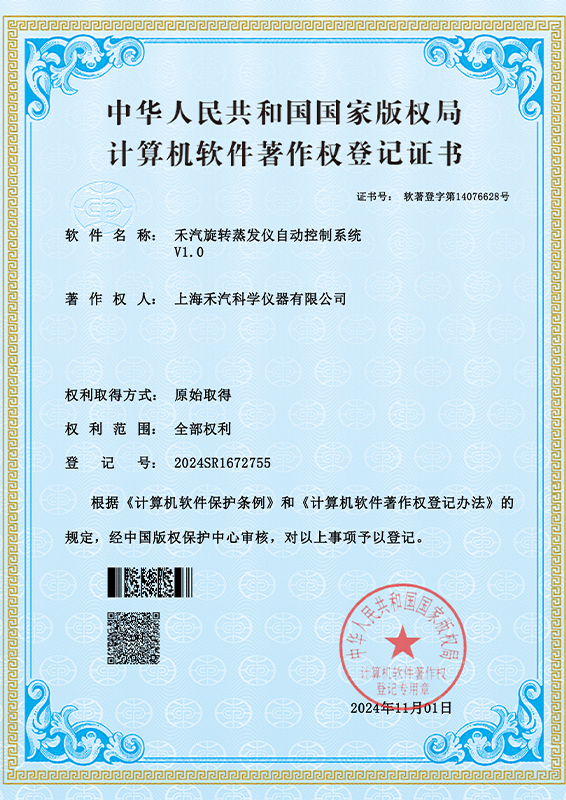
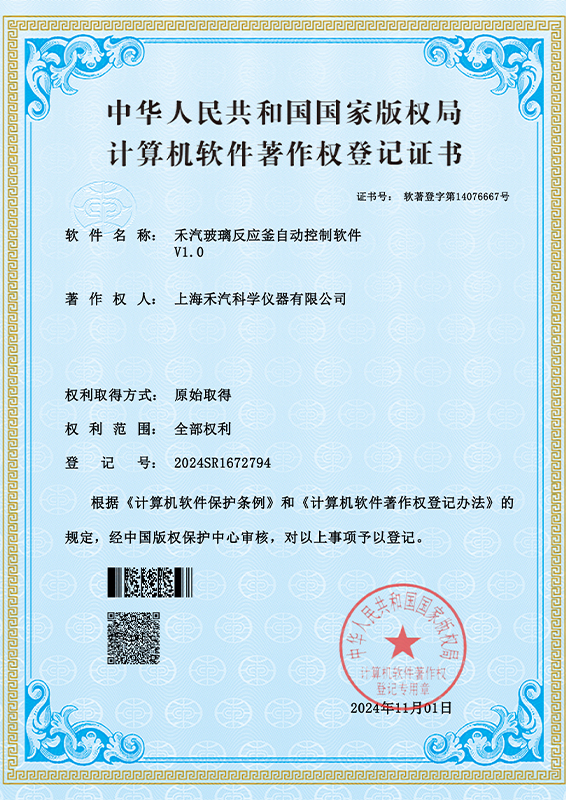
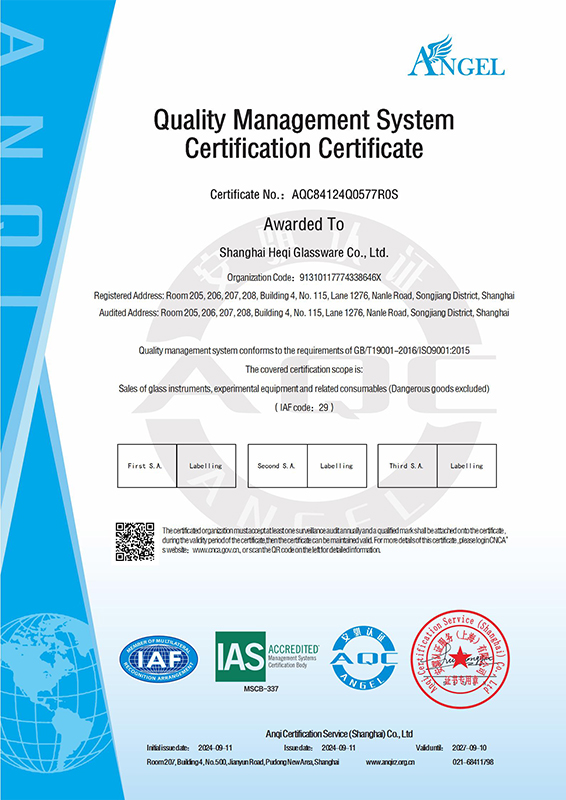
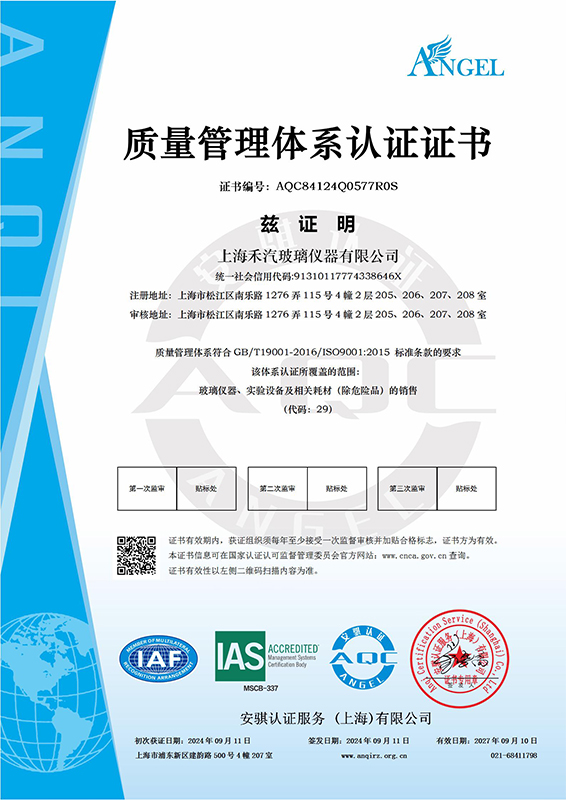
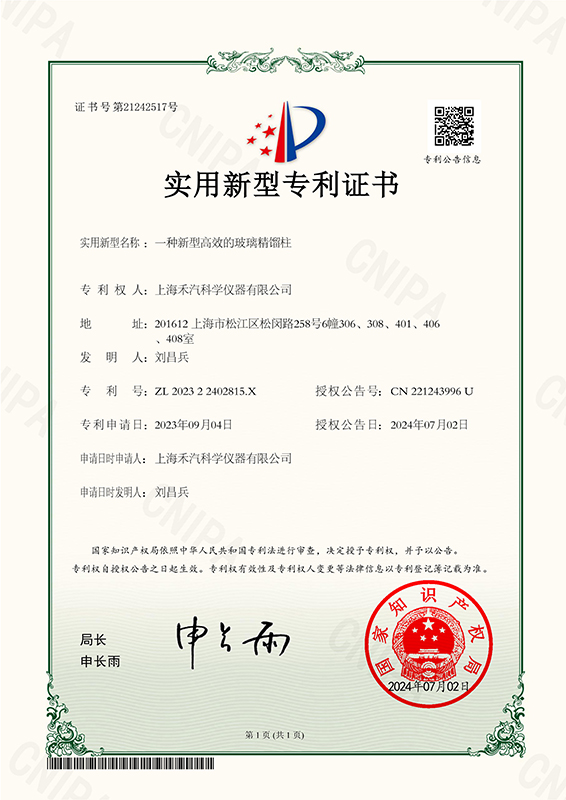
Certification
  • 1
  • 2
  • 3
  • 4
  • 5
  • 6
  • 7
Contact Us
Our custom service team is ready to provide you with expert advice and personalized solutions.
News
Industry Knowledge

How Can Solvent Evaporation Be Minimized During TLC Development?

Vapor-Phase Saturation Kinetics and Chamber Atmosphere Control

Thin-layer chromatography relies on capillary forces to draw a mobile phase solvent up a stationary silica or alumina plate. When a lab tlc developing tank chromatography chamber remains unsaturated, volatile organic solvents continuously vaporize from the advancing solvent front into the surrounding air space inside the vessel. This uncontrolled evaporation slows down mobile phase migration rates, distorts retention factor calculations, and leads to non-uniform separation bands across the stationary phase layer. Establishing complete vapor-phase saturation before inserting the stationary plate suppresses solvent evaporation from the gel matrix. Technical glass fabrication procedures at Shanghai Heqi Glassware Co., Ltd. ensure that glass development chambers possess flat, ground rim surfaces, allowing heavy glass lid plates or specialized clamps to form a tight seal that retains saturated vapor concentrations throughout the entire analytical run.

Chromatography Chamber Enclosure Dynamics and Vapor Loss Metrics

Chamber Enclosure Configuration Vapor Saturation Time (min) Solvent Evaporation Rate Retention Factor (Rf) Reproducibility
Precision Ground-Rim Rectangular Chamber 10 - 15 Controlled minimal evaporation High inter-run reproducibility
Standard Cylindrical Jar with Gasket Lid 15 - 20 Low evaporation rate Consistent baseline performance
Unsealed Vessel / Beaker with Watch Glass 30+ (Incomplete) Rapid solvent vapor loss Poor retention factor consistency
Latch-Lid Chamber with PTFE Seal 5 - 10 Near-zero vapor loss Stable retention measurements

Filter Paper Saturation Liners and Boundary Surface Mechanics

Positioning a thick filter paper lining along the internal walls of a lab tlc developing tank chromatography chamber accelerates atmosphere equilibration by increasing the effective surface area for solvent evaporation. Liquid mobile phase absorbed by the paper liner evaporates rapidly into the enclosed air volume, saturating the chamber atmosphere in a fraction of the time required by static liquid pools alone. A fully saturated vapor environment prevents the solvent front on the TLC plate from drying out during migration, preserving steady capillary action. Assembly specialists at Shanghai Heqi Glassware Co., Ltd. manufacture development chambers with uniform interior dimensions to accommodate standard lining sheets while maintaining clear optical inspection paths through heavy-wall borosilicate glass.

Thermal Regulation and Temperature Gradient Elimination

Thermal Management Factor Impact on Mobile Phase Vapor Operational Mitigation Measure
Direct Sunlight / Draft Exposure Causes localized heating and convection currents Isolate chamber in temperature-stable zones
Exothermic Solvent Mixing Heat Increases internal vapor pressure rapidly Pre-mix solvent blends prior to filling chamber
Ambient Temperature Fluctuations Shifts liquid-vapor phase equilibrium boundaries Utilize heavy borosilicate glass thermal mass

Ground Rim Sealing Integrity and Vessel Geometry Standards

The physical geometry and rim tolerance of a lab tlc developing tank chromatography chamber directly dictate its capacity to contain volatile organic vapors. Minor gaps along the sealing boundary between the vessel body and the top cover plate create leakage paths, causing continuous solvent loss and altering multicomponent solvent ratios over time. Heavy rectangular glass chambers feature precision-ground top flanges that create a flush interface with ground-glass covers. Applying an inert, thin fluoropolymer film or using weighted cover plates preserves internal vapor pressure without requiring hydrocarbon greases that could dissolve into organic mobile phases such as diethyl ether, hexane, or acetone.

Solvent Binary Ratio Drift Under Evaporative Stress

Solvent System Component Boiling Point (°C) Vapor Pressure Behavior Ratio Impact Under Unsealed Conditions
Dichloromethane (DCM) 39.6 High volatility / Rapid evaporation Depletes rapidly, shifting polarity higher
Methanol 64.7 Moderate volatility Remains in liquid phase longer than DCM
Hexane 68.0 High volatility non-polar phase Evaporates preferentially in mixed systems
Ethyl Acetate 77.1 Moderate volatility polar phase Alters separation selectivity upon evaporation

System Compatibility with Auxiliary Processing Equipment

Chromatographic analysis workflows often integrate thin-layer chromatography steps directly with preparative separations, rotary evaporators, and UV inspection units. Following plate development in a lab tlc developing tank chromatography chamber, separated sample spots are visualized under UV radiation to identify target compounds prior to larger scale purification. Processing facilities at Shanghai Heqi Glassware Co., Ltd. produce UV analyzers, vacuum pumps, and distillation units that work together with laboratory chromatography glassware, providing reliable analytical support across compound identification, reaction monitoring, and pilot-scale chemical synthesis.