High-Performance Lab Dishes: Material Standards and Industrial Sourcing Guide
The Critical Role of Quality Lab Dishes in Modern Laboratories
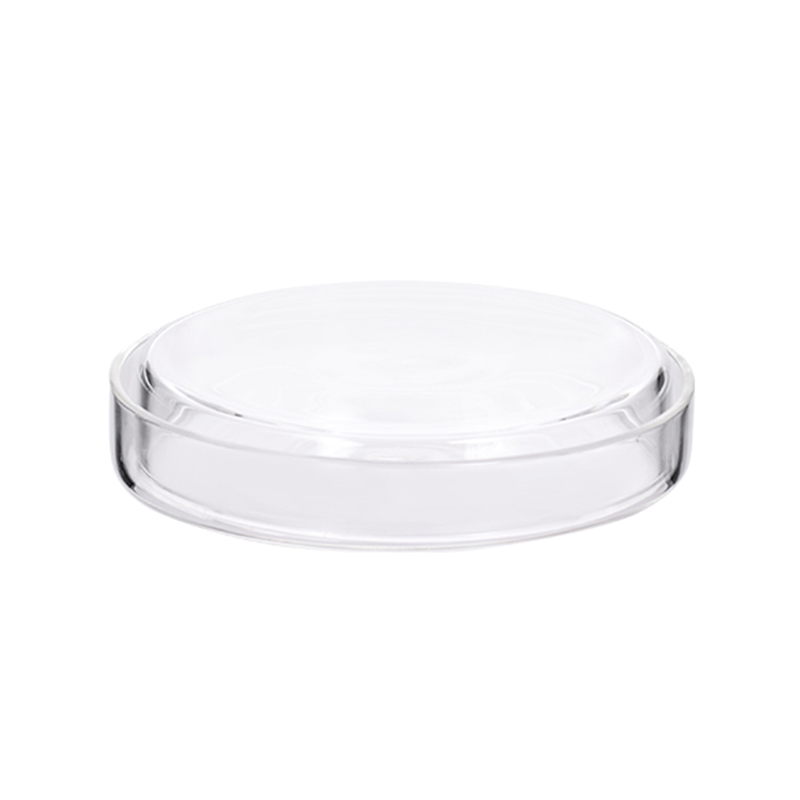
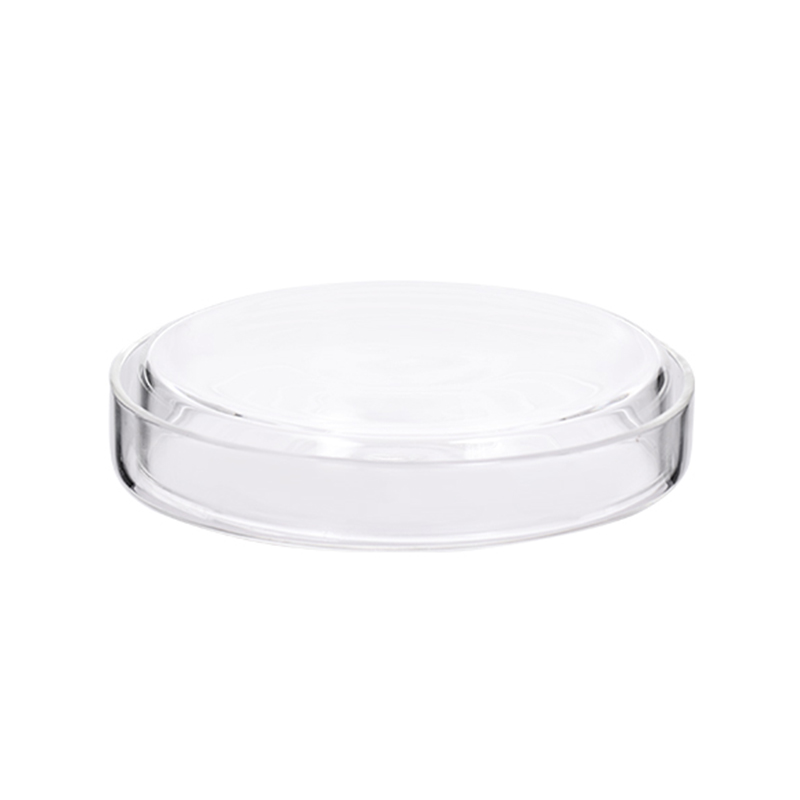
In biological assays, cellular propagation, pharmaceutical testing, and high-throughput screening, Lab Dishes serve as the foundational vessel where primary reactions take place. While simple in appearance, the structural integrity and surface precision of Lab Dishes directly determine experimental accuracy and batch reproducibility.
Subtle manufacturing flaws—such as microscopic surface roughness, non-uniform wall thickness, structural warping, or residual chemical contaminants—can distort optical clarity under automated imaging systems, disrupt cell attachment, or introduce uneven heat distribution during incubation. For large-scale research institutes, clinical laboratories, and industrial producers, sub-standard Lab Dishes do not merely represent a compromised consumable; they risk invalidating months of data, wasting costly reagents, and causing expensive operational delays.
Direct Manufacturer Procurement vs. Traditional Intermediary Sourcing
Securing a reliable supply of Lab Dishes requires evaluating both physical product specifications and the underlying manufacturing architecture. Sourcing directly from an established production partner provides distinct operational and financial advantages over reliance on multi-tier regional distributors.
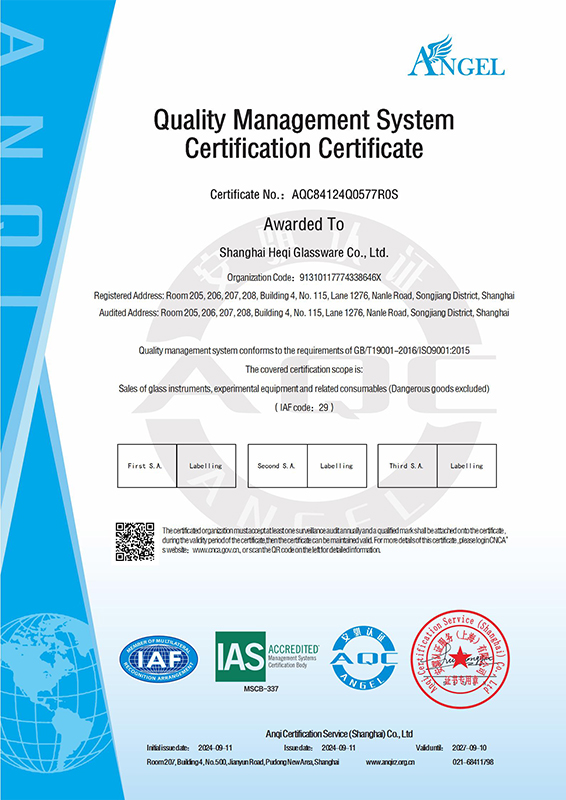
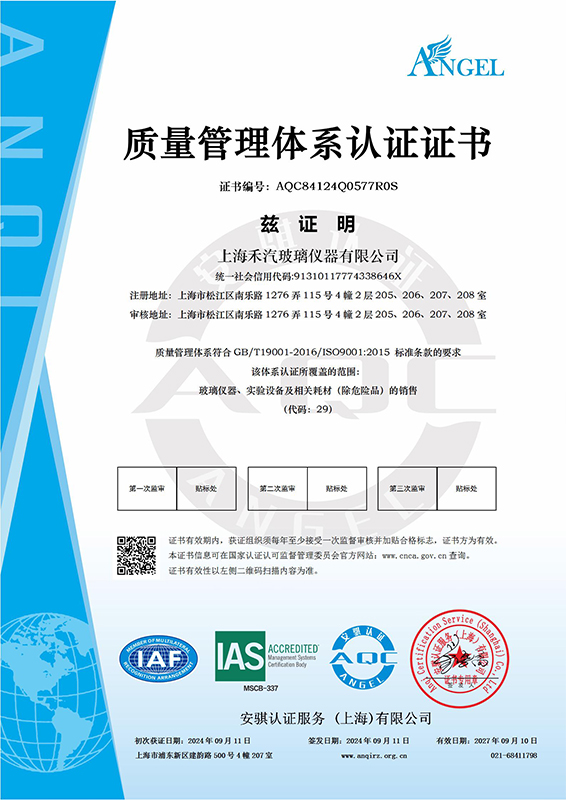
Direct manufacturing oversight allows for continuous mold calibration, rigorous raw material selection, and predictable lead times. Founded in March 2002, Shanghai Heqi Glassware Co., Ltd. has spent over two decades refining this operational model. By replacing traditional, fragmented manual workshop methods with mechanized and semi-mechanized assembly-line production across facilities in Songjiang, Chengdu, Jiaxing, and Yancheng, the company effectively reduces production overhead while raising quality standards across all output.
Shanghai Heqi Glassware Co., Ltd. Operations:
• Production Bases: Songjiang | Chengdu | Jiaxing | Yancheng
• Process Model: Mechanized Assembly-Line Manufacturing
• Core Capabilities: Glass Fabrication | Metalworking | Assembly Workshops
With an internal technical team encompassing chemical R&D, mechanical design, and electronic control, Shanghai Heqi Glassware Co., Ltd. maintains specialized workshops dedicated to glass processing, precision metalworking, and final assembly. This integrated structure supports the production of standardized Lab Dishes as well as custom-engineered, pilot-scale equipment tailored to specific pharmaceutical and chemical processes. Backed by their service philosophy—"you make a call, we handle the rest"—direct manufacturing integration ensures consistent product availability, verified quality control, and streamlined logistics for large-volume purchasing programs.
Key Sourcing Parameters: Direct Factory Production vs. Generic Distribution
| Procurement & Technical Metric |
Direct Industrial Manufacturing (Shanghai Heqi Glassware Co., Ltd.) |
Generic Intermediary Distribution |
| Manufacturing Setup |
Automated / semi-mechanized assembly line |
Multi-source workshop aggregation |
| Dimensional Flatness Variance |
less than or equal to ±0.05 mm (Optimized for microscopy/automation) |
greater than or equal to ±0.30 mm (Risk of focal deviation) |
| Batch Consistency |
Controlled mold cycles & automated quality checks |
High lot-to-lot variance |
| Quality Documentation |
Direct COA (Certificate of Analysis) per lot |
Limited or indirect documentation |
| Customization Support |
Direct OEM/ODM, specialized shapes & specialized setups |
Standard catalog stock only |
| Supply Chain Lead Time |
Direct inventory reserves & planned factory dispatch |
Variable (Dependent on reseller stock) |
| Cost Structure |
Direct factory pricing without middleman markups |
Tiered distributor margins added |
Material Science & Selection Matrix for Commercial Lab Dishes
Polystyrene (PS) Lab Dishes: High-Clarity Single-Use Solutions
Polystyrene remains the industry standard material for single-use, disposable Lab Dishes due to its exceptional optical clarity, dimensional stability, and cost efficiency in high-throughput workflows. Manufactured using medical-grade virgin polystyrene, these dishes provide clear light transmission exceeding 90% in the visible spectrum, making them ideal for brightfield microscopy, automated imaging, and colony counting.
The functional capabilities of polystyrene Lab Dishes depend heavily on surface modification techniques applied during manufacturing:
- Non-Treated (Hydrophobic) Surfaces: Standard polystyrene possesses a naturally hydrophobic surface characterized by high water contact angles (typically 85° to 90°). These Lab Dishes are specified for microbial agar culture, suspension cell lines, phase-separation testing, and general reagent handling where cellular attachment is undesirable.
- Tissue Culture (TC) Treated (Hydrophilic) Surfaces: To support adherent cell lines (such as primary mammalian cells, stem cells, or established cell lines), the polystyrene surface undergoes physical plasma or corona discharge treatment in a controlled gas atmosphere. This process introduces oxygen-containing functional groups—primarily carboxyl, hydroxyl, and carbonyl groups—onto the polymer surface. The resulting negative charge and increased surface energy lower the contact angle to below 45°, facilitating extracellular matrix protein adsorption and cell attachment.
Borosilicate Glass & Specialty Lab Dishes: Autoclavable & Chemical-Resistant
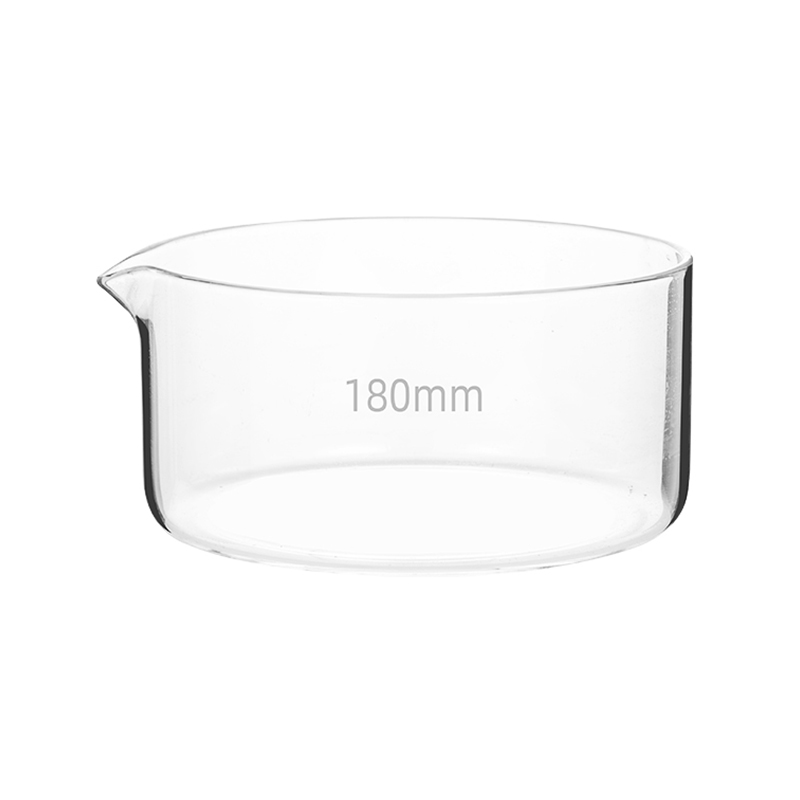
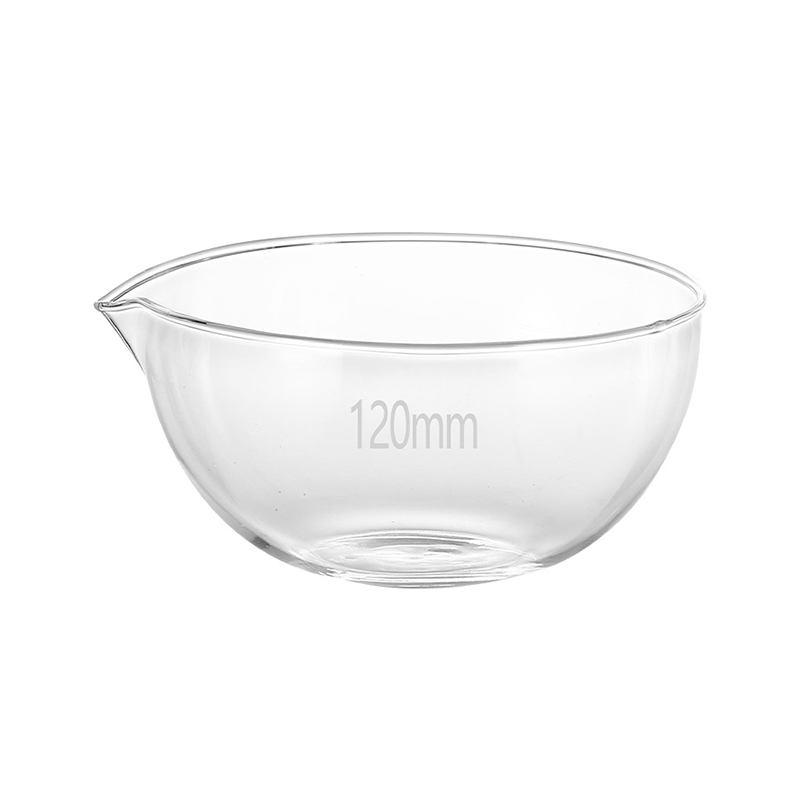
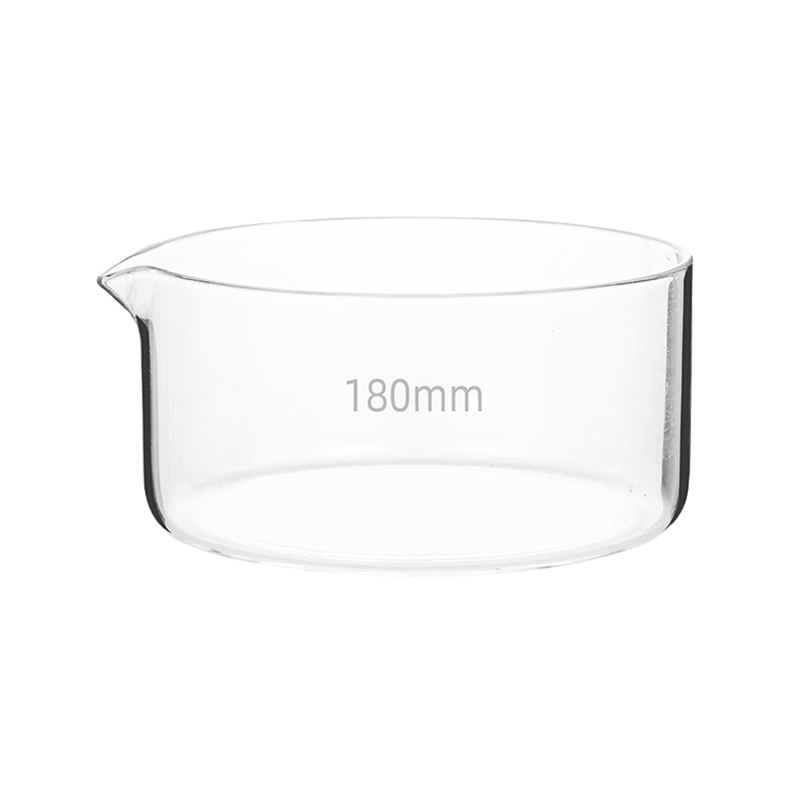
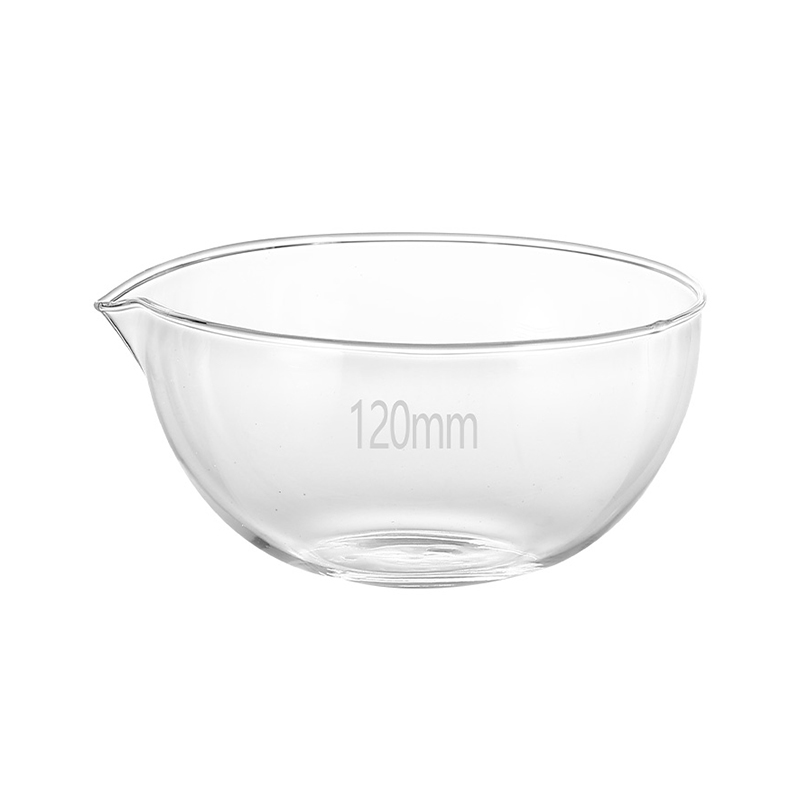
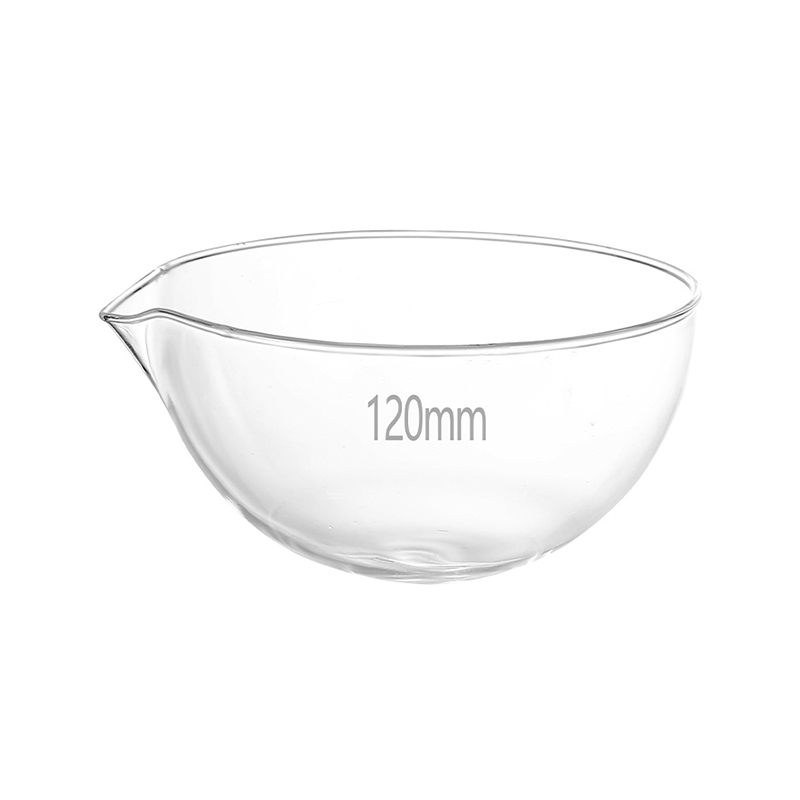
While single-use plastics dominate routine microbiology, reusable glass and specialty polymer Lab Dishes are mandatory in demanding chemical R&D, high-temperature thermal processing, and long-term analytical workflows.
Borosilicate Glass 3.3 is the premier material for reusable Lab Dishes. With a low linear coefficient of thermal expansion, high borosilicate glass exhibits exceptional thermal shock resistance, allowing repeated dry-heat sterilization at temperatures up to 300°C or pressure autoclaving at 121°C/15 psi without structural degradation or micro-fracturing. Furthermore, its chemical inertness renders it resistant to virtually all acids (excluding hydrofluoric acid), strong alkalis at elevated temperatures, and aggressive organic solvents like chloroform, acetone, and toluene.
For niche applications where borosilicate glass is insufficient, specialty materials are deployed:
- Quartz Glass Lab Dishes: Selected for applications requiring deep UV optical transmission (down to 190 nm) or extreme thermal resistance up to 1000°C.
- PTFE (Fluoropolymer) Lab Dishes: Utilized when handling hydrofluoric acid, strong fluorinated reagents, or ultra-pure elemental analysis where silica leaching from glass must be completely avoided.
Comprehensive Technical & Procurement Selection Matrix
| Performance Attribute |
Virgin Polystyrene (PS) |
Borosilicate Glass 3.3 |
Quartz Glass |
PTFE (Fluoropolymer) |
| Primary Usage Model |
Single-Use / Disposable |
Reusable / Multi-Cycle |
Reusable / High-Spec |
Reusable / Specialized |
| Max Operating Temp. |
70°C to 80°C |
500°C (Short-term) |
1100°C |
260°C |
| Thermal Shock Delta |
Low (Delta T approx 30°C) |
High (Delta T approx 160°C) |
Extreme (Delta T greater than 1000°C) |
Moderate |
| Autoclavable (121°C) |
No (Melts/Warps) |
Yes (Indefinite cycles) |
Yes |
Yes |
| Chemical Resistance |
Low (Attacked by solvents) |
Superior (Except HF/Hot Alkali) |
Superior (Except HF) |
Exceptional (Universal) |
| Optical Clarity (Visible) |
Very High (greater than 90%) |
High (greater than 88%) |
Excellent (greater than 92%) |
Opaque / Translucent |
| UV Transmission (less than 300nm) |
Poor (Absorbs UV) |
Low |
Excellent (greater than 85% at 200nm) |
Poor |
| Surface Options |
Hydrophobic & TC-Treated |
Hydrophobic / Fire-Polished |
Inert / Smooth |
Non-Stick / Inert |
| Dimensional Flatness |
Formed via Injection Mold |
Precision Ground & Annealed |
Precision Optical Polish |
Machined |
| Primary Applications |
Cell culture, agar plating |
Chemical synthesis, drying |
Spectroscopy, UV reaction |
HF etching, trace analysis |
Precision Manufacturing & Quality Assurance Standards for Lab Dishes
Cleanroom Molding, Assembly-Line Automation, and Contamination Control
Producing high-performance Lab Dishes for clinical, industrial, and pharmaceutical applications requires strict environmental controls and highly repeatable manufacturing workflows. Minute environmental contaminants—such as airborne particulates, human skin oils, or trace organic vapors—can foul the inner surface of Lab Dishes, impairing cell attachment or reacting with sensitive chemical agents.
For single-use polymer Lab Dishes, production takes place within ISO Class 7 or Class 8 cleanrooms using high-speed, automated injection molding machines. Raw resin granules pass through sealed vacuum-feeding systems directly into heated barrels, eliminating manual exposure.
In reusable glass production, achieving uniform quality requires replacing traditional, operator-dependent glassblowing with standardized industrial processes. Shanghai Heqi Glassware Co., Ltd. addressed this requirement across its manufacturing bases in Songjiang, Chengdu, Jiaxing, and Yancheng by replacing manual workshop methods with mechanized and semi-mechanized assembly-line manufacturing.
Quality Control Testing Standards & Parameter Benchmarks
| Quality Control Parameter |
Testing Method / Standard |
Standard Quality Grade |
High-Precision / Clinical Grade |
| Sterilization Assurance Level (SAL) |
ISO 11137 (Gamma/E-beam validation) |
10 to the power of -3 |
10 to the power of -6 |
| Endotoxin (Pyrogen) Content |
Chromogenic LAL Assay |
less than 0.25 EU/mL |
less than 0.01 EU/mL |
| DNase / RNase Contamination |
Fluorometric Enzymatic Assay |
Non-detectable threshold |
Non-detectable threshold |
| Bottom Flatness Deviation |
Laser Surface Profilometry |
less than or equal to 0.15 mm |
less than or equal to 0.05 mm |
| Optical Transmittance (400–700nm) |
Spectrophotometric Analysis |
greater than 85% |
greater than 90% |
| Thermal Residual Stress (Glass) |
Polarimeter Fringe Deflection |
less than 10 MPa |
less than 2 MPa (Annealed) |
Factory Customization, OEM/ODM Engineering, and Global Supply Logistics
Dimensional Specifications & Custom Mold Engineering
| Dish Nominal Size (Diameter) |
Actual Outer Diameter (mm) |
Height (mm) |
Approx. Growth Area (sq cm) |
Working Volume (mL) |
Structural & Functional Configuration Options |
| 35 mm |
35.0 |
10.0 |
8.8 |
2.0 – 3.0 |
Solid bottom, glass-bottom inserts, TC-treated / non-treated |
| 60 mm |
52.8 |
15.0 |
21.5 |
4.0 – 5.0 |
Stacking ring, optional quadrant dividers (2 or 4 compartments) |
| 90 / 100 mm |
88.0 – 89.5 |
15.0 |
56.7 – 60.8 |
10.0 – 12.5 |
Vented (3-4 ribs) or Non-Vented, molded grid lines (10x10 mm) |
| 150 mm |
138.5 |
20.0 |
148.0 |
30.0 – 35.0 |
Heavy-walled reinforcement, dual grip ring for manual handling |
Frequently Asked Questions (FAQ) & Technical Knowledge Base
What are the operational differences between Vented and Non-Vented Lab Dishes?
| Operational Parameter |
Vented Lab Dishes |
Non-Vented Lab Dishes |
| Lid Design Feature |
Molded micro-spacers/ribs on the inner lid rim |
Flat, continuous flush-fitting inner rim |
| Air Exchange Mechanism |
Passive convection via continuous perimeter gap |
Minimal air displacement; sealed environment |
| Media Evaporation Rate |
Moderate to High (Requires humidity control) |
Extremely Low (Retains liquid volume) |
| Primary Biological Uses |
Aerobic bacterial culture, cell culture (CO2 incubators) |
Anaerobic culturing, long-term storage, fungal assays |


 English
 Français
 Español