Custom Laboratory Vials

Home / Products / Bottles / Laboratory Vials

Laboratory Vials Suppliers

Grid
List

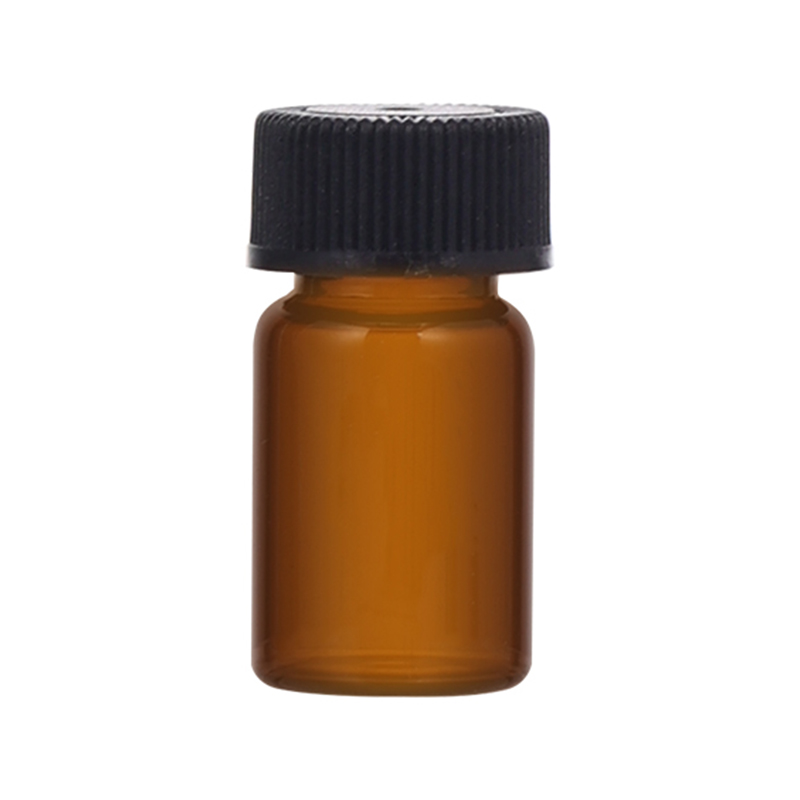
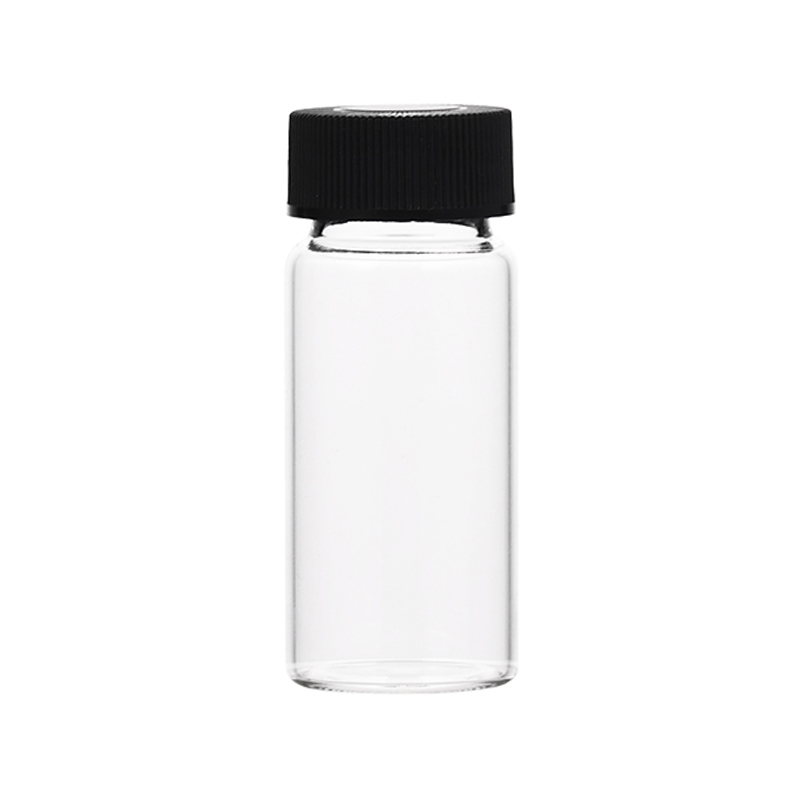
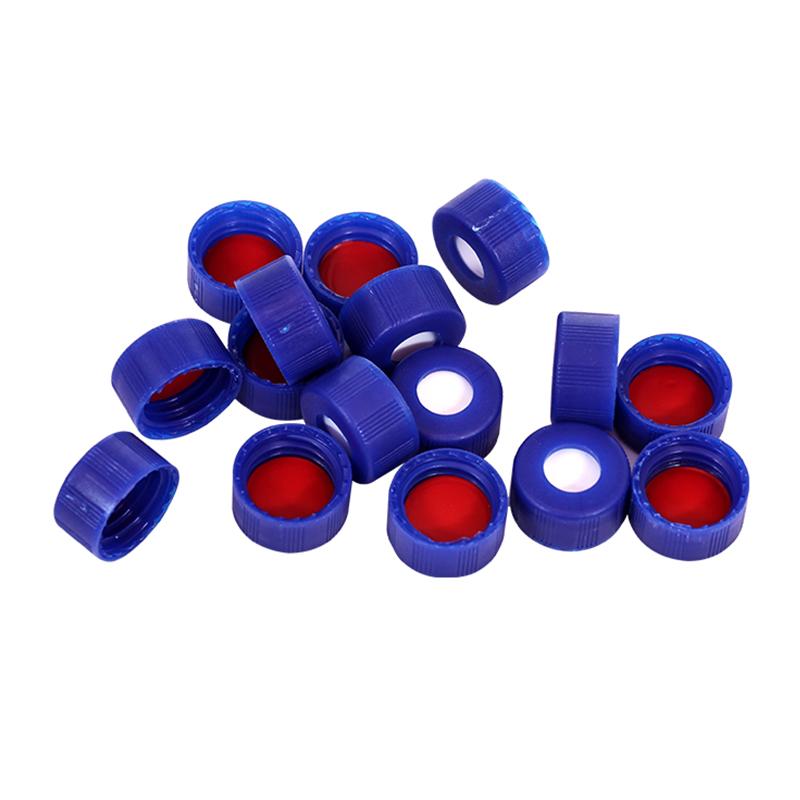
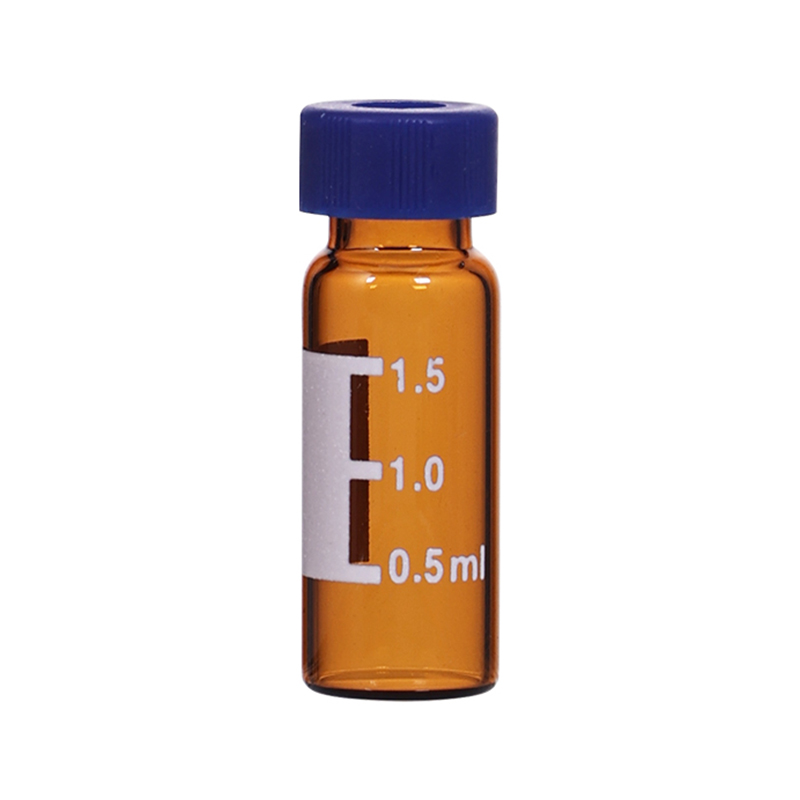
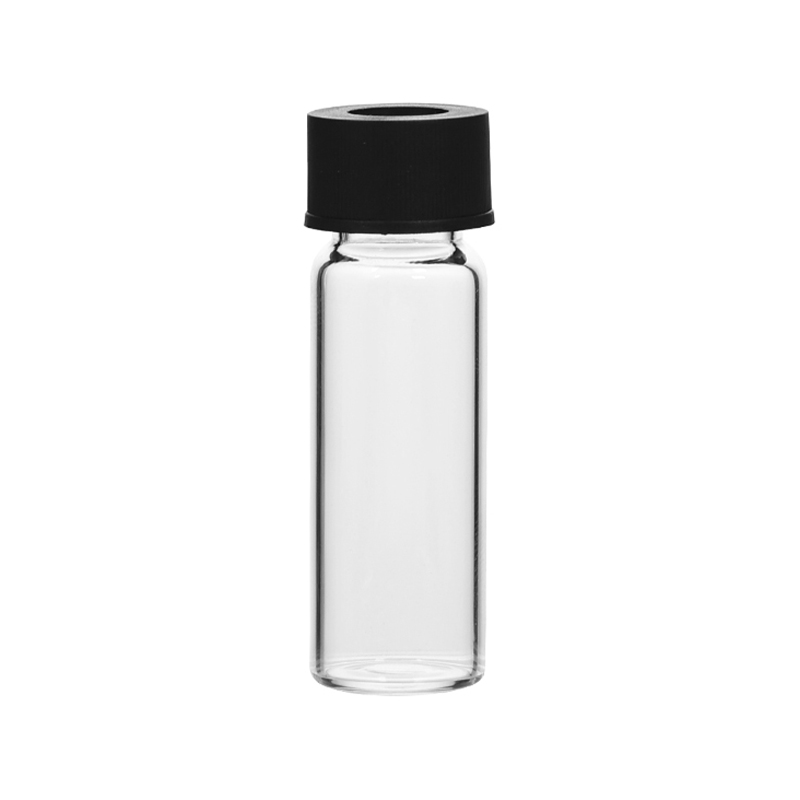
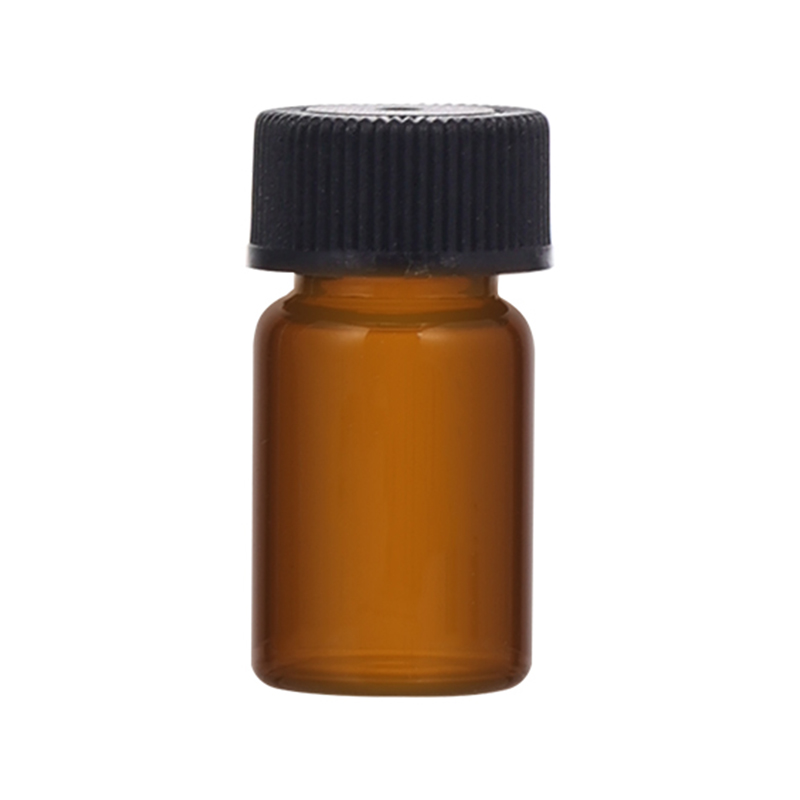
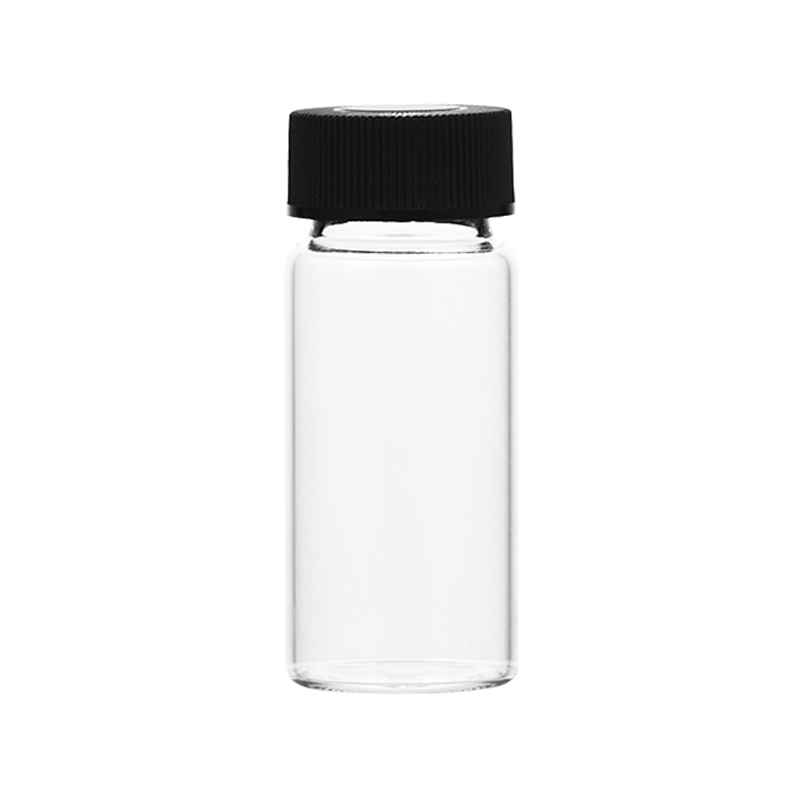
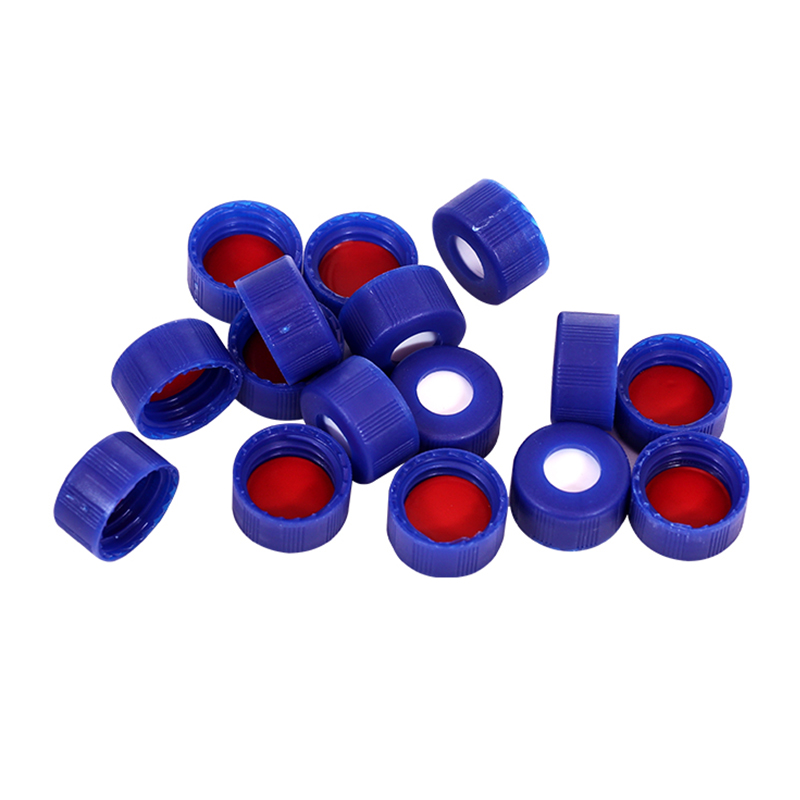
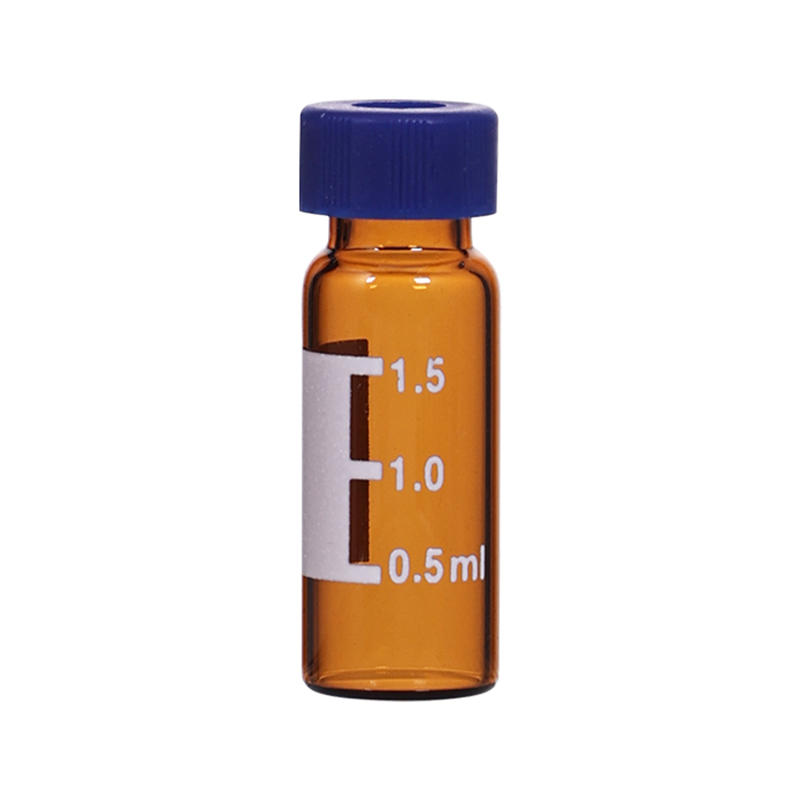
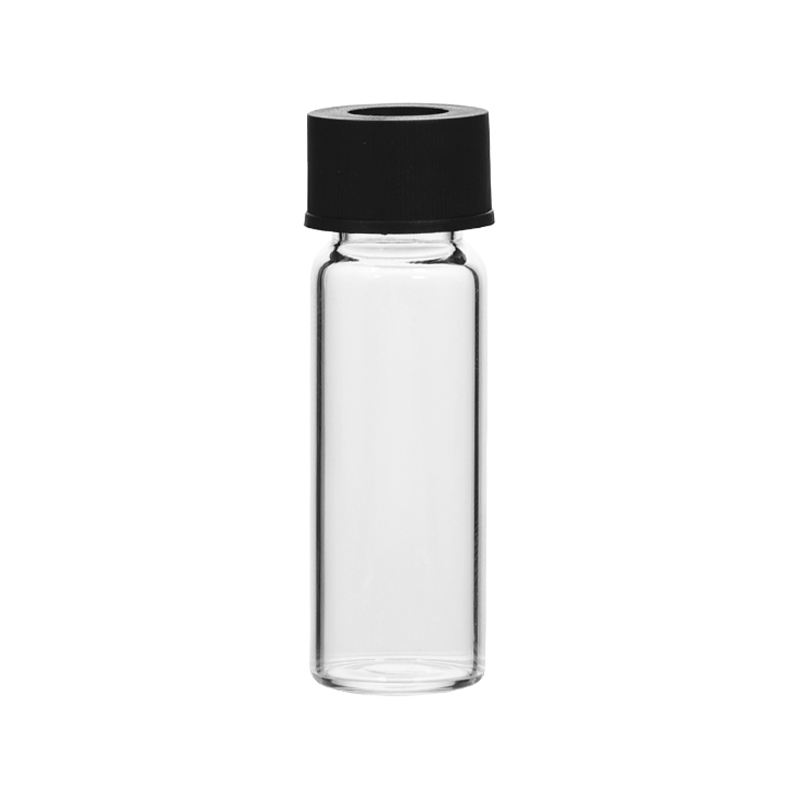
Glass vials with screw caps with leak-proof caps, The cap comes with a EVA pad and PTFE film on it. Better prevents the liquid from leaking or evaporating.

View More
About
Shanghai Heqi Glassware Co., Ltd.

One point of professionalism, one point of service, one point of companionship—allow me to be your reliable partner on the path forward!

Shanghai Heqi was founded in March 2002, It is China Laboratory Vials Suppliers and Laboratory Vials Manufacturers, Specializing in the R&D and production of standard-mouth glass instruments. Over the years, the company has established production bases in locations such as Songjiang, Chengdu, Jiaxing, and Yancheng. By integrating technology, craftsmanship, and management expertise, Heqi has adopted mechanized and semi-mechanized techniques to replace traditional manual methods. It has also introduced assembly-line industrial processes to replace simple workshop-style production, thereby reducing costs and improving quality.

To deliver on its service commitment of “you make a call, we handle the rest,” Heqi also supplies a range of high-quality glass instruments, lab consumables, and experimental equipment from both domestic and international brands. With ample inventory, fast delivery, and premium service, the company ensures full support for its clients.

In recent years, Shanghai Heqi has brought together experts in chemical R&D, mechanical design and processing, and electronic control to form a dedicated R&D team. The company has also set up three specialized workshops for glass, metalworking, and assembly. These facilities produce a variety of small and pilot-scale equipment, including glass reactors, rotary evaporators, distillation units, high- and low-temperature circulation systems, vacuum pumps, stirrers, and UV analyzers.

Leveraging its in-house capabilities in design, production, and custom fabrication of glass components, Shanghai Heqi continuously enhances product quality and service standards. It also supports the chemical and pharmaceutical industries by enabling customized small-scale and pilot-scale equipment solutions.
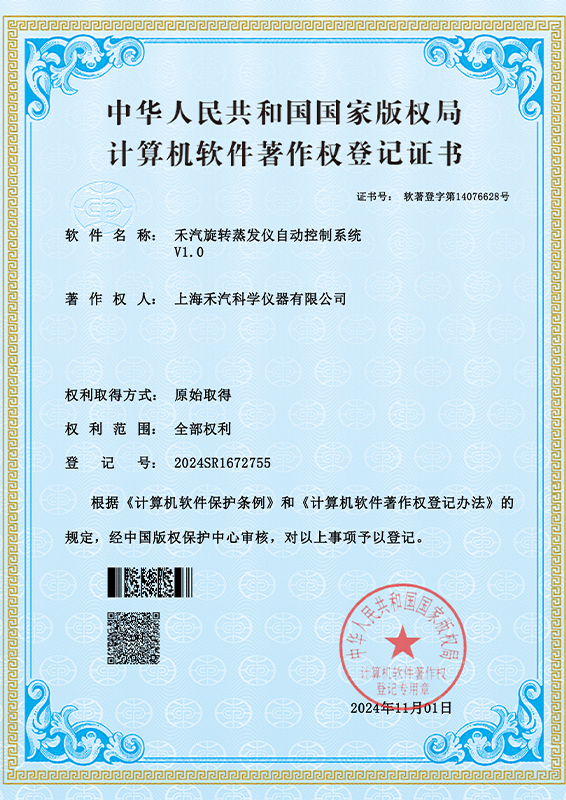
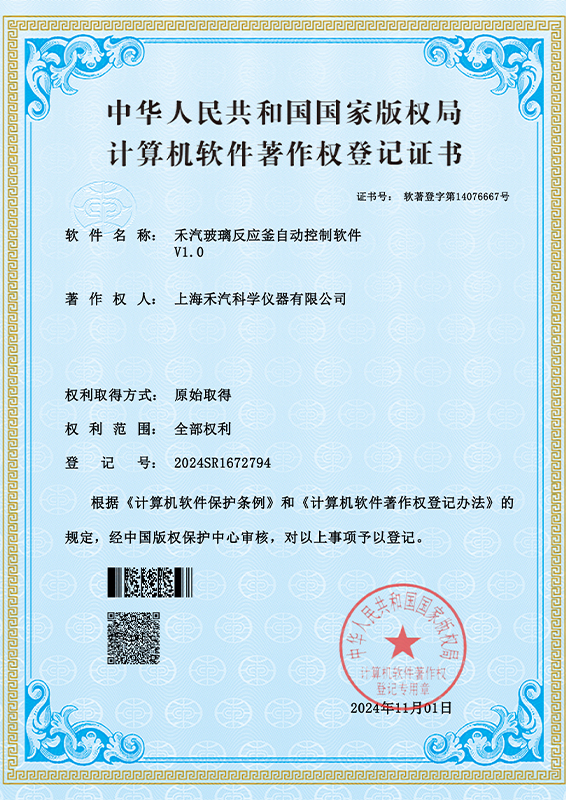
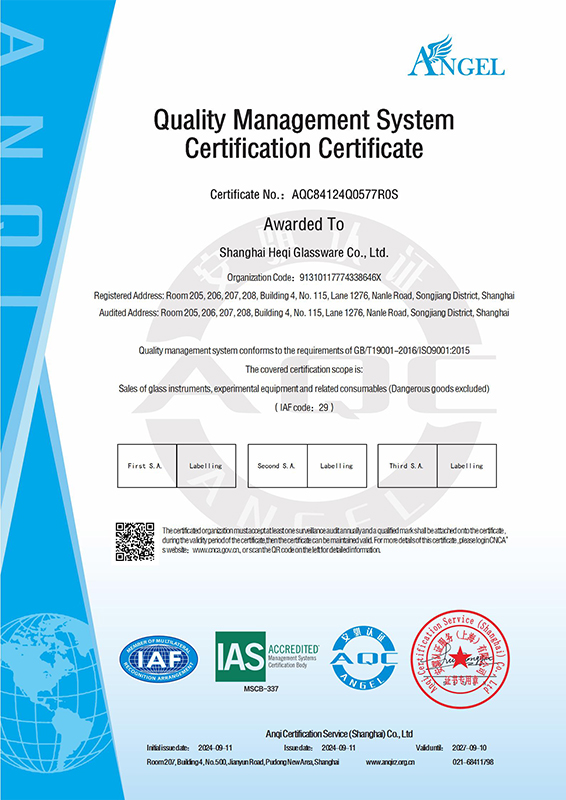
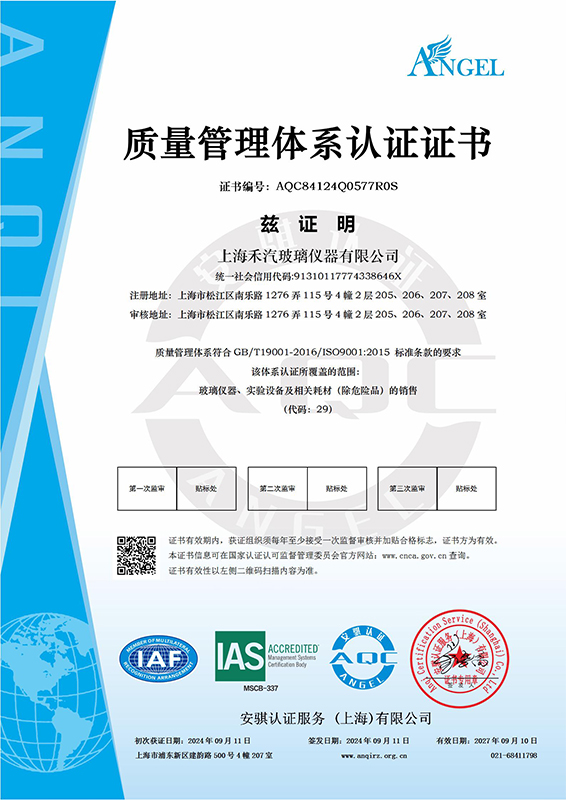
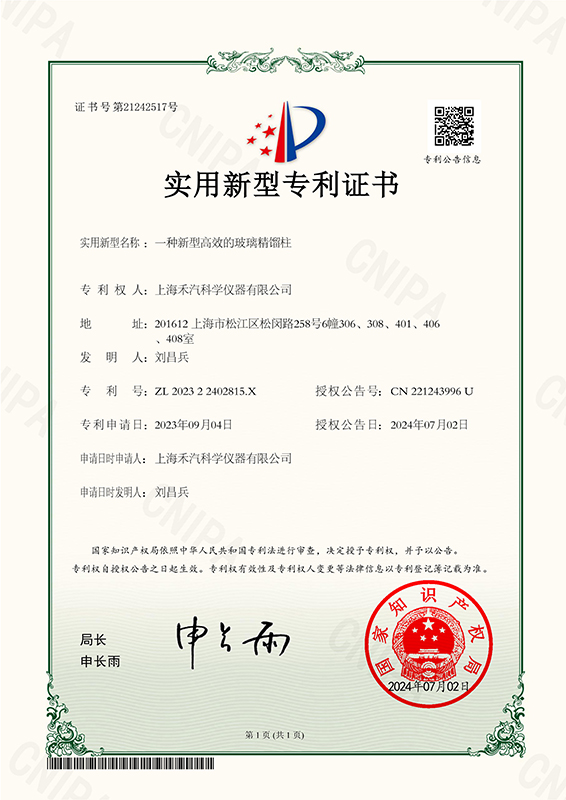
Certification
  • 1
  • 2
  • 3
  • 4
  • 5
  • 6
  • 7
Contact Us
Our custom service team is ready to provide you with expert advice and personalized solutions.
News
Industry Knowledge

Functional Significance and Technical Roles of Laboratory Vials in Research Workflows

Sample Containment Integrity and Chemical Inertness Standards

In modern analytical testing and chemical synthesis, laboratory vials serve as the primary contact vessel for protecting sample purity against environmental interference. The selection of container materials directly dictates whether a sample maintains its structural identity during storage, transport, or automated testing. High-purity Type I borosilicate glass remains the standard material for laboratory vials due to its low hydrolytic expansion and chemical neutrality. This material prevents alkali leaching, which can shift the pH balance of liquid samples or react with sensitive organic compounds. Research and production teams at Shanghai Heqi Glassware Co., Ltd. apply strict thermal stress-relief protocols during glass forming to ensure these small-capacity vessels resist thermal shock and mechanical fractures during ambient or low-temperature storage.

Vial Material Class Hydrolytic Resistance Thermal Shock Capacity Primary Analytical Application
Type I Borosilicate Glass High Resistance (Class 1) Up to 180°C Differential Chromatography (HPLC/GC) and Trace Analysis
Amber Borosilicate Glass High Resistance (Class 1) Up to 180°C Differential Light-Sensitive Reagents and UV Protection
Polypropylene (PP Resin) Moderate Chemical Resistance Up to 120°C Working Limit Heavy Metal Analysis and Biological Assays

Chromatographic Precision and Compatibility with Automated Instrumentation

Laboratory vials play a vital role in high-throughput analytical environments, particularly within High-Performance Liquid Chromatography (HPLC) and Gas Chromatography (GC) systems. Automated samplers rely on strict dimensional uniformity to accurately position robotic needles inside the vial without damaging sampling tips or failing to draw fluid. Dimensional deviations in neck outer diameter, thread pitch, or total height can cause mechanical jamming or incomplete sample injections. Facilities such as Shanghai Heqi Glassware Co., Ltd. manufacture standard-mouth glass instruments and vials using automated dimensional gauging to maintain tight tolerances, ensuring smooth robotic transfer across multi-sample autosampler trays.

Septa Sealing Engineering and Volatile Loss Mitigation

Preventing sample evaporation and atmospheric contamination requires precise alignment between the vial neck, closure cap, and internal septa material. Screw-top, crimp-top, and snap-top neck finishes offer distinct performance profiles depending on the volatility of the contained solvent. Septa liners, typically composed of PTFE/silicone composites, form a hermetic barrier that reseals after needle puncture during automated injections. Selecting appropriate septa durometer hardness ensures that autosampler needles pierce the liner smoothly without shearing off small rubber fragments into the solvent, a common cause of chromatographic column clogging and baseline interference.

Closure Profile Mechanical Seal Method Vapor Retention Profile Operational Suitability
Crimp-Top (Aluminum Cap) Physical Deformity Crimp Maximum Vapor Barrier Volatile Organic Analysis and Long-Term Storage
Screw-Thread (GPI Standard) Rotational Thread Pressure Re-Sealable Moderate-to-High Barrier Routine Daily Analytical Testing
Snap-Ring (Polymer Cap) Frictional Ridge Engagement Standard Short-Term Barrier High-Throughput Aqueous Sample Preparation

Light Protection and Spectral Shielding Performance

Certain organic compounds, pharmaceutical active ingredients, and biological markers undergo photo-degradation when exposed to ultraviolet or visible light spectra. Amber laboratory vials are specifically engineered to filter out light wavelengths below 500 nanometers while retaining the chemical inertness of borosilicate glass. The light-blocking capability is achieved by absorbing transition metal oxides into the glass matrix during raw material melting, creating an integral protective barrier that does not leach into contained liquids over time. This spectral shielding preserves photo-sensitive analytes throughout lengthy testing sequences and multi-day storage schedules.

Upstream Sample Preparation and Pilot Processing Integration

Laboratory vials form a critical connection point between large-scale preparation and final quantitative measurement. In pilot-scale research setups, raw extracts or synthesized compounds are refined using glass reactors, rotary evaporators, and distillation units before being aliquoted into small laboratory vials for precise concentration assays. Engineering groups at Shanghai Heqi Glassware Co., Ltd. coordinate standard-mouth glass dimensions across their specialized workshops to ensure seamless sample transfer from pilot processing equipment into storage and analysis vials, minimizing sample loss during multi-step experimental workflows.

FAQ

Q: What dimensional features ensure laboratory vials run smoothly without jamming autosampler tray systems?

A: High-throughput HPLC and GC autosamplers require strict dimensional uniformity in vial height, neck diameter, and thread pitch. Specialized glass manufacturing lines, such as those at Shanghai Heqi Glassware Co., Ltd., employ precise dimensional controls to ensure robotic needles align correctly and vials transition smoothly through automated sampling trays.

Q: How do PTFE/silicone septa liners maintain sample integrity after repeated needle punctures during chromatography?

A: PTFE/silicone septa liners combine an chemically inert PTFE inner layer with a resilient silicone backing. The PTFE barrier prevents solvent interaction with the rubber, while the silicone core provides elastic memory, allowing the liner to reseal immediately after needle withdrawal to minimize solvent evaporation and volatile loss.

Q: When should analytical labs select crimp-top vials instead of standard screw-thread laboratory vials?

A: Crimp-top vials with aluminum seals are preferred for volatile organic compounds and long-term sample storage because the mechanical crimp provides a uniform, tamper-evident hermetic barrier. Screw-thread vials offer greater convenience and re-sealability for routine daily testing where frequent manual opening or septum piercing is required.

Q: How do amber laboratory vials prevent photo-degradation in light-sensitive chemical reagents?

A: Amber glass vials incorporate metal oxide additives into the borosilicate glass matrix to filter out light wavelengths below 500 nanometers. This spectral shielding blocks ultraviolet and short-wavelength visible light, protecting light-sensitive compounds from photolysis without introducing leaching risks to the sample.

Q: How do standard-mouth glass specifications streamline sample transfer from pilot reactors into laboratory vials?

A: Utilizing standardized ground-mouth joints and compatible neck geometries across synthesis equipment allows direct, leak-free fluid transfer. Production facilities like Shanghai Heqi Glassware Co., Ltd. align standard dimensions across glass reactors, distillation units, and collection vials, minimizing cross-contamination and sample loss during multi-stage preparation workflows.