Custom Lab Chain and Column Clamps

Home / Products / Clamps,Supports & Bases / Chain and Column Clamps

Lab Chain and Column Clamps Suppliers

Grid
List

For multi-purpose: fixing test tubes, flasks, condensers or irregular objects, protecting glassware and laboratory instruments. It can fix 40-145mm in diameter. The slideable chain and adjustable knob help to fix and diecasting is durable.

View More
About
Shanghai Heqi Glassware Co., Ltd.

One point of professionalism, one point of service, one point of companionship—allow me to be your reliable partner on the path forward!

Shanghai Heqi was founded in March 2002, It is China Lab Chain and Column Clamps Suppliers and Lab Chain and Column Clamps Manufacturers, Specializing in the R&D and production of standard-mouth glass instruments. Over the years, the company has established production bases in locations such as Songjiang, Chengdu, Jiaxing, and Yancheng. By integrating technology, craftsmanship, and management expertise, Heqi has adopted mechanized and semi-mechanized techniques to replace traditional manual methods. It has also introduced assembly-line industrial processes to replace simple workshop-style production, thereby reducing costs and improving quality.

To deliver on its service commitment of “you make a call, we handle the rest,” Heqi also supplies a range of high-quality glass instruments, lab consumables, and experimental equipment from both domestic and international brands. With ample inventory, fast delivery, and premium service, the company ensures full support for its clients.

In recent years, Shanghai Heqi has brought together experts in chemical R&D, mechanical design and processing, and electronic control to form a dedicated R&D team. The company has also set up three specialized workshops for glass, metalworking, and assembly. These facilities produce a variety of small and pilot-scale equipment, including glass reactors, rotary evaporators, distillation units, high- and low-temperature circulation systems, vacuum pumps, stirrers, and UV analyzers.

Leveraging its in-house capabilities in design, production, and custom fabrication of glass components, Shanghai Heqi continuously enhances product quality and service standards. It also supports the chemical and pharmaceutical industries by enabling customized small-scale and pilot-scale equipment solutions.
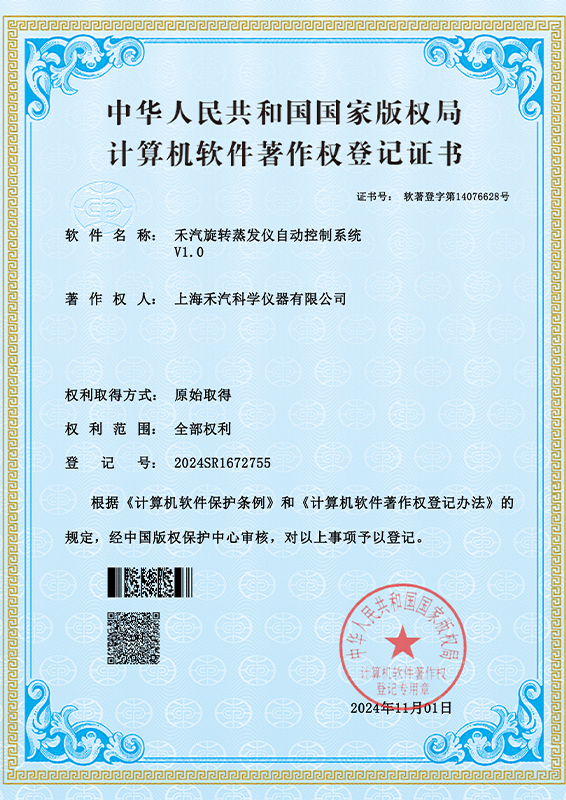
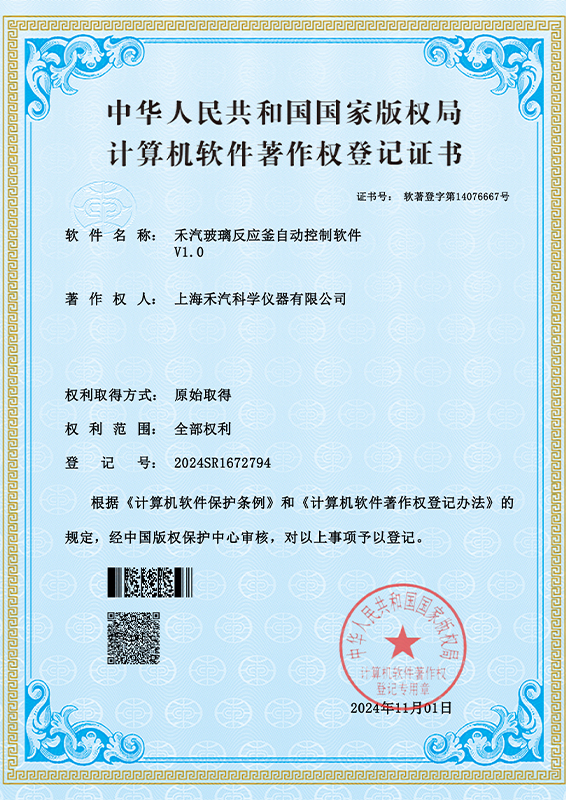
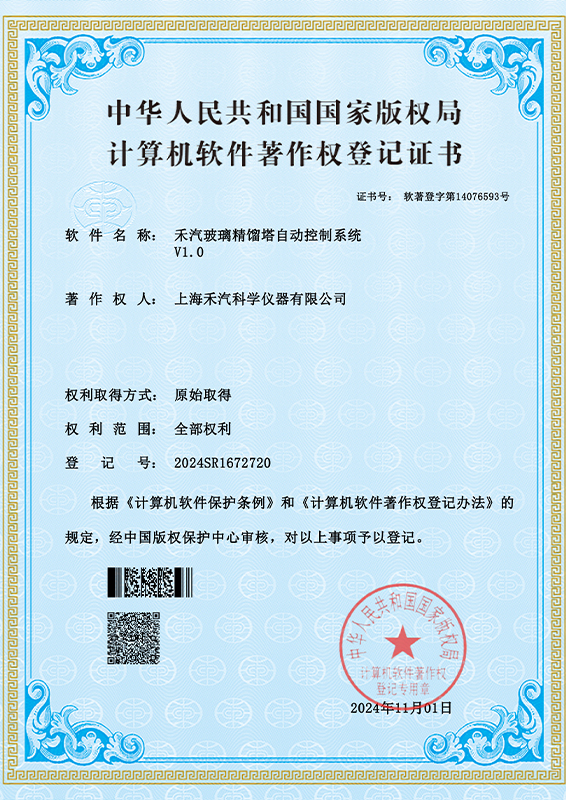
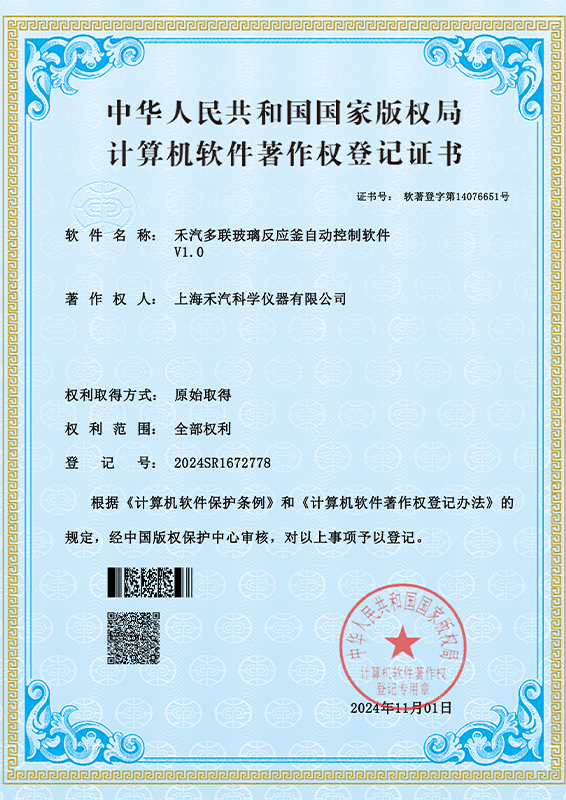
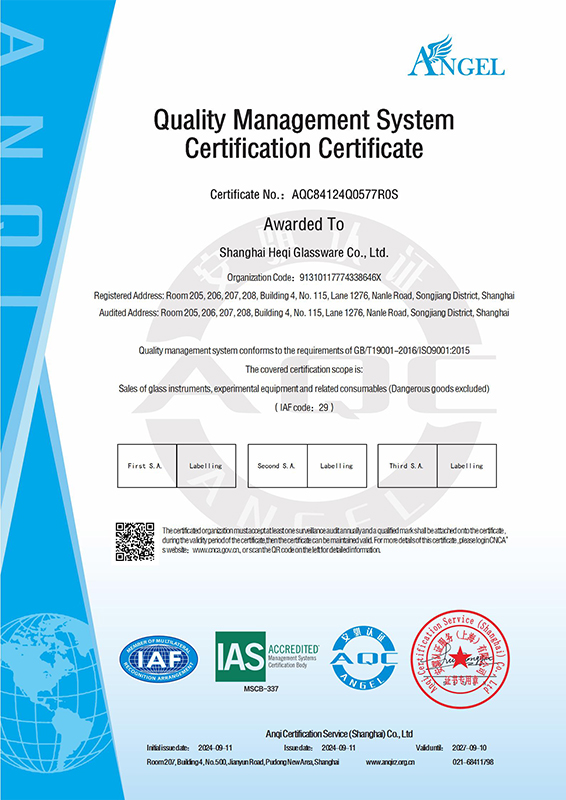
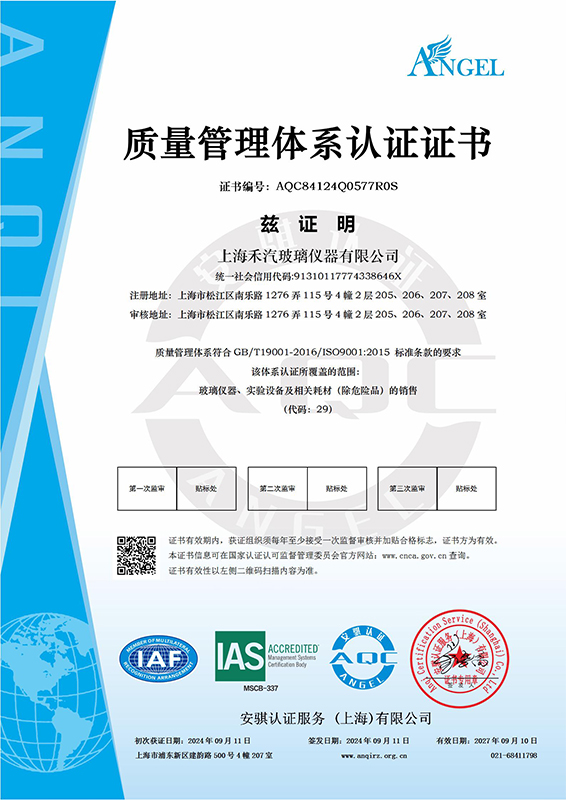
Certification
  • 1
  • 2
  • 3
  • 4
  • 5
  • 6
  • 7
Contact Us
Our custom service team is ready to provide you with expert advice and personalized solutions.
News
Industry Knowledge

How Do Laboratory Columns Support Complex Glassware Assemblies?

Mechanical Load Balancing and Axial Weight Transfer in Multi-Tier Glassware

Analytical and pilot-scale chemical setups—such as multi-stage fractional distillation, reflux reaction networks, and large-scale preparative separation lines—involve stacked glass modules that generate substantial downward gravitational load and lateral moment forces. Suspended glass columns, condenser tubes, and liquid distribution heads must be supported along a rigid vertical axis to prevent joint shear stress. Implementing a structured lab chain and column anchoring assembly provides continuous vertical stability by transferring the mechanical dead weight of heavy glass bodies directly onto heavy-duty floor stands or rigid scaffolding systems. The metalworking and assembly workshops at Shanghai Heqi Glassware Co., Ltd. manufacture high-tensile support shafts paired with multi-link chain brackets, ensuring that tall vertical glass configurations maintain true axial centerlines without placing bending moments on delicate ground-glass joint connections.

Load Capacities and Structural Performance Across Support Interfaces

Support Assembly Component Maximum Static Load Limit Vibration Attenuation Factor Operational Temperature Range
Heavy-Duty Steel Support Column 150 kg Vertical Load High Structural Rigidity -80°C to 400°C
Roller-Link Chain Clamp Bracket 45 kg Perimeter Load Absorbs Torsional Shocks -40°C to 260°C (PTFE-Lined)
Telescoping Modular Frame Column 85 kg Vertical Load Moderate Vibration Damping -50°C to 300°C
Cushioned Perimeter Chain Wrap 30 kg Radial Tension Damps Motor Resonance -30°C to 200°C (Silicone Pad)

Flexible Perimeter Tensioning and Large-Diameter Vessel Containment

Securing large-diameter spherical reactors, cylindrical column jackets, and heavy receiving flasks presents structural challenges for conventional rigid two-prong or three-prong metal extension clamps. Rigid jaws create concentrated point loads along the curved outer walls of large glassware, increasing the risk of mechanical fracture under stress. A lab chain and column securing mechanism solves this constraint by utilizing flexible, multi-segmented metal chains that conform precisely to the outer circumference of cylindrical or spherical glass vessels. Tensioning knobs draw the chain links tight around elastomeric or cork padding strips, distributing clamping pressure evenly around the entire 360-degree perimeter. This omnidirectional load distribution allows large-capacity reaction vessels and wide separation columns to remain firmly anchored during high-throughput chemical processing.

Thermal Expansion Accommodation Across Dynamic Temperature Extremes

System Material Component Coefficient of Thermal Expansion (10⁻⁶/K) Thermal Stress Response Behavior
Borosilicate Glass 3.3 Body 3.3 Minimal expansion under high thermal gradient
316 Stainless Steel Chain Support 16.0 to 18.0 Expands linearly; requires spring-loaded tensioning
Structural Steel Frame Shaft 12.0 Controlled expansion aligned with vertical support axes
Fluoropolymer (PTFE) Cushion Liner 100.0 to 160.0 Yields under pressure to absorb dimensional shifts

Mitigation of Mechanical Resonance and Stirring Torque Dynamics

Pilot-scale synthesis systems equipped with high-torque overhead motors generate rotational vibration that propagates through glass agitator shafts and reactor covers. If unmitigated, harmonic vibrations can loosen vacuum fittings, cause ground-joint binding, or induce fatigue micro-cracks along structural glass welds. Connecting glass reaction vessels and distillation columns to a lab chain and column support frame isolates kinetic energy at key structural nodes. Glass processing facilities and testing laboratories at Shanghai Heqi Glassware Co., Ltd. design these flexible chain supports to act as mechanical dampers, absorbing rotational torque from stirrers and fluid circulation pumps before dynamic vibrations can disrupt joint sealing or cause alignment drift in linked glass assemblies.

Modular Integration into Closed-Loop Pilot Distillation and Reaction Systems

System Interface Node Support Hardware Specification Operational Function in Reaction Assembly
Glass Reactor Main Body Port Chain Clamp on Tubular Steel Column Anchors primary vessel weight above circulation base
Vapor Column / Reflux Condenser Joint Vertical Extension Guide Rod & Chain Maintains vertical alignment for gas-liquid contact
Rotary Evaporator Condenser Tower Cantilevered Column & Segmented Chain Supports angled condensing mass during rotation
Vacuum Pump & Fluid Receiver Line Multi-Port Support Mounting Ring Prevents line sag and seals ground-joint connections

Chemical Environment Resistance and Long-Term Structural Maintenance

Exhaust fumes, acid vapors, and volatile organic solvents present in chemical processing environments can rapidly degrade standard untreated metals, causing corrosion, thread binding, and rust shedding. Structural columns and chain assemblies engineered for long-term service utilize 304 or 316 stainless steel, heavy nickel plating, or powder-coated chemical-resistant finishes. These material treatments prevent oxidation when exposed to acidic vapors during reflux distillation or solvent recovery procedures. Equipment manufactured by Shanghai Heqi Glassware Co., Ltd. incorporates corrosion-resistant chain-and-column support hardware, ensuring that modular glass reactors, circulation units, rotary evaporators, and vacuum systems remain structural, stable, and safe over extended operational lifespans.

FAQ

Q: How does a lab chain and column support system prevent localized point-stress fractures on large-diameter glass vessels?

A: Rigid metal extension jaws concentrate mechanical pressure onto narrow points along curved glass walls, increasing fracture risks under heavy volumetric loads. A lab chain and column system utilizes flexible, multi-segmented roller chains that wrap around the 360-degree outer circumference of cylindrical or spherical vessels. Fabricated in specialized workshops at Shanghai Heqi Glassware Co., Ltd., these cushioned chain assemblies distribute clamping tension uniformly, securing large-capacity glass reactors without generating destructive point loads.

Q: What mechanisms in a lab chain and column assembly accommodate thermal expansion during high-temperature reflux reactions?

A: Dynamic temperature increases cause metal support frames and borosilicate glass vessels to expand at different rates. Heavy-duty lab chain and column assemblies incorporate spring-tensioned adjustment screws and fluoropolymer or cork padding liners. These resilient interface materials compress and yield under thermal pressure, absorbing differential dimensional changes and holding reaction vessels stable throughout extreme heating or cooling cycles.

Q: How do lab chain and column fixtures maintain vertical axial alignment across tall fractional distillation setups?

A: Stacked glass distillation columns and heavy condensing heads create significant downward dead weight and lateral bending moments on ground-glass joints. High-tensile steel columns paired with adjustable perimeter chain brackets establish a rigid vertical backbone. Engineering teams at Shanghai Heqi Glassware Co., Ltd. design these mounting frameworks to transfer structural weight directly to support stands, preventing joint shear stress and preserving hermetic vacuum seals across multi-tier glass networks.

Q: Why is vibration damping essential when using lab chain and column supports on reactors with high-torque overhead stirrers?

A: High-viscosity mixing generates rotational resonance that propagates down agitator shafts into glass vessel covers, risking joint binding or micro-cracking. Rigidly anchoring the glass vessel to a heavy-duty lab chain and column frame acts as a mechanical damping node, absorbing rotational torque and isolating dynamic vibrations before they can disturb vacuum integrity or loosen peripheral glassware attachments.

Q: What chemical-resistant treatments protect lab chain and column hardware from corrosive acid vapor environments?

A: Acid vapors and organic solvent fumes from distillation and reflux processes rapidly oxidize untreated metal fixtures. Premium lab chain and column hardware is constructed from 300-series stainless steel or treated with chemical-resistant powder coatings and heavy nickel plating. These protective surfaces resist ambient chemical oxidation, preventing thread binding and ensuring long-term structural integrity in pilot-scale processing environments.