How Do Instatherm Oil Baths Elevate Thermal Stability and Heat Transfer Efficiency in Complex Laboratory Syntheses?
Achieving uniform caloric delivery across spherical reaction vessels remains a cornerstone requirement in modern synthetic chemistry, pharmaceutical process development, and industrial refinement workflows. Spherical glass containers lack flat contact surfaces, making conventional heating plates inefficient and prone to inducing severe localized thermal stress. Instatherm Oil Baths represent an integrated heating solution featuring intelligent digital temperature regulation designed to deliver a highly uniform and stable high temperature thermal environment. By encasing reaction vessels in a fluid heating medium with continuous electronic feedback, these integrated apparatuses provide an ideal platform for distillation, refluxing, and complex organic reactions where consistent heat distribution is paramount.
Fluid Convection Dynamics and Heat Transfer Mechanics in Liquid Enclosures
The primary operational advantage of Instatherm Oil Baths stems from the direct physical contact between the heat transfer liquid and the wetted external walls of submerged glass vessels. Unlike dry heating blocks or metallic inserts that leave micro air gaps along the glass surface, liquid thermal media conform completely to complex spherical and multi-neck vessel geometries. High performance synthetic thermal fluids, such as phenyl-methyl silicone oils, exhibit high specific heat capacities and excellent chemical resistance against oxidative degradation at elevated processing temperatures.
Heat transfer within the bath chamber occurs through a combination of natural thermal convection and dynamic fluid motion. Heating elements positioned along the lower internal perimeter of the stainless steel reservoir generate rising thermal currents that circulate continuously around the submerged flask. This continuous liquid movement eliminates stagnant thermal boundary layers and prevents localized cold spots along the glass wall. Delivering uniform caloric flux across the wetted vessel surface ensures predictable reaction kinetics, prevents thermal degradation of sensitive active pharmaceutical ingredients, and minimizes localized boiling surges during delicate distillation protocols.
Microprocessor-Driven PID Temperature Regulation and Dual-Sensor Control Systems
Accurate chemical processing requires exact thermal regulation rather than simple open loop power adjustments. Modern Instatherm Oil Baths incorporate digital microprocessor controllers utilizing proportional integral derivative algorithms to manage electrical energy delivery. These intelligent control units continuously compute the variance between setpoint targets and actual fluid temperatures, modulating power to the internal heating elements through silent solid state relays.
To maintain narrow temperature tolerances during prolonged heating runs, advanced systems employ dual temperature sensor configurations. Primary resistance temperature detectors monitor the bath fluid, while optional secondary temperature probes are inserted directly into the internal reaction mass through a ground glass joint neck. The digital controller adjusts fluid heating dynamics based on real time reaction endotherms or exotherms, preventing setpoint overshoot during rapid ramp phases and maintaining setpoint stability within fractional degree margins over multi-day operations.
Mitigating Thermal Shock and Preserving Structural Integrity in Glass Reaction Interfaces
Subjecting borosilicate glass vessels to rapid, uneven temperature transitions introduces mechanical strain within the silica matrix, increasing the probability of catastrophic vessel failure. Transferring a room temperature flask directly into a dry, high temperature cavity generates steep thermal gradients that can fracture the glassware. Instatherm Oil Baths serve as a protective thermal buffer, allowing heat energy to transfer gradually and evenly across the glass interface.
The high thermal mass of the surrounding oil dampens rapid temperature fluctuations caused by ambient air currents or cold reagent additions. Operating within specified temperature boundaries preserves the optical transparency of the fluid, allowing research personnel to observe color changes, phase separations, and precipitation events directly through the bath media. Structural casing design incorporates multi-layered insulation walls, keeping exterior metal housings cool to the touch while maximizing thermal energy retention within the reservoir.
|
Thermal Transfer Equipment Type
|
Heat Flux Distribution Uniformity
|
Temperature Regulation Precision
|
Thermal Shock Protection Level
|
Long Run Maintenance Overhead
|
Total Operational Risk Profile
|
|
Instatherm Oil Baths
|
Complete fluid conformity across curved glass profiles
|
High precision digital proportional integral derivative regulation
|
Superior liquid thermal buffering capacity
|
Low to moderate fluid replacement requirements
|
Low risk of vessel cracking or thermal runaway
|
|
Dry Metal Insert Blocks
|
Point contact with thermal air gaps along glass curvature
|
Moderate accuracy subject to thermal lag through metal mass
|
Higher shock risk during cold vessel insertion
|
Minimal maintenance with zero consumable fluid costs
|
Moderate risk of localized glass stress points
|
|
Uncirculated Static Oil Tanks
|
Moderate fluid contact prone to internal heat stratification
|
Basic analog feedback susceptible to setpoint drift
|
Moderate liquid thermal buffering capability
|
High fluid replacement due to localized element scorching
|
Moderate risk of temperature overshoot
|
|
Direct Infrared Radiant Heaters
|
Non-contact line of sight radiant energy transmission
|
Fast response with low thermal storage capacity
|
High shock risk during rapid power adjustment cycles
|
Low maintenance with exposed quartz element fragility
|
High risk of localized sample scorching
|
How Do Industrial Buyers Evaluate Instatherm Oil Baths Suppliers for Pilot Plant Integration and Custom Manufacturing?
Procurement decisions in commercial chemical processing and pharmaceutical synthesis extend beyond initial equipment cost. Technical buyers, facility managers, and process engineers evaluate long term reliability, supply chain stability, custom engineering flexibility, and manufacturing quality control when selecting equipment partners. Evaluating these thermal processing platforms requires rigorous verification of manufacturing infrastructure, engineering support capabilities, and quality management frameworks.
Industrial Quality Assurance Standards and Manufacturing Consistency Audits
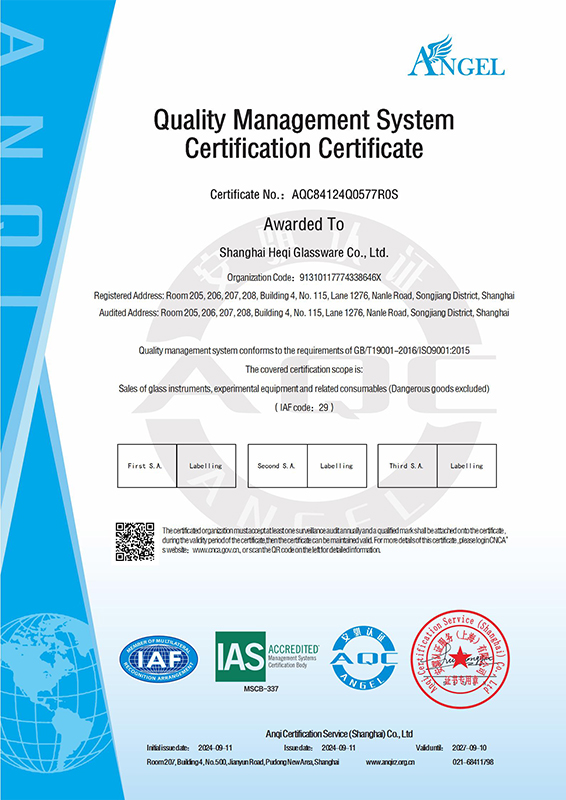
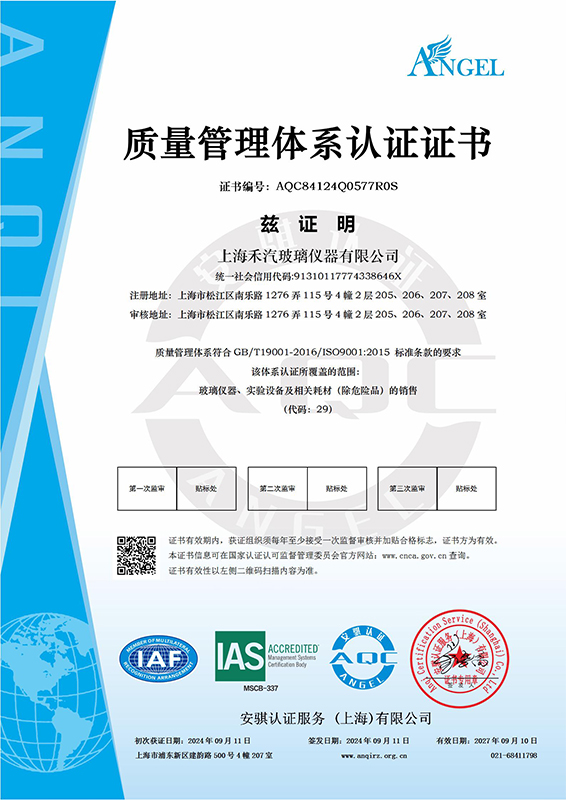
Evaluating equipment suppliers begins with a thorough audit of manufacturing quality control protocols and assembly line standardization. Transitioning from small workshop assembly to industrial production lines is essential to eliminate structural variations, electrical resistance discrepancies, and sensor calibration errors across large production runs. Established equipment manufacturers such as Shanghai Heqi Glassware Co., Ltd. address these requirements by modernizing scientific instrument production through mechanized and semi-mechanized manufacturing workflows.
Founded in March 2002, Shanghai Heqi Glassware Co., Ltd. operates expansive production infrastructure across key industrial locations including Songjiang, Chengdu, Jiaxing, and Yancheng. Replacing traditional manual methods with standardized assembly line processing enables the organization to maintain uniform electrical insulation standards, precise wire placement, and consistent stainless steel reservoir welds while lowering manufacturing costs. Technical buyers auditing these facilities look for standardized electrical safety testing, high voltage insulation verification, and automated temperature sensor calibration, ensuring that every unit deployed in commercial pilot plants operates reliably under continuous multi-shift production conditions.
Precision Vessel Fitting, Modular Thermal Chambers, and Custom Hardware Co-Engineering
Specialized chemical process scaling often requires non-standard thermal profiles that standard catalog hardware cannot accommodate. Rather than forcing standard heating units onto non-standard reactor bodies, process engineers require customized thermal enclosures engineered specifically around specialized vessel dimensions, unusual side-arm configurations, or unique overhead mechanical drives. Shanghai Heqi Glassware Co., Ltd. resolves these integration challenges by maintaining dedicated engineering design teams that work directly from client technical drawings and process schematics.
As a specialized Instatherm Oil Baths Manufacturer, the enterprise aligns metallic chamber geometry, internal heating element placement, and digital control electronics directly with the exact dimensions of custom borosilicate vessels. This customized engineering approach ensures optimal liquid clearance around complex multi-port reactor heads, prevents structural mechanical interference with support scaffolding, and optimizes heat delivery across custom glass reaction kettles. Technical buyers benefit from single-source engineering where heating apparatuses, specialized mounting clamps, digital controllers, and matching glass reactor assemblies are engineered simultaneously to eliminate fitment errors during plant installation.
Sourcing Convenience, Inventory Staging, and Turnkey Service Commitments
Maintaining active commercial research and production schedules requires dependable supply chain logistics and rapid order fulfillment. Unplanned downtime caused by broken heating elements, fluid degradation, or missing mounting accessories can halt entire synthesis lines and delay product launch timelines. Partnering with established China Lab Instatherm Oil Baths Suppliers and Lab Instatherm Oil Baths Manufacturers provides significant operational advantages regarding procurement speed, stock availability, and long term technical support.
To fulfill its operational service commitment of you make a call, we handle the rest, Shanghai Heqi Glassware Co., Ltd. maintains extensive ready to ship inventory across its regional distribution centers. Ample warehousing allows rapid order processing for standard catalog units, replacement heating modules, and auxiliary lab consumables, ensuring commercial facilities can establish new experimental lines or replace worn hardware without extended procurement lead times. Direct engineering support simplifies the customization process, enabling process engineers to convert technical drawings into functional, high performance heating systems tailored for pilot plant operations.
FAQ:
How do Instatherm Oil Baths manage thermal fluid expansion and prevent oxidation during multi-day heating cycles?
Managing thermal fluid volume changes requires adequate reservoir head space and selection of thermally stable liquid media. As silicone oil heats from ambient room temperature to elevated operational limits, its volume expands predictably. Instatherm Oil Baths incorporate expanded internal reservoir depth above the primary heating elements to contain expanded fluid safely without overflow risks. Selecting high grade synthetic silicone fluids formulated with oxidation inhibitors prevents polymer cross-linking, sludge formation, and thermal breakdown at continuous elevated temperatures. Digital microprocessors continuously regulate heat flux, preventing localized element surface temperatures from exceeding the fluid degradation threshold.
What safety mechanisms protect chemical technicians against electrical hazards and liquid thermal flashovers?
Operator protection relies on physical containment features, electrical isolation, and redundant thermal limit controls. The internal bath reservoir is deep drawn from high grade corrosion resistant stainless steel with seamless welds, ensuring zero liquid leakage into lower electrical compartments. Primary safety is provided by independent over-temperature limit switches that automatically sever main electrical power to the heating elements if fluid temperatures exceed safe operational thresholds. Grounded metallic outer casings divert short circuit currents directly to earth ground, tripping circuit breakers before electrical hazards reach technical personnel. In the event of internal flask breakage, the non-conductive nature of synthetic silicone oil prevents immediate chemical reaction with live submerged heating elements, allowing operators to safely power down the unit and drain the chamber using integrated drainage ports.
How does the integration of dynamic magnetic stirring improve reaction kinetics inside submerged reaction flasks?
Combining thermal fluid heating with magnetic fluid agitation creates a dual convection mechanism that accelerates thermal equilibration. Instatherm Oil Baths feature integrated brushless electric motors positioned beneath the non-magnetic stainless steel reservoir base. These drive motors rotate high flux permanent magnets that couple with fluoropolymer coated stir bars placed inside the submerged chemical flask. Continuous rotation of the stir bar forces internal reaction liquids across the heated inner surface of the glass vessel, maximizing convective heat transfer coefficients. The rotating movement of the flask base creates gentle fluid movement within the surrounding oil media, eliminating stagnant thermal boundary layers and ensuring uniform heat delivery across the entire submerged glass area.
What routine cleaning and fluid management protocols maintain thermal transfer efficiency over extended service periods?
Maintaining fluid purity and surface cleanliness ensures consistent heat transfer efficiency and extends equipment working life. Over time, ambient dust, volatile organic drips, or trace moisture can accumulate in the thermal fluid, reducing clarity and altering heat capacity. Before performing maintenance, the unit must be powered off and allowed to cool completely to room temperature. The spent oil is drained through the dedicated bottom outlet valve into an appropriate disposal container. The interior stainless steel reservoir walls should be wiped with non-abrasive absorbent materials and cleaned using mild organic solvents to remove residual film. After inspecting the heating element surfaces for deposits, fresh silicone oil of the appropriate viscosity and temperature rating is added. Regular fluid replacement preserves optical clarity for reaction monitoring and maintains accurate temperature control calibration.
How do China Lab Instatherm Oil Baths Suppliers support custom vessel geometries for specialized pilot plant reactors?
Established equipment suppliers such as Shanghai Heqi Glassware Co., Ltd. provide comprehensive custom engineering capabilities to support non-standard vessel geometries and specialized process setups. Industrial pilot plants frequently utilize non-catalog spherical reactors, wide-flange reaction kettles, or multi-neck processing flasks that require tailored bath dimensions. Experienced engineering teams use three dimensional mechanical modeling to design custom reservoir geometries, specialized vessel support rings, and tailored heating element arrays that match exact glass profiles. Internal metalworking and assembly workshops fabricate custom stainless steel housings, structural mounting frames, and modified sensor ports. This integrated manufacturing capability ensures that custom thermal units deliver precise fitment, uniform heat coverage, and reliable operational stability for specialized chemical synthesis hardware.
Why is digital PID regulation essential for maintaining product yield during fractional distillation procedures?
Fractional distillation processes depend on precise, stable vapor generation to achieve clean component separation based on boiling point differentials. Manual analog regulators merely adjust input electrical power percentages without monitoring actual fluid or vapor temperatures. As ambient room temperatures fluctuate or liquid volumes decrease inside the boiling flask, analog systems experience temperature drift, leading to boiling surges or complete cessation of vaporization. Digital PID controllers constantly calculate temperature error margins and adjust power output dynamically using solid state relays. This precise power modulation maintains bath temperatures within narrow fractional degree limits, ensuring steady vapor velocity through fractionating columns, preventing column flooding, and maximizing chemical separation purity.


 English
 Français
 Español