English
 Français
 Español
Understanding ASTM Compliance in Lab Glassware: What It Means and How to Verify It
When a new case of volumetric flasks arrives, it is easy to assume that the word "ASTM" on the box means a government agency has approved the glassware. It usually does not. ASTM compliance means that a product has been designed, manufactured, and tested to meet one or more technical standards published by ASTM International. For laboratory glassware, compliance matters most in three areas: glass composition, the fit of ground-glass joints, and volumetric accuracy.
What ASTM compliance actually means
ASTM International—originally the American Society for Testing and Materials—develops consensus standards used across manufacturing, construction, energy, and laboratory work. Its portfolio covers more than 13,000 standards. These standards do not appear by government decree; they are written by committees of volunteer scientists, engineers, and industry representatives.
When a laboratory product is described as "ASTM compliant", it should mean the product meets the requirements in a specific standard. That can cover dimensions, material properties, test methods, marking, or performance limits. ASTM itself does not enforce compliance. In practice, the manufacturer, an importer, or an independent laboratory performs testing and provides a report or certificate.
ASTM standards also cover test methods. A supplier can use an ASTM method to measure wall thickness, glass strain, or thermal shock resistance. When you see a statement that a product was "tested according to ASTM", it may mean only that a specific procedure was followed, not that the product meets every requirement in a standard. This is why asking for the standard number matters.
Is ASTM compliance a legal requirement?
For most laboratory glassware, the answer is no. ASTM standards are voluntary unless a regulation, code, or contract makes them compulsory. A state procurement specification, an accreditation body, or a customer's internal quality system can make ASTM compliance mandatory for a particular order.
For a busy lab, the practical reason to care is risk reduction. If a ground-glass joint is slightly off specification, it may not form a seal with a condenser. If a buret's calibration is outside tolerance, the measured volume changes even if the meniscus looks correct. ASTM compliance is often the least expensive way to build consistency across suppliers and across batches.
ASTM standards that matter in laboratory glassware
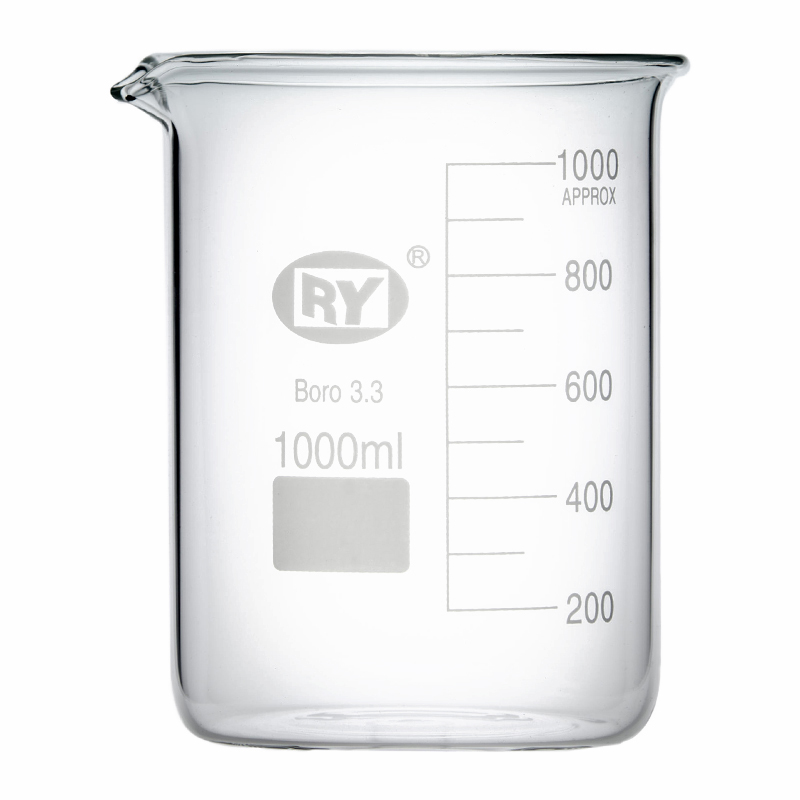
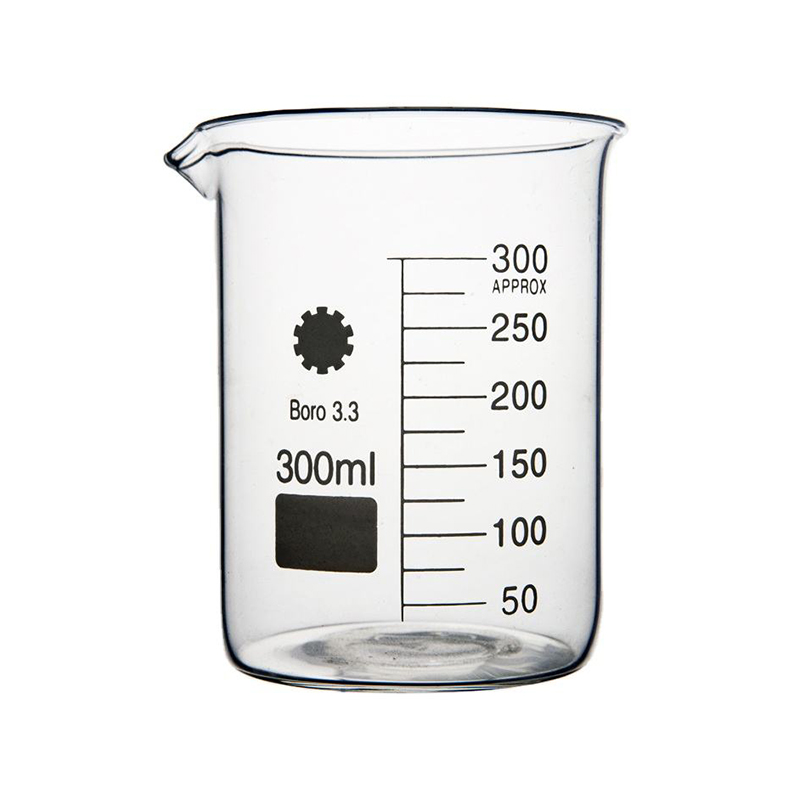
Not every glass item has the same compliance path. A beaker may meet material and annealing standards without being held to volumetric tolerances, while a volumetric flask has to be. Before you compare options, identify which standard applies to the product you need.
Glass composition and annealing
Borosilicate 3.3 glass is a familiar baseline for general-purpose lab glassware. The "3.3" in the name refers to its low coefficient of thermal expansion. ASTM E438 defines the material expectations for this type of glass, including hydrolytic resistance and thermal expansion behavior. ASTM E671 sets a limit on residual stress after annealing. Glass that has not been annealed properly carries internal stress that can cause shattering when the vessel is heated or evacuated.
Standard ground joints and connections
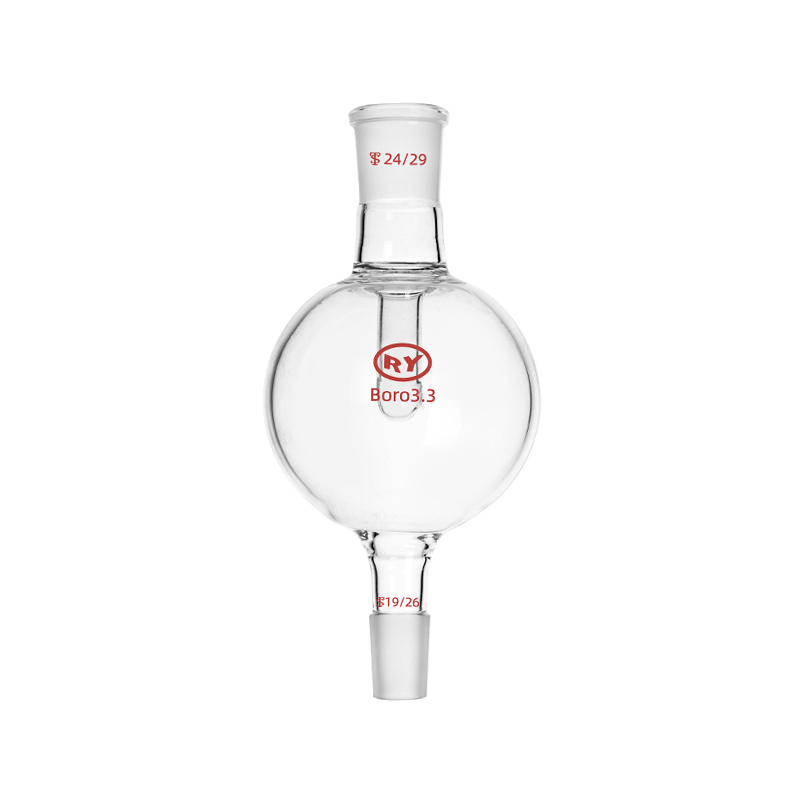
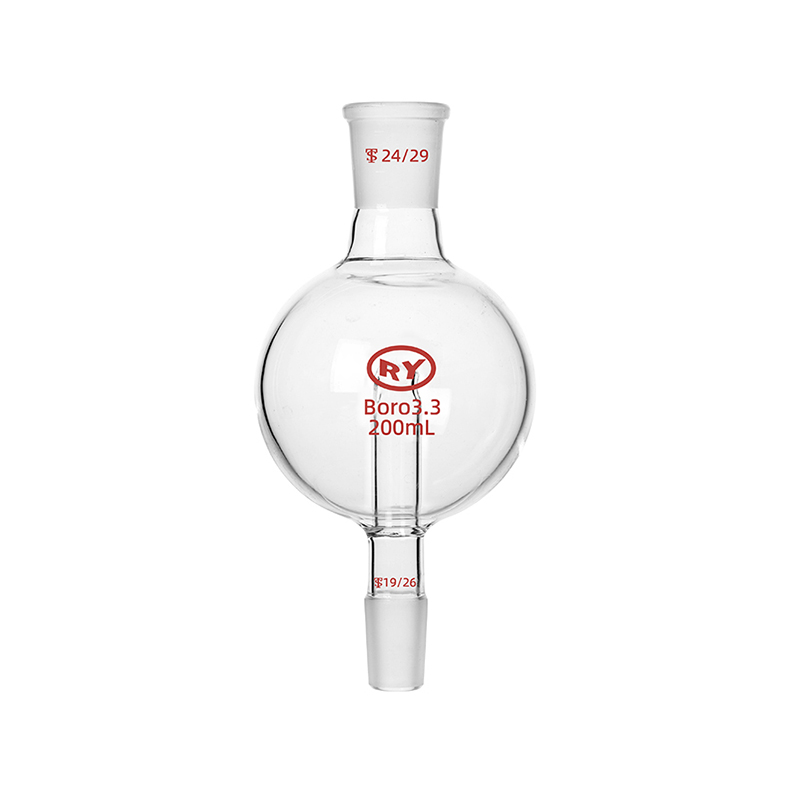
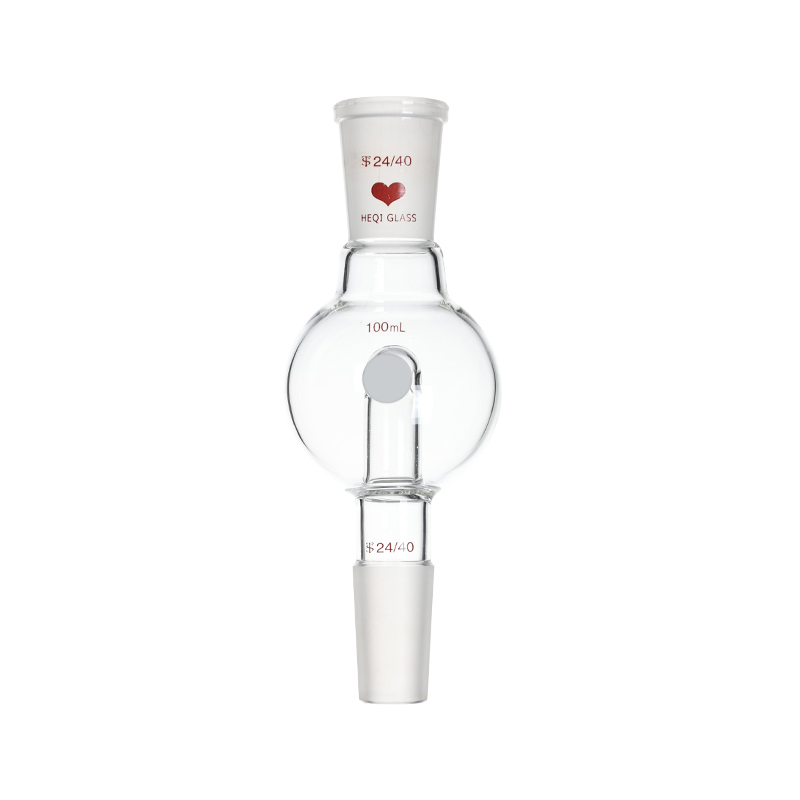
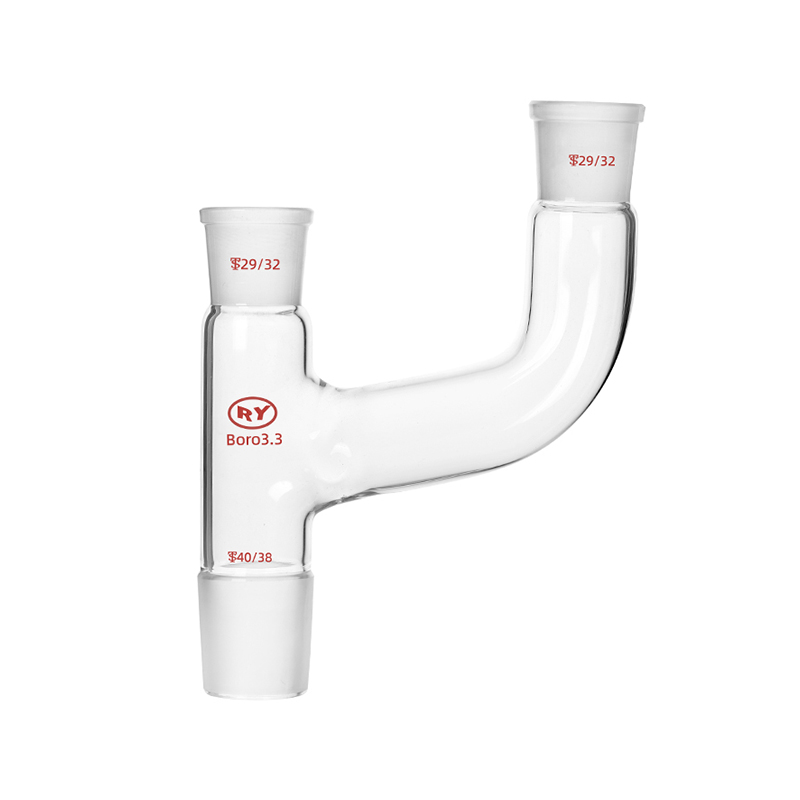
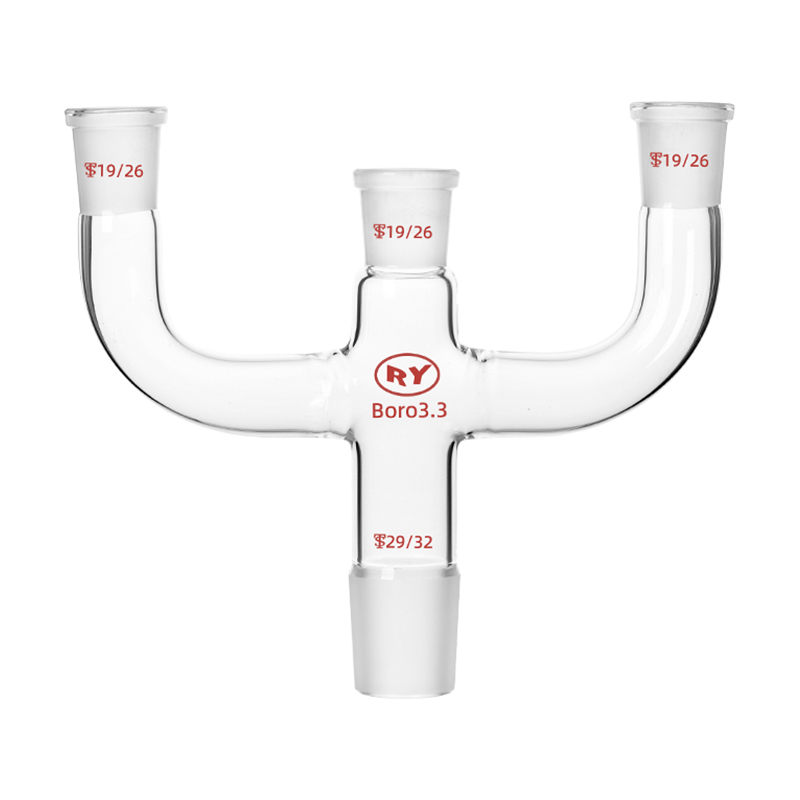
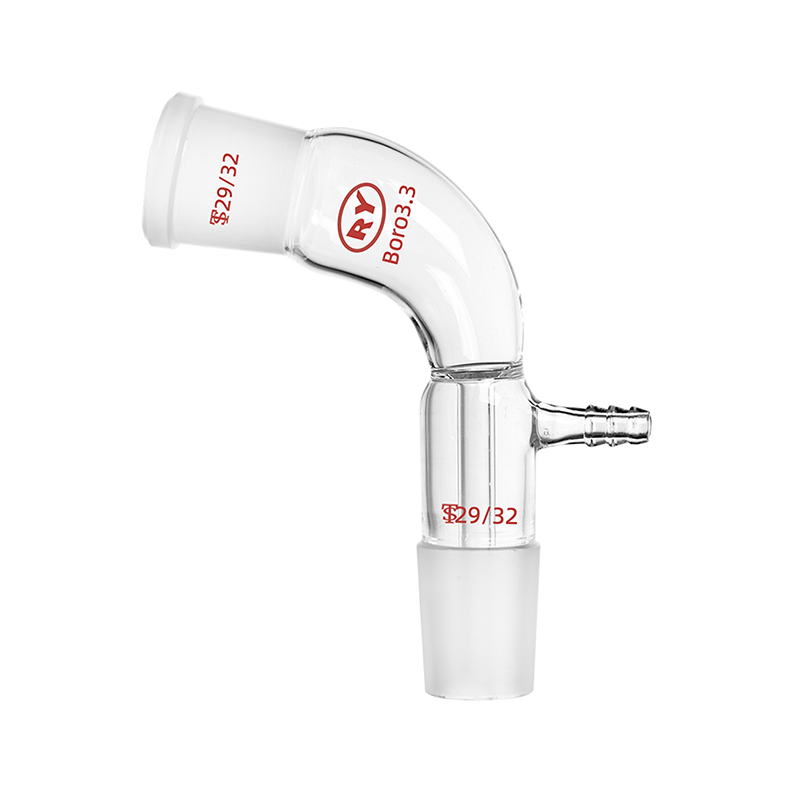
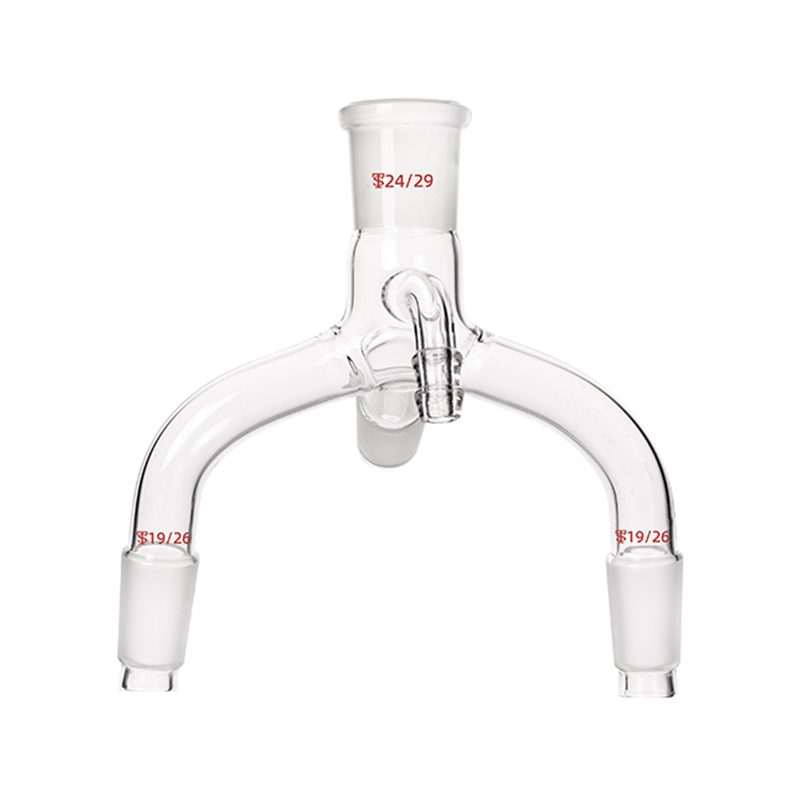
Interchangeable ground joints are a separate compliance point. The dimensional tolerance of the taper determines whether a flask, a condenser, and an adapter can be connected without leaks. Standards such as ASTM E675 help ensure that a flask from one production lot still fits a condenser from another. This is where standard ground joint glassware earns its name.
Volumetric accuracy
Class A volumetric glassware is manufactured to tighter capacity tolerances than Class B and is tested at 20°C. For example, a 100 mL Class A volumetric flask is normally within ±0.08 mL, while a Class B flask is allowed roughly ±0.20 mL. This difference matters when you are preparing standards or reading a titration endpoint. If you run analytical methods that require dependable volumes, choose Class A precision glassware.
| Area | Typical standard | What it controls |
|---|---|---|
| Glass composition | ASTM E438 | Borosilicate material properties |
| Annealing | ASTM E671 | Residual stress limit |
| Ground joints | ASTM E675 | Taper dimensions and fit |
| Volumetric ware | ASTM E288 / E287 / E969 | Capacity tolerances at 20°C |
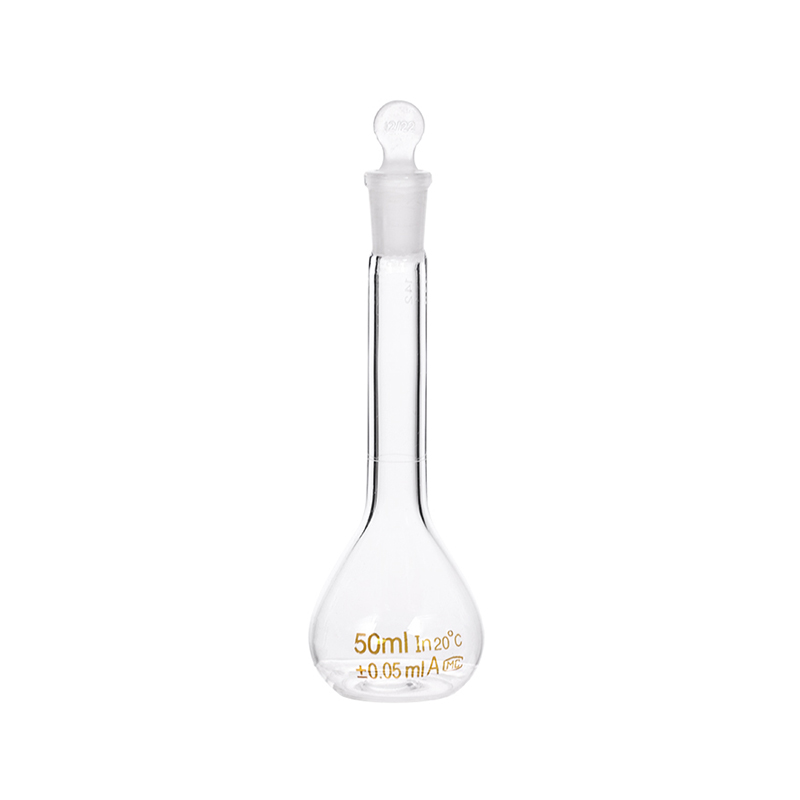 Class A Borosilicate Volumetric Flask for Precise Solution PreparationThis Class A volumetric flask meets tight capacity tolerances, ensuring reliable volume measurements essential for preparing analytical standards and accurate titration work.View Product →
How to verify ASTM compliance when buying glassware
Verification is a matter of documentation and inspection, not trust. A responsible supplier should be able to tell you the exact standard that applies and show how that standard is checked in production.
- Ask for a certificate of conformance or a test report that names the ASTM standard and the tested values.
- Confirm the markings. Volumetric Class A glass should show capacity, tolerance class, calibration temperature, and, when required by the standard, an identifying number.
- Inspect the finish. Look for bubbles, cracks, sharp tool marks, or uneven wall thickness.
- For ground joints, fit two mating pieces together and check that they turn with an even, light film of grease or PTFE sleeve.
Keep the documentation in your quality file. If the same glassware is used in multiple laboratories, a certificate of conformance makes it easier to troubleshoot a later problem and to audit incoming inspection.
If the supplier only says "ASTM compliant" without naming a standard, ask more questions. The answer should be specific: glass composition, joint geometry, or volumetric tolerance. That specificity is also what separates a product made for the label from one made for the work.
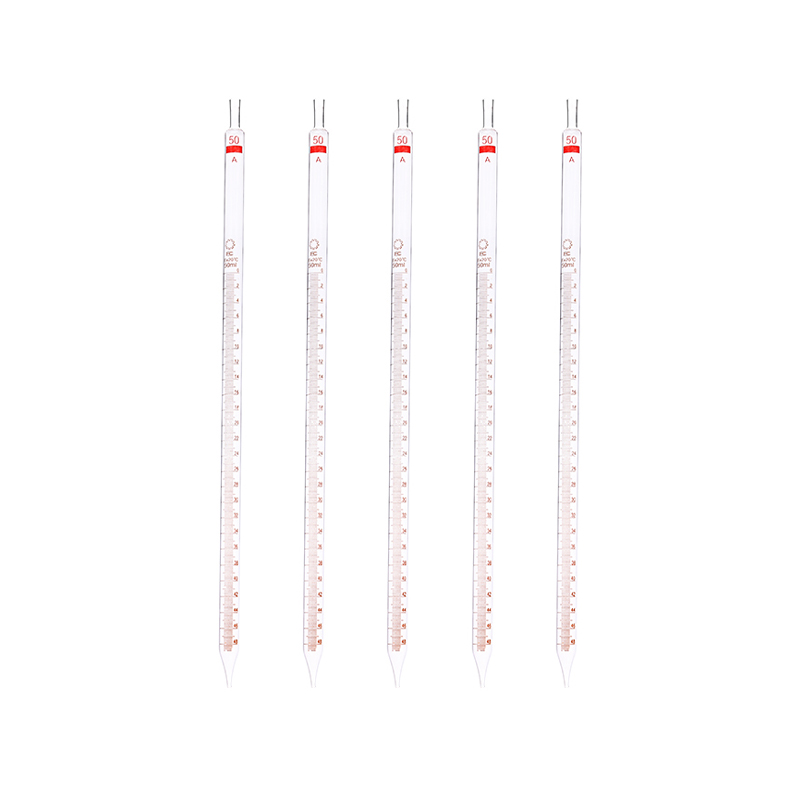 Class A Ring-Marked Graduated Pipette for Accurate Liquid TransferThis Class A pipette features a clear ring mark and precise calibration, providing dependable liquid transfer for titration and analysis where tolerance matters.View Product →
Why ASTM compliance matters in practice
Non-compliant glassware fails at the worst time. A poorly annealed flask can crack under vacuum, wasting a synthesis that took hours to set up. A pipet with a lean tolerance can shift an analytical result enough to require a rerun. These failures are rarely covered by a "compliance" label printed on the box.
Consider a rotary evaporator setup. The condenser, vacuum adapter, receiving flask, and collection flask all rely on matching ground joints. If one component was made without reference to the relevant joint standard, you may need grease, tape, or a different adapter to make the system work. That is more than an inconvenience; it creates a variable in the process and can introduce leaks or contamination. Specifying ASTM-compliant joints is a simple way to remove that variable.
In routine production, the cost gap between compliant and non-compliant glassware is usually small compared with the cost of a failed experiment, a contamination risk, or a safety incident. That is why procurement teams, quality managers, and research leads need to agree on the same standards before placing an order.
Start with the standard, not the label
ASTM compliance is useful only when it is specific. Before you choose a flask, condenser, or complete distillation assembly, decide which standard matters for your method. Then ask for evidence. For glassware, that evidence should show up in material selection, joint tolerances, annealing controls, and volumetric calibration.
When a supplier builds those checks into the manufacturing process, "ASTM compliance" stops being a sales phrase and becomes a working specification.