What Are Laboratory Glass Stopcocks?
Laboratory Glass Stopcocks are essential components in laboratory glassware systems used to control the flow of liquids, gases, and vacuums. Typically consisting of a borosilicate glass body and a glass plug, they operate by rotating the internal plug to alter the fluid pathway, thereby enabling functions such as opening, closing, and flow rate regulation.
As a vital part of laboratory glassware, glass stopcocks are widely used in fields such as chemical experimentation, organic synthesis, pharmaceutical R&D, distillation and extraction, vacuum operations, and analytical testing. Compared to standard metal or plastic valves, glass stopcocks offer superior chemical stability, corrosion resistance, and transparency, meeting the stringent laboratory requirements for high purity, high precision, and reliable sealing.
In modern scientific research and industrial R&D environments, laboratory glass stopcocks go beyond simple on/off control; they facilitate precise flow regulation, gas path switching, and vacuum maintenance within experimental setups. They serve as indispensable components in laboratory glass reactor assemblies, distillation apparatus, and vacuum systems.
Structure and Working Principle of Laboratory Glass Stopcocks
Laboratory glass stopcocks primarily consist of a glass body, a glass plug, and a sealing mechanism. The body is typically made of borosilicate glass, offering excellent thermal shock resistance and chemical stability; the glass plug is precision-ground to ensure a tight fit with the body, thereby enabling fluid control.
In operation, the user rotates the glass plug to align or misalign its internal channel with the ports on the valve body. When the channel is aligned, liquids or gases can flow through freely; when the plug is rotated to the closed position, the fluid path is blocked, allowing for precise control.
Thanks to their precision-ground design, high-quality glass stopcocks maintain an effective seal while ensuring smooth operation. They provide a reliable solution for experimental procedures requiring the control of drip rates, the regulation of gas flow, or the maintenance of a vacuum environment.
Key Features of Laboratory Glass Stopcocks
Excellent Chemical Stability
Laboratory environments frequently involve various corrosive media, including organic solvents, acids, bases, and specialized chemical reagents. Borosilicate glass offers strong resistance to chemical corrosion and is largely inert to most experimental media; this ensures high purity and minimizes the risk of sample contamination.
This characteristic makes glass stopcocks particularly suitable for applications in chemical synthesis, pharmaceutical R&D, and fine chemical experiments.
Precise Flow Control
Unlike standard on/off valves, glass stopcocks allow for fine-tuned flow regulation through precise rotation. For instance, in dropping funnels, liquid separation equipment, and reaction setups, researchers can control the rate of reagent addition to stabilize the reaction process.
Glass stopcocks offer distinct advantages for experiments requiring slow, dropwise addition, precise metering, or gas flow regulation.
Excellent Temperature Resistance
Borosilicate glass has a low coefficient of thermal expansion, enabling it to withstand the temperature fluctuations common in laboratory procedures. Consequently, glass stopcocks are suitable for use in heating, cooling, distillation, and vacuum applications.
They maintain stable performance over long periods in setups such as rotary evaporators, glass reactors, and distillation apparatus.
Advantage of Transparency
The transparency of the glass material allows researchers to directly observe the state of the fluid inside—including liquid flow, bubble formation, and changes in sample color. This facilitates real-time monitoring of the experiment, thereby enhancing both safety and accuracy.
Key Application Areas for Laboratory Glass Stopcocks
Chemical Experiments and Organic Synthesis
In organic chemistry research, glass stopcocks are common laboratory accessories used primarily to control liquid flow and regulate gas within reaction setups. For instance, during organic synthesis, when a reagent must be added slowly, a glass stopcock allows for precise control of the dropping rate; this prevents the reaction from proceeding too rapidly and enhances experimental stability.
Additionally, glass stopcocks are widely used for gas-line switching and vacuum control in Schlenk techniques, experiments requiring inert gas protection, and various chemical reaction systems.
Distillation, Extraction, and Separation Equipment
Laboratory distillation and separation processes require precise control over liquid flow. Glass stopcocks are frequently installed in:
- Distillation apparatus
- Separatory funnels
- Extraction equipment
- Glass reaction systems
They assist laboratory personnel in the transfer, separation, and collection of liquids.
Pharmaceutical and Biological R&D
In pharmaceutical R&D, laboratory equipment must offer high levels of cleanliness and chemical compatibility. Thanks to their material stability and low risk of contamination, glass stopcocks are utilized in drug synthesis, small-scale reactions, sample processing, and analytical procedures.
When integrated with equipment such as glass reactors and rotary evaporators, glass stopcocks meet the requirements for precision control in drug development.
Vacuum Experimental Systems
Glass stopcocks are vital components in vacuum-rated glass equipment and are commonly used in:
- Vacuum reaction apparatus
- Vacuum drying systems
- Rotary evaporation systems
- Laboratory gas control systems
By ensuring a reliable seal, they help maintain a stable vacuum environment and improve experimental efficiency.
Types of Laboratory Glass Stopcocks
Based on their structure and application, laboratory glass stopcocks are primarily categorized into straight-bore, three-way, and PTFE-plug types.
Straight-bore glass stopcocks feature a simple design with minimal flow resistance; they are mainly used for starting and stopping liquid flow and for routine flow control.
Three-way glass stopcocks possess multiple flow channels, enabling switching between different flow directions; they are commonly used in gas control, vacuum systems, and complex experimental setups.
PTFE stopcocks utilize polytetrafluoroethylene (PTFE) for the sealing component, offering superior chemical resistance and eliminating the need for frequent lubrication; they are suitable for handling highly corrosive media and for use in high-purity experimental environments.
Key Factors for B2B Customers Purchasing Laboratory Glass Stopcocks
For laboratory equipment manufacturers, research institutions, and laboratory consumable distributors, the procurement of glass stopcocks involves prioritizing product quality consistency and supply capability alongside price.
First is the glass material. High-quality laboratory glass stopcocks are typically made from borosilicate glass, which must offer excellent transparency, heat resistance, and corrosion resistance.
Second is manufacturing precision. As precision glass components, glass stopcocks rely on the fit of ground-glass joints, smooth rotation, and sealing performance—all of which directly impact the user experience. High-precision manufacturing minimizes leakage and extends the product's service life.
Additionally, B2B customers often look for customization capabilities. Different laboratory equipment may require specific connection types, ground-joint sizes, structural designs, or special processing; therefore, suppliers need robust glass processing and product development capabilities.
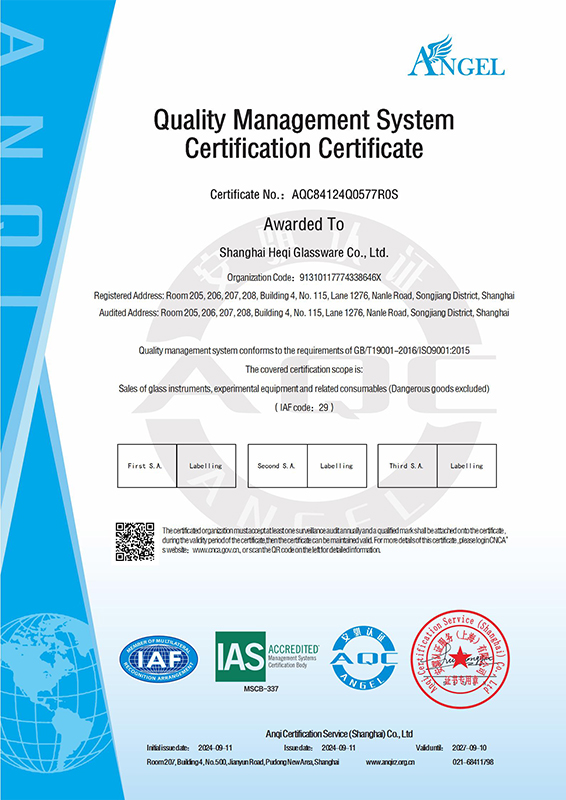
For overseas clients and laboratory equipment brands, factors such as reliable supply, quality control systems, OEM support, and responsive service are also critical when selecting a long-term supplier.
Shanghai Heqi Glassware: Strengths in Laboratory Glass Stopcocks and Equipment
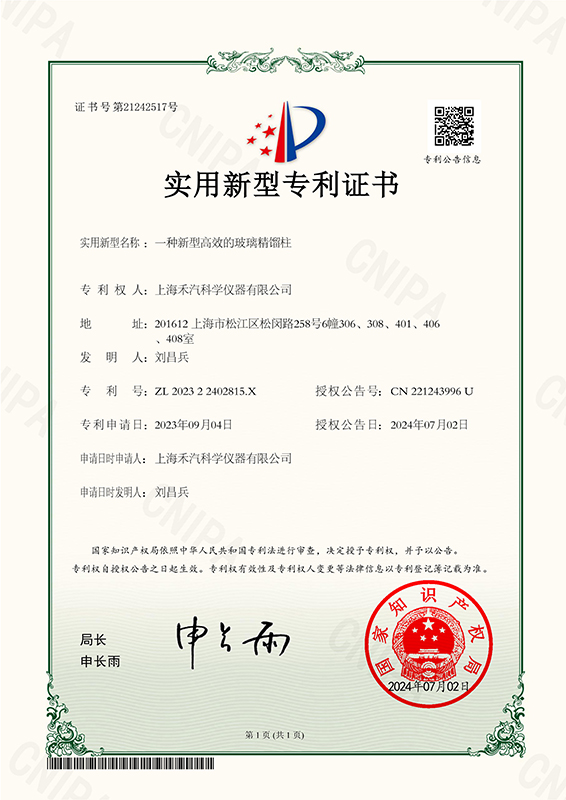
As a professional manufacturer of laboratory glassware, Shanghai Heqi Glassware Co., Ltd. has long focused on the R&D, production, and supply of standard-joint glassware, providing laboratory equipment and customized solutions to chemical R&D sectors, pharmaceutical companies, and research institutions.
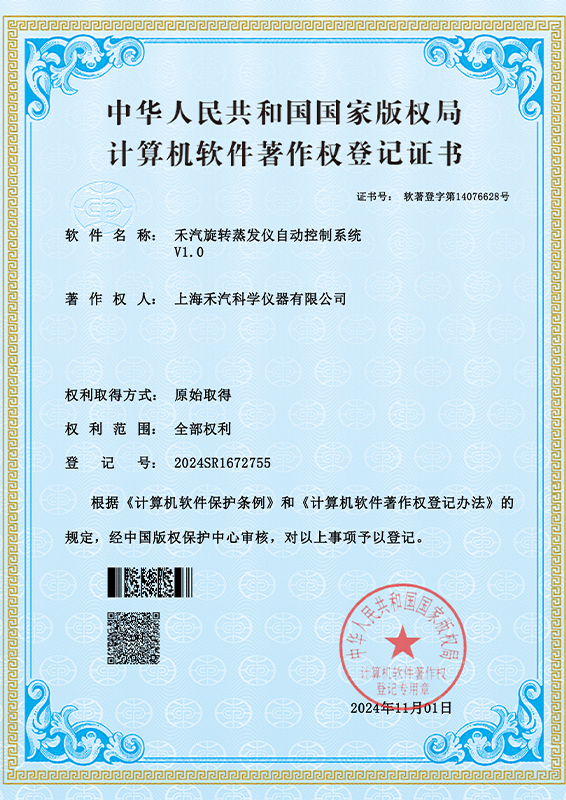
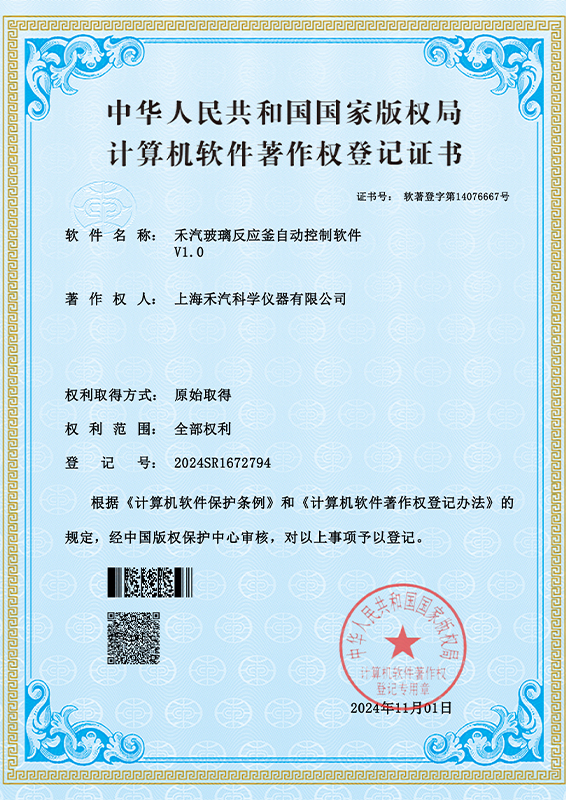
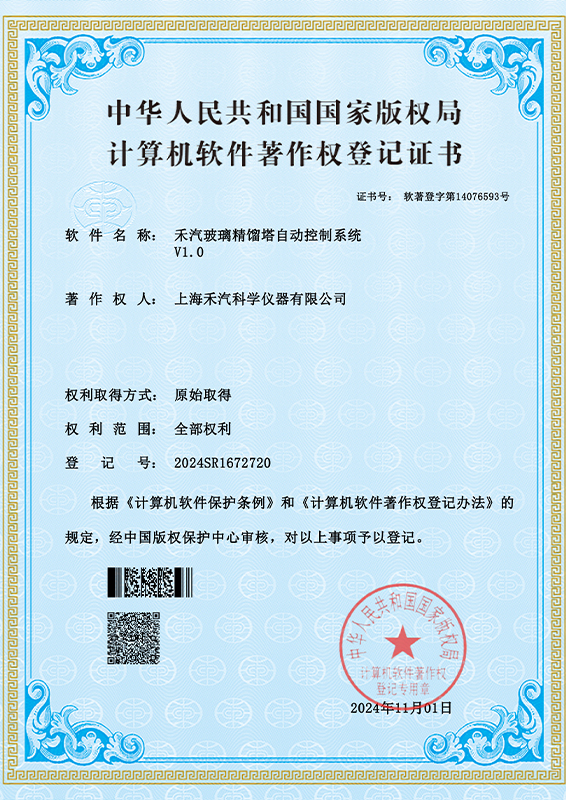
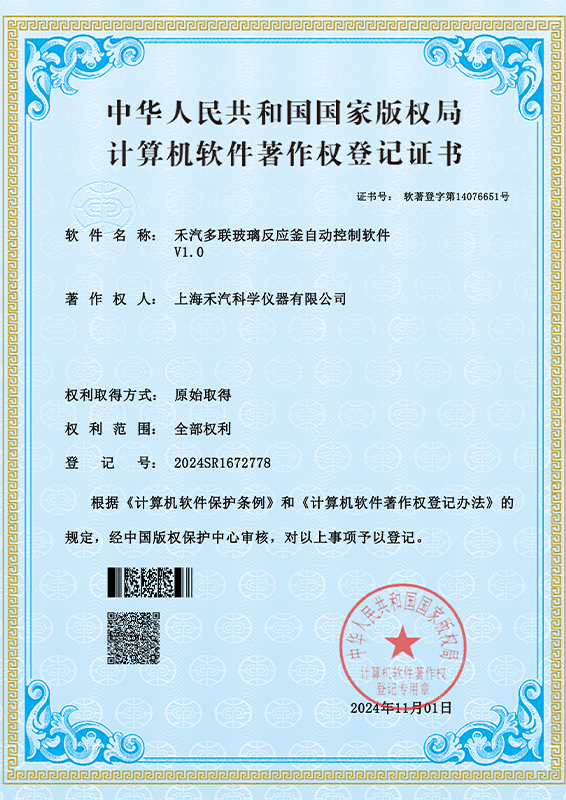
Established in 2002, the company has expanded over the years to set up production bases in regions including Songjiang, Chengdu, Jiaxing, and Yancheng. By integrating technology, manufacturing processes, and management expertise, Shanghai Heqi has replaced traditional manual craftsmanship with mechanized and semi-mechanized production methods. The adoption of assembly-line production has enhanced efficiency while ensuring consistent product quality.
In recent years, the company has assembled an R&D team comprising specialists in chemical R&D, mechanical design and machining, and electronic control. It has also established three specialized workshops—dedicated to glass processing, metal machining, and assembly—capable of producing a wide range of laboratory equipment and accessories, including:
- Glass Reactors
- Rotary Evaporators
- Distillation Units
- High and Low-Temperature Circulation Systems
- Vacuum Pumps
- Laboratory Stirrers
- Glass Components and Accessories
Leveraging its in-house capabilities in glass processing and mechanical manufacturing, combined with extensive experience in custom development, Shanghai Heqi provides glass stopcocks, glass connectors, and comprehensive laboratory glass system solutions tailored to specific experimental requirements.
Comparison of Laboratory Glass Stopcocks with Other Laboratory Valves
In laboratory fluid control systems, valves of various materials and designs are suited to different applications. Compared to standard plastic or metal valves, laboratory glass stopcocks offer distinct advantages in terms of chemical compatibility, visibility, and experimental precision.
| Comparison Criteria |
Laboratory Glass Stopcocks |
PTFE Stopcocks |
Plastic Valves |
Metal Valves |
| Primary Material |
Borosilicate glass + glass plug |
PTFE (Polytetrafluoroethylene) |
Plastics (PP, PE, PVC, etc.) |
Stainless steel, copper, alloys, etc. |
| Chemical Corrosion Resistance |
Excellent; suitable for most reagents |
Superior; suitable for highly corrosive media |
Moderate; some solvents may cause corrosion or degradation |
Depends on metal type; risk of corrosion with certain chemicals |
| Transparency/Visibility |
Transparent; allows direct observation of fluid |
Opaque; internal state not directly visible |
Partially transparent |
Opaque |
| Flow Control Precision |
High; suitable for fine adjustment |
High; suitable for precision control |
Moderate; mainly for simple on/off control |
Moderate; mainly for industrial fluid control |
| Vacuum Capability |
Excellent; suitable for lab vacuum systems |
Excellent |
Limited |
Strong, but seal material compatibility must be considered |
| High-Temperature Resistance |
Excellent; suitable for heating experiments |
Excellent |
Low |
High |
| Sample Contamination Risk |
Low; suitable for high-purity experiments |
Low |
Potential risk of additive leaching |
Potential risk of metal ion contamination |
| Common Applications |
Chemical experiments, distillation, glass reaction systems, vacuum setups |
Highly corrosive experiments, high-purity experiments |
General liquid transfer |
Industrial piping systems |
| Maintenance Requirements |
Requires clean ground-glass joints and proper lubrication |
Simple maintenance |
Low replacement cost |
Requires monitoring for corrosion and seal issues |
Why Are Laboratory Glass Stopcocks the Preferred Choice?
For research institutions, pharmaceutical companies, and chemical R&D laboratories, equipment must not only facilitate fluid control but also ensure the stability and accuracy of experimental processes.
Compared to plastic or metal valves, laboratory glass stopcocks offer the following advantages:
First, glass offers superior chemical inertness. In organic synthesis, drug development, and fine chemical experiments, many solvents and reagents are highly corrosive; borosilicate glass minimizes the risk of reactions between the material and the sample.
Second, the transparent structure facilitates observation. Researchers can directly monitor changes in liquid color, flow dynamics, and bubble formation, enabling timely adjustments to experimental parameters.
Furthermore, glass stopcocks are highly compatible with laboratory glass apparatus. They can be seamlessly integrated into glass reactors, distillation setups, rotary evaporation systems, and vacuum equipment to form comprehensive experimental solutions.
Trends in Laboratory Glass Stopcocks
Driven by the trends toward automation, precision, and specialization in laboratories, laboratory glass stopcocks are evolving to offer higher precision, superior corrosion resistance, and enhanced system compatibility.
Future developments in laboratory glass stopcocks will place greater emphasis on:
- Higher manufacturing precision
- More stable sealing performance
- Broader material compatibility
- Greater customization capabilities
- Integration with automated laboratory equipment
High-quality laboratory glass stopcocks will continue to see significant market demand, particularly in the pharmaceutical, advanced materials, and fine chemical sectors, where R&D processes increasingly require safety, cleanliness, and precise control.


 English
 Français
 Español