Custom Lab Low Form Weighing Bottles

Home / Products / Bottles / Low Form Weighing Bottles

Lab Low Form Weighing Bottles Suppliers

Grid
List

Made of high-quality borosilicate glass. Interchangeable Ground Stopper. Also available in high form with different capacities

View More
About
Shanghai Heqi Glassware Co., Ltd.

One point of professionalism, one point of service, one point of companionship—allow me to be your reliable partner on the path forward!

Shanghai Heqi was founded in March 2002, It is China Lab Low Form Weighing Bottles Suppliers and Lab Low Form Weighing Bottles Manufacturers, Specializing in the R&D and production of standard-mouth glass instruments. Over the years, the company has established production bases in locations such as Songjiang, Chengdu, Jiaxing, and Yancheng. By integrating technology, craftsmanship, and management expertise, Heqi has adopted mechanized and semi-mechanized techniques to replace traditional manual methods. It has also introduced assembly-line industrial processes to replace simple workshop-style production, thereby reducing costs and improving quality.

To deliver on its service commitment of “you make a call, we handle the rest,” Heqi also supplies a range of high-quality glass instruments, lab consumables, and experimental equipment from both domestic and international brands. With ample inventory, fast delivery, and premium service, the company ensures full support for its clients.

In recent years, Shanghai Heqi has brought together experts in chemical R&D, mechanical design and processing, and electronic control to form a dedicated R&D team. The company has also set up three specialized workshops for glass, metalworking, and assembly. These facilities produce a variety of small and pilot-scale equipment, including glass reactors, rotary evaporators, distillation units, high- and low-temperature circulation systems, vacuum pumps, stirrers, and UV analyzers.

Leveraging its in-house capabilities in design, production, and custom fabrication of glass components, Shanghai Heqi continuously enhances product quality and service standards. It also supports the chemical and pharmaceutical industries by enabling customized small-scale and pilot-scale equipment solutions.
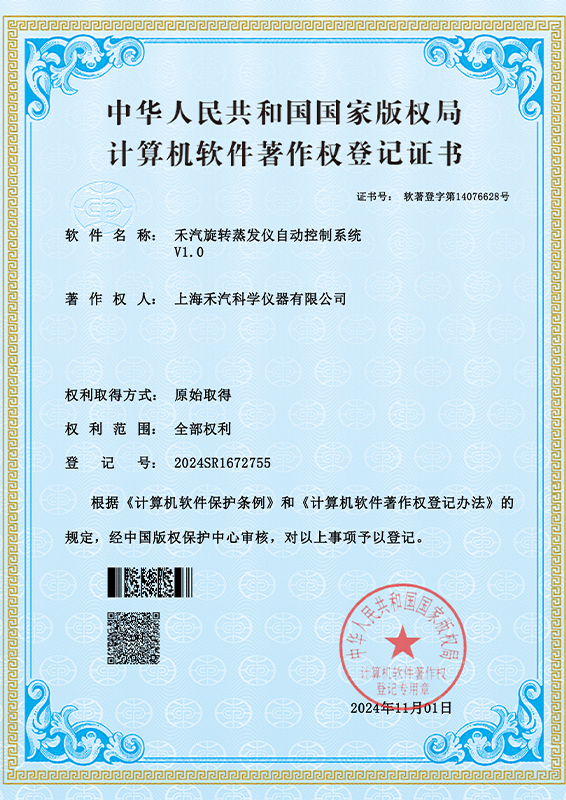
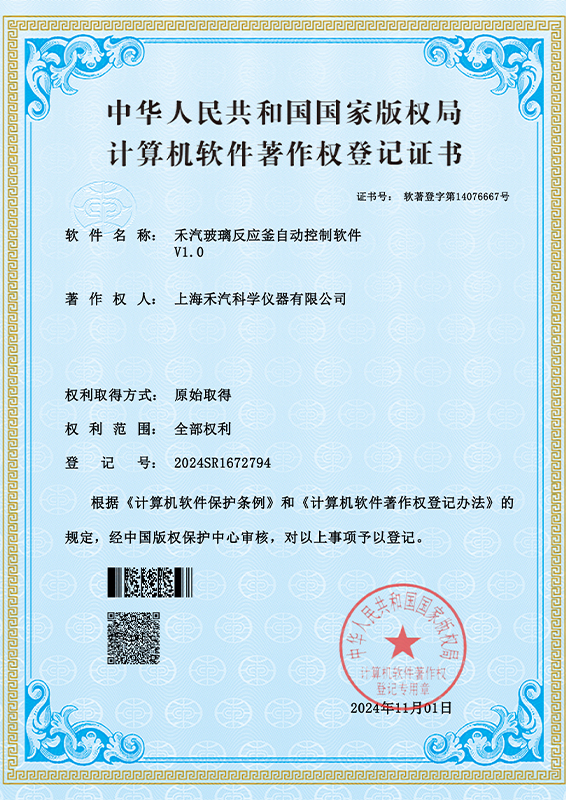
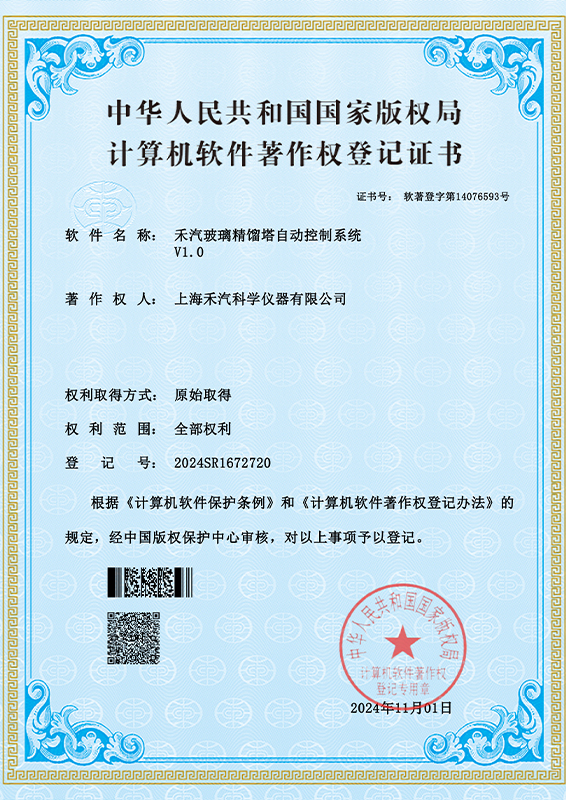
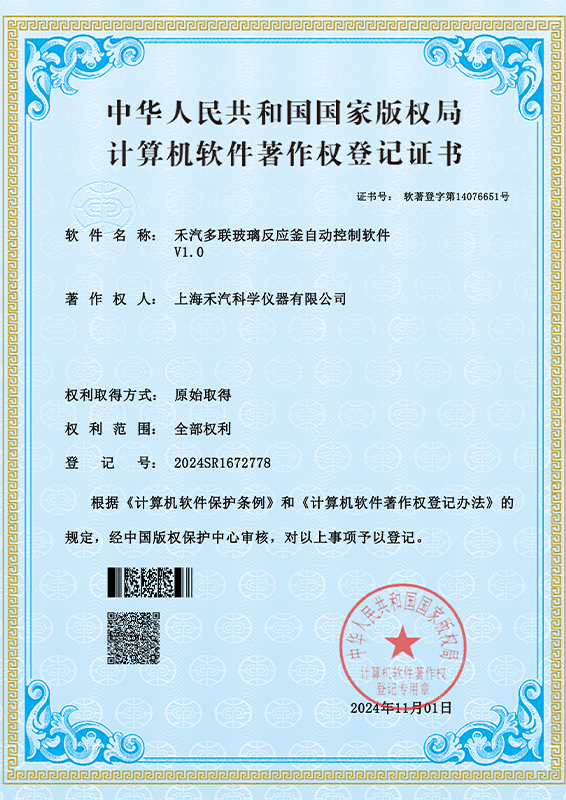
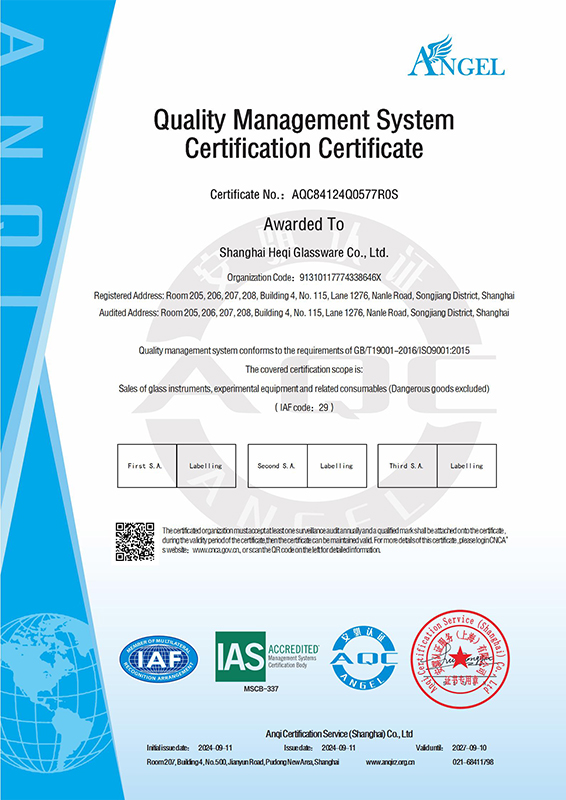
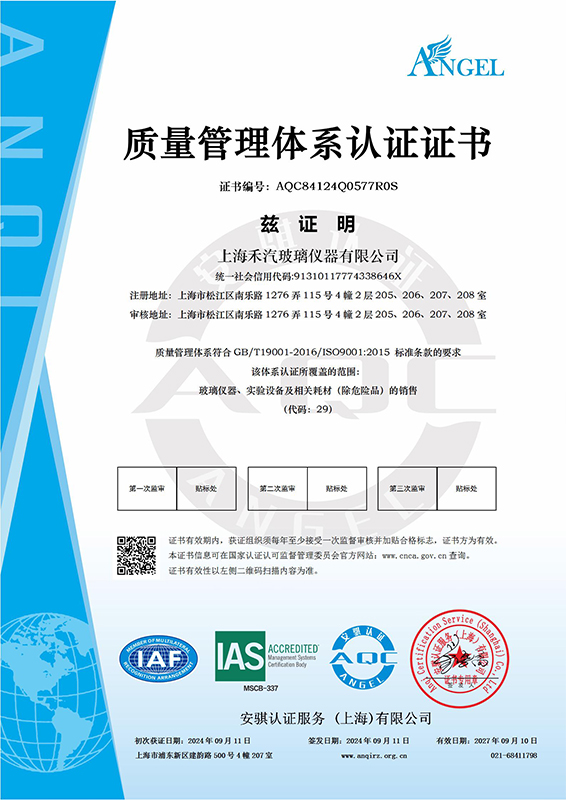
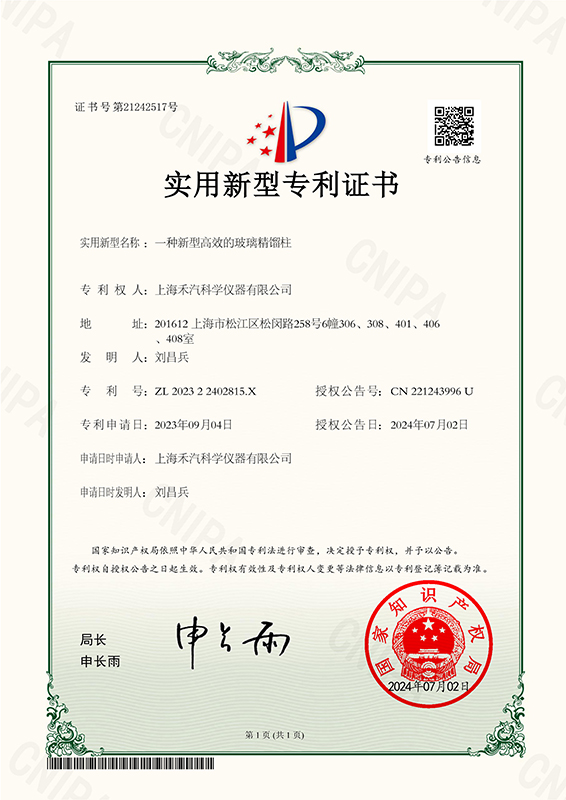
Certification
  • 1
  • 2
  • 3
  • 4
  • 5
  • 6
  • 7
Contact Us
Our custom service team is ready to provide you with expert advice and personalized solutions.
News
Industry Knowledge

Functional Utility and Design Rationale of Lab Low Form Weighing Bottles in Analytical Operations

Geometric Advantages and Wide-Mouth Accessibility

Lab low form weighing bottles characterized by their squat physical profile where the total diameter often exceeds or equals the vessel height, offer distinct operational benefits during routine solid sample handling. This wide-mouth geometry expands the accessible surface area inside the vessel, allowing technicians to insert spatulas, transfer spoons, and solid dosage tools directly into the chamber without brushing against the ground glass neck. In quantitative mass determination, minimizing physical contact between transfer tools and the upper rim prevents sample powder loss and eliminates joint contamination. Furthermore, the low center of gravity enhances structural stability on sensitive analytical balance pans, reducing tipping risks during high-throughput weighing routines.

Dimensional Parameter Low Form Weighing Bottle Tall Form Weighing Bottle
Height-to-Diameter Ratio Aspect Ratio Below 1.0 (Squat Profile) Aspect Ratio Above 1.5 (Slender Profile)
Opening Surface Area Expanded Diameter for Direct Spatula Access Restricted Diameter for Minimizing Exposure
Center of Gravity Low Position for Enhanced Pan Stability Higher Position Requiring Careful Placement
Cleaning Accessibility Direct Manual Wipe Reach to Bottom Corners Requires Narrow Brushes or Solvent Flushes

Ground Glass Joint Sealing and Vapor Protection Mechanisms

Preserving sample mass accuracy requires reliable isolation from ambient atmospheric moisture, volatile organic compounds, and airborne dust particles. Low form glass weighing bottles utilize precision-ground glass stoppers that form an airtight seal when seated into the ground mouth. In moisture-sensitive analytical protocols, such as loss-on-drying (LOD) testing, the stopper prevents dry reagents from reabsorbing atmospheric humidity while being transported between drying ovens, desiccators, and analytical balances. Glass manufacturing facilities operated by Shanghai Heqi Glassware Co., Ltd. apply standardized ground joint taper dimensions to ensure consistent sealing pressure and complete interchangeability across laboratory setups.

Borosilicate Glass Thermal Endurance and Drying Protocols

The materials specified for low form weighing bottles must withstand frequent temperature fluctuations during moisture determination and thermal sterilization procedures. High-purity borosilicate glass 3.3 serves as the primary construction material due to its low coefficient of thermal expansion and high resistance to thermal shock. When placing samples in drying ovens at elevated temperatures, the thermal tolerance of borosilicate glass prevents structural cracking or dimensional distortion. Production processes at Shanghai Heqi Glassware Co., Ltd. integrate precision stress-relief annealing to guarantee that weighing vessels maintain absolute tare mass stability over years of repeated heating and cooling cycles.

Operational Phase Temperature Environment Analytical Objective Design Requirement
Initial Tare & Weighing Ambient Room Temperature (20°C - 25°C) Establish Baseline Vessel Mass Low Physical Mass Variance
Oven Moisture Extraction Elevated Thermal Range (105°C - 130°C) Drive Off Bound Water Content High Thermal Shock Resistance
Desiccator Stabilization Controlled Dry Atmosphere (20°C) Prevent Moisture Re-absorption Hermetic Ground Joint Seal
Final Balance Verification Stabilized Room Temperature Calculate Precise Mass Difference Inert Chemical Surface Behavior

Interfacing with Pilot Processing Equipment and Reagent Preparation

In research environments and pilot-scale chemical synthesis, precise mass measurement represents the foundational step before initiating reactions. Low form weighing bottles allow chemists to accurately weigh raw powders, catalysts, and crystalline precursors before transferring them into larger processing machinery. Technicians often wash weighed reagents directly out of wide-mouth low form bottles into glass reactors, rotary evaporators, or distillation units. Engineering teams at Shanghai Heqi Glassware Co., Ltd. align standard-mouth glassware dimensions across their specialized glass and assembly workshops to ensure smooth chemical transfer from analytical weighing stages into pilot-scale reaction equipment.

Hygienic Maintenance and Cross-Contamination Prevention

Cleaning efficiency is a critical factor when choosing weighing vessels for multi-user analytical facilities. The shallow internal height and flat base of low form glass weighing bottles allow thorough washing and easy visual inspection for lingering chemical residues. Unlike deep, narrow vessels where solid particles can lodge in tight bottom corners, the open geometry of low form bottles enables complete solvent contact and quick manual wiping. This structural simplicity reduces cleaning turnaround time and minimizes cross-contamination risks across consecutive testing runs.

FAQ

Q: What design advantages do lab low form weighing bottles offer when transferring sticky or granular solid samples?

A: Low form weighing bottles feature a wide mouth and squat physical height, providing direct spatula access to the bottom of the vessel. This open geometry allows technicians to transfer thick pastes, coarse crystals, or granular powders without accidentally scraping spatulas against the ground glass joint, reducing sample loss and keeping the sealing surfaces clean.

Q: How do low form weighing bottles maintain balance stability during high-precision micro-weighing routines?

A: The low height-to-diameter ratio gives low form bottles a low center of gravity. This squat design minimizes tipping hazards and movement on sensitive analytical balance pans, ensuring fast settling times and stable mass readings during high-throughput sample weighing.

Q: What role do precision-ground glass stoppers play in moisture determination protocols such as loss-on-drying (LOD)?

A: During loss-on-drying tests, the bottle is heated unstoppered to evaporate moisture, then sealed with its ground glass stopper before transfer to a desiccator. Specialized manufacturing workshops, such as those operated by Shanghai Heqi Glassware Co., Ltd., grind joint surfaces to tight tolerances, ensuring a hermetic barrier that stops dry samples from reabsorbing ambient atmospheric moisture during cooling and final weighing.

Q: How does Borosilicate Glass 3.3 prevent measurement errors over repeated oven drying cycles?

A: Borosilicate Glass 3.3 features an extremely low coefficient of thermal expansion and high thermal shock resistance. This material stability allows low form weighing bottles to undergo continuous heating in drying ovens up to 200°C without dimensional distortion or micro-cracking, preserving calibrated tare weights over long-term laboratory use.

Q: How are lab low form weighing bottles integrated into sample preparation workflows for pilot-scale equipment?

A: Precise mass determination in low form weighing bottles serves as the initial step before introducing catalysts or reagents into larger processing systems. Technical setups designed by Shanghai Heqi Glassware Co., Ltd. align standardized ground joints and glass dimensions across weighing vessels, glass reactors, and distillation units, facilitating quantitative sample rinsing and chemical additions without transfer loss.