Overview of Lab Solid Stoppers
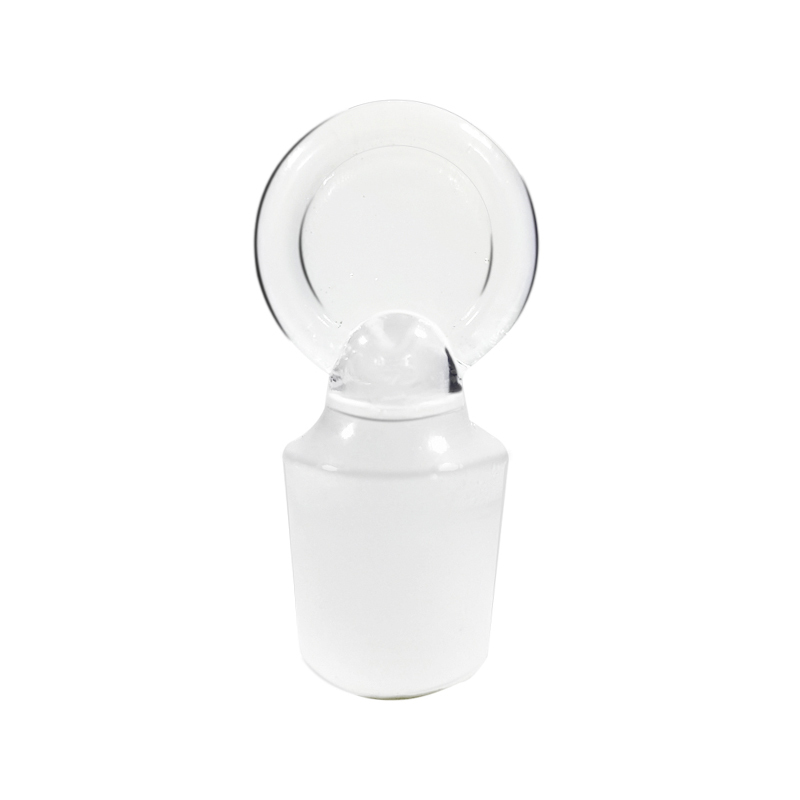
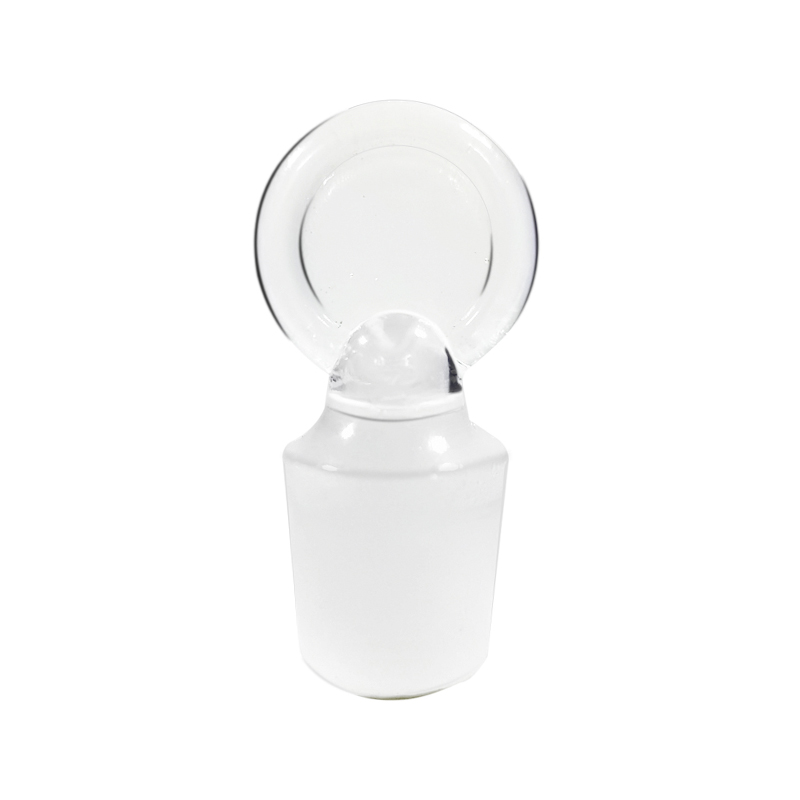
Lab Solid Stoppers are important sealing components widely used in laboratory glassware systems. They are mainly designed to close the openings of laboratory containers, preventing liquid evaporation, sample contamination, air exposure, and external environmental interference.
In chemical experiments, pharmaceutical research, life science studies, material analysis, and industrial testing, maintaining sample stability is essential for obtaining accurate and reliable experimental results. Even small environmental changes, such as moisture, oxygen, or external contaminants entering the container, may affect experimental performance. Therefore, a reliable sealing component plays an important role in laboratory operations.
Unlike stopcocks or valves that are designed for fluid control, Solid Stoppers feature a fully enclosed solid structure and are mainly used for stable sealing protection. They are commonly used with reagent bottles, conical flasks, round-bottom flasks, sample containers, and other laboratory glass instruments.
Although plastic caps, rubber stoppers, and other sealing products are widely available, glass solid stoppers remain highly valued in professional laboratories due to their excellent chemical stability, temperature resistance, purity, and long-term reusability.
With the increasing demand for precision, standardization, and reliability in modern laboratories, customers are not only focusing on product quality but also paying more attention to supplier capabilities, including R&D strength, manufacturing consistency, customization ability, and delivery reliability.
Structure Design and Sealing Principle of Lab Solid Stoppers
Lab Solid Stoppers usually adopt a Ground Glass Joint structure. Through precision grinding, the glass stopper and the glass container opening form a close and stable connection, achieving effective sealing without additional sealing materials.
Compared with sealing methods that rely on elastic materials, ground glass stopper designs provide better chemical purity and long-term stability. Since there are no internal channels or moving parts, Solid Stoppers offer reliable sealing performance for sample storage and laboratory applications.
| Performance Requirement |
Description |
| Dimensional Accuracy |
Ensures precise matching with laboratory glass instruments |
| Surface Finish |
Provides smooth operation and stable fitting |
| Sealing Performance |
Reduces air penetration and sample evaporation |
| Chemical Compatibility |
Suitable for various laboratory chemicals |
| Reusable Performance |
Can be cleaned and reused for long-term applications |
Common ground glass joint sizes include 14/20, 19/26, 24/29, and 29/32. Standardized dimensions allow Lab Solid Stoppers to be widely compatible with laboratory glassware systems worldwide.
High Borosilicate Glass: The Preferred Material for Lab Solid Stoppers
High-quality Lab Solid Stoppers are generally manufactured from High Borosilicate Glass, a specialized glass material widely used in laboratory and industrial applications.
High Borosilicate Glass features a low thermal expansion coefficient, excellent thermal shock resistance, and outstanding chemical stability. These properties allow glass stoppers to maintain reliable performance under heating, cooling, and temperature variation conditions.
Compared with ordinary glass materials, high borosilicate glass provides better resistance to chemical attack and is suitable for most common laboratory environments, including:
- Organic solvents;
- Diluted acids;
- Diluted alkalis;
- General laboratory reagents;
- Analytical samples.
For highly corrosive or special chemical environments, PTFE Solid Stoppers can also be selected as an alternative solution due to their excellent chemical resistance.
Applications of Lab Solid Stoppers in Different Industries
Lab Solid Stoppers are widely used across various industries where reliable sealing and sample protection are required.
In chemical research and organic synthesis, experimental systems often need to avoid moisture, oxygen, and external contamination. Solid Stoppers are commonly used for reaction vessels, intermediate product storage, organic solvent containers, and laboratory glass assemblies. Stable sealing helps researchers improve experimental repeatability and maintain consistent results.
In pharmaceutical research and development, material purity and stability are extremely important. Since glass does not release plasticizers or other additives, Laboratory Solid Stoppers are suitable for drug development experiments, intermediate storage, sample preservation, and quality analysis processes.
In universities, research institutes, and testing laboratories, Lab Solid Stoppers are frequently used for reagent storage, standard sample management, experimental equipment sealing, and analytical preparation.
Manufacturing Process and Quality Control of Lab Solid Stoppers
Although Lab Solid Stoppers have a relatively simple structure, their manufacturing process requires strict control and precision processing to ensure reliable performance in laboratory applications.
The first important step is the selection and processing of glass materials. High-quality raw materials must have excellent transparency, uniform structure, and low internal stress. Proper thermal treatment during production helps improve the mechanical strength and thermal stability of the finished glass stoppers, reducing the risk of cracking during transportation and use.
Precision grinding is one of the most important processes in the manufacturing of Lab Solid Stoppers. The ground surface must maintain accurate dimensions, smooth finishing, and consistent geometry to ensure a proper fit with laboratory glass instruments. Any deviation in size or surface quality may affect sealing performance and user experience.
Professional manufacturers usually conduct strict quality inspections, including:
- Dimensional accuracy inspection;
- Surface appearance inspection;
- Ground joint matching testing;
- Sealing performance verification.
For laboratory equipment manufacturers, distributors, and research institutions, product consistency is a key factor when selecting a supplier. Stable production processes and strict quality management ensure that every batch of Lab Solid Stoppers meets the same performance standards.
Comparison Between Lab Solid Stoppers and Other Sealing Products
Different laboratory environments have different requirements for sealing components. Compared with rubber and plastic sealing products, Lab Solid Stoppers provide unique advantages in chemical stability, purity, and long-term reliability.
| Product Type |
Advantages |
Typical Applications |
| Lab Solid Stoppers |
High chemical stability, excellent purity, reusable performance |
Chemical research, pharmaceutical development, scientific experiments |
| PTFE Stoppers |
Excellent corrosion resistance and chemical compatibility |
Special chemical environments |
| Rubber Stoppers |
Flexible, easy installation, low cost |
General laboratory applications |
| Plastic Caps |
Lightweight and economical |
Routine storage applications |
For basic storage requirements, plastic or rubber products may provide economical solutions. However, for high-purity experiments, pharmaceutical research, and precision laboratory applications, glass solid stoppers generally offer better long-term reliability and chemical performance.
Key Considerations for B2B Buyers of Lab Solid Stoppers
For laboratory equipment manufacturers, scientific distributors, and industrial buyers, selecting Lab Solid Stoppers is not only about product price but also about supplier capability and long-term cooperation.
Product Consistency:
Batch-to-batch consistency is critical for professional laboratory applications. Stable dimensions and reliable quality help ensure compatibility with laboratory equipment and reduce assembly problems during use.
Customization Capability:
Different customers may require customized glass stopper solutions, including special joint sizes, unique designs, customized packaging, or integration with specific laboratory equipment.
A supplier with strong R&D capability can provide flexible solutions based on customer requirements, helping clients improve product compatibility and application performance.
Production and Delivery Capability:
Global laboratory equipment suppliers and distributors usually require stable supply chains. Manufacturers with efficient production systems, scientific inventory management, and reliable logistics support can help customers reduce supply risks and improve operational efficiency.
Shanghai Heqi: Professional Lab Solid Stoppers Manufacturer and Solution Provider
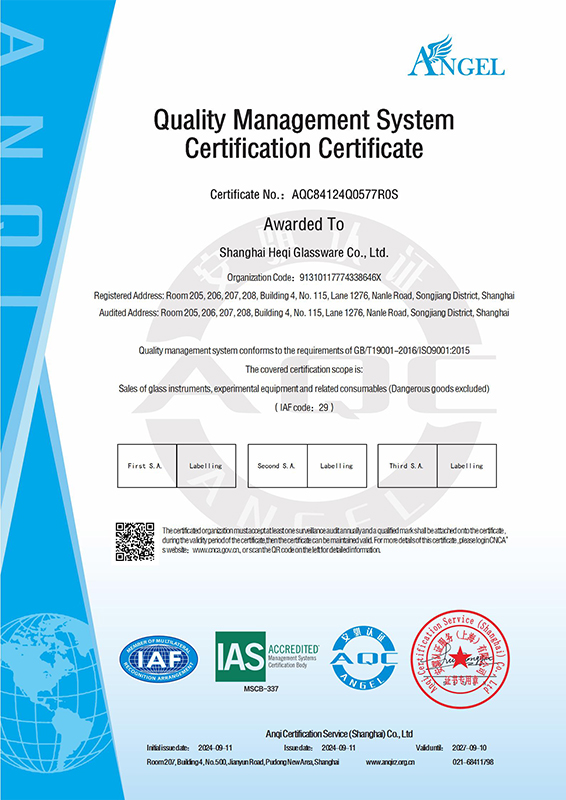
Shanghai Heqi Glassware Co., Ltd. specializes in the research, development, manufacturing, and service of high borosilicate glass instruments, laboratory equipment, and customized glass components. The company provides professional laboratory solutions for customers in chemical, pharmaceutical, scientific research, and industrial development fields.
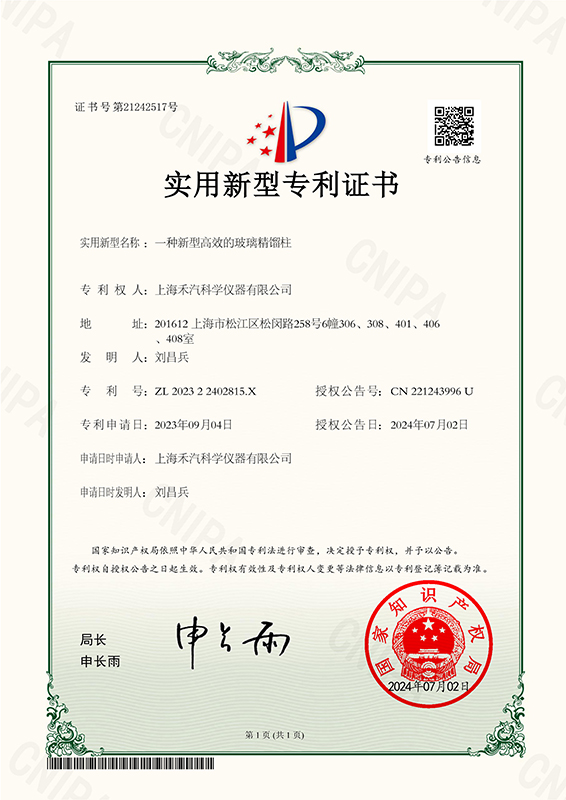
With a professional R&D team consisting of more than ten experienced engineers, Shanghai Heqi focuses on the design optimization and innovation of high borosilicate glass instruments and laboratory equipment. The team continuously integrates internationally advanced technologies and develops products according to customer requirements.
The company invests more than 10% of annual revenue in technological development to maintain continuous product improvement and strengthen its competitiveness in the laboratory glassware industry.
For Lab Solid Stoppers and other precision glass components, Shanghai Heqi can provide customized solutions according to different equipment structures, connection standards, and application environments.
Advanced Manufacturing System Ensuring Stable Quality
Shanghai Heqi has established a professional production system supported by skilled manufacturing personnel, advanced processing equipment, and strict quality control procedures.
All factory employees receive professional skills training to ensure that every production stage meets international quality requirements. By combining automated production equipment with modern quality management systems, Shanghai Heqi achieves an efficient and stable manufacturing process.
From raw material selection, glass forming, precision grinding, surface processing, to final inspection, every step is carefully controlled to ensure that Lab Solid Stoppers achieve:
- Accurate dimensions;
- Reliable sealing performance;
- Excellent surface quality;
- Stable batch consistency.
Following the principle that "details define quality", Shanghai Heqi continuously improves manufacturing processes to provide durable and dependable laboratory glass products for customers worldwide.
Comprehensive Customer Service and Global Support
Shanghai Heqi's customer service team provides complete support throughout the entire customer cooperation process, including product consultation, technical communication, customized development, and after-sales assistance.
Through scientific inventory management and efficient logistics systems, the company ensures fast response and reliable delivery for global customers.
The professional technical support team provides:
- Product selection recommendations;
- Application guidance;
- Technical consultation;
- Remote support;
- After-sales service.
Whether customers need standard Lab Solid Stoppers or customized glass components for special laboratory systems, Shanghai Heqi can provide reliable solutions based on specific requirements.
Future Development Trends of Lab Solid Stoppers
With continuous growth in scientific research, pharmaceutical innovation, new materials development, and industrial testing, Lab Solid Stoppers are evolving toward higher precision, improved performance, and stronger customization capabilities.
Future industry development will focus on:
- Higher precision glass processing technology;
- Stronger quality control standards;
- More diversified specifications;
- Improved OEM and ODM capabilities;
- Integrated laboratory solutions.
As an essential component of laboratory glassware systems, Lab Solid Stoppers will continue to play an important role in global scientific research and industrial innovation.


 English
 Français
 Español