Custom Lab Clamp Holders

Home / Products / Clamps,Supports & Bases / Clamp Holders

Lab Clamp Holders Suppliers

Grid
List

Used to attach the clamp to the lab stand. Easy-to-rotate knobs provide extra leverage to easy and accurate adjustment. Available in various types and sizes.

View More
About
Shanghai Heqi Glassware Co., Ltd.

One point of professionalism, one point of service, one point of companionship—allow me to be your reliable partner on the path forward!

Shanghai Heqi was founded in March 2002, It is China Lab Clamp Holders Suppliers and Lab Clamp Holders Manufacturers, Specializing in the R&D and production of standard-mouth glass instruments. Over the years, the company has established production bases in locations such as Songjiang, Chengdu, Jiaxing, and Yancheng. By integrating technology, craftsmanship, and management expertise, Heqi has adopted mechanized and semi-mechanized techniques to replace traditional manual methods. It has also introduced assembly-line industrial processes to replace simple workshop-style production, thereby reducing costs and improving quality.

To deliver on its service commitment of “you make a call, we handle the rest,” Heqi also supplies a range of high-quality glass instruments, lab consumables, and experimental equipment from both domestic and international brands. With ample inventory, fast delivery, and premium service, the company ensures full support for its clients.

In recent years, Shanghai Heqi has brought together experts in chemical R&D, mechanical design and processing, and electronic control to form a dedicated R&D team. The company has also set up three specialized workshops for glass, metalworking, and assembly. These facilities produce a variety of small and pilot-scale equipment, including glass reactors, rotary evaporators, distillation units, high- and low-temperature circulation systems, vacuum pumps, stirrers, and UV analyzers.

Leveraging its in-house capabilities in design, production, and custom fabrication of glass components, Shanghai Heqi continuously enhances product quality and service standards. It also supports the chemical and pharmaceutical industries by enabling customized small-scale and pilot-scale equipment solutions.
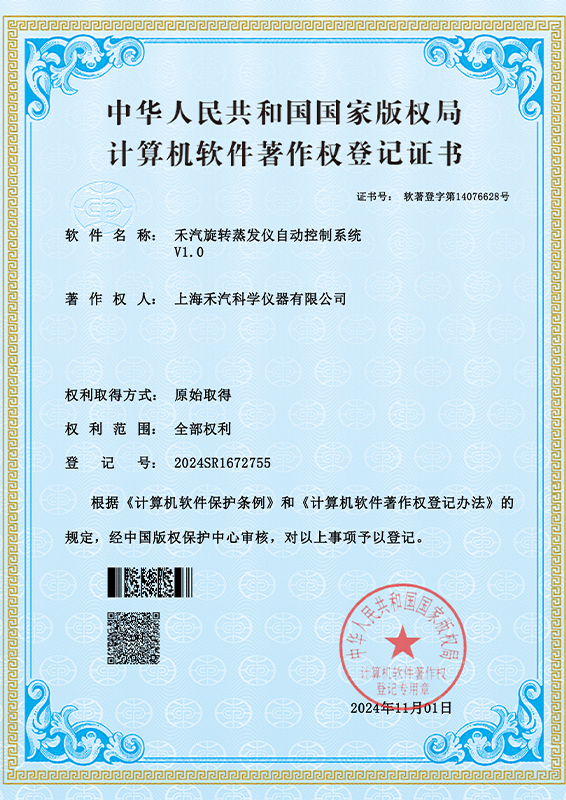
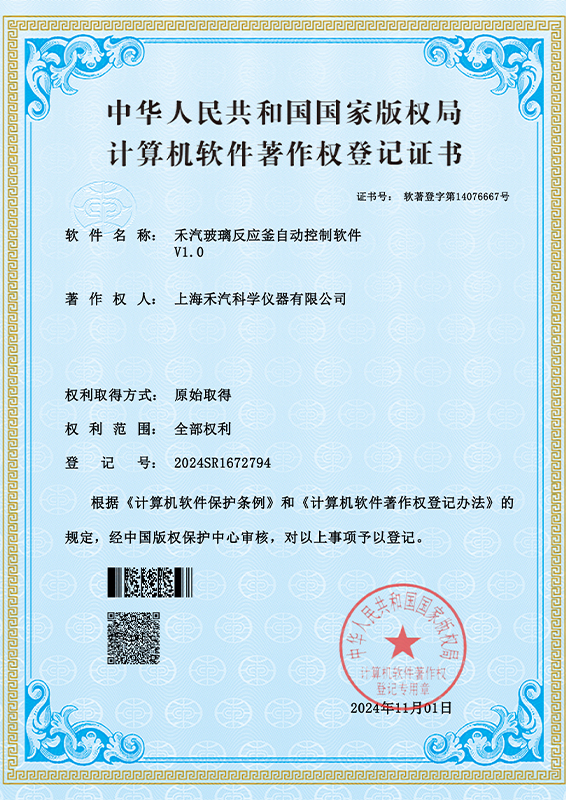
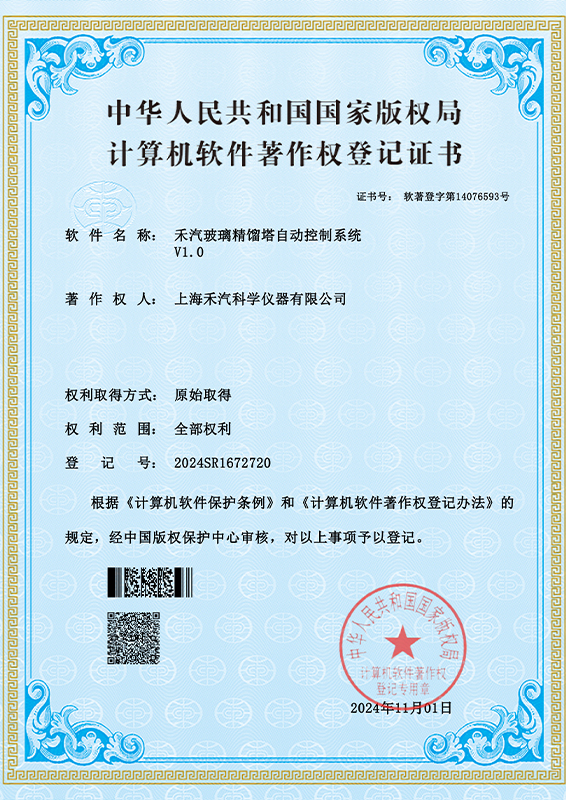
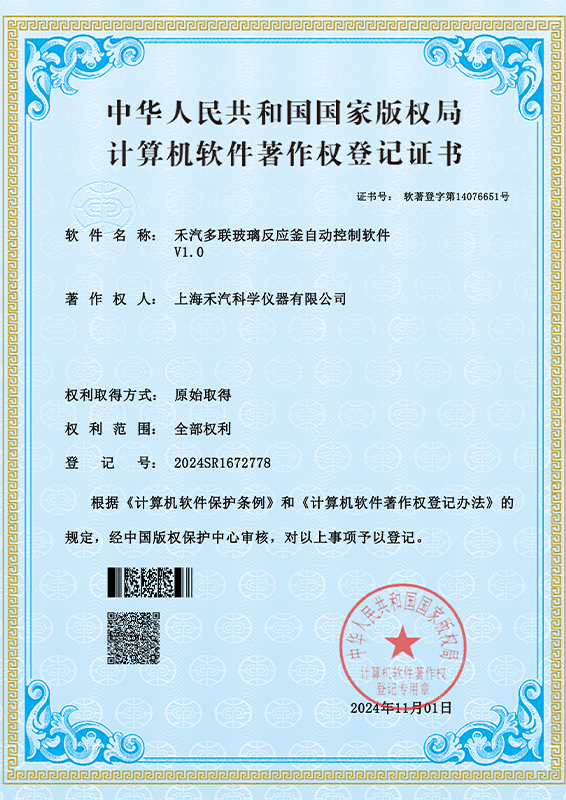
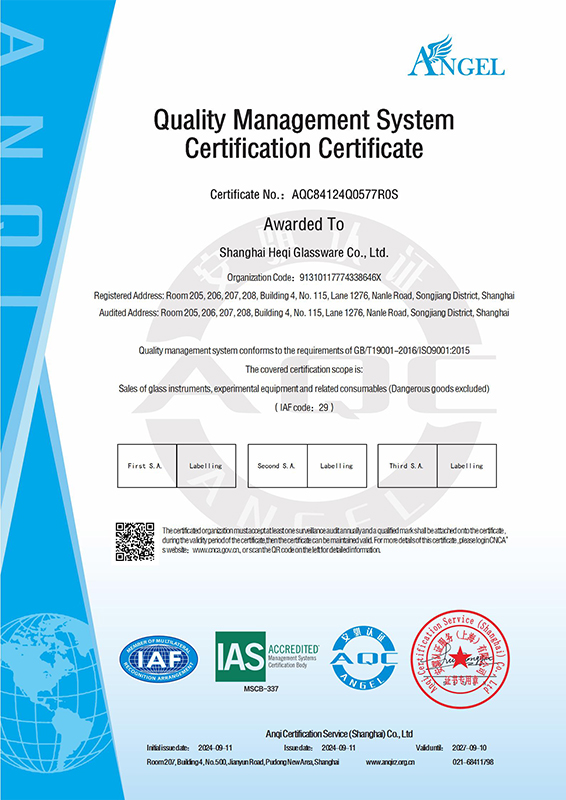
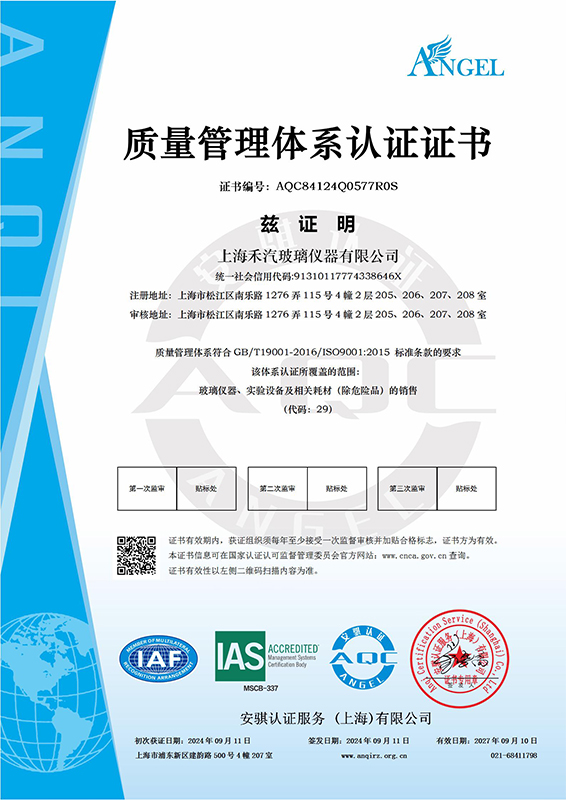
Certification
  • 1
  • 2
  • 3
  • 4
  • 5
  • 6
  • 7
Contact Us
Our custom service team is ready to provide you with expert advice and personalized solutions.
News
Industry Knowledge

How Do Laboratory Clamp Holders Connect Clamps and Support Rods?

Orthogonal and Multi-Angle Clamping Interface Mechanics

Positioning reaction glassware, distillation columns, and fluid lines within a laboratory scaffolding frame requires structural connectors capable of locking two cylindrical shafts at fixed spatial orientations. Universal lab clamp holders, also referred to as bossheads, bridge vertical support rods with horizontal or angled extension clamp arms. The internal channel geometry features dual V-shaped grooves or parallel cylindrical bores designed to receive standard 12.7 mm to 19 mm mounting rods. When an operator tightens the compression screws, the clamp holder exerts opposing mechanical forces that draw both rods tightly into the V-groove channels, preventing axial slipping or rotational displacement under load. The metalworking workshop at Shanghai Heqi Glassware Co., Ltd. precision-machines these internal contact channels from high-tensile alloys, ensuring that bossheads establish a rigid, non-slip friction grip even under heavy static weights.

Mechanical Load Distribution and Channel Contact Performance

Clamp Holder Channel Configuration Contact Interface Geometry Maximal Static Load Capacity Rotational Displacement Resistance
90-Degree Fixed V-Groove Bosshead Dual perpendicular V-channels 25 kg Vertical Static Load High torsional locking stability
360-Degree Swivel Bosshead Connector Interlocking serrated plates 15 kg Angular Load Adjustable multi-angle locking
Heavy-Duty Frame Clamp Connector Dual parallel cylindrical bores 40 kg Frame Grid Load Extreme axial slipping resistance
Open-Sided Hook Bosshead Open C-channel clamp slot 10 kg Auxiliary Load Rapid attachment without rod removal

Screw Compression and Thread Engagement Dynamics

The primary clamping force within lab clamp holders is generated via threaded compression screws terminating in flat or cupped clamping tips. As the T-bar knob or thumb screw is rotated, the screw tip advances through the body housing, bearing directly against the exterior surface of the support rod or clamp extension arm. High-grade clamp holders feature long thread engagement zones to distribute shear stress across multiple thread flanks, preventing thread stripping under high torque. Precision assembly facilities at Shanghai Heqi Glassware Co., Ltd. equip these compression screws with stainless steel or brass pressure pads that prevent the hard steel screw tip from gouging or deforming softer aluminum frame rods, preserving the smooth outer surface of the scaffolding framework over repeated adjustments.

Comparative Material Properties and Environmental Resistance Profiles

Material Construction Tensile Strength Rating Acid/Alkali Vapor Tolerance Thermal Stability Boundary
Die-Cast Zinc Alloy (Powder Coated) Moderate Structural Load Resists accidental mild acid splashes Up to 150°C
316 Stainless Steel Investment Cast High Structural Load Rating Resists direct exposure to strong acids/alkalis Up to 400°C
Anodized Structural Aluminum Alloy Lightweight / High Rigidity Moderate organic solvent resistance Up to 250°C

Vibration Attenuation Across Motorized Reactor Frameworks

Pilot-scale synthesis units involving overhead stirrers, vacuum pumps, and liquid circulation pumps generate continuous mechanical vibrations that propagate through structural scaffolding. Standard rigid connectors can loosen under persistent vibration, causing support arms to sag and introducing strain across ground-glass joint interfaces. Advanced lab clamp holders incorporate dampening brass inserts or spring-loaded lock washers within the screw assembly to absorb harmonic resonance. Testing procedures carried out at Shanghai Heqi Glassware Co., Ltd. evaluate clamp holder performance when mounted onto glass reactor support frameworks, verifying that compression settings remain constant despite high-torque mixing and continuous fluid circulation.

Modular Integration within Pilot Distillation and Reaction Systems

System Support Node Clamp Holder Configuration Operational Role in Apparatus Support
Glass Reactor Main Body Support Frame Heavy-Duty Dual-Rod Parallel Bosshead Locks reactor support rings to tubular scaffolding
Vapor Column & Reflux Condenser Line Right-Angle Fixed V-Groove Connector Secures extension clamps holding vertical columns
Addition Funnel & Temp Sensor Probe 360-Degree Swivel Bosshead Positions auxiliary glass feed lines at precise angles

Multi-Axis Spatial Alignment and Strain-Free Glass Assembly

Connecting complex multi-port glass covers to condensers, distillation heads, and receiver adaptors requires precise alignment along horizontal, vertical, and lateral axes. Misalignment between fixed support rods and glass ports introduces bending moments that cause joint binding or glass fracturing. Utilizing 360-degree swivel lab clamp holders allows operators to adjust the angular orientation of extension clamps independently before locking the central pivot screw. This multi-axis positioning capability allows technical operators to assemble extensive pilot-scale glass apparatuses without placing structural tension on delicate glass connections, maintaining fluid-tight joints throughout high-temperature and vacuum-assisted procedures.

FAQ

Q: How do internal V-groove channels in lab clamp holders prevent extension clamps from slipping under heavy loads?

A: Opposing V-groove channels create two contact lines along cylindrical support rods, generating a secure friction grip when compression screws are tightened. Precision-machined bossheads fabricated in the metalworking workshop at Shanghai Heqi Glassware Co., Ltd. maintain exact channel tolerances, locking horizontal extension arms firmly in place without axial twisting or sliding down vertical scaffolding rods.

Q: What mechanisms in lab clamp holders protect scaffolding rods from surface gouging during compression?

A: Direct steel-to-metal compression can scratch or deform softer support rods, weakening the scaffolding framework over repeated adjustments. Quality lab clamp holders incorporate brass pressure pads or cupped stainless steel screw tips that distribute clamping force evenly, protecting rod surfaces while maintaining high static load capacity across complex glassware assemblies.

Q: How do 360-degree swivel lab clamp holders assist in stress-free alignment of complex distillation heads?

A: Multi-port glass reactors and distillation units require precise spatial orientation to prevent lateral strain on ground joints. Swivel clamp holders feature interlocking serrated plates that allow operators to adjust extension clamp angles freely before locking the central pivot, enabling exact axial alignment without creating mechanical stress on delicate glass necks.

Q: Why is vibration resistance crucial when using lab clamp holders with overhead stirrer frameworks?

A: Rotational vibrations from high-torque stirrers mixing viscous fluids can cause standard screw fittings to back out and sag over time. Specialized lab clamp holders engineered alongside glass reactors at Shanghai Heqi Glassware Co., Ltd. utilize spring-loaded lock washers and long thread engagement zones to absorb harmonic resonance, keeping support clamps securely fastened during continuous mixing runs.

Q: What material finishes allow lab clamp holders to withstand corrosive chemical fume environments?

A: Exposure to acidic vapors and organic solvent fumes during reflux or distillation can rapidly degrade untreated metal connectors. High-durability clamp holders are investment-cast from 316 stainless steel or treated with industrial powder coatings and nickel plating, preventing oxidation, thread binding, and rust flaking in demanding processing environments.