Lab Reaction Vessel: Essential Structure and Core Functions in Modern Chemical Reaction Processes
The Lab Reaction Vessel is a specialized laboratory instrument designed to provide a controlled environment for chemical reactions, synthesis processes, and experimental evaluations. In modern scientific research, the performance of a reaction vessel directly affects the accuracy, efficiency, and repeatability of laboratory operations. Unlike ordinary laboratory containers, a professional Lab Reaction Vessel is engineered with advanced structural designs that support precise temperature regulation, effective mixing, chemical compatibility, and safe operation under different experimental conditions. It is widely used in chemical laboratories, pharmaceutical research facilities, universities, biotechnology companies, and pilot-scale production environments where researchers require stable and controllable reaction conditions.
The main purpose of a Lab Reaction Vessel is to create an optimized reaction space where different chemical substances can interact under carefully controlled parameters. During laboratory experiments, factors such as temperature fluctuation, material compatibility, reaction speed, and pressure changes can influence final results. A properly designed reaction vessel helps researchers maintain consistent experimental conditions by providing a reliable chamber, efficient heat transfer performance, and suitable accessory connections. This allows scientists to conduct experiments with improved accuracy while reducing possible variations caused by equipment limitations.
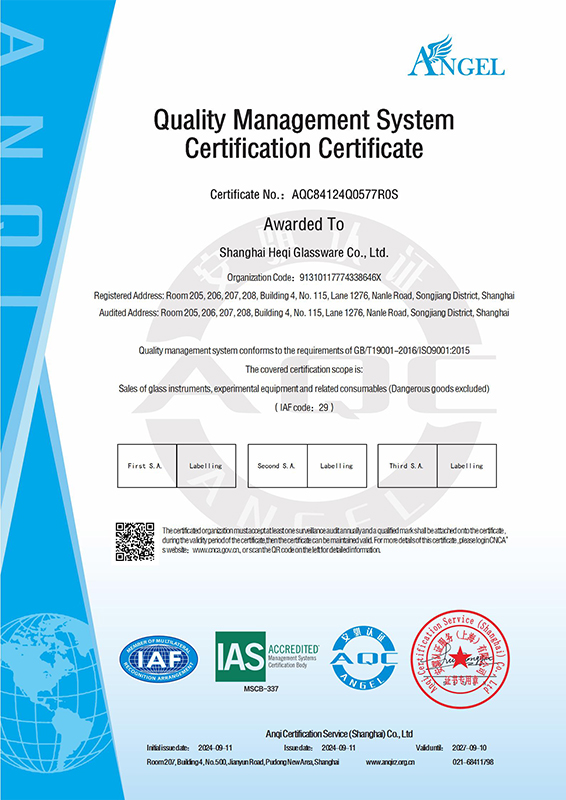
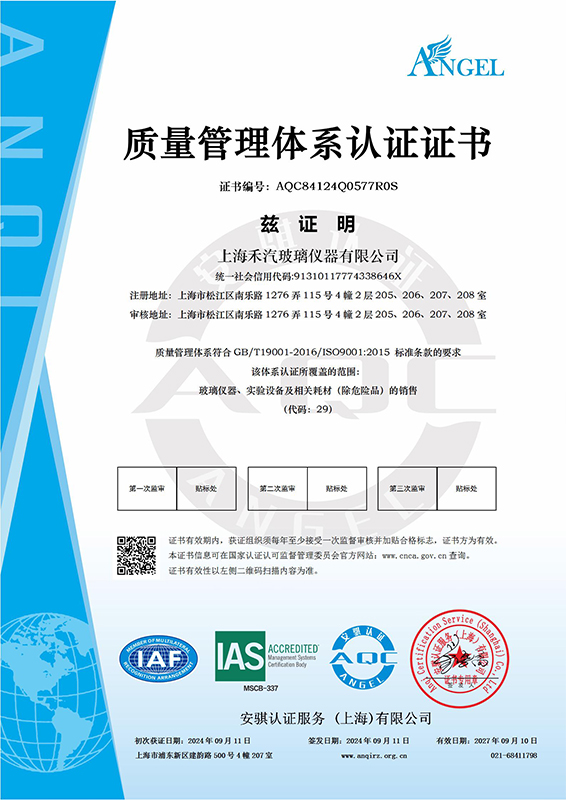
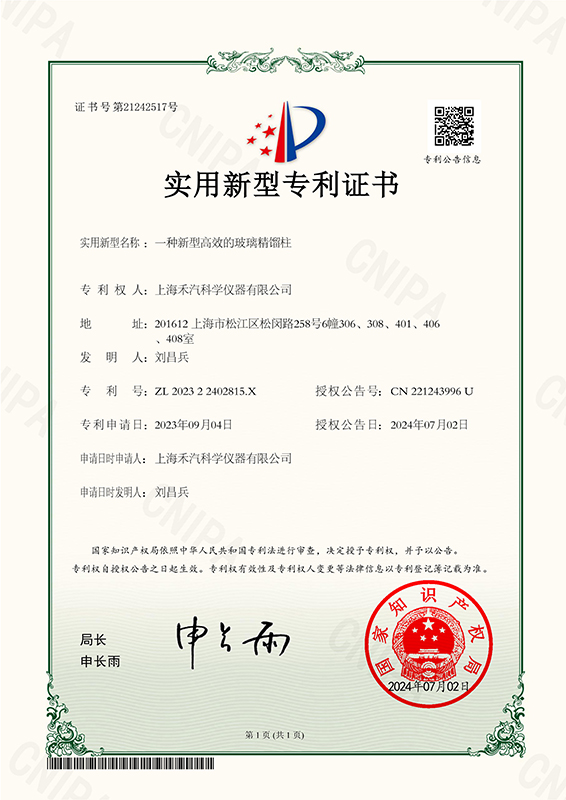
Shanghai Heqi Glassware Co., Ltd. was founded in March 2002 and specializes in the research, development, and production of standard-mouth glass instruments. As China Lab Reaction Vessels Suppliers and Lab Reaction Vessels Manufacturers, the company focuses on producing high-quality laboratory glass equipment that supports chemical research, pharmaceutical development, and industrial testing. By combining technology, craftsmanship, and professional management experience, Shanghai Heqi Glassware Co., Ltd. continuously improves manufacturing processes and product performance. The company has established production bases in Songjiang, Chengdu, Jiaxing, and Yancheng, creating a strong production system that supports efficient manufacturing and stable product supply.
With the development of modern chemical industries, laboratories require reaction equipment that can meet increasingly diverse experimental demands. A Lab Reaction Vessel must provide not only reliable basic functions but also flexible configurations for different research purposes. Researchers may need reaction systems for organic synthesis, crystallization studies, material preparation, catalyst evaluation, pharmaceutical intermediate production, and process optimization. Therefore, manufacturers need to combine advanced design concepts with practical production experience to develop equipment that meets different application scenarios.
Shanghai Heqi Glassware Co., Ltd. has adopted mechanized and semi-mechanized production techniques to replace traditional manual manufacturing approaches. The company has also introduced assembly-line industrial production methods to replace simple workshop-style manufacturing. These improvements enhance production efficiency, strengthen quality management, and provide customers with more consistent laboratory glassware products. Through continuous technological improvement, Shanghai Heqi Glassware Co., Ltd. supports laboratories with dependable equipment solutions designed for modern experimental requirements.
| Parameter |
Specification |
Unit |
Description |
| Working Volume |
5–100 |
L |
Suitable for laboratory experiments, process development, and small-scale pilot production applications |
| Pressure Condition |
Vacuum to Atmospheric Pressure |
MPa |
Supports controlled reaction environments with vacuum operation and sealed processing requirements |
| Stirring System |
Mechanical / Magnetic Stirring |
— |
Provides flexible mixing solutions according to different material characteristics and experimental needs |
| Connection Ports |
Multiple Standard Interfaces |
— |
Allows integration with condensers, thermometers, feeding systems, vacuum pumps, and other laboratory accessories |
The reaction chamber is the central working area of a Lab Reaction Vessel, where chemical materials are placed and reactions are performed. The design quality of the reaction chamber determines how effectively the equipment can maintain reaction conditions, support material interaction, and provide researchers with accurate experimental observation. A well-designed reaction chamber should provide sufficient volume, smooth internal surfaces, excellent chemical resistance, and compatibility with different reaction substances. These characteristics allow researchers to conduct experiments involving solvents, acids, alkalis, organic compounds, and other chemical materials under controlled conditions.
Glass is widely selected as the primary material for many Lab Reaction Vessel products because of its transparency, corrosion resistance, and stable physical properties. Laboratory glass allows researchers to visually monitor reaction processes, observe color changes, identify phase separation, and evaluate physical transformations during experiments. Borosilicate glass is commonly used because it can withstand temperature changes while maintaining structural stability. This makes it suitable for applications involving heating, cooling, evaporation, and chemical synthesis.
The manufacturing process of glass reaction chambers requires professional technology and precise processing methods. Small defects in glass structure may influence equipment performance during demanding experiments. Therefore, manufacturers need to control every stage, including raw material selection, glass forming, polishing, inspection, and final assembly. Shanghai Heqi Glassware Co., Ltd. specializes in the R&D and production of standard-mouth glass instruments and continuously improves its glass processing capabilities through advanced manufacturing technology. By integrating production experience with modern equipment, the company develops glass instruments that meet laboratory requirements for stability and durability.
Shanghai Heqi Glassware Co., Ltd. has established specialized workshops for glass production, metalworking, and assembly, allowing the company to manage different manufacturing stages internally. This integrated production structure helps improve coordination between glass components and supporting accessories. For a Lab Reaction Vessel, compatibility between different components affects overall performance, especially when the vessel is combined with stirring systems, temperature control devices, valves, and connecting parts.
The size and shape of the reaction chamber also influence experimental efficiency. Small-volume reaction vessels are often used for research-scale experiments, sample preparation, and formulation studies, while larger vessels are suitable for pilot-scale development and process evaluation. The internal geometry affects mixing efficiency, heat transfer speed, and material circulation. Therefore, selecting a suitable Lab Reaction Vessel requires consideration of reaction scale, chemical properties, and operating requirements.
Through continuous improvement in design and manufacturing, Shanghai Heqi Glassware Co., Ltd. provides customized equipment solutions for chemical and pharmaceutical industries. The company uses its internal capabilities in glass component design, production, and custom fabrication to support different laboratory applications. This allows customers to obtain reaction equipment that matches specific experimental processes and research objectives.
The sealing system of a Lab Reaction Vessel plays an important role in maintaining controlled reaction conditions. Many chemical experiments require protection from external contamination, prevention of solvent evaporation, or maintenance of specific atmospheric conditions. A reliable sealing structure helps researchers achieve stable reaction environments while improving operational convenience and equipment reliability.
A typical sealing system of a Lab Reaction Vessel includes covers, sealing rings, connection ports, valves, and other supporting components. Each component must work together to maintain proper closure and prevent unwanted leakage. During experiments involving volatile substances, vacuum operations, or gas protection, sealing performance directly affects the success of the reaction process. Proper sealing also reduces material loss and improves laboratory safety by limiting exposure to chemical vapors.
The selection of sealing materials requires careful consideration of chemical compatibility and temperature resistance. Different experimental substances may react differently with sealing materials, so manufacturers must provide suitable options according to application requirements. A professional Lab Reaction Vessel manufacturer needs to understand both glass technology and chemical application conditions to create equipment with reliable performance.
Shanghai Heqi Glassware Co., Ltd. has developed strong capabilities in laboratory equipment production by combining glass manufacturing, mechanical processing, and assembly technology. The company has formed an experienced R&D team involving experts in chemical research, mechanical design, processing technology, and electronic control systems. Through multidisciplinary cooperation, Shanghai Heqi Glassware Co., Ltd. continues to optimize equipment structures and improve the practical performance of laboratory reaction systems.
The company also provides various experimental equipment and laboratory consumables from domestic and international brands, offering customers comprehensive support beyond individual equipment production. With sufficient inventory, fast delivery capabilities, and professional service, Shanghai Heqi Glassware Co., Ltd. helps laboratories obtain suitable equipment solutions according to different research needs.
For modern chemical laboratories, sealing design is closely related to experimental efficiency and process control. A properly designed Lab Reaction Vessel enables researchers to perform reactions under stable conditions, maintain consistent experimental parameters, and achieve reliable research results. As chemical and pharmaceutical industries continue developing, advanced sealing technologies and flexible equipment configurations will continue improving the application value of laboratory reaction systems.
The stirring system is one of the main functional components that determines the reaction efficiency and operational performance of a Lab Reaction Vessel. In chemical experiments, uniform mixing directly affects the contact between reactants, heat distribution, mass transfer efficiency, and reaction consistency. A properly designed stirring structure allows materials inside the vessel to move evenly, preventing uneven concentration areas and improving the reliability of experimental results. Different chemical processes require different mixing conditions, including slow stirring for sensitive reactions, high-speed agitation for dispersion processes, and precise speed control for experiments that require accurate process adjustment.
A professional Lab Reaction Vessel usually integrates stirring shafts, impellers, motors, sealing structures, and control systems to achieve stable mixing performance. The selection of stirring components depends on factors such as material viscosity, reaction volume, chemical characteristics, and experimental objectives. For low-viscosity liquids, standard stirring blades may provide sufficient circulation, while high-viscosity materials may require specially designed impellers to improve material movement. The design of the stirring system must also consider the interaction between the mechanical structure and the glass vessel body to ensure smooth operation and reduce unnecessary stress on the equipment.
The position and shape of the stirring blade influence the flow pattern inside a Lab Reaction Vessel. Proper blade positioning helps create effective circulation paths, allowing materials from different areas of the vessel to mix evenly. In chemical synthesis, uneven mixing may cause incomplete reactions, unstable intermediate products, or inconsistent experimental data. Therefore, the stirring system must be designed according to the specific characteristics of the reaction process. Researchers often select different stirring configurations based on reaction scale, material properties, and required processing conditions.
Shanghai Heqi Glassware Co., Ltd. integrates expertise in chemical R&D, mechanical design and processing, and electronic control technology to develop laboratory equipment with practical performance advantages. As China Lab Reaction Vessels Suppliers and Lab Reaction Vessels Manufacturers, the company understands that a complete reaction system requires coordination between the vessel structure, stirring mechanism, and supporting components. Through professional engineering design and manufacturing experience, Shanghai Heqi Glassware Co., Ltd. provides laboratory equipment solutions that support various chemical research and pilot-scale production applications.
The company has established specialized workshops for glass manufacturing, metalworking, and assembly, enabling better coordination during the production of reaction equipment. This integrated manufacturing capability allows Shanghai Heqi Glassware Co., Ltd. to improve the compatibility between glass vessels and mechanical components. For a Lab Reaction Vessel, the connection between the stirring system and vessel structure must maintain stability during continuous operation, especially in experiments involving long reaction periods or demanding mechanical conditions.
Modern laboratories increasingly require flexible stirring solutions because research projects cover a wide range of chemical processes. A single Lab Reaction Vessel may need to support different stirring speeds, replaceable accessories, and adjustable operating conditions. Shanghai Heqi Glassware Co., Ltd. continuously improves equipment design and production methods to meet these changing requirements. By combining manufacturing experience with customer application needs, the company provides reaction equipment suitable for laboratory research, process development, and pilot-scale experiments.
Temperature control is a fundamental function of a Lab Reaction Vessel, as many chemical reactions depend on accurate thermal management. Reaction speed, product quality, material stability, and experimental safety can all be influenced by temperature variations. A professional reaction vessel must provide effective heating and cooling capabilities to help researchers maintain stable reaction conditions throughout the experimental process. Whether a reaction requires heating, cooling, temperature maintenance, or rapid thermal adjustment, the vessel structure must support precise control.
A typical Lab Reaction Vessel temperature control system may include heating jackets, circulation channels, temperature sensors, and external temperature control equipment. These components work together to transfer heat efficiently between the reaction materials and the surrounding control medium. Compared with simple laboratory containers, advanced reaction vessels provide better temperature distribution and reduce the possibility of uneven heating or cooling.
Heat transfer performance depends on several structural factors, including vessel material, wall thickness, surface design, and the connection between the vessel and temperature control equipment. High-quality glass materials provide good thermal stability and allow researchers to conduct experiments involving different temperature ranges. The transparency of glass also enables visual monitoring during thermal processes, helping researchers observe changes in material conditions.
Shanghai Heqi Glassware Co., Ltd. develops laboratory equipment by combining technical innovation with practical manufacturing experience. The company produces various laboratory instruments and small-scale equipment, including glass reactors, rotary evaporators, distillation units, and high- and low-temperature circulation systems. These products are designed to support chemical research and pharmaceutical development where precise temperature management is required.
As China Lab Reaction Vessels Suppliers and Lab Reaction Vessels Manufacturers, Shanghai Heqi Glassware Co., Ltd. focuses on improving equipment performance through advanced production methods. The company has adopted mechanized and semi-mechanized production processes to enhance manufacturing efficiency and improve product consistency. These production improvements allow the company to provide reaction vessels with stable structures and reliable performance for different laboratory applications.
The temperature control capability of a Lab Reaction Vessel also affects process scalability. During laboratory research, scientists often need to transfer experimental methods from small-scale testing to pilot-scale production. Equipment that provides accurate thermal control at different scales helps researchers evaluate process feasibility more effectively. Shanghai Heqi Glassware Co., Ltd. supports chemical and pharmaceutical industries by providing customized small-scale and pilot-scale equipment solutions based on specific application requirements.
In addition to standard products, the company provides customized fabrication services for special laboratory requirements. Different research projects may require unique temperature ranges, special connection structures, or specific vessel configurations. Through internal design, production, and glass component processing capabilities, Shanghai Heqi Glassware Co., Ltd. can develop equipment solutions that match customer processes.
The future development of Lab Reaction Vessel technology will continue focusing on improved temperature control accuracy, energy efficiency, and intelligent monitoring. Advanced temperature management systems will help laboratories achieve better experimental repeatability and optimize chemical processes. By combining engineering expertise with manufacturing capabilities, Shanghai Heqi Glassware Co., Ltd. continues improving laboratory equipment solutions for modern scientific research.


 English
 Français
 Español