Custom Lab Glass Weighing Bottles

Home / Products / Bottles / Glass Weighing Bottles

Lab Glass Weighing Bottles Suppliers

Grid
List
View More
About
Shanghai Heqi Glassware Co., Ltd.

One point of professionalism, one point of service, one point of companionship—allow me to be your reliable partner on the path forward!

Shanghai Heqi was founded in March 2002, It is China Lab Glass Weighing Bottles Suppliers and Lab Glass Weighing Bottles Manufacturers, Specializing in the R&D and production of standard-mouth glass instruments. Over the years, the company has established production bases in locations such as Songjiang, Chengdu, Jiaxing, and Yancheng. By integrating technology, craftsmanship, and management expertise, Heqi has adopted mechanized and semi-mechanized techniques to replace traditional manual methods. It has also introduced assembly-line industrial processes to replace simple workshop-style production, thereby reducing costs and improving quality.

To deliver on its service commitment of “you make a call, we handle the rest,” Heqi also supplies a range of high-quality glass instruments, lab consumables, and experimental equipment from both domestic and international brands. With ample inventory, fast delivery, and premium service, the company ensures full support for its clients.

In recent years, Shanghai Heqi has brought together experts in chemical R&D, mechanical design and processing, and electronic control to form a dedicated R&D team. The company has also set up three specialized workshops for glass, metalworking, and assembly. These facilities produce a variety of small and pilot-scale equipment, including glass reactors, rotary evaporators, distillation units, high- and low-temperature circulation systems, vacuum pumps, stirrers, and UV analyzers.

Leveraging its in-house capabilities in design, production, and custom fabrication of glass components, Shanghai Heqi continuously enhances product quality and service standards. It also supports the chemical and pharmaceutical industries by enabling customized small-scale and pilot-scale equipment solutions.
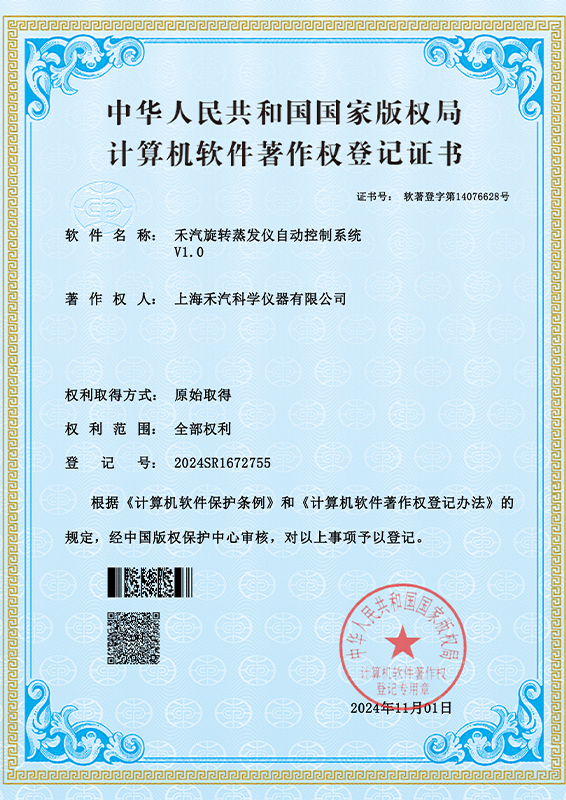
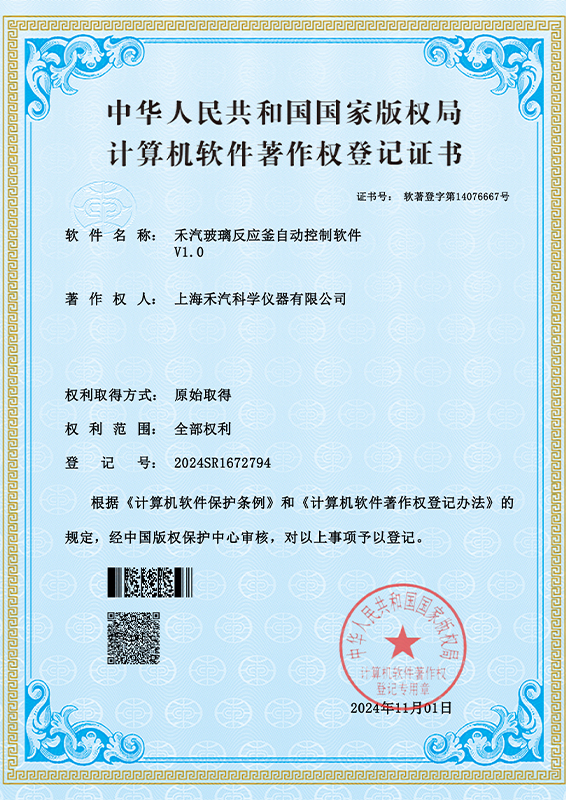
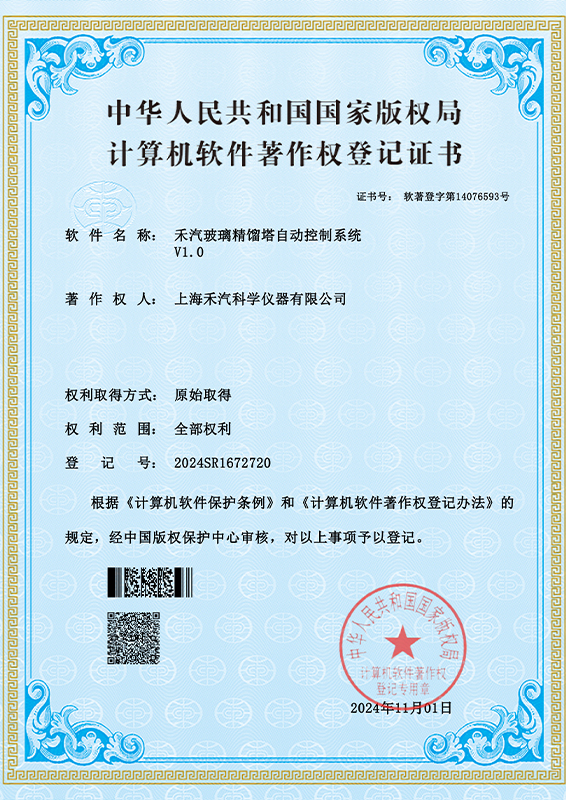
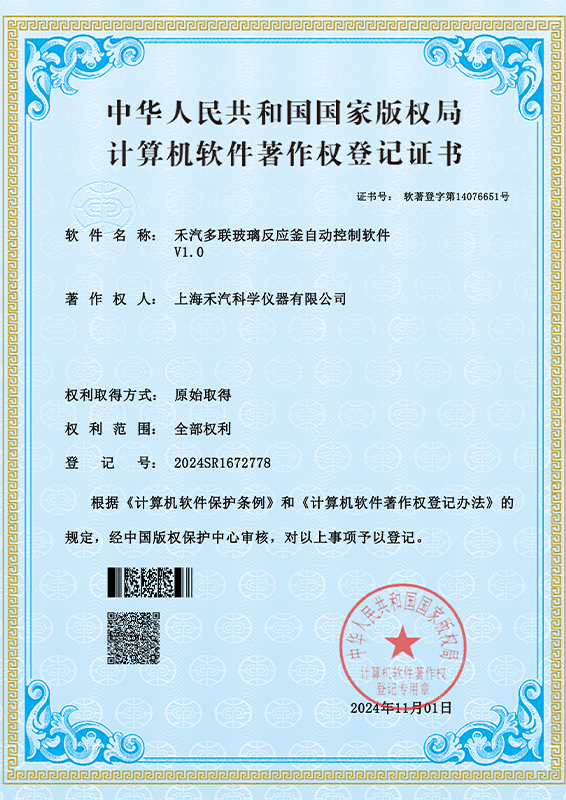
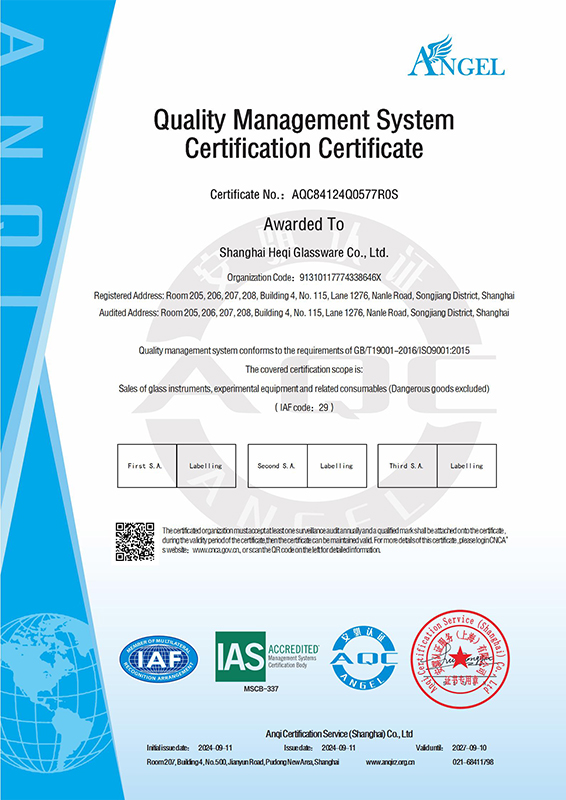
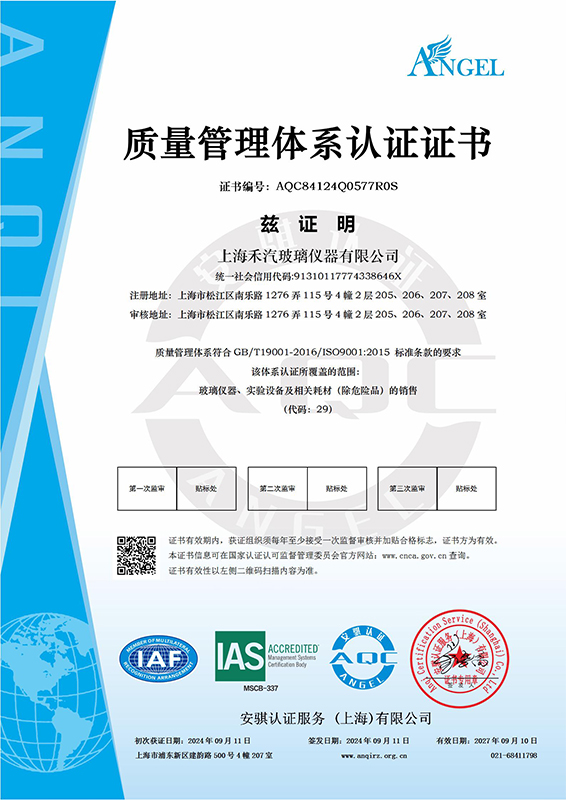
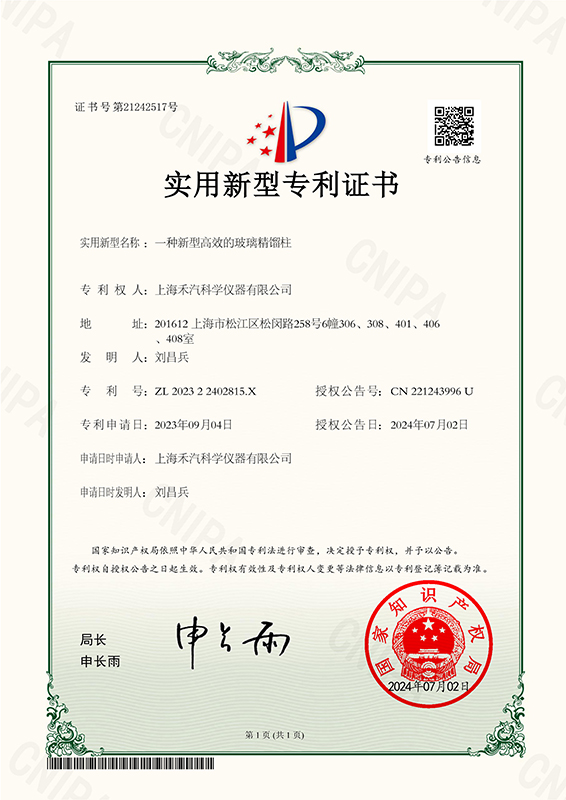
Certification
  • 1
  • 2
  • 3
  • 4
  • 5
  • 6
  • 7
Contact Us
Our custom service team is ready to provide you with expert advice and personalized solutions.
News
Industry Knowledge

Selecting Lab Glass Weighing Bottles for Precision Laboratory Workflows

Standard Ground Glass Joints and Sealing Integrity Protocols

Selecting lab glass weighing bottles requires careful evaluation of ground joint precision and sealing performance. In quantitative analytical chemistry, weighing bottles are used to contain moisture-sensitive, volatile, or hygroscopic compounds during mass determination on micro-analytical balances. A precision-ground glass stopper forms a tight barrier that prevents air exchange, atmospheric moisture absorption, or sample evaporation during transfer. Manufacturing facilities operated by Shanghai Heqi Glassware Co., Ltd. utilize controlled grinding techniques to achieve standardized ground-mouth joints, such as standard taper 14/23, 19/26, or 24/29 configurations. Selecting bottles with standardized ground joints ensures complete interchangeability across laboratory glassware setups while maintaining a seal that preserves sample mass integrity throughout sensitive analytical procedures.

Weighting Bottle Profile Ground Joint Specification Primary Sample Compatibility Handling Advantage
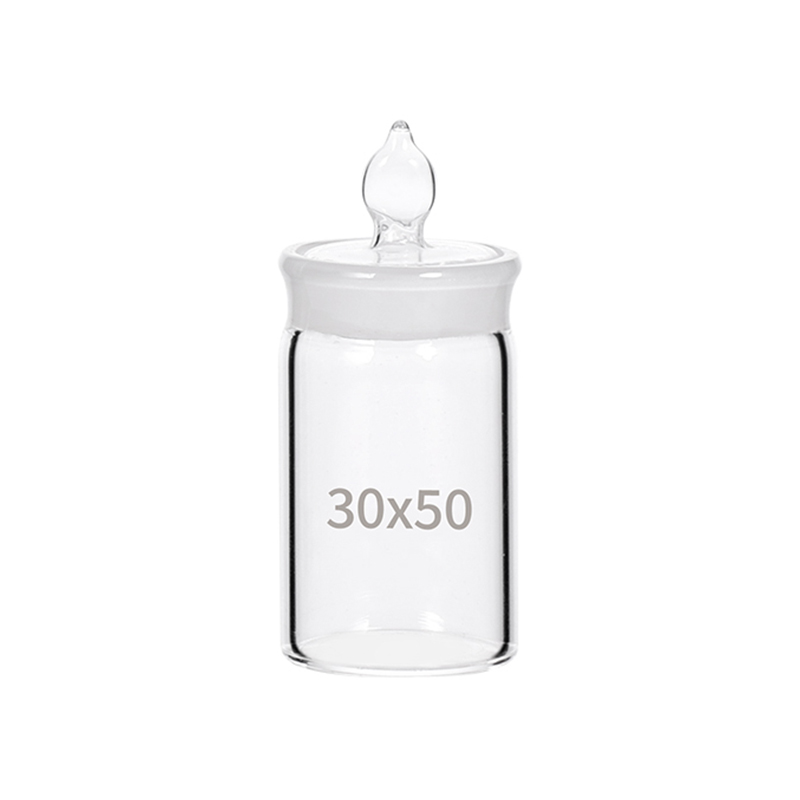
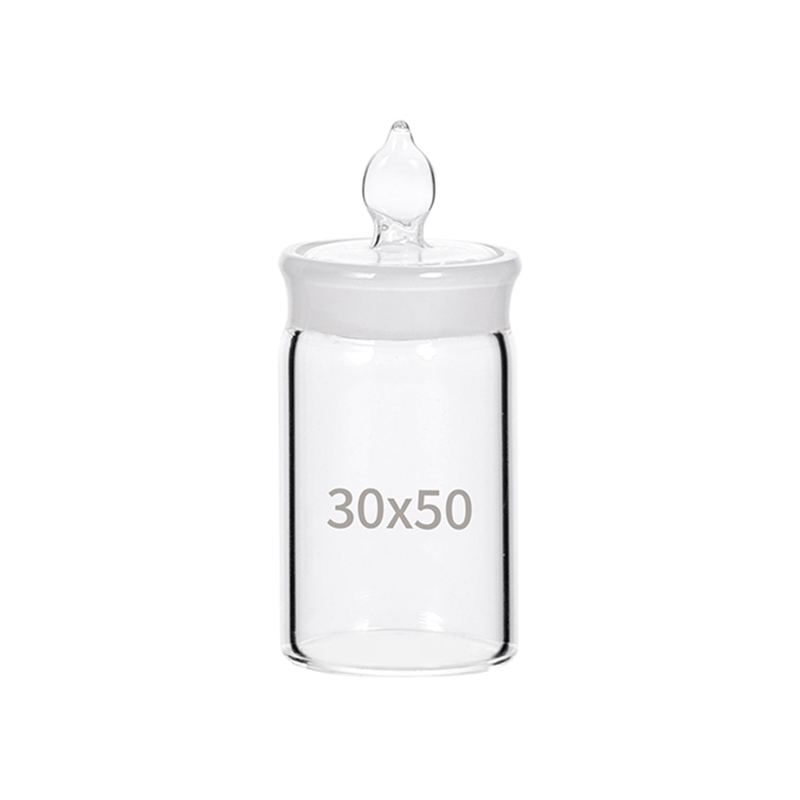
Tall Form Design Standard Taper 14/23 or 19/26 Fine Powders and Hygroscopic Salts Reduced Surface-to-Volume Ratio
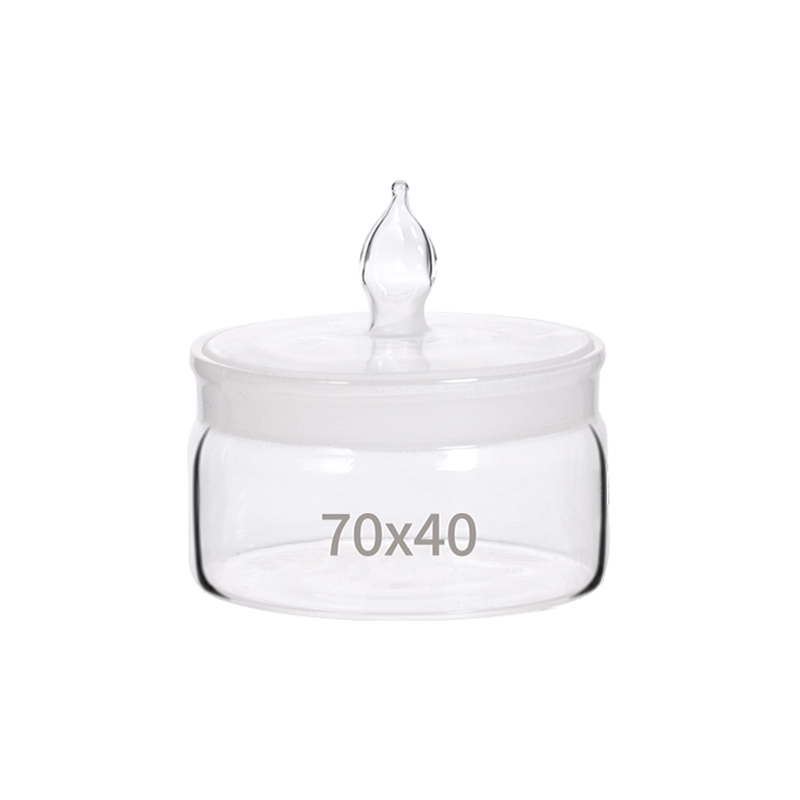
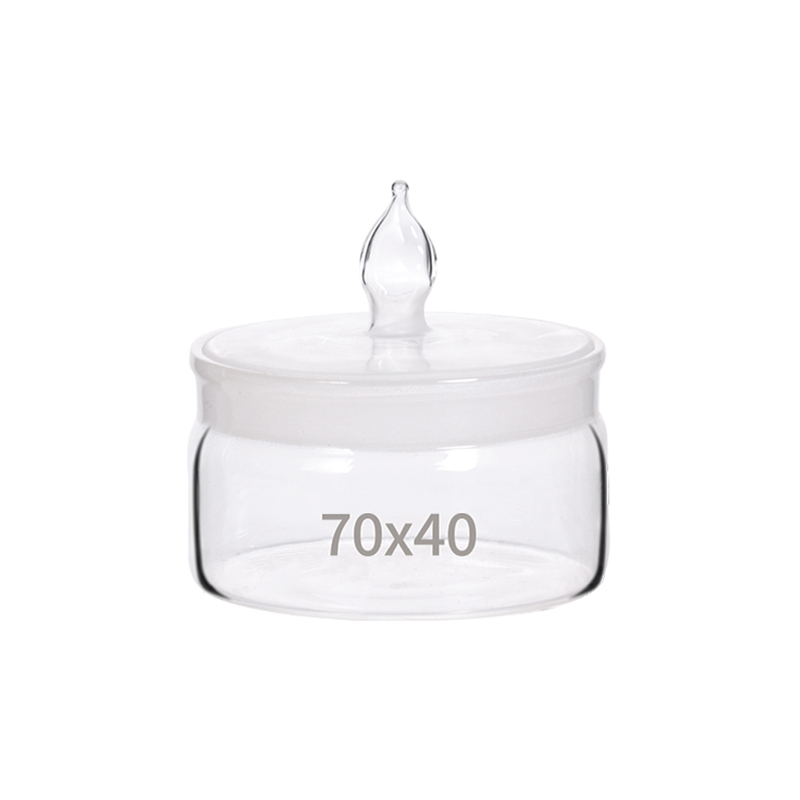
Flat / Low Form Design Standard Taper 29/32 or 40/35 Granular Solids and Bulk Crystals Wide Opening for Easy Spatula Access
Cap-Style Ground Joint External Ground Glass Cap Volatile Liquids and Fine Dusts Eliminates Internal Joint Contamination

Dimensional Geometries and Form Factor Considerations

The physical geometry of a lab glass weighing bottle directly affects sample handling efficiency and balance chamber compatibility. Weighing bottles are generally manufactured in tall form and low form (flat) configurations. Tall form bottles feature narrower diameters and taller side walls, minimizing the surface area of the sample exposed to ambient air when the stopper is briefly removed. This profile is suitable for measuring deliquescent or highly reactive dry chemical reagents. Conversely, low form weighing bottles present a wider mouth diameter, providing an open surface that facilitates the insertion of weighing spatulas and simplifies the transfer of sticky or coarse solid materials without contacting the inner joint surface.

Borosilicate Glass Thermal and Chemical Stability Criteria

Material composition is a fundamental selection criterion when specifying lab glass weighing bottles for rigorous research environments. High-quality weighing vessels are fabricated from Low-Expansion Borosilicate Glass 3.3, which exhibits high resistance to thermal shock, acid corrosion, and chemical leaching. In workflows involving oven drying of analytical samples to constant mass, the weighing bottle must withstand repeated thermal cycling between room temperature and elevated temperatures up to 200°C without mechanical stress or dimensional distortion. Production processes at Shanghai Heqi Glassware Co., Ltd. incorporate precise stress-relief annealing to guarantee that glass weighing vessels maintain dimensional stability under varying thermal conditions inside laboratory ovens and desiccators.

Material Parameter Borosilicate Glass 3.3 Specification Analytical Workflow Impact
Coefficient of Thermal Expansion 3.3 x 10^-6 K^-1 Prevents Cracking During Oven Drying
Chemical Hydrolytic Class Class 1 (ISO 719) Prevents Leaching During Mass Measurement
Maximum Thermal Working Limit 500°C Continuous Service Allows High-Temperature Sample Sterilization
Density Properties 2.23 g/cm³ Nominal Maintains Tare Weight Stability Over Time

Stopper Configurations and Dust Protection Mechanisms

The structural relationship between the bottle body and its stopper impacts contamination control and operational convenience. Laboratory glass weighing bottles are available with either internal plug stoppers or external cap stoppers. Internal plug stoppers fit directly into the ground neck of the bottle, forming a compact profile suitable for small balance chambers. However, fine powders can sometimes stick to internal ground surfaces during pouring, leading to small mass losses or joint binding. External cap stoppers fit over the outer ground neck of the bottle, shielding the upper rim from settling dust and preventing sample powder from coming into contact with the ground joint surface during transfers.

Integration with Secondary Pilot Equipment and Analytical Workflows

In pilot-scale research, organic synthesis, and pharmaceutical development, glass weighing bottles serve as a starting point for reagent preparation before introducing compounds into larger processing equipment. Accurate mass determination in a glass weighing bottle precedes the addition of precursors into glass reactors, rotary evaporators, or distillation units. Technical teams at Shanghai Heqi Glassware Co., Ltd. design standard-mouth weighing vessels to align with standardized laboratory protocols, ensuring that weighed reagents can be quantitatively washed into reaction flasks or dissolution vessels without risk of cross-contamination or chemical interaction with the vessel walls.

FAQ

Q: How do standard ground glass joints maintain sample mass stability during sensitive analytical weighing?

A: Precision-ground taper joints create a tight glass-to-glass interface that blocks ambient moisture absorption and prevents sample evaporation. Facilities such as Shanghai Heqi Glassware Co., Ltd. utilize standardized grinding techniques to ensure consistent seal integrity, preserving sample mass accuracy when transferring hygroscopic or volatile compounds between balances and drying ovens.

Q: What are the functional differences when choosing between tall form and low form glass weighing bottles?

A: Tall form weighing bottles feature narrower openings and taller side walls, which minimizes air contact and protects moisture-sensitive powders during mass measurement. Low form or flat weighing bottles present a wider mouth diameter, making it easier to insert spatulas and transfer granular solids or thick samples without contaminating the ground glass joint.

Q: Why is Borosilicate Glass 3.3 specified for weighing bottles used in oven-drying protocols?

A: Borosilicate Glass 3.3 possesses a low coefficient of thermal expansion and high thermal shock resistance. This material stability allows weighing bottles to undergo repeated thermal cycles up to 200°C inside laboratory drying ovens without warping, cracking, or altering their calibrated tare weights over time.

Q: How do external cap-style stoppers compare to internal plug stoppers in preventing sample loss?

A: Internal plug stoppers fit inside the neck and provide a compact profile for small balance chambers, though fine powders can stick to the ground joint during pouring. External cap stoppers fit over the outer rim, protecting the pouring edge from airborne dust and preventing dry chemical powders from getting trapped in the ground joint during material transfer.

Q: Can custom glass weighing bottles be produced to match specialized pilot-scale synthesis setups?

A: Yes, custom dimensional profiles and non-standard ground mouth sizes can be fabricated to align with specific research protocols. Specialized production workshops, such as those operated by Shanghai Heqi Glassware Co., Ltd., adapt glass joint specifications and vessel capacities to allow direct quantitative sample transfers into reaction flasks, rotary evaporators, or distillation systems.