Custom Lab Media Storage Bottles

Home / Products / Bottles / Media Storage Bottles

Lab Media Storage Bottles Suppliers

Grid
List

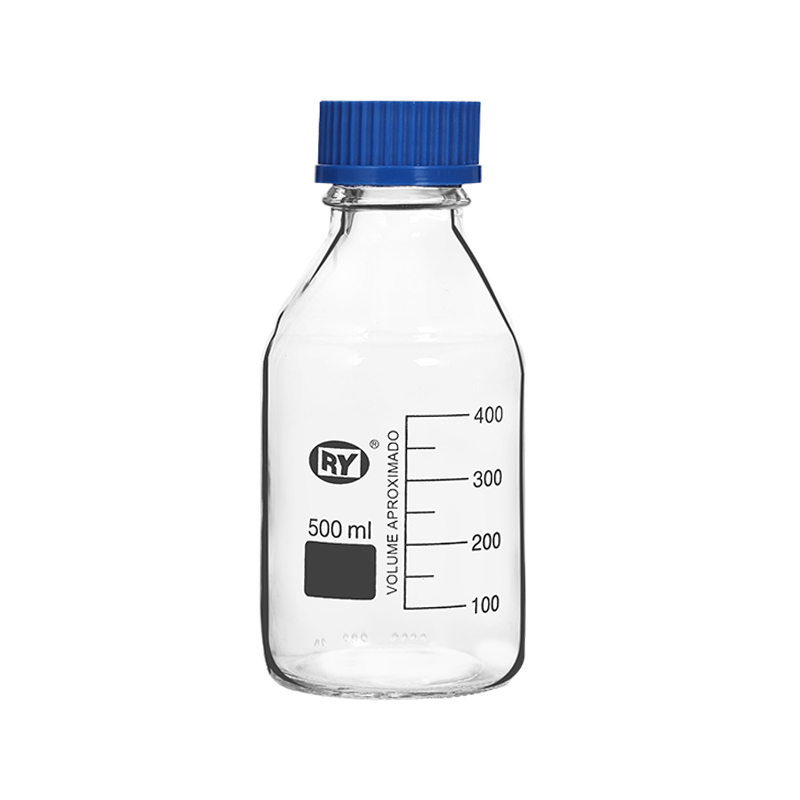
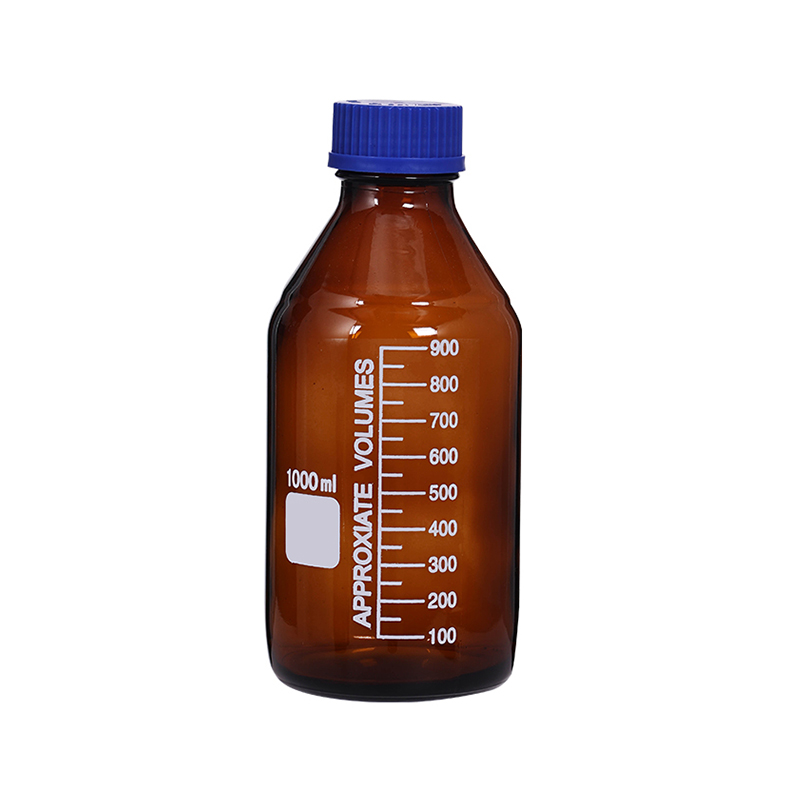
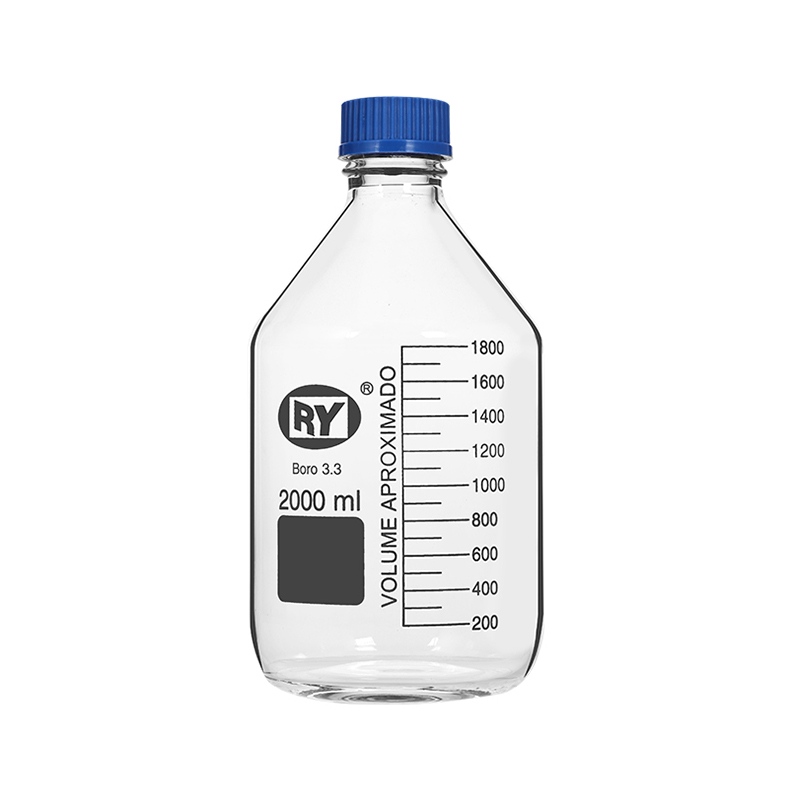
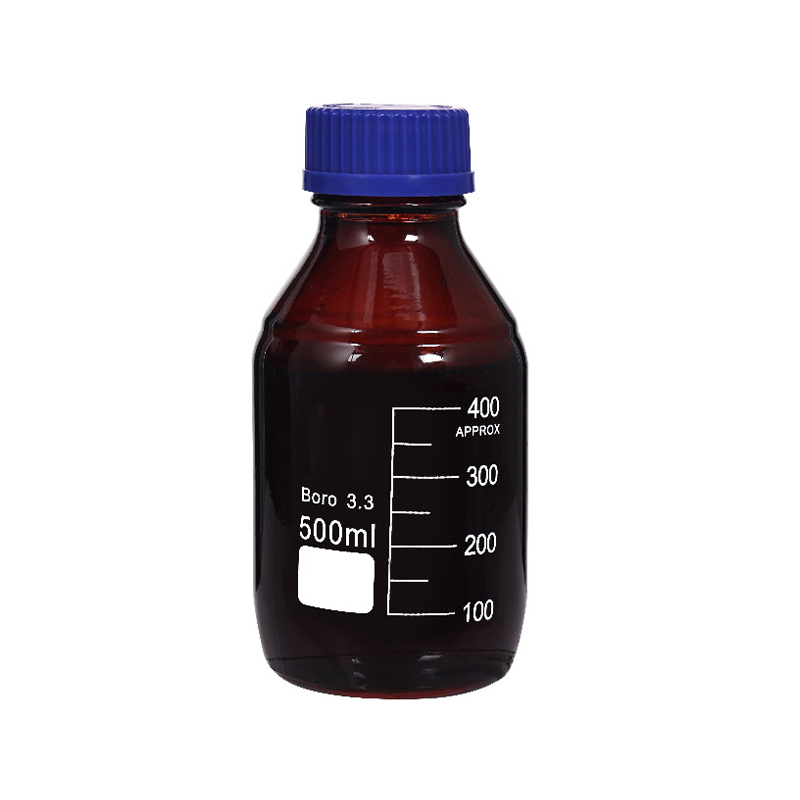
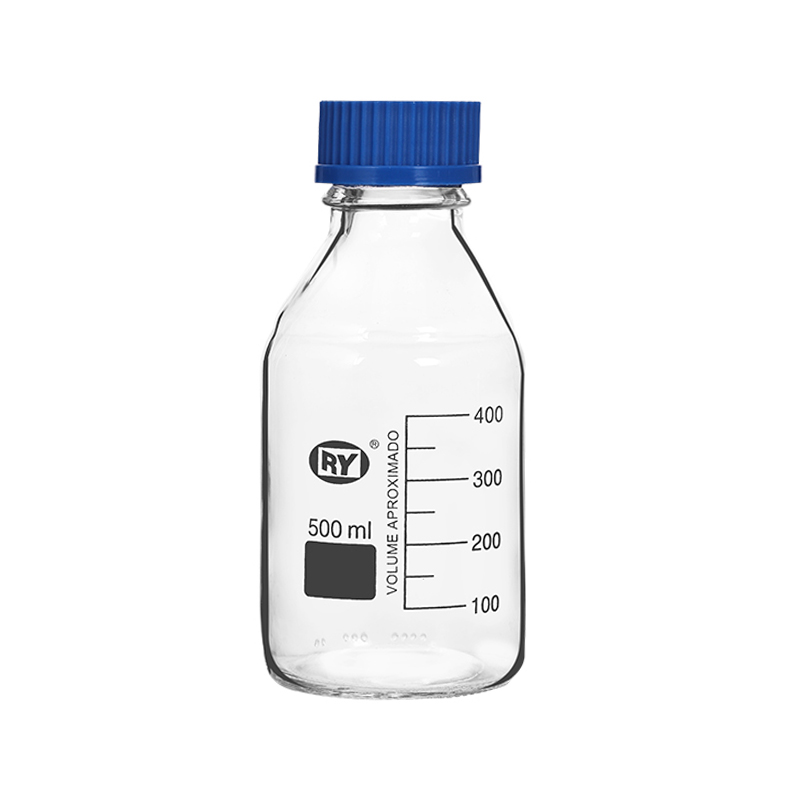
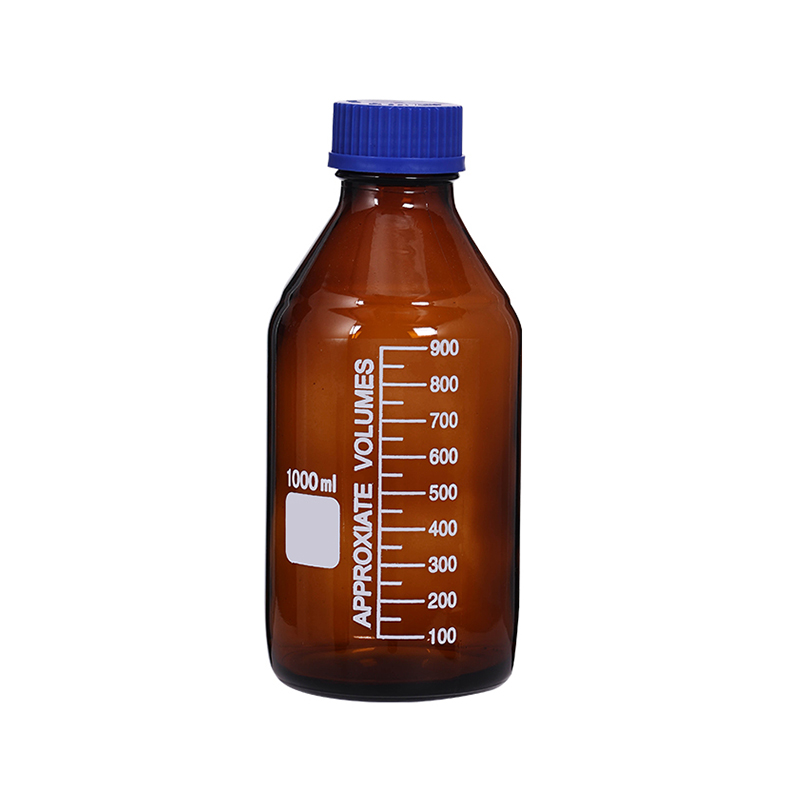
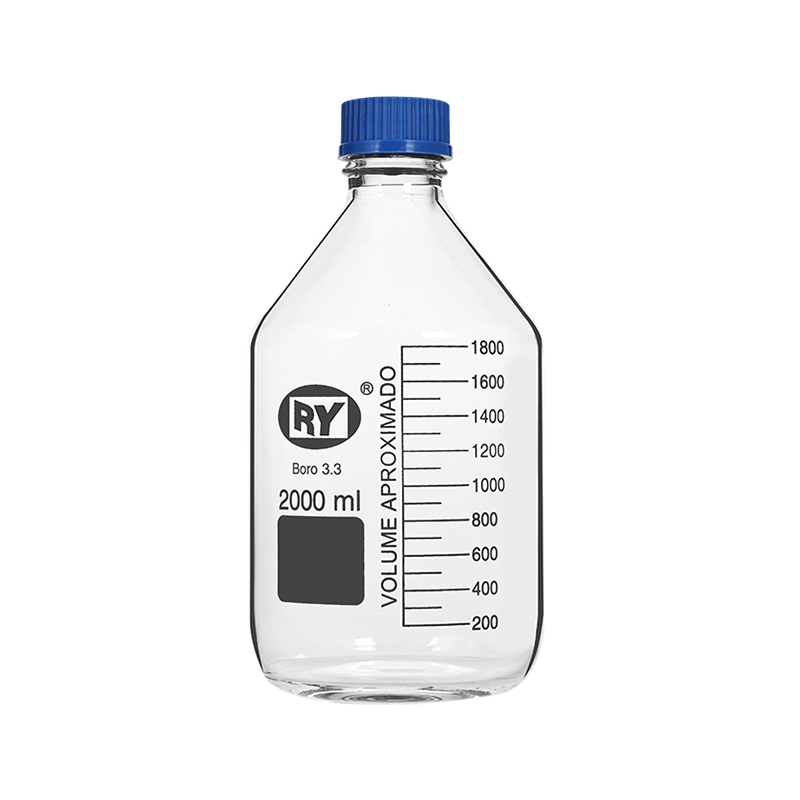
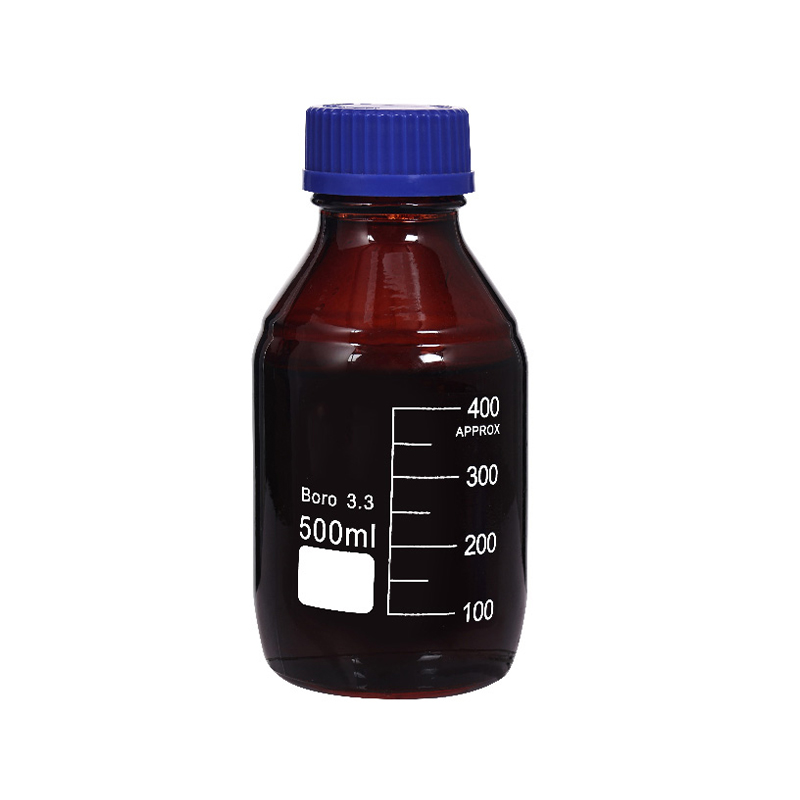
Made of high-quality, thick-walled, Borosilicate 3.3 glass. Screw cap is well sealed and drip-free. Ideal for Storage, Mixing, Sample Preparation and daily use.

View More
About
Shanghai Heqi Glassware Co., Ltd.

One point of professionalism, one point of service, one point of companionship—allow me to be your reliable partner on the path forward!

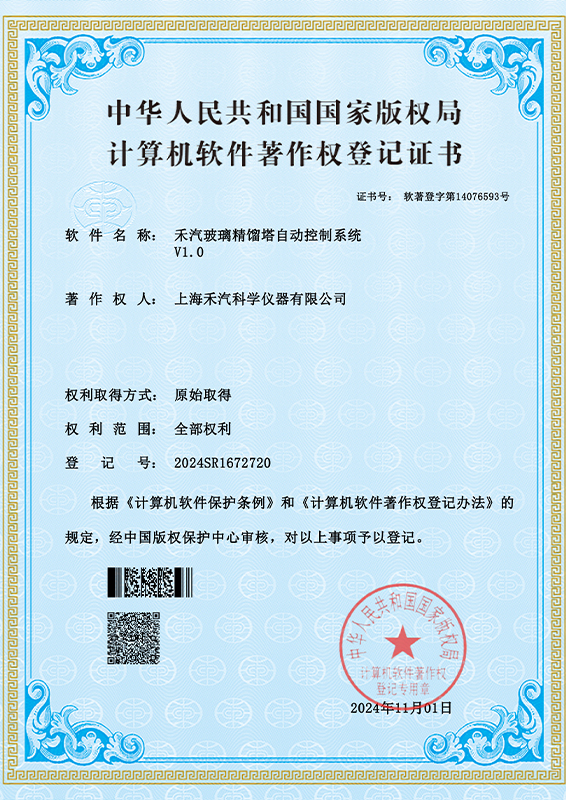
Shanghai Heqi was founded in March 2002, It is China Lab Media Storage Bottles Suppliers and Lab Media Storage Bottles Manufacturers, Specializing in the R&D and production of standard-mouth glass instruments. Over the years, the company has established production bases in locations such as Songjiang, Chengdu, Jiaxing, and Yancheng. By integrating technology, craftsmanship, and management expertise, Heqi has adopted mechanized and semi-mechanized techniques to replace traditional manual methods. It has also introduced assembly-line industrial processes to replace simple workshop-style production, thereby reducing costs and improving quality.

To deliver on its service commitment of “you make a call, we handle the rest,” Heqi also supplies a range of high-quality glass instruments, lab consumables, and experimental equipment from both domestic and international brands. With ample inventory, fast delivery, and premium service, the company ensures full support for its clients.

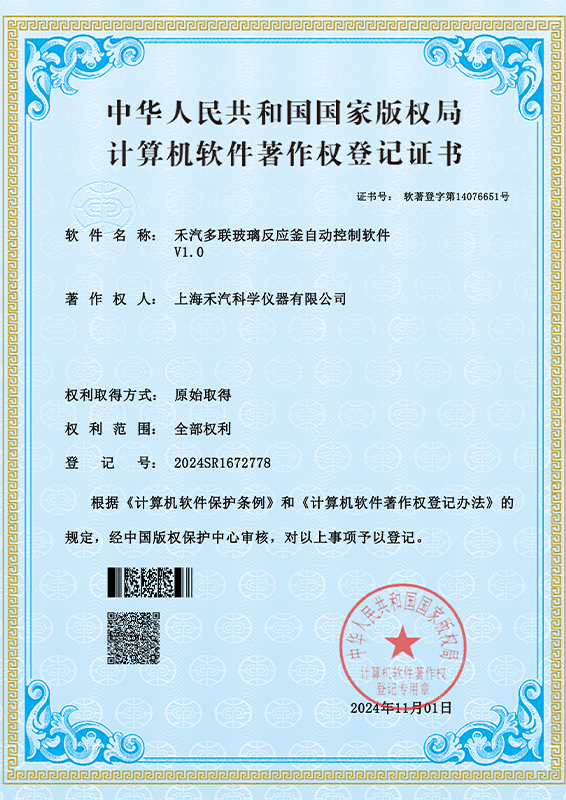
In recent years, Shanghai Heqi has brought together experts in chemical R&D, mechanical design and processing, and electronic control to form a dedicated R&D team. The company has also set up three specialized workshops for glass, metalworking, and assembly. These facilities produce a variety of small and pilot-scale equipment, including glass reactors, rotary evaporators, distillation units, high- and low-temperature circulation systems, vacuum pumps, stirrers, and UV analyzers.

Leveraging its in-house capabilities in design, production, and custom fabrication of glass components, Shanghai Heqi continuously enhances product quality and service standards. It also supports the chemical and pharmaceutical industries by enabling customized small-scale and pilot-scale equipment solutions.
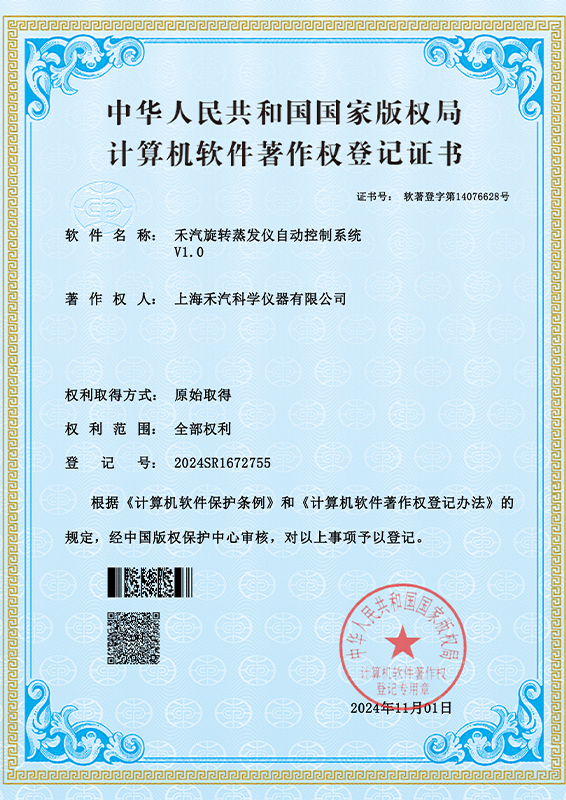
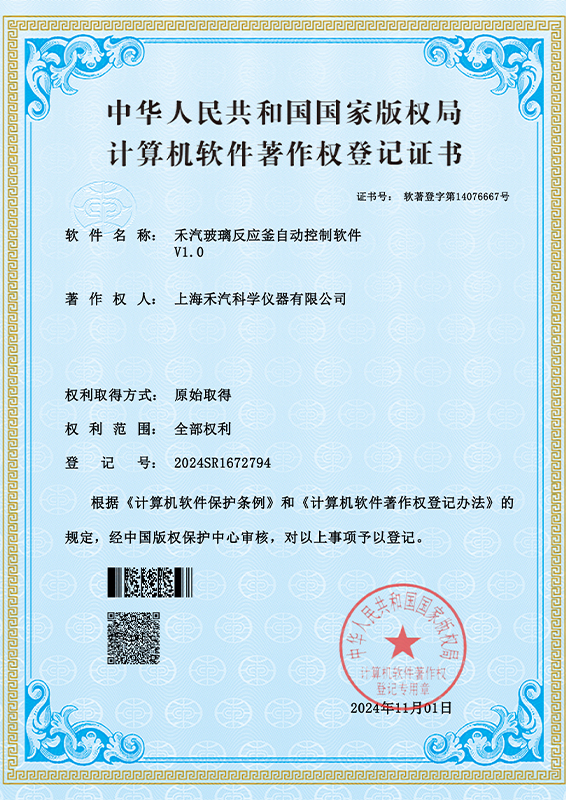
Certification
  • 1
  • 2
  • 3
  • 4
  • 5
  • 6
  • 7
Contact Us
Our custom service team is ready to provide you with expert advice and personalized solutions.
News
Industry Knowledge

Differentiating Lab Media Storage Bottles and Reagent Bottles in Laboratory Workflows

Neck Finish and Thread Geometry Engineering

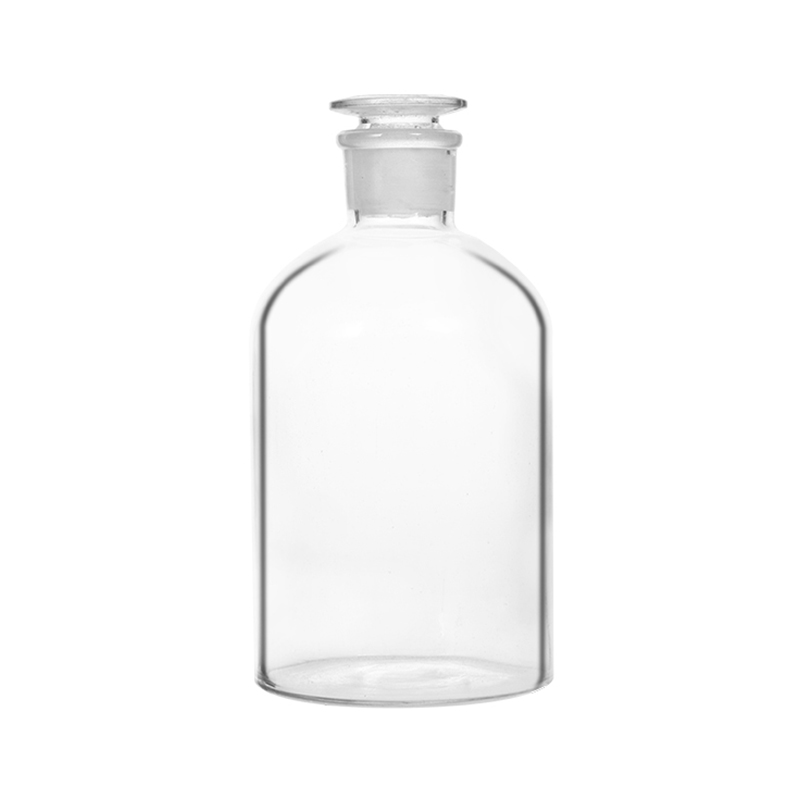
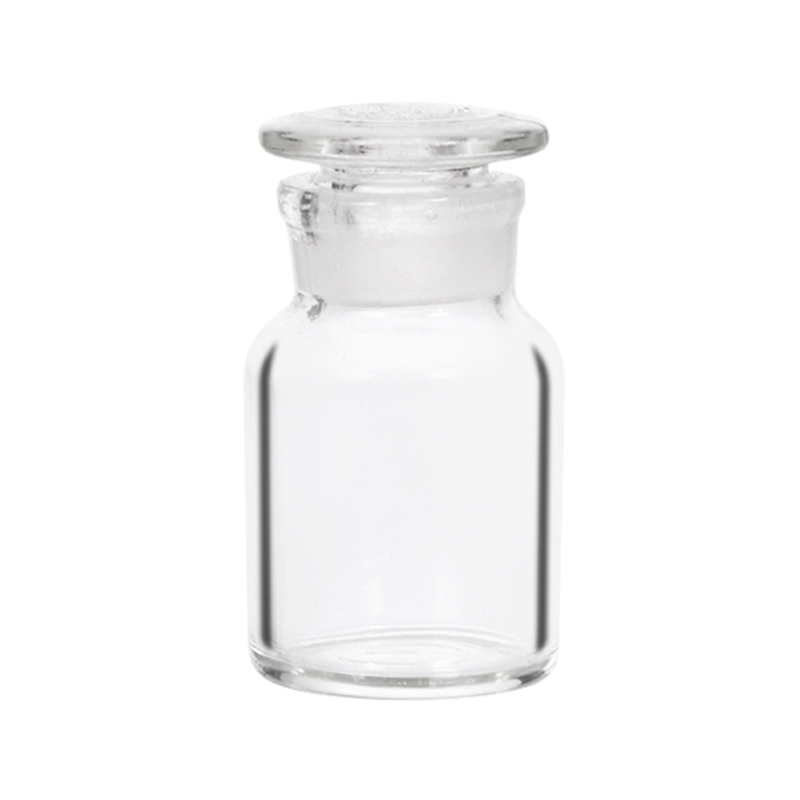
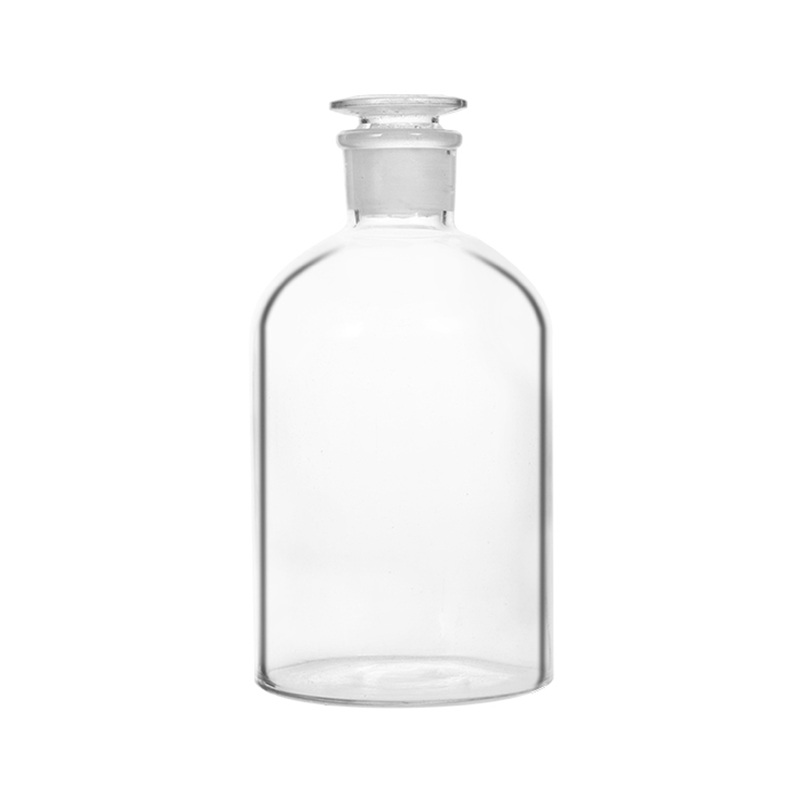
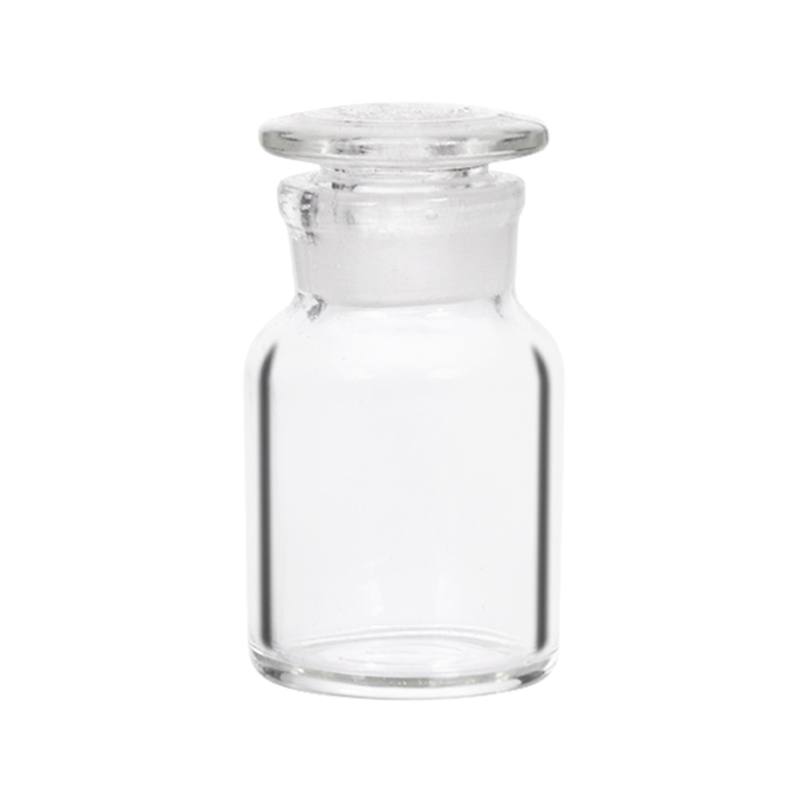
The primary structural distinction between lab media storage bottles and traditional reagent bottles lies in their neck design and closure engagement mechanisms. Media storage bottles almost universally incorporate standardized GL-series screw threads, most commonly GL 45, paired with ergonomic linerless polypropylene caps and drip-free pouring rings. This GL thread architecture allows smooth, rapid pouring and accommodates specialized modular caps equipped with fluid transfer ports or venting membranes. In contrast, classic reagent bottles frequently feature narrow or wide ground-glass necks fitted with ground-glass stoppers, or traditional fine-pitch screw threads. The ground-glass interface creates a direct glass-to-glass seal that resists harsh organic solvents, whereas GL thread media bottles prioritize drip prevention and sterile liquid dispensing during biological buffer and culture preparation.

Design Parameter Lab Media Storage Bottles Traditional Glass Reagent Bottles
Standard Neck Geometry GL 45 / GL 32 Threaded Neck Finish Ground Glass Taper Neck or Fine Thread
Primary Closure Type Autoclavable Screw Cap with Pouring Ring Ground Glass Stopper or Solid Screw Cap
Dispensing Characteristics Drip-Free Ring Prevents Exterior Runs Slanted Rim Requiring Careful Manual Pouring
Modular Adaptability Compatible with Venting & Transfer Caps Mainly Static Storage without Tubing Ports

Material Specifications and Autoclaving Thermal Resistance

Both container types rely heavily on borosilicate glass 3.3 due to its chemical inertness and low coefficient of thermal expansion, yet their thermal application targets differ. Lab media storage bottles are specifically engineered to endure frequent moist-heat sterilization cycles inside steam autoclaves at 121°C. The accompanying plastic components, such as polypropylene caps and pour rings, maintain dimensional stability under elevated temperature and pressure, preventing thread warping or seal degradation over repeated sterilization cycles. Specialized production facilities, including those operated by Shanghai Heqi Glassware Co., Ltd., perform precise annealing treatments on borosilicate glass bodies to ensure structural resilience during rapid temperature transitions between autoclaving and room-temperature incubation.

Application Focus in Life Sciences versus Chemical Synthesis

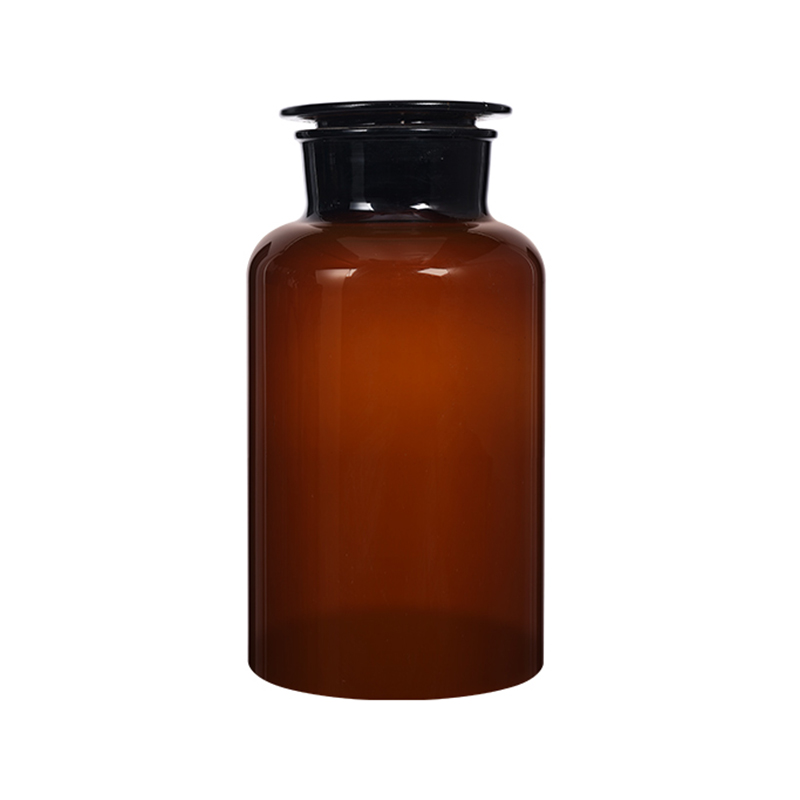
Functional differentiation between these vessels stems from the specific demands of biological research compared to chemical synthesis. Lab media storage bottles are tailored for life science environments, cell culture preparation, microbiological growth media, and aqueous buffer storage. Their volumetric graduations are printed using high-contrast, permanent enamel firing that withstands detergent washing and steam sterilization. Conversely, reagent bottles are broadly deployed in general analytical chemistry, acid-base storage, and organic solvent containment. When handling aggressive concentrated acids or volatile organic compounds that might degrade plastic GL caps, all-glass reagent bottles with ground stoppers provide chemical isolation without risking polymer degradation.

Functional Domain Lab Media Storage Bottles Traditional Glass Reagent Bottles
Primary Laboratory Sector Microbiology, Cell Culture, Biochemistry Analytical Chemistry, Synthesis, Quality Control
Sterilization Suitability Optimized for Frequent Steam Autoclaving Dry Heat Sterilization or Chemical Rinsing
Chemical Compatibility Limits Restricted by Polypropylene Cap Limits Broad Compatibility via All-Glass Assemblies
Graduation Printing Style Permanent High-Contrast Fired Enamel Molded Glass Scale or Etched Enamel Marks

Integration with Secondary Pilot Equipment and Fluid Systems

In pilot-scale processing and automated chemical setups, lab media storage bottles frequently serve as operational supply reservoirs rather than passive storage vessels. The standardized GL 45 neck geometry enables direct connection to liquid handling systems, glass reactors, rotary evaporators, and circulation systems. Production workshops managed by Shanghai Heqi Glassware Co., Ltd. design custom glass adapters and manifold cap assemblies that convert standard media bottles into pressurized feed vessels or waste receivers for pilot distillation units. Reagent bottles, with their varied ground joint sizes, are less commonly integrated into continuous closed-loop fluid lines, remaining dedicated to stationary reagent housing and manual volumetric transfer.

Handling Ergonomics and Volatiles Sealing Protocols

The ergonomic profile of media bottles reflects the needs of high-frequency manual handling in cleanroom hoods and safety cabinets. The sloped shoulder geometry and wide base provide stable balance during rapid pipetting, while the integrated pour ring prevents liquid droplets from running down the exterior wall and obscuring printed batch labels. Reagent bottles, particularly narrow-mouth variants, focus on controlling volatile vapor loss and preventing chemical spills during long-term shelf storage. Technical teams at Shanghai Heqi Glassware Co., Ltd. ensure that both media and reagent vessel configurations adhere to international standardized mouth dimensions, giving researchers the flexibility to select the precise neck architecture required for their chemical or biological protocols.

FAQ

Q: What design features in lab media storage bottles prevent liquid dripping and wall runoff during fluid pouring?

A: Modern lab media storage bottles incorporate removable polypropylene pouring rings fitted directly onto the GL 45 threaded neck. As liquid is poured, this raised lip disrupts surface tension at the glass boundary, ensuring a clean break in the stream and preventing aggressive chemicals or biological media from running down the outer wall and damaging labels.

Q: How do GL 45 thread connections facilitate the integration of media bottles into pilot-scale fluid handling setups?

A: Standardized GL 45 neck geometry allows media bottles to accept modular cap assemblies equipped with fluid transfer ports, venting filters, and PTFE tubing connectors. Manufacturing facilities, such as those at Shanghai Heqi Glassware Co., Ltd., design compatible adapters that connect these storage vessels directly to glass reactors, peristaltic pumps, and pilot distillation units for closed-loop reagent feed.

Q: What permits lab media storage bottles and their plastic closures to withstand repeated steam autoclaving cycles?

A: The bottle bodies are fabricated from low-expansion Borosilicate Glass 3.3, while the accompanying caps and pouring rings are molded from high-density polypropylene. This combination maintains structural stability and sealing integrity under high-pressure steam sterilization conditions at 121°C without melting, warping, or compromising thread alignment.

Q: Why is permanent fired-on enamel used for volumetric graduations on media storage bottles instead of standard surface inks?

A: Fired-on glass enamel is thermally fused into the borosilicate surface at high temperatures during manufacturing. This ensures that volumetric markings and writing patches remain completely resistant to chemical solvents, abrasive cleaning detergents, and continuous steam autoclaving without fading or peeling over time.

Q: What measures ensure amber lab media storage bottles maintain light protection for photo-sensitive media?

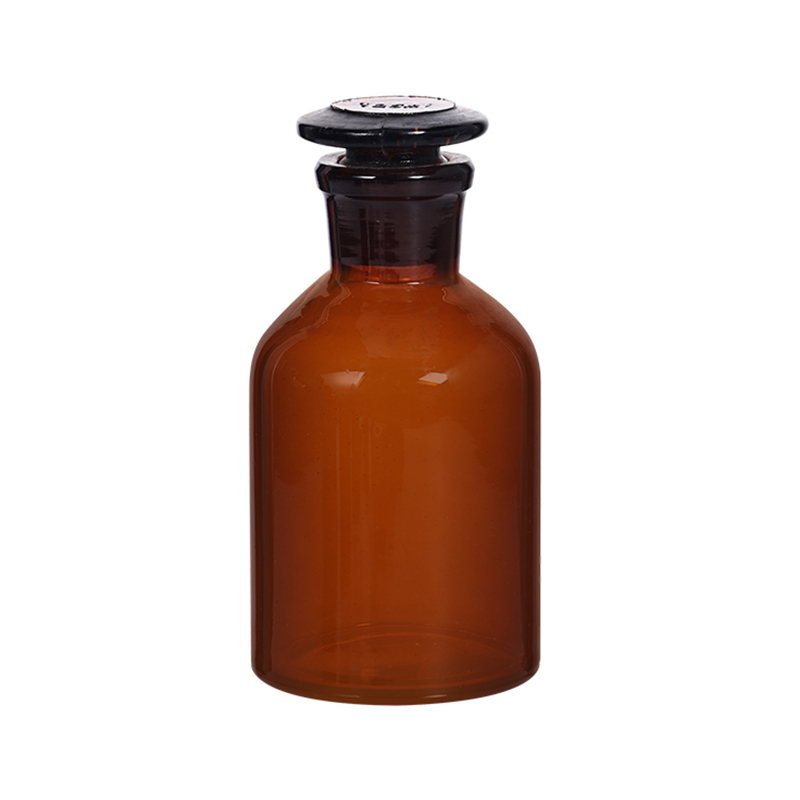
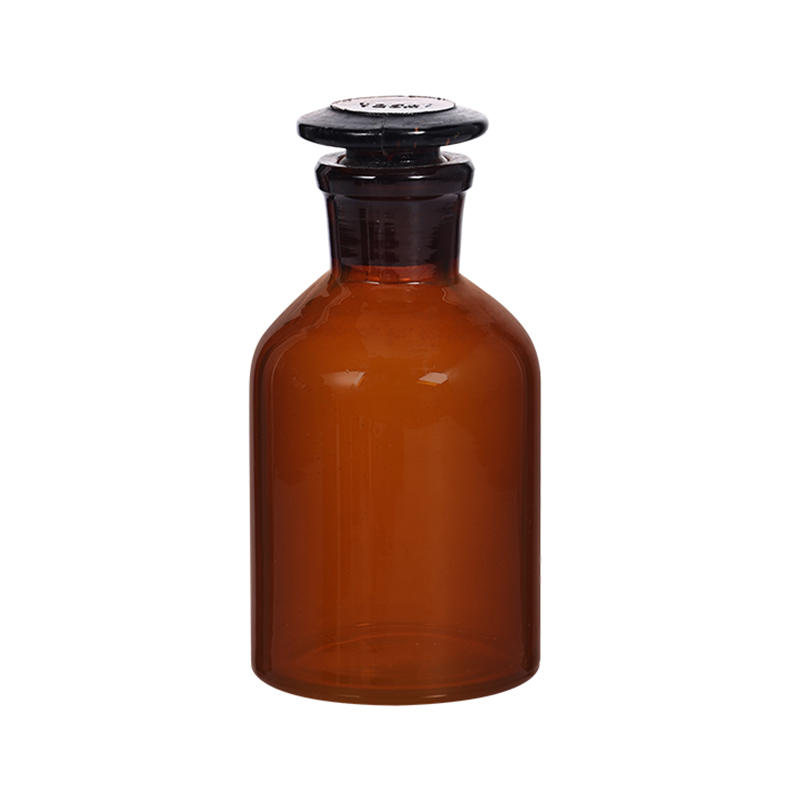
A: Light shielding is achieved by absorbing transition metal compounds into the outer surface of the borosilicate glass matrix. Specialized glass workshops, including those operated by Shanghai Heqi Glassware Co., Ltd., control coating thickness to ensure the glass absorbs light wavelengths below 500 nanometers while keeping the internal surface chemically inert and non-leaching.