Lab Flow Control Glass Stopcock Adapter: Precision Design and Essential Functions in Laboratory Fluid Management
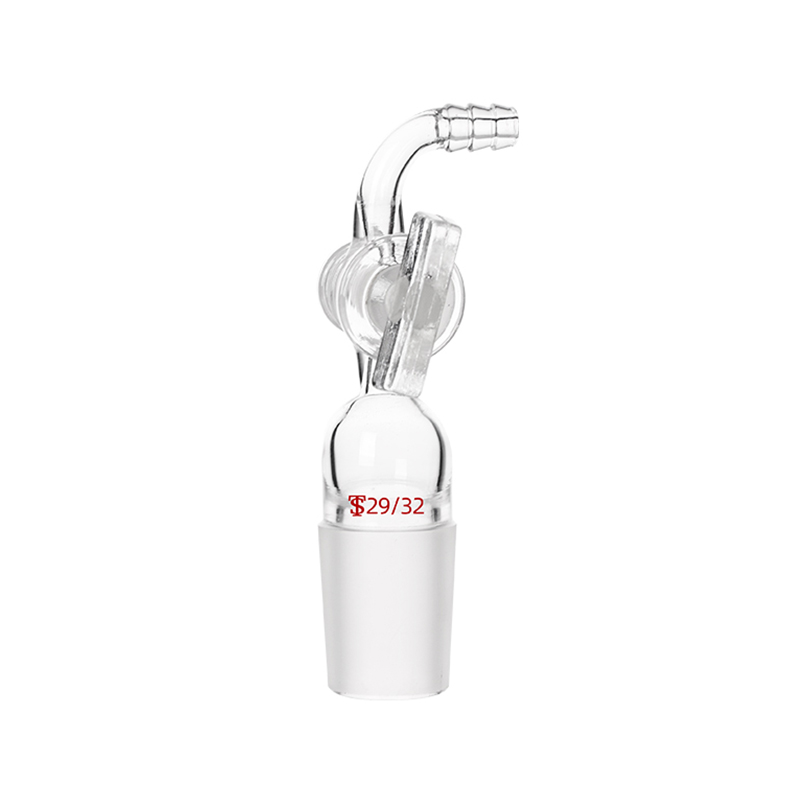
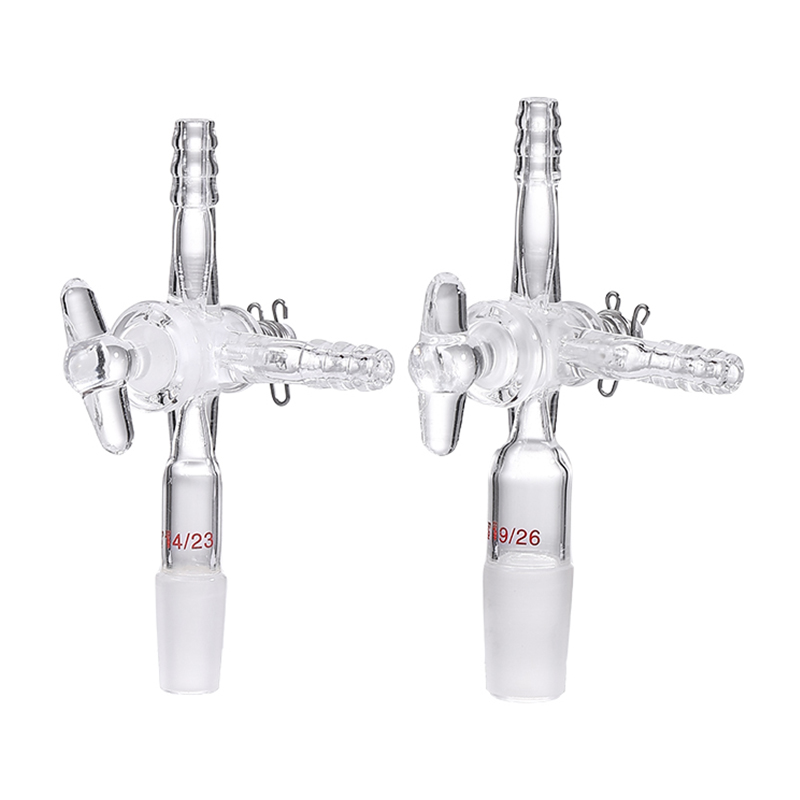
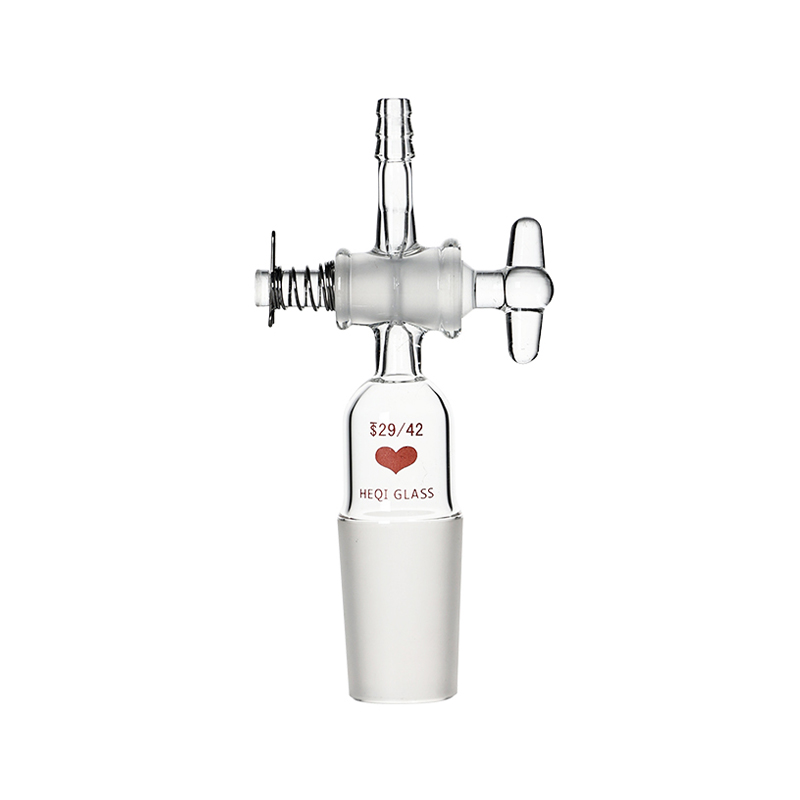
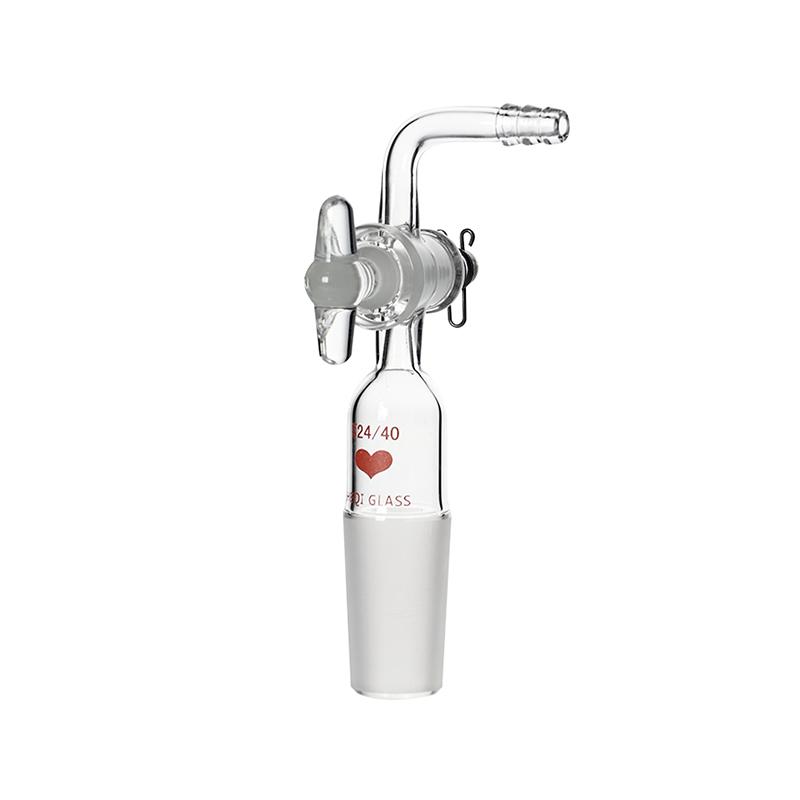
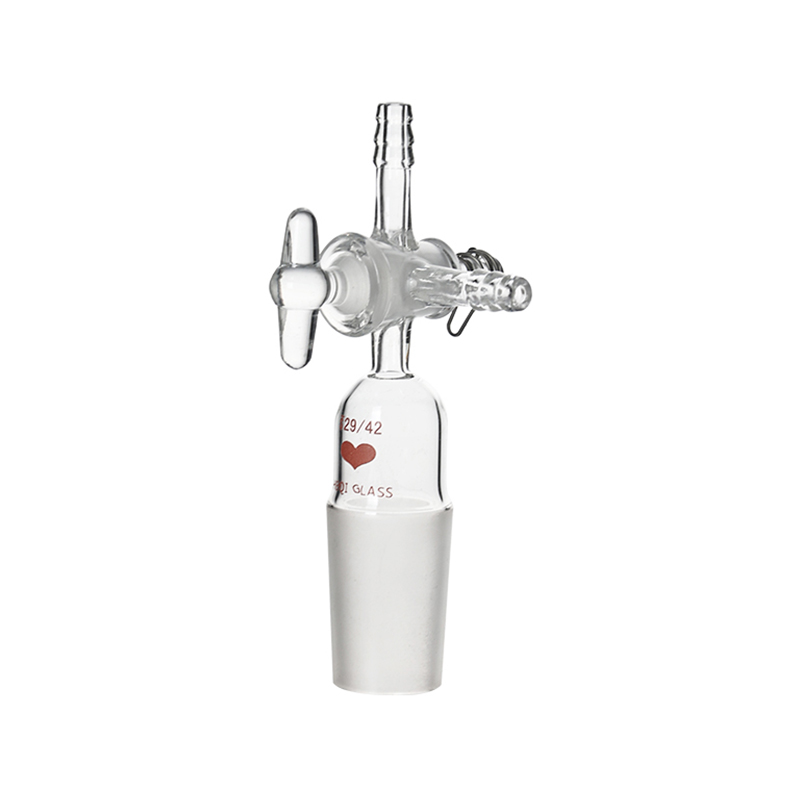
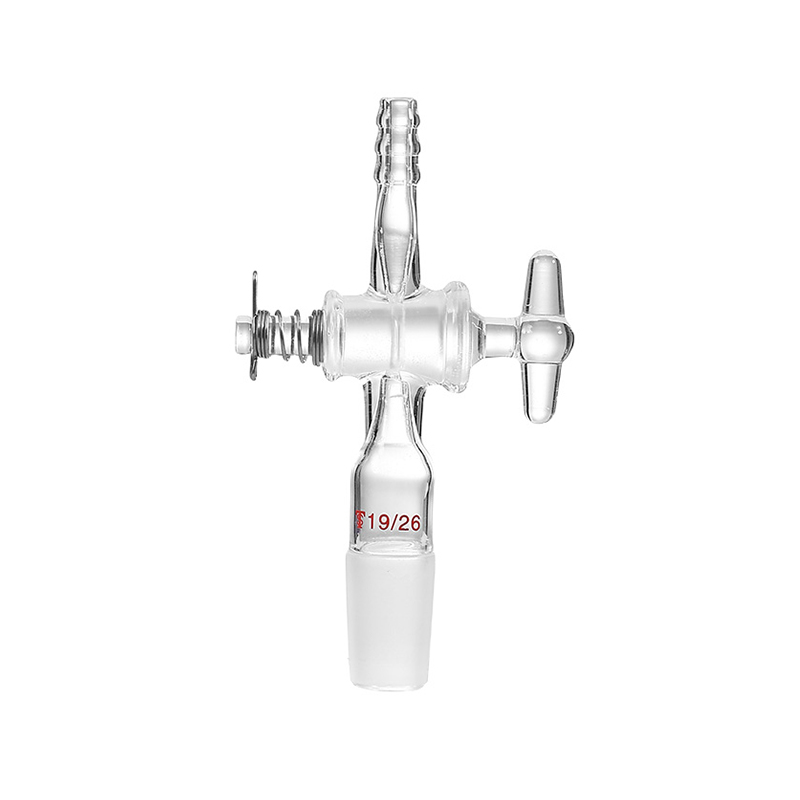
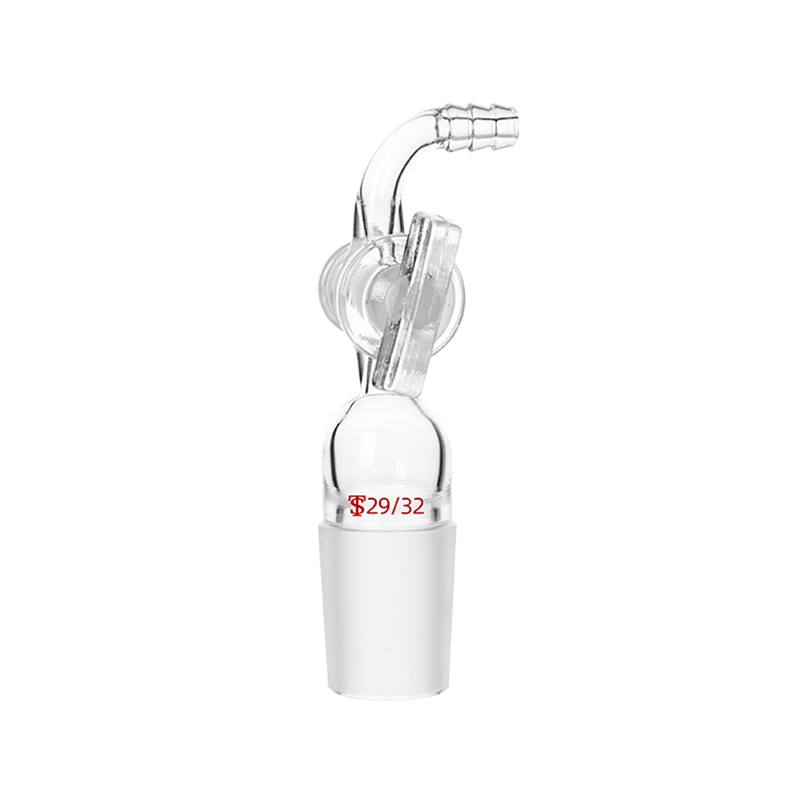
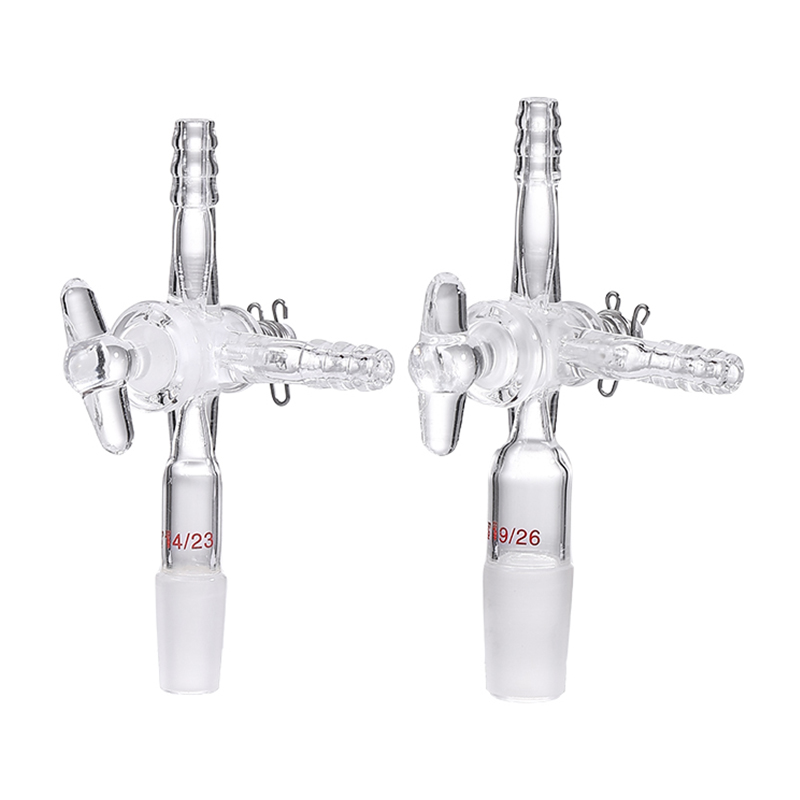
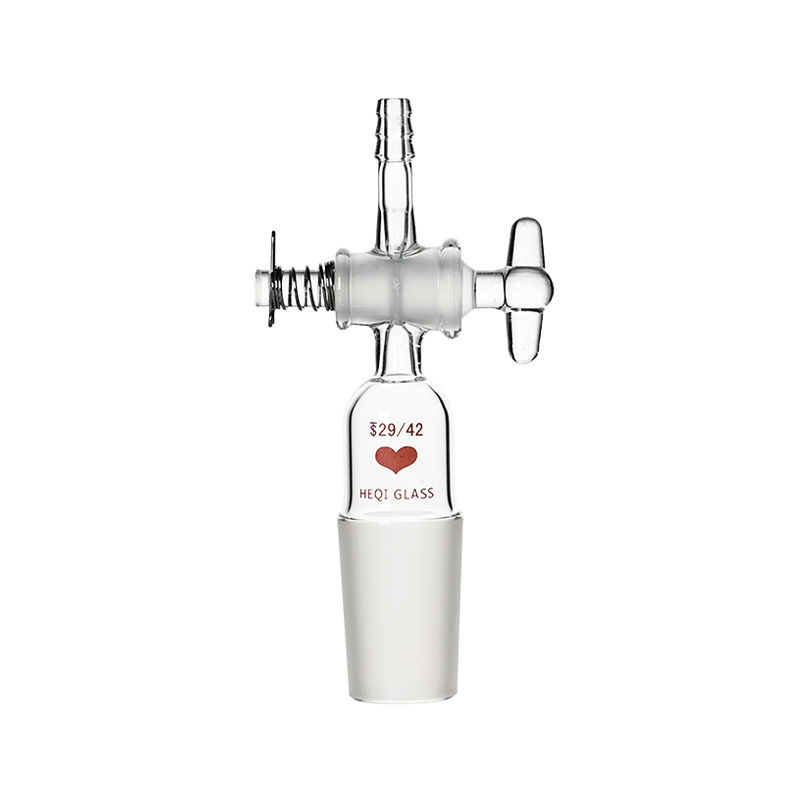
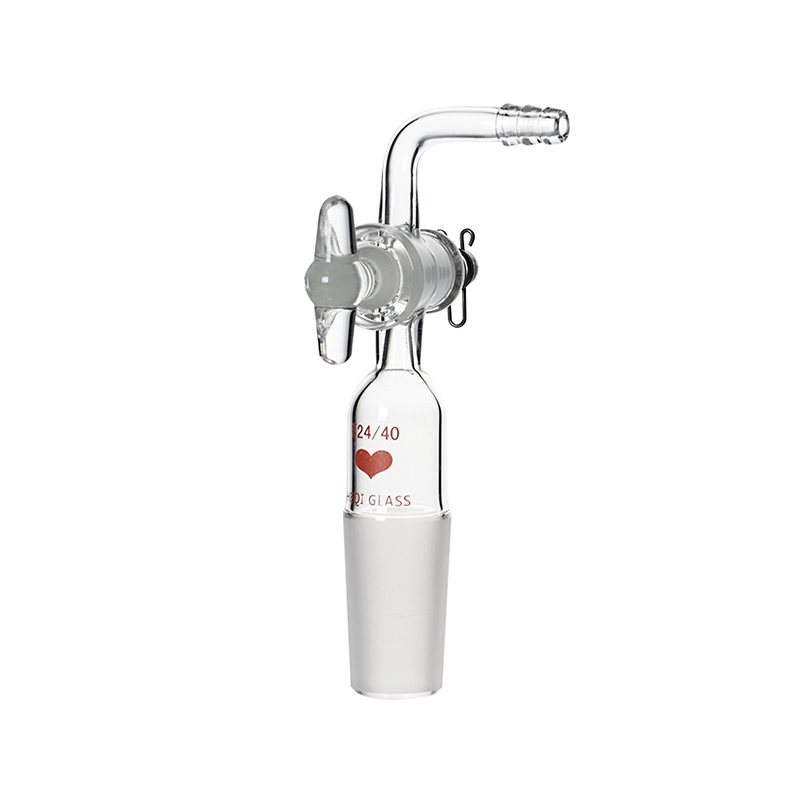
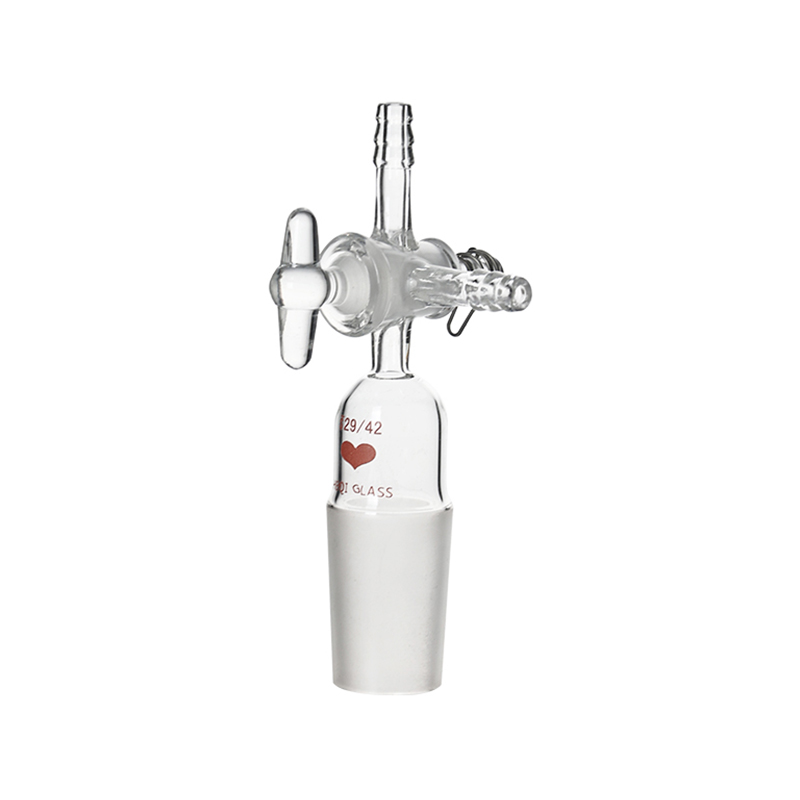
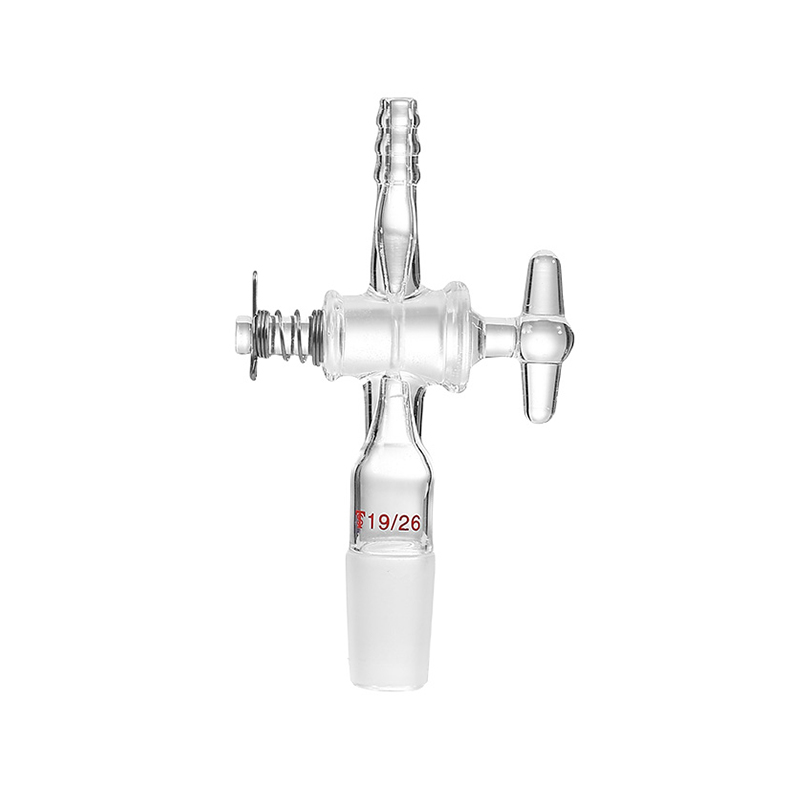
A Lab Flow Control Glass Stopcock Adapter is an important laboratory glassware component designed to provide accurate regulation and safe control of liquid or gas flow in various experimental systems. In modern scientific research environments, controlling the movement of fluids is a critical requirement, especially in chemical synthesis, pharmaceutical development, analytical testing, and educational laboratories. Unlike ordinary glass connectors that only provide a fixed connection between laboratory instruments, a glass stopcock adapter integrates a precision valve structure that allows users to adjust, interrupt, or redirect fluid flow according to specific experimental requirements.
The working principle of a glass stopcock adapter is based on a carefully manufactured stopcock mechanism. The internal plug rotates inside the glass valve body, creating different flow positions. When the opening inside the plug aligns with the channel, liquids or gases can pass through smoothly. When the plug is rotated to another position, the passage can be partially restricted or completely closed. This simple mechanical structure provides researchers with precise manual control without requiring complicated electronic systems.
High-quality glass materials are essential for manufacturing reliable stopcock adapters. Most laboratory-grade products use borosilicate glass because this material offers outstanding resistance to chemical corrosion, thermal shock, and repeated laboratory use. Compared with ordinary glass or plastic materials, borosilicate glass maintains excellent dimensional stability under temperature changes and provides a clean, non-reactive surface that minimizes contamination risks.
The transparent nature of glass also provides a practical advantage during experiments. Researchers can directly observe the movement of liquids, identify potential blockages, and monitor the filling or draining process. This visual monitoring capability is especially valuable in experiments involving sensitive chemicals, vacuum systems, or precise measurement procedures.
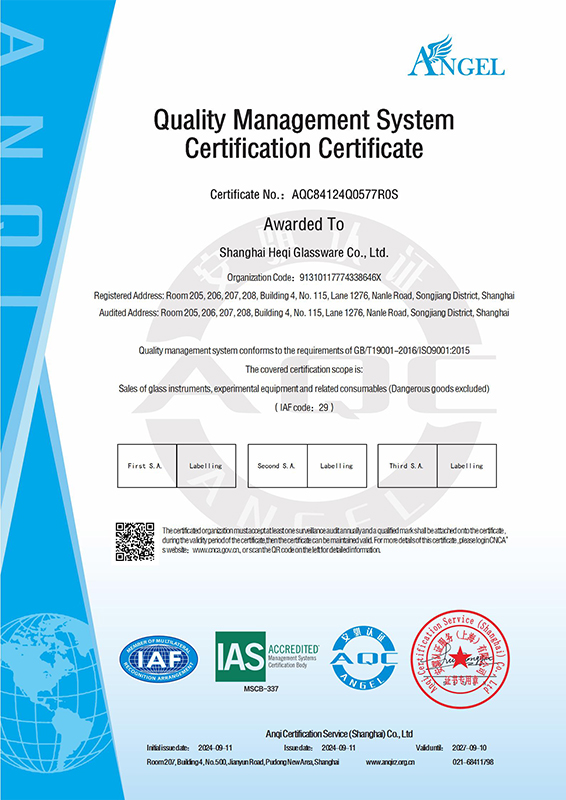
Shanghai Heqi Glassware Co., Ltd. specializes in manufacturing professional laboratory glassware products and provides high-quality glass components designed for scientific research applications. With advanced glass processing technology, strict quality inspection procedures, and professional production experience, the company focuses on delivering reliable laboratory solutions for global customers. The production of Lab Flow Control Glass Stopcock Adapter requires precise glass forming, accurate grinding technology, and strict dimensional control to ensure stable performance in different laboratory environments.
| Component |
Function Description |
Common Material |
| Glass Valve Body |
Provides the main fluid passage and structural support |
Borosilicate Glass |
| Stopcock Plug |
Controls opening, closing, and flow adjustment |
Glass / PTFE |
| Ground Joint Connection |
Ensures accurate connection with laboratory equipment |
Precision Ground Glass |
| Flow Channel |
Allows controlled movement of liquids or gases |
Glass |
| Outlet Connector |
Connects tubing or additional laboratory devices |
Glass |
The application value of a Lab Flow Control Glass Stopcock Adapter extends beyond simple flow regulation. In chemical laboratories, it supports controlled reagent addition, gas distribution, and reaction system adjustment. In vacuum filtration systems, it helps researchers manage pressure balance and airflow conditions. In distillation equipment, it assists in controlling liquid transfer and maintaining stable operation.
A professionally manufactured stopcock adapter must meet several technical requirements. The glass surface should be smooth and free from defects, the joint dimensions must be accurate, and the stopcock rotation should remain stable after repeated use. Poor manufacturing quality may lead to leakage, inaccurate control, or difficulties during operation.
For laboratories purchasing glass stopcock adapters, choosing a reliable manufacturer is essential. Product consistency, material quality, customization capability, and inspection standards directly influence laboratory safety and experimental accuracy. Companies like Shanghai Heqi Glassware Co., Ltd. help laboratories achieve dependable performance by combining traditional glass craftsmanship with modern manufacturing processes.
Key Features and Advantages of Lab Flow Control Glass Stopcock Adapter for Professional Laboratories
Lab Flow Control Glass Stopcock Adapter products are widely recognized for their excellent precision, chemical stability, and operational reliability. In professional laboratories, every component used in experimental systems must provide consistent performance because even minor leakage, contamination, or inaccurate flow control may affect research results. Therefore, laboratory glass stopcock adapters are designed with strict manufacturing standards to satisfy the requirements of scientific applications.
One of the primary advantages of these adapters is accurate flow control capability. Traditional connectors only provide a fixed pathway for fluid movement, while stopcock adapters allow researchers to manually regulate the flow rate. This function is particularly important when adding reagents slowly into chemical reactions, controlling gas supply, or adjusting liquid transfer speed. Precise control helps improve experimental repeatability and reduces operational errors.
Another important feature is excellent chemical compatibility. Laboratory environments often involve strong acids, organic solvents, alkaline solutions, and other aggressive substances. Borosilicate glass provides excellent resistance against many chemical materials, ensuring that the adapter maintains stable performance without releasing unwanted substances into the experiment.
The smooth operation of the stopcock mechanism is also a key quality indicator. A well-designed stopcock should rotate easily while maintaining a reliable seal. Precision grinding between the plug and valve body ensures smooth movement and reduces leakage risks. Some advanced designs use PTFE stopcock components because PTFE offers excellent resistance against a wider range of chemicals and requires less maintenance.
| Feature |
Advantage for Laboratory Use |
| Precision Flow Adjustment |
Allows researchers to control fluid speed accurately |
| High Chemical Resistance |
Suitable for demanding chemical environments |
| Transparent Structure |
Enables direct observation during experiments |
| Durable Glass Construction |
Supports repeated laboratory usage |
| Standard Compatibility |
Works with various laboratory glassware systems |
Another major advantage is long-term durability. Although laboratory glassware requires careful handling, high-quality glass stopcock adapters can be reused many times when properly cleaned and maintained. This makes them a cost-effective solution for research institutions, universities, and industrial laboratories.
The easy-clean surface of glass is another reason why professional laboratories prefer glass-based components. Unlike porous materials that may absorb chemicals or retain residues, glass provides a smooth surface that can be thoroughly cleaned. This property helps maintain experimental accuracy and reduces the possibility of cross-contamination.
In addition, glass stopcock adapters can be customized according to different application requirements. Laboratories may require different joint sizes, outlet designs, valve structures, or connection configurations. Professional manufacturers can provide customized solutions based on equipment compatibility and experimental conditions.
Shanghai Heqi Glassware Co., Ltd. focuses on producing laboratory glassware that meets the expectations of international customers. Through careful material selection, advanced processing equipment, and strict quality management, the company provides laboratory components with reliable dimensions, stable performance, and excellent usability. The company understands that laboratory glassware is not only a simple product but also an important part of scientific accuracy and research efficiency.
For customers selecting Lab Flow Control Glass Stopcock Adapter products, several factors should be evaluated, including working temperature, chemical compatibility, pressure requirements, connection standards, and frequency of use. Selecting the correct product specification ensures safer operation and better experimental results.
Applications and Selection Guide of Lab Flow Control Glass Stopcock Adapter in Different Laboratory Fields
Lab Flow Control Glass Stopcock Adapter plays an important role in modern laboratory operations because it provides researchers with a reliable method for controlling the movement of liquids and gases. With the continuous development of chemical research, pharmaceutical manufacturing, biotechnology, and analytical testing, laboratories require more precise and stable fluid control solutions. Glass stopcock adapters have become an essential connection component in many experimental systems due to their excellent chemical resistance, accurate flow regulation capability, and compatibility with various types of laboratory glassware.
In chemical research laboratories, these adapters are frequently used in reaction systems where controlled addition of liquids is required. Many chemical reactions depend on accurate reagent proportions and controlled reaction speed. A glass stopcock adapter allows researchers to add solvents, catalysts, or reactants gradually, helping maintain stable reaction conditions. This is particularly important for experiments involving sensitive chemical materials, temperature-controlled reactions, and multi-step synthesis processes.
In distillation and separation applications, Lab Flow Control Glass Stopcock Adapter provides effective management of liquid transfer and vapor flow. During distillation procedures, controlling the movement of substances between different parts of the apparatus can directly influence separation efficiency. The precise structure of the stopcock mechanism allows operators to adjust the flow according to the experimental process, improving overall accuracy and repeatability.
Vacuum systems are another important application area. Many laboratory filtration, drying, and evaporation processes require stable pressure control. Glass stopcock adapters can be integrated into vacuum assemblies to regulate airflow and maintain proper system conditions. Their excellent sealing performance helps reduce leakage and supports safer operation.
Pharmaceutical and biotechnology laboratories also rely on glass stopcock adapters for sample preparation and controlled fluid handling. In these environments, contamination prevention and material compatibility are extremely important. The smooth glass surface is easy to clean and sterilize, making it suitable for applications where sample purity must be maintained.
Educational laboratories and research institutions also widely use these components for teaching demonstrations and practical experiments. Because glass stopcock adapters allow students to directly observe fluid movement and understand laboratory principles, they are valuable tools for chemistry education and scientific training.
| Application Area |
Typical Laboratory Uses |
Main Benefits |
| Chemical Research |
Reaction control, reagent addition, synthesis processes |
Accurate fluid regulation |
| Pharmaceutical Industry |
Sample preparation and testing procedures |
Clean and contamination-resistant operation |
| Analytical Laboratory |
Liquid transfer and measurement systems |
Improved accuracy |
| Vacuum Equipment |
Pressure and airflow adjustment |
Stable system performance |
| Educational Laboratory |
Demonstration experiments |
Easy observation and operation |
When selecting a suitable Lab Flow Control Glass Stopcock Adapter, laboratories should carefully consider several technical factors. The first factor is the connection standard. Different laboratory systems may use different joint sizes and connection methods. Choosing the correct joint specification ensures proper installation and prevents leakage problems.
The second factor is the material selection. Although borosilicate glass is widely used because of its excellent chemical and thermal resistance, some special applications may require PTFE stopcock components. PTFE provides additional resistance against certain aggressive chemicals and may be preferred for specific experimental conditions.
The third factor is the required operating environment. Laboratories should consider temperature range, pressure conditions, chemical exposure, and frequency of use before selecting a product. For high-temperature or vacuum applications, the adapter must have suitable structural strength and manufacturing precision.
Manufacturing quality is another critical consideration. A high-quality glass stopcock adapter should have smooth surfaces, accurate dimensions, and reliable sealing performance. Advanced production technology, experienced glass technicians, and strict inspection procedures help ensure product consistency.
Shanghai Heqi Glassware Co., Ltd. is committed to providing professional laboratory glassware solutions for customers worldwide. The company combines traditional glass manufacturing expertise with modern production technology to manufacture laboratory products that meet strict quality requirements. By focusing on precision processing, material quality, and customer application needs, Shanghai Heqi Glassware Co., Ltd. supports laboratories in achieving safer and more efficient experimental operations.
For professional laboratories, universities, research organizations, and industrial users, selecting a reliable supplier is an important step in maintaining experimental stability. A well-designed Lab Flow Control Glass Stopcock Adapter not only improves operational convenience but also contributes to better research accuracy and productivity.
Manufacturing Quality and Customization Advantages of Lab Flow Control Glass Stopcock Adapter
The performance of a Lab Flow Control Glass Stopcock Adapter depends heavily on manufacturing precision and quality control. Laboratory glassware is different from ordinary glass products because it must withstand chemical exposure, temperature changes, mechanical stress, and repeated laboratory operations. Therefore, professional manufacturing processes are essential to ensure that every adapter provides reliable performance throughout its service life.
The production of a high-quality glass stopcock adapter begins with the selection of suitable raw materials. Laboratory-grade borosilicate glass is commonly selected because of its excellent resistance to thermal expansion and chemical corrosion. High-quality raw materials provide the foundation for stable product performance and reduce the risk of cracks, deformation, or chemical interaction during use.
Glass forming is another important manufacturing stage. Skilled technicians use precise heating and shaping processes to create the required adapter structure. The dimensions of the glass body, connection joints, and flow channels must be accurately controlled because even small deviations may affect compatibility with laboratory equipment.
Grinding and polishing technology also play a vital role in stopcock performance. The contact surfaces between the stopcock plug and valve body must be carefully processed to achieve smooth rotation and effective sealing. Precision grinding ensures that users can easily adjust the flow while minimizing leakage risks.
Quality inspection is an essential part of professional production. Manufacturers need to check dimensions, surface quality, joint accuracy, sealing performance, and overall appearance. Strict inspection procedures help ensure that every product meets laboratory requirements before delivery.
| Manufacturing Process |
Quality Control Focus |
| Raw Material Selection |
Ensures chemical and thermal stability |
| Glass Forming |
Maintains accurate product structure |
| Grinding and Polishing |
Improves sealing and operation smoothness |
| Dimension Inspection |
Ensures equipment compatibility |
| Performance Testing |
Verifies reliability and durability |
Customization capability is another important advantage for professional laboratory glassware manufacturers. Different laboratories may have unique requirements depending on their equipment design and experimental procedures. Customized Lab Flow Control Glass Stopcock Adapter solutions can include special joint sizes, different outlet configurations, modified valve structures, or specific connection designs.
Shanghai Heqi Glassware Co., Ltd. provides professional laboratory glassware manufacturing services with a focus on quality, precision, and customer requirements. The company has experience producing various laboratory glass components and understands the importance of accuracy in scientific applications. By combining skilled craftsmanship with advanced manufacturing methods, Shanghai Heqi Glassware Co., Ltd. delivers products that support reliable laboratory performance.
In international laboratory markets, customers often require not only standard products but also customized solutions that match specific instruments or experimental systems. A professional supplier should have the ability to communicate technical requirements, recommend suitable designs, and provide consistent production quality.
Another important advantage of professional manufacturers is their ability to maintain stable supply capability. Research institutions, universities, and industrial laboratories often need continuous access to laboratory components. Reliable production management helps ensure timely delivery and consistent product availability.
The future development of laboratory glassware is closely connected with increasing demands for precision, safety, and efficiency. As scientific research becomes more advanced, laboratory components must provide higher accuracy and better compatibility. Lab Flow Control Glass Stopcock Adapter will continue to play an important role in fluid management systems because of its simple structure, dependable performance, and wide application range.
Through continuous improvement in technology and manufacturing processes, Shanghai Heqi Glassware Co., Ltd. aims to provide laboratory glassware products that meet international standards and help customers achieve better experimental results.
FAQ About Lab Flow Control Glass Stopcock Adapter
Q1: What is a Lab Flow Control Glass Stopcock Adapter mainly used for?
A Lab Flow Control Glass Stopcock Adapter is mainly used to regulate and control the flow of liquids or gases in laboratory systems. It allows researchers to start, stop, or adjust fluid movement during experiments, making it suitable for chemical reactions, distillation, vacuum systems, and analytical procedures.
Q2: Why is borosilicate glass commonly selected for laboratory stopcock adapters?
Borosilicate glass is widely used because it has excellent chemical resistance, high temperature stability, and low thermal expansion characteristics. It can withstand many laboratory chemicals and temperature variations, making it a reliable material for scientific applications.
Q3: What are the advantages of using glass stopcock adapters compared with plastic connectors?
Glass stopcock adapters provide better chemical resistance, higher temperature tolerance, and improved transparency. Researchers can observe fluid movement directly, and the smooth glass surface is easier to clean, which helps reduce contamination risks.
Q4: Can Lab Flow Control Glass Stopcock Adapters be customized?
Yes. Professional manufacturers can customize glass stopcock adapters according to customer requirements, including joint sizes, connection methods, outlet designs, and special application needs. Shanghai Heqi Glassware Co., Ltd. provides customized laboratory glassware solutions based on different customer applications.
Q5: How can users maintain a glass stopcock adapter to extend its service life?
Users should clean the adapter properly after each experiment, avoid excessive mechanical force, and store it in a safe environment. Regular inspection of the stopcock movement and sealing condition can help maintain stable performance.
Q6: What industries commonly use Lab Flow Control Glass Stopcock Adapter products?
These products are widely used in chemical research, pharmaceutical development, biotechnology laboratories, analytical testing facilities, universities, and industrial research centers. Any application requiring precise fluid control may benefit from using a reliable glass stopcock adapter.
Q7: How should laboratories choose the right stopcock adapter supplier?
Laboratories should evaluate suppliers based on manufacturing experience, product quality control, customization ability, material selection, and international service capability. A professional manufacturer such as Shanghai Heqi Glassware Co., Ltd. can provide reliable laboratory glassware products with consistent quality and technical support.


 English
 Français
 Español