How Do Industrial Grade Heating Mantles Ensure Precise Thermal Uniformity and Safety in Complex Chemical Synthesis Assemblies?
Securing uniform thermal transfer across spherical glass reaction vessels remains a foundational requirement in synthetic chemistry, pharmaceutical manufacturing, and industrial purification workflows. Round bottom flasks lack flat contact surfaces, rendering standard laboratory hotplates inefficient and prone to inducing severe localized thermal stress. Heating Mantles represent the standard technical solution for heating spherical glass containers across academic, clinical, and high volume industrial processing environments. By encasing the lower hemisphere of borosilicate glassware in a flexible, heat resistant woven fabric cavity embedded with electric resistance elements, these thermal devices deliver even caloric distribution while eliminating open flame hazards and minimizing mechanical shock.
Flexible Woven Glass Fabric Cavities and Energy Efficiency in Round Bottom Vessels
The thermal performance of modern Heating Mantles relies on the mechanical adaptability of high temperature glass fiber matrices. Unlike rigid metallic hotplates that create minimal point contact against curved glass, woven fiberglass or ceramic yarn mantles conform directly to the precise external radius of the vessel. The heating element, typically composed of spiraled nickel chromium resistance wire, is insulated and stitched within the inner textile hemispherical cavity. This intimate contact eliminates air gaps that would otherwise act as thermal barriers, allowing heat energy to transfer efficiently through conduction and short range radiant emission.
Direct surface contact allows energy transfer to occur uniformly across the entire submerged liquid volume within the flask. When heating volatile organic solvents or sensitive pharmaceutical intermediates, preventing steep thermal gradients prevents localized overheating and thermal degradation of temperature sensitive chemical species. The outer shell of the heating unit is lined with dense mineral wool or ceramic fiber insulation blocks, directing heat inward toward the vessel while keeping external housing temperatures low enough to prevent burn injuries to technical staff.
Integrated Magnetic Stirring Speeds and Dynamic Heat Flux Control Mechanics
Modern synthesis protocols frequently combine thermal energy input with continuous liquid agitation to accelerate mass transfer and promote homogeneous reaction conditions. Advanced Heating Mantles incorporate brushless electric motors and high flux permanent magnet assemblies beneath the heating cavity. These integrated stirring drives generate rotating magnetic fields that couple with fluoropolymer coated stir bars placed inside the glass flask.
Precise control of stirring speeds, ranging from low speed gentle mixing to high velocity vortex creation, ensures that viscous fluids or solid liquid suspensions maintain consistent movement across the heated inner wall. Active fluid movement prevents boundary layer overheating, accelerates dissolution rates, and optimizes boiling action during fractional distillation procedures. The electronic control systems powering these units allow independent adjustment of heating output power and magnetic stirring speeds, providing process operators with the flexibility needed to tailor thermal energy and mechanical agitation to specific reaction profiles.
Thermal Insulation Matrices and Over-Temperature Protection Systems
Safety protocols in industrial processing environments require heating equipment to operate reliably under extended heating cycles without posing fire risks or thermal runaway hazards. Quality Heating Mantles incorporate multi-layered thermal insulation and built-in safety controls designed to manage extreme operating temperatures. The structural housing is constructed from heavy gauge steel coated with corrosion resistant epoxy powder coatings, shielding internal electronics from corrosive acid fumes and liquid drips.
To prevent thermal runaway, advanced units utilize embedded thermocouple sensors positioned within the heating element weave or inserted directly into the reaction fluid through ground glass flask necks. Digital proportional integral derivative controllers constantly monitor temperature feedback, modulating power output through solid state relays to hold target setpoints within narrow margins. In the event of primary sensor failure or cooling fluid loss, secondary thermal cut-off fuses automatically sever electrical current to the resistance wires, mitigating catastrophic chemical combustion or glassware destruction.
|
Heat Transfer Equipment Type
|
Surface Contact and Heat Distribution
|
Temperature Control and Accuracy
|
Fluid Agitation Integration
|
Fire and Spill Safety Profile
|
Maintenance and Longevity
|
|
Woven Fabric Heating Mantles
|
Direct three-dimensional contact conforming to glass curvature
|
High accuracy via digital proportional integral derivative feedback
|
Integrated magnetic stirring drives with adjustable velocity
|
Safe for organic solvents with sealed elements and grounded shells
|
Long operational life with replaceable inner fabric heating inserts
|
|
Silicon Oil Heating Baths
|
Uniform liquid contact surrounding the entire lower flask profile
|
Excellent thermal inertia with slow ambient cooling rates
|
Requires external magnetic stirrer base placed underneath vessel
|
Flammability risks at elevated temperatures plus hot oil splash risks
|
High maintenance requiring frequent oil replacement and cleaning
|
|
Cast Aluminum Hotplates
|
Flat surface contact creating minimal point contact on round glass
|
Moderate accuracy subject to room air current interference
|
Built-in magnetic stirring limited to flat bottomed vessels
|
Exposed hot surface creates fire hazards with volatile solvent spills
|
Durable metal top requiring minimal surface maintenance
|
|
Infrared Radiant Heaters
|
Non-contact radiant energy transfer through transparent glass
|
Rapid response time with low thermal mass storage capacity
|
Requires separate mounting for external stirring mechanisms
|
High temperature elements require strict shielding from flammable vapors
|
Quartz elements require careful handling to avoid physical breakage
|
How Do Industrial Heating Mantles Manufactursr Facilities Achieve Multi-Zone Temperature Precision and Custom Integration?
Scaling synthetic chemistry from exploratory benchtop experimentation to pilot plant processing requires heating hardware built to exact mechanical and electrical standards. Industrial processing facilities require durable, repeatable equipment capable of seamless integration with specialized glassware and electronic monitoring infrastructure.
Semi-Mechanized Assembly Lines and Automated Circuit Processing at Sourcing Centers
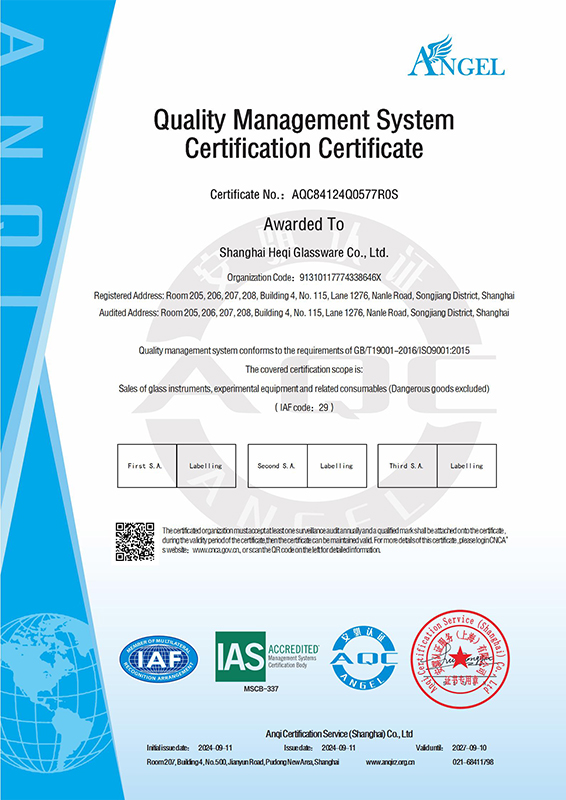
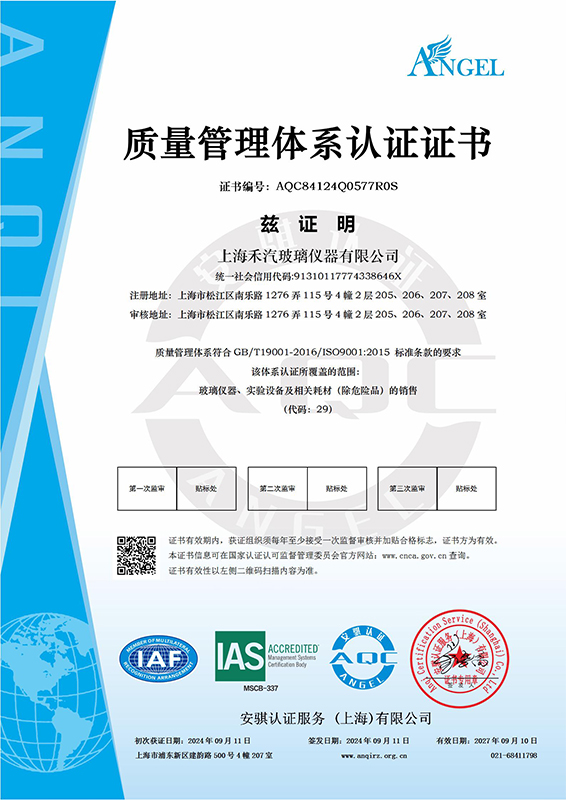
The manufacturing of high performance Heating Mantles has advanced from manual hand weaving and basic wiring to semi-mechanized production and standardized assembly protocols. Established manufacturing enterprises such as Shanghai Heqi Glassware Co., Ltd. have upgraded laboratory equipment production by incorporating modern manufacturing methods alongside skilled assembly procedures.
Founded in March 2002, Shanghai Heqi Glassware Co., Ltd. has developed expansive manufacturing networks across key industrial regions including Songjiang, Chengdu, Jiaxing, and Yancheng. By combining technology, material expertise, and modern management structures, the company replaced traditional workshop production with organized assembly line processing. This structural transition guarantees that every heating mantle achieves consistent electrical resistance, uniform wire spacing, and precise cavity geometry while reducing unit manufacturing costs and maintaining strict safety standards.
Automated wire winding and precision insulation fitting ensure that electrical heating elements maintain uniform spacing throughout the fabric pocket. This eliminates hot spots or cold zones that could cause stress fractures in borosilicate glass vessels during rapid heating phases. Standardized quality control procedures ensure that every unit meets strict electrical insulation resistance and grounding requirements before dispatch.
Engineering Synergies across Glassware Manufacturing and Electronic Heating Control
Developing reliable reaction setups requires technical synergy between glass reaction vessels and thermal regulation hardware. Shanghai Heqi Glassware Co., Ltd. brings together technical specialists in chemical research, mechanical engineering, and electronic control systems to form an integrated development team.
To support chemical processing operations, the organization operates three dedicated internal workshops:
-
Glass Workshop focused on precision hot glass processing, standard joint grinding, custom glass blowing, and thermal stress relief annealing cycles.
-
Metalworking Workshop dedicated to fabricating metal housing shells, structural mounting frames, support rods, and custom mounting clamps.
-
Assembly Workshop responsible for integrating electrical heating elements, electronic control boards, magnetic drive motors, and glass components into fully functional heating and stirring systems.
This multi-departmental infrastructure enables the production of complete chemical synthesis setups, including glass reactors, rotary evaporators, distillation units, temperature circulation systems, vacuum pumps, stirrers, and UV analyzers. Because heating hardware is engineered alongside matching borosilicate reaction flasks, Shanghai Heqi Glassware Co., Ltd. ensures physical compatibility, optimal thermal transfer, and precise fitment across standard and custom processing assemblies.
Turnkey Supply Logistics and Custom Pilot Plant Equipment Solutions
Commercial production facilities and research institutes require dependable procurement logistics to maintain continuous production schedules and minimize operational downtime. Partnering with established China Lab Heating Mantles Suppliers offers significant advantages regarding inventory availability, order fulfillment speed, and comprehensive technical support.
To fulfill its service commitment of you make a call, we handle the rest, Shanghai Heqi Glassware Co., Ltd. maintains extensive inventory reserves across its regional supply centers. Ample warehousing allows rapid order processing and fast shipping schedules, enabling research centers to set up new process lines, replace consumable heating elements, and meet sudden production requirements without extended lead times.
In addition to standard product lines, industrial chemical processing frequently demands custom heating mantle configurations for oversized reaction globes, multi-neck pilot plant glass vessels, or specialized jacketed reactors. Shanghai Heqi Glassware Co., Ltd. leverages internal design and metalworking capabilities to supply customized small scale and pilot scale equipment solutions. Whether a pharmaceutical facility requires multi-zone heating mantles with individual zone controls or specialized explosion proof heating enclosures, direct engineering collaboration transforms technical specifications into reliable industrial hardware.
FAQ:
How do multi-zone Heating Mantles prevent localized hot spots during organic synthesis?
Multi-zone heating systems divide the inner woven fabric cavity into independent horizontal or vertical heating circuits, each controlled by its own temperature sensor and power controller. When reaction volumes decrease during distillation procedures or when boiling multi-neck reaction mixtures, upper portions of the glass vessel can become dry while still exposed to heat. Uncovered glass exposed to high thermal energy experiences rapid temperature spikes, leading to chemical scorching, thermal stress cracks, or decomposition of splashing liquid residues. Multi-zone control allows operators to deactivate or reduce power to upper heating zones as liquid levels drop, confining thermal energy input strictly to the wetted surface area of the vessel. This targeted heat application eliminates localized hot spots and preserves both chemical purity and glassware integrity.
What procedures preserve heating elements when aggressive liquid spills occur?
Accidental liquid spills during reagent addition or vigorous boiling pose significant risks to heating elements if fluid penetrates the internal wiring. Premium heating units feature liquid diversion channels, raised center drainage spouts, and non-porous ceramic fiber liners that divert spilled fluids away from live electrical components. When a spill occurs, power should be disconnected immediately to prevent electrical short circuits. If neutral solvents or mild aqueous solutions spill into the heating cavity, the unit should be allowed to air dry completely under active ventilation before restoring electrical power. For corrosive acid or base spills, the inner fabric liner should be inspected for chemical degradation, neutralized with appropriate mild neutralizing agents, rinsed sparingly with deionized water, and thoroughly dried. Utilizing replaceable heating fabric inserts extends the overall service life of the outer metal housing and electronic drive units.
How does integrated magnetic stirring in Heating Mantles improve reaction kinetics?
Integrated magnetic stirring enhances reaction kinetics by maintaining continuous fluid velocity across the internal heated surface of the glass vessel. Heat transfer through stationary liquids relies primarily on natural convection, which is slow and often results in steep temperature gradients between the bottom wetted wall and the top liquid surface. Forced convection induced by a rotating magnetic stir bar continuously sweeps cold fluid across the heated glass interface, maximizing the heat transfer coefficient and distributing thermal energy rapidly throughout the bulk solution. This uniform energy distribution ensures consistent reaction rates, reduces reaction times, and prevents localized thermal decomposition of delicate chemical compounds. Dynamic mixing also prevents solid reactants or catalysts from settling at the bottom of the flask, where they could form insulating sediment layers that trap heat against the glass.
Which safety mechanisms prevent thermal runaway in continuous distillation setups?
Preventing thermal runaway during extended or unattended distillation protocols requires multiple redundant safety controls. Primary protection is provided by digital proportional integral derivative controllers that use feedback from thermocouples immersed directly in the liquid or vapor path to regulate power delivery. Secondary protection relies on independent over-temperature limit controllers equipped with dedicated sensors attached to the heating element surface. If the primary controller fails or liquid levels drop unexpectedly, the limit controller cuts power to the heating element when temperatures exceed preset safety thresholds. Grounded metallic outer housings shield operators from electrical shock hazards, while built-in current overload fuses protect internal control circuits from power surges. Using sealed solid state relays instead of mechanical switches eliminates electrical arcing, allowing safe operation near trace organic vapors.
How do China Lab Heating Mantles Suppliers assist facilities with custom vessel geometries?
Established equipment suppliers such as Shanghai Heqi Glassware Co., Ltd. provide comprehensive custom engineering services that address specialized vessel geometries and unique process requirements. Commercial research operations frequently employ non-standard spherical reactors, wide-flange reaction kettles, or custom multi-neck pilot flasks that do not fit standard catalog heating cavities. Experienced engineering teams utilize custom CAD modeling, specialized textile tailoring, and precise resistance wire layouts to craft bespoke heating mantles matching exact vessel profiles. Internal metalworking and assembly workshops fabricate custom mounting frames, specialized support brackets, and tailored electronic control enclosures. This integrated approach ensures that custom heating units deliver uniform thermal coverage, reliable structural support, and precise electronic control tailored to unique client applications.
Why is high temperature glass fabric insulation critical for large volume heating operations?
Large volume heating operations involving ten liter, twenty liter, or larger reaction vessels require high thermal energy inputs to reach and maintain elevated boiling temperatures. High temperature glass fabric insulation provides structural flexibility, high mechanical strength, and outstanding thermal insulation at temperatures exceeding five hundred degrees Celsius. The woven fiber matrix cradles heavy glass vessels, distributing hundreds of pounds of liquid mass evenly across the entire lower mantle structure to eliminate concentrated mechanical stress points. The low thermal conductivity of dense glass fabric minimizes heat loss to the surrounding environment, reducing power consumption and allowing large volumes to reach target processing temperatures efficiently. The structural resilience of high grade fiberglass resists flaking, tearing, and thermal degradation through thousands of heating cycles, providing stable mechanical support and reliable thermal performance in continuous industrial processing environments.


 English
 Français
 Español