Custom Lab Alkali Buret

Home / Products / Burets / Alkali Buret

Lab Alkali Buret Suppliers

Grid
List

This buret is made of top-grade borosilicate glass for excellent heat and chemical resistance. It uses latex tubes for connection and has excellent corrosion resistance to alkaline reagents.

View More
About
Shanghai Heqi Glassware Co., Ltd.

One point of professionalism, one point of service, one point of companionship—allow me to be your reliable partner on the path forward!

Shanghai Heqi was founded in March 2002, It is China Lab Alkali Buret Suppliers and Lab Alkali Buret Manufacturers, Specializing in the R&D and production of standard-mouth glass instruments. Over the years, the company has established production bases in locations such as Songjiang, Chengdu, Jiaxing, and Yancheng. By integrating technology, craftsmanship, and management expertise, Heqi has adopted mechanized and semi-mechanized techniques to replace traditional manual methods. It has also introduced assembly-line industrial processes to replace simple workshop-style production, thereby reducing costs and improving quality.

To deliver on its service commitment of “you make a call, we handle the rest,” Heqi also supplies a range of high-quality glass instruments, lab consumables, and experimental equipment from both domestic and international brands. With ample inventory, fast delivery, and premium service, the company ensures full support for its clients.

In recent years, Shanghai Heqi has brought together experts in chemical R&D, mechanical design and processing, and electronic control to form a dedicated R&D team. The company has also set up three specialized workshops for glass, metalworking, and assembly. These facilities produce a variety of small and pilot-scale equipment, including glass reactors, rotary evaporators, distillation units, high- and low-temperature circulation systems, vacuum pumps, stirrers, and UV analyzers.

Leveraging its in-house capabilities in design, production, and custom fabrication of glass components, Shanghai Heqi continuously enhances product quality and service standards. It also supports the chemical and pharmaceutical industries by enabling customized small-scale and pilot-scale equipment solutions.
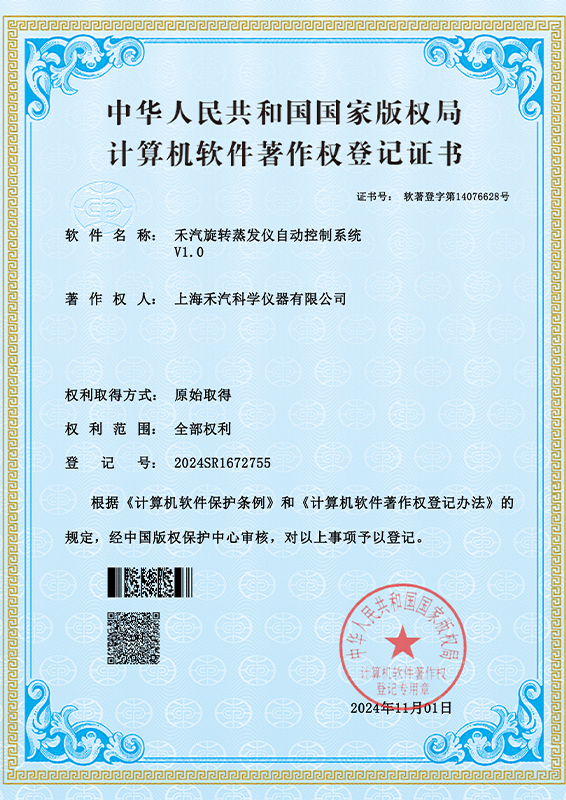
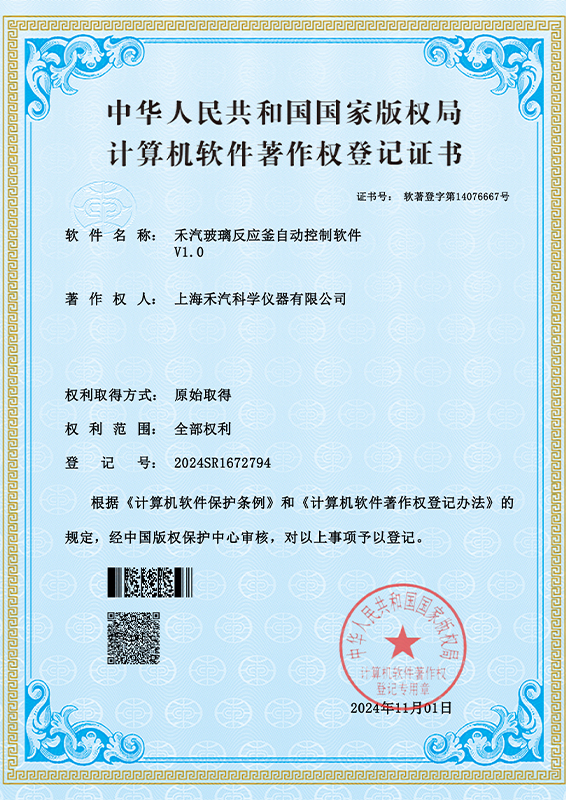
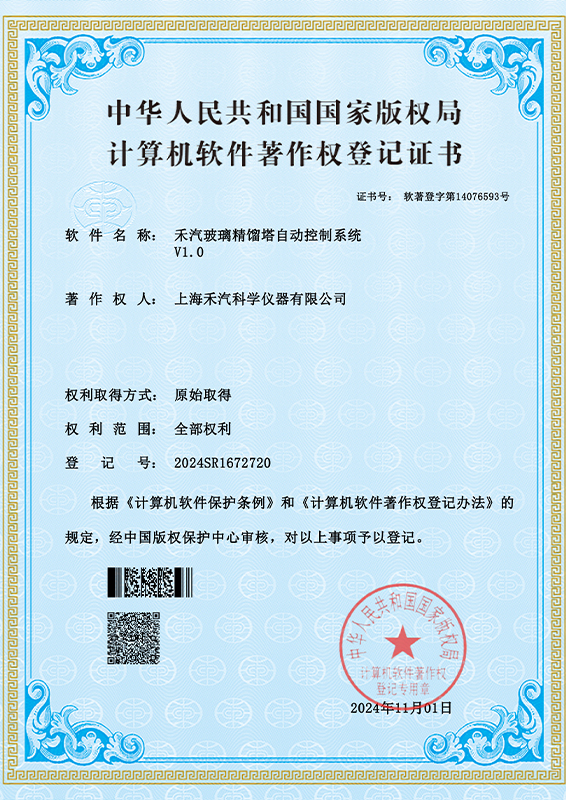
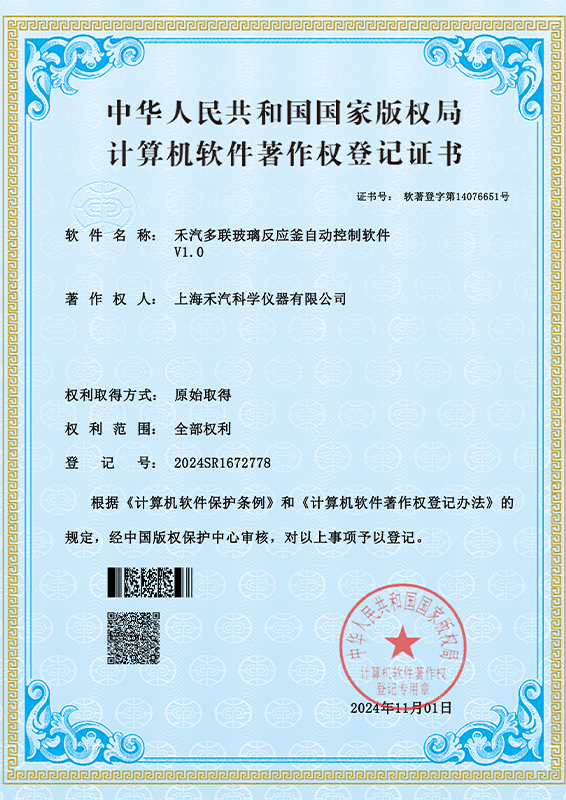
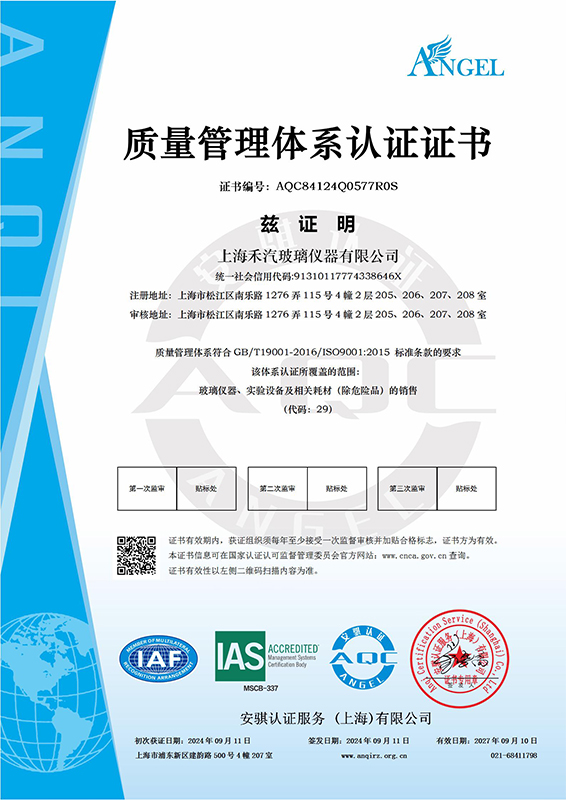
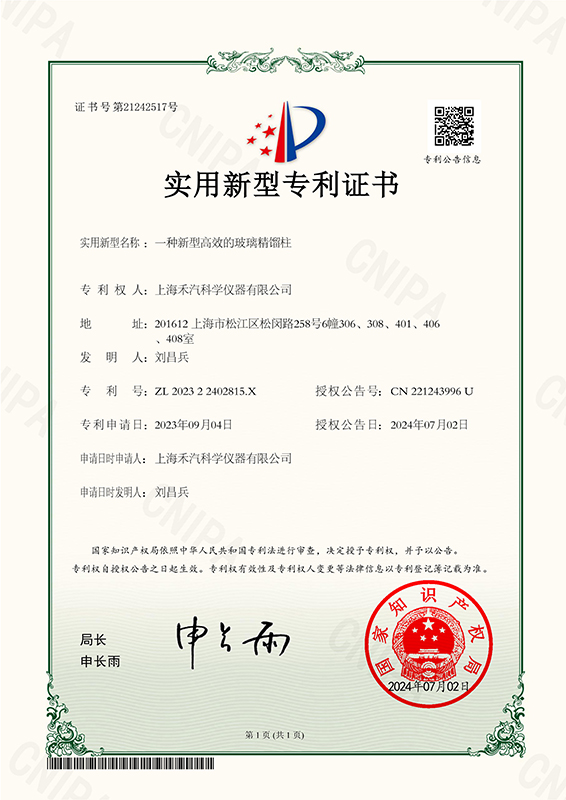
Certification
  • 1
  • 2
  • 3
  • 4
  • 5
  • 6
  • 7
Contact Us
Our custom service team is ready to provide you with expert advice and personalized solutions.
News
Industry Knowledge

Why Does Alkali Buret Use a Rubber Tube and Glass Bead Valve Design?

Chemical Etching Mechanics of Alkaline Solutions on Ground Glass

Alkaline titrants such as sodium hydroxide and potassium hydroxide react chemically with silicon dioxide present in standard borosilicate glass. Over time, basic solutions cause silicate leaching, which leads to the formation of viscous sodium silicate deposits within narrow glass gaps. In standard acid burets featuring ground-glass stopcocks, this chemical deposition creates a phenomenon known as ground-joint freezing, where the glass stopcock plug becomes permanently fused to the barrel outer housing. A lab alkali buret bypasses ground-glass contact points entirely at the dispensing junction by utilizing a flexible rubber tube interface. Production technicians in specialized glassware workshops at Shanghai Heqi Glassware Co., Ltd. pair ground-mouth glass barrels with elastomeric tubing connectors, preventing alkaline salt accumulation from seizing the flow control assembly during extended analytical testing cycles.

Comparative Valve Mechanics Across Titration Glassware

Valve Structural Category Primary Material Components Alkaline Solution Compatibility Mechanical Seizure Risk
Rubber Tube with Glass Bead Natural Rubber / Silicone & Spherical Glass Bead Resists base-induced joint fusion Zero risk of ground-joint freezing
Ground-Glass Key Stopcock Precision-Ground Borosilicate Glass Reacts with OH- ions to form silicates High seizure rate under pH > 10
Unlubricated PTFE Plug Valve Polytetrafluoroethylene Key in Glass Barrel Chemically inert to alkaline solutions Low risk; higher material cost ratio
Pinchcock Metal Clamping Valve Plated Steel Spring & Elastic Tubing Moderate compatibility; subject to spring fatigue Zero joint freezing; variable flow drift

Physical Flow Dynamics of the Internal Glass Bead Mechanism

The dispensing control of a lab alkali buret relies on a simple mechanical principle involving liquid displacement around a smooth glass sphere. A solid glass bead, ground to a diameter slightly larger than the inner bore of the surrounding flexible rubber sleeve, forms an airtight and liquid-tight seal under rest conditions. When the analyst squeezes the rubber tube gently adjacent to the bead using thumb and index finger pressure, a narrow channel opens along the tube wall, allowing the alkaline titrant to flow around the bead and exit through the tapered glass tip below. Squeezing pressure directly alters the channel cross-section, providing liquid control ranging from rapid continuous streams down to isolated micro-drops during equivalence point titrations.

Operational Parameters of Rubber Tube Assemblies

Operational Variable Natural Rubber Sleeve Spec Silicone Polymer Sleeve Spec
Recommended pH Operating Boundary pH 8.0 to pH 14.0 pH 8.0 to pH 14.0
Max Continuous Thermal Rating 60°C to 70°C ambient 120°C (Autoclavable conditions)
Flexibility Retention Cycle Limit Over 5,000 manual compressions Over 15,000 manual compressions
Oxidizing Titrant Compatibility Degrades under strong permanganates Moderate resistance to dilute oxidizers

Elastic Memory Retention and Leak Prevention Dynamics

Maintaining accurate liquid levels in a volumetric buret requires that the valve assembly return to a completely sealed state instantly once manual pressure is released. The elastomer material chosen for a lab alkali buret must exhibit high tensile recovery and minimal compression set. When finger pressure ceases, the natural elasticity of the rubber wall snaps back tightly against the spherical surface of the glass bead, closing the fluid passage immediately without weeping or lingering drop formation at the tip. In assembly workshops managed by Shanghai Heqi Glassware Co., Ltd., rubber components undergo durometer testing to ensure the elastic wall maintains uniform sealing tension against the internal bead across thousands of manual deflection cycles.

Dispensing Tip Replacement and Maintenance Procedures

Unlike integrated glass stopcock assemblies where damage to the lower housing renders the entire instrument unusable, the modular structure of a lab alkali buret allows for straightforward part replacement. The lower tapered glass tip, rubber connector sleeve, and internal glass bead can be disassembled separately if the tip chips or if the rubber material experiences swelling over prolonged exposure to concentrated reagents. Replacing aging elastomeric tubing restores full volumetric functionality at minimal operational cost, allowing research institutions and industrial quality control labs to maintain reliable baseline testing workflows without discarding the main graduated glass barrel.

Calibration Integrity and Integration into Modular Glass Systems

System Component Engineering Function Analytical Value
Annealed Glass Column Contains permanent volumetric graduations Ensures linear volume measurement accuracy
Ground-Mouth Adapter Base Connects barrel to lower flexible valve assembly Allows rapid conversion and modular repair
Tapered Glass Jet Tip Controls exiting droplet volume geometry Standardizes individual drop delivery sizes

Adaptability to Automated and Pilot-Scale Neutralization Units

Beyond traditional manual benchtop titration setups, flexible valve configurations find utility in custom chemical apparatus and pilot-scale liquid dosing networks. The rubber sleeve interface of a lab alkali buret connects seamlessly with automated pinch-valves, solenoid actuators, or auxiliary circulation systems produced by Shanghai Heqi Glassware Co., Ltd. This compatibility allows basic neutralizing agents to be metered accurately into pilot reactors or distillation units under automated control, protecting electronic actuators from direct contact with corrosive alkaline fluids while preserving precision fluid delivery.

FAQ

Q: Why is a rubber tube and glass bead assembly used instead of a ground-glass stopcock on a lab alkali buret?

A: Alkaline titrants, such as sodium hydroxide and potassium hydroxide, react with the silica in glass to form silicate precipitates. In standard ground-glass stopcocks, these deposits cause the joint to freeze or fuse permanently. A lab alkali buret utilizes a flexible rubber tube enclosing a precision glass bead, eliminating ground-glass contact points at the valve junction to prevent joint seizing while maintaining leak-free flow control.

Q: How does squeezing the rubber tubing near the glass bead regulate titrant delivery during an alkali titration?

A: Under rest conditions, the internal glass bead sits tightly against the elastic wall of the rubber tubing to form an airtight seal. When an operator gently squeezes the tubing adjacent to the bead, a small vertical channel opens along the inner wall, allowing alkaline solution to bypass the bead and exit through the jet tip in precise dropwise increments down to micro-volumes.

Q: What maintenance steps ensure the elastomeric seal of a lab alkali buret retains elastic memory over extended use?

A: The rubber tube assembly should be thoroughly rinsed with deionized water after each analytical testing cycle to remove alkaline residues that could accelerate rubber degradation or hardening. Specialized assembly workshops at Shanghai Heqi Glassware Co., Ltd. fit these burets with high-durometer, chemical-resistant tubing that maintains uniform compression memory across thousands of manual compressions, though periodic inspection and low-cost replacement of the flexible sleeve keep performance optimal.

Q: How can a lab alkali buret be adapted for integration into automated liquid dosing or pilot-scale reactor setups?

A: The flexible rubber interface of a lab alkali buret can be connected directly to external solenoid pinch-valves or automated metering systems. Facilities at Shanghai Heqi Glassware Co., Ltd. manufacture modular glass adapters and auxiliary circulation setups that link alkali buret assemblies directly to glass reactors and pilot units, enabling automated titration and neutralization dosing without exposing electronic hardware to basic solutions.

Q: What measures prevent air bubbles from lodging behind the internal glass bead in a lab alkali buret?

A: Air bubbles can be purged by pointing the lower tapered jet tip upward while squeezing the rubber tubing adjacent to the glass bead to release a small stream of titrant. The smooth, flame-polished glass tips produced by Shanghai Heqi Glassware Co., Ltd. provide uniform fluid channels, allowing continuous liquid momentum to clear trapped air pockets completely before taking baseline volume readings.