Overview of Laboratory Glass Stoppers
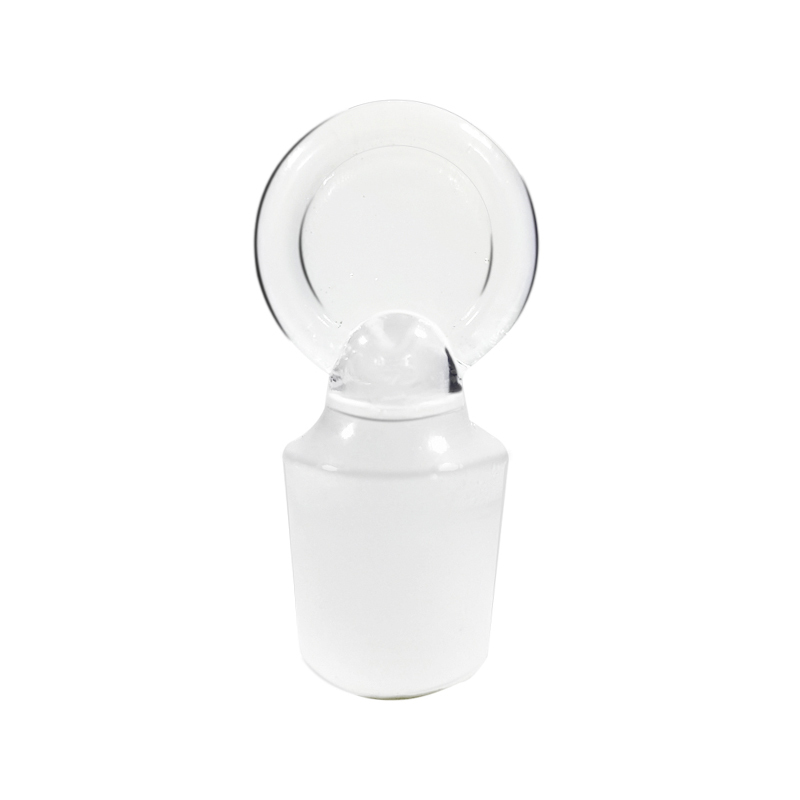
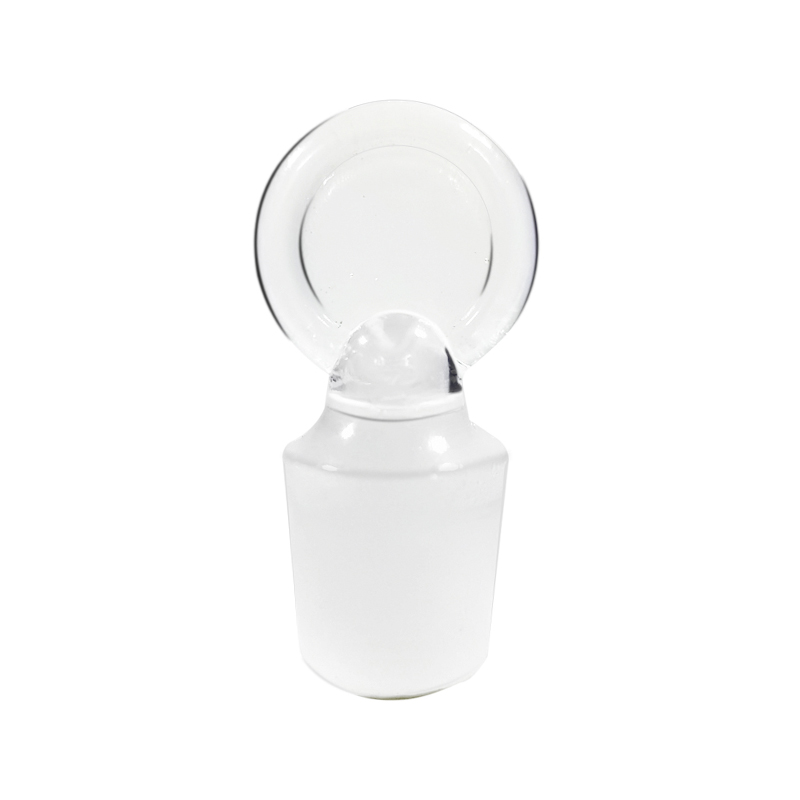
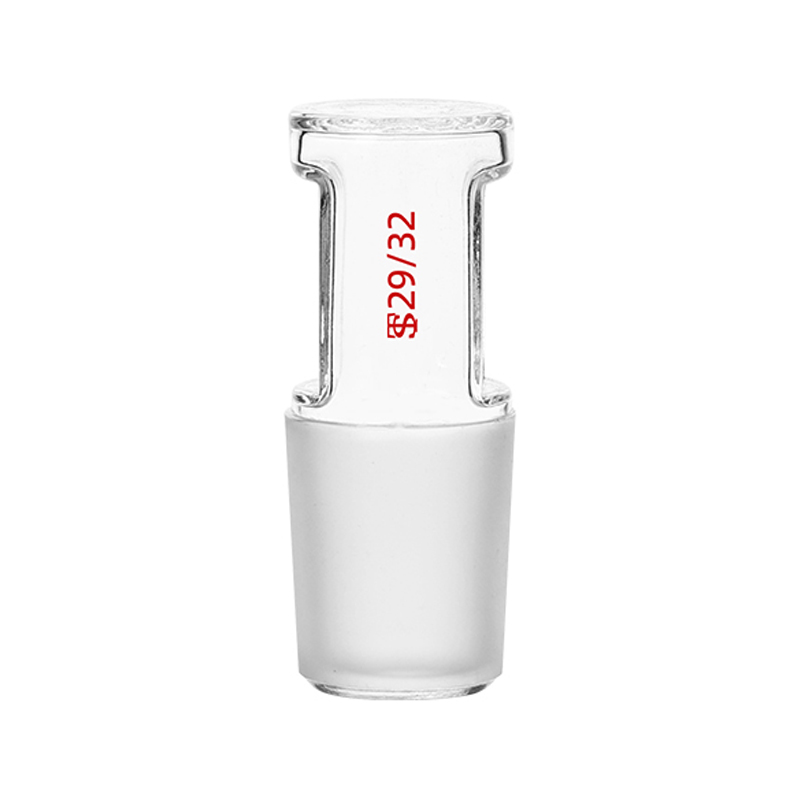
Laboratory Glass Stoppers are important sealing components commonly used in laboratory glassware. They are mainly designed to close the openings of glass containers, preventing sample evaporation, contamination, oxidation, and external environmental interference. Laboratory Glass Stoppers are widely used in chemical experiments, organic synthesis, pharmaceutical research, analytical testing, sample storage, distillation systems, and various laboratory glass assemblies.
Laboratory Glass Stoppers are commonly used together with conical flasks, volumetric flasks, reagent bottles, distillation flasks, separatory funnels, and reaction vessels. Due to the excellent chemical resistance, high temperature stability, and purity of glass materials, these stoppers can meet the strict requirements of laboratories for sealing performance, corrosion resistance, and long-term reliability.
Compared with plastic stoppers or rubber stoppers, Laboratory Glass Stoppers provide better chemical compatibility and are less likely to react with laboratory reagents. They can also withstand higher temperature variations, making them an ideal choice for professional chemical laboratories and scientific research applications.
With the continuous development of modern laboratories toward higher precision, cleanliness, and customization, glass stoppers are no longer simple sealing accessories but have become important components that ensure the safety and reliability of laboratory systems.
Structure and Working Principle of Laboratory Glass Stoppers
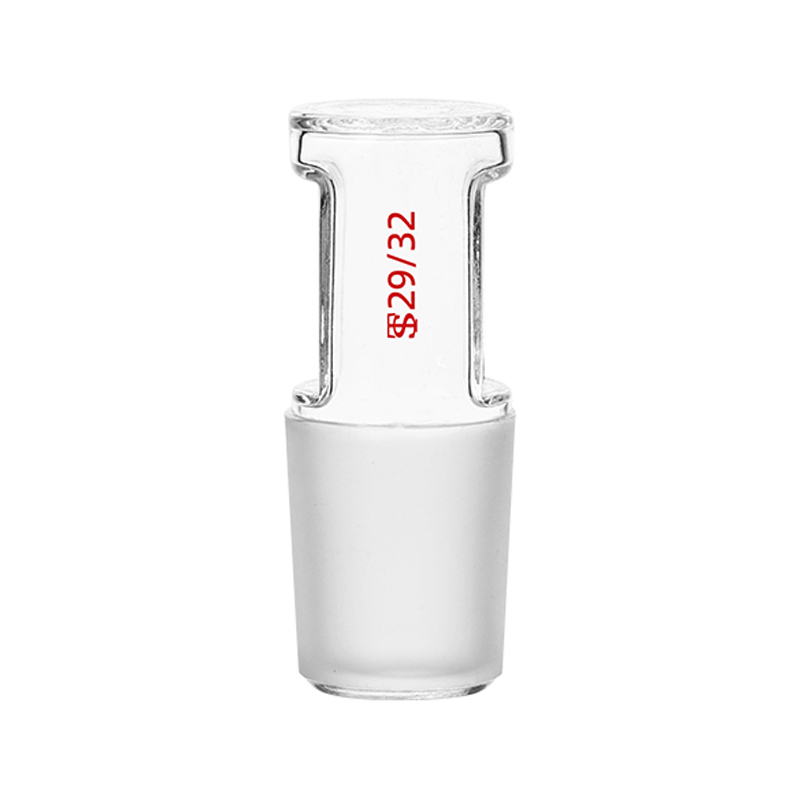
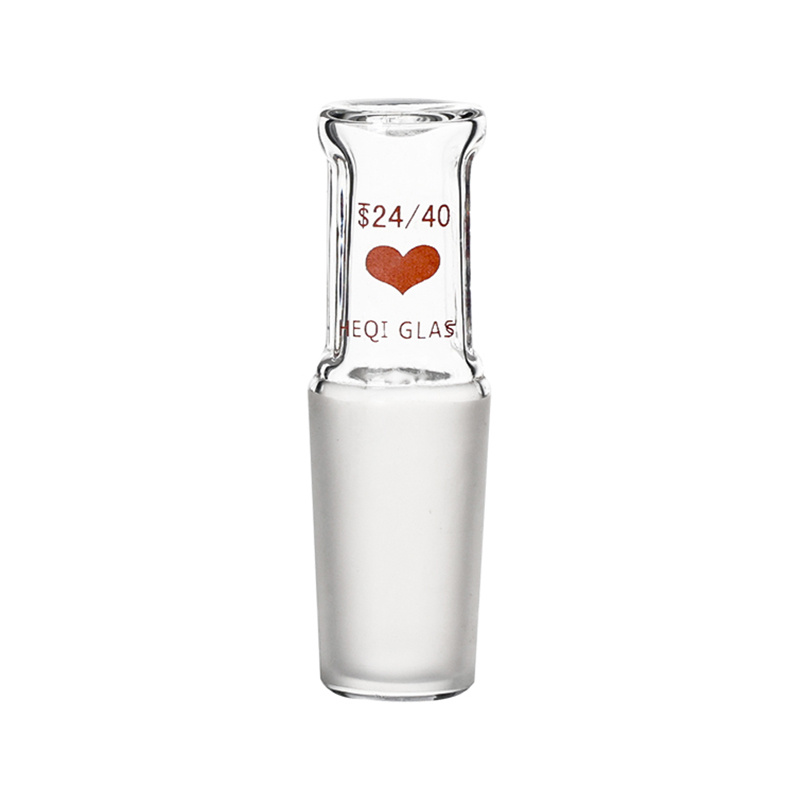
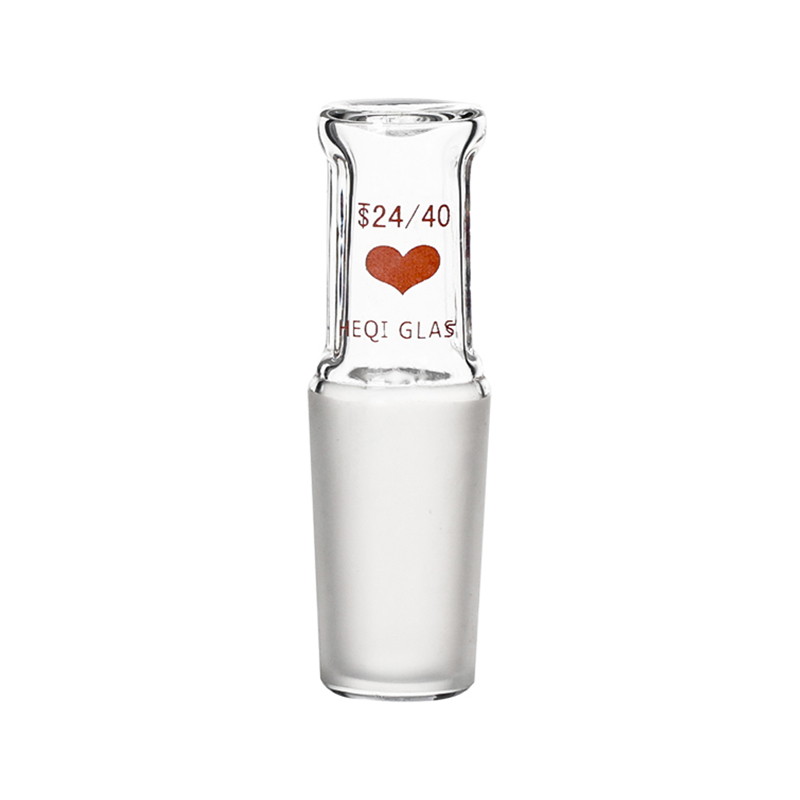
Laboratory Glass Stoppers generally consist of a stopper head and a ground glass joint. Their working principle is based on precision grinding between glass surfaces, allowing a tight seal without the need for additional sealing materials.
When the glass stopper is inserted into a matching ground glass opening, the two glass surfaces create uniform contact, forming a stable sealing connection. High-precision grinding technology reduces air leakage and liquid evaporation, improving experimental reliability.
| Type |
Features |
Applications |
| Solid Glass Stoppers |
Simple structure and stable sealing performance |
Reagent bottles and storage containers |
| Ground Glass Stoppers |
Precision fitting and excellent sealing capability |
Chemical laboratory instruments |
| Hollow Glass Stoppers |
Lightweight design for special applications |
Laboratory glass components |
| PTFE Glass Stoppers |
Excellent chemical resistance |
High-performance chemical applications |
Materials and Characteristics of Laboratory Glass Stoppers
Laboratory Glass Stoppers are usually manufactured from high-quality glass materials, among which High Borosilicate Glass is the most commonly used material.
| Material |
Performance Characteristics |
Applications |
| High Borosilicate Glass |
Excellent thermal shock resistance, high chemical stability, and low thermal expansion |
Chemical experiments and scientific research instruments |
| Quartz Glass |
Outstanding high-temperature resistance |
High-temperature laboratory environments |
| PTFE |
Excellent corrosion resistance and non-stick properties |
Highly corrosive chemical applications |
High Borosilicate Glass has a low thermal expansion coefficient, which helps reduce the risk of cracking caused by temperature changes. It also provides excellent resistance against most acids, alkalis, and organic solvents, making it the preferred material for laboratory glass stopper manufacturing.
Main Applications of Laboratory Glass Stoppers
Chemical Experiments and Reagent Storage
In chemical laboratories, Glass Stoppers are widely used for sealing reagent bottles and sample containers. Their excellent sealing performance helps reduce solvent evaporation, prevent moisture intrusion, and minimize sample contamination.
Organic Synthesis and Reaction Experiments
In organic chemistry research, glass stoppers are commonly installed on reaction vessels, round-bottom flasks, and small-scale synthesis systems. For experiments requiring protection from air, moisture, or external contamination, high-quality ground glass stoppers improve system stability and experimental accuracy.
Analytical Testing and Sample Preservation
Analytical experiments require high sample stability. Laboratory Glass Stoppers help maintain the original condition of samples and are widely used for standard solution storage, sample transportation, and instrument analysis preparation.
Distillation and Separation Equipment
In distillation systems, glass stoppers are used to connect and seal different glass components, ensuring stable operation of the entire experimental setup.
Comparison Between Laboratory Glass Stoppers and Other Sealing Methods
| Type |
Material |
Advantages |
Limitations |
| Glass Stoppers |
High Borosilicate Glass |
Excellent chemical stability, high purity, and no contamination |
Requires accurate matching of ground glass sizes |
| PTFE Stoppers |
Polytetrafluoroethylene |
Excellent corrosion resistance and wide chemical compatibility |
Higher cost compared with standard glass stoppers |
| Rubber Stoppers |
Rubber |
Good elasticity and easy installation |
May react with certain chemicals |
| Plastic Stoppers |
Plastic |
Low cost and lightweight design |
Limited temperature and chemical resistance |
Key Factors When Selecting Laboratory Glass Stoppers
Ground Glass Joint Size Matching:
Laboratory Glass Stoppers usually adopt standard ground glass joint sizes, such as 14/20, 19/26, 24/29, and 29/32. Selecting the correct size ensures proper fitting between the stopper and the glass instrument, providing reliable sealing performance.
Chemical Compatibility:
Different experimental media require different material properties. High Borosilicate Glass is suitable for most organic solvents, dilute acids, dilute alkalis, and common laboratory reagents.
Temperature Requirements:
For applications involving heating, cooling cycles, or significant temperature changes, glass materials with excellent thermal stability should be selected. High Borosilicate Glass is preferred because of its low thermal expansion coefficient and strong thermal shock resistance.
Manufacturing Precision:
Laboratory Glass Stoppers are precision glass components. Dimensional accuracy, grinding quality, and surface finishing directly affect sealing performance and service life.
Industry Development Trends of Laboratory Glass Stoppers
With the continuous advancement of laboratory equipment and scientific research technologies, Laboratory Glass Stoppers are developing toward higher performance, customization, and integration.
- Improved grinding precision to enhance sealing stability and product consistency;
- Development of advanced material combinations to meet complex chemical environments;
- Customized designs with different sizes, structures, and connection methods according to customer requirements;
- Integration with laboratory reaction systems, vacuum equipment, and automated experimental platforms to provide complete solutions.
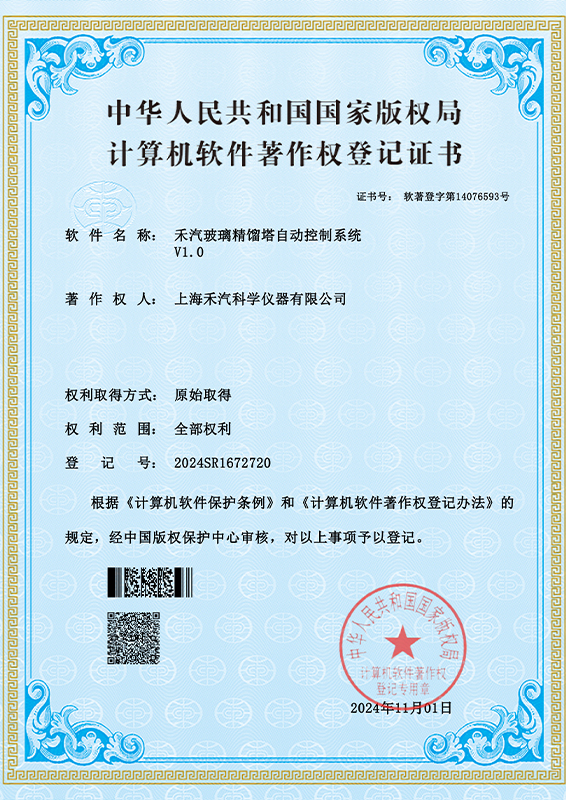
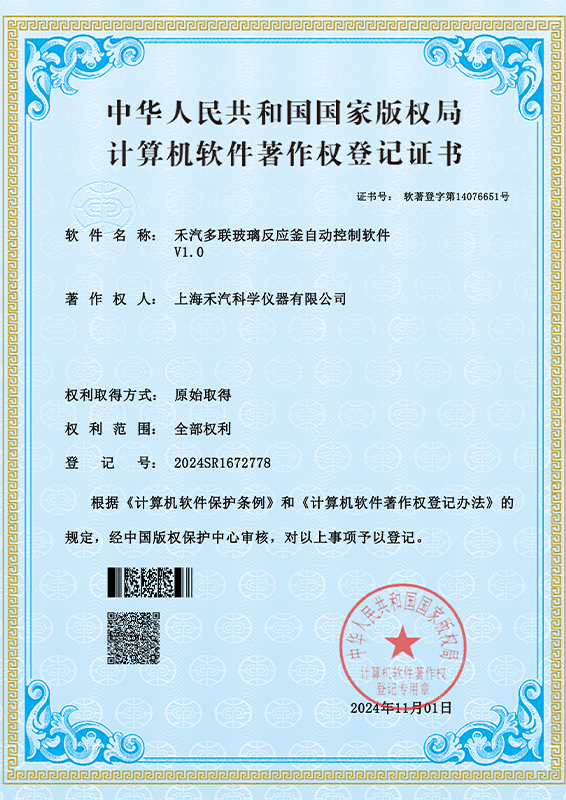
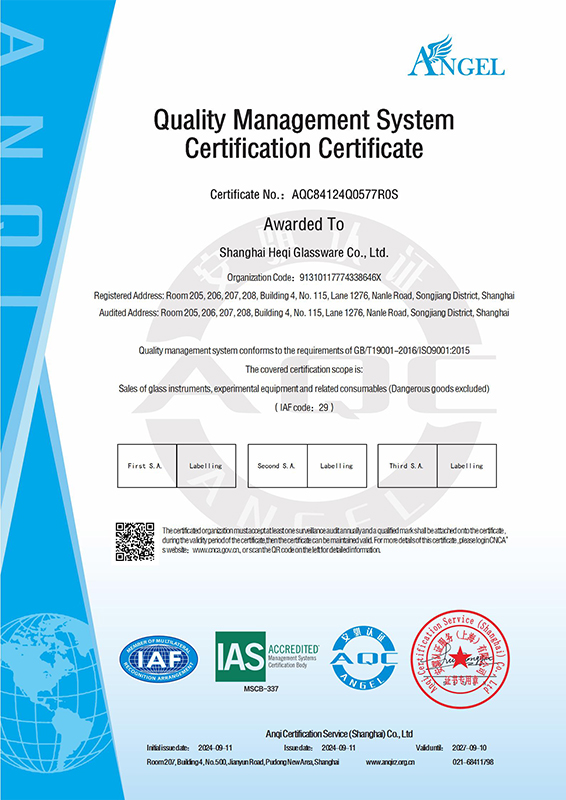
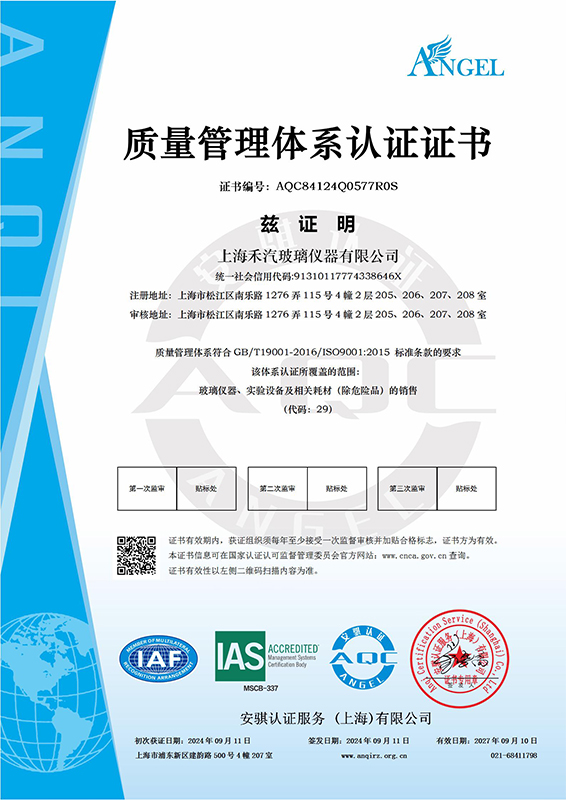
Shanghai Heqi: Professional Laboratory Glassware Manufacturer
Shanghai Heqi Glassware Co., Ltd. specializes in the research and development, manufacturing, and service of high borosilicate glass instruments, laboratory equipment, and customized glass components. The company provides professional laboratory solutions for global customers in chemical, pharmaceutical, scientific research, and industrial development fields.
Professional R&D Team Driving Continuous Innovation
Shanghai Heqi has a professional R&D team consisting of more than ten experienced engineers specializing in the design and optimization of high borosilicate glass instruments and laboratory equipment.
The R&D team continuously integrates internationally advanced technologies and develops innovative solutions based on customer requirements. More than 10% of annual revenue is invested in technological development to maintain the company's leading position in the laboratory glassware industry.
For products such as Laboratory Glass Stoppers and other precision glass components, the engineering team can provide customized solutions according to equipment structures, connection standards, and specific laboratory requirements.
Advanced Production System Ensuring Product Quality
Shanghai Heqi's production team members undergo strict professional skills training to ensure that every manufacturing process meets international quality standards.
The company utilizes automated production equipment and advanced quality control systems to achieve an efficient and stable production model.
From raw material selection, glass forming, precision grinding, surface treatment, to final inspection, every step is carefully controlled to ensure:
- Dimensional accuracy;
- Surface quality;
- Sealing performance;
- Product consistency.
Following the principle that "details define quality", Shanghai Heqi continuously improves manufacturing processes to provide reliable and durable laboratory glass products for customers worldwide.
Comprehensive Customer Service and One-Stop Support
Shanghai Heqi's customer service team is committed to providing complete support throughout the entire customer journey, including product consultation, technical communication, customized development, and after-sales assistance.
Through scientific inventory management and efficient logistics systems, the company ensures fast delivery and responsive service.
The professional technical support team provides:
- Product selection guidance;
- Customized solution support;
- Technical consultation;
- Remote technical assistance;
- After-sales maintenance service.
Whether customers require standard Laboratory Glass Stoppers or customized glass components for special laboratory equipment, Shanghai Heqi can provide stable and reliable solutions according to specific application requirements.
Conclusion
Laboratory Glass Stoppers are essential sealing components in laboratory glassware systems and play an important role in chemical research, pharmaceutical development, analytical testing, and industrial laboratory applications.
With excellent chemical stability, temperature resistance, and precision sealing capability, high borosilicate glass stoppers remain indispensable components in modern laboratories.
With professional R&D capabilities, advanced manufacturing processes, and comprehensive customer service, Shanghai Heqi provides high-quality laboratory glassware and customized solutions to customers worldwide, helping laboratories achieve safer, more efficient, and more reliable experimental operations.


 English
 Français
 Español