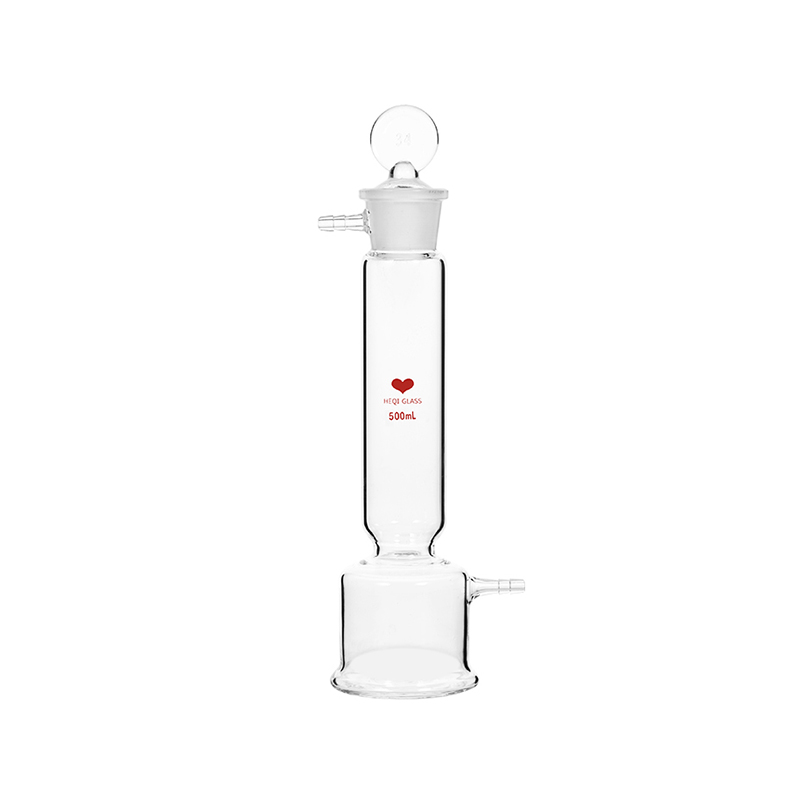
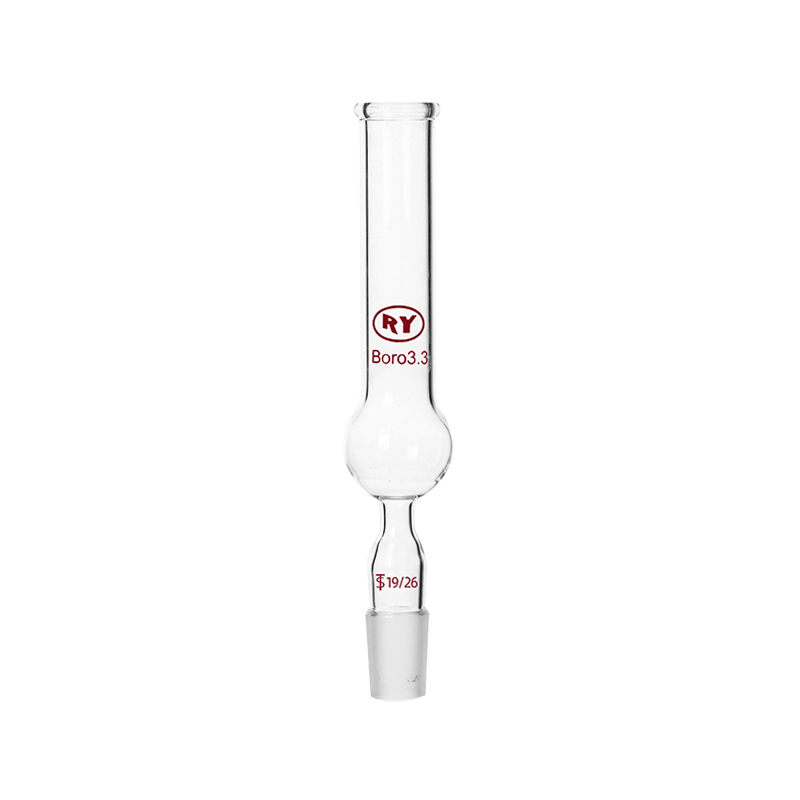
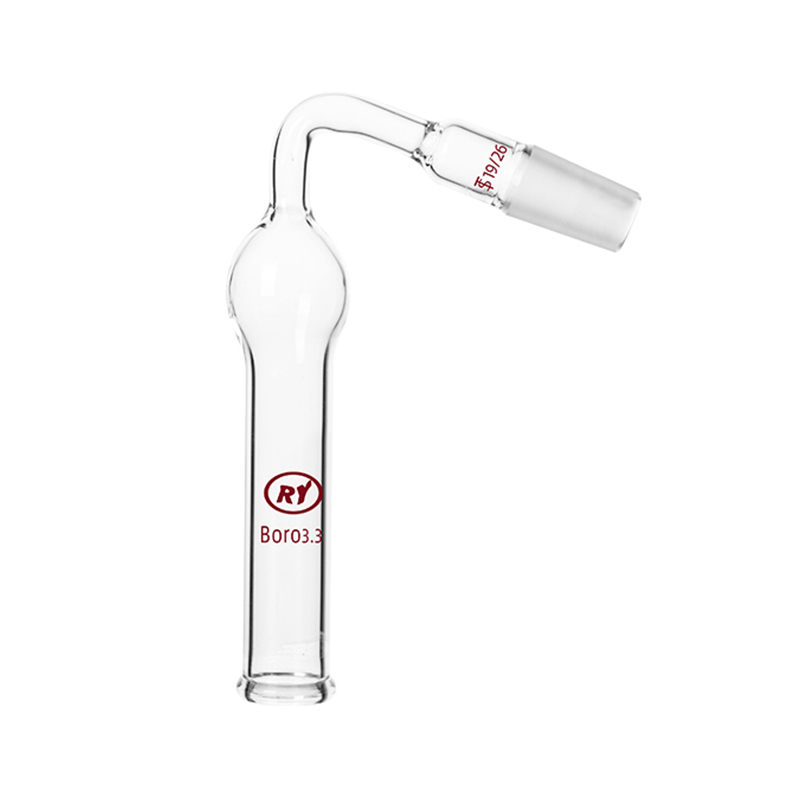
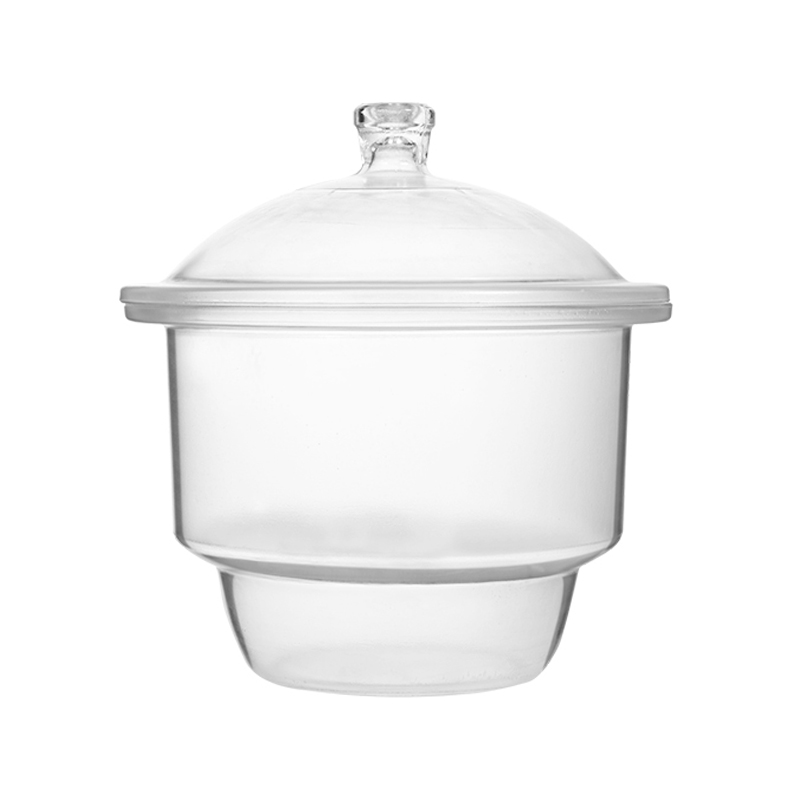
OEM/ODM Lab Clamps,Supports & Bases

Home / Products / Clamps,Supports & Bases

Clamps,Supports & Bases Manufacturers

Grid
List

This series of Laboratory Basic Support and Fixation System includes over 20 types of professional clamps (such as cross clamps, Z-shaped clamps, quick-open flask clamps) and supporting accessories like iron stands and tripods. It offers multi-directional adjustment and quick assembly/disassembly functions, compatible with experimental scenarios including distillation, heating, and condensation. Designed to ensure stable instrument connection and operational safety, this system serves as a core component of laboratory support infrastructure. 

View More
About
Shanghai Heqi Glassware Co., Ltd.

One point of professionalism, one point of service, one point of companionship—allow me to be your reliable partner on the path forward!

Shanghai Heqi was founded in March 2002, It is China Clamps,Supports & Bases Manufacturers and Clamps,Supports & Bases Factory, Specializing in the R&D and production of standard-mouth glass instruments. Over the years, the company has established production bases in locations such as Songjiang, Chengdu, Jiaxing, and Yancheng. By integrating technology, craftsmanship, and management expertise, Heqi has adopted mechanized and semi-mechanized techniques to replace traditional manual methods. It has also introduced assembly-line industrial processes to replace simple workshop-style production, thereby reducing costs and improving quality.

To deliver on its service commitment of “you make a call, we handle the rest,” Heqi also supplies a range of high-quality glass instruments, lab consumables, and experimental equipment from both domestic and international brands. With ample inventory, fast delivery, and premium service, the company ensures full support for its clients.

In recent years, Shanghai Heqi has brought together experts in chemical R&D, mechanical design and processing, and electronic control to form a dedicated R&D team. The company has also set up three specialized workshops for glass, metalworking, and assembly. These facilities produce a variety of small and pilot-scale equipment, including glass reactors, rotary evaporators, distillation units, high- and low-temperature circulation systems, vacuum pumps, stirrers, and UV analyzers.

Leveraging its in-house capabilities in design, production, and custom fabrication of glass components, Shanghai Heqi continuously enhances product quality and service standards. It also supports the chemical and pharmaceutical industries by enabling customized small-scale and pilot-scale equipment solutions.
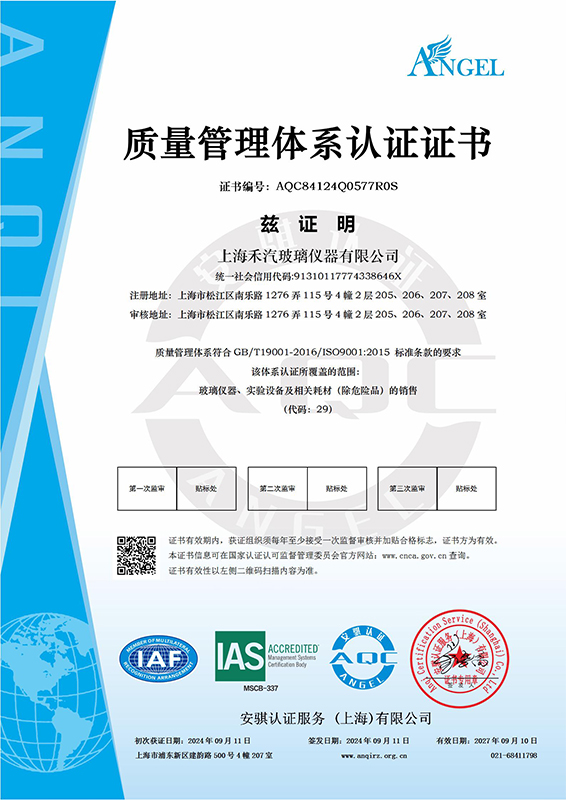
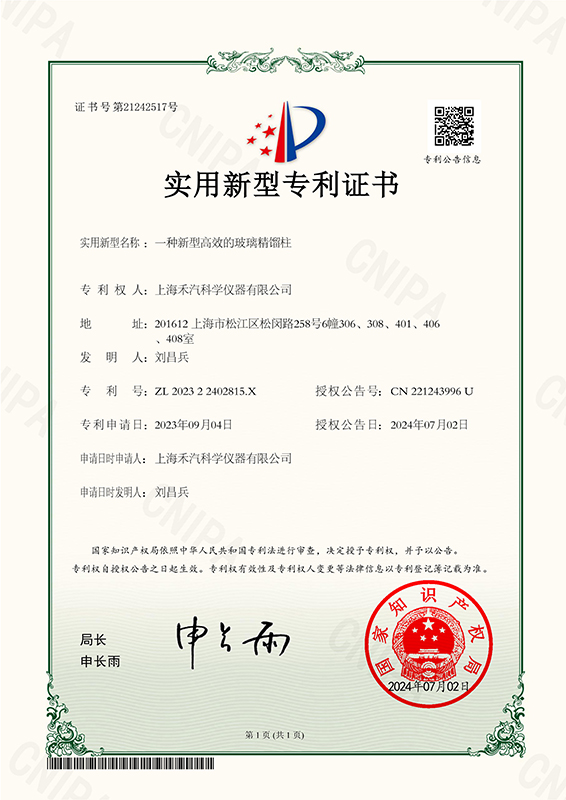
Certification
  • 1
  • 2
  • 3
  • 4
  • 5
  • 6
  • 7
Contact Us
Our custom service team is ready to provide you with expert advice and personalized solutions.
News
Industry Knowledge

How Do Laboratory Clamps Work with Glass Reaction Systems?

Structural Load Distribution Across Suspended Glass Assemblies

Glassware reaction vessels, condenser columns, and distillation heads require reliable physical support to offset gravitational forces and mechanical strain during operational cycles. Incorporating lab clamps, supports & bases provides a rigid scaffolding frame that holds heavy glass components in fixed alignment. Reaction setups contain significant fluid mass and connected peripheral components, which generate multi-axial torque at ground-glass joints and flange interfaces. If these joint connections experience uneven mechanical strain, micro-cracks or vacuum leaks can form. The metalworking workshop at Shanghai Heqi Glassware Co., Ltd. fabricates corrosion-resistant stainless steel and alloy clamps designed to distribute clamping pressure uniformly around vessel necks and tubular extensions. Cushioning sleeves composed of cork, silicone, or fluoropolymer line the interior jaw surfaces, preventing direct metal-to-glass contact and damping operational vibrations caused by motorized overhead stirrers.

Mechanical Specifications of Clamping Interfaces and Support Fixtures

Fixture Component Type Primary Structural Material Maximum Diameter Capacity Thermal Operating Range
Three-Prong Extension Clamp Zinc-Alloy / Cast Stainless Steel 10 mm to 90 mm -40°C to 200°C (Silicone sleeve)
Heavy-Duty Flange Chain Clamp 316 Stainless Steel Chain Assembly 80 mm to 300 mm -80°C to 300°C (Uncoated metal)
Cast Iron Retort Support Base Powder-Coated Cast Iron Fits 12 mm to 16 mm Rods Ambient to High Temperature Zone
Bosshead Right-Angle Connector Extruded Aluminum / Stainless Steel Standard 12.7 mm Frame Rods -50°C to 250°C

Thermal Expansion Accommodation and Stress Relief Mechanics

Glass reactors undergo substantial temperature variations when paired with fluid heating and cooling circulators during synthetic reactions. Standard borosilicate glass exhibits a low linear coefficient of thermal expansion, yet structural metal support frames expand and contract at comparatively higher rates. Rigidity in support mounting can induce stress points across jointed glass necks during thermal cycles ranging from sub-zero crystallization to high-temperature reflux. Advanced lab clamps, supports & bases incorporate spring-loaded tensioning screws or elastomeric bushings that absorb differential thermal movement without loosening their grip on the vessel. Facilities managed by Shanghai Heqi Glassware Co., Ltd. test support hardware alongside pilot-scale glass reactors, ensuring that thermal expansion does not compromise structural stability or joint sealing during continuous heating or cooling operations.

Comparative Load Tolerances and Scaffolding Frame Configurations

System Configuration Supported Vessel Volume Scaffolding Framework Type Vibration Attenuation Profile
Benchtop Distillation Setup 250 mL to 2,000 mL Dual-Rod Retort Base Plate Moderate (Sufficient for magnetic stirring)
Pilot Reaction System 10 L to 50 L Vessel Scale Tubular Stainless Steel Cage Frame High (Attenuates overhead stirrer torque)
Rotary Evaporator Condenser Unit 1 L to 5 L Evaporation Flasks Cantilevered Modular Clamp Bar Stable (Supports dynamic rotational mass)

Vibration Damping in Stirred Reaction Environments

Top-mounted motor stirrers deliver rotary torque down a central drive shaft to mix viscous fluids inside glass reactors. Unbalanced mixing impellers or high-viscosity reaction media generate mechanical resonance that propagates through the glass vessel walls into the surrounding support frame. Securely positioned lab clamps, supports & bases act as stabilization nodes, transferring kinetic energy away from fragile glass necks and into heavy cast iron bases or rigid tubular scaffolding frames. Proper placement of bosshead fasteners and extension clamps at critical center-of-gravity points prevents harmonic oscillations from loosening ground-glass joint seals or disturbing vacuum integrity during long-term stir cycles.

Corrosion Resistance Criteria for Chemical Environment Scaffolding

Material Construction Acid Vapor Resistance Organic Solvent Tolerance Mechanical Load Capacity
304/316 Stainless Steel High against mild acids Universal solvent compatibility High structural load rating
Powder-Coated Cast Alloy Moderate (Dependent on coating) Resists accidental splashes
Anodized Aluminum Rods Low against strong alkalis/acids High solvent resistance Moderate structural load rating

Modular Alignment and Multi-Axis Positioning Mechanics

Assembling complex glass apparatuses—such as connecting a glass reactor cover to a reflux condenser, addition funnel, and vacuum adapter—demands precise axial alignment across multiple glass ports. Misaligned support arms exert lateral bending forces on ground-glass joints, increasing the risk of joint binding or accidental breakage. Utilizing multi-angle bossheads and swiveling extension lab clamps, supports & bases allows operators to adjust height, rotation, and distance independently along three spatial axes. Assembly specialists at Shanghai Heqi Glassware Co., Ltd. integrate these adjustable hardware networks into complete pilot-scale setups, providing precise alignment support when connecting vacuum pumps, liquid circulation systems, and glass distillation modules.

FAQ

Q: How do lab clamps, supports & bases protect glass reactor necks from mechanical stress caused by thermal expansion?

A: Heating and cooling cycles induce dimensional changes in glass vessels and metal frames at different rates. Specialized lab clamps, supports & bases feature spring-loaded adjustment mechanisms and cushioned silicone or cork jaw liners that absorb differential thermal expansion. Fabricated in specialized workshops at Shanghai Heqi Glassware Co., Ltd., these clamping systems hold vessel necks securely without creating high-pressure points that could fracture ground joints during extreme thermal transitions.

Q: What features in heavy-duty lab clamps, supports & bases prevent harmonic resonance caused by high-torque stirrers?

A: Motorized overhead stirrers mixing viscous fluids generate rotational vibrations that transfer directly into surrounding glassware. High-mass cast iron support bases and rigid stainless steel scaffolding frames act as structural dampers, anchoring the system center of gravity. Multi-angle bossheads and extension clamps stabilize the reaction vessel body, preventing vibrational torque from loosening vacuum fittings or damaging glass agitator shafts.

Q: How can multi-axis lab clamps, supports & bases ensure precise axial alignment when connecting complex glass distillation heads?

A: Connecting multi-port glass reactor covers to condensers, addition funnels, and vacuum adapters requires exact alignment to avoid lateral strain on ground joints. Swiveling three-prong clamps and adjustable bossheads allow micro-positioning across vertical, horizontal, and angular planes. Metalworking teams at Shanghai Heqi Glassware Co., Ltd. engineer these adjustable support components to maintain strain-free alignment across multi-component glass assemblies.

Q: What corrosion-resistant coatings are applied to lab clamps, supports & bases used near aggressive acid reflux setups?

A: Fuming acids and solvent vapors in distillation or reaction setups can degrade standard metal hardware. Industrial-grade lab clamps, supports & bases utilize 316 stainless steel, powder-coated cast alloys, or anodized aluminum with chemical-resistant jaw inserts. These materials withstand continuous exposure to acidic and organic atmospheres without rusting, binding, or shedding particulate flakes into chemical processing zones.

Q: How do modular ring supports and chain clamps accommodate large-volume pilot-scale glass reactors?

A: Large pilot-scale reactors exceeding 10 liters require perimeter support rather than single-point clamping. Heavy-duty chain clamps and cushioned support rings encircle the reactor flange circumference, distributing the heavy fluid load evenly across a reinforced tubular steel frame. These modular support structures integrate seamlessly with auxiliary circulation units and vacuum pumps, maintaining complete system stability under high volumetric loads.