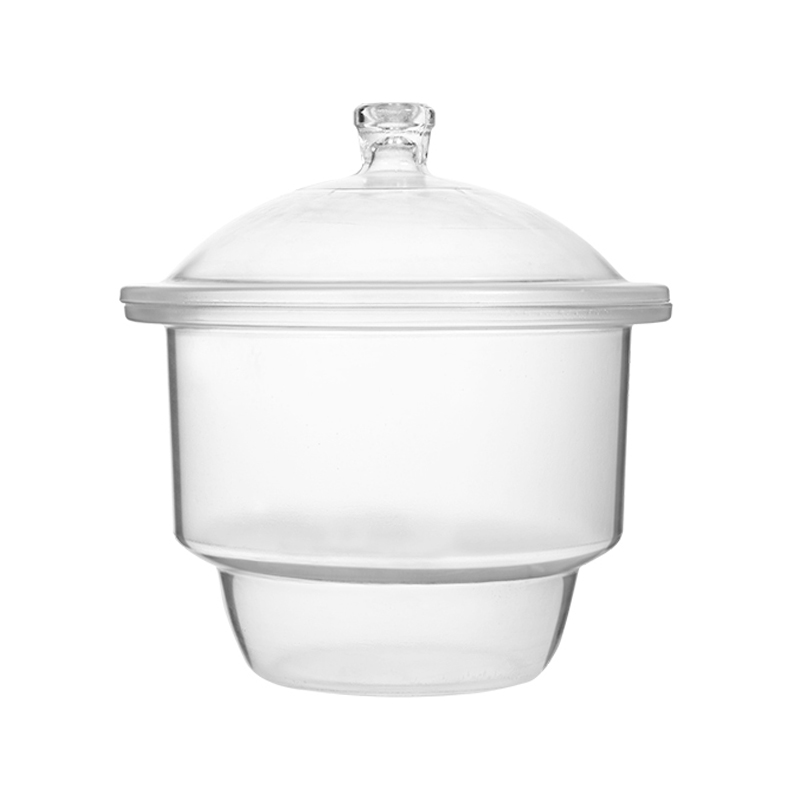
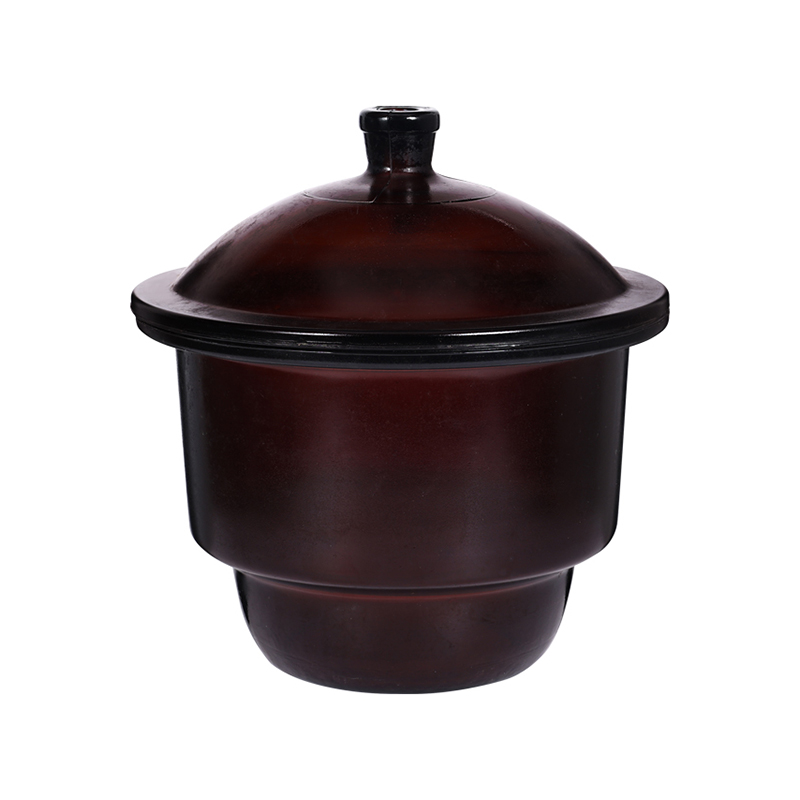
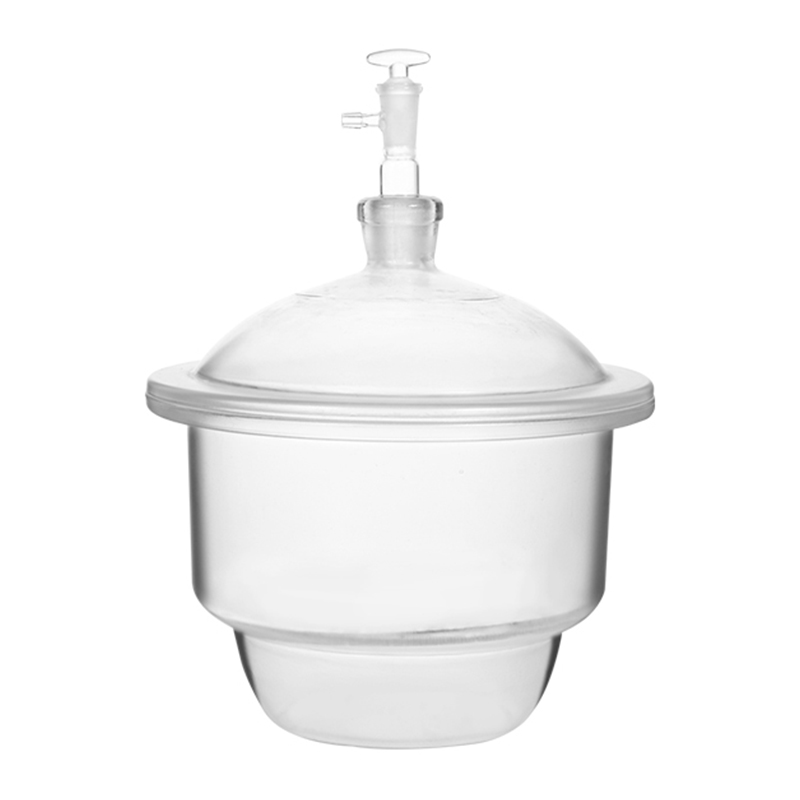
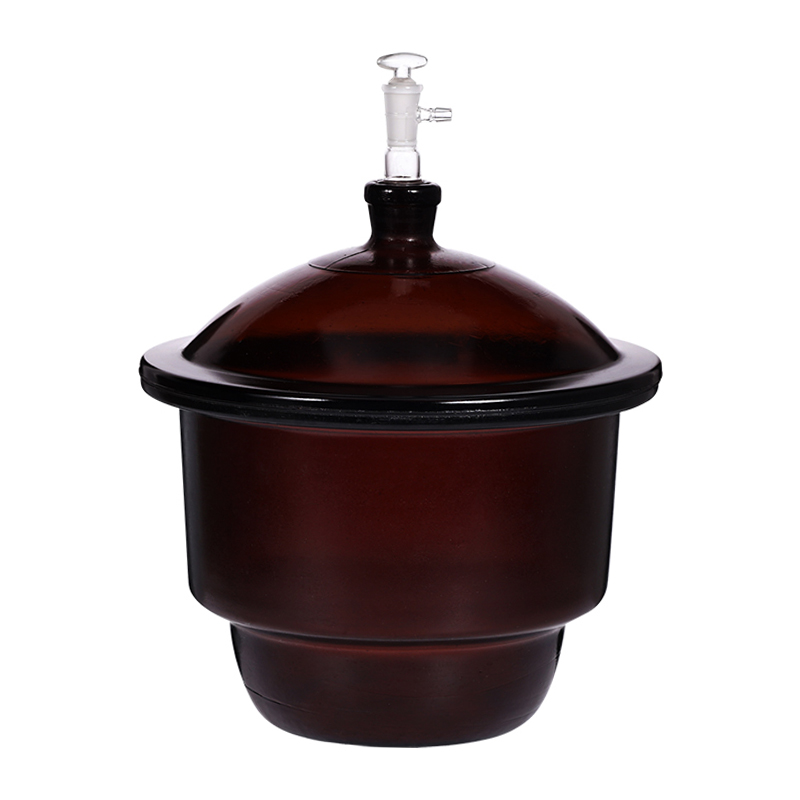
How Does a Lab Drying Apparatus Protect Moisture-Sensitive Chemical and Pharmaceutical Operations?
Moisture interference is a primary cause of reaction failure in organic synthesis, organometallic chemistry, and quantitative analytical assays. A specialized Lab Drying Apparatus acts as an active or passive barrier, stripping water vapor from gas streams, solid samples, and closed system atmospheres.
The Fundamental Physics of Gas Purification and Sample Dehumidification
Gas-phase purification relies on direct contact between an incoming stream of air or inert gas and a high-surface-area desiccant bed housed within a transparent chamber. As moist air enters the chamber, vapor molecules adsorb onto porous solid surfaces such as activated silica gel, molecular sieves, or anhydrous calcium chloride. The geometric design of the glass vessel ensures optimal contact time between the gas and the drying agent while maintaining low backpressure across the system.
For solid samples and purified precipitates, dehumidification requires a combination of reduced pressure, localized thermal gradient, and desiccant vapor pressure differentials. Vacuum drying assemblies pull residual volatile solvents out of a sample matrix without elevating temperatures to levels that could cause thermal decomposition. Maintaining a hermetic seal throughout this process prevents ambient air ingress, preserving the purity profile of high-value chemical compounds.
Glassware Material Science: Why High-Borosilicate Glass Is Essential for Drying Equipment
The operational integrity of any glass-based Lab Drying Apparatus depends on its raw material composition. Standard soda-lime glass lacks the structural resilience needed for intense laboratory conditions. Premium drying apparatuses are engineered exclusively from high-borosilicate 3.3 glass, a material characterized by an extremely low coefficient of thermal expansion, typically around 3.3 times 10 to the power of minus 6 per Kelvin.
This low thermal expansion coefficient gives borosilicate glassware exceptional resistance to thermal shock, allowing it to withstand rapid temperature shifts during vacuum application, heat gun heating, or hot gas exposure. Borosilicate glass provides outstanding chemical resistance against aggressive acids, organic solvents, and halogenated compounds. The non-leaching, inert inner surfaces ensure that ultra-pure reagents and synthesized pharmaceuticals remain free from metallic ion contamination and atmospheric corrosion during processing.
What Are the Core Categories of Lab Drying Apparatus and Their Specific Industrial Applications?
Modern research facilities require various configurations of drying equipment tailored to specific physical states, solvent profiles, and process scales. The core selection spans continuous inline purifiers, localized sample driers, and heavy-duty vacuum processing components.
High-Efficiency Glass Drying Tubes and Desiccant Towers for Continuous Gas Streams
Drying tubes and drying towers represent the primary defense against moisture ingress in continuous flow systems and ambient storage setups.
-
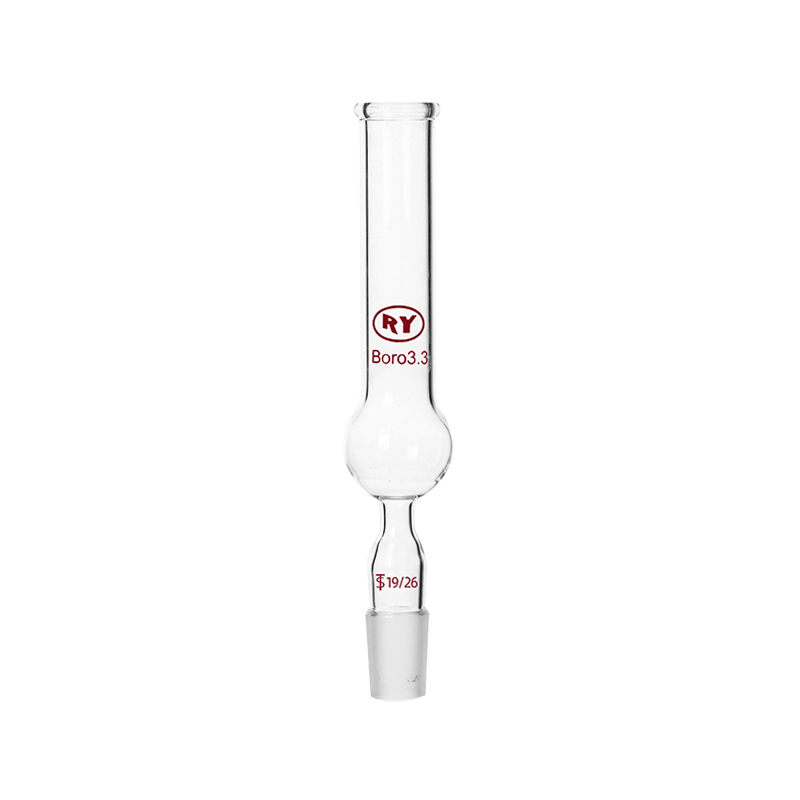
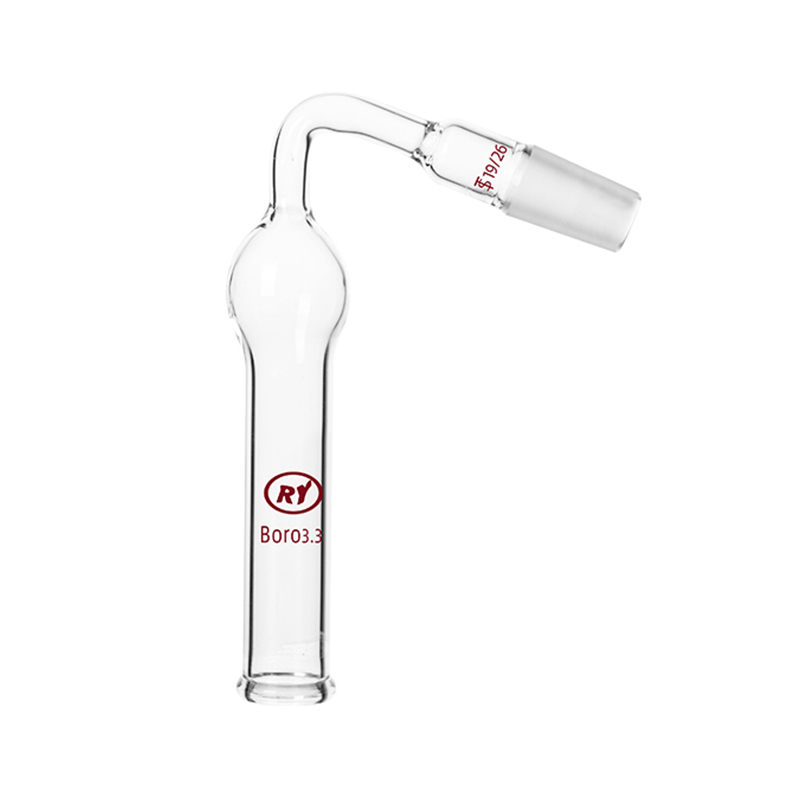
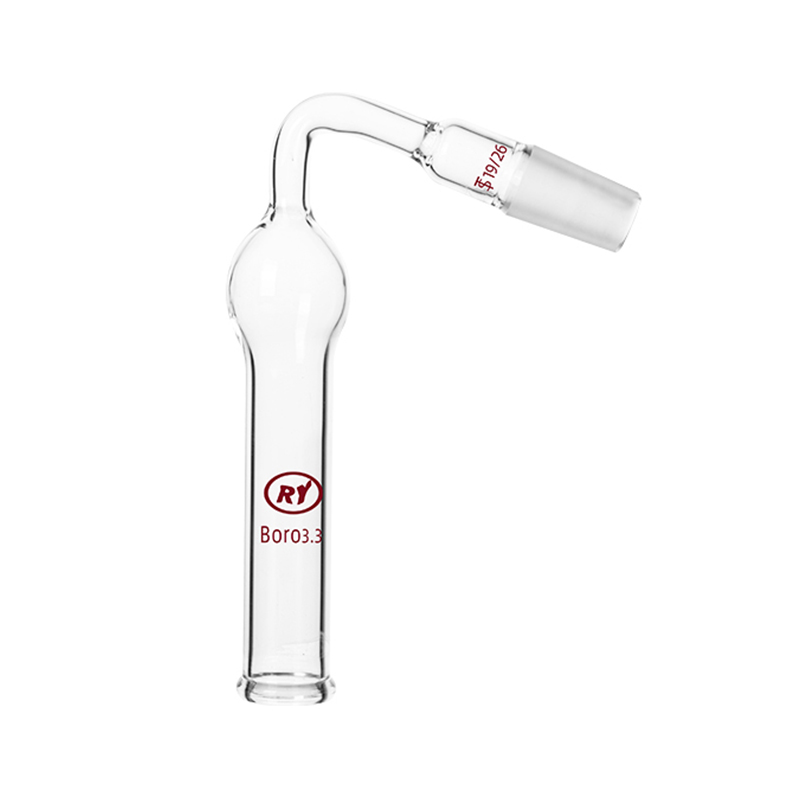
Glass Drying Tubes: Available in straight, U-shaped, or angled configurations, these components are packed with solid desiccants and attached to reaction vessels, reflux condensers, or storage flasks. They allow pressure equilibration while preventing ambient humidity from entering the system.
-
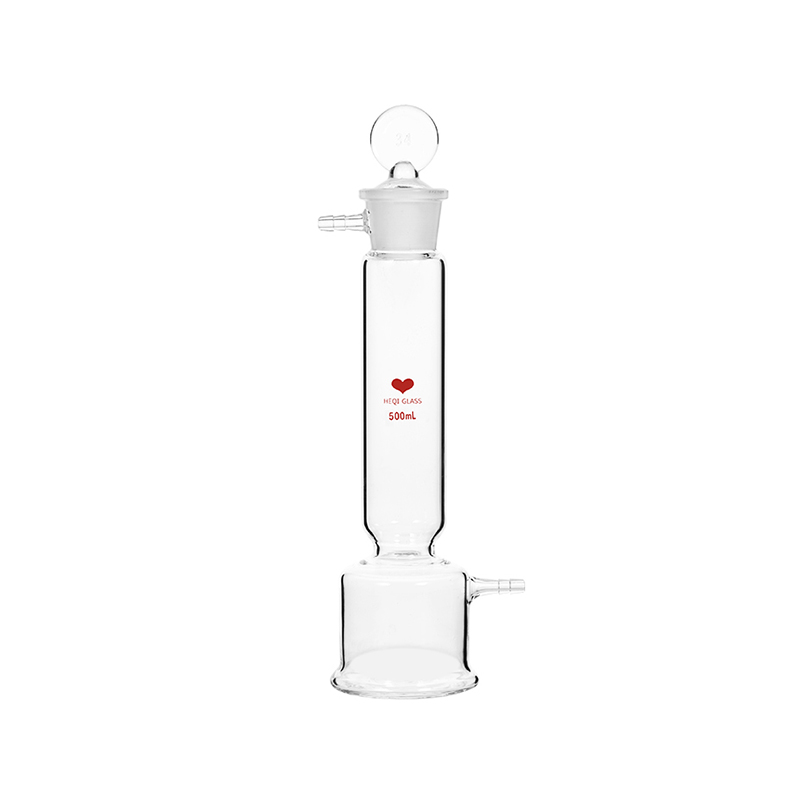
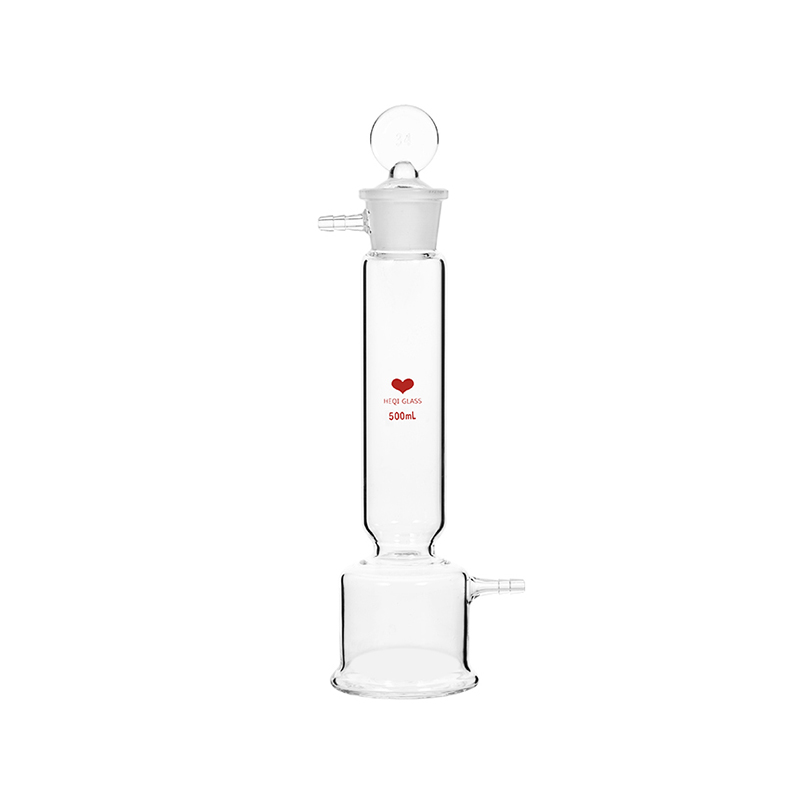
Drying Towers: Designed for larger operational volumes, drying towers feature tall, vertical cylindrical bodies that maximize gas-desiccant contact time. They are routinely installed upstream of sensitive analytical instruments, gas chromatographs, and controlled atmosphere glove boxes to deliver dry, contaminant-free carrier gases.
Vacuum Drying Pistols and Accessories for Solvent Stripping and Solid Purification
When analytical samples contain deeply embedded water molecules or high-boiling residual solvents, standard desiccant exposure is often insufficient. A vacuum drying pistol, also known as a Reaction drying apparatus, provides an accelerated drying mechanism.
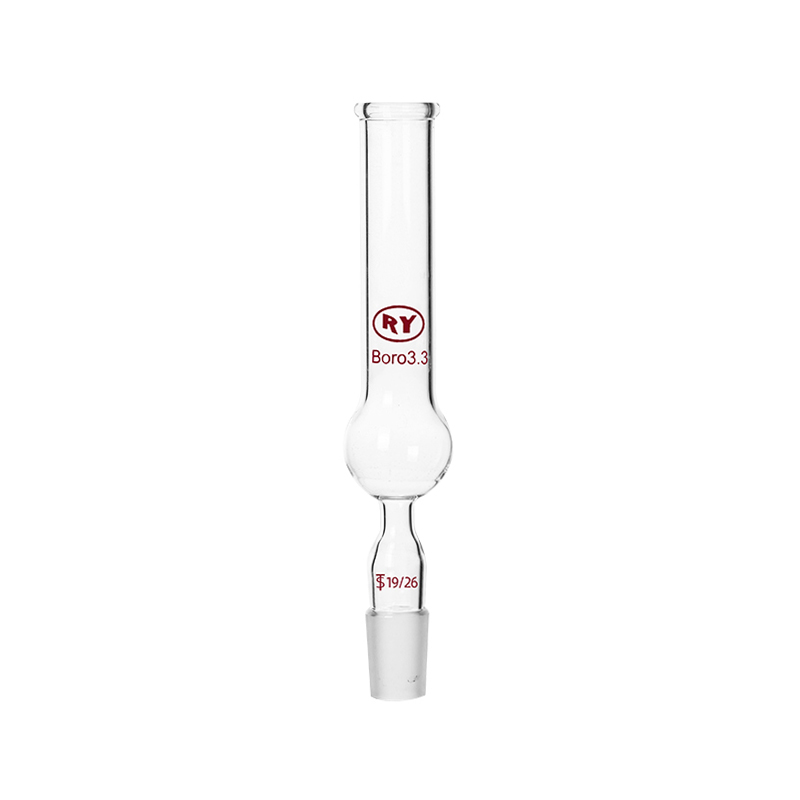
This system consists of a heating chamber surrounded by a boiling flask sleeve, a desiccant bulb, and a high-vacuum port. By boiling a liquid of known boiling point in the outer jacket, the inner sample tube is maintained at a precise, constant temperature under continuous vacuum. Volatilized moisture travels away from the sample and condenses onto the desiccant charge. Complementary vacuum drying accessories, including heavy-wall vacuum traps, cold fingers, and manifold adapters, prevent corrosive vapors from reaching and damaging expensive mechanical vacuum pumps.
Standard Ground Joint Systems and Leak-Free Glassware Integration
Seamless integration across complex laboratory setups requires precise geometric standards. High-quality drying equipment utilizes standardized conical and spherical ground glass joints, manufactured to international specifications such as ISO or ASTM standards.
Precision-ground joints eliminate loose connections, preventing atmospheric leakage under deep vacuum operations. When paired with chemical-resistant fluoropolymer sleeves or high-vacuum synthetic greases, these ground joints preserve system vacuum levels over extended operational cycles, ensuring stable experimental results during multi-step organic synthesis and long-term desiccant storage.
|
Lab Drying Apparatus Type
|
Primary Process Mechanism
|
Suitable Sample Type
|
Vacuum Capability
|
Key Application Area
|
|
Straight and U-Shaped Drying Tubes
|
Passive atmospheric diffusion through desiccant bed
|
Gas streams and venting reaction flasks
|
Atmospheric pressure
|
Benchtop synthesis venting and reagent protection
|
|
Vertical Drying Towers
|
Active gas flow percolating through structured desiccant matrix
|
Carrier gases and inert gas lines
|
Low positive pressure
|
Instrument gas supply purification and high-volume drying
|
|
Vacuum Drying Pistols
|
Controlled thermal jacket heating paired with deep vacuum vapor extraction
|
Solid powders, crystalline precipitates, and botanical extracts
|
High vacuum down to fractional millibars
|
Quality control, solid drying, and pharmaceutical purification
|
|
Vacuum Cold Traps and Accessories
|
Vapor condensation via cryogenic cooling surfaces
|
Solvent vapors and gaseous emissions
|
High vacuum systems
|
Protection of vacuum pumps and inline volatile recovery
|
How Do Professional Lab Drying Apparatus Manufacturers Ensure Precision and Scale in Production?
Transitioning from simple laboratory glassware to industrial-grade scientific apparatus demands advanced manufacturing methodologies, strict quality control protocols, and deep engineering integration.
Modernizing Glass Fabrication through Industrial Assembly and Semi-Mechanized Techniques
Historically, laboratory glassblowing relied almost exclusively on manual techniques, which led to minor variations in wall thickness, joint angles, and structural integrity. Leading Lab Drying Apparatus Manufacturers have modernized these traditional workflows by integrating mechanized and semi-mechanized glass-forming processes.
Automated glass lathes, precision annealing ovens, and CNC-controlled grinding machinery enable mass production with tight dimensional tolerances. Mechanized tooling ensures consistent wall thickness across complex geometry, eliminating structural thin spots that could fail under vacuum stress or thermal shock. Transitioning to assembly-line industrial workflows lowers unit production costs while raising quality standards across high-volume production batches.
Integrated R&D Capabilities across Chemical Engineering, Metalworking, and Electronic Control
Creating high-performance laboratory equipment requires cross-disciplinary expertise beyond simple glassblowing. Modern technical setups often combine precision glassware with structural metal framing, digital thermal controllers, and mechanical vacuum pumps.
Established manufacturing entities bring together specialists in chemical research and development, mechanical design, and electronic control systems. Dedicated internal facilities typically feature three specialized workshops:
-
Glass Workshop: Focused on high-precision hot glass processing, standard-mouth grinding, custom joint forming, and automated stress-relief annealing.
-
Metalworking Workshop: Dedicated to fabricating stainless steel support frames, mounting clamps, heating jackets, and thermal transfer blocks.
-
Assembly Workshop: Responsible for combining glass, metal, and electronic components into fully integrated, plug-and-play laboratory processing systems.
This multi-departmental structure allows Shanghai Heqi Glassware Co., Ltd. to manufacture specialized glass equipment along with complex small-scale and pilot-scale systems, including glass reactors, rotary evaporators, distillation units, high- and low-temperature circulation systems, vacuum pumps, stirrers, and UV analyzers.
Scaling from Laboratory Glassware to Pilot-Scale Synthesis Systems
Research operations frequently need to scale successful benchtop reactions up to kilo-lab and pilot-plant operations. Equipment designed for small analytical volumes must be adapted to larger process streams without sacrificing safety, thermal transfer efficiency, or vacuum integrity.
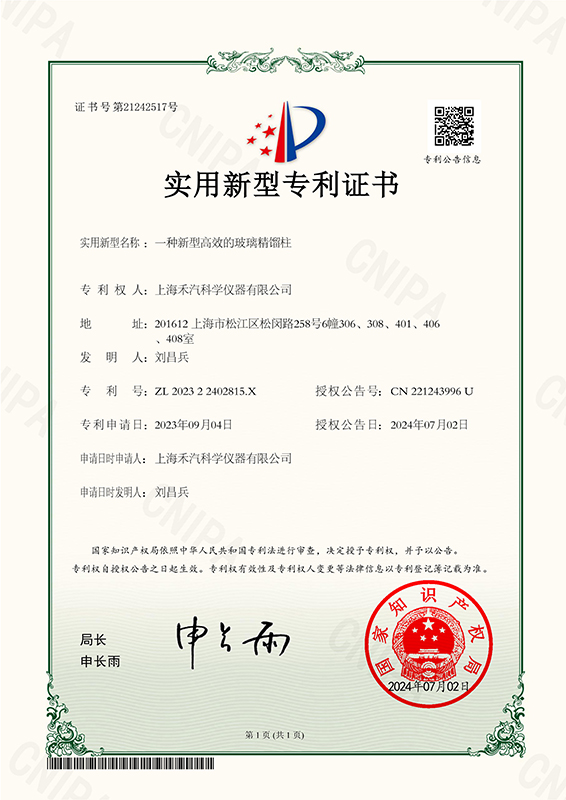
Experienced engineering teams assist chemical and pharmaceutical companies by delivering custom-engineered glass components and pilot-scale system architectures. Maintaining exact geometric ratios and standardized ground joints across both small and large units ensures seamless scale-up, enabling research teams to transition from exploratory bench-scale chemistry to commercial batch manufacturing without redesigning their process parameters.
Why Is Supply Chain Reliability Crucial when Sourcing Lab Drying Apparatus for Commercial Laboratories?
In commercial research and manufacturing operations, supply chain delays or component failures can result in costly project downtime and spoiled production batches. Partnering with established China Lab Drying Apparatus Suppliers provides distinct operational advantages regarding product selection, procurement convenience, and continuous technical support.
Comprehensive Equipment Procurement and Turnkey Laboratory Solutions
Commercial laboratories often require diverse equipment types from multiple product categories. Sourcing individual glassware pieces, vacuum pumps, heating circulators, and analytical instruments from separate vendors creates administrative overhead and compatibility risks.
To deliver on the service commitment of "you make a call, we handle the rest," Shanghai Heqi Glassware Co., Ltd. supplies a complete portfolio of premium glass instruments, lab consumables, and specialized experimental equipment from trusted domestic and international brands. Maintaining broad, ready-to-ship inventory ensures fast delivery schedules, allowing laboratories to rapidly establish new operational lines, replace worn components, and minimize unplanned operational downtime.
Custom Component Fabrication and OEM Manufacturing Flexibility
Standard off-the-shelf laboratory glassware does not always meet the unique requirements of novel chemical syntheses, proprietary extraction protocols, or specialized industrial setups. Custom fabrication capabilities are essential for solving complex engineering challenges.
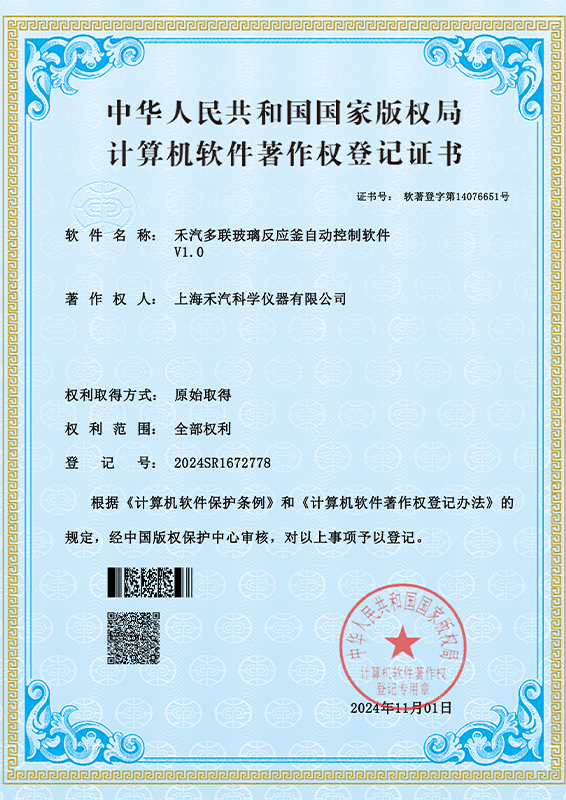
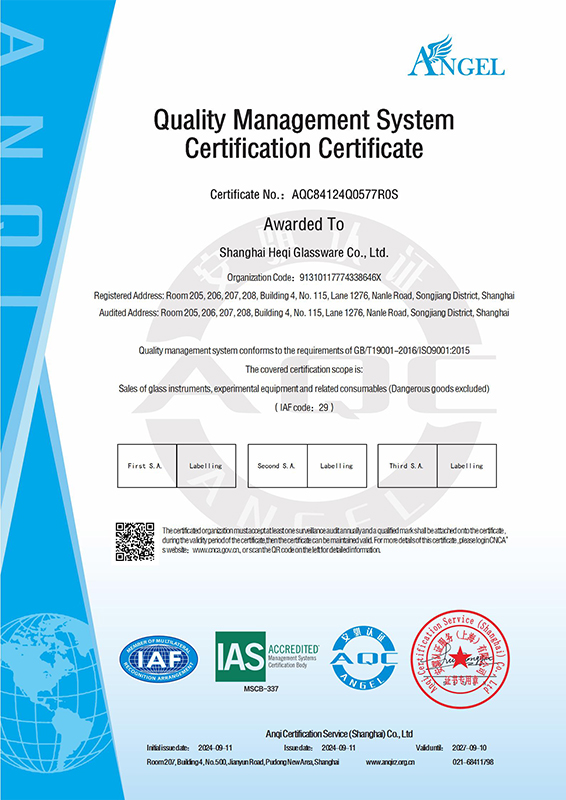
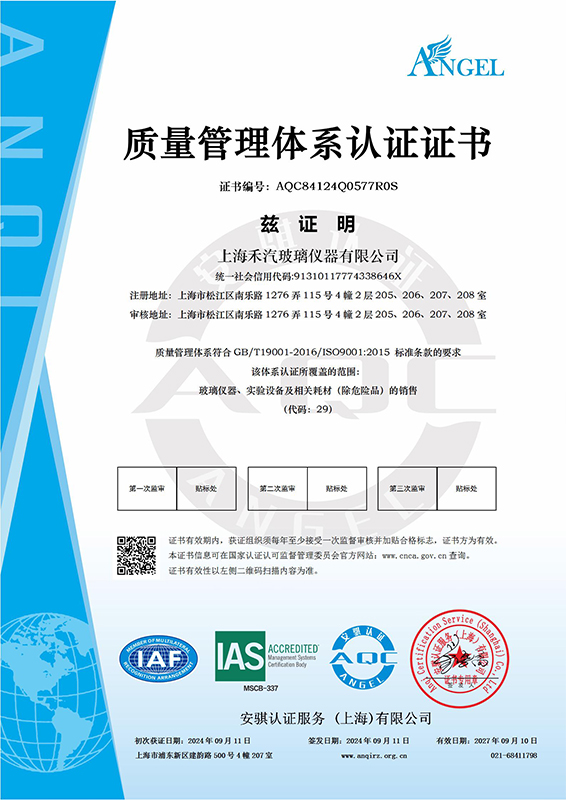
Shanghai Heqi Glassware Co., Ltd. leverages internal design expertise and custom glass fabrication facilities to manufacture tailored drying apparatuses, custom-angled adapter tubes, and specialized multi-neck reaction vessels based on client-provided blueprints or technical specifications. Founded in March 2002, the company has established strategic production bases in key industrial regions including Songjiang, Chengdu, Jiaxing, and Yancheng. These expanded manufacturing bases provide the floor space, technical capacity, and supply chain proximity needed to support custom OEM orders alongside high-volume standardized product runs.
Through a commitment to professional engineering, comprehensive client service, and reliable long-term partnership, modern glassware manufacturing ensures that chemical, pharmaceutical, and academic research institutions around the globe remain equipped with high-precision, highly durable drying and purification infrastructure.
FAQ:
What desiccant media are recommended for use with high-borosilicate Lab Drying Apparatus configurations?
The choice of desiccant media depends on the chemical nature of the gas or solvent stream being dried. Indicating silica gel is widely used for general moisture removal because its color changes when saturated. Molecular sieves with pore sizes of 3, 4, or 5 Angstroms are preferred for deep drying of organic solvents and gases down to trace parts-per-million moisture levels. Anhydrous calcium chloride or calcium sulfate provides economical ambient moisture protection in standard drying tubes. Concentrated sulfuric acid or phosphorus pentoxide may be used in specialized vacuum drying towers for rigorous drying tasks, provided the glass vessel and seals are fully resistant to acidic vapors.
How does a vacuum drying pistol compare to standard desiccator cabinets for sensitive compounds?
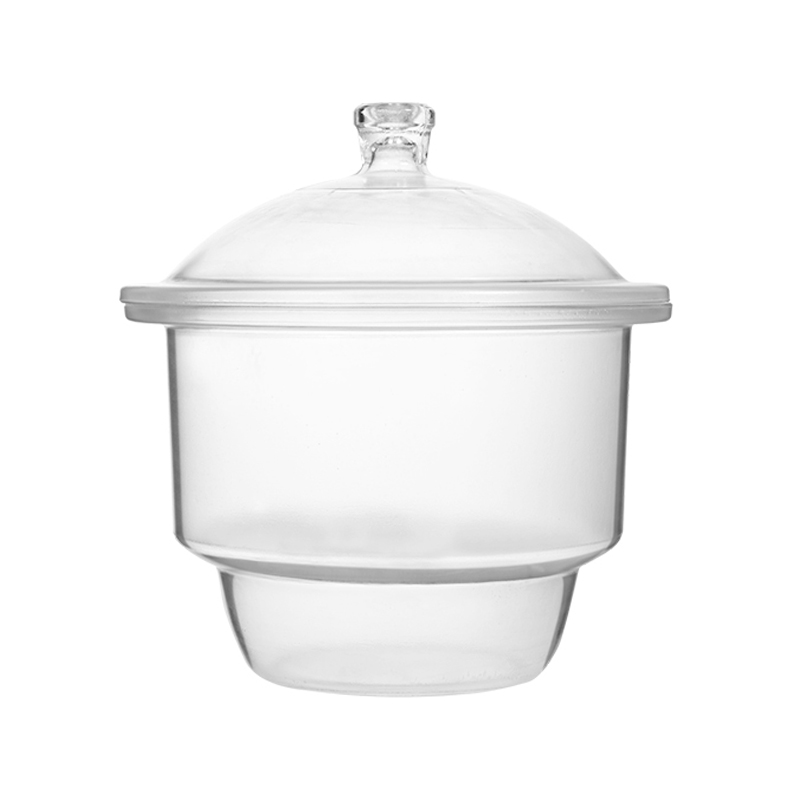
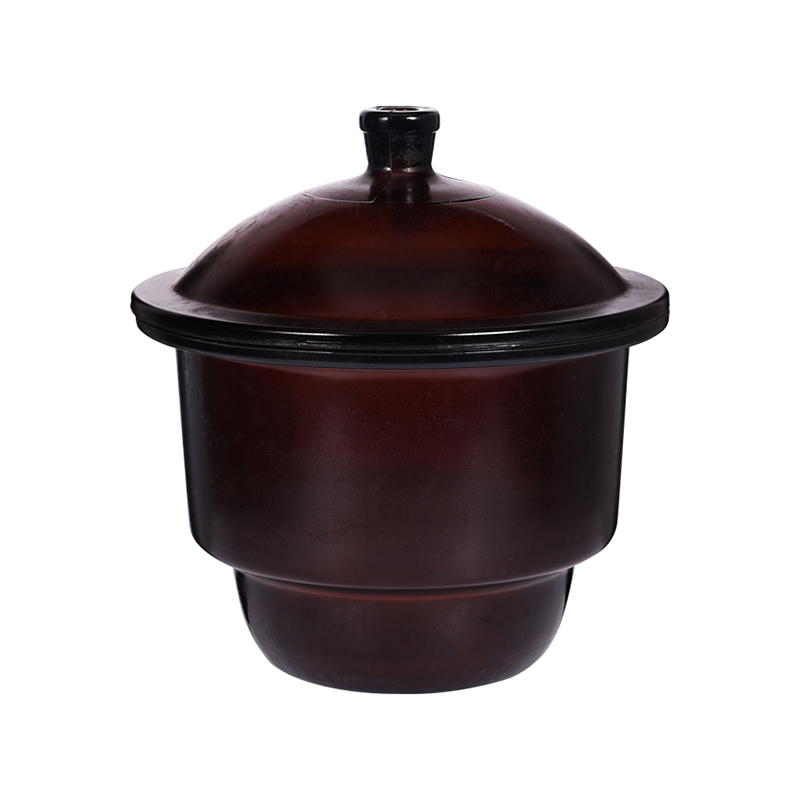
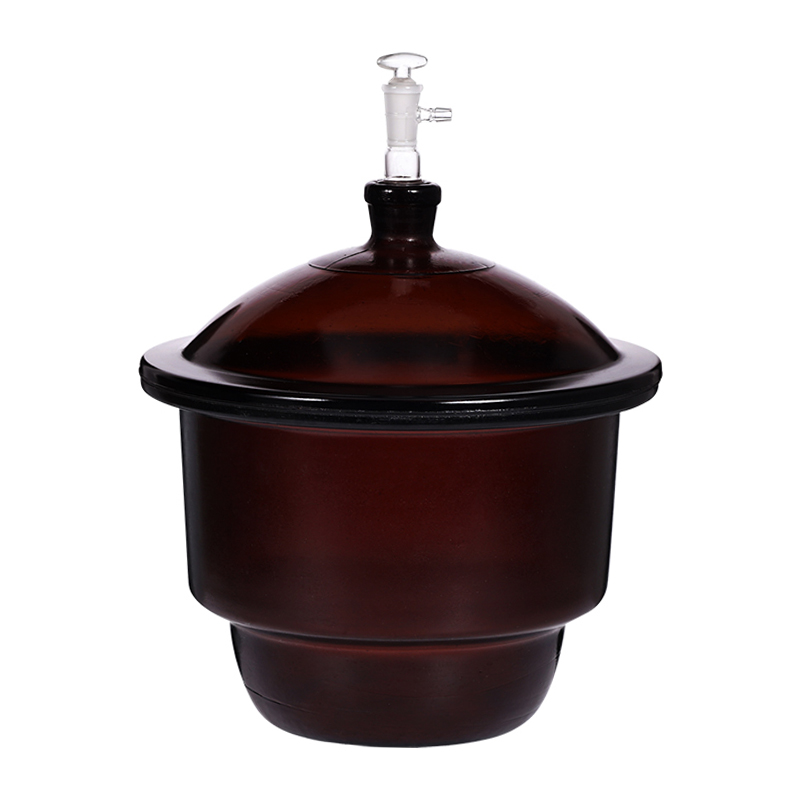
A vacuum drying pistol offers significantly faster moisture removal and higher heat transfer control compared to a static desiccator cabinet. Desiccator cabinets rely on passive vapor diffusion at room temperature, which can take several days to thoroughly dry a hygroscopic sample. A vacuum drying pistol combines constant, controlled thermal energy from an outer boiling jacket with continuous evacuation via a mechanical vacuum pump. Moisture and residual solvents are rapidly driven off and trapped in a separate desiccant chamber, making drying pistols the preferred option for quantitative analytical sample preparation and active pharmaceutical ingredient processing.
What precautions should be taken to maintain airtightness in ground glass joint drying assemblies?
Maintaining a reliable vacuum seal across ground glass joints requires careful cleaning and appropriate joint preparation. Joint surfaces should be inspected for micro-chips, cracks, or solid residues before assembly. A thin, uniform layer of chemical-resistant, high-vacuum silicone or fluoropolymer grease should be applied to the upper portion of the inner joint to prevent contamination of the inner sample area. For grease-free operations, thin PTFE joint sleeves or tapered PTFE rings can be placed between the ground joint surfaces. Clamping the joints with appropriate joint clips ensures structural stability under vacuum stress and prevents slippage during operation.
Can a standard Lab Drying Apparatus handle high-temperature thermal regeneration processes?
High-borosilicate glass components can endure high thermal stress, featuring safe working temperatures up to 500 degrees Celsius for short periods and operational stability around 250 degrees Celsius for continuous use. However, thermal limitations depend heavily on attached secondary materials, such as synthetic O-rings, plastic caps, vacuum hoses, and delicate electronic temperature controls. When regenerating spent desiccant within a drying tower or tube, users should ensure all non-glass seals and plastic fittings are removed before exposing the glass body to heating elements or regeneration ovens.
Why is high-borosilicate glass preferred over standard soda-lime glass in drying accessories?
High-borosilicate glass contains a high percentage of silica and boron trioxide, giving it superior structural, thermal, and chemical properties compared to standard soda-lime glass. Borosilicate glass exhibits a very low coefficient of thermal expansion, making it highly resistant to thermal shock during localized heating or rapid cooling. It possesses high chemical resistance against acid attack, solvent dissolution, and hydrolytic degradation. Standard soda-lime glass is more prone to thermal cracking under vacuum stress and can leach alkali ions into neutral solutions, making it unsuitable for high-precision analytical work and vacuum drying applications.
How can custom glass engineering improve small-scale and pilot-scale drying efficiency?
Custom glass engineering allows research teams to optimize fluid dynamics, heat exchange surface area, and vessel footprint for specific process workflows. Off-the-shelf apparatuses may feature standard dimensions that introduce flow bottlenecks, excessive dead space, or incompatible joint sizes. Custom fabrication enables the integration of specialized multi-neck adapters, tailored internal cold fingers, specialized drain valves, and custom jacket volumes. By matching the geometry of the Lab Drying Apparatus directly to the operational demands of pilot-scale synthesis reactors or specialized extraction setups, facilities can achieve faster drying cycles, lower solvent residue levels, and improved overall operational yield.


 English
 Français
 Español