Lab Vacuum Traps: Reliable Protection Solutions for Laboratory Vacuum Systems
In modern scientific laboratories, vacuum systems play an essential role in chemical processing, pharmaceutical research, analytical testing, material preparation, and sample treatment. During vacuum operations, various substances such as solvent vapors, moisture, corrosive gases, and fine particles may enter the vacuum pipeline and affect the performance of vacuum pumps.
Lab Vacuum Traps are specially designed to capture these contaminants before they reach vacuum equipment. By improving system protection, reducing maintenance requirements, and maintaining stable vacuum conditions, vacuum traps have become an important component in many laboratory applications.
With the continuous development of laboratory technology, high-quality vacuum traps require not only excellent sealing performance and chemical resistance but also precise manufacturing processes and reliable long-term performance.
Understanding Lab Vacuum Traps and Their Working Principle
A Lab Vacuum Trap is a protective device installed between laboratory equipment and a vacuum pump. Its main function is to collect unwanted substances generated during experiments, preventing them from entering the vacuum system.
During vacuum evaporation, filtration, drying, or distillation processes, vapors and liquid residues are drawn through the vacuum line. When these substances pass through the vacuum trap, they are captured through condensation, cooling, or filtration mechanisms.
The basic working process includes:
- Laboratory equipment generates vapor, moisture, or particles during operation
- The vacuum system transports these substances through the connecting line
- The vacuum trap collects and separates contaminants
- Cleaner gas continues toward the vacuum pump
- The pump operates under safer and more stable conditions
This simple but effective protection method helps laboratories extend equipment service life and maintain consistent experimental results.
Main Types of Laboratory Vacuum Traps
Different laboratory applications require different vacuum trap designs. According to cooling methods, materials, and usage conditions, vacuum traps can be divided into several common categories.
| Type of Vacuum Trap |
Features |
Typical Applications |
| Glass Vacuum Trap |
Transparent structure, chemical resistance, easy observation |
Chemical laboratories, solvent recovery, general experiments |
| Cold Trap |
Uses low-temperature cooling to condense vapors |
Rotary evaporation, vacuum drying, solvent collection |
| Dry Ice Vacuum Trap |
Provides efficient cooling for organic solvents |
Chemical synthesis and research laboratories |
| Liquid Nitrogen Trap |
Extremely low temperature trapping capability |
High vacuum systems and advanced research |
| Filter Vacuum Trap |
Removes solid particles and impurities |
Pump protection and particle control |
Among these options, glass vacuum traps are widely used in laboratories because they provide excellent chemical stability, visual monitoring capability, and compatibility with various glass laboratory instruments.
Applications of Lab Vacuum Traps
Chemical and Pharmaceutical Laboratories
In chemical synthesis and pharmaceutical development, many experiments involve volatile solvents and reactive chemicals. During vacuum concentration or evaporation, solvent vapors can damage vacuum pumps if they are not properly controlled.
Lab Vacuum Traps help capture these substances before they enter the pump system, improving safety and reducing equipment maintenance frequency.
Rotary Evaporator Systems
Rotary evaporators are commonly used for solvent removal and sample concentration. Since large amounts of solvent vapor are produced during operation, a vacuum trap is usually installed between the evaporator and vacuum pump.
A suitable trap can:
- Improve solvent recovery efficiency
- Prevent pump oil contamination
- Maintain stable vacuum pressure
- Protect sensitive laboratory equipment
Vacuum Filtration Processes
Vacuum filtration is frequently used for separating solid and liquid components. During filtration, small particles or liquid droplets may accidentally enter the vacuum line.
Vacuum traps provide an additional protection layer by collecting these contaminants and ensuring continuous filtration performance.
Freeze Drying and Sample Preparation
Freeze drying applications require stable vacuum environments to remove moisture from samples. Cold traps are often used to capture water vapor and other substances released during the drying process.
Important Factors for Selecting Lab Vacuum Traps
Selecting the right vacuum trap requires consideration of several factors, including chemical compatibility, operating temperature, vacuum level, and system configuration.
Material Compatibility
The material of the vacuum trap directly affects its service life and safety. High borosilicate glass is commonly preferred for laboratory vacuum traps due to its excellent chemical resistance, high temperature stability, low thermal expansion coefficient, and clear visibility for monitoring collected substances.
For applications involving aggressive chemicals, PTFE components or other specialized materials may also be used to improve resistance.
Vacuum Performance
A high-quality vacuum trap must maintain reliable sealing performance under negative pressure conditions. Poor sealing may lead to vacuum leakage and reduced experimental efficiency.
Capacity and Structure Design
The capacity of the trap should match the experimental scale and vacuum equipment. A well-designed structure ensures efficient collection while minimizing pressure loss.
Ease of Cleaning and Maintenance
Laboratory equipment is frequently reused. Therefore, vacuum traps should be designed for convenient cleaning, inspection, and replacement of components.
Advantages of High Borosilicate Glass Vacuum Traps
| Feature |
Benefit |
| Chemical Resistance |
Suitable for various solvents and laboratory chemicals |
| Transparency |
Allows users to monitor collected liquids and residues |
| Thermal Stability |
Handles temperature changes during experiments |
| Smooth Surface |
Easy cleaning and reduced contamination risk |
| Long Service Life |
Reliable performance under repeated laboratory use |
Quality Manufacturing of Lab Vacuum Traps
The performance of laboratory vacuum traps depends greatly on manufacturing accuracy, material quality, and production control. Every stage, from glass forming and connection processing to final inspection, affects the reliability of the finished product.
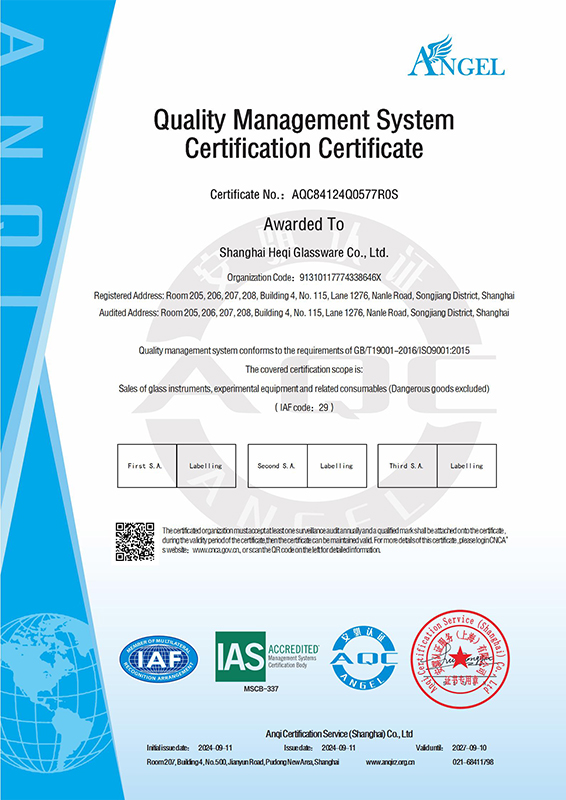
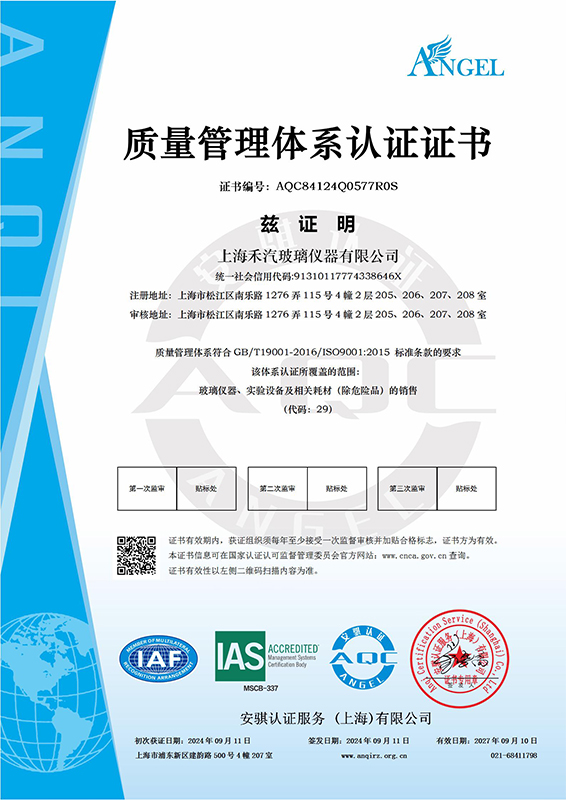
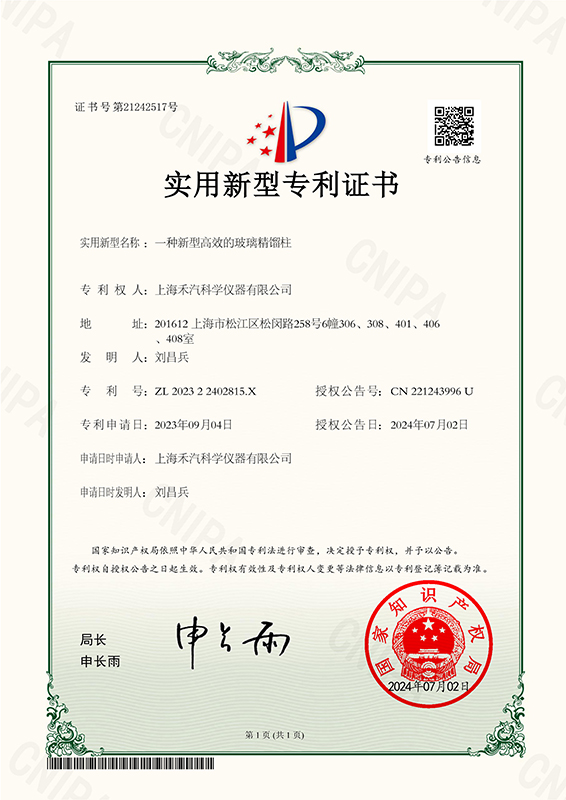
Shanghai Heqi Glassware Co., Ltd. focuses on the research, development, and production of high borosilicate glass instruments and laboratory equipment. The company’s R&D team consists of more than ten experienced engineers dedicated to the design and optimization of glass instruments. By continuously integrating internationally advanced technologies and innovating based on customer needs, Shanghai Heqi provides efficient solutions for different laboratory applications.
To maintain technological competitiveness, Shanghai Heqi invests more than 10% of annual revenue into technological development, ensuring continuous improvement in product performance and manufacturing capabilities.
During production, all factory personnel receive rigorous skills training to ensure every manufacturing stage meets international quality standards. With automated production equipment and advanced quality control systems, the production team achieves an efficient and reliable manufacturing process. Guided by the principle that "details define quality", Shanghai Heqi focuses on precision and consistency throughout every production step.
In addition to manufacturing capabilities, Shanghai Heqi Glassware provides comprehensive customer support through its professional service team. From product consultation and customized solutions to after-sales technical assistance, the company offers efficient communication, scientific inventory management, fast delivery, and reliable technical support to help customers achieve worry-free laboratory operations.
Future Trends of Laboratory Vacuum Trap Technology
As scientific research continues to advance, laboratories require vacuum systems with higher efficiency, safety, and reliability. Future Lab Vacuum Traps are expected to develop toward:
- More compact and integrated designs
- Higher chemical resistance materials
- Improved solvent recovery efficiency
- Better compatibility with automated laboratory equipment
- More environmentally friendly manufacturing processes
With increasing demand from pharmaceutical, biotechnology, chemical, and analytical industries, laboratory vacuum traps will continue to play an important role in protecting vacuum equipment and improving experimental accuracy.
For laboratories seeking dependable vacuum protection solutions, high-quality glass vacuum traps manufactured with advanced technology and strict quality control provide an effective choice for long-term performance and reliability.


 English
 Français
 Español