The Role of Laboratory Mortar in Sample Preparation
Before many analytical tests can be performed, laboratory samples often need to be reduced in particle size, evenly mixed, or transformed into a homogeneous state. A Laboratory Mortar plays an important role in this sample preparation process by providing controlled grinding and mixing without requiring complex equipment.
A mortar and pestle system uses mechanical pressure and friction to break down solid materials. This simple operating principle makes it highly reliable for laboratories that require flexible sample processing, especially when working with small quantities of materials.
From chemical analysis and pharmaceutical development to material research and educational experiments, Laboratory Mortars remain widely used because they provide direct control over sample handling and help maintain sample characteristics during preparation.
For laboratory instrument distributors, scientific equipment suppliers, and research organizations, Laboratory Mortar is an important product category due to its wide application range, durable performance, and continuous demand in professional laboratories.
Sample preparation is a critical step before many laboratory testing procedures. The quality of sample preparation directly affects the accuracy and repeatability of analytical results.
A Laboratory Mortar helps laboratories complete important preparation processes, including particle size reduction, material mixing, and sample homogenization. Compared with automated grinding systems, manual mortars allow researchers to adjust grinding force and processing time according to specific sample characteristics.
This makes Laboratory Mortars particularly suitable for applications involving valuable samples, sensitive materials, or experiments requiring careful handling.
Why Manual Grinding Remains Important in Laboratory Applications
Although automated grinders and mechanical milling equipment are widely used today, Laboratory Mortars continue to maintain their importance in many research and testing environments.
| Advantage |
Description |
| Direct Sample Control |
Operators can adjust grinding pressure and duration according to different sample characteristics. |
| Small Sample Processing |
Suitable for experiments requiring small quantities of valuable materials. |
| Low Sample Loss |
The simple structure helps reduce material waste during preparation. |
| No Power Requirement |
Can be used in different laboratory environments without electrical equipment. |
| Easy Maintenance |
Simple structure makes cleaning and maintenance convenient. |
Laboratory Mortar in Different Sample Preparation Processes
Laboratory Mortars are not only used for grinding but also support multiple stages of laboratory sample preparation.
Powder Preparation
Many solid materials require conversion into fine powders before analysis. A Laboratory Mortar helps improve sample uniformity and increases the efficiency of subsequent testing processes.
Homogeneous Mixing
When different solid components need to be evenly combined, mortar grinding provides effective mixing while maintaining the original characteristics of materials.
Sample Activation
Certain materials require mechanical treatment before testing. Controlled grinding can improve sample accessibility and support more accurate analytical results.
Pre-Treatment Before Instrument Analysis
Many analytical instruments require samples with consistent particle sizes. Laboratory Mortars help prepare samples before further chemical or physical analysis.
Choosing the Right Laboratory Mortar Material
The material of a Laboratory Mortar directly influences grinding efficiency, chemical compatibility, durability, and contamination control. Different applications require different material characteristics.
| Material Type |
Performance Characteristics |
Suitable Applications |
| Glass |
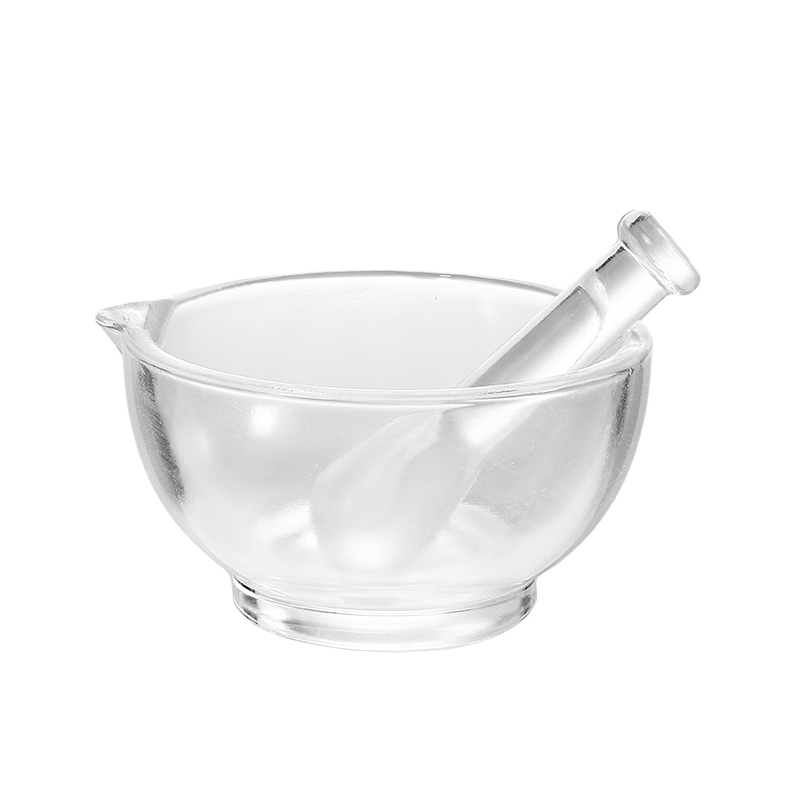
Excellent transparency, chemical resistance, smooth surface, and easy cleaning. |
Chemical analysis, general laboratory applications, educational experiments. |
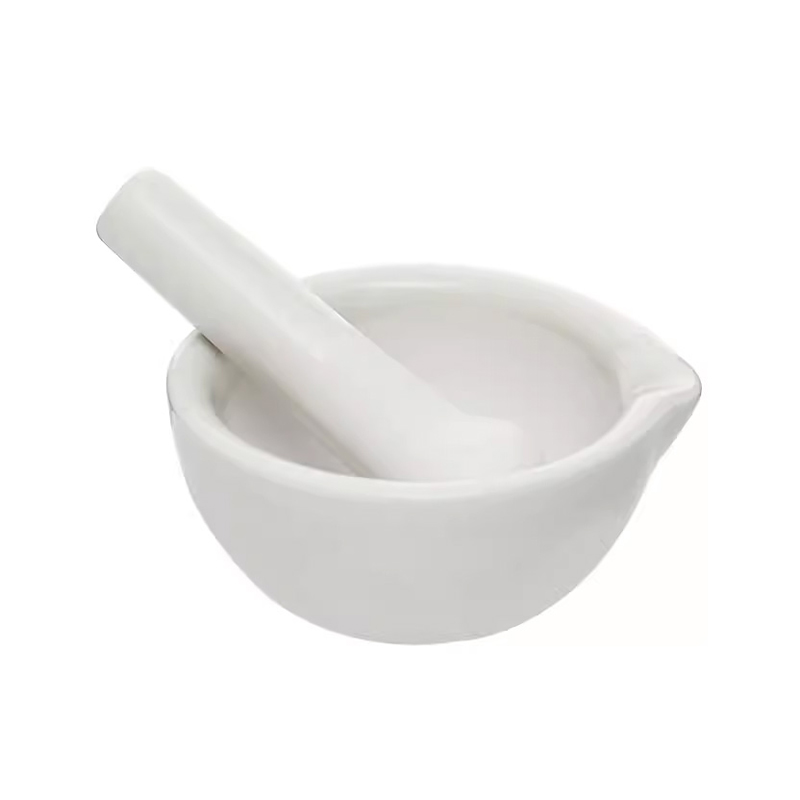
| Porcelain |
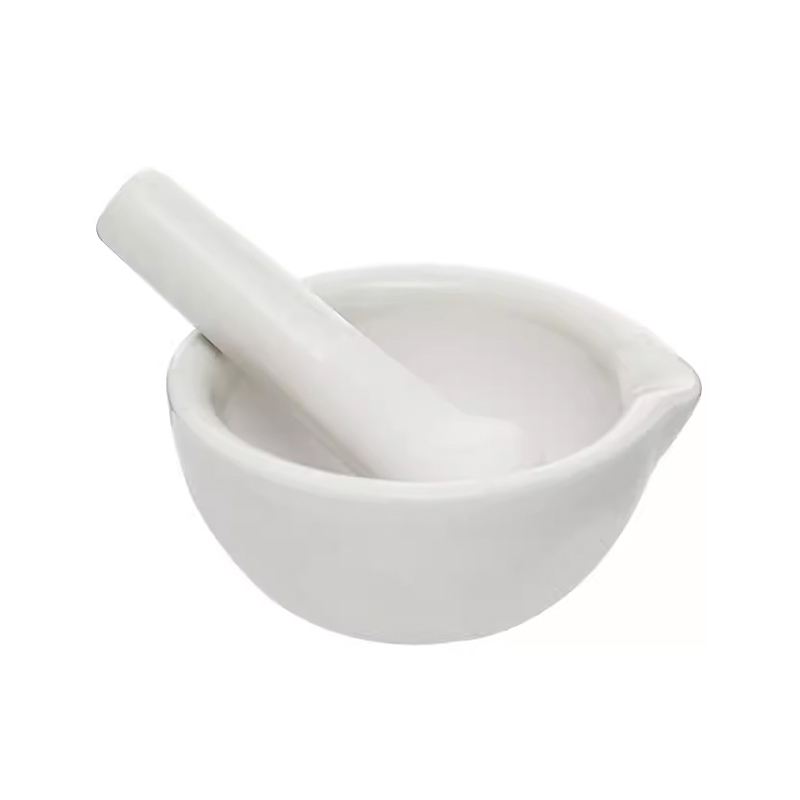
High hardness and good wear resistance for repeated grinding. |
Chemical processing and pharmaceutical sample preparation. |
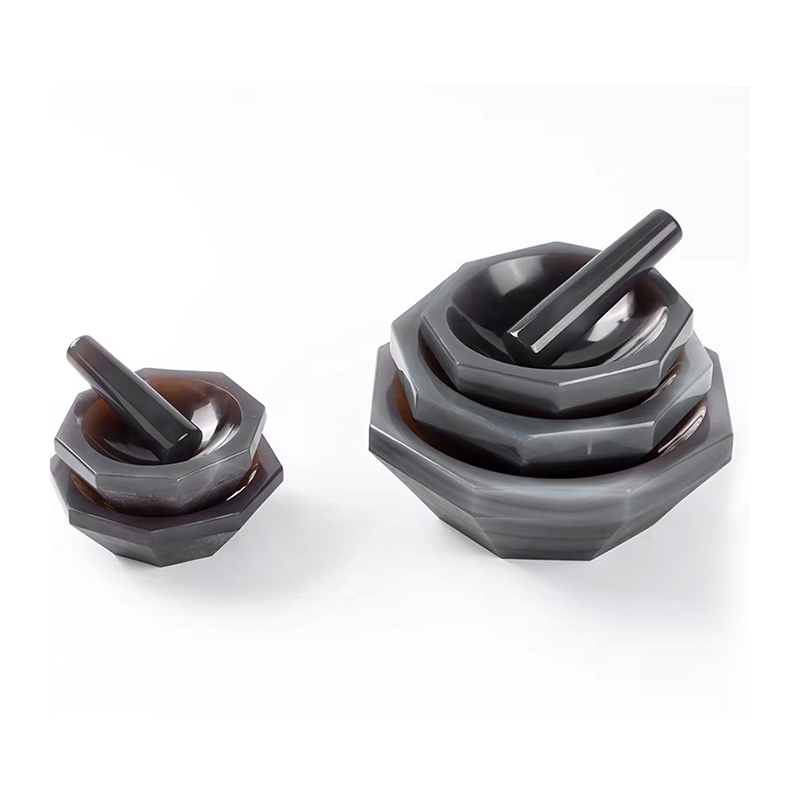
| Agate |
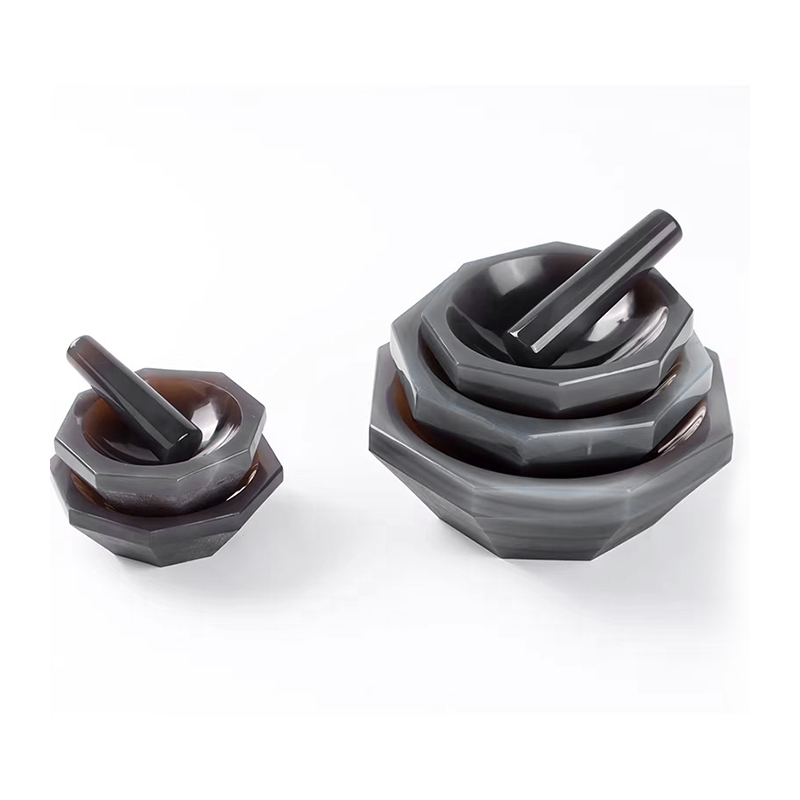
Extremely hard material with low contamination risk. |
Precision analysis and advanced research applications. |
| Ceramic |
Durable structure with reliable grinding performance. |
Industrial testing and general laboratory use. |
Glass Laboratory Mortars are widely selected for many laboratory applications because they combine chemical stability, visual observation capability, and convenient cleaning characteristics.
Factors Affecting Laboratory Mortar Performance
The performance of a Laboratory Mortar depends not only on the selected material but also on manufacturing precision, structural design, and surface treatment.
| Performance Factor |
Impact on Product Performance |
| Inner Surface Design |
Provides appropriate friction for efficient grinding while reducing unnecessary contamination. |
| Structural Strength |
Ensures stability during repeated grinding operations. |
| Dimensional Accuracy |
Maintains consistency between different production batches. |
| Cleaning Performance |
Helps laboratories maintain hygiene and prevent cross-contamination. |
Quality Manufacturing of Laboratory Glassware
For laboratory glass products, manufacturing quality directly affects product reliability, service life, and user experience.
Shanghai Heqi Glassware Co., Ltd. focuses on providing reliable laboratory glass instruments through advanced production technology and strict quality management systems.
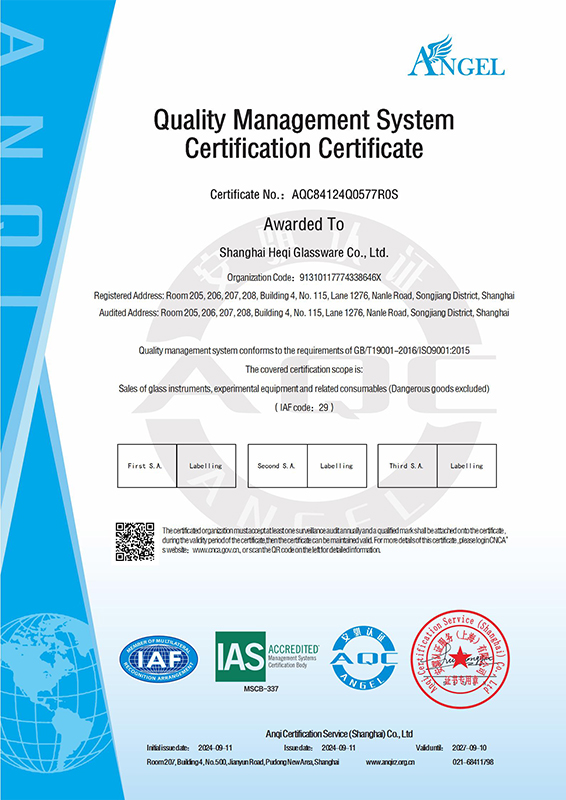
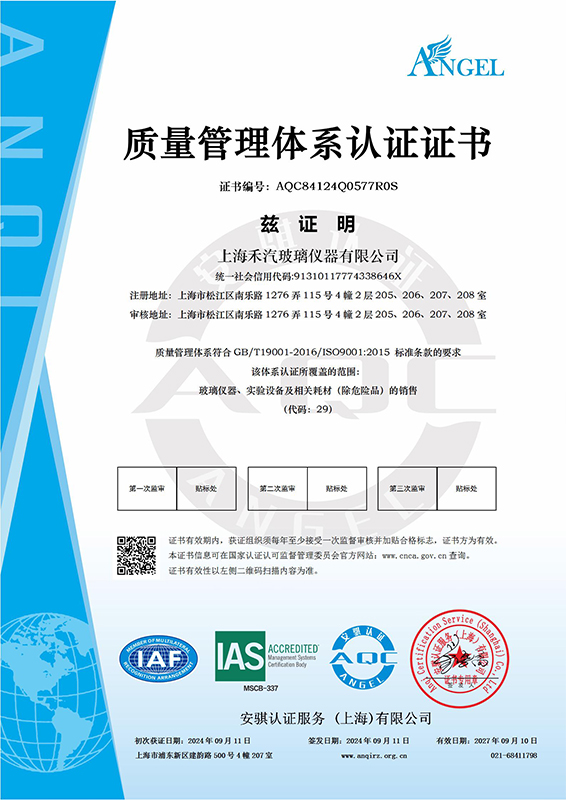
All products strictly adhere to the ISO9001 quality management system. From raw material selection to finished product inspection, every stage is controlled to ensure stable and consistent quality.
Raw Material Selection
Shanghai Heqi Glassware uses premium glass materials featuring high heat resistance, corrosion resistance, and impact resistance. Material sources are traceable to ensure compliance with environmental and safety standards.
Production Process Control
The company applies automated and semi-automated production equipment to minimize human error and improve manufacturing consistency. Each production stage includes dedicated quality checkpoints, controlling every step from glass processing and forming to final inspection.
Finished Product Inspection
Before shipment, products undergo comprehensive inspection procedures to guarantee reliable performance.
| Inspection Item |
Purpose |
| Dimensional Testing |
Ensures product consistency and compatibility with laboratory applications. |
| Surface Inspection |
Guarantees smooth surfaces and reliable product appearance. |
| Transparency Testing |
Ensures clear observation for glass laboratory products. |
| Performance Verification |
Confirms reliability during practical laboratory use. |
Laboratory Mortar Supply Solutions for Global Distributors
For laboratory equipment distributors, wholesalers, and scientific instrument suppliers, purchasing decisions involve more than product specifications. Stable supply capability, consistent quality, and professional support are equally important.
A reliable Laboratory Mortar supplier should provide:
- Stable production capacity
- Consistent quality between production batches
- Flexible order quantities
- Customization support
- Reliable international cooperation
Shanghai Heqi Glassware Co., Ltd. provides laboratory glassware solutions for global customers, supporting distributors, laboratory equipment suppliers, and OEM partners with professional manufacturing capabilities.
Customized Laboratory Mortar Solutions
Different markets and applications may require different specifications of Laboratory Mortars. Professional manufacturers can provide customized solutions based on customer requirements.
- Different capacities and dimensions
- Customized product structures
- Special packaging requirements
- OEM branding solutions
- Bulk production services
With professional production experience and strict quality control, Shanghai Heqi Glassware Co., Ltd. supports customers with flexible laboratory glassware solutions.
Sustainable Manufacturing in Laboratory Glassware Production
Modern laboratory instrument manufacturing increasingly focuses on environmental responsibility and efficient resource utilization.
Shanghai Heqi Glassware Co., Ltd. adopts eco-friendly materials and optimized production processes to reduce waste emissions and support sustainable development within the laboratory instrument industry.
Through continuous improvement in technology, manufacturing efficiency, and quality management, the company aims to provide reliable laboratory glassware while promoting greener production practices.


 English
 Français
 Español