Custom Lab Buret Clamps

Lab Buret Clamps Suppliers

Grid
List

Protect burets from scratching bad. good for use in side-by-side comparison experiments. It provides a secure grip on burets and test tubes, preventing slippage. Made of high quality plastic.

View More
About
Shanghai Heqi Glassware Co., Ltd.

One point of professionalism, one point of service, one point of companionship—allow me to be your reliable partner on the path forward!

Shanghai Heqi was founded in March 2002, It is China Lab Buret Clamps Suppliers and Lab Buret Clamps Manufacturers, Specializing in the R&D and production of standard-mouth glass instruments. Over the years, the company has established production bases in locations such as Songjiang, Chengdu, Jiaxing, and Yancheng. By integrating technology, craftsmanship, and management expertise, Heqi has adopted mechanized and semi-mechanized techniques to replace traditional manual methods. It has also introduced assembly-line industrial processes to replace simple workshop-style production, thereby reducing costs and improving quality.

To deliver on its service commitment of “you make a call, we handle the rest,” Heqi also supplies a range of high-quality glass instruments, lab consumables, and experimental equipment from both domestic and international brands. With ample inventory, fast delivery, and premium service, the company ensures full support for its clients.

In recent years, Shanghai Heqi has brought together experts in chemical R&D, mechanical design and processing, and electronic control to form a dedicated R&D team. The company has also set up three specialized workshops for glass, metalworking, and assembly. These facilities produce a variety of small and pilot-scale equipment, including glass reactors, rotary evaporators, distillation units, high- and low-temperature circulation systems, vacuum pumps, stirrers, and UV analyzers.

Leveraging its in-house capabilities in design, production, and custom fabrication of glass components, Shanghai Heqi continuously enhances product quality and service standards. It also supports the chemical and pharmaceutical industries by enabling customized small-scale and pilot-scale equipment solutions.
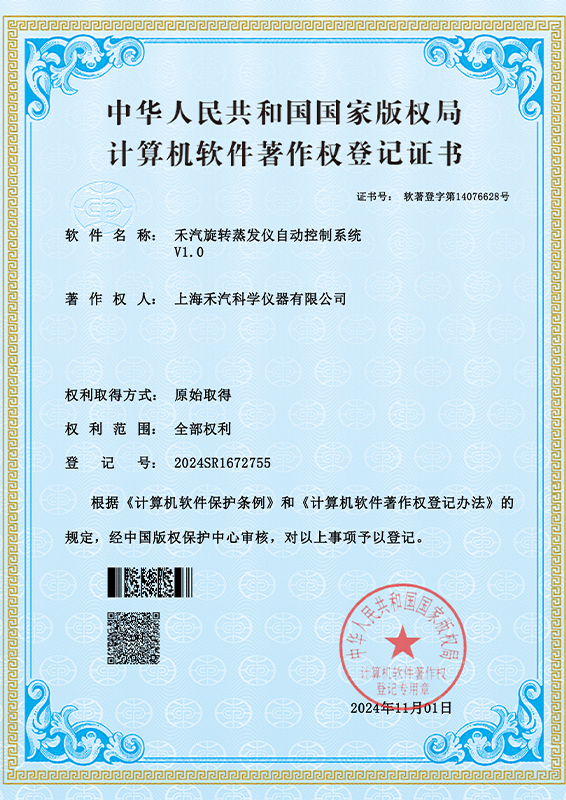
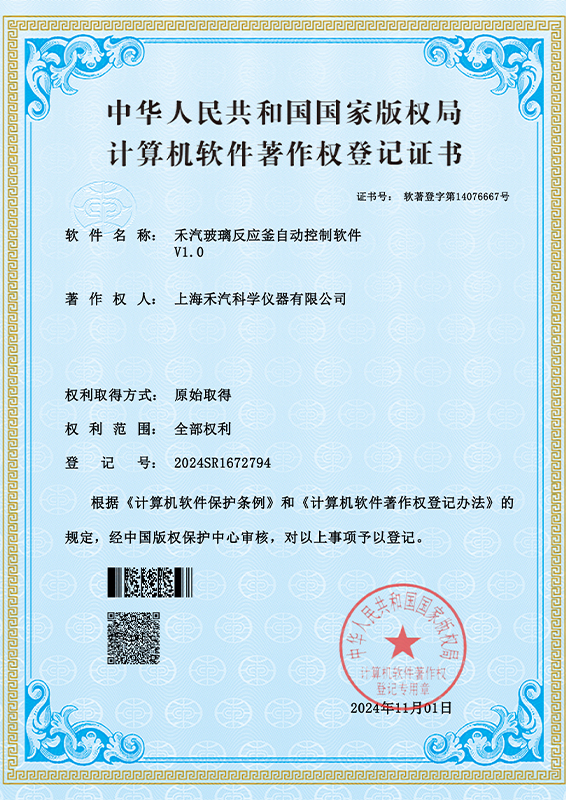
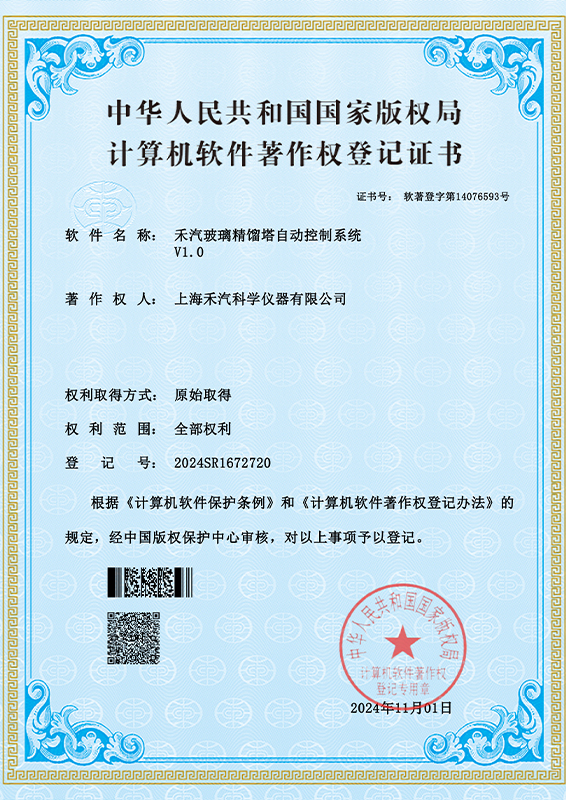
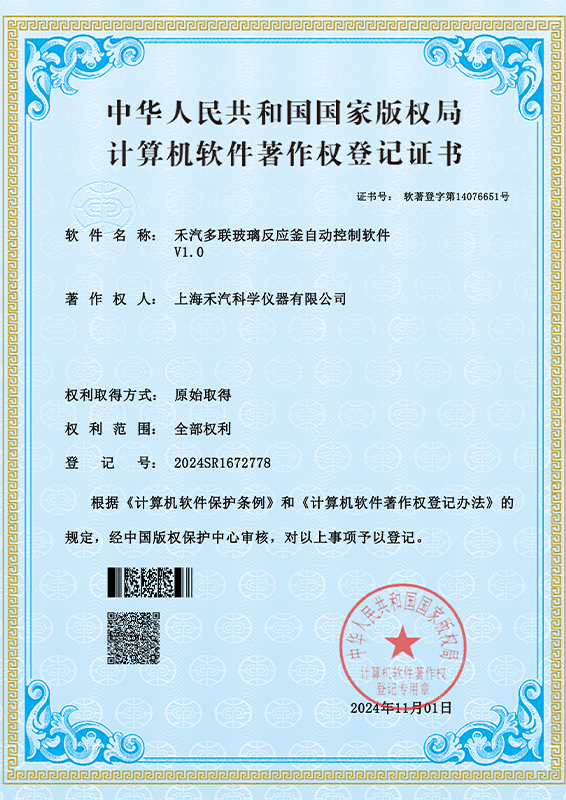
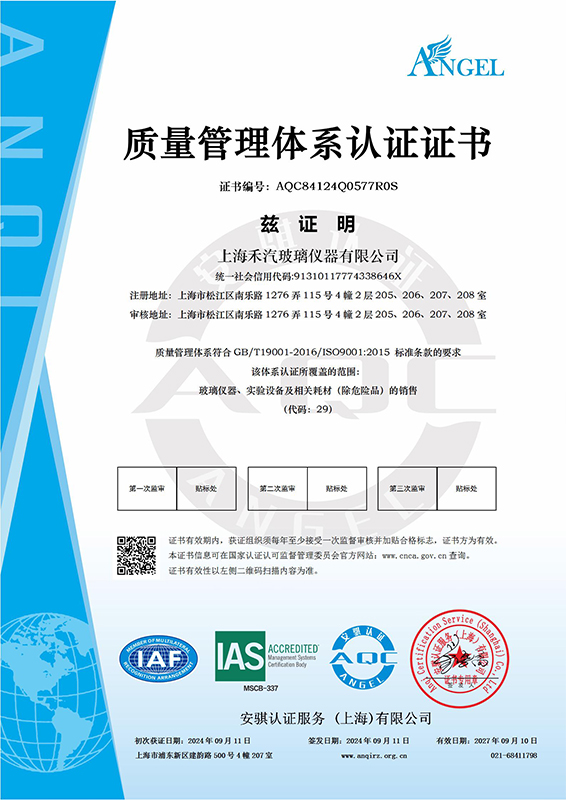
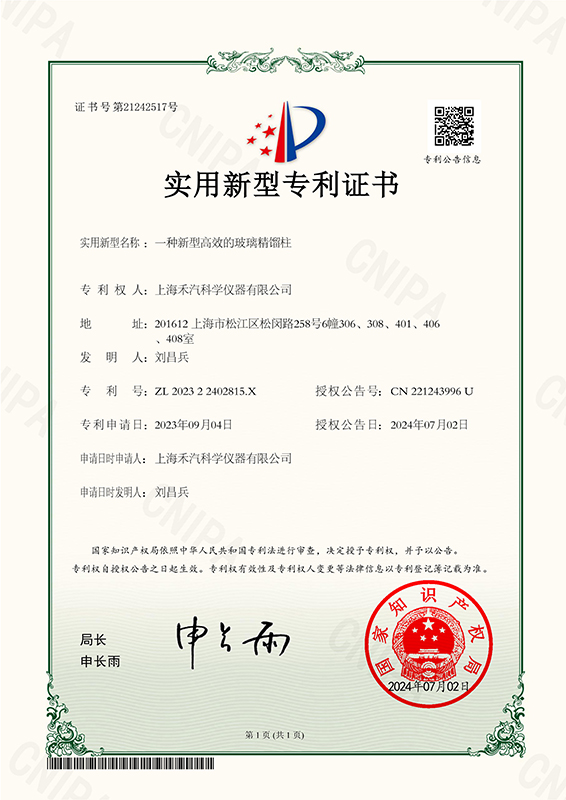
Certification
  • 1
  • 2
  • 3
  • 4
  • 5
  • 6
  • 7
Contact Us
Our custom service team is ready to provide you with expert advice and personalized solutions.
News
Industry Knowledge

How Does Buret Clamp Design Affect Measurement Accuracy?

Vertical Alignment Precision and Parallax Error Reduction

Volumetric analysis using glass burets requires exact vertical positioning to obtain accurate liquid level readings against graduated scale markings. When a buret tilts away from a true perpendicular line, liquid meniscus alignment shifts relative to the graduated lines on the glass barrel, introducing parallax reading errors. High-performance lab buret clamps incorporate spring-loaded dual-jaw mechanisms or self-centering cross-bars that hold the buret strictly parallel to the supporting rod. The metalworking workshop at Shanghai Heqi Glassware Co., Ltd. manufactures precision-machined support clamps with exact right-angle bosshead fittings. This structural alignment eliminates tilt angles, ensuring that analysts view the bottom of the meniscus at eye level without spatial displacement, preserving volumetric measurement accuracy during precise titration routines.

Comparative Clamp Jaw Designs and Physical Alignment Tolerances

Clamp Mechanism Type Vertical Angular Offset Jaw Contact Area Meniscus Reading Impact
Spring-Loaded Double Buret Clamp Less than 0.5 degrees Dual-point cushioned pads Minimizes parallax displacement
Single Screw-Compression Clamp 1.0 to 2.5 degrees Single-point direct screw contact Moderate risk of angular tilt
Polymer Snap-In Buret Holder 0.5 to 1.2 degrees Continuous semi-rigid jaw Minor flex under heavy liquid fill
Cast Iron V-Jaw Bosshead Clamp 0.2 to 0.8 degrees V-groove alignment track High vertical repeatability

Scale Visibility and Unobstructed Calibration Line Inspection

Analytical volumetric glass burets feature precise volumetric graduations etched along the glass barrel. Obstructive clamp designs that cover large vertical sections of the buret body block the analyst's view of critical graduation lines, forcing manual repositioning or estimation of liquid levels near the clamp contact zone. Utilizing a streamlined lab buret clamps framework with minimalist jaw geometry ensures full 360-degree visibility of the glass column. Assembly technicians at Shanghai Heqi Glassware Co., Ltd. design mounting hardware specifically to minimize coverage of the scale markings, enabling continuous tracking of liquid level changes during rapid titrating procedures without obscuring fractional milliliter graduations.

Structural Stability and Prevention of Fluid Displacement Drift

Operational Variable Unstable Clamping System Precision Dual-Jaw Clamping System
Vibrational Drift During Stopcock Turning Displaces meniscus up to 0.05 mL Holds buret completely stationary
Clamping Pressure Uniformity Uneven point loads induce stress Distributed pressure prevents distortion
Reagent Scale Obstruction Covers 15 mm - 30 mm of scale Covers less than 5 mm of glass body

Clamping Pressure Distribution and Structural Glass Deformation

Applying localized, excessive pressure to a thin-walled glass buret tube can alter internal bore geometry or induce micro-cracks along the barrel. Over-tightening rigid metal clamp jaws compresses the cylindrical glass body, causing imperceptible cross-sectional deformations that alter the internal volumetric capacity per unit length. Specialized lab buret clamps incorporate elastomeric jaw liners made of silicone, fluoropolymer, or natural cork. These soft interface materials distribute clamping forces evenly across the glass perimeter, preventing localized stress concentrations. Specialized glass blowing and testing facilities managed by Shanghai Heqi Glassware Co., Ltd. verify that cushioned clamping interfaces protect borosilicate glass barrels from mechanical stress while maintaining a slip-free grip during high-volume reagent dispense steps.

Vibration Attenuation and Stopcock Actuation Stability

Hardware Material Interface Vibration Dampening Index Corrosion Resistance Level
Cast Aluminum with Silicone Pads High attenuation of hand tremors Resists mild acid/alkali splashes
Stainless Steel 304 with PTFE Inserts Moderate mechanical dampening High resistance to harsh reagents
Uncoated Zinc Alloy Bare Metal Jaws Low (Transmits stopcock shock) Susceptible to chemical oxidation

Integration with Titration Assemblies and Modular Base Scaffolds

Modern analytical workflows frequently combine manual or semi-automated titrations with auxiliary equipment, including magnetic stirrers, pH meters, and automated liquid dispensers. The position of lab buret clamps on supporting retort rods dictates the working distance between the buret tip and receiving flasks resting on stirrer plates. Maintaining a rigid distance prevents the buret tip from contacting flask walls or stirrer bars during active agitation. Coupling buret clamps with stable support bases and stirrers produces a rigid analytical station where liquid droplets enter the reaction vessel cleanly without splashing, ensuring reliable equivalence point determination.

FAQ

Q: How do precision lab buret clamps eliminate parallax errors during critical titration readings?

A: A buret that tilts even slightly away from a true vertical axis shifts the visual alignment of the liquid meniscus relative to the scale markings, leading to volumetric calculation errors. High-precision lab buret clamps produced in the metalworking workshop at Shanghai Heqi Glassware Co., Ltd. utilize self-centering, dual-jaw mechanisms and exact right-angle bosshead fittings that hold glass burets perpendicular to the base, ensuring accurate, eye-level meniscus readings.

Q: What design elements in lab buret clamps prevent obscuring graduation markings on volumetric glass barrels?

A: Obstructive clamp arms cover wide sections of the buret body, blocking the analyst's view near critical measurement points. Streamlined buret clamps feature narrow, strategically angled contact jaws that provide a secure grip while leaving 360 degrees of the graduated glass scale clearly visible, allowing continuous tracking of liquid level changes during rapid titrations.

Q: How do cushioned jaw liners on lab buret clamps protect thin-walled glass barrels from stress fractures?

A: Direct metal-to-glass compression exerts localized point loads that can crack thin-walled glass or cause minute cross-sectional bore deformations. Specialized lab buret clamps incorporate soft silicone or cork jaw inserts that distribute clamping force evenly around the buret perimeter. Assembly facilities at Shanghai Heqi Glassware Co., Ltd. pair these cushioned interfaces with precision glass burets to maintain a slip-free hold without applying destructive mechanical pressure.

Q: Why is vibration damping essential in lab buret clamps during high-precision manual titrations?

A: Turning a buret stopcock repeatedly transmits rotational torque and hand vibrations through the glass tube, which can cause fluid droplet displacement at the tip or shift the meniscus level. Dual-arm buret clamps crafted from cast aluminum or stainless steel act as structural dampers, absorbing mechanical shock and holding the buret tip completely steady over receiving flasks and magnetic stirrers.

Q: What chemical-resistant coatings protect lab buret clamps from accidental acid and alkali splashes?

A: Titration procedures involve frequent exposure to corrosive reagents like hydrochloric acid or sodium hydroxide that degrade untreated metal fixtures. Quality lab buret clamps are finished with chemical-resistant powder coatings, anodized oxide layers, or nickel plating. These protective surfaces prevent oxidation and corrosion, ensuring long-term mechanical stability in demanding analytical laboratory environments.