The Essential Role of Lab Erlenmeyer Flasks in Modern Industrial and Scientific Procurement
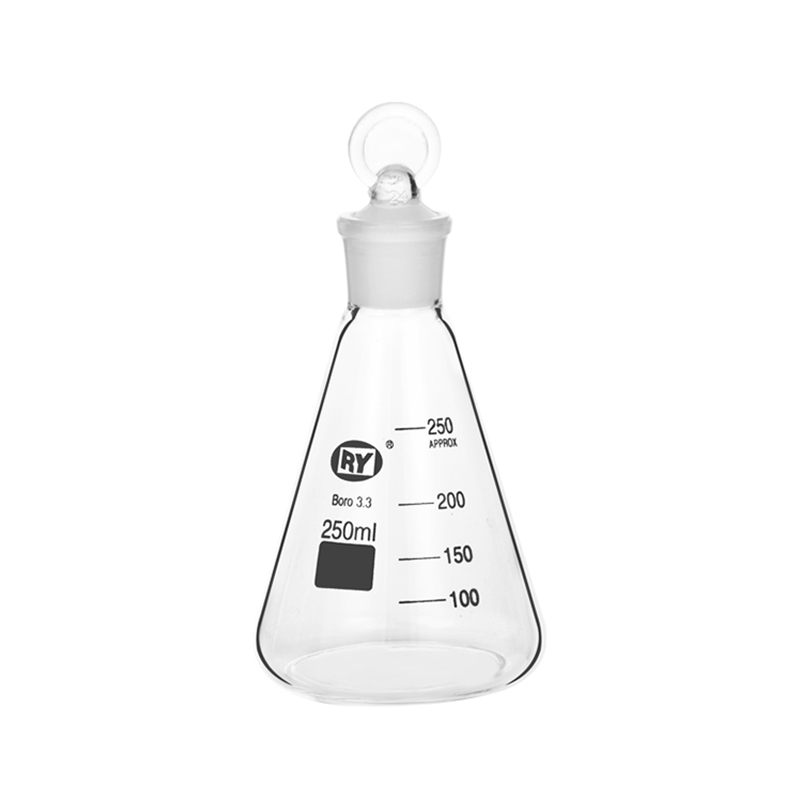
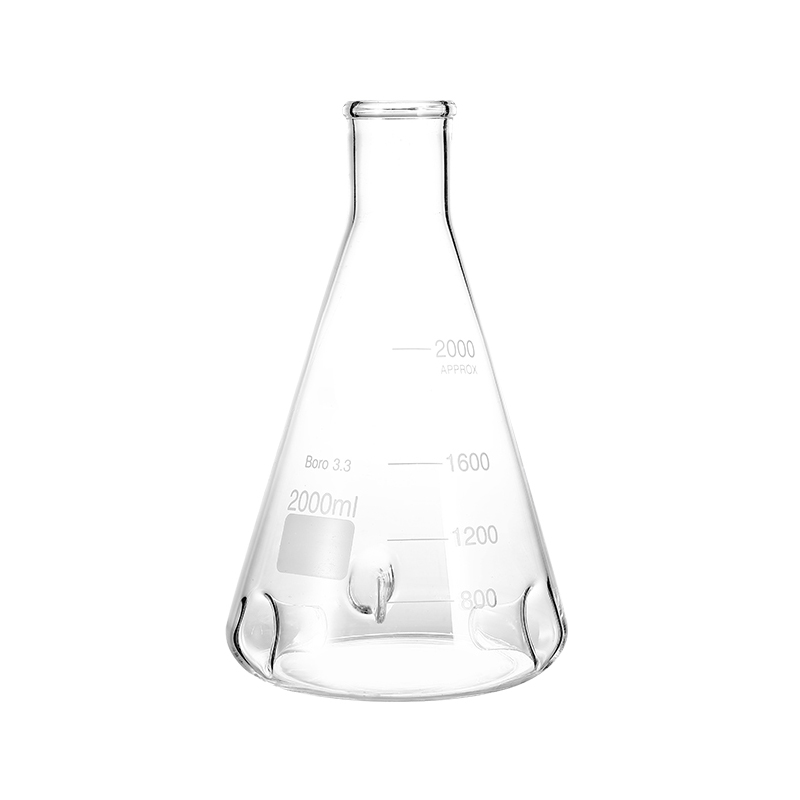
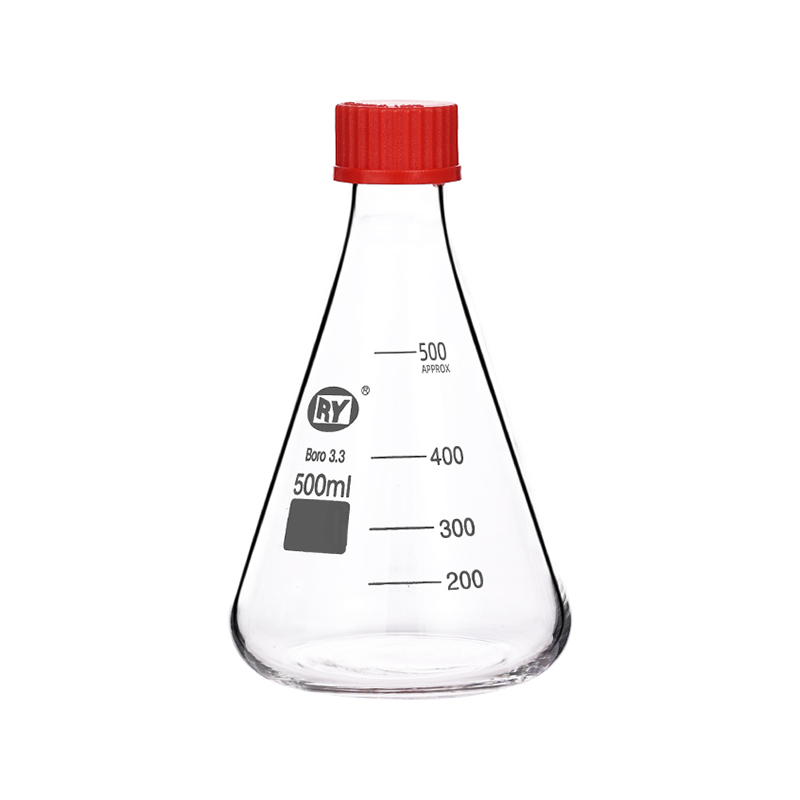
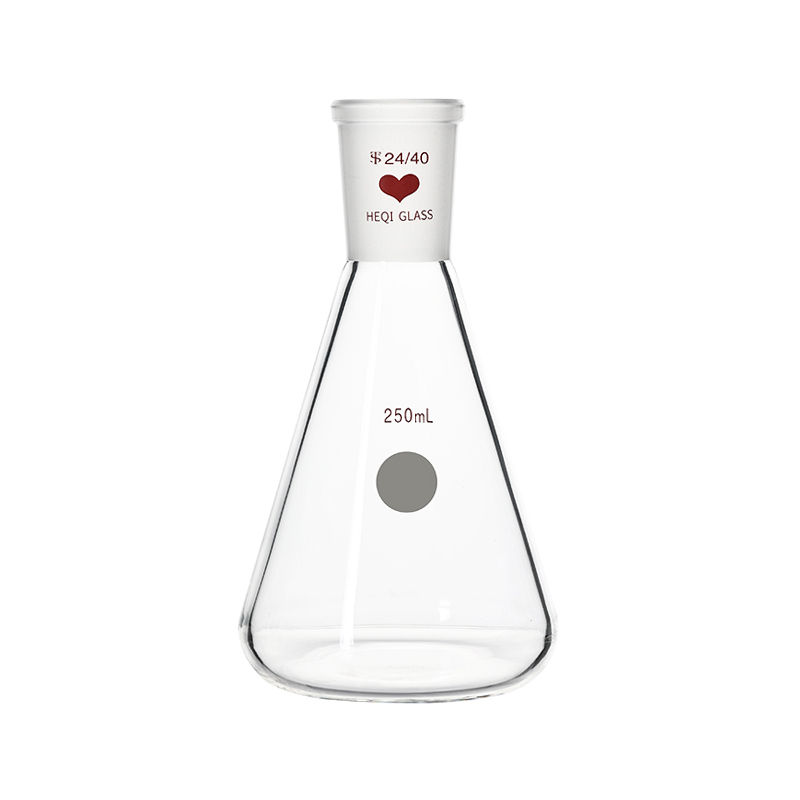
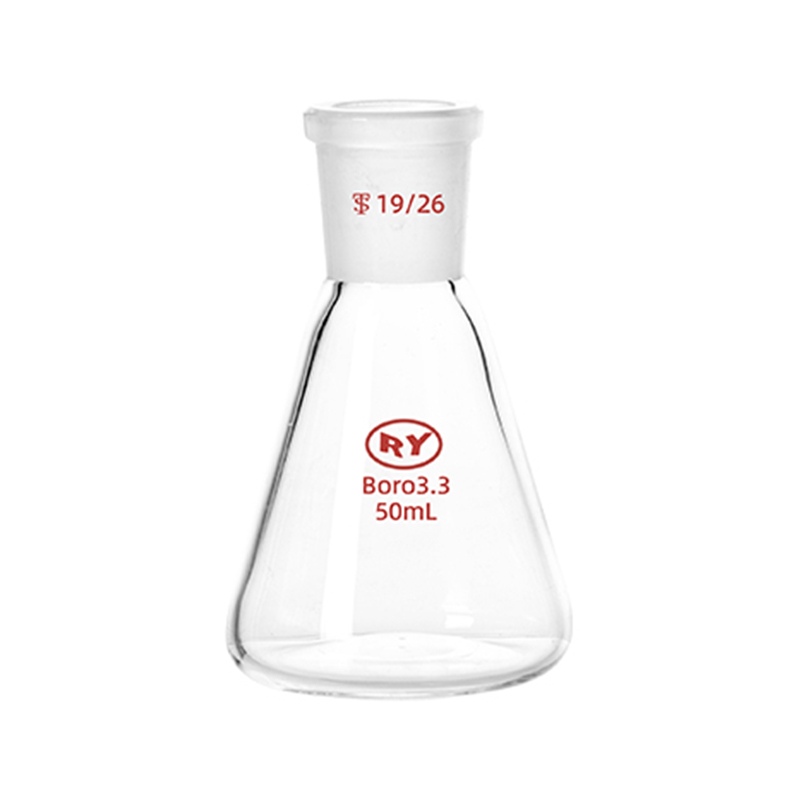
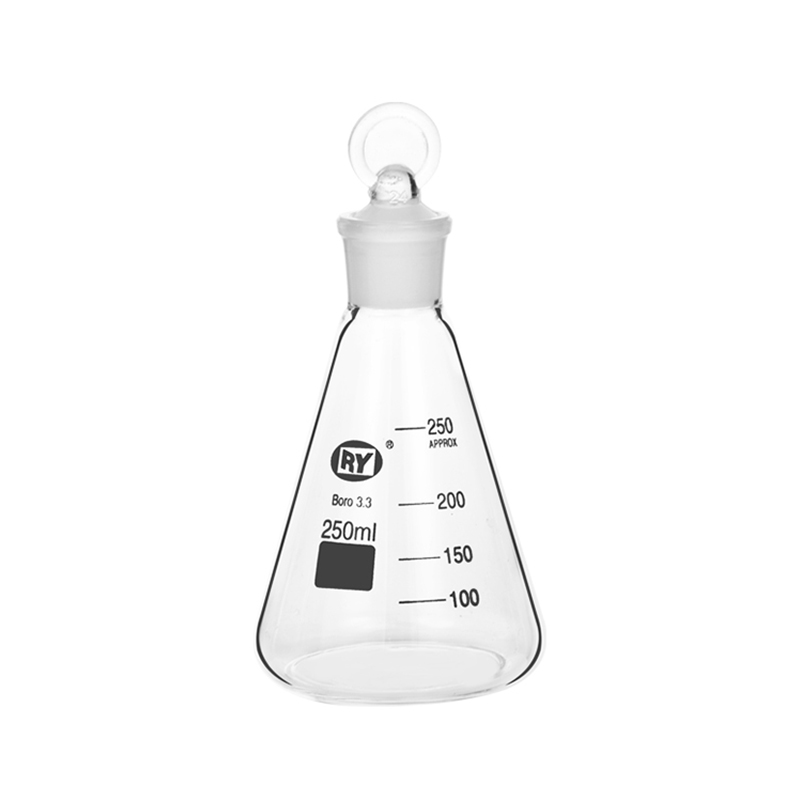
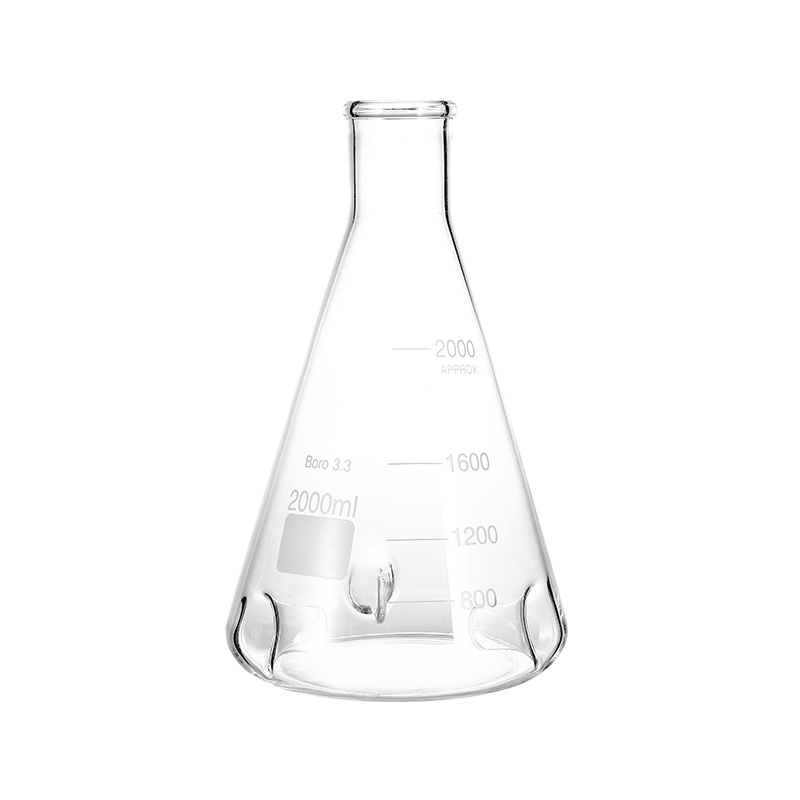
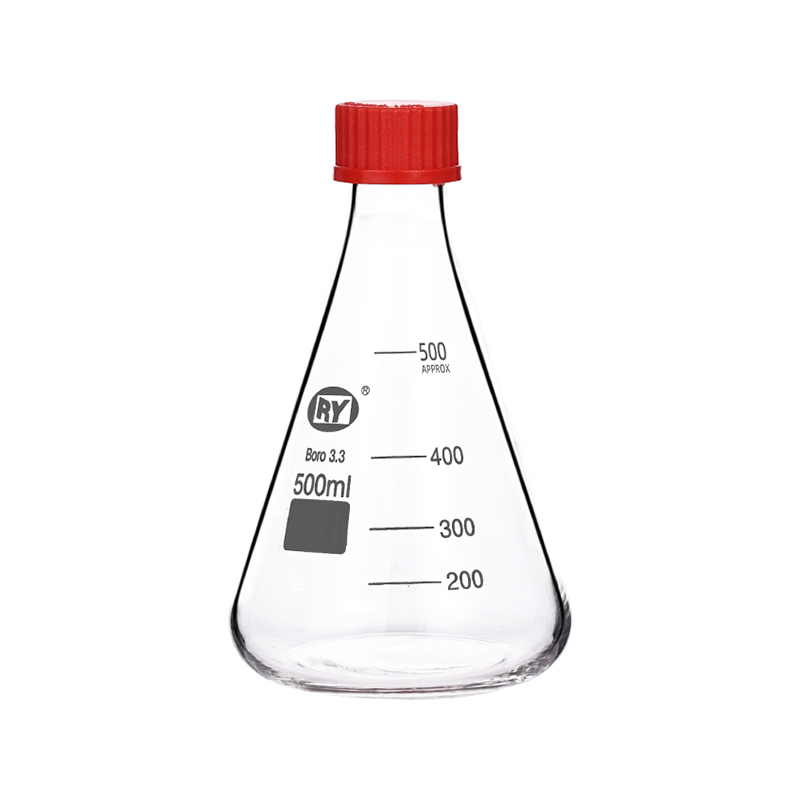
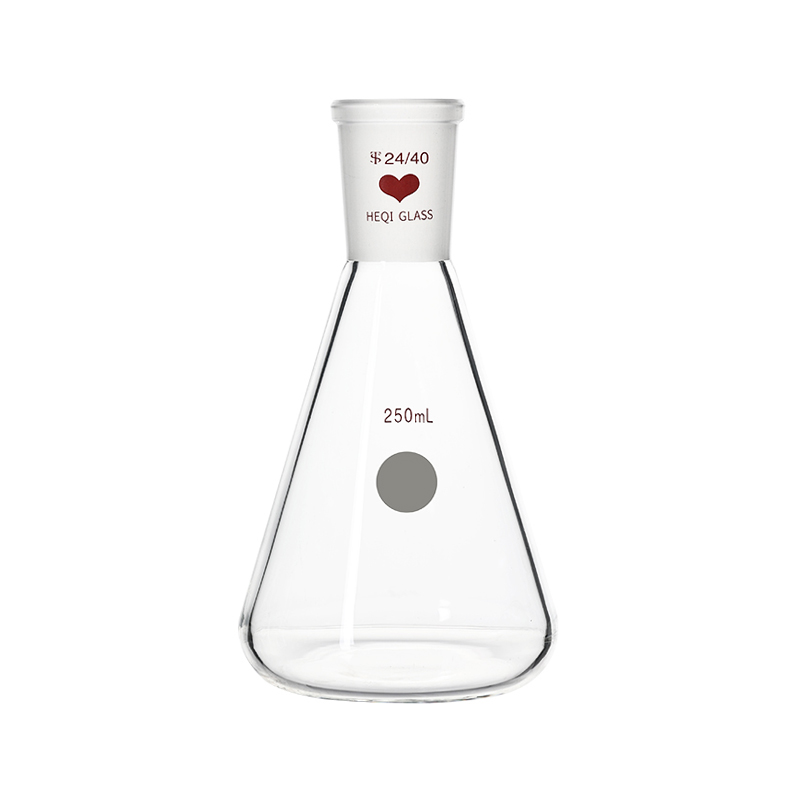
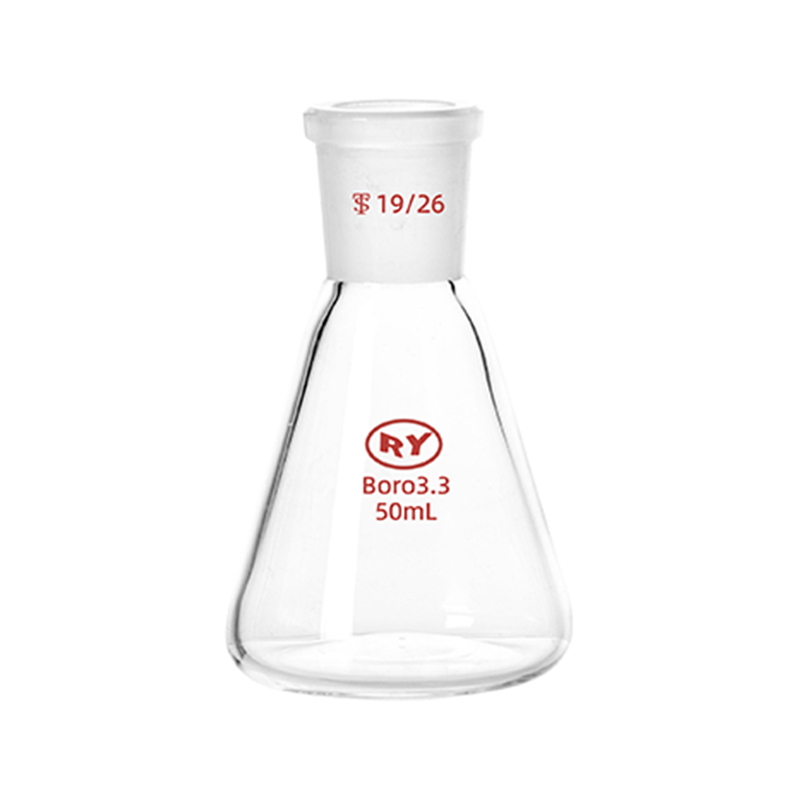
In modern scientific research, industrial chemistry, and pharmaceutical development, the integrity of containment glassware directly dictates experimental reproducibility and operational safety. Among the foundational array of laboratory vessels, lab Erlenmeyer flasks stand out as remarkably versatile instruments. Characterized by their distinct conical bodies, flat bottoms, and cylindrical necks, these flasks are engineered to perform a wide spectrum of tasks—ranging from simple fluid storage and thermal mixing to complex titrations and vigorous microbial cultures. However, not all glassware is manufactured to equal standards. For large-scale laboratory operations, research institutions, and commercial analytical facilities, sourcing high-performance lab Erlenmeyer flasks requires a rigorous understanding of material science, structural engineering, and precision manufacturing tolerances.
Since its founding in March 2002, Shanghai Heqi Glassware Co., Ltd. has specialized deeply in the research, development, and production of standard-mouth glass instruments. Over more than two decades, the company has expanded its engineering footprint by establishing dedicated production bases strategically located in Songjiang, Chengdu, Jiaxing, and Yancheng. By bridging traditional glassblowing craftsmanship with modern industrial automation, Shanghai Heqi has progressively replaced conventional manual techniques with mechanized and semi-mechanized production methods. The introduction of standardized assembly-line industrial processes has fundamentally transformed workshop-style production, enabling the systematic reduction of manufacturing defects while significantly optimizing production costs for high-volume laboratory infrastructure.
Material Science: The Core Superiority of Borosilicate Glass
The operational foundation of any high-quality lab Erlenmeyer flask lies in its raw material composition. Standard soda-lime glass, while adequate for basic decorative or low-stress utility, completely fails under the rigorous thermal and chemical demands of professional laboratories. Consequently, premier lab Erlenmeyer flasks are fabricated exclusively from low-expansion borosilicate glass, predominantly adhering to ASTM E438 Type I, Class A or ISO 3585 specifications.
Borosilicate glass incorporates a significant proportion of silicon dioxide (SiO2, typically around 81%) and boron trioxide (B2O3, roughly 13%), with minor quantities of sodium and aluminum oxides. This specific chemical matrix creates an exceptionally tight molecular network that imparts two critical characteristics: remarkable thermal shock resistance and superior chemical durability.
Thermal Shock Resistance Explained: The low coefficient of linear thermal expansion (3.3 x 10^-6 K^-1) in high-grade borosilicate glass means that lab Erlenmeyer flasks experience minimal dimensional change when subjected to rapid temperature fluctuations. A flask can be transferred directly from an ice bath to a hot plate or subjected to repeated high-pressure autoclave sterilization cycles (121°C at 15 psi) without developing structural micro-fissures or catastrophic thermal fracture.
Furthermore, the chemical inertness of borosilicate glass ensures that the container walls do not leach alkaline ions into sensitive biological buffers, analytical reagents, or high-purity solvents. This property is paramount in trace metal analysis and long-term chemical storage, where extraneous ionic contamination can completely invalidate experimental datasets.
Manufacturing Precision: Structural Tolerances and Engineering Standards
Transforming raw borosilicate glass tubing and molten blanks into high-performance lab Erlenmeyer flasks requires exacting geometric control. Industrial buyers evaluating laboratory glassware must examine several micro-structural parameters that distinguish precision-engineered vessels from substandard alternatives.
Wall Thickness Consistency and Mechanical Strength
A common vulnerability in poorly manufactured glassware is uneven wall distribution, where localized thinning occurs along the conical shoulder or the bottom curve due to improper centrifugal distribution during blowing. Precision manufacturing protocols utilize automated multi-stage forming machinery to maintain uniform wall thickness across the entire body. A balanced wall profile prevents localized stress concentration points, ensuring that the flask can safely withstand external vacuum pressures during filtration setups or internal overpressures during closed heating processes.
Base Flatness and Stress Relief Annealing
The flat bottom of a lab Erlenmeyer flask must provide absolute stability on magnetic stirrers, heating mantles, and laboratory bench surfaces. Uneven or convex bases create rocking motion, reducing thermal transfer efficiency from hot plates and increasing the risk of mechanical tipping during rapid agitation. To eliminate internal residual stresses induced during the shaping phase, every manufactured flask must undergo rigorous thermal annealing in controlled lehr furnaces. This process slowly cools the glass, relieving internal molecular tension and maximizing the mechanical impact resistance of the finished vessel.
Neck Geometry and Rim Finishing
The neck of a lab Erlenmeyer flask serves multiple functions: it accommodates stoppers, filter funnels, and culture closures while providing a secure gripping surface for handling. High-quality production lines ensure that the rim is fire-polished and beaded (reinforced). A beaded rim increases mechanical strength at the most vulnerable impact point, prevents chipping during handling, and provides a smooth sealing surface for rubber stoppers, cotton plugs, or specialized mechanical closures.
Comparative Analysis of Laboratory Glassware Materials
To assist laboratory managers and technical evaluators in selecting appropriate containment solutions, the table below outlines the clear performance parameters comparing standard borosilicate glass against alternative materials commonly encountered in commercial distribution channels.
| Performance Parameter |
Low-Expansion Borosilicate Glass (Type I) |
Standard Soda-Lime Glass |
Polypropylene (PP) Plastics |
| Max Continuous Operating Temp |
500°C to 525°C |
250°C to 300°C |
120°C to 135°C |
| Coefficient of Thermal Expansion |
3.3 x 10^-6 K^-1 (Ultra-low) |
9.0 x 10^-6 K^-1 (High) |
High thermal expansion |
| Chemical Resistance |
Exceptional against acids, water, and organic solvents |
Moderate; susceptible to strong alkaline attack |
Good against acids; susceptible to certain organic solvents |
| Autoclavability |
Fully autoclavable repeatedly at 121°C / 134°C |
Limited thermal endurance |
Autoclavable, but prone to warping over time |
| Optical Clarity & UV Transmission |
High clarity; transparent across UV and visible spectrum |
Good clarity, slight green or blue tint in thick walls |
Opaque to translucent; blocks UV transmission |
| Mechanical Durability |
High rigidity; brittle under severe mechanical impact |
Moderate brittleness |
High impact resistance; prone to scratching |
Through the integration of advanced production lines and stringent quality control frameworks, Shanghai Heqi Glassware Co., Ltd. ensures that every lab Erlenmeyer flask produced meets these rigorous international standards. By combining technical expertise in mechanical design and glass processing, the enterprise continues to supply robust, reliable glassware solutions tailored to the exacting demands of contemporary scientific and industrial facilities.
Key Specifications and Capacity Options for High-Volume Buyers
When outfitting analytical laboratories, pilot plants, or research centers, facility managers require a comprehensive range of volumetric sizes to accommodate diverse experimental workflows. Lab Erlenmeyer flasks are engineered across a broad capacity spectrum, from micro-scale titrations to large-volume media preparation. Selecting the correct volumetric size and dimensional profile ensures optimal liquid mixing, prevents splashing during magnetic stirring, and guarantees compatibility with heating mantles and shaking incubators.
Volumetric Capacities and Dimensional Standards
Standardized production lines yield a predictable geometric progression of lab Erlenmeyer flasks, ensuring that equipment holders, clamps, and racks fit seamlessly across different workstation setups. Below is a detailed technical breakdown of standard capacity specifications, body dimensions, and neck sizes commonly utilized in industrial and scientific laboratories:
| Nominal Capacity (mL) |
Approximate Height (mm) |
Base Diameter (mm) |
Standard Neck Inner Diameter (mm) |
Recommended Working Volume (mL) |
| 50 mL |
85 mm |
51 mm |
22 mm |
20 mL – 40 mL |
| 100 mL |
105 mm |
64 mm |
24 mm |
40 mL – 80 mL |
| 250 mL |
140 mm |
85 mm |
34 mm |
100 mL – 200 mL |
| 500 mL |
175 mm |
105 mm |
34 mm |
200 mL – 400 mL |
| 1000 mL |
220 mm |
131 mm |
42 mm |
400 mL – 800 mL |
| 2000 mL |
280 mm |
166 mm |
50 mm |
800 mL – 1600 mL |
| 5000 mL |
365 mm |
225 mm |
58 mm |
2000 mL – 4000 mL |
To maintain absolute precision during high-volume manufacturing, Shanghai Heqi Glassware Co., Ltd. applies strict dimensional tolerances across its production bases in Songjiang, Chengdu, Jiaxing, and Yancheng. By leveraging mechanized and semi-mechanized forming techniques rather than traditional manual methods, each lab Erlenmeyer flask achieves uniform height-to-base ratios, minimizing center-of-gravity discrepancies and ensuring stability during automated orbital shaking.
Graduated Markings and Ceramic Enamel Durability
Accurate liquid measurement is vital during reagent preparation and qualitative assessments. High-quality lab Erlenmeyer flasks feature permanent, easy-to-read graduated volumetric scales fused directly onto the exterior glass wall.
Unlike low-grade printed markings that fade after repeated chemical exposure or ultrasonic cleaning, professional-grade flasks utilize white or blue ceramic enamel fused at high temperatures into the borosilicate matrix. This specialized enamel withstands aggressive organic solvents, acid wash cycles, and high-pressure steam sterilization without degradation. The graduation accuracy typically adheres to strict laboratory standards (often within ± 5% of nominal volume), providing reliable visual estimation during active laboratory procedures.
Neck Configurations: Narrow-Mouth vs. Wide-Mouth Variants
Choosing the appropriate neck style depends entirely on the intended application within the facility:
Narrow-Mouth Lab Erlenmeyer Flasks: The preferred choice for general chemical reactions, titrations, and liquid storage. The constricted opening minimizes evaporation losses, reduces the risk of splashing during vigorous swirling or magnetic stirring, and accommodates standard rubber stoppers, corks, or glass stoppers securely.
Wide-Mouth Lab Erlenmeyer Flasks: Engineered specifically for applications requiring frequent solid additions, powder dissolution, or the insertion of larger measuring probes and magnetic stir bars. The wider opening also facilitates effortless internal cleaning and brush access, making them highly efficient for biological media preparation and cell culture harvesting.
To support laboratories with diverse operational workflows, Shanghai Heqi Glassware Co., Ltd. maintains ample inventory across standard-mouth and wide-mouth configurations, ensuring rapid order fulfillment and seamless supply chain continuity for institutions worldwide.
Industrial and Commercial Applications: Where Lab Erlenmeyer Flasks Shine
The true measure of laboratory glassware lies in its performance under demanding operational conditions. Across chemical processing plants, analytical testing facilities, and biotechnological research centers, lab Erlenmeyer flasks serve as indispensable workhorses. Their unique geometric configuration—featuring a wide, stable base that tapers into a narrow cylindrical neck—solves multiple engineering and fluid-dynamics challenges simultaneously. This shape allows vigorous orbital shaking or magnetic stirring without the risk of solution splashing, while the narrow opening minimizes vapor loss and facilitates secure sealing with stoppers or filter closures.
To support these diverse sectors effectively, Shanghai Heqi Glassware Co., Ltd. has established specialized workshops dedicated to glass processing, metalworking, and equipment assembly across its strategic production bases in Songjiang, Chengdu, Jiaxing, and Yancheng. By integrating advanced technological craftsmanship with rigorous manufacturing standards, the enterprise supplies robust containment solutions that seamlessly bridge basic laboratory experimentation with pilot-scale industrial production.
Cultivating Precision: Utilizing Lab Erlenmeyer Flasks in Modern Laboratories
In high-throughput analytical laboratories and quality control departments, consistency and accuracy dictate every workflow. Lab Erlenmeyer flasks are heavily relied upon during complex titrations, volumetric sample dilutions, and precise chemical synthesis. The chemical inertness of borosilicate glass ensures that reagents remain free from ionic interference, maintaining the purity of complex titrants and analytical standards over extended testing cycles.
Furthermore, in microbiological applications and pharmaceutical manufacturing, these vessels play a pivotal role in media preparation, sterilization, and suspension cell culture. When outfitted with specialized breathable closures, lab Erlenmeyer flasks maintain sterile gas exchange required for aerobic microbial growth, fermentation studies, and mammalian cell propagation on orbital shakers.
Chemical Synthesis and Pilot-Scale Integration
Beyond standalone benchtop utility, lab Erlenmeyer flasks frequently interface with complex small-scale and pilot-scale laboratory systems. Recognizing the intricate requirements of the chemical and pharmaceutical industries, Shanghai Heqi Glassware Co., Ltd. has assembled an expert research and development team comprising specialists in chemical engineering, mechanical design, and electronic control systems. This multidisciplinary expertise enables the company to produce a comprehensive suite of complementary equipment—including glass reactors, rotary evaporators, distillation units, high- and low-temperature circulation systems, vacuum pumps, stirrers, and UV analyzers.
Within pilot plant environments, lab Erlenmeyer flasks act as primary staging vessels for intermediate reactions, reagent staging, and thermal reflux setups prior to scale-up into larger glass reactors. The table below outlines how lab Erlenmeyer flasks integrate across different operational environments and analytical workflows:
| Application Sector |
Primary Function of Lab Erlenmeyer Flasks |
Key Operational Demands |
Equipment Interfacing |
| Analytical Chemistry |
Titration, sample digestion, and reagent standardization |
High chemical resistance, clear graduation readability |
Magnetic stirrers, burettes, automated titrators |
| Pharmaceutical R&D |
Compound synthesis, solvent extraction, and refluxing |
Resistance to thermal shock, compatibility with heating mantles |
Heating mantles, condensers, rotary evaporators |
| Biotechnology & Microbiology |
Media preparation, buffer storage, and cell suspension culture |
Repeated autoclave sterilization, sterile sealing capability |
Shaking incubators, laminar flow hoods, autoclave units |
| Pilot-Scale Production |
Intermediate fluid transfer, staging, and minor batch mixing |
Mechanical durability, consistent wall thickness, secure gripping |
Glass reactors, circulation systems, vacuum transfer pumps |
By maintaining a diverse inventory and leveraging comprehensive in-house manufacturing capabilities in glass and metal fabrication, Shanghai Heqi Glassware Co., Ltd. ensures that research facilities and industrial production plants receive fully synchronized glassware and equipment solutions tailored to their exact operational specifications.
Why Direct Factory Sourcing is Essential for Large-Scale Laboratory Operations
Equipping a sprawling research facility, university department, or industrial manufacturing plant requires a steady, reliable flow of high-grade consumable glassware. When managing large-scale equipment inventories, procurement teams constantly weigh the balance between upfront unit costs, supply chain continuity, and strict quality compliance. Relying on intermediary distributors often introduces unnecessary markups, delayed lead times, and inconsistent product batches that can compromise sensitive analytical work.
Establishing a direct relationship with an experienced manufacturing partner transforms how laboratories manage their glassware assets. Founded in March 2002, Shanghai Heqi Glassware Co., Ltd. has spent over two decades refining the R&D and production of standard-mouth glass instruments. By establishing dedicated production bases strategically located across Songjiang, Chengdu, Jiaxing, and Yancheng, the company has successfully transitioned from traditional manual craftsmanship to advanced mechanized and semi-mechanized manufacturing techniques. Replacing simple workshop-style production with streamlined industrial assembly lines allows the enterprise to significantly reduce overhead costs while strictly optimizing product quality for high-volume consumers worldwide.
Cost-Efficiency and Wholesale Pricing Structures
For institutions purchasing laboratory glassware by the pallet or container load, unit economics play a decisive role in annual budgeting. Traditional retail channels and secondary vendors impose heavy retail margins to cover multi-tier distribution logistics. Direct factory sourcing eliminates these unnecessary layers, passing substantial cost-efficiencies directly to the end-use facility.
Furthermore, industrial-scale production capacity ensures that wholesale pricing remains stable even during periods of high global demand. Shanghai Heqi Glassware Co., Ltd. leverages its extensive manufacturing infrastructure to offer flexible volume-based pricing models, enabling laboratories and research institutions to secure premium borosilicate lab Erlenmeyer flasks without overextending their operational budgets.
Supply Chain Reliability and Inventory Continuity
A sudden stockout of basic containment vessels can grind analytical testing and pilot-scale chemical production to a complete halt. Maintaining an uninterrupted supply chain requires a manufacturing partner with deep inventory reserves and robust production scheduling.
To fulfill its operational commitment of providing seamless service and reliable companionship, Shanghai Heqi Glassware Co., Ltd. maintains ample warehouse inventory and fast delivery protocols. Beyond manufacturing its core glass instruments, the company also supplies a comprehensive range of high-quality lab consumables and experimental equipment from trusted domestic and international sources. This extensive stock depth ensures that clients experience zero downtime, with consistent monthly or quarterly shipments arriving exactly as scheduled.
Quality Assurance Protocols and Defect Control
In high-stakes laboratory environments, a single defective flask experiencing thermal failure or chemical leakage can ruin an entire experimental batch or pose severe safety risks. Consequently, rigorous quality assurance must be embedded at every stage of the production lifecycle.
The table below outlines the strict quality control benchmarks and defect mitigation strategies implemented during the manufacturing of lab Erlenmeyer flasks compared to unverified market alternatives:
| Quality Control Parameter |
Factory-Direct Standards (Shanghai Heqi Glassware Co., Ltd.) |
Unverified / Standard Market Alternatives |
| Raw Material Verification |
100% certified low-expansion borosilicate glass (ASTM E438 Type I, Class A) |
Mixed or recycled glass content with unknown thermal expansion coefficients |
| Annealing Process |
Fully automated lehr furnace thermal stress relief to maximize impact resistance |
Rapid or uncontrolled cooling, resulting in hidden internal molecular tension |
| Wall Thickness Uniformity |
Multi-stage optical and mechanical inspection ensuring balanced wall distribution |
Uneven wall thinning prone to localized stress fracture under vacuum or heat |
| Graduation Permanence |
High-temperature fused ceramic enamel resistant to aggressive solvents and autoclaving |
Low-grade printed ink that fades or washes away after a few cleaning cycles |
| Batch Traceability |
Comprehensive production logging from raw tubing to final packaging |
Minimal traceability, making defect root-cause analysis difficult |
Through disciplined batch testing, strict dimensional verification, and complete traceability from the production line to the shipping dock, Shanghai Heqi Glassware Co., Ltd. guarantees that every lab Erlenmeyer flask meets the rigorous demands of modern science and industry. By combining technical expertise with unwavering service standards, the enterprise stands ready as a dependable partner for all long-term laboratory outfitting requirements.
Customization and OEM/ODM Solutions for Bulk Orders
Every research facility, university laboratory, and industrial chemical plant operates with distinct spatial layouts, custom equipment rigs, and specialized experimental workflows. Standard off-the-shelf glassware does not always fit every specialized application. When managing large-scale infrastructure projects or designing proprietary chemical synthesis units, institutions frequently require specialized volumetric dimensions, unique graduation layouts, or customized private labeling to match strict internal protocols.
Recognizing that rigid manufacturing limitations can hinder advanced research and commercial distribution, Shanghai Heqi Glassware Co., Ltd. leverages its comprehensive in-house capabilities in design, glass component production, and custom fabrication to deliver tailored OEM and ODM solutions. Founded in March 2002 and operating advanced production bases across Songjiang, Chengdu, Jiaxing, and Yancheng, the company unites seasoned experts in chemical R&D, mechanical design, and electronic control systems. This multidisciplinary strength allows the enterprise to move far beyond simple workshop-style manufacturing, offering flexible customization for lab Erlenmeyer flasks and small-scale pilot equipment such as glass reactors, rotary evaporators, distillation units, and high- and low-temperature circulation systems.
Tailoring Glassware Dimensions and Private Labeling
Customization options for wholesale lab Erlenmeyer flasks extend far beyond basic volumetric adjustments. Depending on specialized heating, mixing, or automated dosing requirements, institutions can request precise modifications to enhance operational efficiency:
Custom Neck and Joint Modifications: Integration of specialized ground glass joints, side-arm vacuum ports, or threaded screw necks to seamlessly interface with complex distillation assemblies and closed-loop bioreactors.
Specialized Graduations and Branding: Application of customized ceramic enamel scales, custom volume markers, or permanent corporate and institutional private labeling fired directly onto the glass body for easy inventory management and brand distinction.
Specialized Wall Thickness and Annealing: Tailored glass wall profiles designed to endure specialized high-pressure environments, vacuum filtration setups, or extreme thermal gradients.
Packaging Innovations and Transit Protection
International shipping of fragile laboratory glassware requires meticulous engineering to prevent breakage and transit loss. A single fractured carton during global logistics transit can disrupt scheduled laboratory setups and create costly project delays.
To ensure that wholesale shipments of lab Erlenmeyer flasks arrive at international destinations in pristine condition, Shanghai Heqi Glassware Co., Ltd. implements rigorous packaging protocols and reinforced drop-test standards. The table below outlines the comparison between standard commercial packaging and the heavy-duty protective packaging engineered for industrial glass distribution:
| Packaging & Logistics Parameter |
Standard Commercial Packaging |
Factory-Direct Reinforced Packaging (Shanghai Heqi Glassware Co., Ltd.) |
| Inner Protection |
Single-layer bubble wrap or thin cardboard separators |
Individual corrugated partitions, molded foam cushioning, and shock-absorbent wrapping |
| Outer Carton Integrity |
Standard single-wall corrugated boxes prone to stacking compression |
Heavy-duty, double-walled or triple-walled reinforced export-grade corrugated cartons |
| Palletization & Securing |
Manual stacking with minimal film wrapping |
Fumigated wooden pallets, interlocked stacking patterns, heavy-duty strapping, and stretch film wrapping |
| Drop-Test Performance |
Prone to rim chipping and base cracking under minor handling drops |
Engineered to withstand standard international transit drop and vibration test benchmarks |
| Customs Documentation Support |
Basic packing lists with minimal traceability |
Comprehensive export documentation, detailed itemized packing manifests, and batch certification support |
By combining specialized manufacturing flexibility, strict quality control, and robust protective packaging innovations, Shanghai Heqi Glassware Co., Ltd. ensures that every customized order of lab Erlenmeyer flasks meets the exact operational and logistical needs of clients worldwide.
Frequently Asked Questions (FAQ)
What are the standard packaging quantities and minimum order quantities for bulk orders of lab Erlenmeyer flasks?
When planning large-scale laboratory outfitting or inventory replenishment, understanding order thresholds and packaging units is essential for efficient logistics planning. Standard packaging quantities vary depending on the volumetric size of the lab Erlenmeyer flasks. For instance, smaller capacities such as 50 ml and 100 ml flasks are typically packed in secure multi-unit partitioned cartons (often in sets of 20 to 50 pieces), whereas heavy-duty 2000 ml and 5000 ml vessels are individually cushioned in reinforced boxes to prevent transit stress.
To support diverse institutional requirements while maintaining optimal production efficiency at its manufacturing bases in Songjiang, Chengdu, Jiaxing, and Yancheng, Shanghai Heqi Glassware Co., Ltd. offers flexible minimum order quantities (MOQs). The table below outlines standard bulk packaging specifications and typical order parameters:
| Flask Capacity (mL) |
Standard Export Carton Quantity |
Inner Protection Method |
Minimum Order Structure |
| 50 mL – 100 mL |
50 pieces per master carton |
Individual corrugated cells & bubble wrap |
Carton-lot or pallet-load tiers |
| 250 mL – 500 mL |
30 pieces per master carton |
Thick cardboard partitions & foam cushioning |
Carton-lot or pallet-load tiers |
| 1000 mL – 2000 mL |
10 to 12 pieces per master carton |
Heavy-duty dual-wall corrugated separation |
Carton-lot or pallet-load tiers |
| 5000 mL |
4 to 6 pieces per master carton |
Custom molded cushioning & edge protection |
Flexible bulk order terms |
How do factory-direct borosilicate glass flasks handle extreme autoclave sterilization cycles?
In pharmaceutical research, microbiology, and clinical testing, glassware must undergo repetitive high-pressure steam sterilization without structural degradation. Lab Erlenmeyer flasks fabricated from low-expansion borosilicate glass (ASTM E438 Type I, Class A) exhibit exceptional thermal endurance. They withstand standard autoclave cycles at 121°C (15 psi) for 30 minutes, as well as aggressive sterilization at 134°C, without thermal warping, clouding, or surface pitting.
Founded in March 2002, Shanghai Heqi Glassware Co., Ltd. ensures that every batch undergoes controlled thermal annealing during production, completely relieving internal molecular stress. This rigorous heat-treatment process guarantees that the flasks maintain high mechanical strength and thermal shock resistance even after hundreds of successive autoclave cycles.
What international shipping and customs documentation are provided for wholesale glass container imports?
Navigating international customs clearance for fragile scientific glassware requires precise documentation to prevent port delays and demurrage charges. When laboratories and industrial facilities import glassware directly, comprehensive paperwork must accompany the freight consignment.
Shanghai Heqi Glassware Co., Ltd. provides full export documentation support, including itemized commercial invoices, detailed packing lists with net and gross weight breakdowns, certificates of raw material conformity (verifying low-expansion borosilicate composition), and fumigation certificates for wooden pallet packaging. Backed by ample warehouse inventory and fast delivery protocols, the company ensures that shipments transition smoothly from production lines to international destinations.
Can customized graduations or corporate logos be permanently etched onto the flasks for OEM clients?
Yes. Institutional clients, university laboratories, and equipment distributors frequently require specialized volumetric scales, custom graduation intervals, or permanent private labeling to match proprietary experimental protocols or brand requirements.
Leveraging its multidisciplinary R&D team—comprising specialists in chemical engineering, mechanical design, and electronic control systems—Shanghai Heqi Glassware Co., Ltd. offers comprehensive OEM and ODM customization. Logos and customized gradua


 English
 Français
 Español