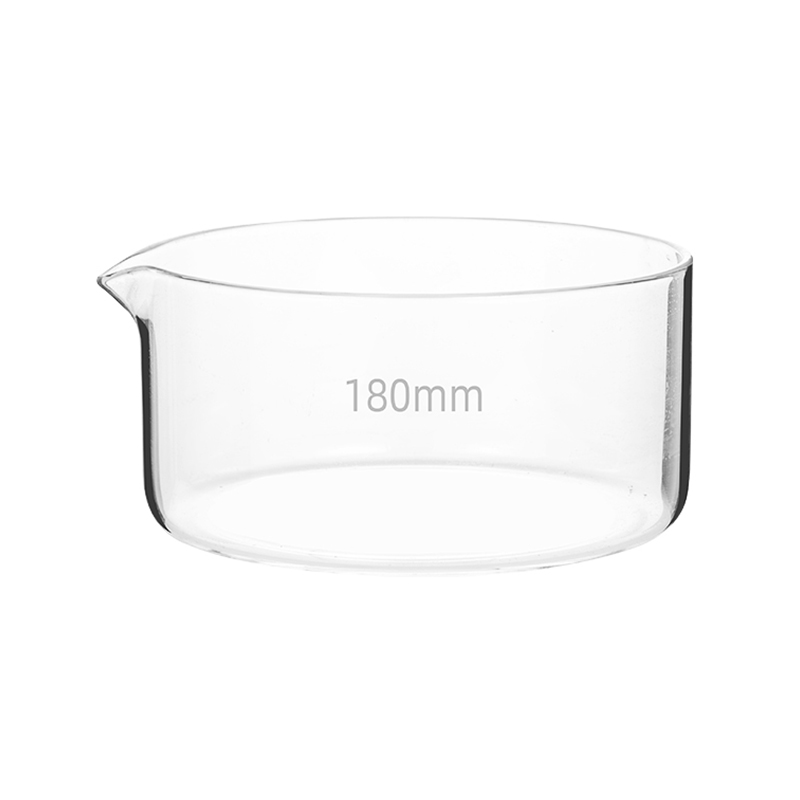
High-Purity Lab Crystallizing Dishes: Essential Role in Industrial & Laboratory Processes
In chemical synthesis, active pharmaceutical ingredient (API) manufacturing, and advanced material research, controlled crystallization represents a fundamental purification and separation unit operation. Lab Crystallizing Dishes are specifically engineered vessels designed to facilitate precise solvent evaporation, controlled thermal dissipation, and homogeneous crystal growth. Unlike general-purpose laboratory containers, a high-purity Lab Crystallizing Dish provides an unyielding, chemically inert substrate that prevents unwanted heterogeneous nucleation caused by surface irregularities or ionic leaching.
The core design principle of Lab Crystallizing Dishes centers on maximizing the liquid-gas interface area relative to total liquid volume while maintaining a uniform shallow depth. This structural geometry offers several key performance advantages:
- Controlled Solvent Evaporation Rates: The wide open top maximizes surface exposure, enabling steady solvent loss without local thermal spiking or boiling turbulence that could disrupt delicate crystal lattices.
- Uniform Thermal Gradients: The flat, polished base ensures direct, even contact with heating mantles, water baths, or hotplates. This minimizes thermal convective currents inside the liquid, preventing premature or irregular seed nucleation.
- High Yield Recovery & Crystal Harvesting: Vertical side walls joined to a smooth, flat base allow scrapers and spatulas to recover harvested crystals cleanly, minimizing product retention on dish surfaces.
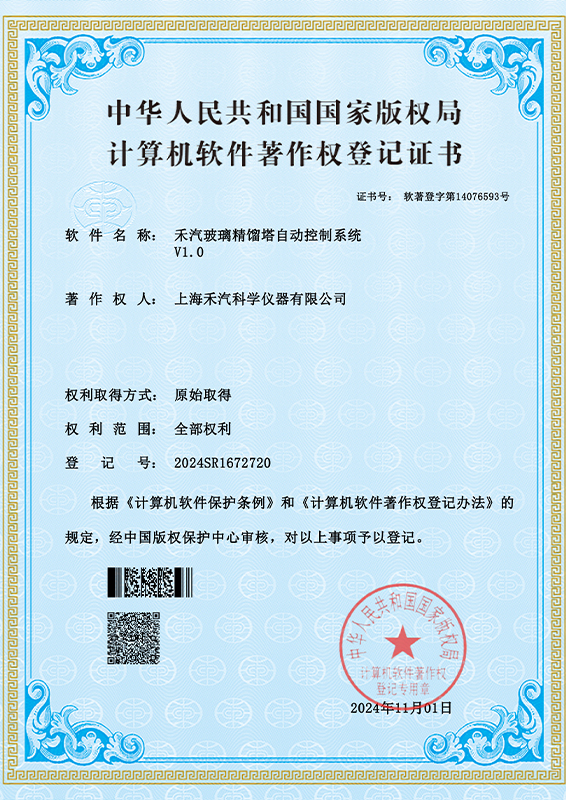
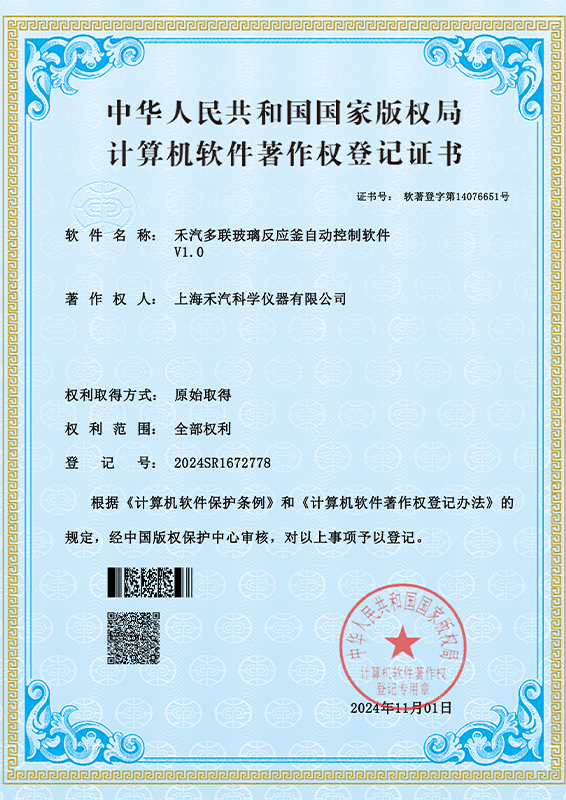
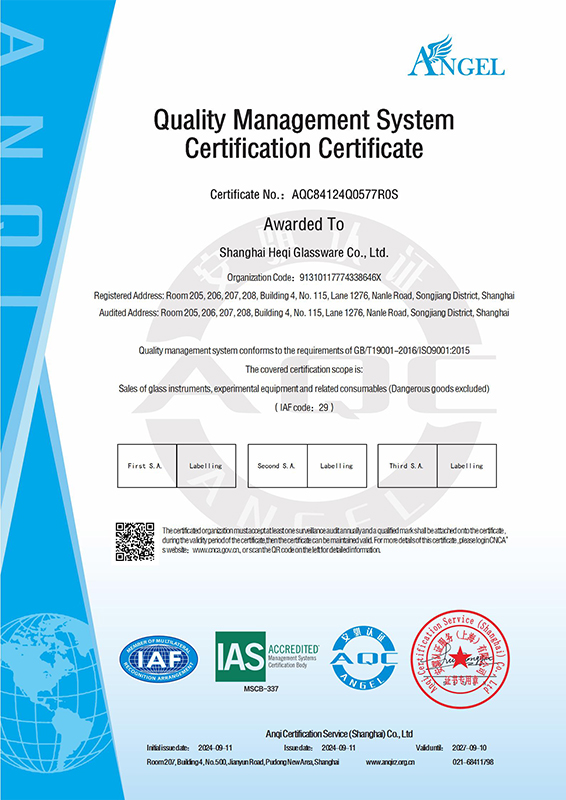
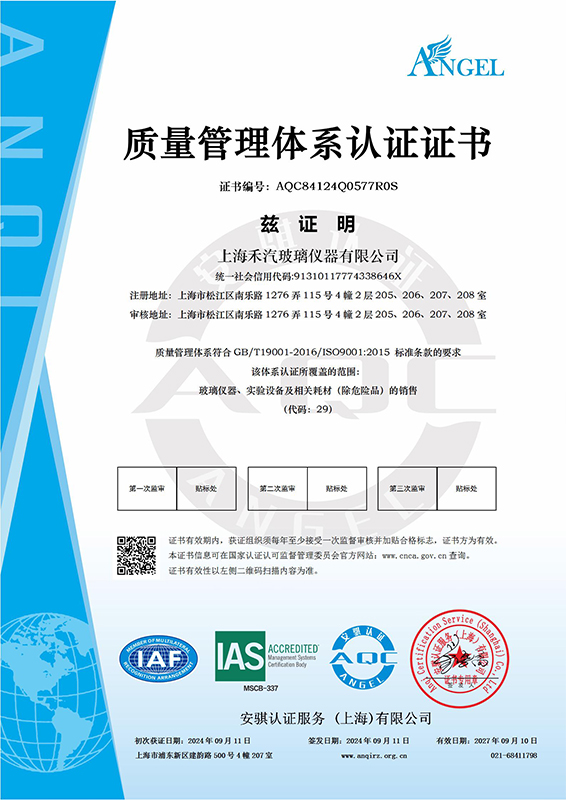
For commercial scale-up processes—from benchtop research to pilot-plant trials—maintaining consistent crystallizing dynamics is vital. Reliable measurements obtained using standardized Lab Crystallizing Dishes directly inform mass transfer models and cooling profiles for large-scale industrial crystallizers. Recognizing this critical role, Shanghai Heqi Glassware Co., Ltd. has dedicated over two decades to refining the manufacturing precision of laboratory glassware. Founded in March 2002, the company specializes in the R&D and production of standard-mouth glass instruments, manufacturing specialized Lab Crystallizing Dishes engineered to satisfy the strict tolerances required by chemical and pharmaceutical laboratories worldwide.
Technical Material Selection & Engineering Standards
Selecting the proper material grade and dimensional profile for Lab Crystallizing Dishes depends heavily on operating temperatures, solvent aggressiveness, and mechanical stress requirements.
High Borosilicate 3.3 Glass vs. Quartz Glass
The overwhelming majority of rigorous laboratory and pilot-plant applications demand either High Borosilicate 3.3 glass or high-purity Fused Quartz. Below is a detailed technical comparison of these two primary materials:
| Technical Property |
High Borosilicate 3.3 Glass |
Fused Quartz Glass |
| Chemical Composition |
SiO2 ≈ 81%, B2O3 ≈ 13%, Na2O/K2O ≈ 4%, Al2O3 ≈ 2% |
SiO2 > 99.99% |
| Coefficient of Thermal Expansion |
α = 3.3 × 10⁻⁶ K-1 |
α = 0.54 × 10⁻⁶ K-1 |
| Thermal Shock Resistance |
Withstands ΔT up to 180°C |
Withstands ΔT up to 1000°C |
| Maximum Continuous Temperature |
500°C (Short-term up to 520°C) |
1100°C (Short-term up to 1300°C) |
| Chemical Resistance (Acid/Alkali) |
Hydrolytic Class 1 / Acid Class 1 / Alkali Class 2 |
Hydrolytic Class 1 / Acid Class 1 / Alkali Class 1 |
| Hydrofluoric Acid (HF) Resistance |
Poor (Attacked by HF and hot H3PO4) |
Poor (Attacked by HF) |
| UV Transmittance Range |
Cutoff below ~310 nm |
High transmission down to 260 nm (deep UV) |
| Primary Industrial Application |
Standard organic synthesis, API crystallization, general lab work |
Ultra-high temperature, semiconductor grade, deep-UV exposure |
Structural Variations & Dimensional Specifications
Lab Crystallizing Dishes are manufactured in two primary structural variants:
- With Spout (Pour-Spout Configuration): Designed with a ground pouring lip integrated into the top rim. This configuration is preferred when decanting mother liquor after crystal precipitation, allowing rapid, drip-free fluid transfer without disturbing settled solids.
- Without Spout (Flat-Rim Configuration): Features a continuous, ground or polished rim. This style is ideal when the dish must be tightly sealed with a watch glass, ground glass plate, or semi-permeable membrane to slow solvent evaporation, encouraging the growth of larger, defect-free single crystals.
To satisfy diverse experimental and pilot scale requirements, standard manufacturing dimensions cover a wide range of operational volumes and diameters:
| Nominal Diameter (mm) |
Height (mm) |
Approx. Volume (mL) |
Standard Wall Thickness (mm) |
Bottom Flatness Tolerance (mm) |
| 60 |
35 |
60 |
1.8 – 2.2 |
≤ 0.15 |
| 90 |
45 |
180 |
2.0 – 2.5 |
≤ 0.18 |
| 120 |
60 |
400 |
2.2 – 2.8 |
≤ 0.20 |
| 150 |
75 |
900 |
2.5 – 3.2 |
≤ 0.22 |
| 180 |
90 |
1600 |
3.0 – 3.8 |
≤ 0.25 |
| 230 |
100 |
3500 |
3.5 – 4.5 |
≤ 0.30 |
| 300 |
120 |
5000 |
4.0 – 5.2 |
≤ 0.35 |
Maintaining these tight dimensional tolerances across large-volume production cycles requires advanced industrial infrastructure. Over the years, Shanghai Heqi Glassware Co., Ltd. has established modern production bases in key industrial zones, including Songjiang, Chengdu, Jiaxing, and Yancheng. By integrating technology, craftsmanship, and management expertise, the company has adopted mechanized and semi-mechanized techniques to replace traditional manual methods. It has also introduced assembly-line industrial processes to replace simple workshop-style production, thereby significantly reducing costs while improving overall product consistency for every Lab Crystallizing Dish manufactured.
Lab Crystallizing Dishes vs. Evaporating Dishes: Critical Technical Differences
In industrial procurement, Lab Crystallizing Dishes are occasionally confused with standard evaporating dishes. However, using the wrong vessel can severely impact crystallization kinetics, crystal habits, and yield purity.
The critical engineering distinctions are summarized below:
| Parameter / Feature |
Lab Crystallizing Dishes |
Evaporating Dishes |
| Geometric Profile |
Flat base with 90° vertical side walls |
Shallow, spherical or hemispherical curved bowl |
| Depth Profile |
Uniform fluid depth across the entire base |
Variable depth (deepest at center, paper-thin at edges) |
| Primary Process Objective |
Controlled supersaturation and clean crystal growth |
Rapid solvent removal to complete dryness |
| Thermal Distribution |
Uniform heat transfer; eliminates localized boiling |
High heat flux at thin edges; prone to rim crusting |
| Typical Heating Media |
Controlled water/oil baths, regulated hotplates |
Direct flame, heating mantles, sand baths |
| Solvent Retention |
Designed to retain mother liquor for crystal filtration |
Designed to drive off all volatile liquid |
| Mechanical Harvesting |
Flat floor allows full scraping without gouging |
Curved walls make quantitative crystal collection difficult |
When supersaturation is driven too quickly in a curved evaporating dish, solvent rapidly dries at the shallow edges, forming an amorphous rim crust containing trapped impurities. Conversely, the uniform depth of Lab Crystallizing Dishes ensures that concentration increases evenly throughout the solution. This allows molecules to integrate cleanly into crystal lattices, yielding higher chemical purity and uniform crystal size distribution.
Factory-Direct Procurement & Custom Manufacturing Solutions
Procurement teams managing multi-site laboratories, pilot facilities, or chemical plants require dependable supply chains, strict quality verification, and extensive customization options.
Quality Control & Manufacturing Compliance
High-quality Lab Crystallizing Dishes must endure thermal cycling and chemical exposure without suffering stress fractures or surface degradation. Factory quality control relies on critical verification steps:
- Annealing & Internal Stress Relief: During automated glass molding, residual mechanical stresses form within the glass matrix. Premium manufacturing processes pass every Lab Crystallizing Dish through a continuous temperature-controlled annealing lehr. Using polariscopic strain viewing equipment, technicians verify that optical birefringence falls within permissible limits (optical path difference < 10 nm/cm), eliminating the risk of sudden thermal explosion during heating or cooling cycles.
- Standards Compliance: Raw materials and finished products are regularly audited to comply with international glass vessel standards (such as ISO 4796 and DIN guidelines for laboratory glassware), ensuring precise wall thickness, thermal shock resistance, and chemical durability.
Customization Services (OEM/ODM Capability)
Standard off-the-shelf glassware does not always meet the specialized demands of proprietary research or scaled pilot systems. Industrial buyers frequently require customized dimensions, heavy-wall reinforcements, or custom graduation lines.
To meet these complex requirements, Shanghai Heqi Glassware Co., Ltd. has assembled an expert R&D team uniting specialists in chemical research, mechanical design and processing, and electronic control. Supported by three specialized internal workshops for glass working, metalworking, and equipment assembly, the company manufactures custom glass components alongside complete small- and pilot-scale systems. These include glass reactors, rotary evaporators, distillation units, high- and low-temperature circulation systems, vacuum pumps, stirrers, and UV analyzers. Leveraging these in-house engineering and fabrication capabilities, Shanghai Heqi Glassware Co., Ltd. customizes Lab Crystallizing Dishes—from specific height-to-diameter ratios to chemical-resistant silk-screened graduations—ensuring seamless integration with specialized laboratory equipment and industrial pilot plants.
Export Packaging & Anti-Breakage Logistics
Safe delivery of bulk glass orders across international sea routes requires robust, drop-tested packaging systems designed to prevent damage during transit:
- Primary Packaging: Each Lab Crystallizing Dish is individually wrapped in high-density Expanded Polyethylene (EPE) foam or housed within custom die-cut foam trays to absorb shock.
- Inner Division: Dishes are partitioned inside heavy-duty multi-layer inner boxes using cellular egg-crate dividers, preventing glass-to-glass contact.
- Master Shipping Cartons: Outfitted with 5-layer double-wall corrugated board (200 lbs/in2 bursting strength), banded onto heat-treated wooden or plastic pallets, and shrink-wrapped with waterproof stretch film.
By enforcing these rigorous packing procedures, shipping breakage rates are consistently maintained below 0.5%, guaranteeing that bulk consignments arrive intact and ready for deployment.
Tiered Pricing, Supply Chain Efficiency & Delivery Commitments
Factory-direct manufacturing eliminates intermediary markups, providing scalable commercial benefits for volume buyers:
- Tiered Volume Discounts: Scaled pricing structures offer significant cost reductions as order volumes increase, optimizing expenditure for annual procurement contracts.
- Standardized Stock Inventories: Maintaining extensive inventories of fast-moving standard dimensions minimizes order fulfillment delays.
Guided by the principle, "One point of professionalism, one point of service, one point of companionship—allow me to be your reliable partner on the path forward!", Shanghai Heqi Glassware Co., Ltd. fulfills its service commitment of "you make a call, we handle the rest." Ample inventory, rapid order fulfillment, and dedicated technical support ensure reliable long-term supply partnerships for clients across chemical and pharmaceutical industries.
Safe Operation & Maintenance Best Practices for Lab Crystallizing Dishes
To maximize operating lifespan and preserve structural integrity, laboratory staff should follow standardized protocols when handling high-borosilicate Lab Crystallizing Dishes.
Thermal Shock Prevention
Although High Borosilicate 3.3 glass features a low thermal expansion coefficient, extreme thermal shocks can still induce mechanical fracture.
- Gradual Heating and Cooling: Never transfer a hot Lab Crystallizing Dish (for example, above 100°C) directly onto a cold marble counter or metal bench top. Always use a heat-resistant silicone mat, cork ring, or ceramic-fiber pad.
- Uniform Heat Application: When heating over an open hotplate, ensure the dish base is dry and flat. When using gas burners, always place a ceramic-centered wire gauze between the flame and the dish base to distribute thermal flux evenly.
Decontamination and Sterilization Protocols
- Rinsing & Washing: Clean dishes using neutral detergent and soft sponge brushes. Avoid abrasive scouring powders or metal pads, which create micro-scratches on the interior glass surface. These micro-scratches act as unintended nucleation sites in subsequent crystallization processes, compromising experimental reproducibility.
- Trace Contaminant Removal (Acid Bath): For analytical or pharmaceutical applications requiring complete removal of trace organic or inorganic residues, submerge the dish in a 10% nitric acid (HNO3) or dilute hydrochloric acid (HCl) bath for 2 to 4 hours, followed by a thorough rinse with deionized water (18.2 MΩ·cm).
- Autoclaving & Dry Sterilization: Borosilicate Lab Crystallizing Dishes safely withstand steam autoclaving at 121°C (15 psi) for 30 minutes, as well as dry-heat sterilization in hot-air ovens at up to 250°C.
Frequently Asked Questions (FAQ)
Why should pharmaceutical labs select High Borosilicate 3.3 Lab Crystallizing Dishes over standard soda-lime glass dishes?
Soda-lime glass has a higher coefficient of thermal expansion (α ≈ 9 × 10⁻⁶ K-1), making it vulnerable to thermal shock during heating or rapid cooling. Furthermore, soda-lime glass can leach alkali sodium ions (Na+) into solution during prolonged exposure to aqueous media, altering pH levels and introducing impurities into sensitive crystallization processes. High Borosilicate 3.3 Lab Crystallizing Dishes provide superior thermal shock resistance (withstanding rapid temperature changes up to 180°C) and exceptional chemical inertness, ensuring pure crystal growth without ion leaching.
Can your production facilities manufacture custom Lab Crystallizing Dishes based on specialized technical drawings or unique dimensions?
Yes. Supported by specialized workshops for glass processing, metalworking, and equipment assembly, custom dimensions can be manufactured directly from customer CAD drawings or technical blueprints. Whether your facility requires custom height-to-diameter ratios, extra-thick walls for enhanced durability, or specialized pouring spouts, technical specifications can be reviewed to produce prototypes and bulk shipments tailored to your requirements.
What quality control measures prevent batch-to-batch variations in large volume purchases of Lab Crystallizing Dishes?
Batch consistency is ensured through automated, mechanized production processes that eliminate variations typical of manual glassblowing. Wall thickness, outer diameter, and base flatness are continuously monitored across automated manufacturing lines in our Songjiang, Chengdu, Jiaxing, and Yancheng production bases. Every production lot undergoes polariscopic stress analysis to confirm complete thermal annealing, and shipments are supplied with Certificates of Analysis (CoA) verifying dimensional and material compliance.
What are the standard lead times, production capacities, and Minimum Order Quantities (MOQs)?
For standard stocked sizes (60 mm through 180 mm diameters), minimum order quantities typically start at 500 units, with dispatch available within 3 to 7 business days. For custom OEM sizes or large-volume container shipments, MOQs range from 1,000 to 3,000 units depending on raw tubing requirements. Standard production lead times for container-level bulk orders are generally 15 to 25 working days.
How are shipping damage and breakage claims handled for overseas deliveries?
All export shipments utilize protective packaging systems featuring individual EPE foam wraps, cellular inner partitions, and heavy-duty 5-layer corrugated outer shipping cartons wrapped on reinforced pallets. This keeps transport breakage rates below 0.5%. Should any transit damage occur beyond this threshold, customers can submit photographic or video verification upon arrival. Replacement units will be promptly dispatched in the subsequent shipment or issued as a direct credit according to contract terms.
Scale-Up Thermodynamics: Bridging Lab Crystallizing Dishes to Pilot-Scale Reactors
In pharmaceutical crystallization and fine chemical purification, initial crystallization kinetics are typically studied at the laboratory benchtop before scaling up to pilot systems. Lab Crystallizing Dishes serve as the primary evaluation vessel for observing crystal morphology, determining metastable zone width, and measuring solvent evaporation kinetics under unagitated or static thermal conditions.
When transitioning from static crystallization in Lab Crystallizing Dishes to agitated pilot-scale glass reactors, engineering teams must map thermal mass transfer and supersaturation behavior across different equipment configurations.
The table below outlines key operational parameter differences across crystallization platforms:
| Operational Parameter |
Benchtop Lab Crystallizing Dishes |
Pilot-Scale Glass Reactors |
Industrial Continuous Crystallizers |
| Primary Mass Transfer Mechanism |
Natural convection and free surface evaporation |
Forced fluid circulation via impellers |
Controlled fluidization / draft-tube circulation |
| Evaporation Area per Unit Volume (A/V) |
High (0.05 to 0.20 cm-1) |
Low (0.005 to 0.02 cm-1) |
Process-controlled via vapor recovery |
| Cooling Rate Control Precision |
±0.5°C (via water/oil bath) |
±0.1°C (via circulating jacket) |
±0.05°C (automated PID control) |
| Fluid Shear Force Level |
Extremely Low (Static / Natural Convection) |
Variable (Adjustable RPM shear) |
High shear at impeller zone |
| Primary Process Objective |
Polymorph identification and purity analysis |
Yield optimization and particle size distribution |
Continuous high-throughput tonnage output |
To support clients transitioning from lab research to larger scale-up phases, Shanghai Heqi Glassware Co., Ltd. brings together an integrated R&D team uniting experts in chemical research, mechanical design and processing, and electronic control. Operating three specialized internal workshops for glass working, metalworking, and equipment assembly, the company produces a comprehensive range of small and pilot-scale systems—including double-walled glass reactors, rotary evaporators, distillation units, high- and low-temperature circulation systems, vacuum pumps, stirrers, and UV analyzers. By leveraging in-house design and custom fabrication of glass components, Shanghai Heqi Glassware Co., Ltd. ensures that experimental data collected from individual Lab Crystallizing Dishes aligns seamlessly with pilot-scale reactor configurations.
Multi-Material Compatibility & Environmental Performance Benchmarks
While High Borosilicate 3.3 glass remains the industry standard for Lab Crystallizing Dishes, specific applications involving aggressive fluorinated acids or ultra-high thermal processing require alternative material considerations. Selecting the appropriate vessel material impacts process economics, purity, and operational safety.
The following performance matrix contrasts key material grades utilized in crystallizing dish manufacturing:
| Performance Benchmark |
High Borosilicate 3.3 Glass |
Fused Quartz Glass |
PTFE / PFA Fluoropolymer |
| Continuous Working Temperature |
Up to 500°C |
Up to 1100°C |
Up to 260°C |
| Thermal Shock Resistance (ΔT) |
180°C |
1000°C |
Flexible (No brittle shock) |
| Thermal Conductivity |
1.2 W/(m·K) |
1.4 W/(m·K) |
0.25 W/(m·K) |
| Optical Transparency |
High (> 90% visible spectrum) |
Superior (> 92% UV-Vis) |
Opaque to Semi-Translucent |
| Resistance to Hydrofluoric Acid (HF) |
Poor (Chemical etch) |
Poor (Chemical etch) |
Excellent (Fully inert) |
| Resistance to Organic Solvents |
Outstanding (Zero swelling) |
Outstanding (Zero swelling) |
Excellent (Slight swelling at elevated T) |
| Surface Flatness (Ra) |
< 0.05 μm (Polished) |
< 0.02 μm (Fire-polished) |
0.2 to 0.5 μm (Machined) |
| Relative Cost Factor |
Baseline (1×) |
High (5× to 8×) |
Moderate-High (3× to 4×) |
For 95% of synthetic organic chemistry and API crystallization routines, High Borosilicate 3.3 Lab Crystallizing Dishes deliver the optimal balance of optical clarity, thermal endurance, surface smoothness, and cost efficiency.
Quality Assurance & Factory-Level Acceptance Criteria
Procurement officers managing high-volume supply contracts must verify that incoming shipments of Lab Crystallizing Dishes conform strictly to structural and dimensional tolerances. Below are the key inspection benchmarks applied during factory quality assurance:
- Optical Strain Birefringence: Utilizing dual-polarizer strain viewers, every batch of Lab Crystallizing Dishes is inspected for thermal stress concentrations. Annealed glass must exhibit uniform optical extinction patterns, guaranteeing that internal stress remains below 10 nm/cm to prevent catastrophic spontaneous breaking under thermal load.
- Base Flatness & Wall Uniformity: The base of a Lab Crystallizing Dish must maintain dimensional flatness within tight tolerances (for example, ≤ 0.20 mm for 120 mm diameter dishes) to guarantee complete surface contact with hotplates and avoid localized hot spots. Wall thickness variation across the vessel wall must not exceed 15%.
- Hydrolytic Chemical Inertness: Samples undergo boiling water exposure according to ISO 719 standards to measure alkali extraction. High-grade borosilicate dishes yield less than 31 μg Na2O per gram of glass, achieving Class HGB1 hydrolytic rating.
Maintaining these rigorous physical standards across large shipment volumes requires advanced industrial manufacturing infrastructure. Founded in March 2002, Shanghai Heqi Glassware Co., Ltd. originally specialized in the R&D and production of standard-mouth glass instruments. Over the years, the company established modern production bases in Songjiang, Chengdu, Jiaxing, and Yancheng. By integrating technology, craftsmanship, and management expertise, the organization replaced traditional manual methods with mechanized and semi-mechanized techniques, transitioning to assembly-line industrial production. This industrial upgrade significantly reduced production costs while elevating product consistency across every batch of Lab Crystallizing Dishes.
Industrial Handling Protocols & Logistics Continuity
To prolong operational lifespan and prevent unnecessary replacement costs, technical personnel should follow standardized care procedures for Lab Crystallizing Dishes:
- Avoid Mechanical Scratches: Scrapes caused by metal spatulas or wire cleaning brushes create focal points for mechanical stress. Use Teflon-coated or wooden spatulas when harvesting crystals from Lab Crystallizing Dishes.
- Controlled Acid Washing: To clean persistent inorganic crusts or metallic precipitates, submerge dishes in a 10% nitric acid solution within an ultrasonic cleaning bath for 15 minutes. Rinse thoroughly with ultra-pure water before drying.
- Thermal Ramp Limits: When utilizing heating mantles or oil baths, maintain heating and cooling rates below 5°C/min for critical high-precision applications to preserve long-term dimensional stability.
To ensure uninterrupted facility operations, supply chain reliability is just as vital as product engineering. Fulfilling its core service commitment of "you make a call, we handle the rest," Shanghai Heqi Glassware Co., Ltd. supplies a broad spectrum of high-quality glass instruments, laboratory consumables, and specialized experimental equipment. Backed by ample warehouse inventory, rapid order fulfillment, and dedicated customer support, the company provides dependable supply chain continuity for research institutes, testing laboratories, and industrial chemical manufacturers worldwide.


 English
 Français
 Español