Navigating Laboratory Flasks: The Ultimate Procurement Selection Framework
Laboratory Flasks form the foundational bedrock of chemical synthesis, pharmaceutical compounding, and analytical testing across global research institutes and industrial processing plants. When procuring equipment at an enterprise scale, sourcing these vessels transcends simple purchasing; it becomes a critical exercise in supply chain risk management, quality assurance, and long-term operational efficiency. Large-scale procurement demands a rigorous focus on thermal durability, volumetric tolerance, dimensional consistency, and mechanical stability.
For high-volume distributors and industrial buyers, minor structural flaws or inconsistent wall thicknesses across a batch of Laboratory Flasks can lead to catastrophic thermal stress failures, process downtime, or batch contamination. Achieving operational safety and cost efficiency requires a clear framework evaluating three core pillars: material standards, manufacturing precision, and supply chain reliability.
Manufacturing Precision and Standardized Quality
To ensure safety and reliability in rigorous processing environments, high-performance Laboratory Flasks must conform to strict manufacturing criteria:
- Thermal Shock Resistance: Capability to withstand sudden temperature differentials ranging from 100°C to over 160°C without structural micro-fractures.
- Hydrolytic Resistance: Compliance with ISO 719 Class HGB1 limits to prevent ion leaching into sensitive pharmaceutical reagents.
- Dimensional Uniformity: Consistent glass distribution throughout the sphere, base, and neck to eliminate localized stress concentration points during heating cycles.
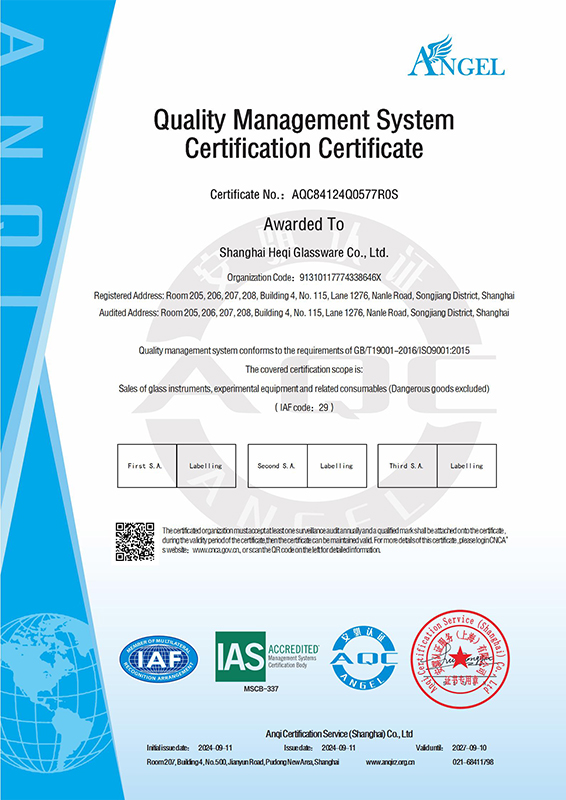
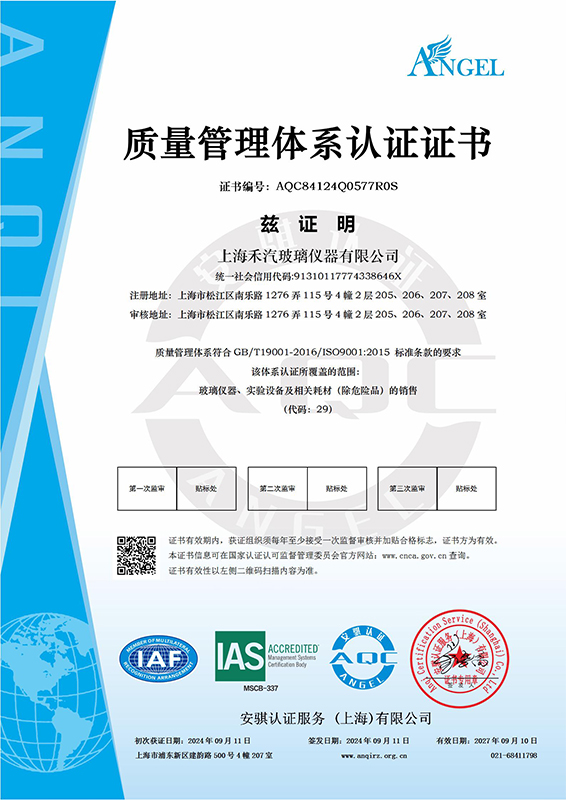
Addressing these manufacturing demands requires a transition away from traditional, variable artisan techniques. Shanghai Heqi Glassware Co., Ltd. has advanced this sector by integrating modern mechanized and semi-mechanized production techniques across specialized facilities in Songjiang, Chengdu, Jiaxing, and Yancheng. Moving from basic workshop fabrication to automated assembly-line operations allows for tight dimensional control, enhanced structural integrity, and lower unit costs on bulk orders of Laboratory Flasks.
Primary Classifications of Laboratory Flasks and Industrial Applications
Selecting the correct structural geometry for Laboratory Flasks directly dictates fluid dynamics, thermal transfer rates, and operational safety during chemical processing.
Erlenmeyer Flasks
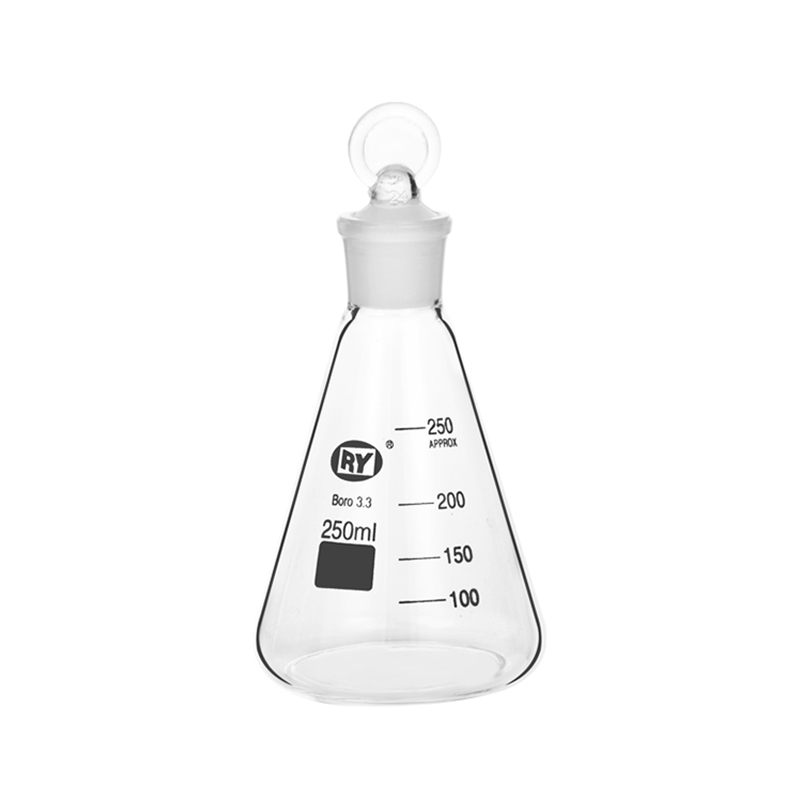
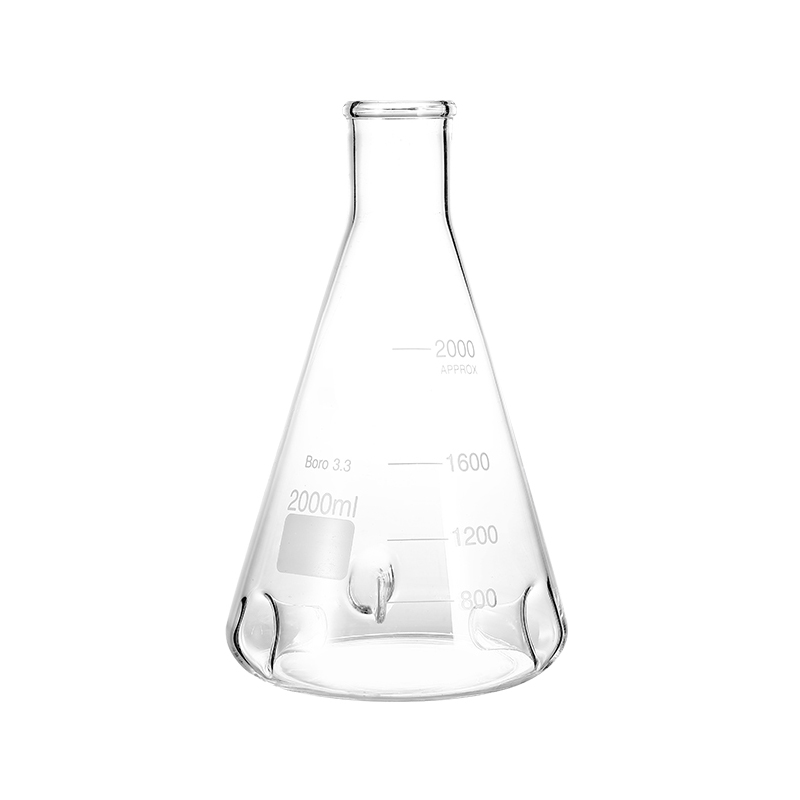
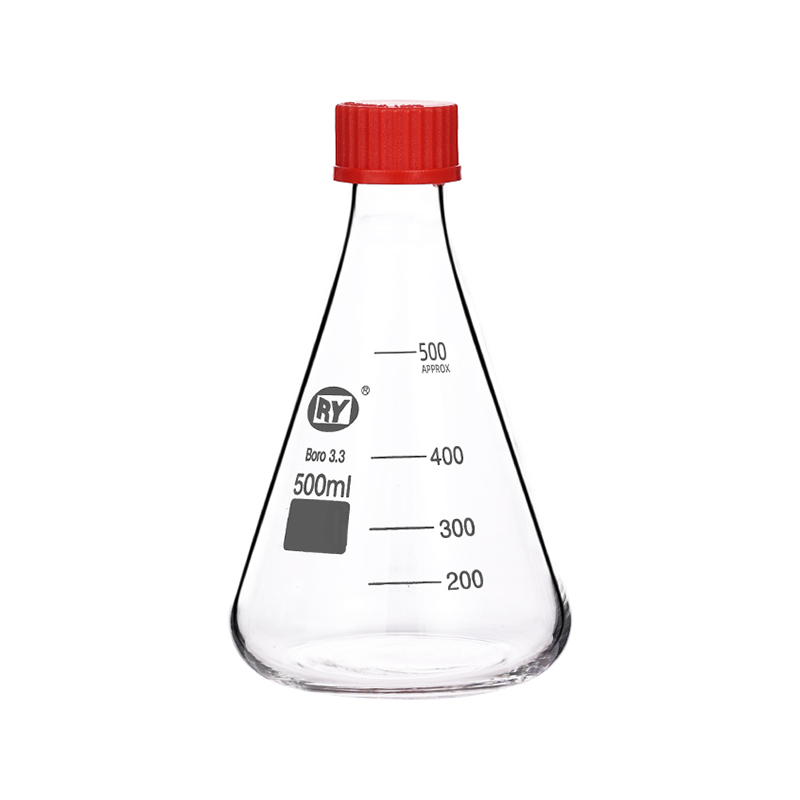
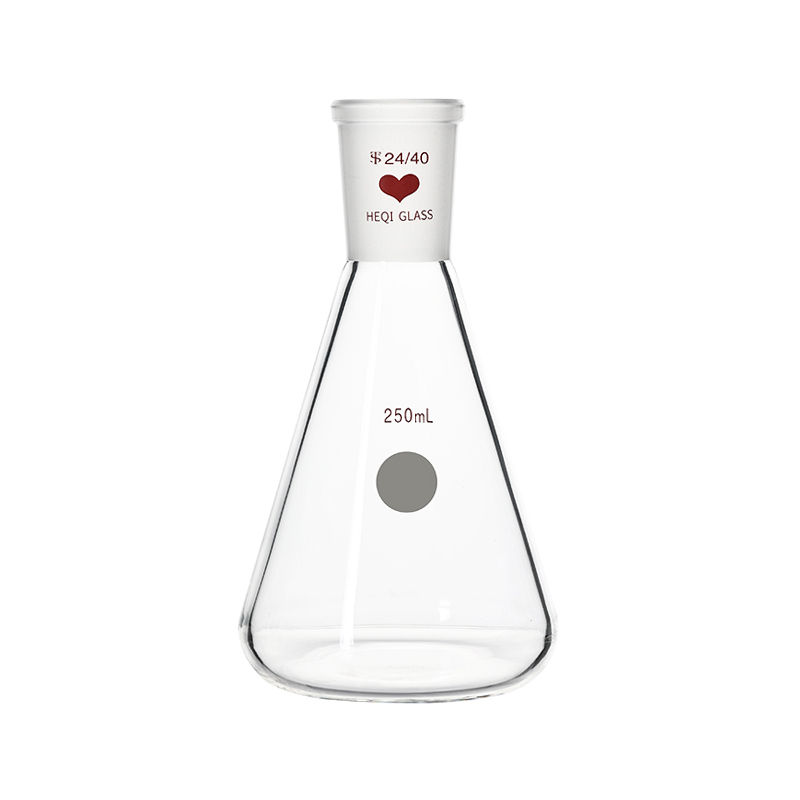
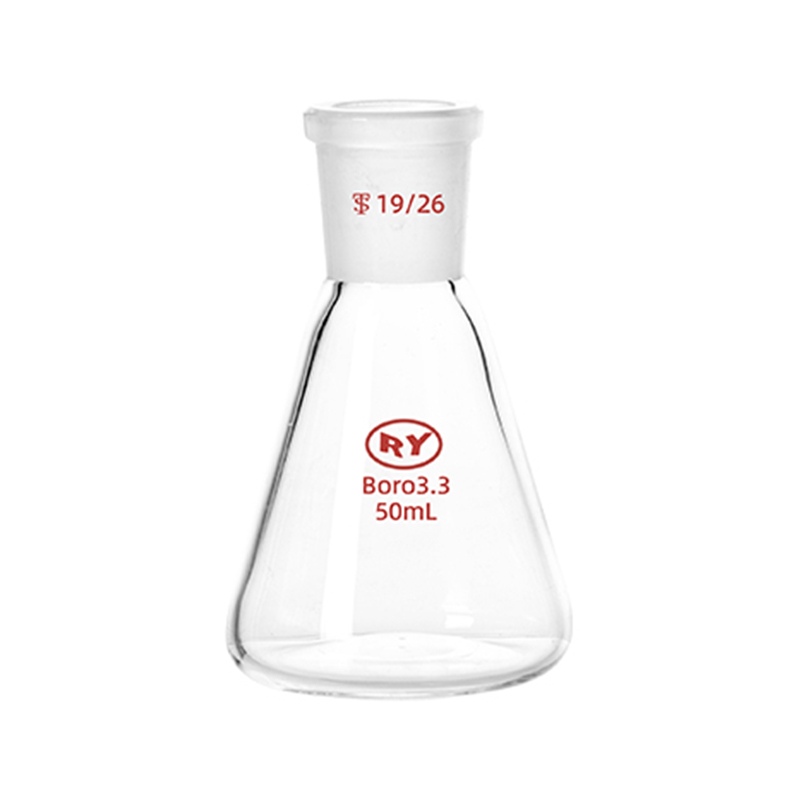
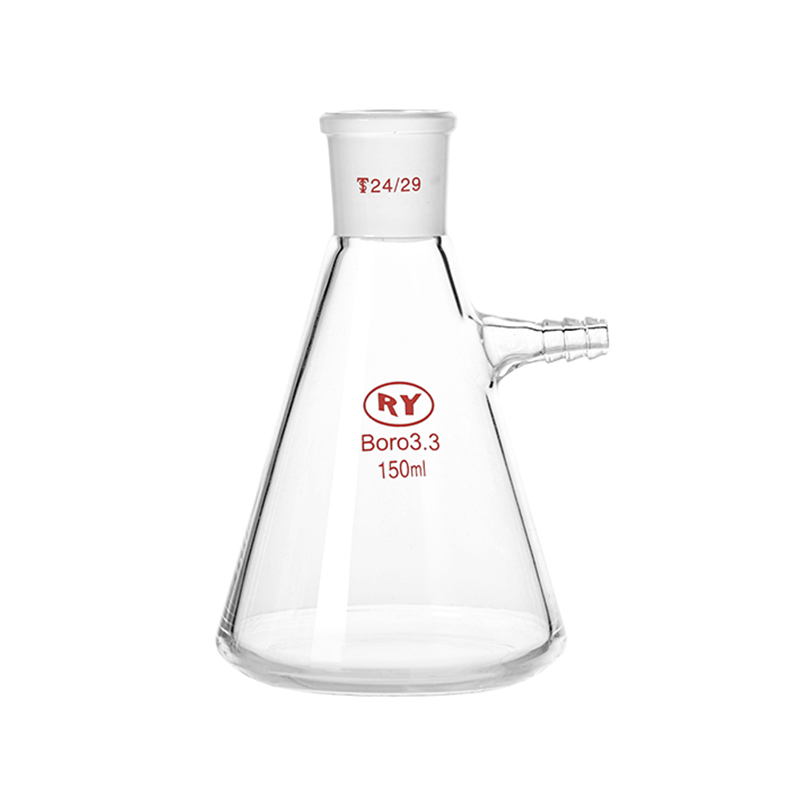
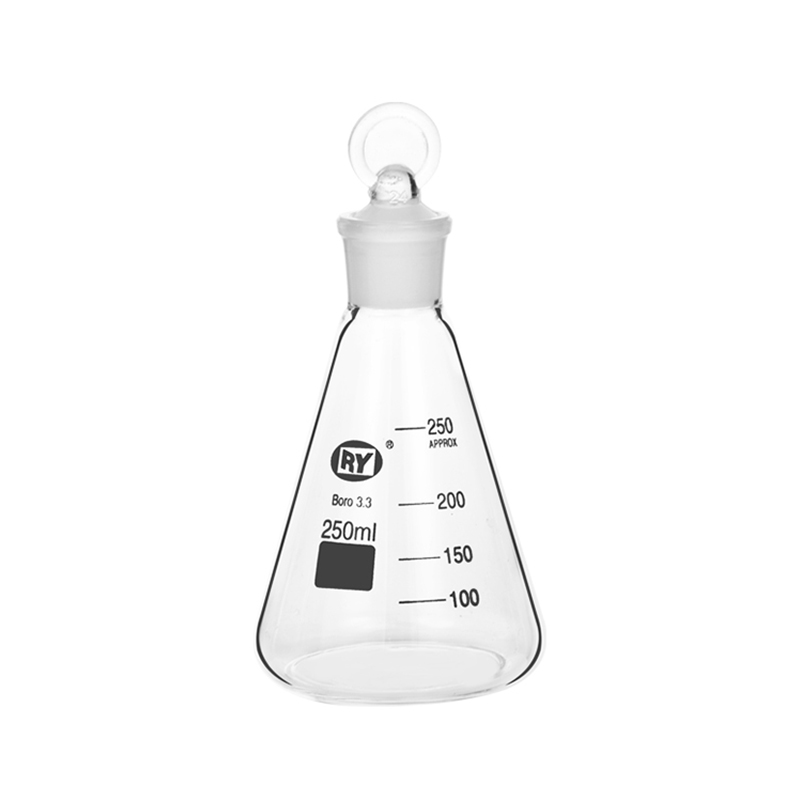
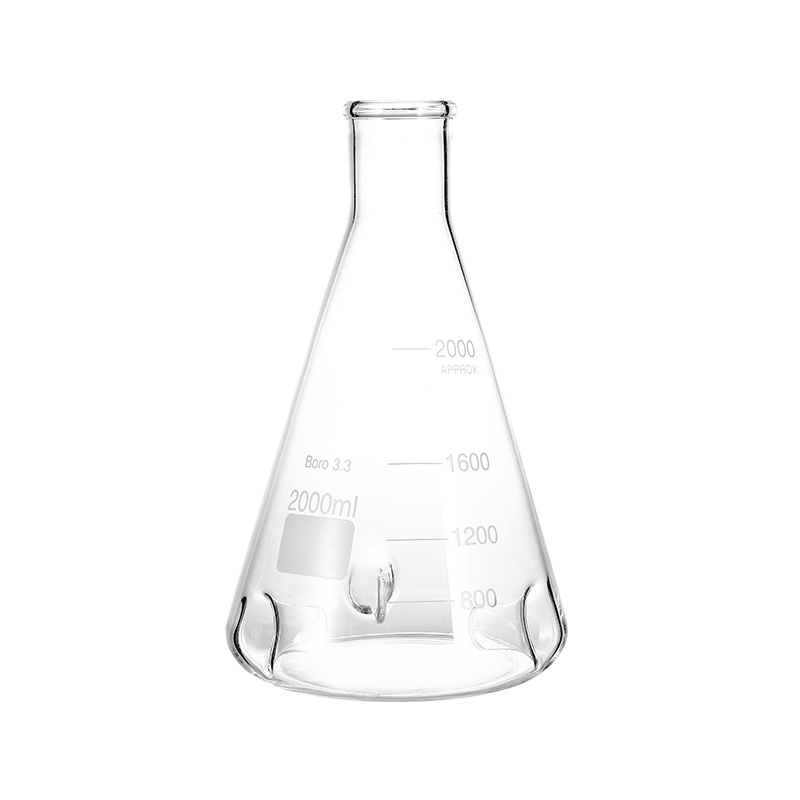
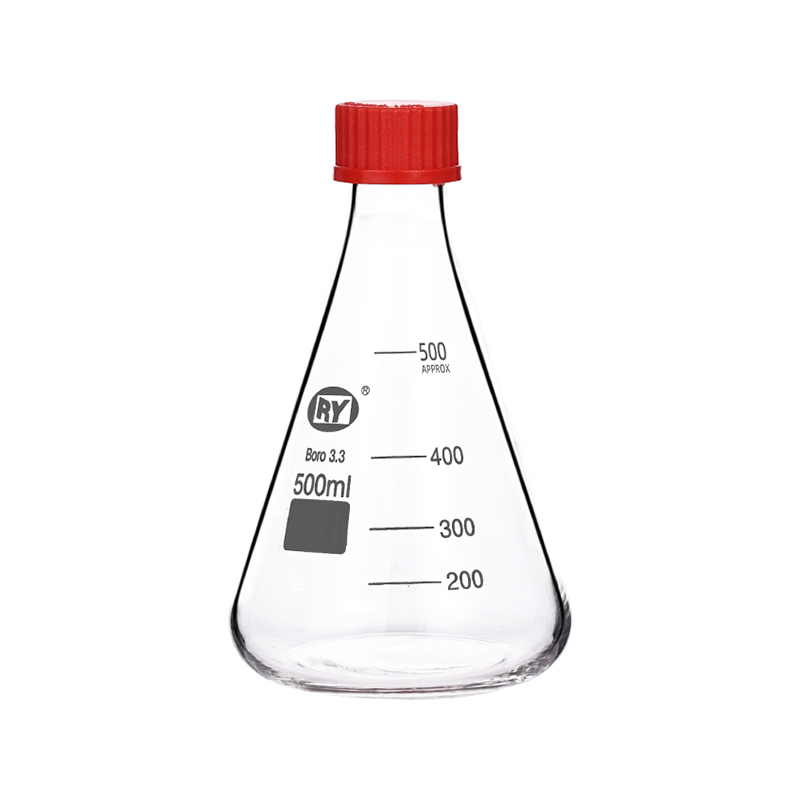
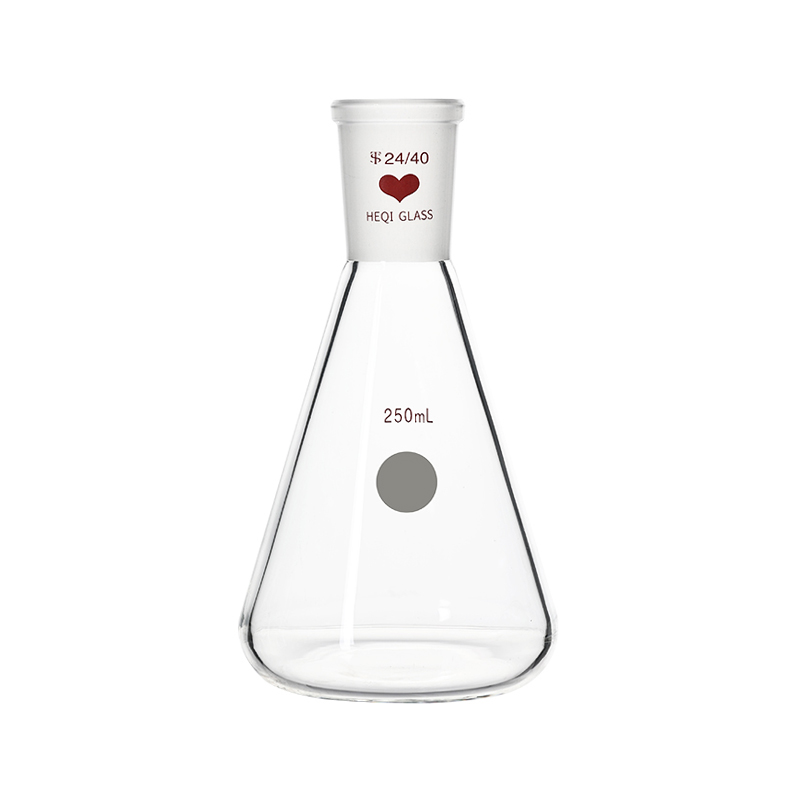
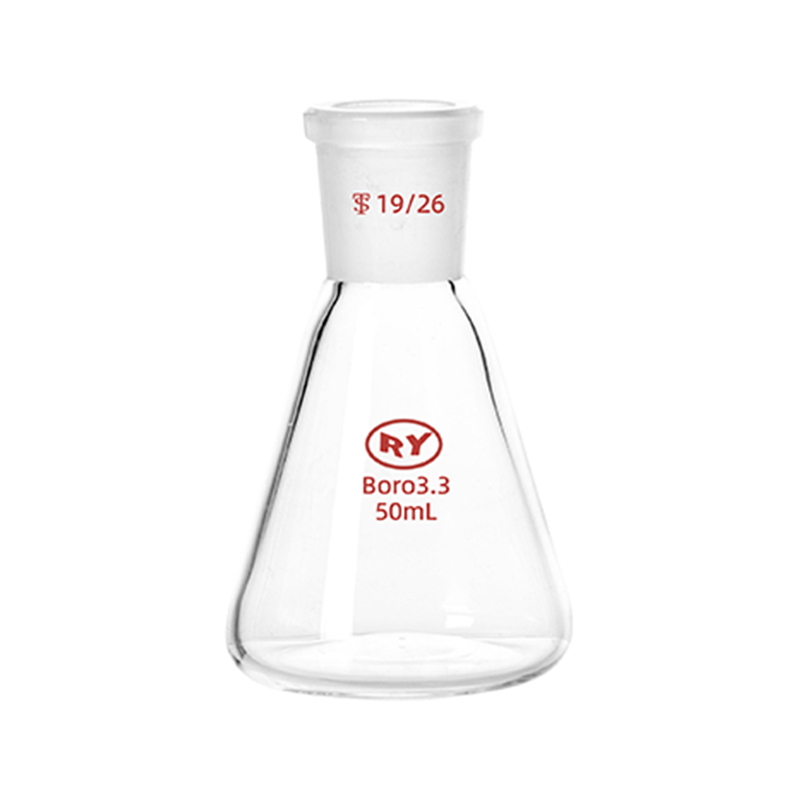
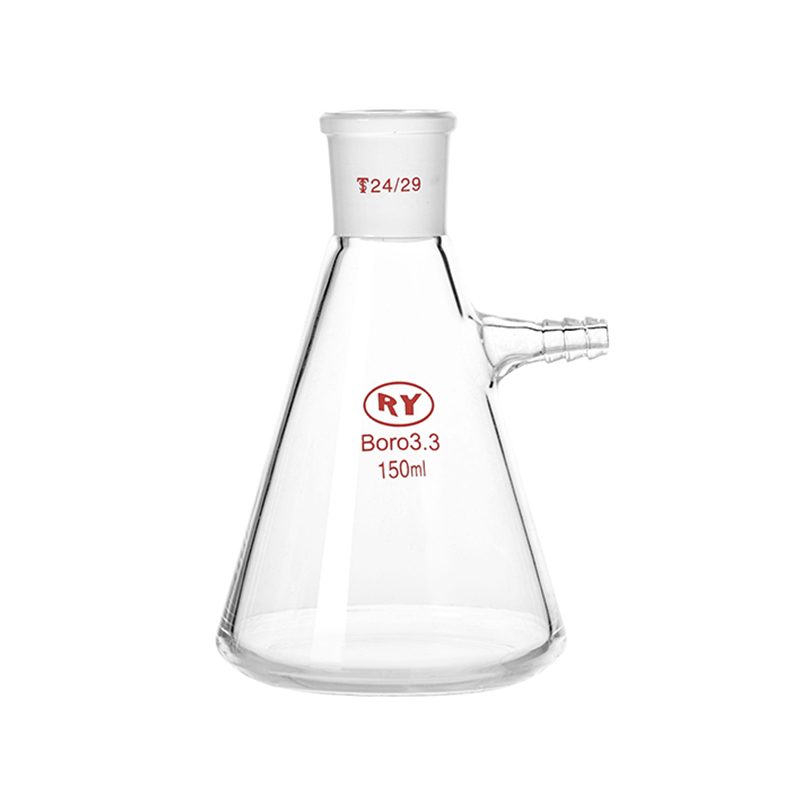
Characterized by a broad, flat base and an inverted conical body, Erlenmeyer Laboratory Flasks are engineered to optimize liquid agitation and reduce splashing during manual or mechanical stirring. The sloped walls guide condensation back into the solution, making them essential for titrations, media preparation, and cell culture operations.
Volumetric Flasks
Volumetric Laboratory Flasks feature a pear-shaped bulb and a narrow neck etched with an accurate graduation line. Designed to measure precise liquid volumes at specific temperatures (typically 20°C), these vessels are vital for preparing standard analytical solutions and quality control samples.
Round-Bottom & Boiling Flasks
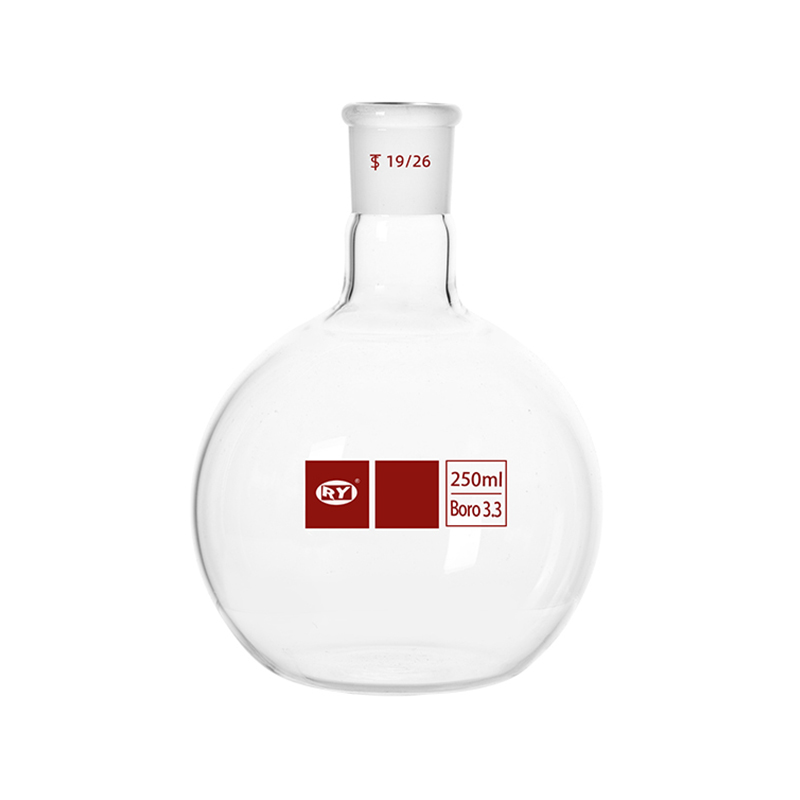
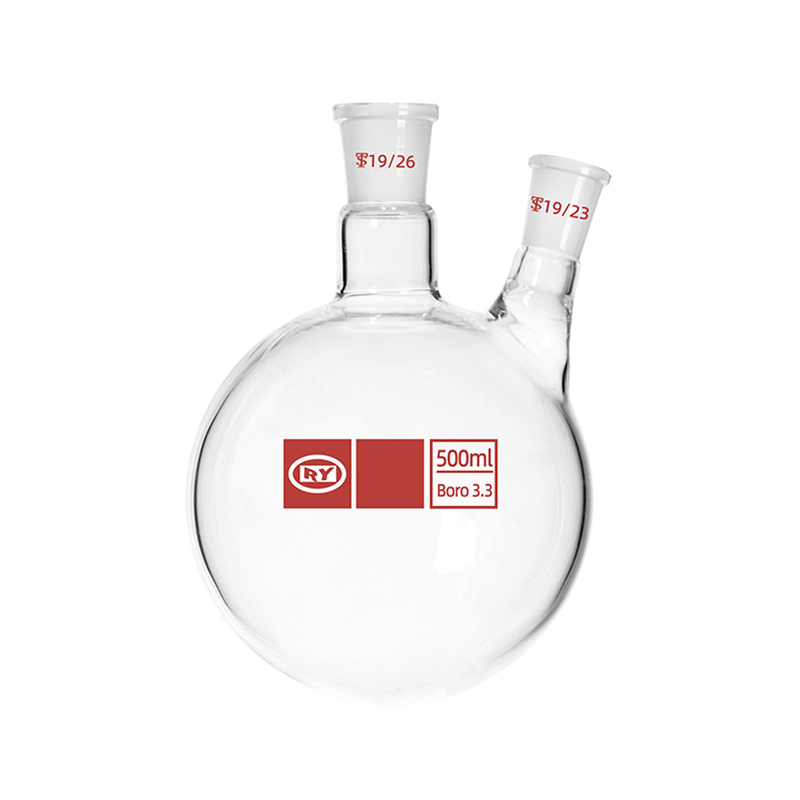
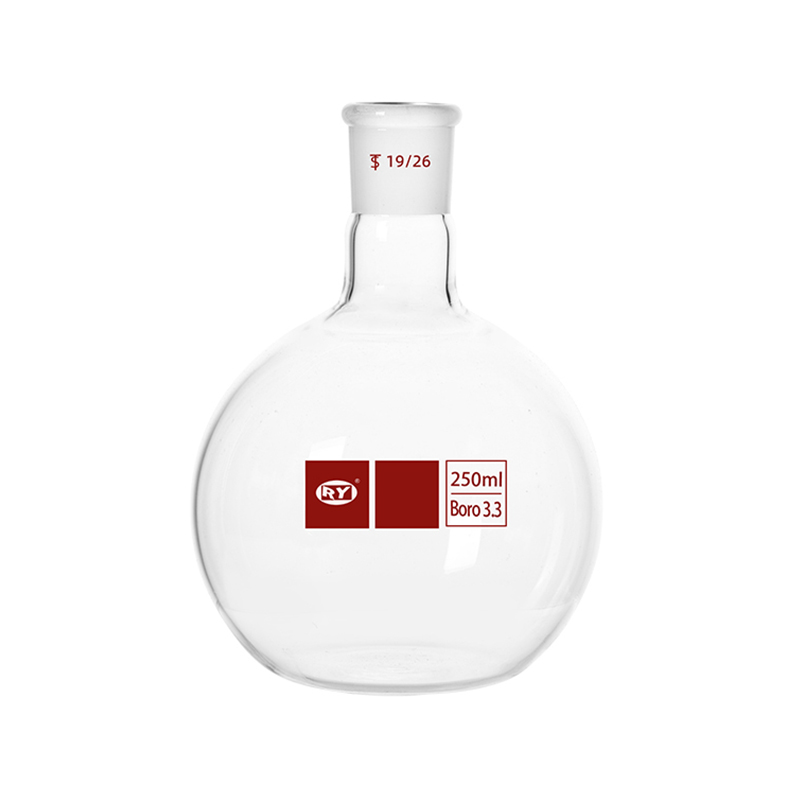
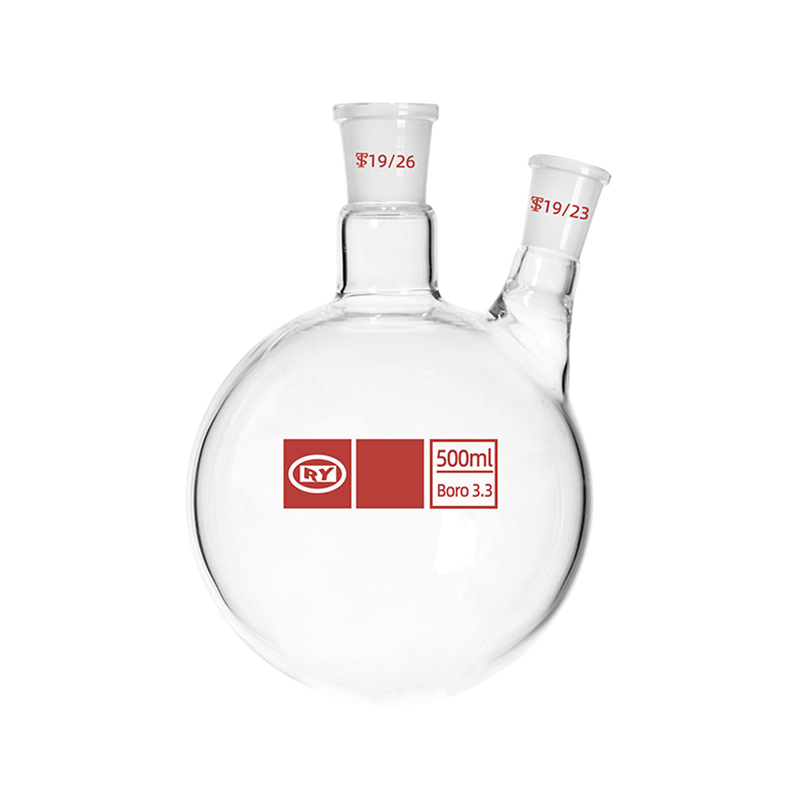
With a spherical base designed to distribute thermal energy uniformly across the surface, round-bottom Laboratory Flasks are built for distillation, refluxing, and vacuum evaporation. Their geometry eliminates internal right-angle stress points, allowing them to withstand extreme thermal loads and high-vacuum conditions.
Specialized Laboratory Flasks
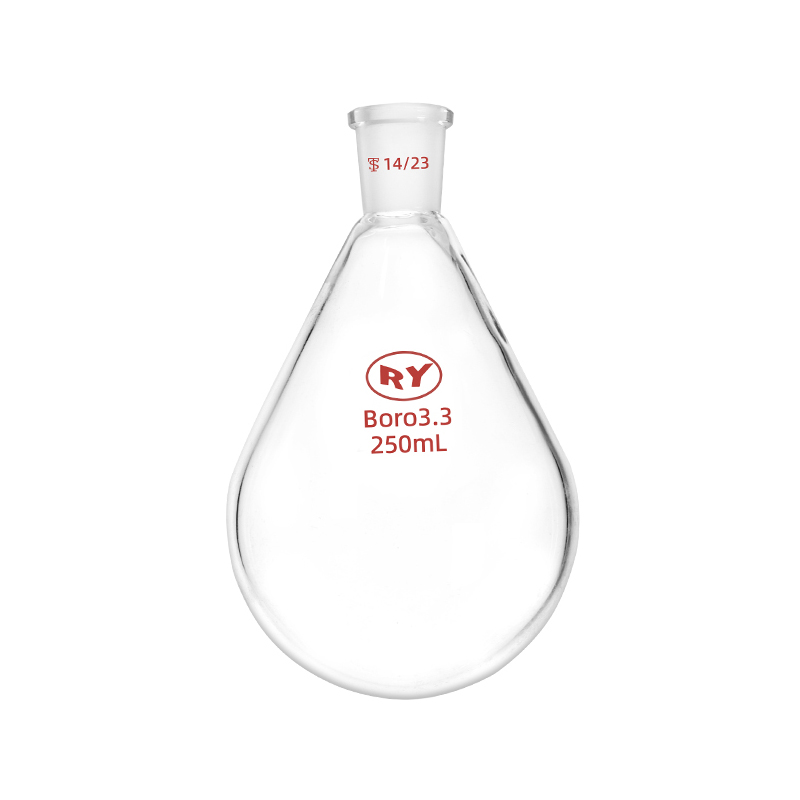
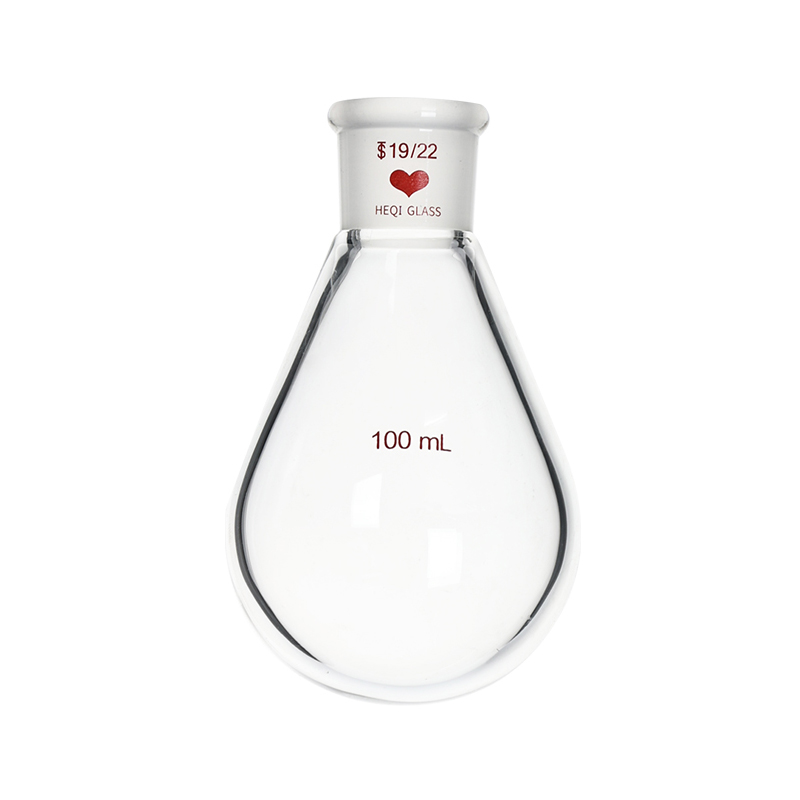
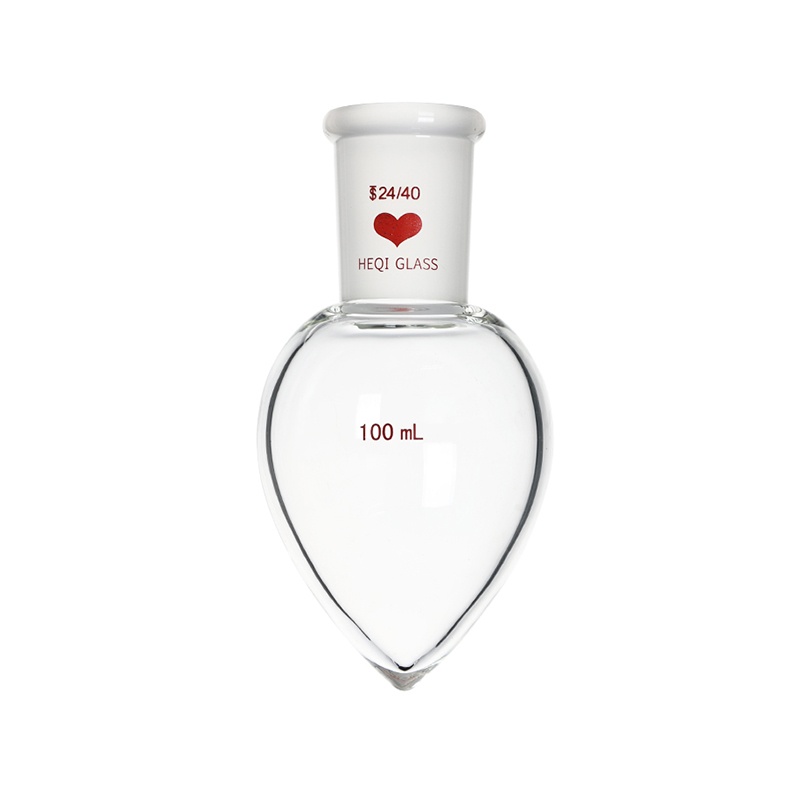
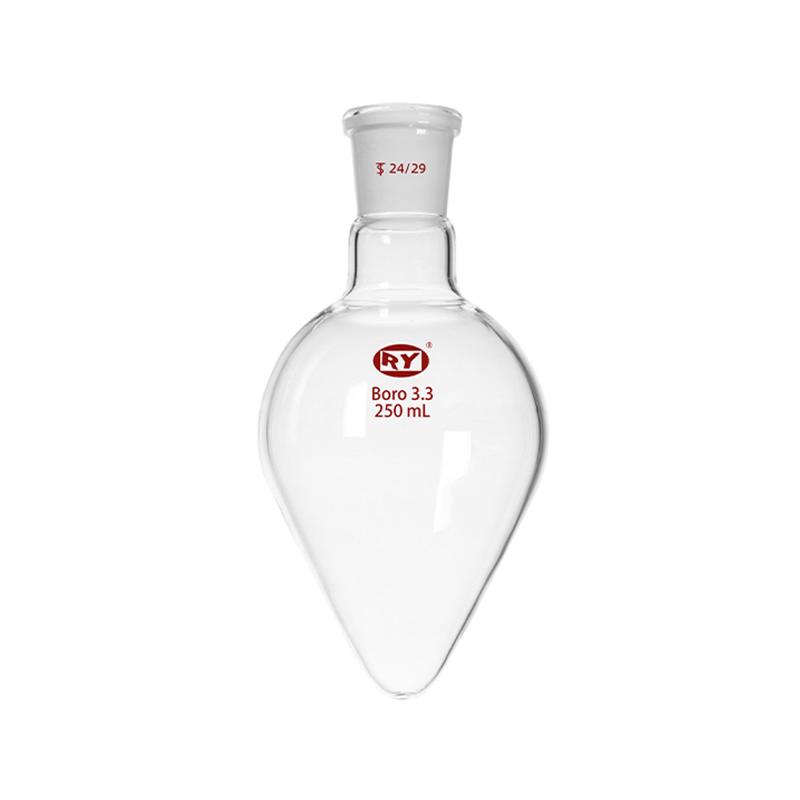
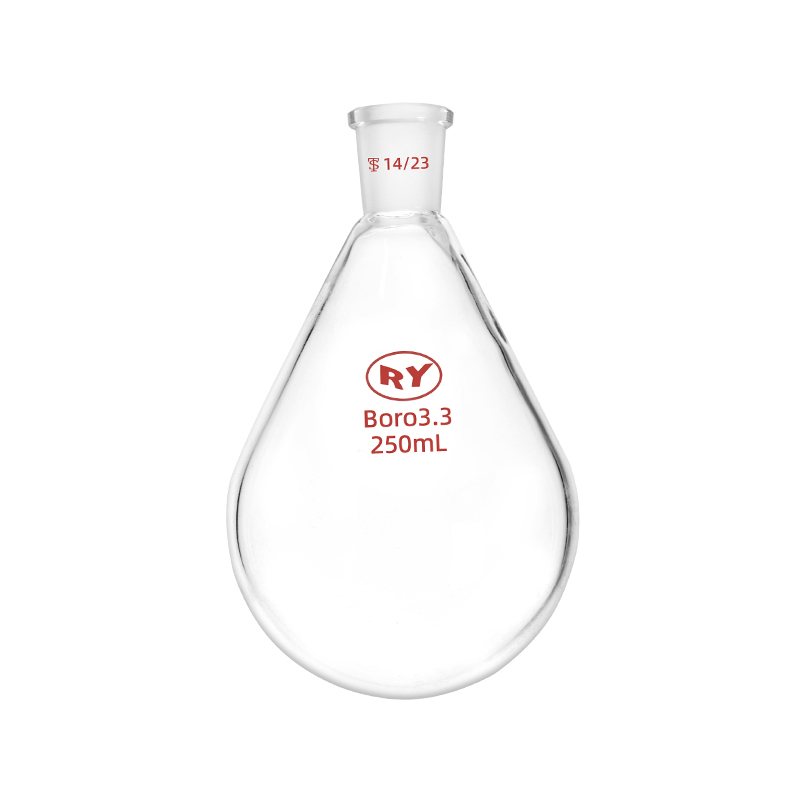
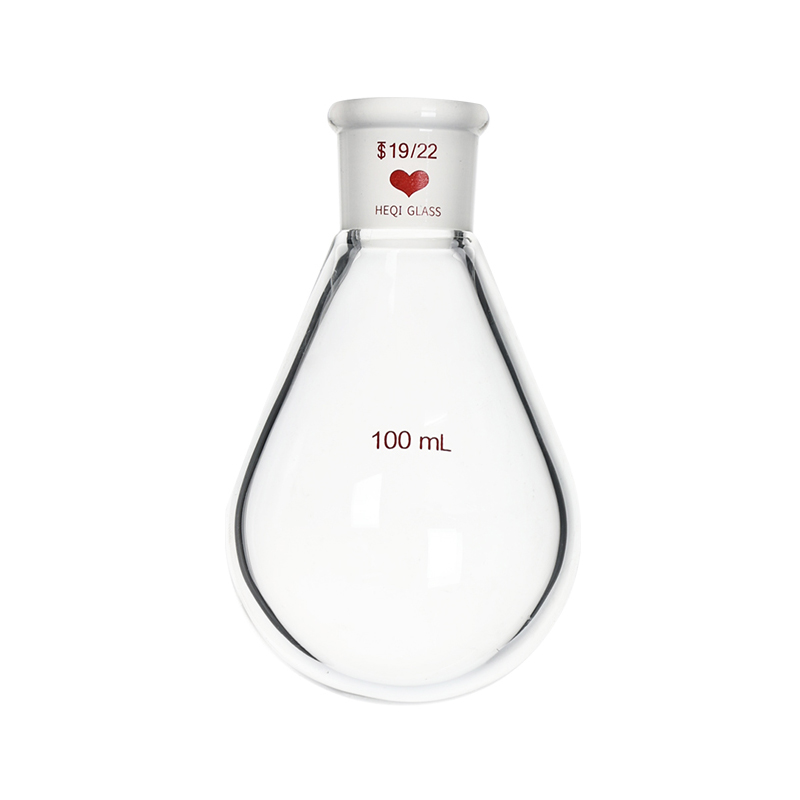
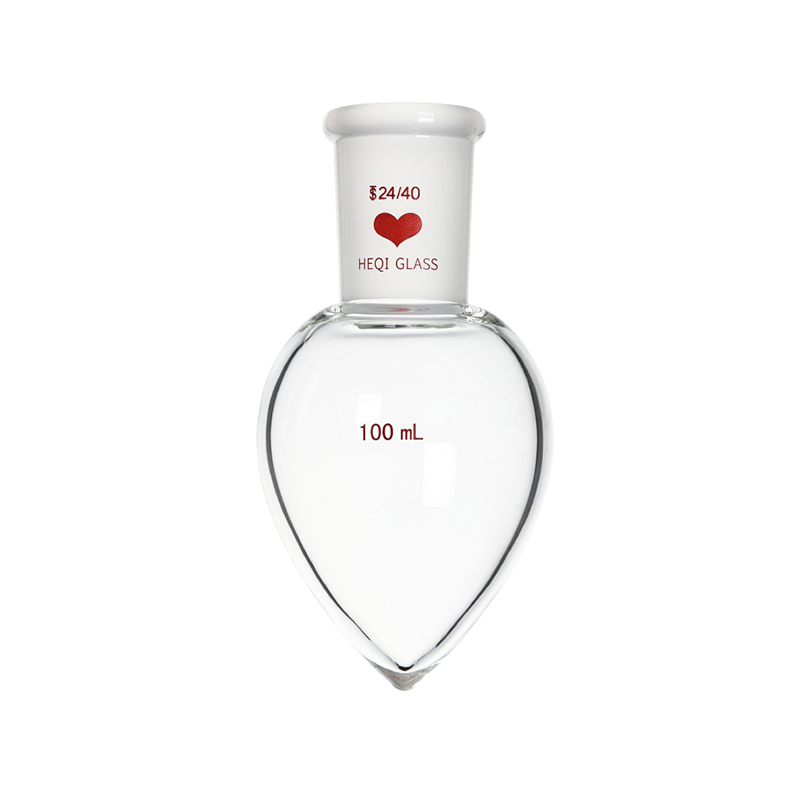
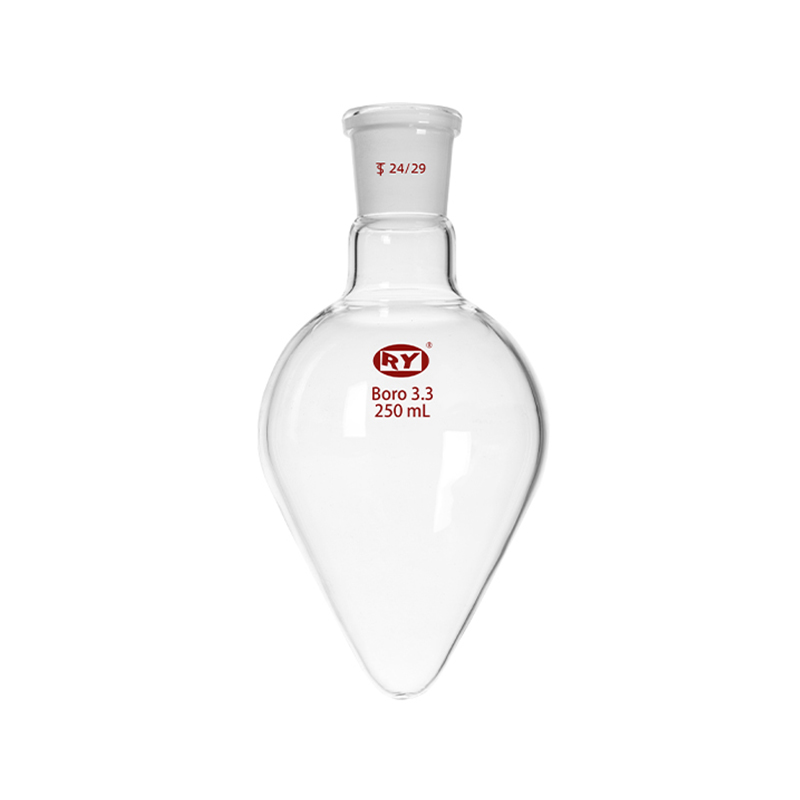
- Pear-Shaped Flasks: Engineered for small-quantity rotary evaporation, allowing maximal sample recovery from small liquid volumes.
- Distilling Flasks: Outfitted with inclined side arms to route vapors directly into condenser units during fractional or simple distillation processes.
- Cell Culture Flasks: Feature specialized surface treatments and vent caps for gas-exchange management in biological manufacturing.
Technical Specification Matrix: Laboratory Flasks Classifications
| Metric / Feature |
Erlenmeyer Flasks |
Volumetric Flasks |
Round-Bottom Flasks |
Pear-Shaped Flasks |
| Primary Function |
Mixing, titrations, culture storage |
Exact solution preparation |
Heating, distillation, vacuum reactions |
Concentrating small volume samples |
| Typical Capacity Range |
25 mL - 5,000 mL |
1 mL - 2,000 mL |
50 mL - 20,000 mL |
10 mL - 500 mL |
| Standard Tolerances |
±5% (Approximate scale) |
Class A: ±0.025 mL to ±0.50 mL |
N/A (Non-volumetric) |
N/A (Non-volumetric) |
| Ground Joint Specifications |
Plain narrow/wide mouth, or 24/40, 29/32 joints |
Standardized glass/PTFE stoppers (e.g., ST 10/19) |
Interchangeable ground joints (e.g., 14/23, 24/40, 45/50) |
Standard ground joints (e.g., 14/20, 24/40) |
| Max Working Vacuum |
Low to moderate (heavy-wall filter versions) |
Non-vacuum application |
High vacuum (less than or equal to 10^-3 mbar) |
High vacuum (less than or equal to 10^-3 mbar) |
| Thermal Shock Resistance |
120°C |
100°C (Avoid sudden direct heat) |
160°C |
140°C |
Material Science and Manufacturing Integrity of Laboratory Flasks
The choice of raw material determines the chemical compatibility, thermal limits, and mechanical durability of Laboratory Flasks.
3.3 Borosilicate Glass Performance Standards
High-purity 3.3 borosilicate glass is the material of choice for industrial and scientific applications. Its formula—composed primarily of approximately 81% silica (SiO2), approximately 13% boron trioxide (B2O3), along with trace alkalies and alumina—provides structural stability under extreme physical and chemical stress.
- Linear Coefficient of Thermal Expansion: Expressed as 3.3 x 10^-6 /K (between 20°C and 300°C). This ultra-low expansion prevents stress fractures under thermal spikes.
- Chemical Resistance: Highly inert to acidic, neutral, and organic solvents. It resists attack from most substances, excepting hydrofluoric acid, hot concentrated phosphoric acid, and strong alkaline solutions at elevated temperatures.
- Mechanical Annealing: Proper stress relief in computer-controlled annealing lehrs removes residual internal tension, ensuring long-term structural safety under physical impacts.
Technical Comparison: Glass vs. Fluoropolymer Materials
| Material Property |
3.3 Borosilicate Glass |
Polypropylene (PP) |
PFA / PTFE (Fluoropolymers) |
| Max Working Temp |
500°C (Short term), 450°C (Long term) |
120°C - 135°C |
260°C |
| Thermal Expansion Coefficient |
3.3 x 10^-6 /K |
Approximately 150 x 10^-6 /K |
Approximately 100 x 10^-6 /K |
| Transparency |
High Optical Clarity (>90%) |
Translucent |
Semi-Translucent to Opaque |
| Acid/Base Resistance |
Excellent (Except HF, hot H3PO4) |
Good (Degrades with strong oxidizers) |
Superior (Includes HF and aqua regia) |
| Leachable Profile |
Ultra-low trace ions |
Trace organic extractables |
Ultra-low trace organics/metals |
Precision Joint Grounding and Marking Integrity
Ground glass joints (such as standard 14/23, 19/26, or 24/40 sizes) must adhere to precise 1:10 taper ratios to ensure leak-tight sealing without binding during reactions. Furthermore, the volume markings on Laboratory Flasks must utilize durable enamel fired directly into the glass matrix at temperatures exceeding 500°C to maintain legibility after repeated chemical exposure and cleaning cycles.
Direct-from-Factory Advantage: Customization & OEM/ODM Options
To meet specialized process requirements, industrial users often require customized modification of standard Laboratory Flasks. Direct-from-factory partnerships provide access to specialized glass engineering capabilities without long delays or inconsistent builds.
Factory-direct engineering teams customize Laboratory Flasks to specific technical requirements:
- Custom Neck and Joint Configurations: Adding specialized side arms, ground joints, or multi-neck openings tailored to complex processing setups.
- Reinforced Heavy-Wall Designs: Increasing wall thickness for high-pressure applications or deep-vacuum environments.
- OEM Marking and Firing: Printing custom volume lines, batch numbers, or internal identification marks directly onto the glass body.
Combining advanced glass engineering with mechanical and electronic manufacturing capabilities supports more than just component production. For example, Shanghai Heqi Glassware Co., Ltd. brings together specialists in chemical research, mechanical design, and electronic controls, supported by three dedicated workshops for glass, metalworking, and assembly. This integrated structure allows standard Laboratory Flasks to be customized and incorporated into complete pilot-scale setups, including glass reactors, rotary evaporators, distillation units, and temperature-control systems.
Supply Chain Protection, Packaging, and Quality Assurance for Overseas Buyers
Transporting glass products across international supply chains requires specialized protective packaging and rigorous quality checks to minimize transit damage.
Transit Damage Prevention
Breakage during shipping adds unnecessary costs and causes schedule delays. Multi-layered structural packaging configurations keep transit breakage rates consistently below 0.5%:
- Molded EPE Inner Trays: Custom-molded Expanded Polyethylene (EPE) foam cradles the delicate necks and bases of Laboratory Flasks, insulating them from vibration and drop impacts.
- Multi-Ply Outer Cartons: Heavy-duty corrugated outer boxes resist compression loads during long-distance ocean transit and stacked warehousing.
- Palletization and Shrink-Wrapping: Fumigated wooden or plastic pallets, reinforced with edge corner protectors and stretch wrap, prevent shift and damage during transport.
Logistics Efficiency and Inventory Management
To ensure reliable delivery, enterprise procurement strategies depend on robust inventory management and flexible sourcing options. Supporting a service commitment of "you make a call, we handle the rest," Shanghai Heqi Glassware Co., Ltd. manages a broad inventory of glass instruments, lab consumables, and experimental equipment. Maintaining ample local stock alongside custom manufacturing capabilities allows for fast order fulfillment, reduced lead times, and continuous operational support for large-scale operations.
Frequently Asked Questions (FAQ)
What is the minimum order quantity (MOQ) for custom-branded Laboratory Flasks?
Standard production runs typically require an MOQ ranging from 100 to 500 units depending on the vessel size. Custom OEM modifications—such as non-standard joint sizes, custom graduations, or added side arms—may require specific batch sizes depending on the tooling required. Sample builds for validation can be arranged prior to full-scale production.
How do factories ensure a low breakage rate during international ocean transport?
Breakage prevention relies on specialized engineered packaging, including custom EPE foam inserts, individual box isolation, and multi-ply outer cartons. Cartons are strapped onto pallets and shrink-wrapped to withstand drop impacts and transportation vibration. These protective methods keep transit breakage rates below 0.5%.
Can batch calibration certificates be provided for Class A Volumetric Laboratory Flasks?
Yes. Class A Volumetric Laboratory Flasks can be supplied with individual or batch calibration certificates tracing volumetric accuracy back to international standards. These certificates verify calibrated tolerances and document lot testing results for regulatory compliance.
Why is 3.3 Borosilicate Glass preferred over standard soda-lime glass for Laboratory Flasks?
3.3 Borosilicate Glass features a low linear coefficient of thermal expansion (approximately 3.3 x 10^-6 /K), making it resistant to rapid thermal changes without cracking. In contrast, standard soda-lime glass has a higher expansion rate, making it susceptible to thermal shock under sudden heating or cooling.
What is the difference between Class A and Class B calibration in Volumetric Laboratory Flasks?
Class A Volumetric Laboratory Flasks are manufactured to high precision with tighter error tolerances (e.g., ±0.15 mL for a 250 mL flask) and feature high thermal and chemical durability, making them ideal for analytical work and official compliance testing. Class B flasks have double the allowable error limits of Class A and are generally used for routine educational or preliminary measuring tasks.
How should Borosilicate Laboratory Flasks be sterilized and maintained to maximize service life?
3.3 Borosilicate Laboratory Flasks can be repeatedly autoclaved at 121°C and 15 psi for 20 minutes. To extend service life, avoid abrasive cleaning tools that scratch the interior glass surface. Mechanical scratches create micro-fissures that reduce overall thermal shock resistance and structural integrity under vacuum.


 English
 Français
 Español