Custom Lab Flat Bottom Lab Glassware

Flat Bottom Lab Glassware

-- Steady & Reliable Manufacturer --

What Is Flat Bottom Lab Glassware?

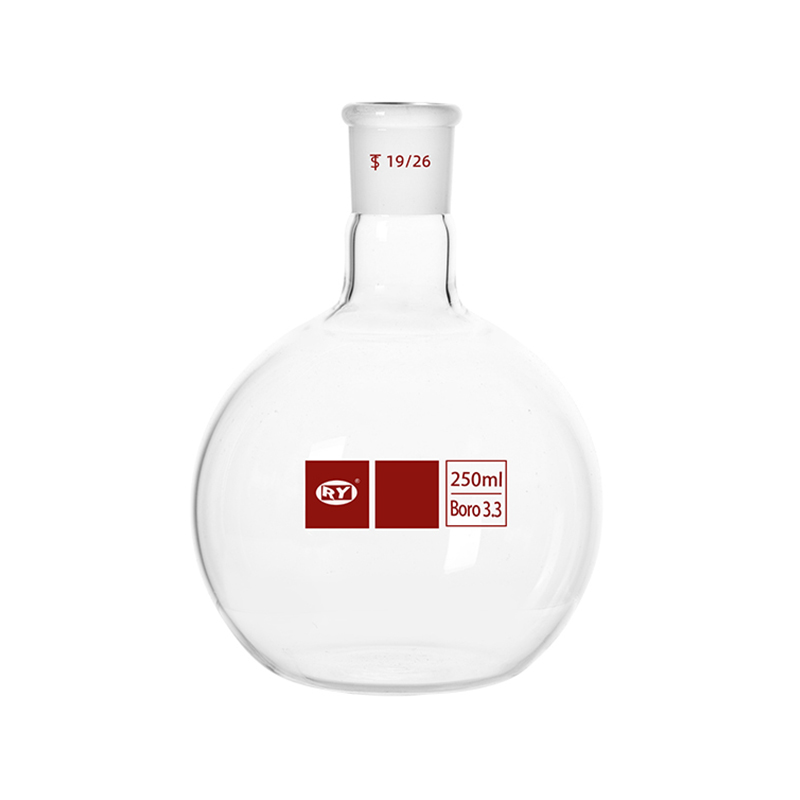
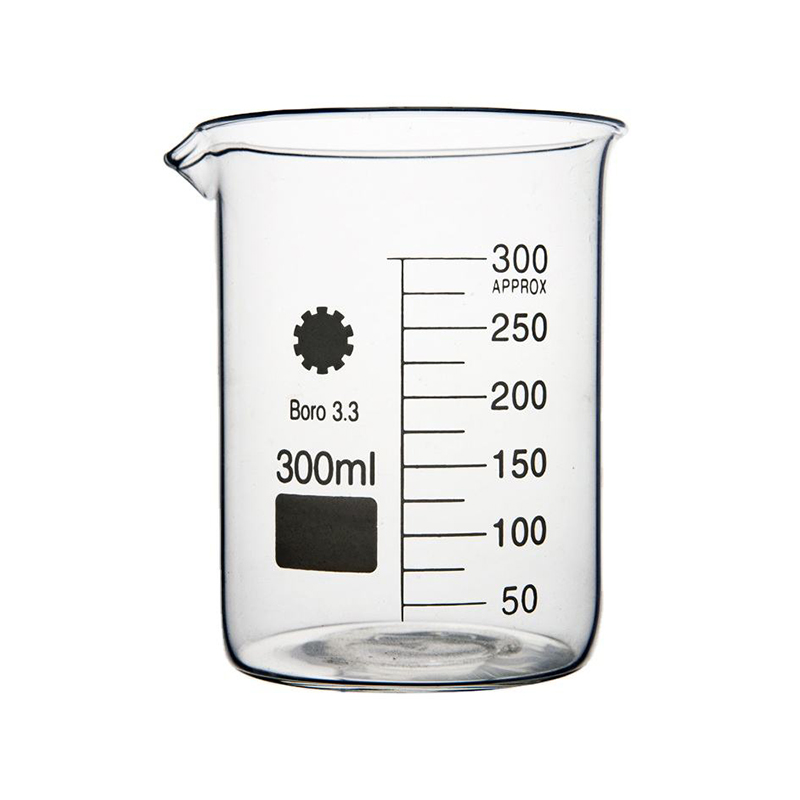
Flat bottom lab glassware covers vessels designed with a stable, level base that allows the container to stand upright on its own without needing a clamp, stand, or heating mantle for support — conical flasks, flat-bottom boiling flasks, filtering flasks, and general storage bottles all fall into this category. This is a meaningful practical distinction from round bottom flasks, which require external support at all times, and it's the reason flat bottom vessels tend to dominate everyday bench work where a flask needs to sit directly on a table, stirrer plate, or hot plate surface between steps in a procedure.

At Shanghai Heqi, our flat bottom product range spans a wide capacity spectrum, from small conical flasks used in routine titration to larger flat-bottom boiling flasks and filtering flasks used in general synthesis and vacuum filtration work, all manufactured from the same borosilicate 3.3 base material as the rest of our catalog. This tag brings together every flat-bottomed vessel across our product line, which is useful for buyers specifically looking for glassware that can stand independently on a bench or stirrer without additional support hardware, as opposed to round bottom vessels that are optimized more for heating mantle compatibility and even thermal distribution during reflux or distillation.

Buyers new to this category often start by matching an existing setup or replacing a single worn component, and our team is glad to help identify the right specification if you're not sure exactly what you need. We keep detailed production records for this product line, which makes it straightforward to source matching replacement parts even years after an original order, without needing to guess at dimensions from memory or re-measure an entire assembly from scratch. This is particularly useful for labs maintaining equipment over many years across multiple purchase cycles.

Key Advantages of Flat Bottom Lab Glassware

The flat base isn't just a minor convenience — it changes how a vessel fits into daily lab workflow in ways that matter for both efficiency and safety, and it's worth being specific about what this shape actually contributes.

  • Stands independently without support hardware — unlike round bottom flasks, flat bottom vessels can sit directly on a bench, stirrer plate, or balance without needing a clamp, stand, or ring support, which speeds up routine bench work considerably.
  • Improved stability and reduced tipping risk — a stable base reduces the chance of accidental spills in busy lab environments, particularly during procedures involving frequent handling or when working alongside other equipment on a crowded bench.
  • Convenient for stirring and mixing on magnetic stirrers — the flat base sits evenly on a stirrer plate, providing consistent contact for reliable magnetic stirring performance throughout a procedure.
  • Practical for direct hot plate heating — flat bottom vessels can be placed directly on a hot plate surface for straightforward heating tasks that don't require the even, all-around heat distribution a heating mantle and round bottom flask combination provides.
  • Well suited to vacuum filtration setups — filtering flasks with a flat, stable base sit securely during vacuum filtration, an application where accidental tipping would be a genuine safety concern given the vacuum line attached.

The trade-off compared to round bottom flasks is generally less even heat distribution during intensive reflux or distillation work, which is why flat bottom vessels are typically the choice for general bench tasks rather than extended heated reactions.

Where Flat Bottom Lab Glassware Is Used

Flat bottom vessels are genuinely everyday lab equipment, showing up in routine bench work across nearly every type of laboratory rather than being limited to a specialized application.

  • Titration and volumetric analysis — conical (Erlenmeyer-style) flasks are the standard choice for titration, where the flask needs to sit stably on a bench while a burette dispenses titrant into it.
  • General mixing and sample preparation — flat bottom flasks and bottles are the practical default for everyday sample prep tasks that don't require extended heating or reflux.
  • Vacuum filtration — filtering flasks with a flat base and side-arm vacuum connection are standard equipment for Buchner funnel filtration setups across chemistry, biology, and materials labs.
  • Media preparation and storage — flat bottom storage bottles are used extensively for holding prepared reagents, culture media, and general lab solutions on the bench or in storage.
  • Magnetic stirring applications — any procedure requiring stable, reliable magnetic stirring on a stir plate generally benefits from a flat bottom vessel's consistent base contact.
  • University and teaching laboratories — introductory chemistry courses rely heavily on flat bottom flasks precisely because their stability reduces the risk of spills and breakage among less experienced students.

If your workflow involves a vessel that needs to sit independently on a bench or stirrer for routine handling rather than being clamped into a heating or reflux setup, flat bottom glassware is generally the more practical shape to specify.

Across all of these settings, the common thread is a need for dependable, repeatable performance rather than a highly specialized one-off solution, which is exactly the kind of use case this product category is built around. If your application doesn't fit neatly into the categories above, it's still worth reaching out, since many processes combine elements of more than one of these use cases and we can usually still recommend a suitable configuration based on your specific workflow.

Flat Bottom Lab Glassware Specifications

The table below summarizes typical capacity ranges, configurations, and dimensional characteristics for flat bottom vessels in our catalog. Base diameter and overall stability scale with capacity, and we're glad to confirm specific dimensions for a particular product if you need to match existing bench or storage space.

ParameterTypical Value
Base MaterialBorosilicate Glass 3.3
Common Product TypesConical (Erlenmeyer) flasks, flat-bottom boiling flasks, filtering flasks, storage bottles
Capacity Range25ml to 20L, depending on product type
Neck ConfigurationSingle-neck standard; multi-neck available on select product types
Standard Joint / Thread Sizes14/23 through 34/35 taper joints; GL18 through GL45 threaded necks
Wall Thickness1.5mm – 3.5mm, depending on capacity
Base DesignWide, stable flat base sized proportionally to vessel capacity
Custom ConfigurationsAvailable for non-standard capacities or specialized base designs on request

For filtering flasks specifically, confirming your vacuum side-arm hose barb size matches your existing tubing is worth checking before ordering, since this detail is sometimes overlooked when replacing an older flask. We're also glad to confirm base diameter dimensions for a specific capacity if you need to check clearance against an existing stirrer plate or storage shelf before placing an order.

We periodically review these specifications against evolving international standards to make sure our production tolerances stay aligned with what buyers expect from a reputable manufacturer, and we're glad to share more detailed dimensional drawings for any specific item in this range on request. If a particular parameter isn't listed here, it's worth asking directly rather than assuming a default value, since some characteristics can vary meaningfully between product variants within the same general category or capacity range.

Frequently Asked Questions

Can flat bottom flasks be used for reflux or extended heating?
They can handle general heating, but round bottom flasks paired with a heating mantle generally provide more even heat distribution for extended reflux or distillation work.

Why does my conical flask sometimes tip on the stir plate?
This is usually caused by an off-center stir bar or an uneven stirrer plate surface rather than the flask itself, since the flat base is specifically designed for stable, even contact.

What size filtering flask do I need for my Buchner funnel?
This depends on your funnel size and expected filtrate volume; let us know both and we can recommend an appropriately sized filtering flask.

Can flat bottom bottles be autoclaved?
Many configurations can, depending on the specific cap and closure used; please confirm the autoclave rating for your exact product before assuming it applies.

Do you offer flat bottom flasks in multi-neck configurations?
Yes, select flat bottom products are available with multiple necks for applications requiring simultaneous connections without needing a full round bottom setup.

Is a flat bottom flask more likely to crack than a round bottom flask under heat?
Not inherently, though round bottom flasks with a heating mantle generally distribute heat more evenly for intensive, extended heating applications.

Can you supply a matched set of flat bottom flasks and bottles for a new lab setup?
Yes, we can put together a curated set spanning several capacities based on your typical procedures and expected usage volume.

Do you offer flat bottom glassware with graduated markings?
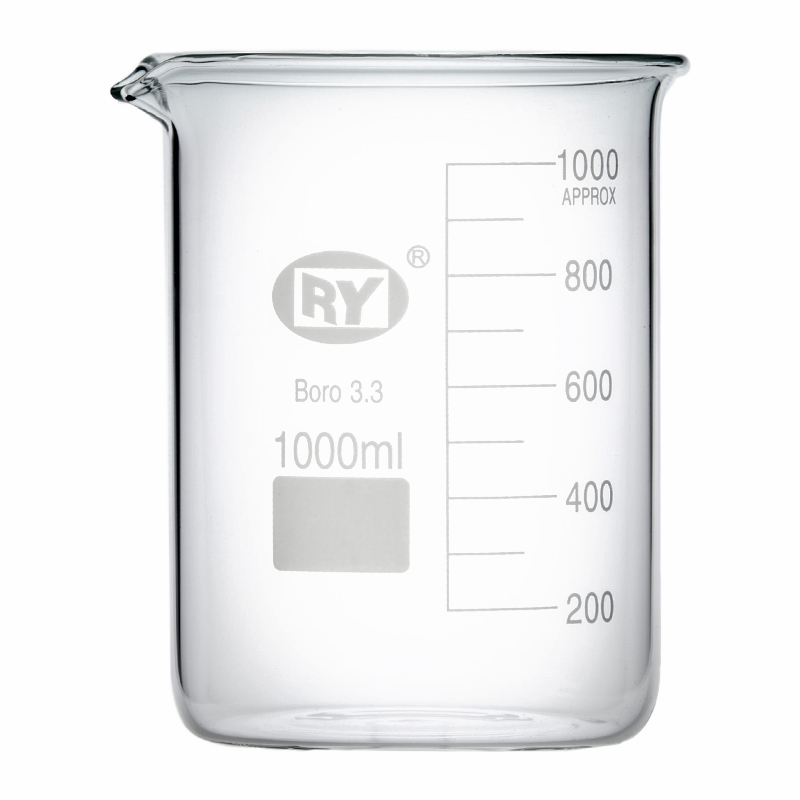
Yes, graduated versions are available across several product types in this range for buyers who need approximate volume readings during general lab work.

About
Shanghai Heqi Glassware Co., Ltd.

One point of professionalism, one point of service, one point of companionship—allow me to be your reliable partner on the path forward!

Shanghai Heqi was founded in March 2002, It is China Flat Bottom Lab Glassware Manufacturers and Custom Flat Bottom Lab Glassware Suppliers, Specializing in the R&D and production of standard-mouth glass instruments. Over the years, the company has established production bases in locations such as Songjiang, Chengdu, Jiaxing, and Yancheng. By integrating technology, craftsmanship, and management expertise, Heqi has adopted mechanized and semi-mechanized techniques to replace traditional manual methods. It has also introduced assembly-line industrial processes to replace simple workshop-style production, thereby reducing costs and improving quality.

To deliver on its service commitment of “you make a call, we handle the rest,” Heqi also supplies a range of high-quality glass instruments, lab consumables, and experimental equipment from both domestic and international brands. With ample inventory, fast delivery, and premium service, the company ensures full support for its clients.

In recent years, Shanghai Heqi has brought together experts in chemical R&D, mechanical design and processing, and electronic control to form a dedicated R&D team. The company has also set up three specialized workshops for glass, metalworking, and assembly. These facilities produce a variety of small and pilot-scale equipment, including glass reactors, rotary evaporators, distillation units, high- and low-temperature circulation systems, vacuum pumps, stirrers, and UV analyzers.

Leveraging its in-house capabilities in design, production, and custom fabrication of glass components, Shanghai Heqi continuously enhances product quality and service standards. It also supports the chemical and pharmaceutical industries by enabling customized small-scale and pilot-scale equipment solutions.


Contact Us
Our custom service team is ready to provide you with expert advice and personalized solutions.