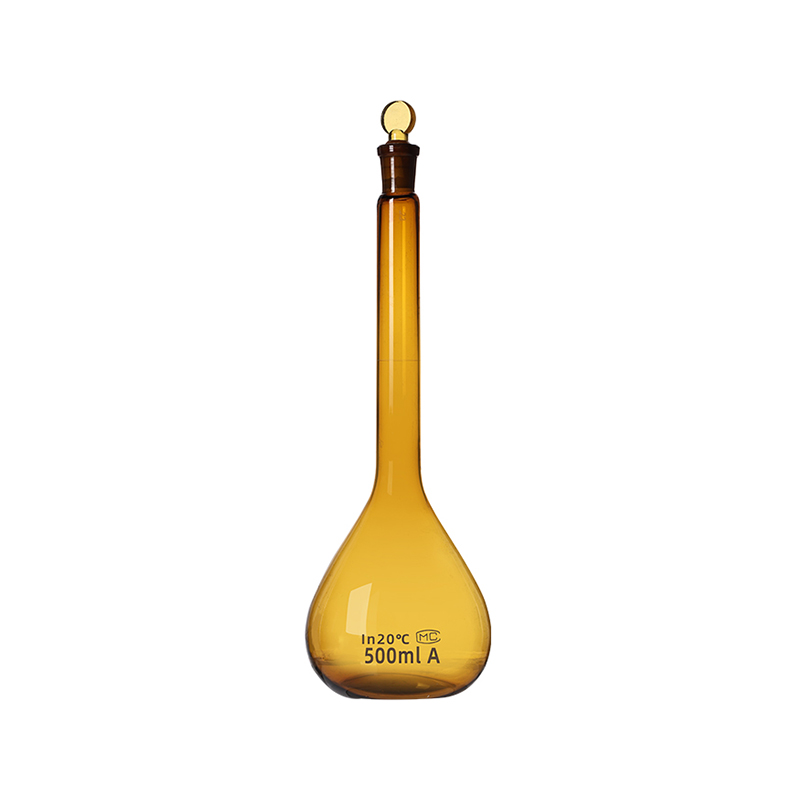
Key Advantages of Volumetric Measuring Glassware
Purpose-built volumetric glassware differs from general containment vessels in ways that directly affect measurement reliability, and it's worth understanding what specifically makes this category well suited to accurate volume work.
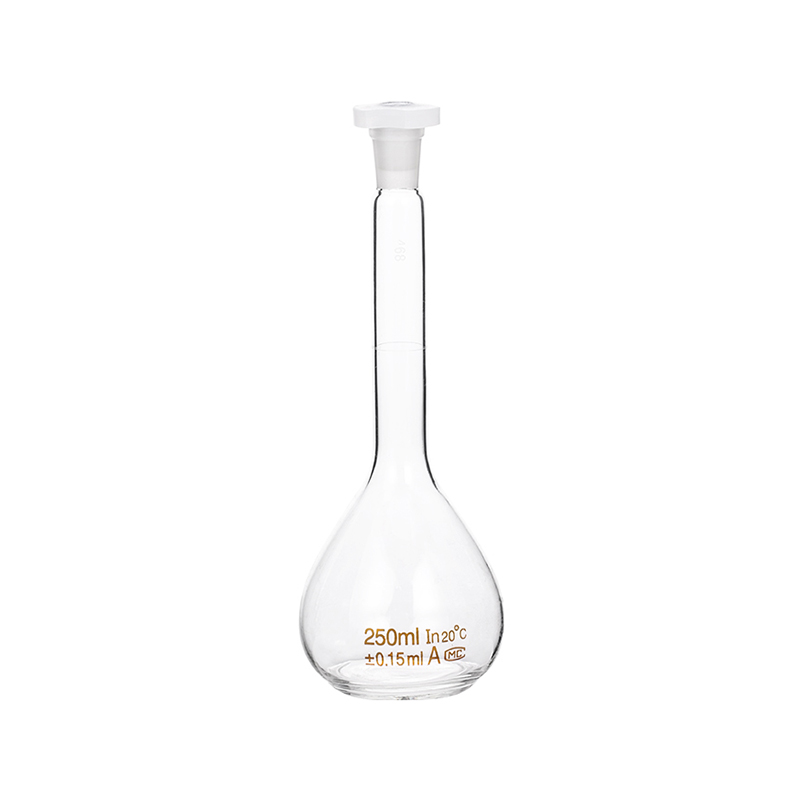
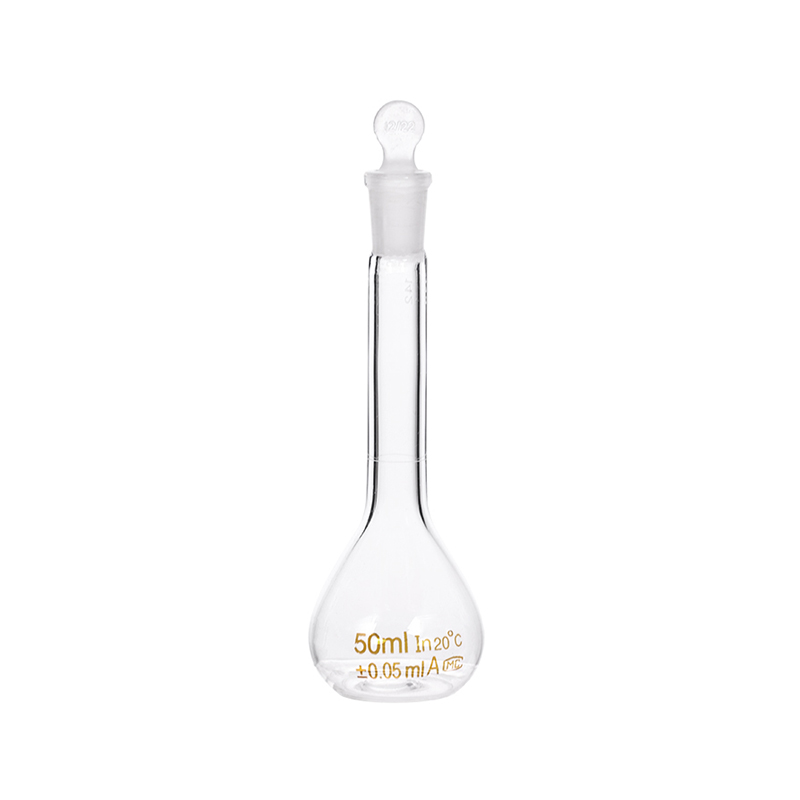
- Shape optimized for measurement accuracy — volumetric flasks use a narrow neck specifically to maximize reading precision at the calibration mark, since a small liquid level change in a narrow neck represents a much smaller volume error than the same level change would in a wider vessel.
- Full range of measurement functions covered — from single-volume transfer pipettes to continuously adjustable burettes, this category covers essentially every common volumetric measurement or delivery task a lab might need.
- Available across both Class A and Class B tolerance — buyers can select the appropriate accuracy level for a given task, using more economical Class B equipment for routine work and Class A specifically where documented precision matters.
- Designed specifically for delivery accuracy where relevant — transfer pipettes and burettes account for the small volume that clings to glass surfaces during delivery, which general containment glassware isn't engineered to address.
- Consistent, well-understood measurement technique — because these shapes are industry-standard, staff across labs generally already understand correct reading and delivery technique without needing product-specific training.
Selecting the right tool within this category — a volumetric flask versus a graduated cylinder versus a pipette — matters as much as tolerance class, since each shape is optimized for a specific type of measurement task rather than being freely interchangeable with the others.
These advantages compound when a lab standardizes across its glassware inventory rather than mixing several different systems, since staff spend less time hunting for compatible parts and more time actually running experiments. We're happy to walk through your current inventory and suggest where standardizing on this product category might simplify day-to-day operations, particularly for labs juggling several different glassware systems left over from different past suppliers or older equipment purchases made before current staff joined.
Where Volumetric Measuring Glassware Is Used
Volumetric measuring glassware is central to essentially any procedure where a specific, known liquid volume needs to be prepared, transferred, or delivered, which places it at the core of quantitative laboratory work across nearly every scientific discipline.
- Standard solution preparation — volumetric flasks are the standard tool for preparing solutions of precisely known concentration, essential across analytical chemistry and quality control work.
- Serial dilution procedures — pipettes and volumetric flasks together support accurate serial dilution series used across analytical, biological, and pharmaceutical testing workflows.
- Titration and quantitative analysis — burettes deliver precisely controlled, measured volumes of titrant, directly determining the accuracy of the final titration result.
- Reagent transfer requiring known volume — transfer pipettes move a specific, accurate volume of liquid from one container to another wherever precise quantity matters more than convenience alone.
- Pharmaceutical and biological sample preparation — accurate volumetric transfer and dilution underpins most quantitative sample preparation across regulated pharmaceutical and biological testing.
- Educational laboratory instruction — teaching correct volumetric technique using pipettes, burettes, and volumetric flasks is a foundational part of laboratory skills training across chemistry and biology curricula.
If your procedure's outcome depends on knowing an accurate liquid volume rather than simply containing or roughly estimating one, purpose-built volumetric measuring glassware is the appropriate equipment category to specify for that particular step.
Across all of these settings, the common thread is a need for dependable, repeatable performance rather than a highly specialized one-off solution, which is exactly the kind of use case this product category is built around. If your application doesn't fit neatly into the categories above, it's still worth reaching out, since many processes combine elements of more than one of these use cases and we can usually still recommend a suitable configuration based on your specific workflow and budget.
Volumetric Measuring Glassware Specifications
The table below summarizes the product types, tolerance options, and capacity ranges covered under this tag. Selecting the right combination of shape and tolerance class depends on your specific measurement task, and we're glad to advise on the appropriate choice for a particular application.
| Parameter | Typical Value |
| Base Material | Borosilicate Glass 3.3 |
| Covered Product Types | Volumetric flasks, transfer pipettes, graduated pipettes, burettes, graduated cylinders |
| Available Tolerance Classes | Class A (highest precision) and Class B (general-purpose) |
| Capacity Range | 0.5ml to 5L, depending on product type |
| Reference Calibration Temperature | 20°C, per standard volumetric convention |
| Pipette Delivery Types | To-deliver (TD) and to-contain (TC) markings depending on product |
| Burette Stopcock Options | Ground glass or PTFE-plug configurations |
| Custom Configurations | Available for non-standard capacities or specialized delivery requirements on request |
For buyers unfamiliar with the difference between to-deliver and to-contain pipette markings, this distinction affects proper technique and measurement accuracy, so we're happy to clarify which type suits your specific procedure before you finalize an order, along with confirming the appropriate tolerance class for your reporting requirements.
We periodically review these specifications against evolving international standards to make sure our production tolerances stay aligned with what buyers expect from a reputable manufacturer, and we're glad to share more detailed dimensional drawings for any specific item in this range on request. If a particular parameter isn't listed here, it's worth asking directly rather than assuming a default value, since some characteristics can vary meaningfully between product variants within the same general category or capacity range depending on manufacturing batch.
Frequently Asked Questions
What's the difference between a volumetric flask and a graduated cylinder?
A volumetric flask is designed for preparing one specific, precisely accurate volume at a single calibration mark, while a graduated cylinder measures variable volumes along a full graduated scale with somewhat less precision per reading.
Should I choose Class A or Class B for my volumetric equipment?
Class A is appropriate for regulated, documented, or highly precise analytical work; Class B is generally sufficient for routine solution preparation and general laboratory use.
What does "to-deliver" mean on a pipette?
It means the pipette is calibrated to deliver the marked volume when used with correct technique, accounting for the small residual film left in the tip, which should not be forced out.
Why does my burette drip slightly even when the stopcock is closed?
This usually indicates worn grease, a slightly out-of-spec plug fit, or debris affecting the seal; cleaning and regreasing often resolves it, though persistent dripping may require stopcock replacement.
Can I get a full volumetric measuring set for a new analytical lab?
Yes, we can put together a set spanning volumetric flasks, pipettes, and burettes based on your specific method requirements and tolerance class needs.
Do you offer both ground glass and PTFE stopcocks for burettes?
Yes, both configurations are available; PTFE stopcocks are generally preferred for grease-free operation and broader chemical resistance.
Can you help me decide between a few different options in this category for my specific application?
Yes, we're happy to discuss your intended use in more detail and recommend the most suitable configuration, since the right choice often depends on details specific to your process that aren't always obvious from a general product description alone.
Interface Performance Across Volumetric Equipment Types
Sealing and interface considerations vary meaningfully across this product category, since a volumetric flask, a pipette, and a burette each interact with liquid and connecting equipment in fundamentally different ways.
Volumetric flasks depend on their ground glass stopper for accurate long-term volume retention, and as covered in our Class A precision documentation, individually matched stoppers matter considerably for maintaining certified accuracy in that specific product line; standard Class B volumetric flasks are somewhat more forgiving but still benefit from a properly fitted stopper to prevent evaporation between preparation and use. Burettes rely on their stopcock for controlled, drip-free delivery, and stopcock sealing performance directly affects titration accuracy, since a stopcock that drips slightly even when closed introduces a small but real source of measurement error into the final titration result.
Pipettes present a different consideration entirely, since their accuracy depends on proper technique — correct meniscus reading, appropriate drainage time, and, for to-deliver pipettes, leaving the small residual film of liquid in the tip rather than forcing it out — rather than on any sealing or joint mechanism in the traditional sense. Understanding which type of interface consideration applies to a specific piece of volumetric equipment is part of using it correctly, since treating a pipette's technique requirements the same way you'd think about a flask's stopper fit would miss what actually matters for maintaining accuracy with that particular tool.
Getting this right the first time is generally simpler than troubleshooting a marginal seal after a process is already underway, so we'd always recommend confirming the appropriate sealing approach for your specific application before finalizing your order, particularly if you're working with an unfamiliar reagent, an unusual operating temperature, or an application outside typical everyday lab conditions where standard assumptions about sealing performance might not hold as reliably as expected.
Payment Terms & Shipping
Volumetric measuring glassware ships under our standard commercial terms, with handling and packaging tailored to the specific fragility and precision requirements of each product type within this category.
- Payment methods — T/T, L/C, and Alibaba Trade Assurance, with a 30% deposit and balance due before shipment standard for new buyers, adjustable for established accounts.
- Sample orders — available for most standard configurations, worth considering if you need to confirm tolerance class or delivery type suitability before a larger purchase.
- Lead times — standard Class B configurations typically ship within 12–20 days; Class A items generally require 20–30 days given additional verification steps, and custom configurations may take longer.
- Packaging — pipettes and burettes are packed with individual protective sleeves given their more delicate, slender profile, while volumetric flasks receive standard reinforced cushioning appropriate to their shape and capacity.
- Shipping — FOB Shanghai standard, with sea freight for bulk orders and air freight available for smaller or time-sensitive shipments.
For buyers outfitting a full analytical workflow, combining volumetric flasks, pipettes, and burettes into a single purchase order generally simplifies both quoting and shipment coordination on our end, particularly when several tolerance classes are involved in the same order.
We understand that international shipping timelines are often a critical part of planning a lab setup or expansion, so we try to communicate realistic lead times upfront rather than optimistic ones that later slip. If your project has a hard deadline, let us know early so we can flag any potential scheduling risk before you commit to a purchase order, rather than discovering a conflict partway through production once materials and labor have already been committed to your specific order.
Compliance, Environmental & Safety Certification
Volumetric measuring glassware documentation varies by tolerance class and product type, reflecting the range of applications this category serves from routine lab work through regulated analytical testing.
- ISO 9001 quality management certification covers production across this entire product category, from Class B general-purpose items through Class A precision equipment.
- Applicable volumetric standards — manufactured according to ISO 1042, ISO 385, ISO 835, and related standards depending on the specific product type and tolerance class.
- RoHS and REACH compliance — applies across all glass and PTFE components used in this product range.
- Calibration documentation — available for Class A items confirming individual or batch tolerance verification; general conformity documentation available for standard Class B products.
- Third-party testing — SGS or equivalent testing, including independent calibration verification, can be arranged for buyers with specific accreditation documentation requirements.
If your laboratory's accreditation scope covers a specific mix of volumetric equipment types and tolerance classes, let us know the details and we can confirm what documentation applies to each item in your order before it ships.
Compliance documentation matters most when it's actually usable by your own internal audit or procurement process, so rather than sending a generic packet, we'd rather understand what your specific requirements are and provide exactly what's needed in the format your team expects. This approach has generally worked well for buyers in regulated industries who need documentation that fits directly into an existing internal quality system without extra back-and-forth or repeated requests for reformatted paperwork.


 English
 Français
 Español