Custom Lab Borosilicate 3.3 Lab Glassware

Borosilicate 3.3 Lab Glassware

-- Steady & Reliable Manufacturer --

Borosilicate 3.3 glass is the workhorse material behind most of the glassware you'll find on a working lab bench, and it's also the material we've built our production around at Shanghai Heqi Glassware since 2002. Unlike ordinary soda-lime glass, borosilicate 3.3 contains a higher proportion of boron trioxide, which gives it a very low coefficient of linear thermal expansion — around 3.3×10⁻⁶/K, which is where the "3.3" in the name comes from. In practical terms, that means a beaker or flask made from this glass can go from an ice bath to a hot plate without cracking, something that matters a lot when you're running reflux reactions or rapid heating and cooling cycles.

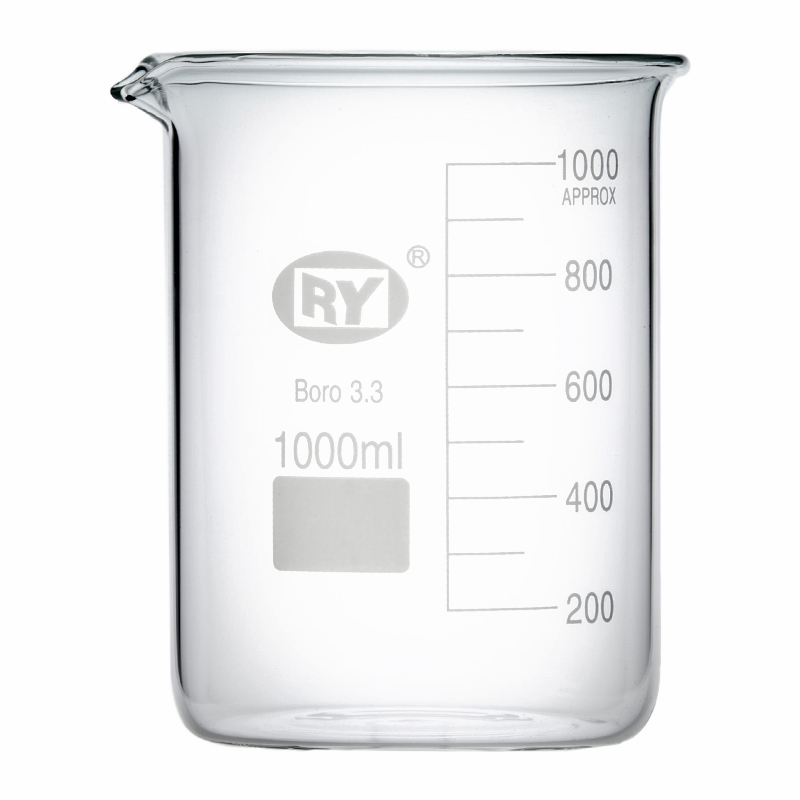
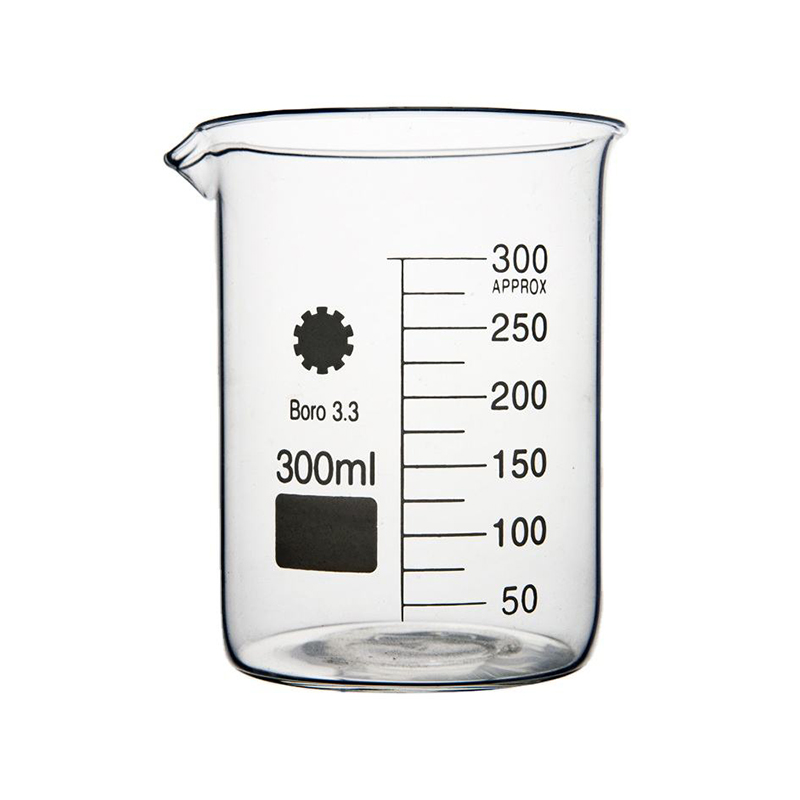
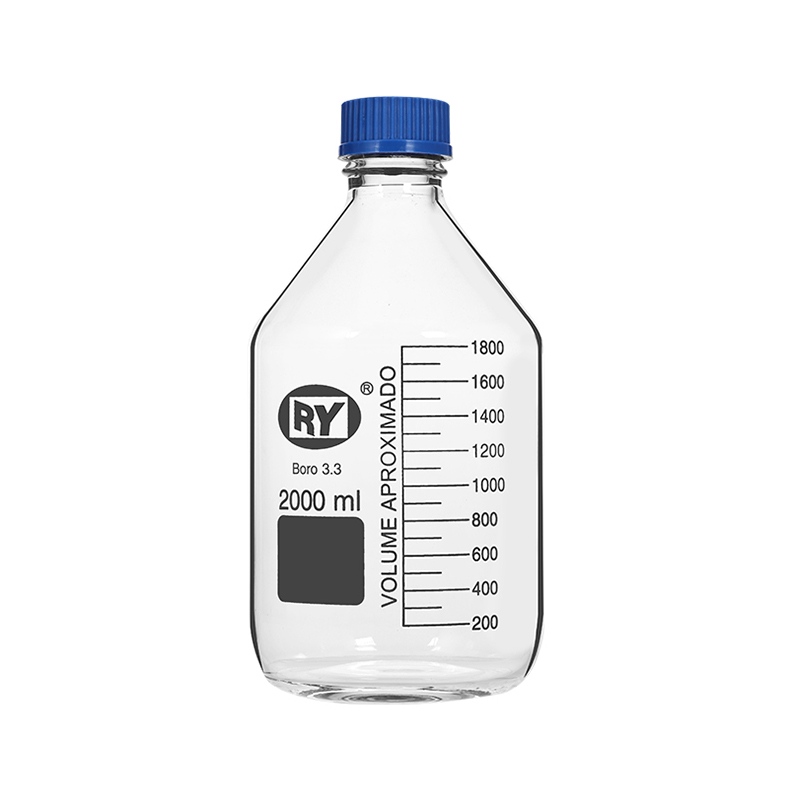
Across our four production bases in Songjiang, Chengdu, Jiaxing and Yancheng, we manufacture a full range of borosilicate 3.3 lab glassware — beakers, bottles, flasks, condensers, distillation components, funnels, cylinders and more — using a mix of mechanized and semi-mechanized processes that we've developed over two decades. This tag brings together every product on our site made from this glass grade, so if you already know you need borosilicate 3.3 for chemical compatibility or thermal shock resistance, this is the fastest way to browse everything that qualifies, rather than digging through individual product categories one at a time.

Key Advantages of Borosilicate 3.3 Glassware

There are a handful of reasons borosilicate 3.3 keeps showing up as the default choice for lab glassware, and it's worth being specific about what you're actually getting rather than just repeating marketing language.

  • Thermal shock resistance — withstands sudden temperature changes of up to roughly 160°C without fracturing, which matters for reflux setups, autoclaving, and glassware that moves between hot plates and cold water baths.
  • Chemical inertness — resists attack from most acids, salt solutions, and organic solvents, so it won't leach into your samples or degrade over repeated use, which is why it's the default for anything touching reagents.
  • Mechanical strength — higher tensile and impact strength than soda-lime glass, reducing breakage during routine handling, cleaning, and shipping.
  • Optical clarity — stays clear and colorless after repeated autoclaving and chemical exposure, so graduations and reaction color changes stay easy to read.
  • Manufacturing consistency — our assembly-line production (rather than purely manual workshop methods) means wall thickness, graduation accuracy, and joint tolerances stay consistent from batch to batch, which is something buyers doing repeat orders notice quickly.
  • Cost efficiency — mechanized production keeps unit costs down without sacrificing the quality control you'd expect from hand-blown glass, so pricing stays competitive on both small trial orders and bulk purchase orders.

If your process specifically calls for even lower expansion or higher purity, our quartz lab glassware line is worth comparing against this one.

Industries and Applications

Borosilicate 3.3 glassware isn't tied to one industry — it's the default material across most wet-chemistry work, which is exactly why it ends up in such a wide range of settings.

  • Pharmaceutical and chemical R&D labs use it for everything from small-scale synthesis to reflux and distillation setups where thermal cycling is routine.
  • University and vocational teaching laboratories rely on it heavily because it's durable enough to survive student use while staying affordable enough for large class sets.
  • Food, beverage and cosmetics testing labs use borosilicate beakers, flasks and cylinders for formulation work and quality control testing, since the material won't react with the samples being tested.
  • Environmental and water-testing facilities depend on it for sample prep and titration work, where consistent volumetric accuracy matters.
  • Petrochemical and materials labs use it in distillation and extraction setups that involve organic solvents and elevated temperatures.
  • Pilot-scale process development teams — the kind of small-batch scale-up work our own R&D team supports — often specify borosilicate 3.3 for custom vessels before a process moves to metal or larger glass-lined equipment.

Because this tag spans multiple product categories, it's a practical starting point whether you're outfitting a new lab or replacing broken glassware in an existing setup.

Technical Specifications

The table below covers the typical physical and dimensional parameters for borosilicate 3.3 lab glassware in our catalog. These figures are consistent with international borosilicate glass standards and reflect what you can expect across our beakers, flasks, bottles, condensers, and related products under this tag. Individual products may vary slightly in wall thickness, joint configuration, or graduation tolerance depending on forming method and product type, so we'd always recommend checking the specific product page for exact dimensions, or simply asking us to confirm the figures for the particular item you're sourcing before placing an order. If you're comparing multiple suppliers, these are the parameters worth checking line by line, since minor differences in hydrolytic resistance class or wall tolerance are usually where quality differences between manufacturers actually show up.

Parameter Typical Value
Glass Type Borosilicate Glass 3.3
Coefficient of Linear Thermal Expansion 3.3 × 10⁻⁶ / K (20–300°C)
Softening Point Approx. 820°C
Transformation Temperature Approx. 525°C
Density Approx. 2.23 g/cm³
Hydrolytic Resistance Class Class 1 (per ISO 719 / DIN 12111)
Thermal Shock Resistance Withstands sudden ΔT up to approx. 160°C
Wall Thickness Range 1.2 mm – 4.5 mm, depending on product type
Standard Joint Sizes 14/23, 19/26, 24/29, 29/32, 34/35 (custom sizes available)
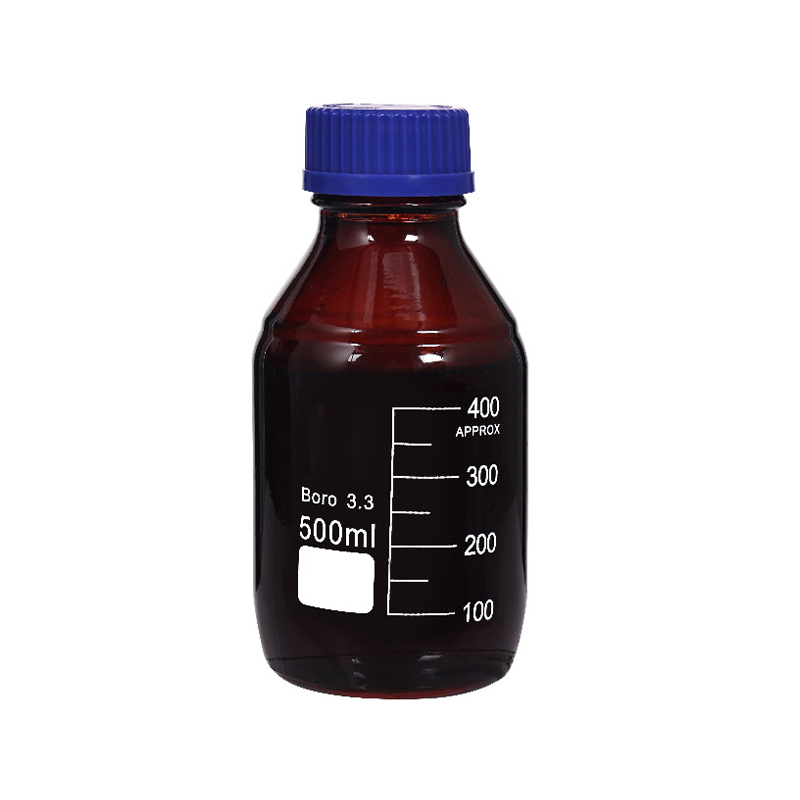
Color / Transparency Clear, colorless; amber variants available for light-sensitive applications
Available Forming Methods Machine-blown, semi-mechanized, hand-finished for complex geometries

Frequently Asked Questions

Is borosilicate 3.3 the same as "Pyrex"-type glass?
Yes, functionally. Borosilicate 3.3 is the international designation for the glass composition commonly marketed under trade names like Pyrex or Duran. The "3.3" refers to the expansion coefficient, not a brand.

Can borosilicate 3.3 glassware go directly from a freezer to a hot plate?
It's rated for thermal shock, but we'd still recommend gradual temperature changes where possible. Sudden, extreme swings (well below freezing to open flame, for example) can still cause stress fractures even in high-quality glass.

What's the difference between this and your quartz lab glassware?
Quartz handles higher temperatures and UV transmission better, but costs significantly more and is more brittle to mechanical shock. For most standard lab work, borosilicate 3.3 is the more practical and economical choice.

Do you offer custom joint sizes or non-standard dimensions?
Yes — see our custom lab glass fabrication & OEM tag for products built to buyer-specified drawings.

What's your minimum order quantity?
It depends on the specific product and whether it's a standard catalog item or custom-made. Standard items generally have lower MOQs than fully custom pieces — send us your list and we'll confirm.

Can I mix products from different joint standards in one order?
Yes, but confirm taper compatibility first — our standard ground joint lab glassware tag lists compatible sizes.

About
Shanghai Heqi Glassware Co., Ltd.

One point of professionalism, one point of service, one point of companionship—allow me to be your reliable partner on the path forward!

Shanghai Heqi was founded in March 2002, It is China Borosilicate 3.3 Lab Glassware Manufacturers and Custom Borosilicate 3.3 Lab Glassware Suppliers, Specializing in the R&D and production of standard-mouth glass instruments. Over the years, the company has established production bases in locations such as Songjiang, Chengdu, Jiaxing, and Yancheng. By integrating technology, craftsmanship, and management expertise, Heqi has adopted mechanized and semi-mechanized techniques to replace traditional manual methods. It has also introduced assembly-line industrial processes to replace simple workshop-style production, thereby reducing costs and improving quality.

To deliver on its service commitment of “you make a call, we handle the rest,” Heqi also supplies a range of high-quality glass instruments, lab consumables, and experimental equipment from both domestic and international brands. With ample inventory, fast delivery, and premium service, the company ensures full support for its clients.

In recent years, Shanghai Heqi has brought together experts in chemical R&D, mechanical design and processing, and electronic control to form a dedicated R&D team. The company has also set up three specialized workshops for glass, metalworking, and assembly. These facilities produce a variety of small and pilot-scale equipment, including glass reactors, rotary evaporators, distillation units, high- and low-temperature circulation systems, vacuum pumps, stirrers, and UV analyzers.

Leveraging its in-house capabilities in design, production, and custom fabrication of glass components, Shanghai Heqi continuously enhances product quality and service standards. It also supports the chemical and pharmaceutical industries by enabling customized small-scale and pilot-scale equipment solutions.


Contact Us
Our custom service team is ready to provide you with expert advice and personalized solutions.