Key Advantages of Sample Storage & Transport Containers
Transport-specific design addresses practical problems that general-purpose storage containers aren't built to handle, and it's worth being specific about what these features actually contribute to sample integrity during shipping or field transport.
- Secure, leak-proof closures — gasket and closure designs specifically selected to maintain a reliable seal despite the pressure changes, vibration, and temperature fluctuations typical of shipping and field transport conditions.
- Tamper-evident sealing options — select closures include tamper-evident features that provide visible confirmation a container hasn't been opened between collection and receipt, supporting documented chain-of-custody requirements.
- Chemical inertness preserves sample integrity — borosilicate construction ensures the container itself doesn't react with, absorb, or contaminate the sample during the transport period, which can extend from hours to several days depending on shipping distance.
- Robust construction for shipping handling — built to withstand the physical handling stresses of packing, transport, and unpacking without breakage, reducing the risk of sample loss during transit.
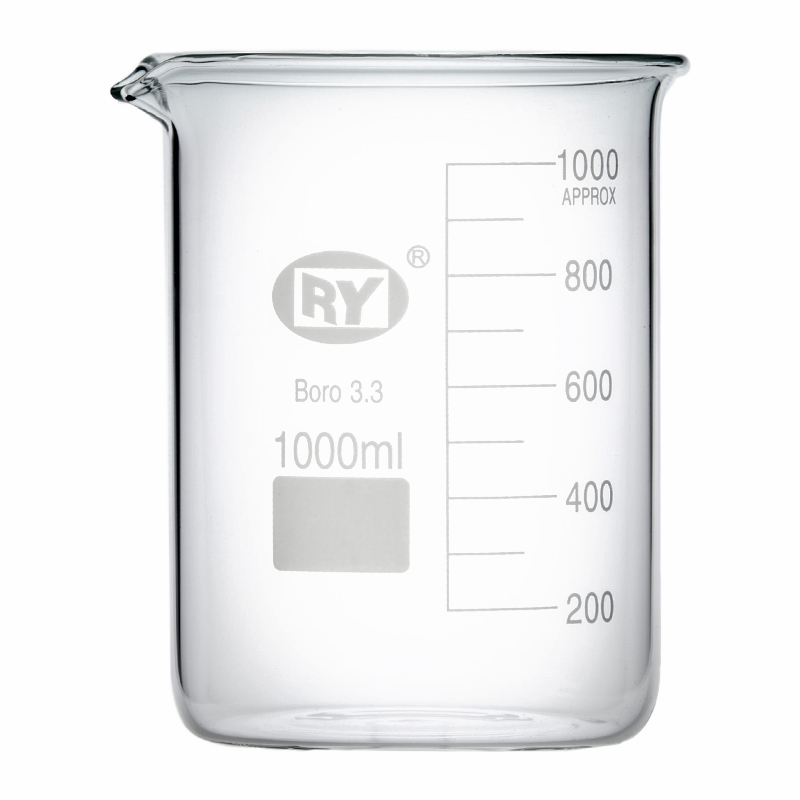
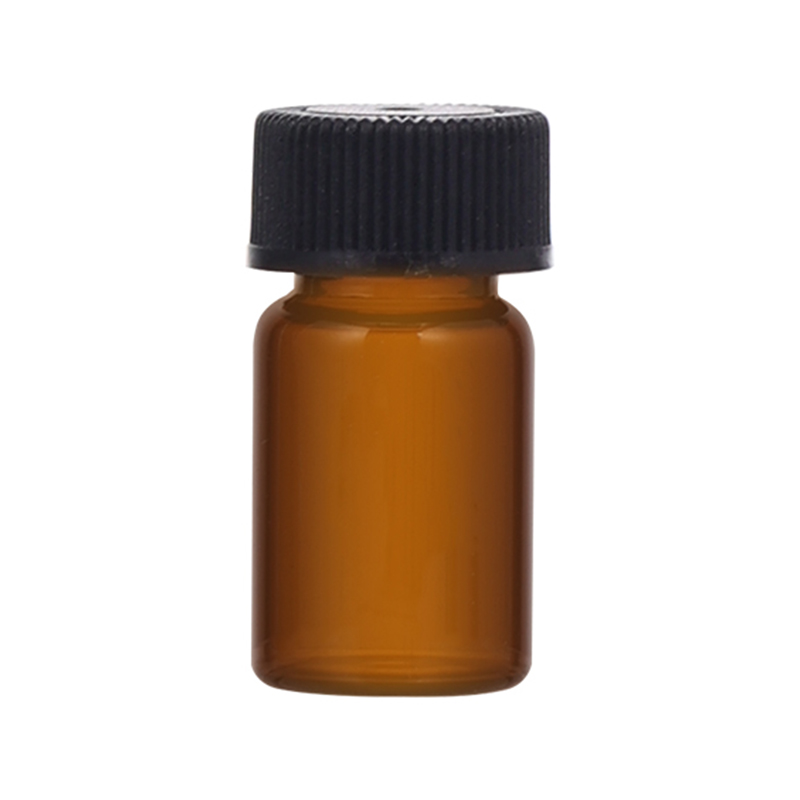
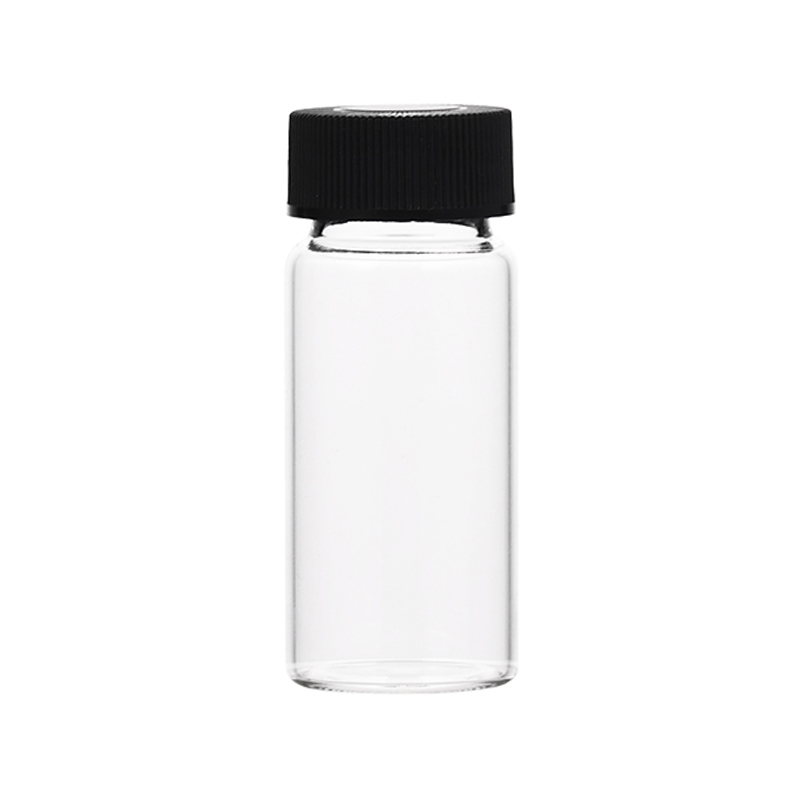
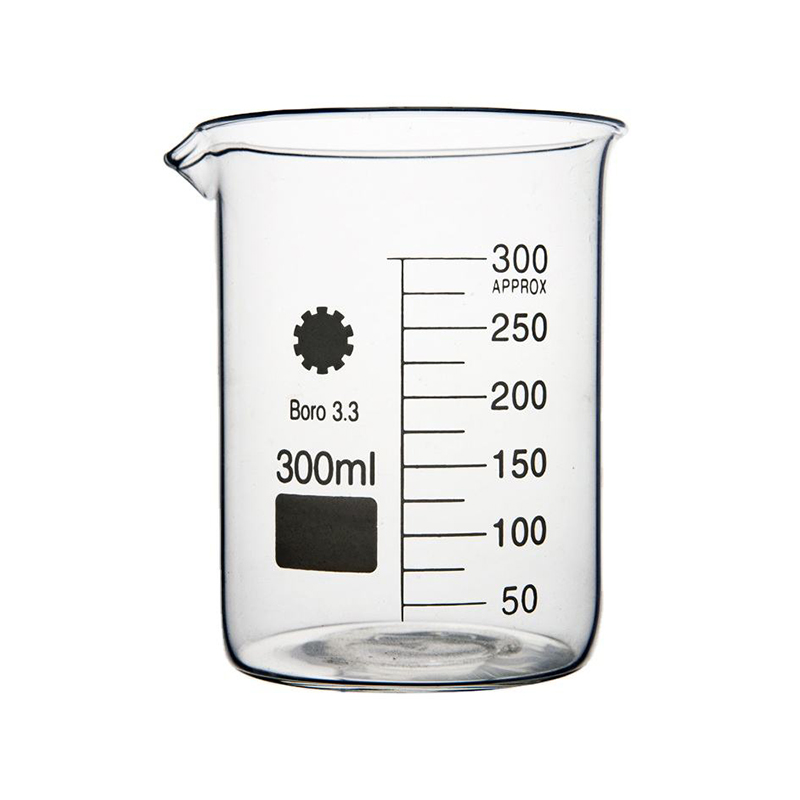
- Available across multiple sizes for different sample types — from small vials for limited biological samples through larger jars for environmental sediment or bulk material samples, sizing options match a range of typical sample collection needs.
Choosing purpose-built transport containers over general-purpose storage bottles is generally worthwhile whenever sample integrity during shipping genuinely matters to the validity of the eventual testing result and any decisions made from it.
These advantages compound when a lab standardizes across its glassware inventory rather than mixing several different systems, since staff spend less time hunting for compatible parts and more time actually running experiments. We're happy to walk through your current inventory and suggest where standardizing on this product category might simplify day-to-day operations, particularly for labs juggling several different glassware systems left over from different past suppliers or older equipment purchases made before current staff joined. This kind of standardization also reduces training time for new staff joining the lab.
Where Sample Storage & Transport Containers Are Used
Sample transport containers are essential wherever a sample needs to move between a collection point and a testing or analysis location while maintaining documented integrity, which covers several important regulated and field-based applications.
- Environmental sample collection and transport — soil, water, and air samples collected in the field need secure containers that maintain sample integrity during transport back to the analytical laboratory.
- Forensic sample chain of custody — forensic evidence handling requires tamper-evident containers that provide documented assurance a sample hasn't been compromised between collection and laboratory analysis.
- Clinical and biological specimen transport — biological samples moving between collection sites and testing facilities require secure, leak-proof containment to protect both sample integrity and handler safety.
- Inter-laboratory sample shipping — samples sent between different testing facilities, whether for verification testing or specialized analysis unavailable at the originating lab, depend on reliable transport containers.
- Field sampling programs — ongoing environmental or agricultural monitoring programs collecting samples across multiple field locations rely on consistent, dependable transport containers for logistics planning.
- Regulatory compliance sample retention — certain regulated industries require retained samples to be stored and, when needed, transported in documented, appropriate containers as part of compliance recordkeeping.
If your sample needs to travel any meaningful distance while maintaining documented integrity, purpose-built transport containers are generally worth the modest additional cost over standard general-purpose storage bottles used elsewhere in a lab.
Across all of these settings, the common thread is a need for dependable, repeatable performance rather than a highly specialized one-off solution, which is exactly the kind of use case this product category is built around. If your application doesn't fit neatly into the categories above, it's still worth reaching out, since many processes combine elements of more than one of these use cases and we can usually still recommend a suitable configuration based on your specific workflow and budget constraints.
Sample Storage & Transport Container Specifications
The table below summarizes typical capacity ranges, closure types, and construction characteristics for sample transport containers in our catalog. Closure selection should be matched to your specific chain-of-custody and leak-proofing requirements, and we're glad to advise on the appropriate configuration for your program's specific needs.
| Parameter | Typical Value |
| Base Material | Borosilicate Glass 3.3 |
| Capacity Range | 5ml to 5L, depending on product type |
| Closure Options | Leak-proof gasket screw caps, tamper-evident caps, secured ground stoppers |
| Gasket Materials | PTFE-faced silicone, solid PTFE, depending on sample chemistry |
| Tamper-Evident Features | Visible break-away seal indicators, numbered security seals available |
| Labeling Area | Compatible with standard adhesive labels and write-on surfaces |
| Available Forms | Sample vials, specimen jars, wide and narrow mouth transport bottles |
| Custom Configurations | Available for specialized capacity or closure requirements on request |
For regulated sampling programs with specific documented container requirements, let us know the applicable standard so we can confirm our closure options meet what your program requires before you finalize an order for the full program.
We periodically review these specifications against evolving international standards to make sure our production tolerances stay aligned with what buyers expect from a reputable manufacturer, and we're glad to share more detailed dimensional drawings for any specific item in this range on request. If a particular parameter isn't listed here, it's worth asking directly rather than assuming a default value, since some characteristics can vary meaningfully between product variants within the same general category or capacity range depending on manufacturing batch and specific configuration ordered.
Frequently Asked Questions
What's the difference between a storage container and a transport container?
Transport containers are specifically designed with leak-proof, often tamper-evident closures built to maintain sample integrity through shipping stress, whereas general storage containers are optimized for stationary bench or shelf use.
Do you offer tamper-evident containers for forensic chain-of-custody use?
Yes, select closures include tamper-evident security seals suitable for documented chain-of-custody applications.
Can these containers survive air transport pressure changes?
Yes, when fitted with an appropriate PTFE or PTFE-faced gasket, these containers are designed to maintain their seal through the pressure changes typical of air shipping.
What size container should I use for a typical environmental water sample?
This depends on your specific testing protocol's required sample volume; common environmental sampling uses containers in the 250ml to 1L range, though your protocol may specify differently.
Do you offer bulk pricing for ongoing sampling program container needs?
Yes, we're happy to discuss volume pricing and standing order arrangements for programs with predictable, recurring container requirements.
Can I request custom labeling area or numbering on transport containers?
Yes, custom labeling features can be discussed for programs requiring specific sample identification or numbering systems built into the container itself.
Can you help me decide between a few different options in this category for my specific application?
Yes, we're happy to discuss your intended use in more detail and recommend the most suitable configuration, since the right choice often depends on details specific to your process that aren't always obvious from a general product description alone.
Do you offer ongoing support after the initial purchase for this product category?
Yes, our team remains available to answer setup, compatibility, or troubleshooting questions well after your order has shipped and been put into regular use.
Sealing Performance Under Transport Conditions
Sealing requirements for transport containers differ meaningfully from general storage, since a container needs to maintain its seal not just sitting still on a shelf but through vibration, temperature swings, and pressure changes that occur during actual shipping, particularly for air transport where cabin pressure changes can affect a marginally sealed container.
Gasket selection matters considerably here: a PTFE-faced or solid PTFE gasket generally provides more reliable long-term sealing under transport stress than a plain silicone gasket, particularly for samples involving any volatile component where even minor evaporation during a multi-day shipping period could affect analytical results. For tamper-evident applications, the security seal mechanism itself needs to be robust enough to survive normal handling without accidental triggering, while still reliably indicating any actual attempt to open the container before it reaches its intended recipient at the destination laboratory.
For samples requiring secondary containment, such as hazardous or potentially leaking materials, using an appropriately sized outer container or absorbent packaging alongside the primary sample container adds a meaningful additional layer of protection against the practical realities of shipping, where a container can be dropped, compressed, or otherwise handled less gently than would happen in a controlled lab environment. Building this kind of redundancy into your sample transport protocol is generally good practice regardless of how reliable any single container's primary seal is expected to be under normal conditions.
Getting this right the first time is generally simpler than troubleshooting a marginal seal after a process is already underway, so we'd always recommend confirming the appropriate sealing approach for your specific application before finalizing your order, particularly if you're working with an unfamiliar reagent, an unusual operating temperature, or an application outside typical everyday lab conditions where standard assumptions about sealing performance might not hold as reliably as expected under normal use.
Payment Terms & Shipping
Sample storage and transport containers ship under our standard commercial terms, and being widely used across regulated testing programs, logistics for standard configurations are generally well established.
- Payment methods — T/T, L/C, and Alibaba Trade Assurance, with a 30% deposit and balance due before shipment standard for new buyers, adjustable for established accounts placing recurring orders.
- Sample orders — available for most standard configurations, worth considering if you need to confirm closure and tamper-evident seal performance before a larger program-wide order.
- Lead times — standard configurations typically ship within 15–25 days; custom tamper-evident features or non-standard capacities generally take 20–30 days.
- Packaging — individually wrapped with attention to protecting closures and any tamper-evident seal mechanisms from damage during our own shipment to you, before these containers go on to their eventual field or transport use.
- Shipping — FOB Shanghai standard, with sea freight for bulk orders and air freight available for smaller or time-sensitive shipments.
For buyers running ongoing sampling programs with predictable, recurring container needs, we're happy to discuss standing order arrangements to simplify procurement over the full life of the program.
We understand that international shipping timelines are often a critical part of planning a lab setup or expansion, so we try to communicate realistic lead times upfront rather than optimistic ones that later slip. If your project has a hard deadline, let us know early so we can flag any potential scheduling risk before you commit to a purchase order, rather than discovering a conflict partway through production once materials and labor have already been committed to your specific order and configuration.
Compliance, Environmental & Safety Certification
Sample storage and transport containers carry documentation relevant to regulated sampling programs, given their common use in chain-of-custody and compliance-driven testing applications.
- ISO 9001 quality management certification covers production of sample transport containers the same as the rest of our catalog.
- RoHS and REACH compliance — applies across all glass, gasket, and closure components used in this product range.
- Hydrolytic resistance certification — Class 1 hydrolytic resistance documentation is available for the glass body, confirming suitability for regulated environmental and clinical sample applications.
- Chemical compatibility documentation — available for specific gasket materials, useful for buyers documenting sample compatibility as part of a regulated testing program's quality system.
- Third-party testing — SGS or equivalent testing can be arranged for buyers needing independent verification of container performance for accreditation or regulatory documentation.
If your sampling program operates under a specific regulatory standard specifying container requirements, let us know the standard and we can confirm whether our containers meet it or whether a specific configuration adjustment is needed to fully comply with your program's documented requirements.
Compliance documentation matters most when it's actually usable by your own internal audit or procurement process, so rather than sending a generic packet, we'd rather understand what your specific requirements are and provide exactly what's needed in the format your team expects. This approach has generally worked well for buyers in regulated industries who need documentation that fits directly into an existing internal quality system without extra back-and-forth or repeated requests for reformatted paperwork later on.


 English
 Français
 Español