Key Advantages of Sample Collection Tubes & Vials
Individual sample tubes and vials solve a genuinely practical organizational problem, and the specific features built into this product category are worth understanding clearly against the alternative of trying to manage many samples in less purpose-built containers.
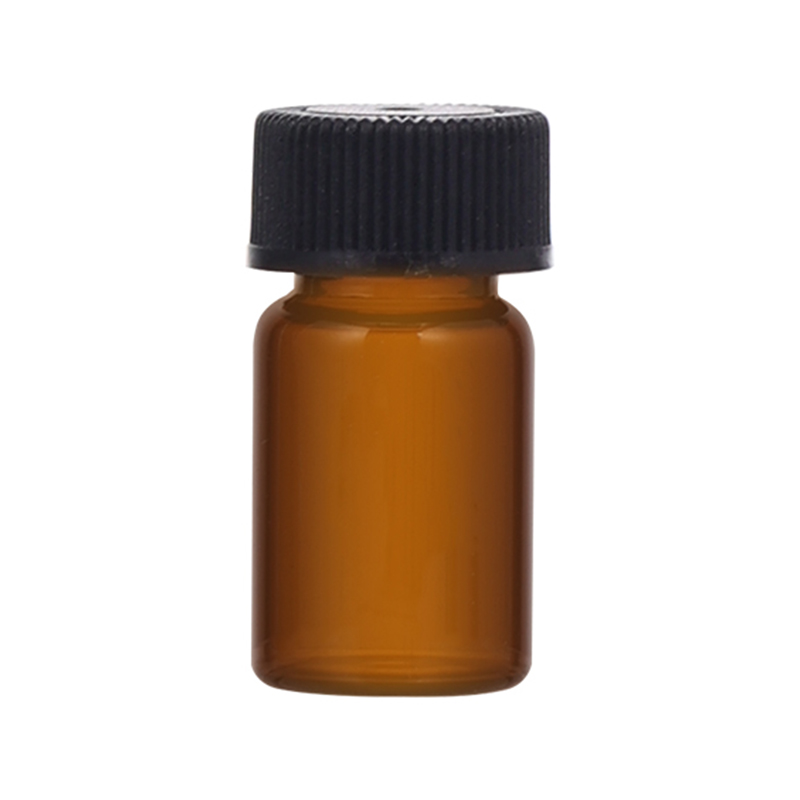
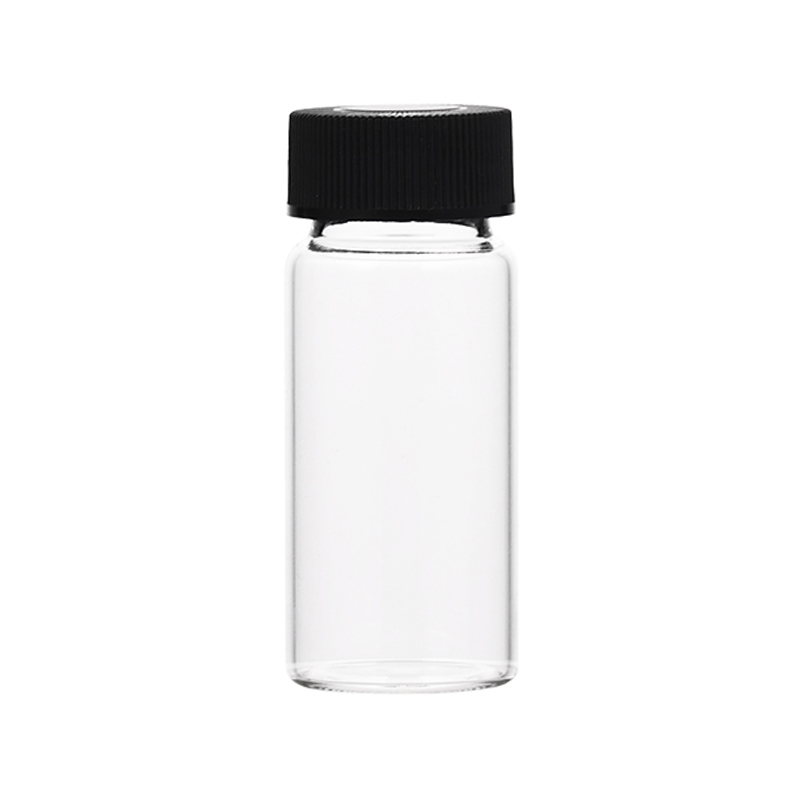
- Convenient individual sample handling — small, easily labeled containers make it straightforward to collect, identify, and track many discrete samples throughout a multi-step workflow without confusion between them.
- Multiple closure options for different needs — screw caps provide a secure, leak-resistant seal for longer-term holding, while snap caps and simple stoppers offer faster access for samples requiring frequent handling.
- Standard rack-compatible sizing — common tube diameters and lengths are designed to fit standard laboratory tube racks and centrifuge adapters, simplifying organization and storage across a busy lab bench.
- Chemical inertness across sample types — borosilicate construction ensures the tube itself doesn't react with or contaminate whatever sample is being collected, which matters for both chemical and biological sample integrity.
- Cost-effective for high-volume sample collection — the relatively simple manufacturing of standard tubes and vials keeps per-unit cost reasonable even for labs generating and archiving large numbers of individual samples on a regular, ongoing basis.
Selecting the right closure type for your specific sample handling frequency and storage duration generally matters more to overall workflow efficiency than most buyers initially expect from what seems like a simple container choice.
These advantages compound when a lab standardizes across its glassware inventory rather than mixing several different systems, since staff spend less time hunting for compatible parts and more time actually running experiments. We're happy to walk through your current inventory and suggest where standardizing on this product category might simplify day-to-day operations, particularly for labs juggling several different glassware systems left over from different past suppliers or older equipment purchases made before current staff joined. This kind of standardization also reduces training time for new staff joining the lab.
Where Sample Collection Tubes & Vials Are Used
Sample tubes and vials are foundational equipment across nearly every laboratory discipline, showing up wherever individual samples need to be collected, organized, and tracked through a workflow.
- Routine sample collection in chemical and biological labs — collecting reaction aliquots, purification fractions, or general test samples relies on this basic, versatile container format across nearly every kind of lab.
- Microbiology culture work — culture tubes provide a standard, autoclavable format for growing and maintaining microbial cultures across routine microbiology procedures.
- Small-scale reactions and general synthesis aliquots — test tubes serve as simple small-scale reaction vessels for quick screening or preliminary reaction testing before scaling up to larger glassware.
- Aliquoting and subsampling — dividing a larger sample into smaller individual portions for separate testing or archival storage is a routine task handled by appropriately sized collection tubes.
- Teaching laboratory general use — test tubes are foundational equipment across introductory chemistry and biology coursework, used for everything from simple reactions to basic qualitative testing exercises.
- Analytical and quality control sample archiving — retained samples from testing procedures are commonly stored in labeled collection tubes or vials as part of standard quality documentation practice.
Given how universally this product category applies across laboratory work, having a reliable, well-stocked supply of appropriately sized tubes and vials is genuinely foundational to running efficient day-to-day operations in almost any lab setting.
Across all of these settings, the common thread is a need for dependable, repeatable performance rather than a highly specialized one-off solution, which is exactly the kind of use case this product category is built around. If your application doesn't fit neatly into the categories above, it's still worth reaching out, since many processes combine elements of more than one of these use cases and we can usually still recommend a suitable configuration based on your specific workflow and budget constraints, even for applications that don't fit a standard description.
Sample Collection Tube & Vial Specifications
The table below summarizes typical sizes, closure types, and construction characteristics for collection tubes and vials in our catalog. Standard diameters are designed for compatibility with common laboratory racks and centrifuge adapters, and we're glad to confirm exact dimensions for a specific product on request.
| Parameter | Typical Value |
| Base Material | Borosilicate Glass 3.3 |
| Common Tube Diameters | 12mm, 16mm, 18mm, 25mm (standard rack-compatible sizes) |
| Common Tube Lengths | 75mm, 100mm, 150mm, 200mm |
| Capacity Range | 1ml to 50ml, depending on tube size |
| Closure Options | Screw caps, snap caps, simple stoppers |
| Graduation Options | Available on select sizes for approximate volume reference |
| Autoclave Compatibility | Available depending on specific cap material selected |
| Custom Configurations | Available for non-standard diameters, lengths, or graduation requirements on request |
For labs standardizing tube sizing across a whole department or facility, we're happy to discuss a consolidated order covering multiple sizes and closure types to simplify both procurement and ongoing inventory management going forward, which can also reduce the number of separate SKUs your team needs to track.
We periodically review these specifications against evolving international standards to make sure our production tolerances stay aligned with what buyers expect from a reputable manufacturer, and we're glad to share more detailed dimensional drawings for any specific item in this range on request. If a particular parameter isn't listed here, it's worth asking directly rather than assuming a default value, since some characteristics can vary meaningfully between product variants within the same general category or capacity range depending on manufacturing batch and specific configuration ordered by the buyer.
Frequently Asked Questions
What's the difference between a screw cap and a snap cap tube?
Screw caps provide a more reliable, leak-resistant seal suited to extended storage or transport, while snap caps offer faster access for samples handled frequently but provide a less reliable long-term seal.
Are your collection tubes compatible with standard laboratory racks?
Yes, our common diameters (12mm, 16mm, 18mm, 25mm) are designed to fit standard rack and centrifuge adapter formats used across most laboratories.
Can these tubes be autoclaved?
Many configurations can, depending on the specific cap material selected; please confirm the autoclave rating for your exact tube and cap combination before assuming it applies universally.
Do you offer graduated tubes for approximate volume reference?
Yes, graduated versions are available on select tube sizes for buyers who need a rough volume reference during collection or handling.
Why did my cap come loose during a centrifuge run?
This is usually caused by improper seating before spinning began; checking that caps are fully and evenly threaded down before any centrifuge run helps prevent this issue.
Do you offer bulk pricing for large, recurring tube orders?
Yes, volume pricing and standing order arrangements are available for labs with predictable, ongoing consumption of standard tube and vial sizes.
Can you help me decide between a few different options in this category for my specific application?
Yes, we're happy to discuss your intended use in more detail and recommend the most suitable configuration, since the right choice often depends on details specific to your process that aren't always obvious from a general product description alone.
Do you offer ongoing support after the initial purchase for this product category?
Yes, our team remains available to answer setup, compatibility, or troubleshooting questions well after your order has shipped and been put into regular use in your lab.
Closure & Sealing Performance for Collection Tubes
Closure choice for sample collection tubes matters considerably for both sample integrity and practical handling convenience, and understanding the trade-offs between the common closure types helps in selecting the right one for a specific workflow.
Screw caps generally provide the most reliable, leak-resistant seal, making them the preferred choice for samples requiring extended storage, transport, or any handling where accidental spillage would be a genuine concern; the gasket material inside the cap should be matched to the specific chemistry involved, following the same general chemical compatibility principles that apply to closures throughout our broader catalog. Snap caps offer faster, more convenient access for samples handled frequently throughout a procedure, though they generally provide a less reliable long-term seal than a properly threaded screw cap, making them better suited to short-term or actively monitored sample handling rather than extended unattended storage.
For tubes intended for centrifuge use, proper cap seating becomes a genuine safety consideration rather than simply a sealing convenience, since an improperly seated cap can come loose or leak during high-speed spinning, creating both sample loss and a potential contamination or safety issue inside the centrifuge itself. Checking that caps are properly and evenly seated before any centrifuge run, autoclave cycle, or extended storage period is a simple habit that prevents a meaningful share of common sample-handling problems in routine laboratory practice.
Getting this right the first time is generally simpler than troubleshooting a marginal seal after a process is already underway, so we'd always recommend confirming the appropriate sealing approach for your specific application before finalizing your order, particularly if you're working with an unfamiliar reagent, an unusual operating temperature, or an application outside typical everyday lab conditions where standard assumptions about sealing performance might not hold as reliably as expected under routine use.
Payment Terms & Shipping
Sample collection tubes and vials ship under our standard commercial terms, and being one of our highest-volume, most frequently reordered product categories, logistics for standard configurations are generally efficient and well established.
- Payment methods — T/T, L/C, and Alibaba Trade Assurance, with a 30% deposit and balance due before shipment standard for new buyers, adjustable for established accounts placing large recurring orders.
- Sample orders — available for most standard configurations, though given the simplicity and low cost of this product category, many buyers proceed directly to a standard bulk order without a separate sample step first.
- Lead times — standard tube and vial configurations typically ship within 10–20 days given high production volume; custom sizes or graduation requirements generally take slightly longer to complete.
- Packaging — tubes and vials are packed in bulk cartons with appropriate internal dividers or cushioning to prevent breakage during transit, given the quantities typically involved in a standard order.
- Shipping — FOB Shanghai standard, with sea freight generally most economical for bulk tube and vial orders, and air freight available for smaller or urgent shipments.
Given the high-volume, recurring nature of this product category, we're happy to discuss standing order arrangements or volume pricing for labs with predictable, ongoing tube and vial consumption needs.
We understand that international shipping timelines are often a critical part of planning a lab setup or expansion, so we try to communicate realistic lead times upfront rather than optimistic ones that later slip. If your project has a hard deadline, let us know early so we can flag any potential scheduling risk before you commit to a purchase order, rather than discovering a conflict partway through production once materials and labor have already been committed to your specific order and configuration requested.
Compliance, Environmental & Safety Certification
Sample collection tubes and vials carry the same base material certifications as the rest of our borosilicate catalog, with documentation covering both general material quality and closure-specific considerations.
- ISO 9001 quality management certification covers production of collection tubes and vials the same as the rest of our catalog.
- RoHS and REACH compliance — applies across all glass and closure components used in this product range, relevant for buyers shipping into the EU and similarly regulated markets.
- Hydrolytic resistance certification — Class 1 hydrolytic resistance documentation is available for the glass body, confirming suitability for standard chemical and biological applications.
- Autoclave rating documentation — available on request for tube and cap combinations intended for sterilization workflows, confirming maximum autoclave temperature and cycle tolerance.
- Third-party testing — SGS or equivalent testing can be arranged for buyers needing independent verification of material composition or dimensional accuracy for their own procurement documentation.
If your organization requires standardized documentation across a large recurring order of collection tubes, we can typically prepare a consolidated certificate covering the full batch rather than separate paperwork for each individual size and cap combination ordered.
Compliance documentation matters most when it's actually usable by your own internal audit or procurement process, so rather than sending a generic packet, we'd rather understand what your specific requirements are and provide exactly what's needed in the format your team expects. This approach has generally worked well for buyers in regulated industries who need documentation that fits directly into an existing internal quality system without extra back-and-forth or repeated requests for reformatted paperwork after the initial order ships.


 English
 Français
 Español