Key Advantages of Graduated & Calibrated Glassware
Built-in graduation markings solve a genuinely practical everyday problem, and it's worth being clear about exactly what convenience and value this feature adds compared to using plain, ungraduated vessels alongside a separate measuring device.
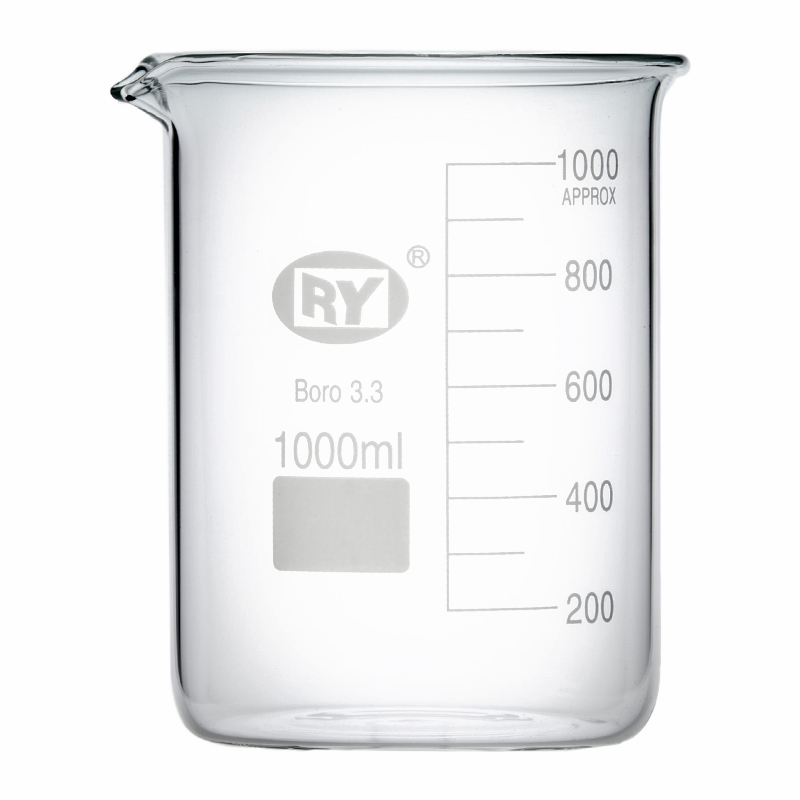
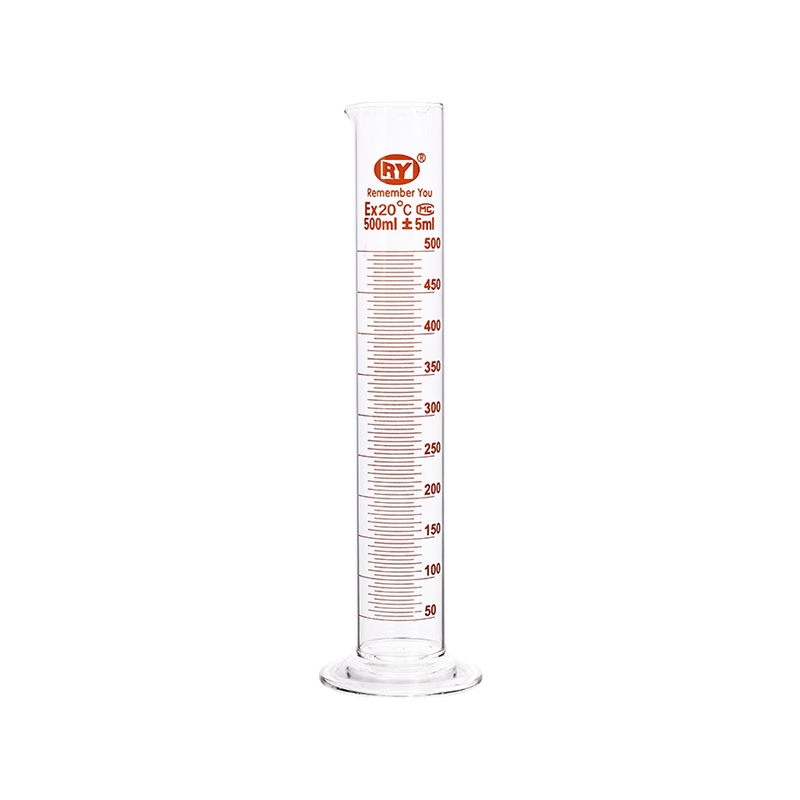
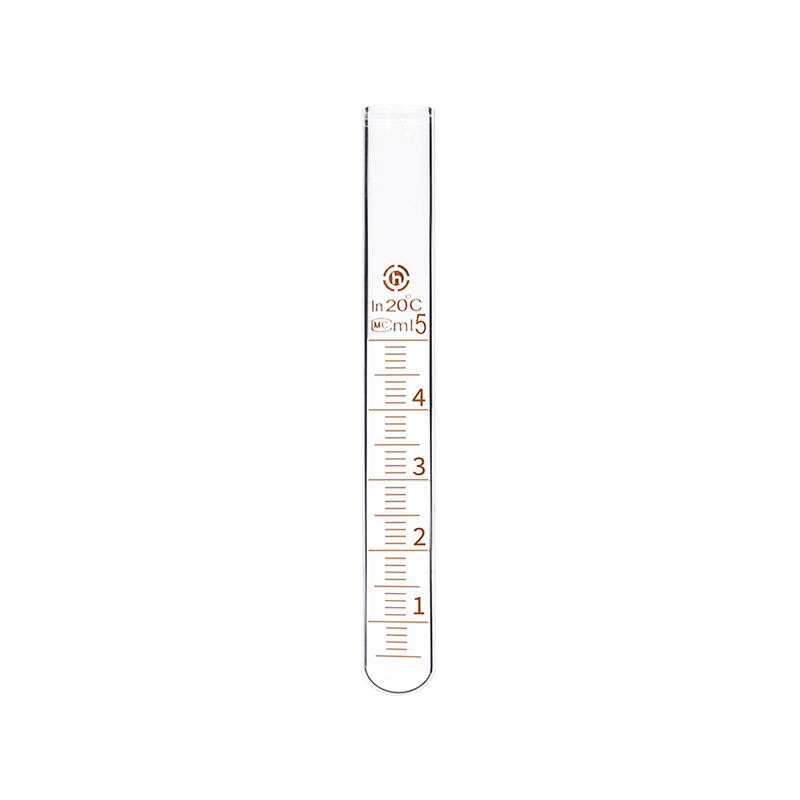
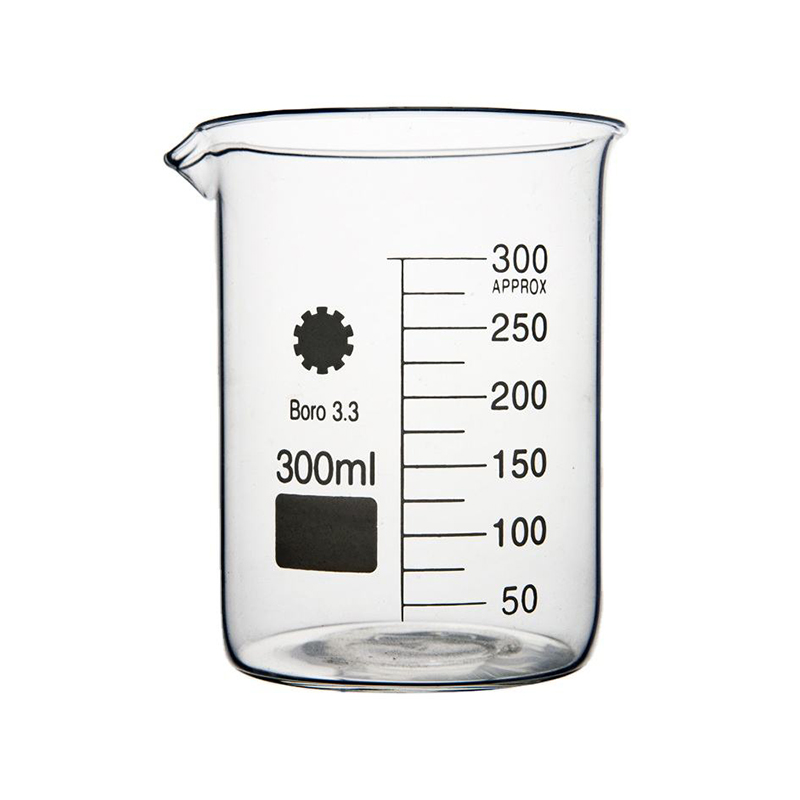
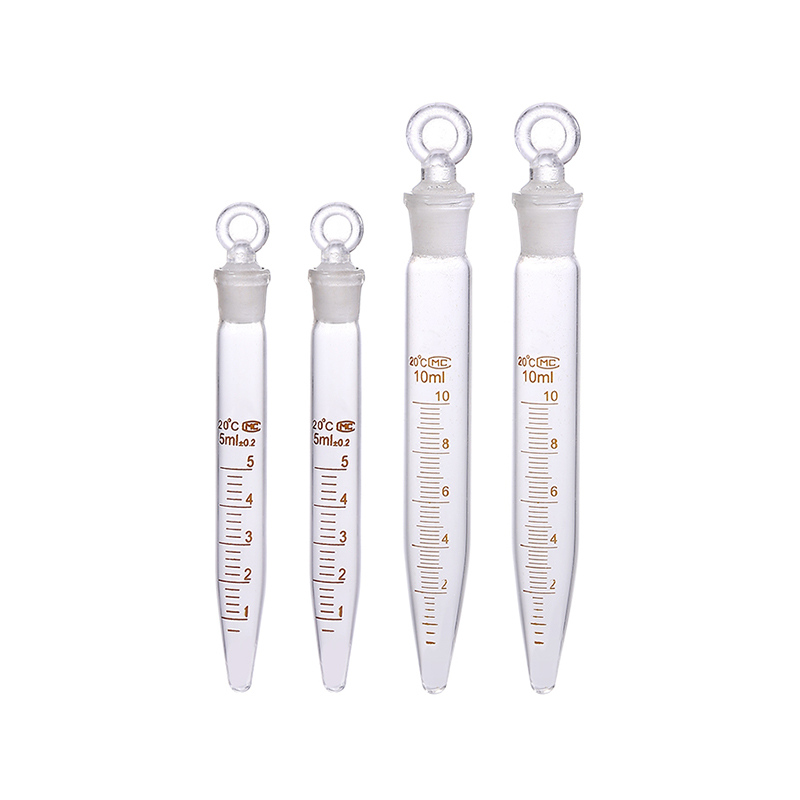
- Built-in volume reference — graduation marks let you check an approximate liquid volume directly, without needing to transfer material to a separate measuring cylinder or pipette for a quick reading.
- Saves time during routine procedures — for tasks where exact Class A precision isn't required, being able to glance at graduation marks rather than performing a separate measurement step speeds up everyday lab work considerably.
- Durable, long-lasting markings — both printed enamel and etched graduation options are designed to resist fading, chemical exposure, and repeated autoclaving over the product's normal service life, unlike adhesive labels or temporary markings.
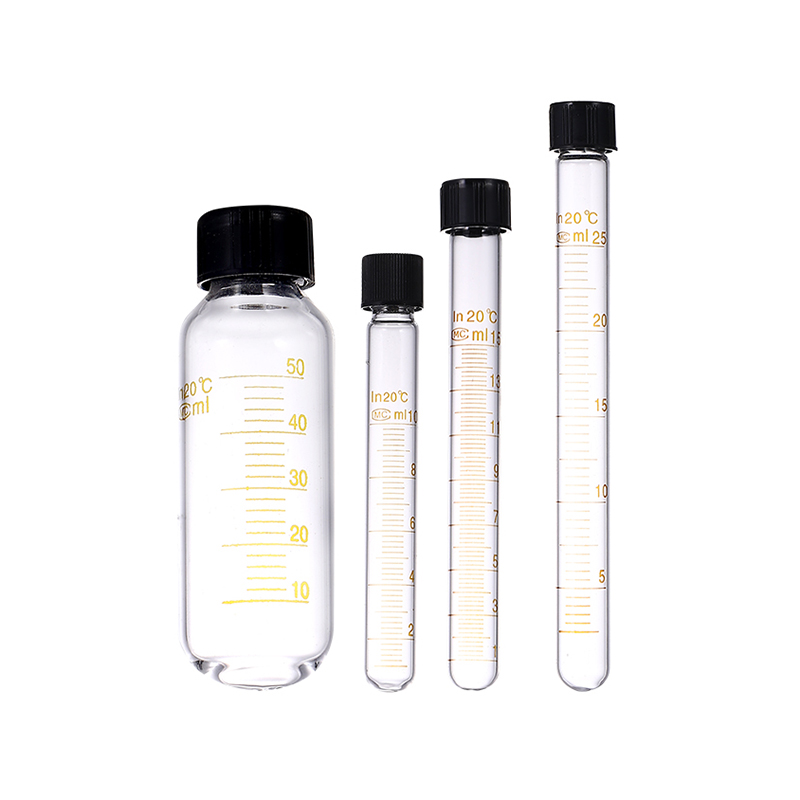
- Available across a wide range of vessel shapes — graduated versions of cylinders, beakers, flasks, and bottles mean this convenience is available across most of the general glassware you'd already be using, rather than requiring a separate specialized product.
- Reasonable accuracy for most routine tasks — standard Class B graduation tolerance is entirely sufficient for the majority of everyday lab measurement needs that don't require documented, regulated precision.
For any application specifically requiring documented, regulated measurement accuracy, our dedicated Class A precision volumetric line remains the more appropriate choice over standard graduated glassware.
These advantages compound when a lab standardizes across its glassware inventory rather than mixing several different systems, since staff spend less time hunting for compatible parts and more time actually running experiments. We're happy to walk through your current inventory and suggest where standardizing on this product category might simplify day-to-day operations, particularly for labs juggling several different glassware systems left over from different past suppliers or older equipment purchases made before current staff joined.
Where Graduated & Calibrated Glassware Is Used
Graduated glassware covers a genuinely wide swath of routine laboratory work, showing up wherever an approximate to moderately accurate volume reference is useful without needing the documented precision of dedicated volumetric equipment.
- General reagent preparation — routine dilutions and solution preparation where exact Class A accuracy isn't specifically required benefit from having a convenient built-in volume reference.
- Quick volume checks during multi-step procedures — being able to glance at a graduated beaker or flask to confirm approximate remaining volume speeds up procedures that don't require pausing for a separate measurement step.
- Teaching and training laboratories — graduated glassware is standard equipment in introductory chemistry and biology courses, where students need a practical volume reference without the cost or fragility concerns of Class A precision equipment.
- Process monitoring in synthesis and extraction work — tracking approximate liquid levels during a reaction or extraction step often relies on graduated flasks or beakers rather than pausing to measure precisely.
- General research and development — most day-to-day R&D work involves measurements where Class B graduated accuracy is entirely sufficient, reserving Class A precision glassware specifically for the final, reportable analytical steps.
- Routine quality control checks — internal, non-regulatory quality checks often use graduated glassware for convenience where full documented precision isn't a formal requirement.
If your task doesn't specifically require documented Class A accuracy, graduated Class B glassware generally provides the right balance of convenience, cost, and adequate precision for routine lab work.
Across all of these settings, the common thread is a need for dependable, repeatable performance rather than a highly specialized one-off solution, which is exactly the kind of use case this product category is built around. If your application doesn't fit neatly into the categories above, it's still worth reaching out, since many processes combine elements of more than one of these use cases and we can usually still recommend a suitable configuration based on your specific workflow and budget.
Graduated & Calibrated Glassware Specifications
The table below summarizes typical graduation types, tolerance classes, and available vessel forms in our catalog. Graduation increment size generally scales with vessel capacity, and we're glad to confirm specific increment details for a particular product on request.
| Parameter | Typical Value |
| Base Material | Borosilicate Glass 3.3 |
| Graduation Marking Types | Durable printed enamel or permanently etched markings |
| Standard Tolerance Class | Class B (per applicable ISO volumetric glassware standards) |
| Common Vessel Types | Graduated cylinders, graduated beakers, graduated flasks, graduated bottles |
| Capacity Range | 10ml to 10L, depending on vessel type |
| Graduation Increment Examples | 1ml, 5ml, 10ml, or larger increments depending on total capacity |
| Reference Calibration Temperature | 20°C, per standard volumetric convention |
| Custom Configurations | Available for non-standard capacities or specific increment requirements on request |
For applications where accuracy requirements are borderline between routine and regulated work, we're happy to discuss whether standard Class B graduated glassware or our dedicated Class A precision line would better suit your specific needs, since choosing the wrong tolerance class either wastes budget or falls short of what a process actually requires.
We periodically review these specifications against evolving international standards to make sure our production tolerances stay aligned with what buyers expect from a reputable manufacturer, and we're glad to share more detailed dimensional drawings for any specific item in this range on request. If a particular parameter isn't listed here, it's worth asking directly rather than assuming a default value, since some characteristics can vary meaningfully between product variants within the same general category or capacity range depending on manufacturing batch.
Frequently Asked Questions
How accurate are standard graduated markings compared to Class A glassware?
Standard graduated glassware typically follows Class B tolerance, which is looser than Class A but entirely adequate for routine, non-regulated measurement tasks.
Will the graduation markings fade or wear off over time?
Both printed enamel and etched markings are designed to resist fading and wear under normal use, though etched markings generally hold up best under heavy repeated handling or aggressive cleaning.
Can I use graduated glassware for regulated analytical reporting?
For work requiring documented, regulated measurement accuracy, our dedicated Class A precision volumetric line is the more appropriate choice over standard Class B graduated glassware.
Do you offer graduated versions of standard beakers and flasks I already use?
Yes, graduated versions are available across most of our standard beaker, flask, cylinder, and bottle product lines.
Why does my graduated bottle's liquid level seem lower than expected after storage?
This is usually caused by gradual evaporation through an imperfect seal rather than an inaccurate graduation mark; confirming a well-sealed closure helps preserve accuracy for stored solutions.
Can I request a custom graduation increment for a specific procedure?
Yes, custom increment spacing can be produced on request for specialized applications beyond our standard catalog offerings.
Can you help me decide between a few different options in this category for my specific application?
Yes, we're happy to discuss your intended use in more detail and recommend the most suitable configuration, since the right choice often depends on details specific to your process that aren't always obvious from a general product description alone.
Closure & Joint Compatibility for Graduated Vessels
Graduated glassware generally uses the same standard ground taper joints or GL screw threads as the rest of our respective product shapes, so closure and sealing performance follows the same principles covered elsewhere in our catalog for beakers, flasks, cylinders, and bottles of a given shape and neck configuration.
For graduated flasks and bottles specifically intended for prepared solution storage, choosing an appropriate stopper or cap matters for maintaining the accuracy of the graduated reading over time, since evaporation from an improperly sealed container will gradually reduce the actual liquid volume below what the graduation mark suggested at the time of preparation. This becomes particularly relevant for volatile solvents or aqueous solutions stored for extended periods, where even a modest evaporation rate can meaningfully shift the actual volume away from the graduated reference over days or weeks.
Graduated cylinders, which are typically used for immediate measurement rather than extended storage, have less need for a tight closure during actual use, though a cover is still worth using during any storage between measurements to prevent dust or contamination from affecting cleanliness. For any graduated vessel where the reading needs to remain accurate over an extended holding period rather than just an immediate measurement, confirming an appropriate, well-sealed closure is a simple step that helps preserve the practical value of the graduation markings themselves, particularly for solutions prepared in advance and used gradually over several days.
Getting this right the first time is generally simpler than troubleshooting a marginal seal after a process is already underway, so we'd always recommend confirming the appropriate sealing approach for your specific application before finalizing your order, particularly if you're working with an unfamiliar reagent, an unusual operating temperature, or an application outside typical everyday lab conditions where standard assumptions about sealing performance might not hold as reliably as expected.
Payment Terms & Shipping
Graduated and calibrated glassware ships under our standard commercial terms, and being a widely used general-purpose product category, logistics for standard configurations are generally well established.
- Payment methods — T/T, L/C, and Alibaba Trade Assurance, with a 30% deposit and balance due before shipment standard for new buyers, adjustable for established accounts placing recurring orders.
- Sample orders — available for most standard configurations, worth considering if you need to confirm graduation increment size or marking durability before a larger purchase.
- Lead times — standard graduated vessels typically ship within 12–20 days given high production volume; custom capacities or non-standard graduation increments generally take 20–30 days.
- Packaging — graduated glassware is individually wrapped with attention to protecting the graduation markings from abrasion during transit, since visible, legible markings are central to the product's practical value.
- Shipping — FOB Shanghai standard, with sea freight for bulk orders and air freight available for smaller or time-sensitive shipments.
Since graduated glassware is often ordered in mixed batches spanning several vessel types and capacities for general lab restocking, combining everything into one purchase order is generally the most efficient approach for both quoting and shipping coordination on our end.
We understand that international shipping timelines are often a critical part of planning a lab setup or expansion, so we try to communicate realistic lead times upfront rather than optimistic ones that later slip. If your project has a hard deadline, let us know early so we can flag any potential scheduling risk before you commit to a purchase order, rather than discovering a conflict partway through production once materials and labor have already been committed to your specific order.
Compliance, Environmental & Safety Certification
Graduated and calibrated glassware carries the same base material certifications as the rest of our borosilicate catalog, with documentation specifically addressing graduation accuracy where relevant to buyer requirements.
- ISO 9001 quality management certification covers production of graduated glassware the same as the rest of our catalog.
- RoHS and REACH compliance — applies across all glass components in this product range, relevant for buyers shipping into the EU and similarly regulated markets.
- Class B tolerance documentation — available on request, confirming applicable graduation accuracy standards for a specific product type.
- Hydrolytic resistance certification — Class 1 hydrolytic resistance documentation is available for the glass body, confirming suitability for standard chemical and educational applications.
- Third-party testing — SGS or equivalent testing can be arranged for buyers needing independent verification of graduation accuracy or dimensional consistency for internal quality documentation.
If your internal quality system requires documented tolerance class information across a full inventory of graduated glassware, we can typically prepare consolidated documentation covering multiple product types in a single request rather than issuing separate paperwork item by item.
Compliance documentation matters most when it's actually usable by your own internal audit or procurement process, so rather than sending a generic packet, we'd rather understand what your specific requirements are and provide exactly what's needed in the format your team expects. This approach has generally worked well for buyers in regulated industries who need documentation that fits directly into an existing internal quality system without extra back-and-forth or repeated requests for reformatted paperwork.


 English
 Français
 Español