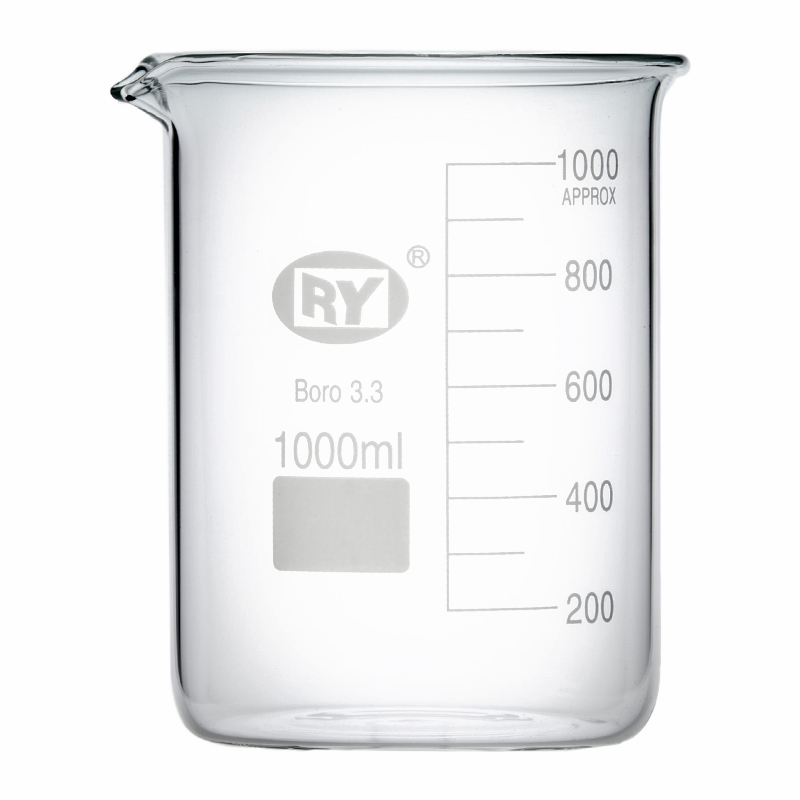
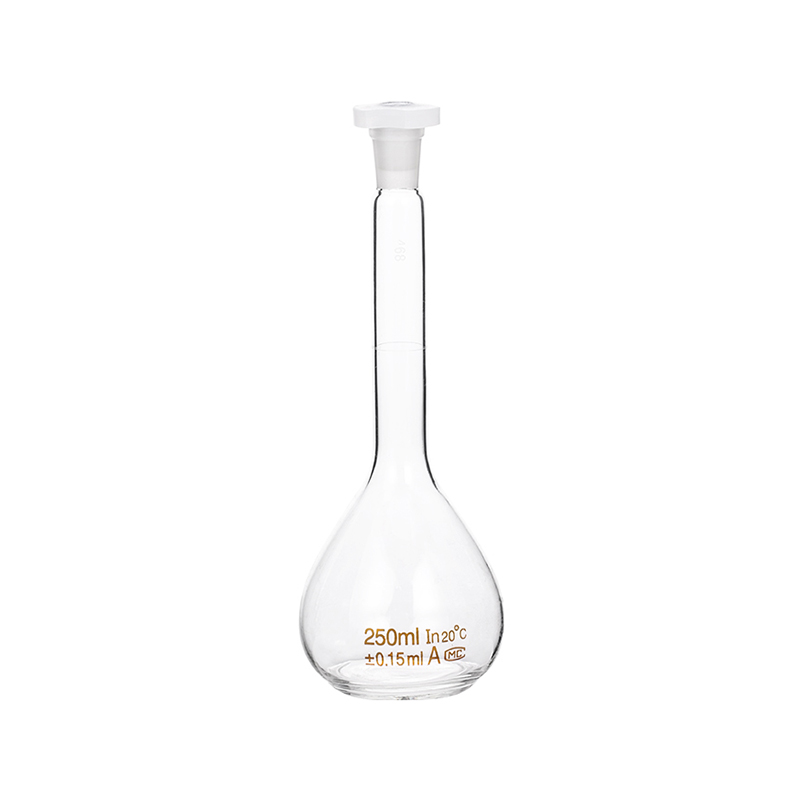
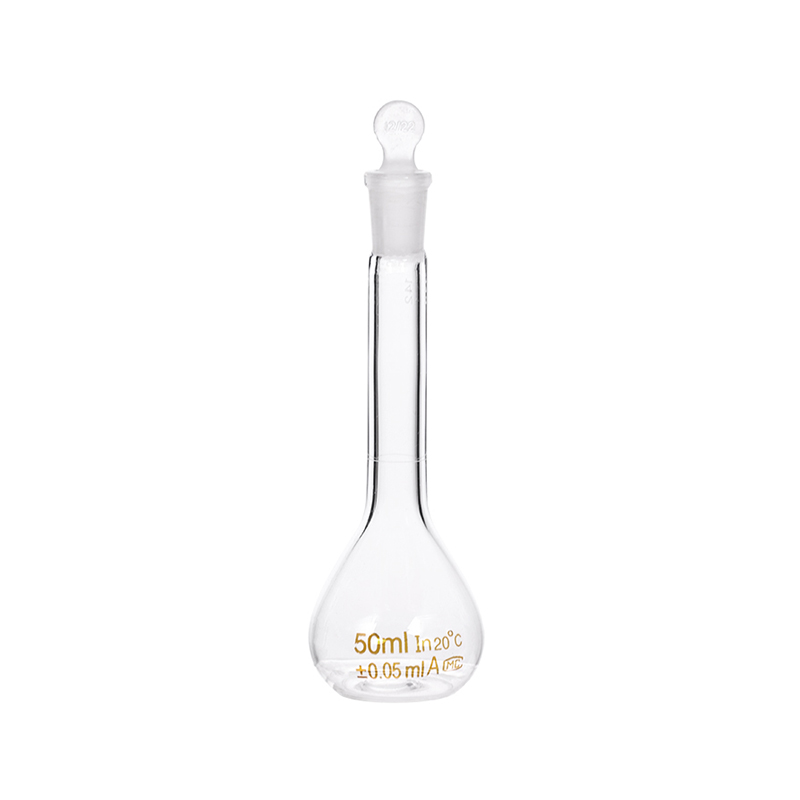
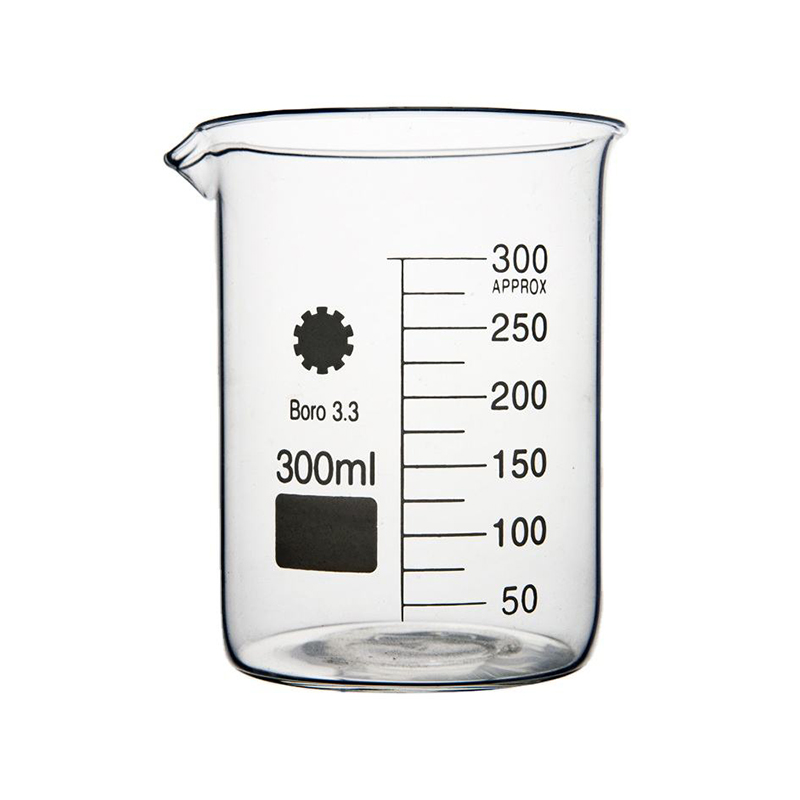
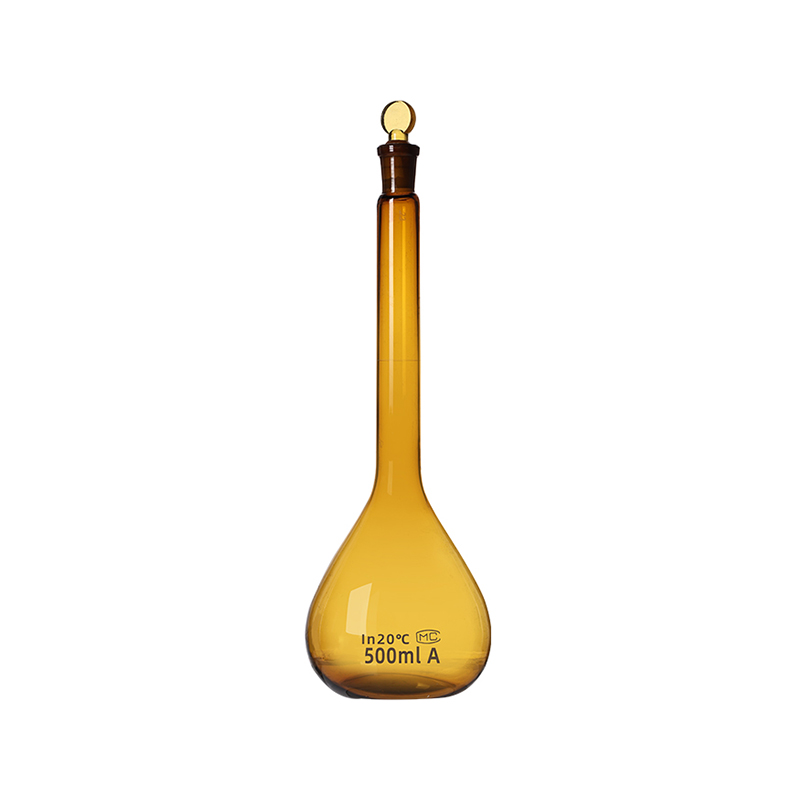
Key Advantages of Custom Volume Glassware
Custom fabrication solves a genuinely different problem than selecting from a standard catalog, and it's worth being specific about what this capability provides for buyers whose requirements fall outside typical standard sizing.
- Exact fit for specific process requirements — rather than adapting a process around the closest available standard size, custom volume glassware is built to match your actual requirement precisely, which can matter considerably for reactions or procedures sensitive to vessel geometry.
- Avoids inefficient over or under-sizing — using an oversized standard vessel for a smaller actual requirement wastes bench space and can affect reaction conditions, while an undersized vessel risks overflow or inadequate headspace; custom sizing avoids both problems.
- Supports proprietary or unique equipment integration — research apparatus or process equipment built around specific, non-standard dimensional requirements often needs matching custom glassware components rather than generic catalog items.
- In-house design and production capability — because our R&D and fabrication teams handle custom work directly, rather than outsourcing to a separate specialty supplier, communication and iteration during the design process tend to be more direct and efficient.
- Flexibility across multiple specifications simultaneously — custom orders can combine a non-standard capacity with a specific joint configuration, neck arrangement, or material choice all in a single fabricated item, rather than requiring separate standard components to be combined afterward.
The trade-off compared to standard catalog items is generally longer lead time and higher per-unit cost, reflecting the additional design and fabrication effort custom work requires.
These advantages compound when a lab standardizes across its glassware inventory rather than mixing several different systems, since staff spend less time hunting for compatible parts and more time actually running experiments. We're happy to walk through your current inventory and suggest where standardizing on this product category might simplify day-to-day operations, particularly for labs juggling several different glassware systems left over from different past suppliers or older equipment purchases made before current staff joined.
Where Custom Volume Glassware Is Used
Custom volume glassware is specified wherever an existing standard catalog simply doesn't cover a buyer's specific requirement, which shows up across a range of specialized research, replacement, and equipment integration scenarios.
- Proprietary pilot-scale process equipment — custom process development often requires vessels sized and configured specifically around a unique reaction or separation requirement rather than standard catalog dimensions.
- Unique research apparatus development — novel experimental setups sometimes require glassware built around a specific, non-standard volumetric or dimensional requirement that doesn't exist in any standard catalog.
- Replacement for obsolete or discontinued glassware — older equipment using a joint size, capacity, or configuration no longer produced by the original supplier can often be matched through custom fabrication rather than replacing the entire piece of equipment.
- Instrument-integrated vessel requirements — analytical or process instruments sometimes require glassware built to specific dimensional constraints dictated by the instrument's own design.
- Space-constrained lab setups — unusual bench, fume hood, or equipment footprint constraints occasionally call for glassware with non-standard proportions to fit a specific physical space efficiently.
- Specialized pilot-scale scale-up work — transitioning a bench-scale process to an intermediate custom scale, before committing to full production equipment, often requires vessels sized specifically for that transitional stage.
If you've confirmed that no standard catalog item meets your specific volumetric or dimensional requirement, custom fabrication is generally the appropriate path forward rather than compromising your process around an imperfect standard fit.
Across all of these settings, the common thread is a need for dependable, repeatable performance rather than a highly specialized one-off solution, which is exactly the kind of use case this product category is built around. If your application doesn't fit neatly into the categories above, it's still worth reaching out, since many processes combine elements of more than one of these use cases and we can usually still recommend a suitable configuration based on your specific workflow and budget.
Custom Volume Glassware Specifications & Ordering Process
The table below summarizes the general process and typical parameters involved in ordering custom volume glassware. Because every custom order is unique by definition, exact specifications are confirmed individually with each buyer during the quotation process.
| Parameter | Typical Value |
| Available Base Materials | Borosilicate Glass 3.3 (standard); quartz available for specialized requirements |
| Achievable Capacity Range | A few milliliters up to 50L or larger, depending on shape and complexity |
| Required Information for Quoting | Target capacity, vessel shape, neck/joint configuration, material preference |
| Design Support | Technical drawings and dimensional sketches accepted; in-house design assistance available |
| Typical Lead Time | 30–60 days depending on complexity and order quantity |
| Prototype/Sample Confirmation | Available before full production run for larger custom orders |
The more specific detail you can provide upfront — a rough sketch, a sample of the item being replaced, or a target dimensional drawing — the faster we can turn around an accurate quote and production timeline for your specific custom requirement, since ambiguity at this stage is the most common cause of delays later in the process.
We periodically review these specifications against evolving international standards to make sure our production tolerances stay aligned with what buyers expect from a reputable manufacturer, and we're glad to share more detailed dimensional drawings for any specific item in this range on request. If a particular parameter isn't listed here, it's worth asking directly rather than assuming a default value, since some characteristics can vary meaningfully between product variants within the same general category or capacity range depending on manufacturing batch.
Frequently Asked Questions
How do I start the process for a custom volume glassware order?
Send us your target capacity, vessel shape, and joint or thread requirements, along with any technical drawing or sample of an existing item you're trying to match or replace.
What's the minimum order quantity for custom glassware?
This varies by complexity, but we can generally accommodate small custom orders, including single-unit prototypes, though per-unit cost is naturally higher for very small quantities.
Can you match a discontinued product from another manufacturer?
In many cases yes, particularly if you can provide the original item or its dimensions for reference; we'll confirm feasibility during the initial design discussion.
Do custom orders include a prototype step before full production?
For larger custom orders, yes, a single prototype or sample unit can be produced first for your approval before we proceed with full production.
How much more expensive is custom glassware compared to standard catalog items?
This varies significantly by complexity, but custom items generally cost more per unit than equivalent standard catalog products, reflecting the dedicated design and setup effort involved.
Can custom items combine unusual capacity with a specific joint configuration?
Yes, custom orders can specify capacity, shape, joint configuration, and material together in a single fabricated item tailored to your exact requirements.
Can you help me decide between a few different options in this category for my specific application?
Yes, we're happy to discuss your intended use in more detail and recommend the most suitable configuration, since the right choice often depends on details specific to your process that aren't always obvious from a general product description alone.
Specifying Sealing & Interface Requirements for Custom Items
Getting sealing and interface details right on a custom order matters considerably more than with standard catalog items, since there's no existing product specification to fall back on if a detail is overlooked during the initial design discussion.
When submitting a custom volume request, it's important to specify not just the target capacity but also the exact joint or thread type needed, since this determines compatibility with whatever equipment or accessories the custom vessel will ultimately connect to. If you're replacing an existing item, providing the current joint dimensions, or ideally the actual old part for reference, is generally the most reliable way to ensure the new custom piece will integrate properly with equipment that isn't being replaced as part of the same order.
For more complex custom items, particularly those involving multiple connection points or unusual geometry, we generally recommend a design review step before committing to full production, where we confirm dimensional details, joint compatibility, and any specific sealing requirements together before manufacturing begins. For larger custom orders, a single prototype or sample unit can also be produced first, allowing you to physically verify fit and function before we proceed with a full production run, which is considerably more cost-effective than discovering a design issue after an entire custom batch has already been completed.
Getting this right the first time is generally simpler than troubleshooting a marginal seal after a process is already underway, so we'd always recommend confirming the appropriate sealing approach for your specific application before finalizing your order, particularly if you're working with an unfamiliar reagent, an unusual operating temperature, or an application outside typical everyday lab conditions where standard assumptions about sealing performance might not hold as reliably as expected.
Payment Terms & Shipping
Custom volume glassware follows somewhat different commercial terms than our standard catalog items, reflecting the dedicated design and production effort involved in fulfilling a one-off or small-batch custom order.
- Payment methods — T/T, L/C, and Alibaba Trade Assurance are all accepted; custom orders generally require a higher initial deposit, often 50%, given the specialized, non-resellable nature of custom-fabricated items.
- Design and quotation process — we'll work through dimensional details and any technical drawings with you before confirming final pricing and lead time, which is a necessary step before production can begin.
- Lead times — custom items typically require 30–60 days depending on complexity, quantity, and whether a prototype confirmation step is included in the process.
- Packaging — custom items receive individually tailored protective packaging appropriate to their specific size and shape, since standard packaging templates don't necessarily apply to non-standard geometry.
- Shipping — FOB Shanghai standard, with freight method chosen based on the specific size, weight, and urgency of the completed custom order.
Because custom items can't generally be resold if a buyer's requirements change after production begins, confirming all specifications carefully before final approval is an important step in the custom ordering process.
We understand that international shipping timelines are often a critical part of planning a lab setup or expansion, so we try to communicate realistic lead times upfront rather than optimistic ones that later slip. If your project has a hard deadline, let us know early so we can flag any potential scheduling risk before you commit to a purchase order, rather than discovering a conflict partway through production once materials and labor have already been committed to your specific order.
Compliance, Environmental & Safety Certification
Custom volume glassware carries the same base material certifications as our standard catalog, with additional verification typically built around confirming the item meets the buyer's specific custom dimensional and functional requirements.
- ISO 9001 quality management certification covers our production processes for custom items the same as our standard catalog.
- RoHS and REACH compliance — applies to the glass and any additional components used in custom-fabricated items.
- Dimensional verification against buyer specification — custom items are checked against the agreed technical drawing or specification before shipment, with documentation available confirming this verification.
- Hydrolytic resistance certification — Class 1 hydrolytic resistance documentation is available for the base borosilicate material used in custom fabrication.
- Third-party testing — SGS or equivalent testing can be arranged for buyers needing independent verification of a custom item's dimensional accuracy or material composition.
If your custom application operates under a specific regulatory or safety framework requiring particular documentation, let us know during the initial design discussion so we can build the right verification steps into the production and quality control process from the start.
Compliance documentation matters most when it's actually usable by your own internal audit or procurement process, so rather than sending a generic packet, we'd rather understand what your specific requirements are and provide exactly what's needed in the format your team expects. This approach has generally worked well for buyers in regulated industries who need documentation that fits directly into an existing internal quality system without extra back-and-forth or repeated requests for reformatted paperwork.


 English
 Français
 Español