English
 Français
 Español
Usage and Precautions for Beakers
I. How to Use a Beaker
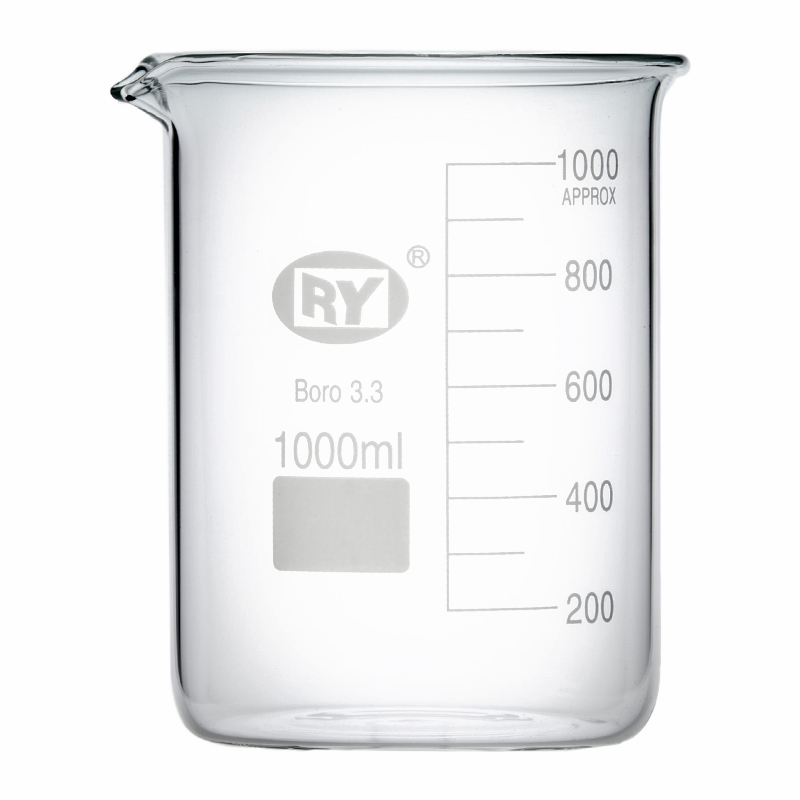
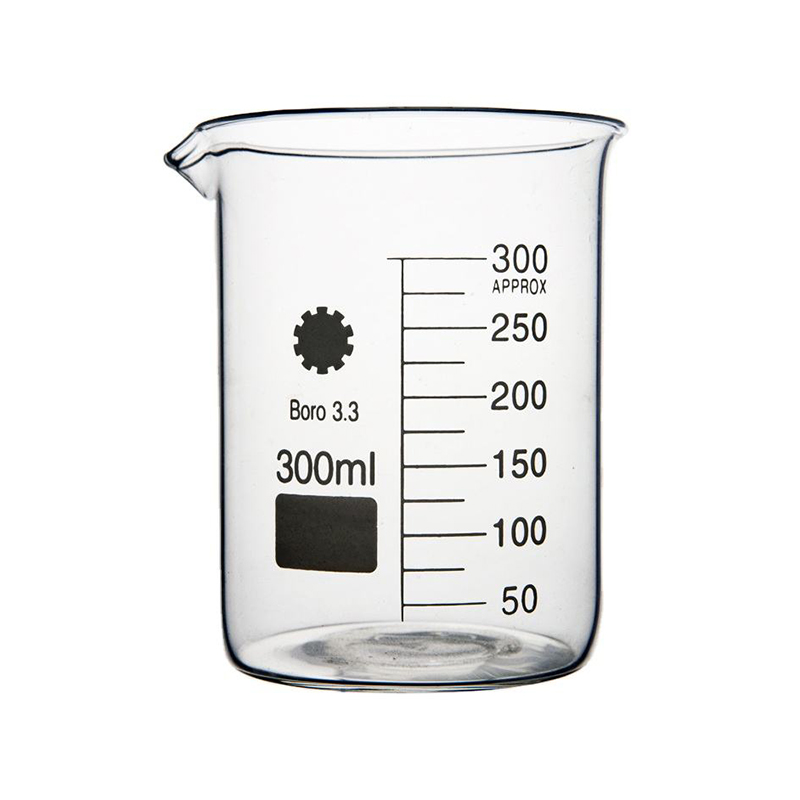
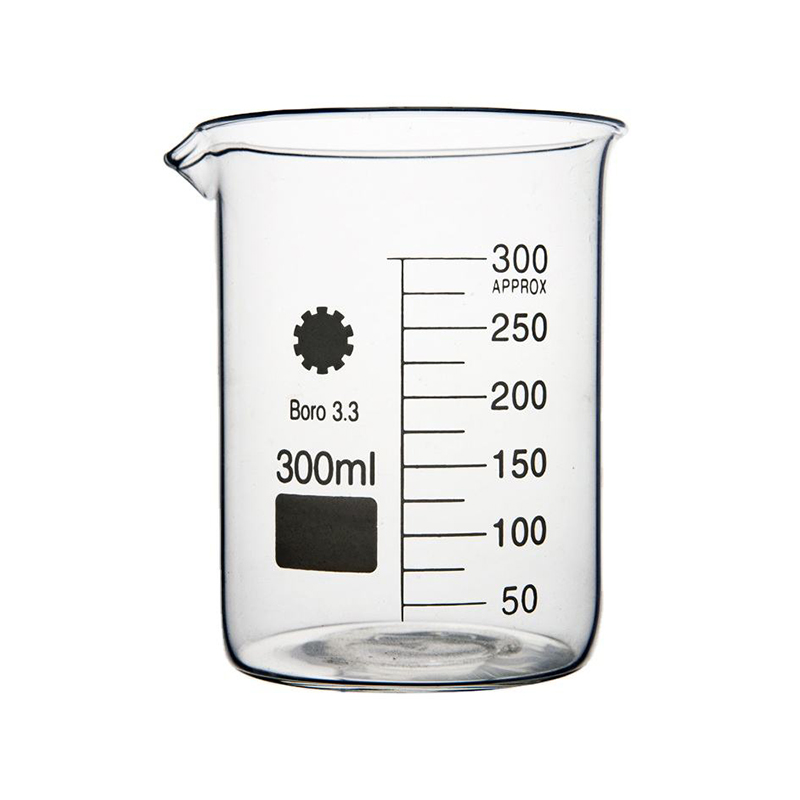
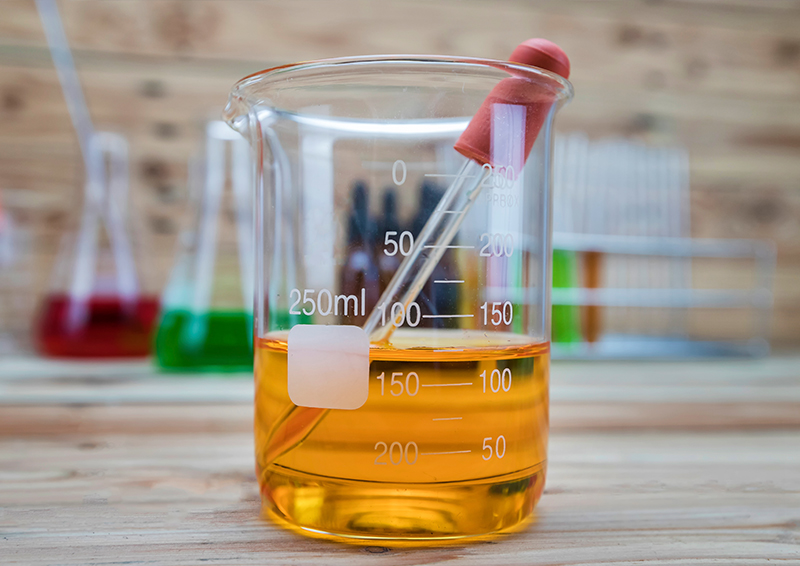
Due to its uniform diameter from top to bottom, a beaker is convenient for holding and pouring liquids, making it one of the most commonly used reaction vessels for simple chemical experiments. If the beaker has volume markings on the outer wall, the approximate volume of the solution inside can be estimated. Some beakers also feature a small frosted or white area on the side where the contents can be labeled with a pencil. If no such area is present, a label can be attached to the outside of the beaker. When stirring is required, a glass rod is typically used. To transfer liquid to another container, tilt the beaker so that the lip faces the spout (if present), allowing smooth pouring. To prevent liquid from dripping down the outside of the beaker, lightly touch the lip with a glass rod—the liquid will then flow smoothly along the rod.
II. Main Uses
-
Acting as a reaction vessel and determining combustion products.
-
Dissolving or crystallizing substances.
-
Containing, evaporating, concentrating, or heating solutions.
Note: Beakers are used for preparing solutions, dissolving substances, and conducting reactions involving moderate quantities of materials, either at room temperature or with heating.
III. Precautions for Using Beakers
-
When heating a beaker, always place it on a wire gauze. Do not heat it directly with a flame. Because of its wide bottom, direct heating may cause uneven glass expansion and lead to cracking.
-
When heating liquids in a beaker, do not exceed one-third of its capacity to prevent boiling overflow. Ensure the outer wall is dry before heating.
-
When heating corrosive substances, cover the beaker with a watch glass to avoid splashing.
-
Do not use beakers for long-term storage of chemicals, as dust may settle or the solution may lose moisture through evaporation.
IV. Additional Notes
① Common sizes include 50 mL, 100 mL, 250 mL, etc., but beakers should not be used for accurate volume measurement.
② Always heat on a wire gauze to ensure even temperature distribution; the outer surface should be free of water droplets before heating.
③ When heating liquids, do not fill beyond two-thirds of the beaker’s capacity; generally, filling to about half is recommended.
④ During dissolution or dilution, avoid touching the bottom or inner walls with the stirring rod.